In This Guide
- Can You Drive an RV in West Europe? License & Age Rules
- Road Conditions & Terrain in West Europe
- RV Size Limits, Bridges & Restricted Zones
- Fuel: Diesel vs. Petrol & Cost per 100 km
- Tolls, Vignettes & Border Rules
- Driving Tips for weekly rv rental Travelers
- Recommended RV Class for West Europe Roads
- Should I Choose a Compact Van Instead of a Large RV in West Europe?
- Can I Park Anywhere? Free & Wild Camping Rules in West Europe
- Can I Drive an RV Into the City Center? Heights, Tunnels & Local Signage
- Is it worth renting an RV in Europe?
- How much does it cost to rent an RV in Europe for a week?
- What do you need to RV in Europe?
- Can you rent an RV and drive it from the UK to Europe?
- How much is fuel for an RV in Europe?
- Can you take a campervan on a ferry in Europe?
- Is a 7.5m RV too big for Europe?
- How do you navigate Paris in a campervan?
- How much does it cost to drive an RV from the UK to Spain?
- What is the cheapest way to travel Europe by RV?
- What are the rules for motorhomes in France?
- Are RVs popular in Europe?
Can You Drive an RV in West Europe? License & Age Rules
Most standard driving licenses (Category B) are sufficient for RVs up to 3,500 kg, which covers many popular rental models in West Europe. For RVs exceeding 3,500 kg, an elevated license category (e.g., C1 in Europe) is typically required; verify the specific Gross Vehicle Weight Rating (GVWR) of your rental. The minimum driver age for RV rental in West Europe is generally 21, though some companies may require drivers to be 25 or older, often with a minimum of 2-3 years of driving experience. Foreign drivers, particularly from non-EU countries, should carry an International Driving Permit (IDP) alongside their national license, as it translates their license into multiple languages and is recognized across the Schengen Area.
Road Conditions & Terrain in West Europe
Road conditions in West Europe are generally excellent, with well-maintained motorways and secondary roads suitable for weekly RV rentals, though rural areas or medieval towns may present narrower, winding paths. Terrain varies significantly, from the flat plains of the Netherlands and Northern France to the mountainous regions of the Alps and Pyrenees, requiring adaptable driving styles. While motorways allow for efficient travel, embracing a slower, scenic pace on smaller roads is often the best way to experience West Europe's diverse landscapes and charming villages in an RV. Be prepared for potential gravel or unpaved sections on routes to more remote campsites or natural attractions, though main routes are overwhelmingly paved.
RV Size Limits, Bridges & Restricted Zones
RV size limits in West Europe primarily revolve around navigating narrow historic town centers, low bridges (especially railway bridges), and low-emission zones (ZFE zones) in major cities. While most main roads and motorways accommodate standard RV sizes, consistently checking for height, width, and weight restrictions posted on local signage is crucial, particularly when entering smaller towns or rural routes. Low-emission zones, or Umweltzonen in Germany and Crit'Air zones in France, are increasingly common in urban areas and may restrict older or larger RVs without the correct emissions sticker; plan your city access accordingly or use park-and-ride options. When planning ferry travel (e.g., to Ireland or UK from mainland Europe), RV length and height directly impact pricing, and some smaller ferries may have stricter size limitations.
Fuel: Diesel vs. Petrol & Cost per 100 km
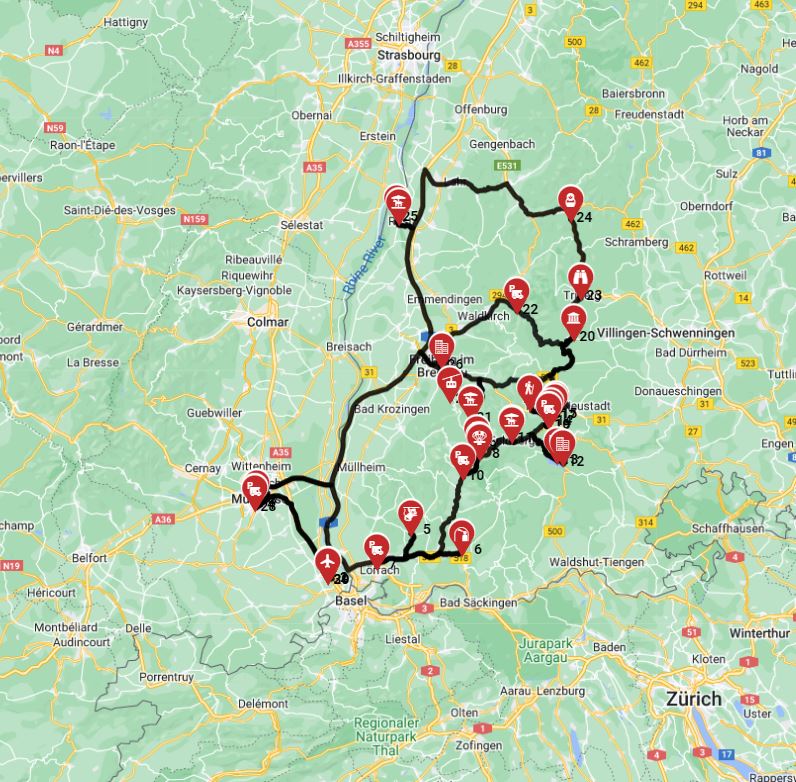
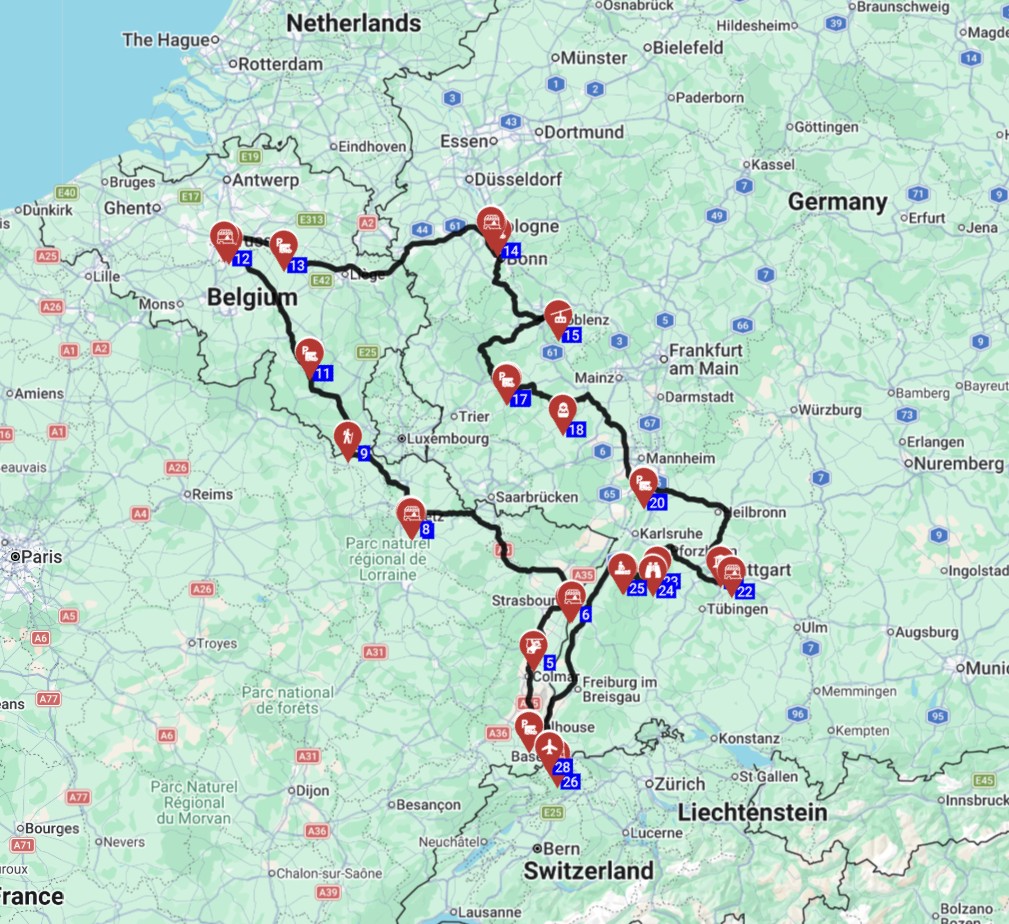
Most RVs available for weekly rental in West Europe are diesel-powered, offering better fuel efficiency and widely available fuel stations across the region. Based on Bandana's global fleet averages, RVs typically consume between 8-12 Liters per 100 km; for example, a Class B Camper Van averages 8-10 L/100km, while a Class C Alcove averages 10-12 L/100km. The average cost per 100 km for an RV in West Europe generally ranges from €18 to €22, assuming an average diesel price of €1.80 per liter in 2026 and consumption of 10-12 L/100km. Using fuel cards, sometimes included with rental agreements or available for purchase, can offer discounts or simplify payment across different countries, helping manage fuel costs more effectively. On the routes offered through RV PLANET routes, you can itemize and track every expense along the way for easy budgeting.
Tolls, Vignettes & Border Rules
Navigating West Europe by RV involves a mix of pay-as-you-go tolls (common in France, Italy, Spain), pre-paid vignettes (required in countries like Switzerland, Austria, Slovenia), and toll-free roads, with systems varying significantly by country. While specific regulations vary by country, generally expect to pay tolls on major motorways, with costs often higher for larger vehicles like RVs; some countries also have special environmental or bridge tolls. Many Bandana RVs may offer options for pre-purchased toll passes or electronic toll devices (like Liber-t in France) to avoid queues and potential fines, simplifying cross-border travel. Border crossings within the Schengen Area of West Europe are typically seamless with no passport checks, but you should always carry your passport, driving license, vehicle registration, and insurance documents, as checks can occur.
Driving Tips for weekly rv rental Travelers
For families on a weekly RV rental trip, plan regular stops every 2-3 hours at designated rest areas or charming villages to ensure comfort and allow kids to stretch and explore. Budget-conscious travelers should consider pre-paying tolls where possible, utilizing fuel apps to find the cheapest stations, and planning routes that prioritize scenic, toll-free roads over direct motorways. Luxury RV renters can enhance their experience by selecting models with automatic transmissions for easier driving, researching high-end campsites with premium amenities, and exploring gourmet routes. Always be prepared for emergencies by understanding European emergency numbers (112), having basic vehicle troubleshooting knowledge, and a phrasebook or translation app to overcome language barriers in unexpected situations.
Recommended RV Class for West Europe Roads
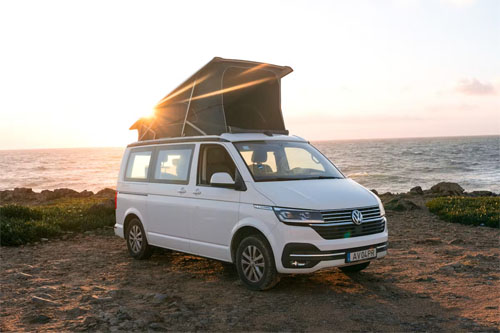
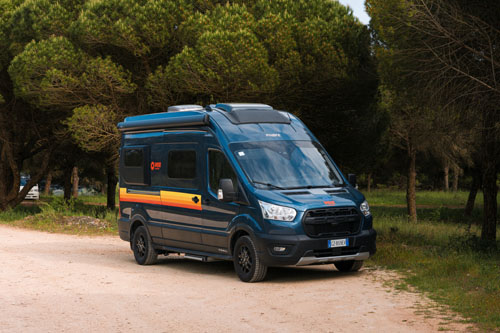
The Class SI - Semi-integrated RV is highly recommended for West Europe roads, offering a balance of comfort and maneuverability with an average length of 6.9 meters and accommodating 3-4 adults. Alternatively, the Class B - Camper Van is ideal for those prioritizing agility and ease of parking, featuring an average length of 5.8 meters, perfect for navigating narrower roads and city centers. While larger classes like Class C - Alcove (avg. 7.5m) or Class A - Integrated (avg. 7.5m) offer more living space, the slightly more compact Class SI and B vehicles reduce stress when encountering tight turns, medieval villages, or busy urban areas. These recommended classes provide ample space for a weekly rental while minimizing challenges related to vehicle size on West Europe's diverse road network.
Should I Choose a Compact Van Instead of a Large RV in West Europe?
While compact vans (Class B - Camper Van) offer superior maneuverability for tight historic centers and narrow mountain passes in West Europe, larger RVs (Class SI, C, or A) typically provide significantly more indoor space and comfort for weekly rentals, which often outweighs the maneuverability trade-off for most travelers. Most West European major roads, highways, and designated RV routes are perfectly suitable for larger RVs, making extensive travel without a compact van feasible and comfortable. A compact van genuinely helps when your itinerary heavily emphasizes navigating very dense urban environments, extremely narrow rural roads, or parking in less designated spaces. However, for a weekly rental focusing on comfort, amenities, and interior living space, a larger RV like a Semi-Integrated (Class SI) often offers a better overall experience, with many RV parks located conveniently outside city centers with public transport links.
Can I Park Anywhere? Free & Wild Camping Rules in West Europe
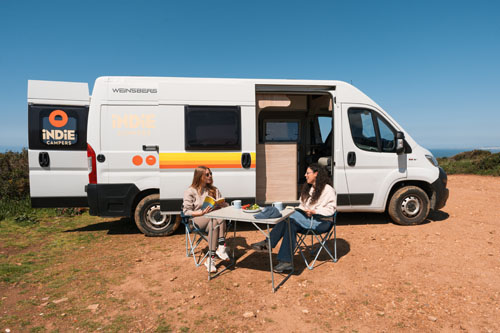
Free and wild camping rules in West Europe are highly diverse and stringently regulated, varying significantly from outright prohibition in countries like Portugal and Croatia, to more permissive rules in Scandinavia and parts of France. In many West European countries (e.g., Germany, Netherlands, Belgium), overnight parking outside of designated campsites or official Stellplatz/Aire de Service areas is generally not permitted and can lead to fines. Some regions in France, particularly rural areas, allow 'stationnement' (parking) overnight in an RV as long as it's not 'camping' (setting out awnings, chairs, etc.), but this is a grey area and local discretion applies. Utilizing programs like France Passion or Italian Agriturismo (which allow free overnight stays on private properties like vineyards or farms) offers an authentic and legal alternative to wild camping, connecting travelers with local culture. Rules vary by region — always check specific local regulations and follow local law before parking overnight to avoid penalties and respect local communities.
Can I Drive an RV Into the City Center? Heights, Tunnels & Local Signage
You can almost always drive an RV into the general vicinity of West European city centers, but direct access to the very heart of historic districts or densely populated zones often requires careful attention to local signage, height/weight restrictions, and environmental zones. Drivers must pay close attention to specific local signage indicating height limits (e.g., for low bridges or underground parking), weight restrictions, and environmental zone requirements (e.g., Crit'Air in France) that may apply to older or larger RVs. Many European cities have implemented Low Emission Zones (LEZs) or congestion charges which can restrict RV access or require special permits/stickers; research the specific city's regulations in advance. For ease and to avoid tight spots, consider utilizing dedicated park-and-ride facilities or RV-friendly parking areas located just outside city centers, then using public transport to explore the urban core, which also offers a practical strategy for experiencing cities like Paris.
Is it worth renting an RV in Europe?
Renting an RV in West Europe offers unparalleled freedom and flexibility to explore diverse landscapes, from coastal routes to alpine passes, at your own pace, making it a highly worthwhile travel option for many. The ability to cook your own meals and choose your overnight stops can lead to significant cost savings compared to traditional hotel and restaurant-based travel, especially for weekly rentals. An RV provides a comfortable and convenient base for outdoor activities like hiking, cycling, or visiting multiple national parks and cultural sites without the hassle of constant packing and unpacking. While it requires adherence to specific driving rules and awareness of vehicle dimensions, the immersive experience of living on the road and connecting with local culture often makes the logistical planning worthwhile. For ideas you can prep on the road, watch our RV-friendly recipes playlist on YouTube.
How much does it cost to rent an RV in Europe for a week?
The cost to rent an RV in West Europe for a week typically ranges from €700 to €1,500, varying significantly based on the RV class, time of year, rental company, and specific features requested. Budget-friendly options like a compact Class B Camper Van might start at the lower end, especially during shoulder seasons, while larger, more luxurious Class A or fully-equipped Class C RVs can reach the higher end. Additional costs to factor in for a weekly rental include insurance (often mandatory), one-way fees if applicable, specific equipment rentals (e.g., bike racks, camping tables), and potentially cleaning fees. Booking well in advance, especially for peak summer months, can often secure better rates and a wider selection of vehicles.
What do you need to RV in Europe?
To RV in West Europe, you primarily need a valid driving license (plus an IDP for non-EU licenses), a valid passport, comprehensive travel insurance, and the vehicle's registration and insurance documents. Essential gear includes navigation tools (GPS with RV-specific settings is highly recommended), a European electrical adapter, level ramps for parking, and basic kitchen supplies. For authentic cultural immersion, consider a phrasebook for basic local greetings, cash for smaller purchases, and researching local markets or festivals along your route. Emergency preparedness should include knowledge of the European emergency number (112), basic first aid, and contact information for your rental company's roadside assistance.
Can you rent an RV and drive it from the UK to Europe?
Yes, you can rent an RV in the UK and drive it to mainland Europe, but it requires careful planning regarding insurance, international breakdown cover, and ferry or Eurotunnel crossings. Many UK rental companies offer RVs suitable for European travel, but you must inform them of your international travel plans to ensure you have the correct insurance and breakdown cover, often requiring an additional premium. Crossing the English Channel typically involves booking a ferry (e.g., Dover to Calais) or using the Eurotunnel, with prices varying based on vehicle length and time of travel. Post-Brexit, UK citizens need to ensure their passports are valid for at least six months beyond their intended stay in the Schengen Area and may be subject to different entry and visa rules; green cards for insurance are typically no longer required but always check the latest government advice.
How much is fuel for an RV in Europe?
Fuel costs for an RV in West Europe fluctuate significantly by country and global oil prices, but typically range from €1.60 to €2.20 per liter for diesel in 2026. As most rental RVs are diesel, your primary fuel expense will depend on diesel prices, which are generally higher in countries like the Netherlands and Germany compared to Spain or Luxembourg. An average RV consumes 8-12 Liters per 100 km, translating to a fuel cost of approximately €18-€22 per 100 km, assuming an average diesel price of €1.80/liter. Using fuel price comparison apps (like Fuelio or GasBuddy for Europe) can help identify the cheapest stations along your route, optimizing your budget.
Can you take a campervan on a ferry in Europe?
Yes, you can readily take a campervan or RV on most ferries operating across Europe, including routes to the UK, Ireland, Scandinavia, and Mediterranean islands. When booking, you will need to provide the exact length and height of your campervan or RV, as these dimensions directly influence the fare, with larger vehicles incurring higher costs. It's advisable to book ferry crossings well in advance, especially during peak season, as space for larger vehicles can be limited and last-minute bookings significantly more expensive. Be aware of specific regulations from individual ferry operators regarding gas cylinders (e.g., needing to be turned off during transit) and any potential weight limits for very large vehicles.
Is a 7.5m RV too big for Europe?
A 7.5m RV (like Bandana's average Class C - Alcove or Class A - Integrated) is not generally too big for touring most of West Europe, particularly on major highways and designated RV routes, but it does require more careful navigation in specific situations. While easily managed on motorways and in most rural areas, a 7.5m RV will present challenges in extremely narrow medieval town streets, small village parking, and low-clearance tunnels or bridges. Many larger campsites and Stellplatz areas are designed to accommodate RVs of this size, but wild camping or parking in undesignated urban spots becomes significantly more difficult. For itineraries focusing heavily on compact historic city centers, considering a smaller Class B Camper Van (avg. 5.8m) might offer greater ease, though the comfort of a 7.5m RV is often preferred for weekly rentals.
How do you navigate Paris in a campervan?
Navigating Paris in a campervan is best managed by avoiding the city center directly and utilizing designated park-and-ride facilities or RV-friendly campsites on the outskirts, then using Paris's excellent public transport. Paris has a strict Crit'Air low-emission zone which covers the entire city and typically restricts older or larger RVs without the correct emissions sticker, making direct entry complicated and potentially costly. Consider booking an RV campsite in areas like Maisons-Laffitte or Versailles, which offer direct RER train connections into the heart of Paris, providing both secure parking and convenient access. For short visits, use apps like Park4night to locate large parking lots or motorhome aires just outside the Périphérique (Paris's ring road) that offer public transport connections, allowing you to experience the city without the stress of urban RV driving.
How much does it cost to drive an RV from the UK to Spain?
Driving an RV from the UK to Spain for a weekly rental involves costs for fuel, tolls, and ferry/Eurotunnel crossings, which can collectively range from €500 to €1,000+ for a one-way trip, excluding rental fees. Fuel will be a primary expense, covering approximately 1,500-2,000 km (depending on route) across France and Spain, costing around €270-€440 based on an average of 10-12 L/100km and €1.80/liter diesel. Tolls across France and parts of Spain can add a significant amount, often between €100-€200 for a one-way journey, though routes with fewer tolls are available but may take longer. The Eurotunnel or ferry crossing from the UK to France typically costs €100-€250, varying by time of year and booking in advance, bringing the total estimated driving expenses before rental to a substantial sum.
What is the cheapest way to travel Europe by RV?
The cheapest way to travel West Europe by RV involves strategic planning around off-peak travel, budget-friendly overnight stays, smart fuel management, and self-catering. Travel during the shoulder seasons (spring or autumn) to secure lower rental rates and avoid peak campsite prices, making your weekly RV rental more economical. Maximize cost savings on overnight stays by utilizing free Stellplatz or Aire de Service locations, or engaging with programs like France Passion or Agriturismo (where available) for authentic, often free, stays on farms or vineyards. Minimize fuel costs by driving conservatively, using fuel comparison apps, and planning routes that avoid excessive tolls where possible; buying groceries from local supermarkets and cooking in your RV will drastically cut down on food expenses.
What are the rules for motorhomes in France?
Rules for motorhomes in France are generally welcoming, with a well-developed network of 'Aires de Service' (dedicated motorhome service points) and a relaxed approach to 'stationnement' (parking) but stricter rules for 'camping sauvage' (wild camping). While parking an RV is often permitted where normal vehicles can park, 'camping' (deploying awnings, setting out chairs, or blocking public access) is generally restricted to official campsites or private land with permission. France operates the Crit'Air vignette system for its Low Emission Zones (ZFE zones) in major cities like Paris, Lyon, and Marseille, requiring specific emissions stickers for your RV to enter during certain hours, depending on its Euro emissions standard. The France Passion program allows RVers to stay overnight for free at hundreds of farms, vineyards, and artisanal producers, offering a unique cultural immersion experience and a legal alternative to wild camping.
Are RVs popular in Europe?
Yes, RVs (motorhomes and campervans) are exceptionally popular in Europe, with a long-standing culture of caravanning and a continuously growing market for both rentals and ownership, particularly for weekly leisure trips. The popularity stems from the freedom to explore Europe's diverse landscapes, rich history, and varied cultures at one's own pace, offering a flexible and often cost-effective way to travel. Europe boasts a comprehensive infrastructure for RVs, including a vast network of dedicated Stellplatz, Aires de Service, and campsites, making it easy to find suitable overnight stops and necessary amenities. Many European families and couples embrace RV travel for holidays, valuing the ability to combine road trips with outdoor activities and the comfort of a 'home on wheels'.
What You Shouldn't Miss
- Drive scenic routes like the Romantic Road in Germany or the Loire Valley in France, stopping at charming villages along the way.
- Explore national parks such as the Cinque Terre in Italy (via RV parking outside the villages) or the Picos de Europa in Spain for breathtaking natural beauty.
- Experience cultural immersion by staying overnight at farms or vineyards through programs like France Passion or Italian Agriturismo.
- Visit iconic cities like Amsterdam, Berlin, or Vienna, utilizing park-and-ride facilities and public transport for convenient exploration.
- Savor local cuisine by shopping at farmers' markets and cooking fresh ingredients in your RV, perhaps enjoying a meal with a view of the countryside.
- Take advantage of the extensive network of 'Aires de Service' and 'Stellplatz' for convenient and often affordable overnight stays.
Final Thoughts
Embarking on a weekly RV rental in West Europe is an incredible way to experience the continent's diverse cultures and stunning landscapes at your own pace. From the rolling hills of Tuscany to the fjords of Norway, a rented RV offers unparalleled freedom and flexibility.
Remember to plan ahead, especially for peak season, and take advantage of the resources available through platforms like Bandana Caravan and RV PLANET (rvplan.net) to compare options and plan your perfect itinerary. The adventure awaits – happy travels!