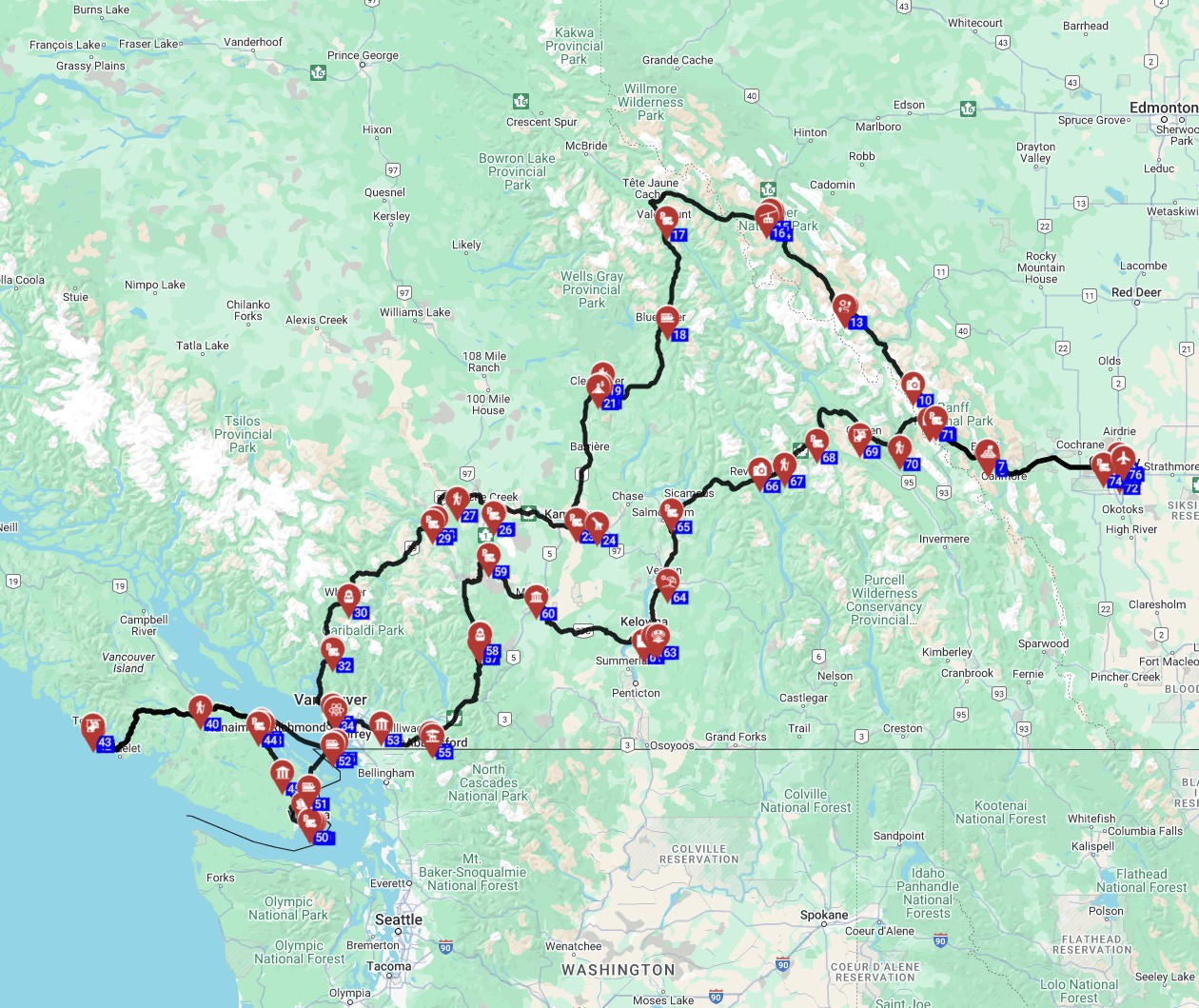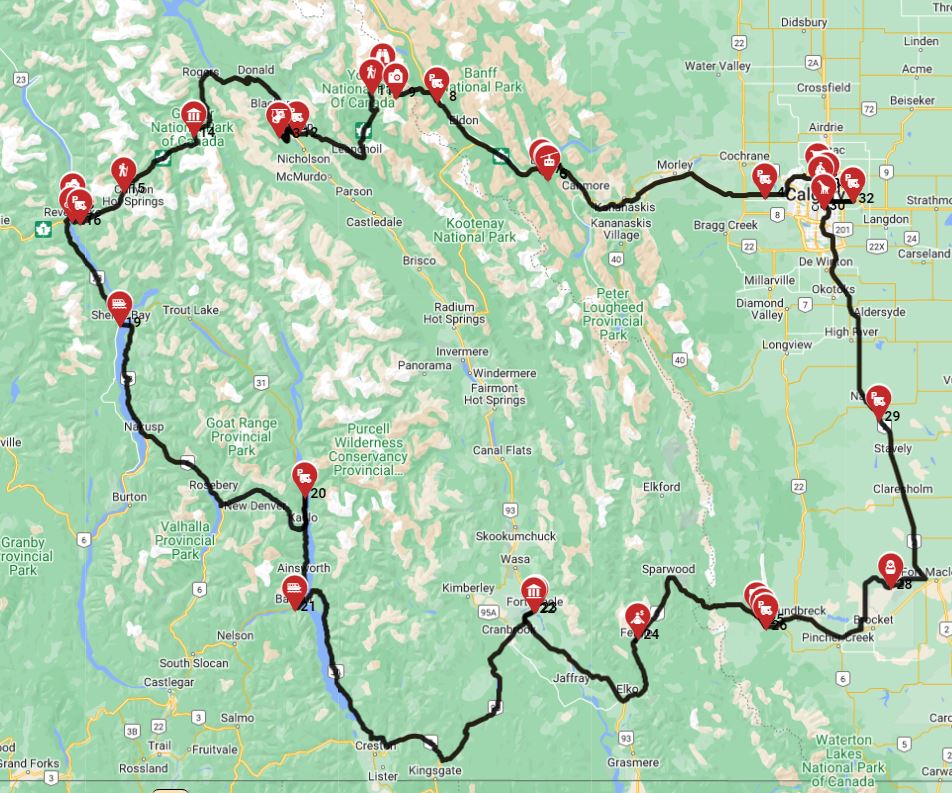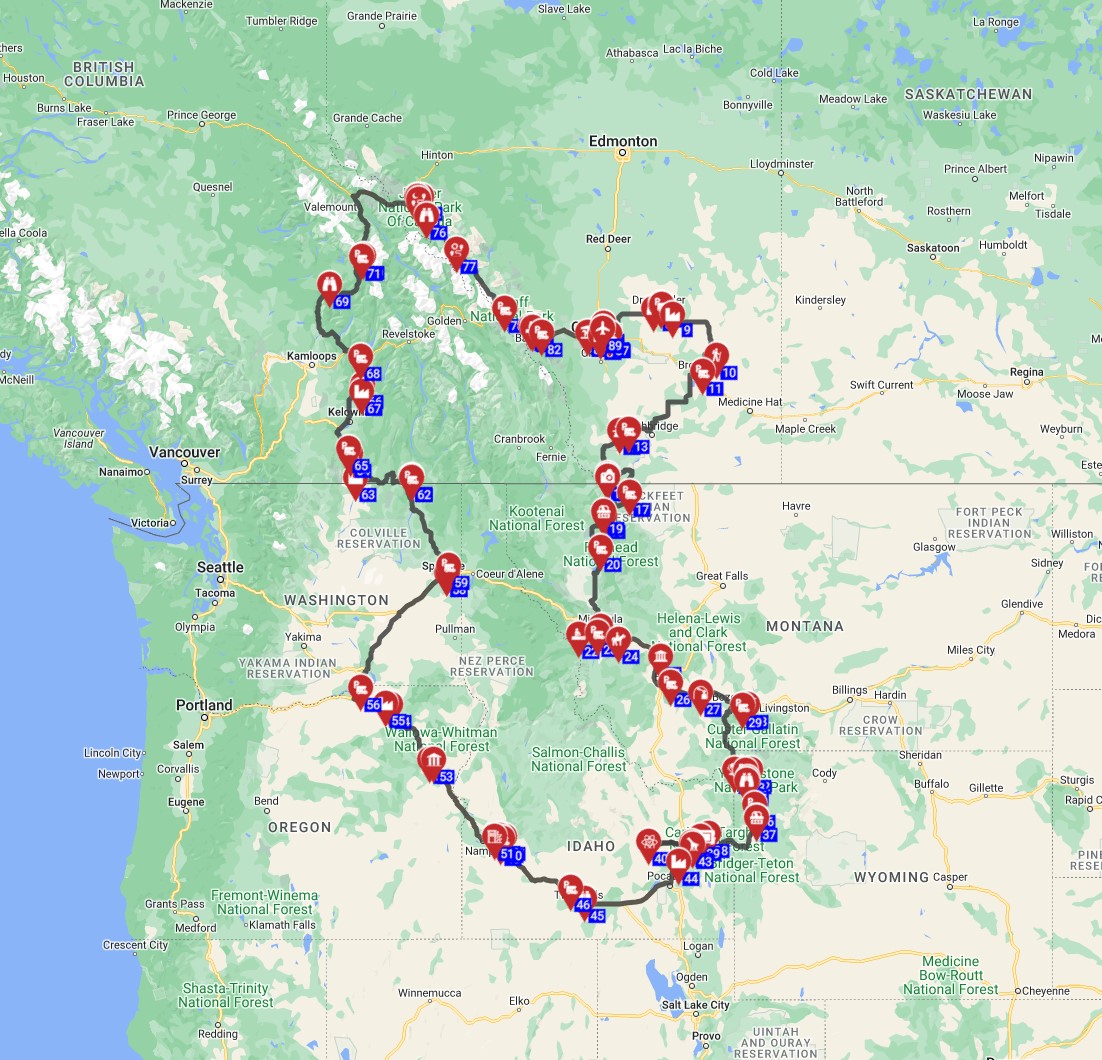
For live availability and current prices, start with our RV Rental West Canada - Complete Guide 2026 guide.
In This Guide
- The RV Families Compared for West Canada
- Class A (Integrated) - Best For
- Class SI (Semi-Integrated) - Best For
- Class C (Alcove) - Best For
- Class B (Campervan) - Best For
- Price Comparison by RV Class in West Canada
- Side-by-Side Comparison Table
- Our Recommendation for winter rv rental Travelers in West Canada
- What are some popular RV destinations in West Canada for winter
- How cold is it in West Canada in winter
- Is winter RV camping in West Canada safe
- How much does it cost to rent an RV in West Canada in winter
- Can you stay in an RV in West Canada in winter
- Where can I find winter RV parks in West Canada
- What are the rules for boondocking in West Canada
- Top Cities for RV Rental in West Canada
- Country-Wide Practical Information for Winter RV Travel in West Canada
Embarking on a winter RV rental adventure in West Canada offers an unparalleled opportunity to explore majestic snow-covered landscapes, from the Pacific coast to the Rocky Mountains. Renting a motorhome transforms a typical winter getaway into a cozy, mobile experience, providing the comfort of home amidst stunning natural beauty. At Bandana Caravan, we specialize in helping travelers discover the magic of RV travel, offering full transparency and 24/7 support from real people to ensure your booking is smooth and worry-free. For live availability and current prices, start with our RV Rental West Canada - Complete Guide 2024 guide, which is an excellent resource to plan your journey. We are true RV specialists, not just a side department of a generic travel agency, so you can trust our expertise in making your winter escape extraordinary.
The RV Families Compared for West Canada
Choosing the right rented RV is crucial for a comfortable and safe winter trip in West Canada, as vehicle selection significantly impacts maneuverability on snowy roads, heating efficiency, and storage capacity for winter gear. West Canada's diverse winter conditions, ranging from the milder, rain-or-snow coastal rainforests of British Columbia to the intensely cold and snowy Rocky Mountain peaks of Alberta, demand careful consideration of your motorhome's capabilities. Your choice of a rental campervan or motorhome should align with your trip length, group size, and desired comfort level, ensuring you have the right vehicle to conquer the elements. Whether you prioritize spacious luxury or nimble maneuverability, there's a perfect RV family for your winter adventure, available through our direct partnerships with over 50 leading RV suppliers worldwide, including trusted names like El Monte, Cruise America, Apollo, and Britz.
When selecting your rental RV, think about the unique challenges and opportunities of winter travel. Larger Class A and Class C motorhomes offer more living space and storage, which can be invaluable for families carrying extra layers, skis, or snowboarding equipment. Smaller Class B campervans, while more compact, provide excellent fuel efficiency and agility for navigating narrower, potentially icy roads and finding parking in smaller towns or ski resorts. All our rental motorhomes are properly maintained, and many suppliers offer winter-ready packages to ensure plumbing and heating systems function optimally in cold temperatures. Remember to inquire about winterization details, even for a short week-long trip, to ensure your rental motorhome is prepared for Canadian winter conditions.
Class A (Integrated) - Best For
Class A motorhomes, typically averaging 7.5 meters (25 feet) in length and offering sleeping capacity for 4-6 people, are best suited for larger groups or families prioritizing luxury, ample living space, and extensive storage for winter gear in West Canada. These integrated motorhomes feature large panoramic windows, providing excellent views of the winter scenery, and often include generous fresh and waste water tanks (e.g., 200+ liters fresh water) for extended stays between hookups. With an average load capacity of around 200-250 kg and fuel consumption typically between 15-25 Liters/100 km (for gas engines), they offer spacious comfort for longer winter trips, primarily sticking to well-maintained highways and established RV parks. Drive slowly and carefully, and you can drive almost anywhere without issues. No need to stress - just use common sense and pay attention.
Imagine your family enjoying breakfast with a snowy mountain vista from your panoramic window, all while staying warm and comfortable inside a Class A motorhome. The expansive interiors allow for comfortable movement, meal preparation, and relaxation, making it ideal for multi-generational families or groups of friends on a two-week adventure. Many Class A rentals come with fully equipped kitchens, perfect for preparing warm meals after a day of winter activities, and feature generous dining areas. Consider planning a route that includes well-equipped winter campgrounds, as the size of these motorhomes is best managed on wider roads and larger sites. While they offer superior comfort, their size means you'll want to be mindful of parking and maneuvering in smaller towns or challenging conditions. Our Rent&Plan service provides pre-planned routes by professionals, helping you navigate these considerations with ease.
Class SI (Semi-Integrated) - Best For
Class SI (Semi-Integrated) motorhomes, typically averaging 6.9 meters (23 feet) in length and sleeping 3-4 people, offer a superb balance of space, comfort, and maneuverability, making them highly recommended for winter RV travelers in West Canada. These versatile vehicles, like the "2 Berth Tamar" or "2 Berth Rover" models, are more fuel-efficient than larger Class A motorhomes, consuming around 10-14 Liters/100 km, while still providing considerable comfort with integrated kitchens and bathrooms. They are ideal for couples or small families seeking a comfortable, well-equipped vehicle that handles West Canada's winter roads with more agility than larger models, suitable for exploring national parks and smaller towns with greater ease.
A rented Class SI motorhome allows you to enjoy the cozy comforts of an RV without the scale of a Class A. They generally have efficient heating systems and well-insulated water tanks to withstand colder temperatures, making them a practical choice for a week-long trip to destinations like Banff or Jasper. You'll find enough space for a comfortable bed, a small dining area, and a functional kitchen where you can whip up some delicious meals after a day of skiing or exploring snowshoe trails. For inspiring ideas on what to cook, check out our RV-friendly recipes playlist. These models are often easier to park and handle in snowy conditions, giving you confidence as you navigate West Canada's stunning winter landscapes. Remember to travel slowly, a maximum of 100-150 km per day on average, to truly connect with the culture, food, and scenery.
Class C (Alcove) - Best For
Class C motorhomes, characterized by their distinctive over-cab sleeping area, typically average 7-8 meters (23-26 feet) in length and sleep 4-7 people, making them an excellent choice for families traveling West Canada in winter. Models like the "24' Class C Motorhome" or "29′ Class C Motorhome" offer ample sleeping capacity and a robust build for varied road conditions, allowing for comfortable stays in family-friendly campgrounds. Their fuel consumption usually ranges from 10-15 Liters/100 km, offering a good compromise between space and operational cost. A standard car driver's license is sufficient for all Class C motorhomes, making them accessible to many travelers ready for an extended road trip.
The extra bunk over the cab in a rented Class C motorhome is a big hit with kids, providing a fun, private sleeping nook. This design also frees up valuable living space, allowing families to spread out more comfortably. Many Class C vehicles are designed with winter travel in mind, featuring effective heating systems and insulation to keep everyone warm even when temperatures drop. Drive slowly and carefully, and you can drive almost anywhere without issues. No need to stress - just use common sense and pay attention, particularly on mountain passes or unplowed roads. These motorhomes are widely available through our suppliers, ensuring you have diverse options for your winter RV rental in West Canada. With our full transparency, you'll know all costs upfront, with no hidden fees or surprises.
Class B (Campervan) - Best For
Class B campervans, the most compact and agile of motorhomes, typically average 5.5-6 meters (18-20 feet) in length and sleep 2-4 people, emphasizing maneuverability and fuel efficiency for winter travel in West Canada. Models like the "2 Berth Hi Top" or "Active Bunk Auto" are the most fuel-efficient option, consuming approximately 8-12 Liters/100 km, making them perfect for solo travelers or adventurous couples exploring the winter landscape. These campervans offer excellent agility for navigating snowy mountain passes and urban parking, best suited for minimalist travel and frequent movement between smaller towns and outdoor activity hubs.
Imagine pulling your rented campervan right up to a ski resort parking lot or finding a secluded spot with stunning views of a frozen lake. This is the freedom a Class B offers for a two-week adventure or longer. While smaller in living space, modern campervans are incredibly well-designed, often featuring compact kitchens, a cozy sleeping area, and sometimes even a small bathroom. They heat up quickly and are easier to handle on diverse winter roads. For finding campsites and campgrounds during your trip, we recommend using RV PLANET (rvplan.net) - a great resource for locating available spots along your route, especially for smaller vehicles. You'll appreciate the ease of driving and parking, allowing you to maximize your time exploring West Canada's winter wonderland. Minimum driver age is 21 for these agile vehicles, with no young driver surcharges.
Price Comparison by RV Class in West Canada
RV rental prices in West Canada are dynamic and can fluctuate daily based on demand, seasonality, booking duration, and supplier marketing decisions, similar to flight tickets. Winter, generally considered off-peak in many regions, can offer more competitive rates. For example, a 7-day Class B campervan rental in January could start from CAD $100 per night, while a Class C might be around CAD $150-$200 per night. Larger Class A motorhomes, offering more amenities, might range from CAD $200-$300 per night during the same period. The final price is always set at the actual booking time.
To provide a realistic snapshot of potential costs, consider a two-week adventure. A compact Class B campervan might cost approximately CAD $1,400 - $2,800 for two weeks, while a family-friendly Class C could be CAD $2,100 - $4,200. For those seeking a luxurious winter experience in a Class A, expect prices from CAD $2,800 - $5,600 for a 14-day trip. These are estimates; always use Bandana Caravan's comparison platform to get current, transparent pricing from various suppliers like El Monte and Apollo. Our full transparency means no hidden fees or surprises, and you can upgrade to a top-level deductible for extra peace of mind, an optional but valuable addition for winter travel.
Last-minute winter RV rental deals in West Canada are indeed possible, as prices are dynamic and availability can open up closer to your travel date. However, for popular periods like Christmas or New Year's, booking several months in advance is advisable. For maximum flexibility and to find the cheapest winter RV rental, consider traveling during shoulder seasons or mid-week dates, which often present better value. Our platform allows you to easily compare options and secure the best deals available. For a deeper dive into pricing, check out "RV Rental in West Canada - Prices and Best Deals 2026".
Side-by-Side Comparison Table
This table provides a quick overview of key specifications for each RV family, helping you make an informed decision for your West Canada winter adventure. Compare average length, sleeping capacity, typical fuel efficiency, and primary use cases to find the best fit for your travel style and group size. Remember that specific vehicle models within each class from our partners like Cruise America or Britz may have slight variations from these averages.
| RV Class | Average Length | Sleeping Capacity | Typical Fuel Consumption (Liters/100 km) | Best For |
|---|---|---|---|---|
| Class A (Integrated) | 7.5-10 meters | 4-7 people | 15-25 | Luxury, large groups, long trips on main highways. |
| Class SI (Semi-Integrated) | 6.5-7.5 meters | 3-5 people | 10-14 | Couples/small families, balance of comfort & maneuverability. |
| Class C (Alcove) | 7-8.5 meters | 4-7 people | 10-15 | Families, spacious, robust for varied roads. |
| Class B (Campervan) | 5-6.5 meters | 2-4 people | 8-12 | Solo/couples, agility, fuel efficiency, urban/mountain access. |
This comparison highlights that each RV type offers distinct advantages for a winter journey. For planning a unique route, consider our "

Our Recommendation for winter rv rental Travelers in West Canada
For most winter RV travelers in West Canada, the Class SI (Semi-Integrated) motorhome is our primary recommendation due to its optimal balance of comfort, amenities, and maneuverability. These vehicles provide sufficient living space for winter conditions (typically 6.5-7.5m length, sleeping 3-5 people) without being overly cumbersome on potentially icy or narrow roads. Their fuel efficiency, averaging 10-14 Liters/100 km, is also a significant advantage for budget-conscious travelers. Moreover, many Class SI models are equipped with adequate insulation and heating systems to ensure a cozy interior despite external sub-zero temperatures.
As a strong runner-up, the Class B (Campervan) is highly recommended for adventurous couples or solo travelers prioritizing agility and fuel economy, especially for navigating mountain passes and finding spontaneous parking spots. Averaging 5-6.5m in length and sleeping 2-4 people, with fuel consumption typically 8-12 Liters/100 km, these nimble campervans are ideal for accessing more remote areas or bustling ski village parking. While smaller, modern campervans are cleverly designed to offer essential comforts. Ultimately, the best choice depends on your group size, luggage, and desired level of comfort versus nimbleness for exploring the magnificent winter landscapes of West Canada. Rest assured, our team of true RV specialists is ready to assist you in making the perfect choice for your upcoming trip.
What are some popular RV destinations in West Canada for winter
Popular RV destinations in West Canada for winter include Banff and Jasper National Parks in Alberta, the milder coastal areas of Vancouver Island, and the Okanagan Valley in British Columbia, each offering unique winter experiences. In the Rocky Mountains, Banff National Park provides iconic winter activities like skiing at Lake Louise and Sunshine Village, with select campgrounds such as Tunnel Mountain Village II open year-round with full hookups. Jasper National Park, known for its world-class Dark Sky Preserve, also features winter-friendly camping. Vancouver Island offers a contrasting experience, with storm watching along the Pacific Rim National Park Reserve (Tofino/Ucluelet) and exploring charming coastal towns.
The Okanagan Valley is an unexpected winter gem, offering vineyard tours, cross-country skiing, and snowshoeing, with several RV parks operational. It is crucial to research specific park regulations and road conditions before heading out, as some roads and campgrounds in mountainous regions may be closed or require specific RV types or winter tires and chains during the colder months. Always call ahead to campgrounds for availability and amenities during winter. Planning your route with tools like RV PLANET (rvplan.net) can help you discover suitable camping spots and attractions tailored for winter RVing in West Canada.
How cold is it in West Canada in winter
Winter temperatures in West Canada vary significantly by region, so preparation for your rented motorhome is key, ranging from coastal areas like Vancouver which typically see milder temperatures (0°C to 8°C or 32°F to 46°F) to mountainous or interior regions like the Rockies (often -15°C to -25°C or 5°F to -13°F), with extremes below -30°C (-22°F). The coastal regions generally experience more rain than snow, while the interior and mountain ranges receive abundant snowfall and consistent freezing temperatures. Proper RV preparation, including winterized plumbing, insulated water tanks, and robust heating systems, is essential for comfort and preventing freeze-ups, ensuring your rented campervan remains a warm haven.
Monitoring local weather forecasts for your specific destination is paramount, as conditions can change rapidly, especially in the mountains. Pack in layers, bring warm bedding, and consider extra propane for heating in your rental motorhome. While Bandana Caravan always ensures a well-maintained fleet, it's wise to be knowledgeable about how to conserve heat and manage your water tanks in freezing conditions. Your RV rental experience will be much more enjoyable if you’re prepared for the potential chill, allowing you to focus on the stunning winter scenery. For comprehensive planning, our team is with you before, during, and after your booking, ensuring you have the necessary information for cold-weather travel. On the routes offered through RV PLANET routes, you can itemize and track every expense along the way for easy budgeting.
Is winter RV camping in West Canada safe
Winter RV camping in West Canada can be very safe with thorough preparation, ensuring your rented RV is equipped with proper winter tires or chains, carrying essential emergency supplies, and understanding local wildlife safety protocols. Road conditions, especially on mountain passes like the Coquihalla Highway in British Columbia or the Icefields Parkway in Alberta, can be hazardous due to heavy snow, ice, and limited visibility. Drivers of rental motorhomes are often legally mandated to use approved winter tires (M+S or snowflake symbol) or carry chains, so check provincial regulations before you travel. Drive slowly and carefully, and you can drive almost anywhere without issues. No need to stress - just use common sense and pay attention to road signs and weather advisories.
Regarding wildlife, even in winter, certain animals like deer, elk, and coyotes are active, and bears can sometimes be disturbed from their dens. Specific advice for camping in bear country involves securing all food and scented items inside your rented RV, using bear-proof containers where provided at campgrounds, and carrying bear spray for personal safety. Emergency numbers in Canada are 911 for police, fire, and ambulance services. For connectivity, consider purchasing a local SIM card upon arrival, or renting a satellite communicator for remote areas where cell service is unreliable. We handle the details, so you can focus on living the journey, but personal safety preparedness is always key.
How much does it cost to rent an RV in West Canada in winter
The cost to rent an RV in West Canada during winter typically ranges from CAD $100 to $300 per night, depending on the specific RV class (e.g., Class B campervan vs. Class A motorhome), rental duration, and booking lead time. This nightly rate is only a fraction of the total trip budget, which should also account for significant additional expenses. For instance, fuel costs can be substantial, with a Class C motorhome consuming around 10-15 Liters/100 km, easily adding hundreds of dollars for a week-long trip. National park passes, such as the Parks Canada Discovery Pass (approx. CAD $140 for a year or ~$20/day), are necessary for accessing parks like Banff and Jasper.
Additional costs include campground fees (typically CAD $30-$70 per night for powered sites), propane refills for heating and cooking, dump station fees (if not included with your campground), and highway tolls on certain routes (e.g., Coquihalla Highway in BC has seasonal tolls). Groceries for your rented motorhome kitchen can also add up, but cooking onboard is a great way to save money. Hidden fees might include extra mileage charges, generator usage fees (if not unlimited), mandatory winterization packages, and currency exchange rates for US travelers. For easy budgeting and tracking every expense along the way, we highly recommend planning your trip using RV PLANET routes. Always review your rental agreement thoroughly to understand all potential charges, as full transparency is one of our core values.
Can you stay in an RV in West Canada in winter
Staying in a rented RV in West Canada during winter is entirely feasible and enjoyable, but it absolutely requires a fully winterized RV, consistent access to hookups for heating and electricity, and careful management of water systems to prevent freezing. RVs specifically designed or prepared for cold weather, often indicated by "Winter Ready" features in our fleet (e.g., "2 Berth Hi Top" or "Koru Star 6 Freedom"), offer better insulation, heated tanks, and robust furnaces. Specific RV types like Class SI or C motorhomes, with better insulation and larger tank capacities, are generally more suitable than smaller campervans for extended winter rental stays, offering more comfort and amenities for colder temperatures.
While extended stays in designated RV parks with full hookups are common and comfortable, legal boondocking opportunities for long-term winter stays are limited and require thorough knowledge of local regulations. Dispersed camping on Crown Land is generally permitted, but access roads may be unmaintained and unsuitable for larger motorhomes in winter, and services are non-existent. Managing water, power, and waste when off-grid in winter involves carrying extra fresh water, utilizing robust battery banks or generators (observing quiet hours and fuel limits), and practicing leave no trace principles, especially regarding grey and black water disposal in freezing conditions. Always verify with local authorities or park offices regarding overnight parking regulations, as they can vary greatly by municipality and protected area. For an even more luxurious experience, explore our "Luxury RV Rental in West Canada - Premium Prices 2026" guide.
Where can I find winter RV parks in West Canada
Winter RV parks in West Canada can be found in popular national parks like Banff and Jasper (with select campgrounds such as Tunnel Mountain Village II open year-round), various provincial parks, and numerous private campgrounds, many offering essential full hookups for cold-weather camping. Websites like Parks Canada (for national parks), specific provincial park sites (e.g., BC Parks, Alberta Parks), and private camping directories such as Campendium, RV LIFE, and Good Sam are excellent resources for locating available winter spots. These platforms allow you to filter by location, amenities, and opening dates, which is critical during the winter months.
Key amenities to prioritize in winter RV parks include heated washrooms and shower facilities, laundry facilities (essential for longer trips), reliable propane refill stations, and dump stations that remain operational in freezing temperatures. Many private RV parks also offer amenities like clubhouses, indoor pools, and community events that can enhance your winter experience. When planning your route, call ahead before driving to confirm campground availability and specific services. Even if a campground is listed, individual site amenities or access roads might be impacted by snow or ice. Remember that many national/state parks reserve only 25-30% of spots; the rest are first-come-first-serve, so you’ll find a spot. If not at the first campground, then the next one. Our Rent&Plan service can also guide you to winter-friendly routes and campgrounds.
What are the rules for boondocking in West Canada
Rules for boondocking (also known as dispersed camping or wild camping) in West Canada vary significantly by province and specific land designation, generally allowing it on vast areas of Crown Land but with specific limitations on duration and environmental impact. In British Columbia and Alberta, for example, much Crown Land is available for recreational use, often permitting stays up to 14 days in one location before requiring a move. However, access roads to these areas can be unmaintained and challenging for rental motorhomes in winter due to snow and ice, often requiring 4x4 vehicles or advanced winter driving skills.
When off-grid in winter, managing water, power, and waste becomes even more critical. You'll need to carry ample fresh water (some RVs have 100+ liter fresh water tanks) and have robust battery banks or a generator (observing quiet hours and fuel limits) for power, as solar efficiency is reduced in shorter winter daylight hours. Practicing leave no trace principles is crucial, especially regarding grey and black water disposal in freezing conditions, which should always be done at designated dump stations. Always check local bylaws and regulations with municipal or provincial authorities (like the Ministry of Forests in BC) before attempting to boondock, as rules can change and penalties for illegal camping or improper waste disposal can be significant. Our support team is happy to provide pre-booking comparison and coordination, but local rules are always the renter's responsibility. For further reading, consider "RV Rental USA - Complete Guide 2026" for broader North American context.
Top Cities for RV Rental in West Canada
West Canada offers several excellent cities to begin your winter RV rental adventure, with major hubs providing access to diverse landscapes and a wide selection of motorhomes and campervans from our partner suppliers. These cities are equipped with numerous rental depots and offer convenient starting points, whether you're heading for the mountains or the coast. Drive slowly and carefully, and you can drive almost anywhere in these cities without issues. No need to stress - just use common sense and pay attention to parking regulations.
- Vancouver, British Columbia: A bustling coastal city offering access to both mild, rainy winters on Vancouver Island and snowy mountain resorts within a few hours' drive. Vancouver has numerous RV rental options and is a popular starting point for a "Vancouver Round Trip - West Canada Cycling Adventure".
- Calgary, Alberta: The gateway to the Canadian Rockies, Calgary is ideal if your primary focus is skiing, snowboarding, or exploring Banff and Jasper National Parks. Many winterized motorhomes are available here.
- Edmonton, Alberta: Further north in Alberta, Edmonton also provides good access to the northern Rockies and other provincial parks, often with slightly different rental availability and pricing than Calgary.
- Kelowna, British Columbia: Located in the Okanagan Valley, Kelowna is a great choice for a winter trip focused on wine tasting, snowshoeing, or enjoying the region's unique winter charm. You can easily compare Class C motorhome rentals here.
- Victoria, British Columbia: On Vancouver Island, Victoria offers a milder starting point for exploring the island's rainforests and dramatic coastal scenery, particularly suitable for a Class B campervan rental.
Each of these cities serves as a fantastic base for exploring the diverse winter offerings of West Canada. For flexible booking options and last-minute winter RV rental deals in West Canada, always check our platform, which features options from suppliers like El Monte and Cruise America. We ensure transparent pricing with no hidden fees, so you can plan your trip with confidence.
Country-Wide Practical Information for Winter RV Travel in West Canada
Successfully navigating a winter RV rental in West Canada involves understanding some key country-wide practicalities and regulations. Canada drives on the right side of the road, and speed limits are posted in kilometers per hour (km/h), typically ranging from 50 km/h in urban areas to 100-120 km/h on highways. No special license or CDL is required for any rental motorhome; a standard car driver's license is sufficient. An International Driving Permit (IDP) is recommended for visitors from non-English-speaking countries but is not mandatory in most cases. Minimum rental age is 21, and there are no young driver surcharges or vehicle class restrictions based on age with Bandana Caravan.
Fuel types are primarily gasoline (petrol) and diesel, widely available at gas stations, though prices per liter can fluctuate significantly by region. Insurance requirements for RV rentals are usually covered by the rental company's policy, but always confirm your specific coverage. Consider additional personal travel insurance, and remember that our top-level deductible reimbursement is an optional upgrade for added peace of mind. For connectivity, major Canadian mobile carriers like Bell, Telus, and Rogers offer extensive coverage, but expect dead zones in remote or mountainous areas; consider offline maps and a satellite communicator for backcountry adventures. We offer bookings in 30+ currencies with full price transparency and no conversion commissions, making your financial planning straightforward for your Canadian winter motorhome adventure.
What You Shouldn't Miss
- Skiing and Snowboarding in the Rockies: Hit the slopes at world-renowned resorts like Whistler Blackcomb, Lake Louise Ski Resort, Sunshine Village, or Revelstoke.
- Ice Skating on Lake Louise: Experience the iconic Fairmont Chateau Lake Louise with natural ice rinks surrounded by stunning mountain scenery.
- Aurora Borealis Viewing in Yukon/NWT: Venture north from West Canada to witness the spectacular Northern Lights, especially accessible via the Dempster Highway (Yukon/NWT).
- Storm Watching on Vancouver Island: Witness the dramatic winter storms along the wild Pacific coast near Tofino and Ucluelet, a unique and exhilarating experience.
- Hot Springs Relaxation: Soothe weary muscles in natural hot springs like Banff Upper Hot Springs or Radium Hot Springs, often with snowy backdrops.
- Exploring the Okanagan Wine Region: Discover winter wine tours and enjoy cozy evenings in the Okanagan Valley, a surprising winter destination.
Looking for expert insights from Avi Bandana? Top 5 Adventures - recommendations from Avi Bandana.
Final Thoughts
A winter RV rental in West Canada is an unforgettable way to experience the region's stunning beauty and vibrant winter culture. From the snowy peaks of the Rockies to the dramatic coastlines of British Columbia, a rented motorhome or campervan offers the flexibility and comfort to chase adventure at your own pace. With Bandana Caravan, you're choosing a partner committed to full transparency, dedicated support, and extensive expertise to ensure your trip is as seamless and enjoyable as possible.
Whether you opt for the spacious luxury of a Class A, the balanced comfort of a Class SI, the family-friendly layout of a Class C, or the agile freedom of a Class B campervan, remember to embrace slow travel. Allow yourself the time to truly feel the place, connect to the local culture, savor the food, and immerse yourself in the breathtaking scenery. Get inspired for your next trip and discover top destinations, planning tips, all in one place. Your winter road trip through West Canada awaits!
Ready to plan your unforgettable winter journey? Find winter RV Rentals in West Canada and embark on an adventure that will create memories to last a lifetime. Check West Canada RV Rental Prices Now and take the first step towards your dream trip.