In This Guide
- The 5 RV Families Compared for Texas
- Class A (Integrated) — Best For
- Class SI (Semi-Integrated) — Best For
- Class C (Alcove) — Best For
- Class B (Campervan) — Best For
- Class TC (Truck Camper) — Best For
- Side-by-Side Comparison Table
- Our Recommendation for winter rv rental Travelers in Texas
- What are the best places to RV in Texas in winter?
- What do I need to know about RVing in Texas?
- Is Texas an RV friendly state?
- How cold does Texas get in the winter?
- Can you RV in Texas in the winter?
- How much does it cost to rent an RV in Texas per week?
- Where can I park my RV in Texas for free?
- What are the best RV parks in Texas?
The 5 RV Families Compared for Texas
Choosing the right RV family is crucial for a winter trip in Texas, influencing comfort, maneuverability, and cost. When considering your winter adventure across the Lone Star State, it’s essential to align your RV choice with Texas's diverse climate zones—from the milder Gulf Coast to the potentially freezing Panhandle—and its varied terrains. Your group size, desired amenities for colder weather, and the overall length of your trip will significantly impact the ideal RV selection.
Class A (Integrated) — Best For
Class A integrated motorhomes are best for luxury, extended stays, and larger groups (typically accommodating up to 4 adults comfortably, with some sleeping 4.4 individuals) seeking maximum space and amenities during a Texas winter. Bandana's fleet typically features Class A RVs averaging 7.5 meters in length, offering ample living space, full kitchens, and often multiple slide-outs, which are crucial for comfortable indoor living when temperatures drop.
These vehicles boast a high load capacity of approximately 209.5 kg, allowing for plenty of gear. However, their size means a typical fuel consumption of around 11-12 Liters/100 km. While offering superior comfort, their large footprint can limit access to smaller state parks or tight turns, making them most suited for established RV resorts and longer, less mobile trips in Texas.
Class SI (Semi-Integrated) — Best For
Class SI semi-integrated motorhomes present a balanced choice for winter RV travelers in Texas, offering enhanced comfort and essential amenities without the full scale of a Class A. Bandana's fleet typically shows these RVs averaging 6.9 meters in length, comfortably accommodating around 3.8 sleepers (ideal for 2-3 adults), with a load capacity of about 72.2 kg.
They are often more fuel-efficient than Class A models, averaging 10–11 Liters/100 km, and are easier to maneuver, making them suitable for navigating both Texas highways and the smaller roads within state parks. Class SI vehicles provide ample living space and vital amenities for couples or small families, often outperforming Class C in interior design and matching Class A in agility for varied Texas winter exploration.
Class C (Alcove) — Best For
Class C alcove motorhomes are a fantastic option for families or groups seeking a cost-efficient and comfortable winter RV rental in Texas, renowned for their versatility and additional sleeping space. Bandana's fleet typically averages 7.5 meters in length, offering the most comprehensive sleeping capacity at around 5.8 people (ideal for 4 adults), with an average load capacity of 42.4 kg.
Their distinctive over-cab bunk provides crucial extra sleeping room, making them perfect for families exploring Texas's diverse winter destinations, from the coastal areas to the scenic Hill Country. Fuel consumption is generally in the 10–12 Liters/100 km range, striking a good balance between size and economy for covering significant distances. These RVs handle Texas road conditions well and provide sufficient amenities, including effective heating, for optimal winter comfort.
Class B (Campervan) — Best For
Class B campervans are the top choice for solo travelers or couples who prioritize maneuverability, excellent fuel economy, and spontaneous exploration during a Texas winter RV trip. Bandana's fleet typically features Class B RVs averaging 5.8 meters in length, sleeping around 3.2 people (ideal for 2 adults), with a load capacity of about 37 kg.
Their compact size allows for easy navigation through urban areas, national parks with tighter roads, and simplifies parking, which is essential for accessing Texas's hidden gems and smaller towns. With fuel consumption typically around 10 Liters/100 km, they stand out as the most economical choice for those covering long distances or seeking to enjoy boondocking experiences. While smaller, modern campervans are well-insulated and offer sufficient amenities for comfortable winter travel for up to two people, providing a flexible base for adventure.
Class TC (Truck Camper) — Best For
Class TC truck campers are the ideal choice for adventurous travelers in Texas seeking robust off-grid capabilities, enhanced flexibility, and the ability to navigate more rugged terrain during winter excursions. Bandana's fleet typically showcases these units averaging 5.5 meters in length, designed to sleep about 2.4 people (ideal for 2 adults), offering a highly adaptable setup.
These campers can often be detached from the host truck, allowing for day trips in areas that might be inaccessible to larger RVs, perfect for exploring remote Texas state parks or dispersed camping locations. Fuel consumption, when combined with a truck, is typically around 12–17 Liters/100 km, reflecting their robust nature and often available 4x4 capabilities for accessing less-traveled areas. Their compact footprint and inherent off-road potential make them excellent for discovering unique winter adventure spots and secluded natural wonders across Texas.
Side-by-Side Comparison Table
This table provides a quick overview of the key characteristics of different RV classes, aiding in your selection for a winter RV rental in Texas. Compare average lengths, sleeping capacities, typical fuel efficiency, and primary use cases to match an RV with your specific travel needs and preferences.
| RV Class | Average Length | Typical Sleeping Capacity | Typical Fuel Efficiency (L/100km) | Best For |
|---|---|---|---|---|
| Class A (Integrated) | 7.5 meters | 4-5 people | 11-12 L | Luxury, extended stays, large groups |
| Class SI (Semi-Integrated) | 6.9 meters | 3-4 people | 10-11 L | Balanced comfort, couples, small families, maneuverability |
| Class C (Alcove) | 7.5 meters | 5-7 people | 10-12 L | Families, groups, value, extra sleeping space |
| Class B (Campervan) | 5.8 meters | 2-3 people | 10 L | Solo travelers, couples, maneuverability, fuel economy |
| Class TC (Truck Camper) | 5.5 meters | 2-3 people | 12-17 L | Adventure, off-grid, rugged terrain, flexibility |
Our Recommendation for winter rv rental Travelers in Texas
For most winter RV renters in Texas, the Class C (Alcove) motorhome is our primary recommendation due to its excellent balance of spaciousness, comprehensive amenities, and family-friendly sleeping capacity. Its robust construction ensures comfort in varying Texas winter temperatures, while its manageable average length of 7.5 meters allows for relatively easy navigation on diverse roads.
The Class SI (Semi-Integrated) motorhome stands as a strong runner-up, offering a more streamlined profile and often better fuel efficiency (10-11 Liters/100 km) for couples or smaller groups. Both options provide ample storage and internal heating capabilities essential for a comfortable and enjoyable winter experience across the Lone Star State.
What are the best places to RV in Texas in winter?
The best places to RV in Texas during winter generally include the mild Gulf Coast, the scenic Hill Country, and the temperate Rio Grande Valley, offering a diverse range of activities and pleasant climates suitable for RV travel. For coastal warmth and a subtropical feel, consider Galveston Island State Park or Mustang Island State Park, where average temperatures remain comfortable, perfect for beach strolls and birdwatching.
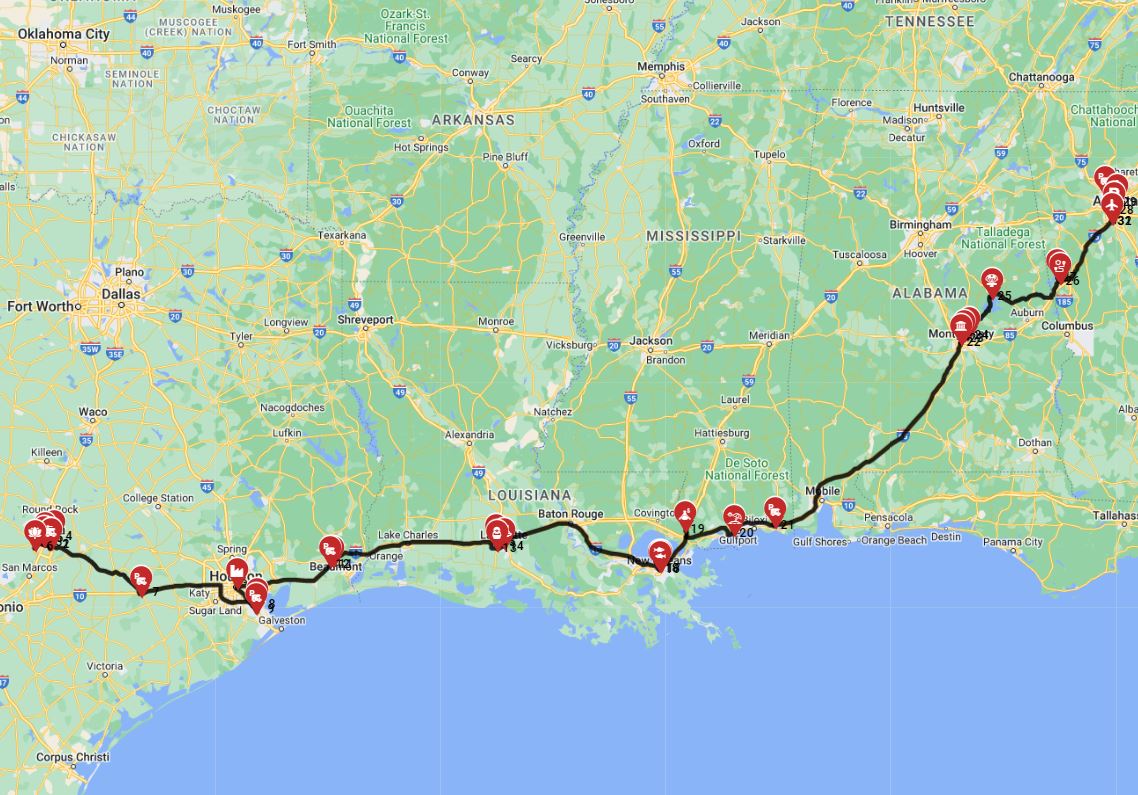
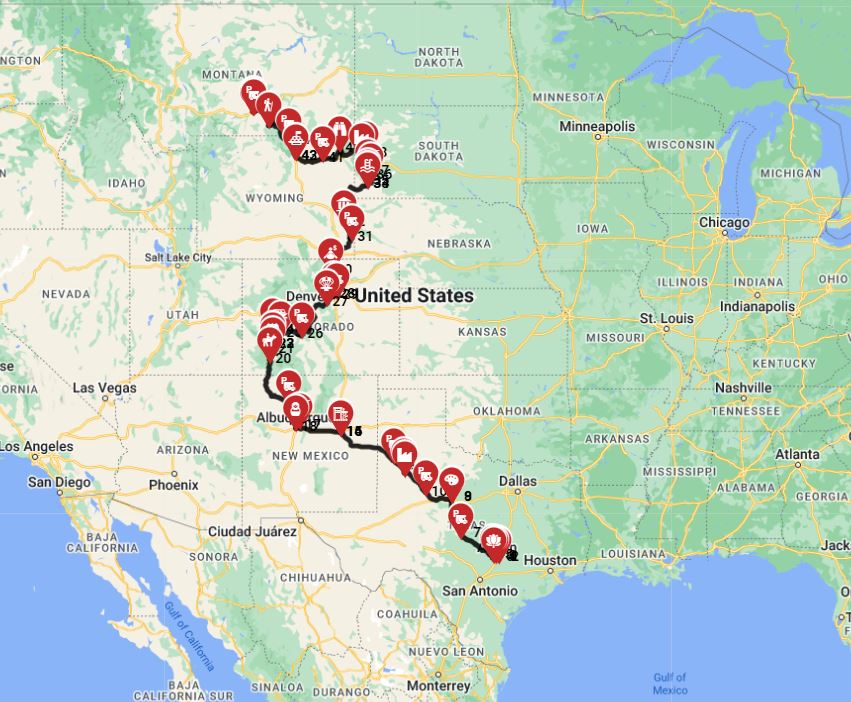
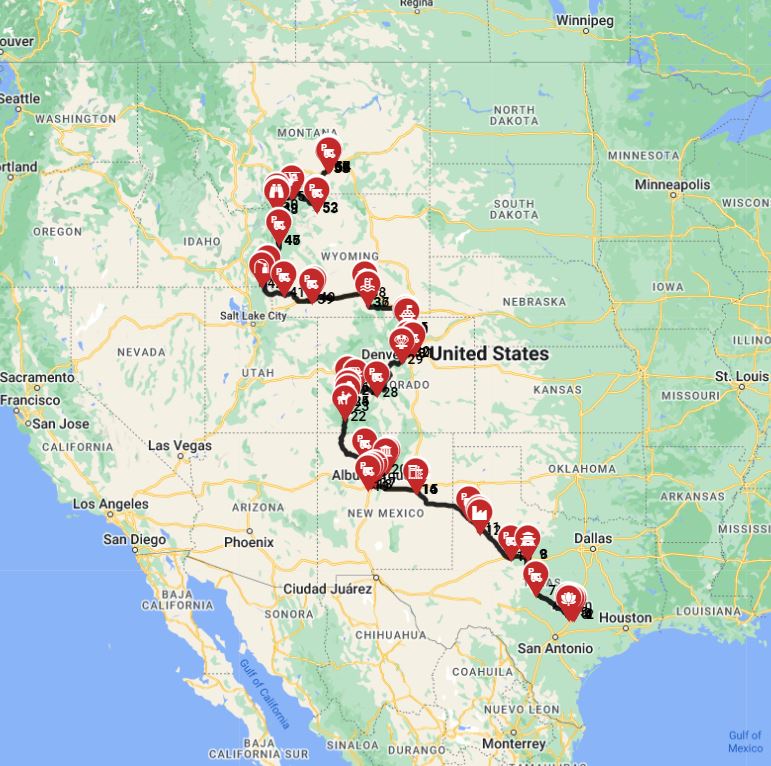
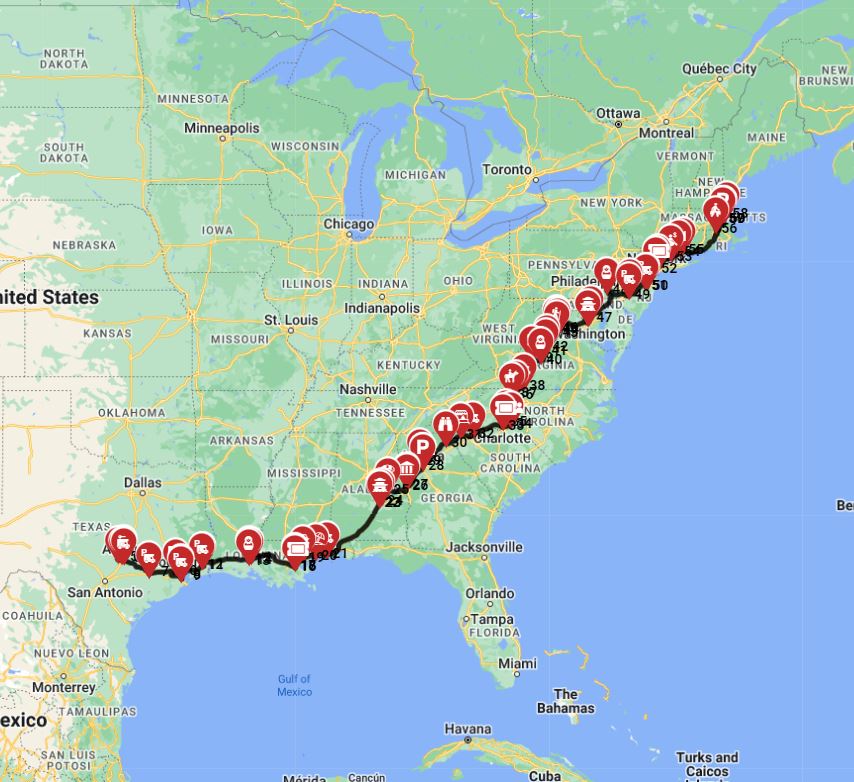
The Texas Hill Country, encompassing destinations like Fredericksburg, New Braunfels, and areas near Enchanted Rock State Natural Area, offers beautiful landscapes, wineries, and cooler, often sunny weather ideal for hiking and exploring. Big Bend National Park, while remote and requiring careful planning for services like propane or large-vehicle fuel stops, provides stunning desert scenery and excellent stargazing opportunities during its milder winter months, avoiding the extreme summer heat. When choosing an RV park, prioritize locations with full hookups and heated facilities to prepare for potential cold snaps, and research options that cater to larger rigs with easy access roads. On the routes offered through RV PLANET routes, you can itemize and track every expense along the way for easy budgeting.
For budget-conscious travelers, state parks often provide excellent value, and understanding boondocking opportunities near national forests or other public lands can offer free camping options, though without amenities. For finding campsites and campgrounds during your trip, we recommend using RV PLANET (rvplan.net) — a great resource for locating available spots along your route.
What do I need to know about RVing in Texas?
When RVing in Texas, it's crucial to understand the state's diverse weather patterns, varied road conditions, and the widespread, yet sometimes localized, availability of essential services. Texas features terrains ranging from flat plains in the Panhandle to rolling hills in Central Texas and coastal wetlands, meaning navigation and road conditions can differ significantly; always plan your routes considering your RV's size and weight.
Always be prepared for sudden weather changes, including potential freezes in northern and central Texas during winter, which necessitates readiness for RV winterization and proper insulation. Essential services such as propane refills, dump stations, repair shops, and gas stations for larger vehicles are generally accessible in towns and cities, but in remote areas like West Texas, meticulous planning of your stops is vital. Ensure your cell service provider has adequate coverage in your intended destinations, as connectivity can be spotty in less populated regions and specific state parks.
Familiarize yourself with state park regulations, which often differ from private campgrounds, and be aware of common wildlife encounters in certain areas, particularly when boondocking or camping in natural habitats. For live availability and current prices, start with our RV Rental Texas - Complete Guide 2026 guide.
Is Texas an RV friendly state?
Texas is widely considered an exceptionally RV-friendly state, characterized by extensive infrastructure, an abundance of campgrounds, and generally welcoming attitudes towards the RV lifestyle. The state boasts thousands of RV parks, ranging from luxury resorts with abundant amenities (often catering to 'snowbirds' in winter) to rustic state and national park campgrounds, effectively catering to all preferences and budgets.
Regulations for RVs, including vehicle length and weight limits, are typically standard and well-communicated, making it straightforward for most RVers to travel within legal parameters across the state. For long-term and full-time RVers, Texas offers favorable residency options, including a relatively low cost of living, no state income tax, and numerous mail forwarding services tailored for mobile residents. The general road infrastructure, including wide highways and ample service stations, supports larger RVs, though some smaller towns or older state parks might have narrower access roads requiring careful navigation.
While generally friendly, always prioritize safety by securing belongings, being aware of your surroundings, especially in remote boondocking locations, and checking local advisories for any potential hazards. If you're planning a broader trip, our guide Cheap RV Rental in Texas - Budget Guide 2026 covers everything you need to know about budget-friendly options.
How cold does Texas get in the winter?
Texas winter temperatures vary significantly by region, ranging from mild and subtropical along the Gulf Coast to distinctly cold with potential freezing temperatures and snow in the Panhandle and North Texas. Coastal areas like Corpus Christi or South Padre Island typically experience comfortable daytime highs in the 60s°F (15-20°C) and nighttime lows rarely dipping below 40°F (4°C).
Central Texas, including Austin and San Antonio, sees average winter temperatures in the 50s-60s°F (10-15°C), but unpredictable cold fronts can bring overnight lows into the 20s°F (-6°C) or lower for several days. The Texas Panhandle (e.g., Amarillo) can experience sustained freezing temperatures, significant snow, and ice, making proper RV winterization and robust cold-weather preparedness absolutely essential for travel there.
It's crucial for winter RVers to pack layers, ensure their RV's heating system is fully functional, and be ready to drain water lines or use antifreeze if a severe cold snap is forecast, even in traditionally warmer regions. For those seeking the absolute cheapest winter RV rental, consider traveling during the off-peak weeks outside of major holidays, which can offer significant savings.
Can you RV in Texas in the winter?
Yes, RVing in Texas during the winter is not only possible but highly popular, particularly in the southern and coastal regions that offer a mild escape from colder northern climates. Texas provides diverse winter RVing experiences, from enjoying pleasant coastal weather perfect for outdoor activities to experiencing cooler, crisp air in the Hill Country for hiking and exploring the state's natural beauty.
Winter RV travel often allows access to state and national parks with fewer crowds, making for a more serene and less hurried experience compared to peak seasons. Preparation is paramount; ensure your RV is adequately insulated, its heating system is fully functional, and you have propane or electric heat options, especially if planning to venture into central or northern Texas where freezing temperatures can occur.
Many RV parks in the southern half of the state cater specifically to winter visitors, often called 'snowbirds,' offering a range of amenities and community activities tailored for longer stays. If you're looking for specific deals, our RV Rental Deals in Texas - Latest Offers 2026 guide can help you find great value.
How much does it cost to rent an RV in Texas per week?
The cost to rent an RV in Texas per week varies significantly based on the RV class, the specific winter dates (e.g., holiday vs. off-peak), the rental company, and the amenities included. Typically, a Class B campervan might range from $700-$1,200 per week, a Class C or Semi-Integrated RV often costs between $1,000-$1,800, and a luxurious Class A integrated motorhome can range from $1,500-$2,500+ per week.
Peak seasons and holidays generally command higher prices, while off-peak winter weeks (excluding Christmas/New Year's) can often offer better value and discounts. Additional costs to factor into your weekly budget include fuel (where Bandana's fleet averages show 10-17 Liters/100km depending on class), insurance, mileage fees, cleaning fees, and campground nightly rates (which can range from $20 for basic to $100+ for luxury resorts). For finding the cheapest winter RV rental in Texas, remember that flexibility with your travel dates is key.
For specific, up-to-date pricing tailored to your desired travel dates and RV class, it is highly recommended to use the live search tool on the Bandana website, as prices are dynamic and reflect real-time availability. You can compare prices across various suppliers to ensure you're getting the best deal.
If you're looking for a specific duration, our Weekly RV Rental in Texas - Pricing 2026 guide provides more detailed cost breakdowns.
Where can I park my RV in Texas for free?
Free RV parking in Texas is available through various boondocking, dispersed camping, and specific overnight parking options, appealing greatly to budget-conscious travelers. Texas Public Lands, managed by the Texas Parks and Wildlife Department (TPWD), include many wildlife management areas (WMAs) and national forests (e.g., Angelina, Davy Crockett, Sam Houston, Sabine National Forests) that offer primitive, dispersed camping without fees, though permits or adherence to specific regulations may be required.
Bureau of Land Management (BLM) lands are limited but present in Texas, particularly in West Texas; these federal lands often permit free dispersed camping for up to 14 days, offering true off-grid experiences. Several retail chains, including Walmart, Cabela's, Bass Pro Shops, and many truck stops, often allow free overnight RV parking in their lots; however, it's always essential to call ahead and request permission from store management. For truly free camping, ensure your RV is fully self-contained with adequate water, power (solar often helps), and waste management capabilities, as amenities will be non-existent.
Always practice Leave No Trace principles, respect local regulations, and be mindful of your surroundings when choosing free camping locations, especially in remote or less-trafficked areas. For a broader perspective on RVing across the country, consider our RV Rental USA - Complete Guide 2026.
What are the best RV parks in Texas?
The best RV parks in Texas cater to a wide range of preferences, offering diverse amenities, locations, and experiences that go beyond just basic hookups, making them ideal for winter stays. For luxury and extensive amenities, parks like the Reunion Lake RV Resort near Madisonville or the Buckhorn Lake Resort in the Texas Hill Country are highly rated, often featuring heated pools, clubhouses, and organized activities perfect for winter visitors.
State parks such as Mustang Island State Park or Big Bend Ranch State Park offer more rustic, nature-focused experiences with unparalleled access to outdoor activities like birdwatching, hiking, and stargazing. When choosing an RV park, consider your specific needs: look for parks with pet-friendly policies, kid-friendly amenities (playgrounds, family areas), quiet zones for relaxation, strong cell service for connectivity, and reliable utility hookups (especially important for consistent heating in winter).
Many parks offer proximity to unique local culture and 'hidden gems'; for instance, choosing a park in Fredericksburg places you near wineries and German heritage, while one in Port Aransas offers coastal charm and fresh seafood restaurants. Always read recent reviews regarding park security, road conditions within the park (critical for large rigs), and the overall cleanliness and staff responsiveness before booking to ensure a pleasant winter experience. For curated itinerary suggestions, the
What You Shouldn't Miss
- Explore the vastness of Palo Duro Canyon State Park, the "Grand Canyon of Texas," for breathtaking views and hiking trails, especially appealing during the milder winter months.
- Experience world-class stargazing in Big Bend National Park's Dark Sky Preserve, a truly awe-inspiring experience for RVers seeking clear night skies.
- Indulge in the unique Czech heritage and delicious kolaches found along the Kolache Trail in Central Texas, offering a taste of local culture.
- Witness the nightly spectacle of millions of bats emerging from under Austin's Congress Avenue Bridge – a surprisingly accessible urban wildlife encounter.
- Travel the scenic beauty of the Texas Hill Country, visiting charming towns like Fredericksburg, renowned for its wineries and German heritage, a perfect winter escape.
- Enjoy the milder climate along the Gulf Coast, with state parks like Mustang Island offering coastal beauty and abundant birdwatching opportunities.
Final Thoughts
Renting an RV for a winter trip in Texas offers an incredible opportunity to experience the state's diverse landscapes and milder climate without the summer crowds. By carefully selecting the right RV class for your group and travel style, and by being mindful of the practicalities of winter travel, you're setting yourself up for an unforgettable adventure.
Remember to leverage resources like RV PLANET (rvplan.net) for route planning and campground discovery to make your journey even smoother. We're here to support you every step of the way, from initial booking to hitting the open road, ensuring your Texas RV adventure is seamless and enjoyable.
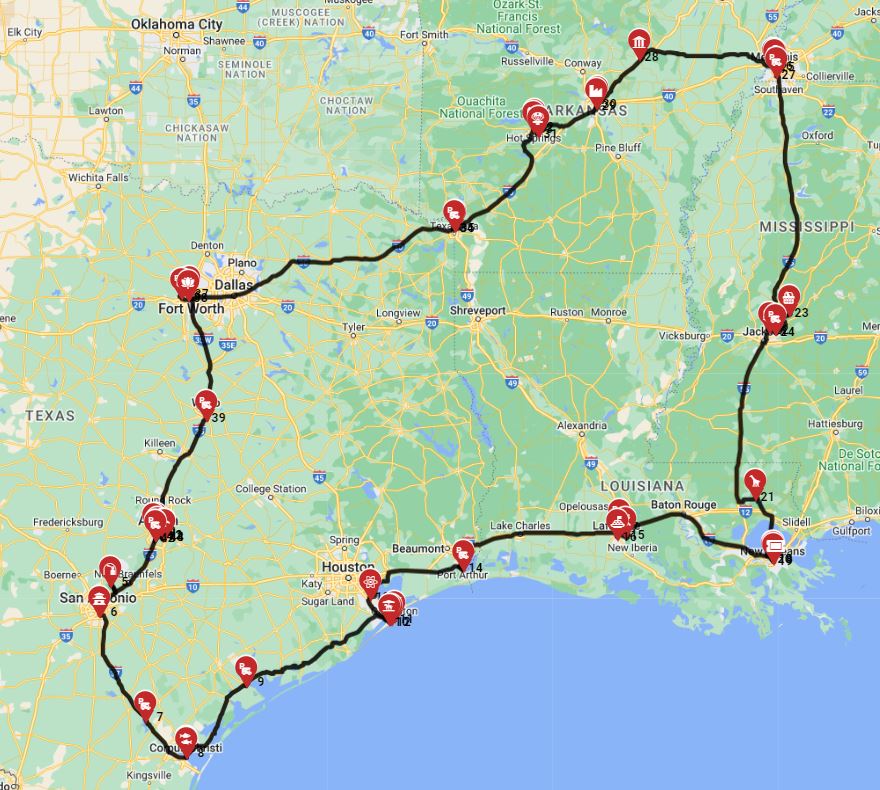
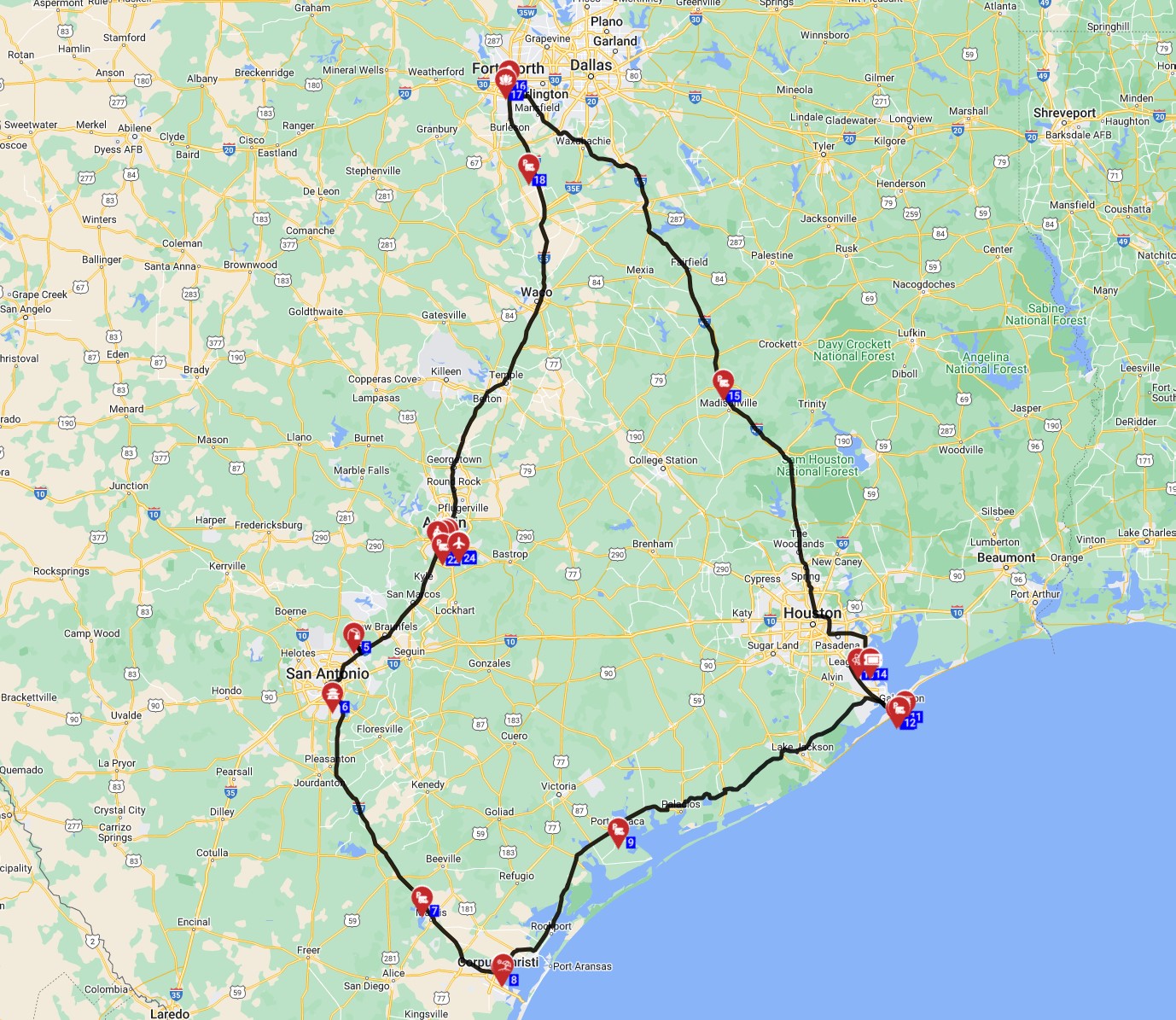
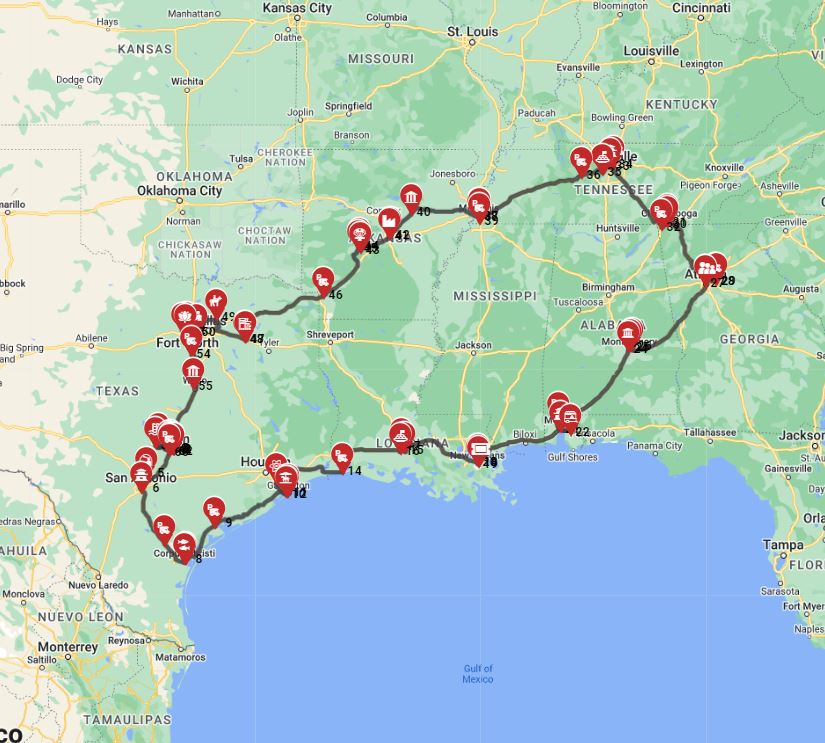
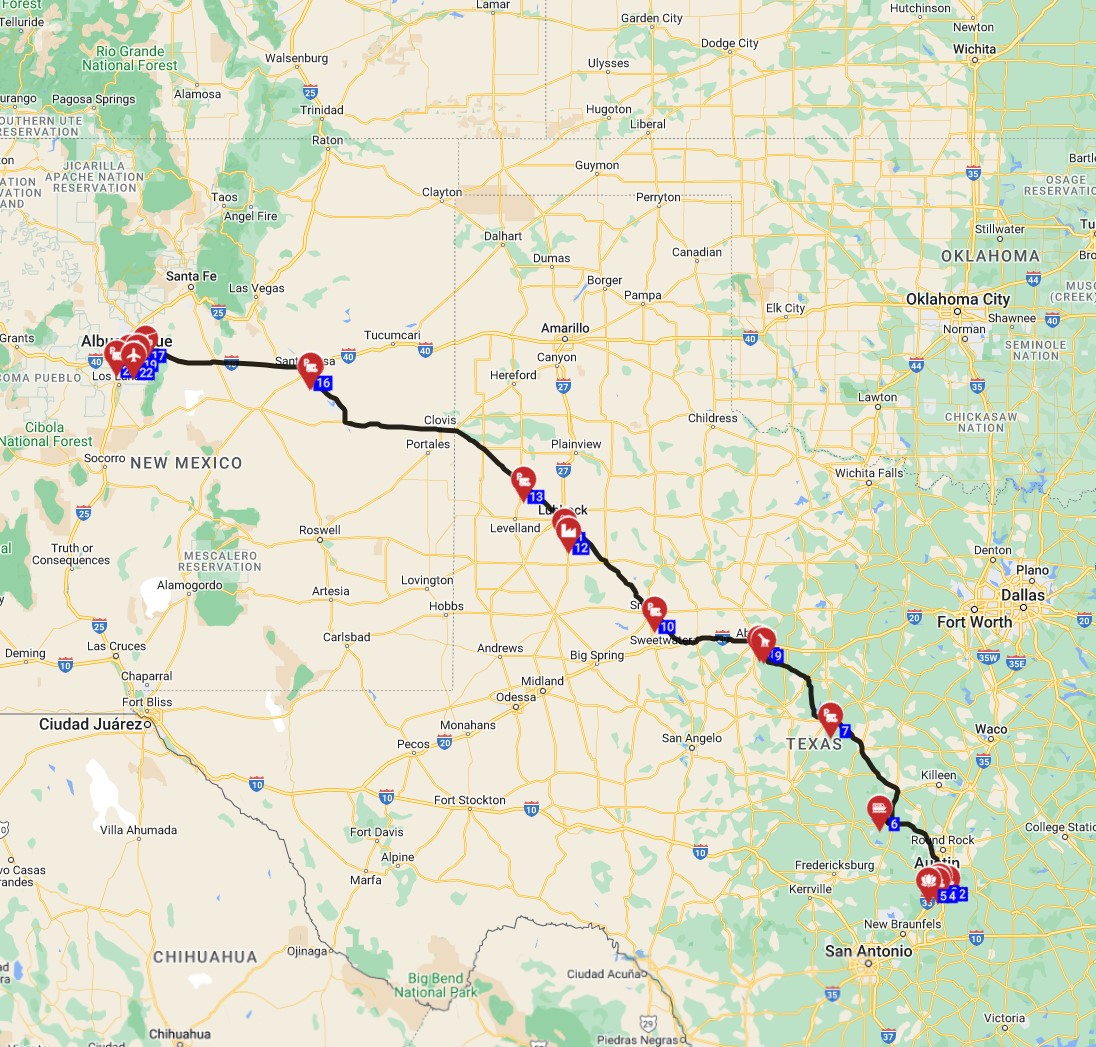
Get inspired for your next trip! Discover top destinations, planning tips, all in one place! Plan a trip itinerary in advance with minimal effort and maximum enjoyment.