In This Guide
- The 5 RV Families Compared for France
- Class A (Integrated) - Best For
- Price Comparison by RV Class in France
- Class SI (Semi-Integrated) - Best For
- Class C (Alcove) - Best For
- Class B (Campervan) - Best For
- Side-by-Side Comparison Table
- Our Recommendation for Winter RV Rental Travelers in France
- What Time of Year is Best for RVing in France
- Bringing an American RV to France
- How Much Does it Cost to Rent an RV in France
- What Do You Need to Drive an RV in France
- Challenges & Solutions for Large American RVs
- Cultural Nuances & Etiquette for Foreigners
- Where Can You Park an RV in France for Free
- What Are the Rules for Camping in France
- Emergency Preparedness & Support
Discovering France in winter with a rented RV is an experience unlike any other, offering picturesque landscapes from snow-capped mountains to quiet coastal towns. Choosing the right motorhome for your winter adventure is crucial, influencing everything from your comfort in colder climates to the ease of navigating France's diverse roads. For live availability and current prices, start with our RV Rental France - Complete Guide 2026 guide.
🎬 Video coming soon
The 5 RV Families Compared for France
RV family choice in France significantly impacts your winter travel experience, affecting maneuverability on narrow roads, heating efficiency in colder climates, and overall comfort for your group size and trip length. When considering a rented motorhome, France's varied terrain, from snowy Alps to mild Mediterranean coasts, is a key factor, as vehicles designed for cold weather will make your journey much more enjoyable. Bandana Caravan, founded in 2001, has over two decades of experience helping tens of thousands of travelers explore the world by RV, and we can attest to the importance of choosing wisely for a winter trip.
We work with direct partnerships with 50+ leading RV suppliers worldwide, including popular brands like El Monte, Cruise America, Apollo, and Britz, to offer a comprehensive comparison of options. You'll find a range of Class A, Class B, and Class C motorhomes and campervans, each with unique advantages for your winter road trip. Our full transparency means no hidden fees, no surprises, allowing you to compare final prices across suppliers with confidence.
Class A (Integrated) - Best For
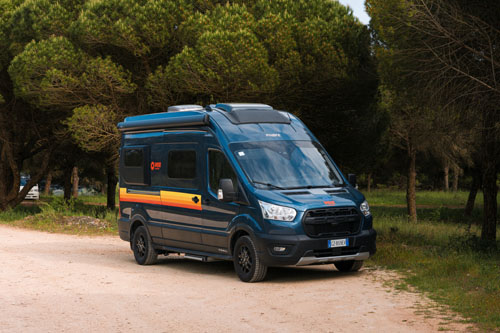
Class A motorhomes, averaging 7.5 meters in length and typically sleeping around 4.4 people, are ideal for luxury winter RV travel in France, offering spacious living areas and robust insulation. These integrated models provide a home-like feel with ample storage and comfortable amenities, making them perfect for longer journeys where comfort is a priority. Bandana's fleet typically sees Class A models consume 8-12 Liters/100 km, suitable for extended adventures, though their larger size (with an average load capacity of 209.5 kg) can make navigating smaller French villages and parking challenging. They are best suited for families or groups prioritizing comfort and ample space, particularly when planning to stay at well-equipped campgrounds or larger 'aires' that can accommodate bigger vehicles. Imagine preparing a warm meal in a spacious kitchen, even in the heart of winter. Speaking of cooking, check out our RV-friendly recipes playlist for delicious ideas on the go!
Price Comparison by RV Class in France
Renting an RV in France involves flex-rate pricing, meaning costs fluctuate based on demand, seasonality, and rental duration, similar to airline tickets. The final price is set at the actual booking time, ensuring full transparency with no hidden fees or surprises. When comparing winter rv rental deals in France, you'll find that prices can vary significantly between a compact campervan and a spacious Class A motorhome. We're true RV specialists, not just a travel agency side department, which means we understand these dynamics and provide clear information. To get an idea of potential costs, the table below pulls real example prices from Bandana's live search, demonstrating typical costs for various RV classes over different rental periods.
Live April Price Comparison — RV Class × Trip Length
| Trip length | Class A | Class B | Class C | Class SI | Class TC |
|---|---|---|---|---|---|
| 1 week 15/04 → 22/04 | Check prices | 747.20 € EUR | 2,556.00 € EUR | 926.40 € EUR | Check prices |
| 2 weeks 15/04 → 29/04 | Check prices | 1,296.00 € EUR | 5,112.00 € EUR | 1,632.00 € EUR | Check prices |
| 1 month 01/04 → 30/04 | Check prices | 2,472.00 € EUR | 6,547.74 € EUR | 3,144.00 € EUR | Check prices |
Estimates only — flex-rate prices change daily based on availability and season.
Prices are flex-rate estimates and update daily; for live, accurate numbers, use the search box at the top of the page. Remember, opting for longer trips, such as a two-week adventure or extended road trip, can often lead to more cost-effective daily rates. For a more detailed breakdown, explore our "RV Rental in France - Prices and Best Deals 2026" guide.
Class SI (Semi-Integrated) - Best For
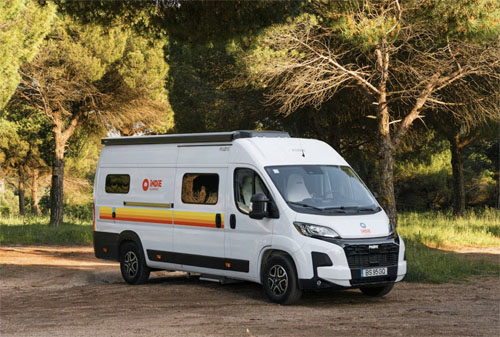
Class SI (Semi-integrated) motorhomes strike an excellent balance for winter RV rental in France, with Bandana's fleet averaging 6.9 meters in length and sleeping 3.8 people. These models are popular for their thoughtful design, integrating the driver's cab smoothly with the living area, offering a comfortable and efficient travel experience. They are maneuverable enough for many French roads while providing more living space than compact campervans, typically consuming 10-11 Liters/100 km, showcasing good fuel economy. With an average load capacity of 72.2 kg, Class SI motorhomes are best for couples or small families seeking comfort and amenities without the bulk of a Class A, making them versatile for exploring both cities and countryside in winter conditions. You can upgrade to a top-level deductible for extra peace of mind, allowing you to travel with confidence even through winter weather.
Class C (Alcove) - Best For
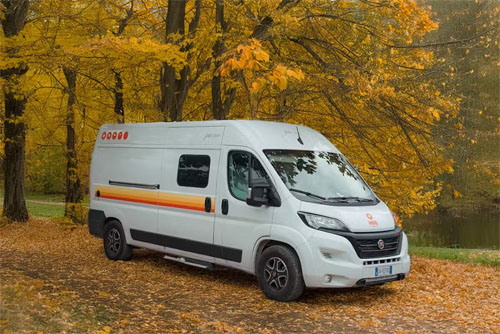
Class C (Alcove) motorhomes, averaging 7.5 meters in length and sleeping 5.8 people, are ideal for families undertaking a winter RV rental in France due to their distinct over-cab sleeping area. This design maximizes sleeping capacity, making them a fantastic choice for larger groups or families with kids. These RVs offer a cost-effective solution for comfortable travel, with Bandana's fleet typically consuming 10-12 Liters/100 km, balancing space with reasonable fuel efficiency. Despite their average load capacity of 42.4 kg, they are generally well-equipped for winter conditions, providing adequate heating and insulation. Class C motorhomes are best suited for families who prioritize extra sleeping capacity and comfort on longer winter trips across France, ensuring everyone has a cozy spot to rest after a day of exploration.
Class B (Campervan) - Best For
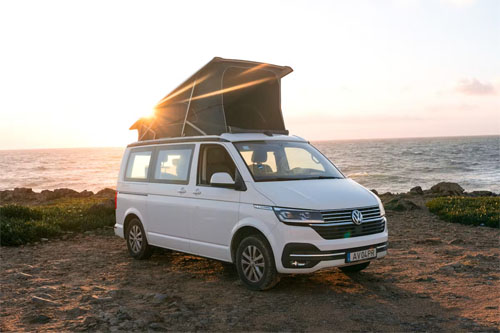
Class B (Campervan) models are optimal for agile winter RV travel in France, with Bandana's fleet averaging 5.8 meters in length and sleeping 3.2 people. Their compact size makes them exceptionally maneuverable on narrow French roads and easy to park in towns, providing excellent fuel economy at 8-10 Liters/100 km. With an average load capacity of 37 kg, these versatile vehicles are best for solo travelers or couples seeking flexibility and minimal fuss, suitable for spontaneous exploration, accessing winter sports, and urban adventures. If you’re looking for a nimble vehicle to explore charming villages and hit the ski slopes, a campervan offers the perfect blend of freedom and convenience. Remember, driving slowly and carefully, you can drive almost anywhere without issues. No need to stress - just use common sense and pay attention.
Side-by-Side Comparison Table
To help you quickly assess which motorhome type aligns with your winter travel style in France, here is a comparative overview of the various classes. This table summarizes key specifications like average length, sleeping capacity, and fuel efficiency, directly influencing your experience on French roads and at campsites.
| Family | Avg Length (m) | Sleeps (People) | Fuel Use (L/100 km) | Best Use Case in France (Winter) |
|---|---|---|---|---|
| Class A - Integrated | 7.5 | 4.4 | 8-12 | Luxury, spacious winter trips for families, longer journeys. |
| Class SI - Semi-integrated | 6.9 | 3.8 | 10-11 | Balanced comfort for couples/small families, versatile for cities & countryside. |
| Class C - Alcove | 7.5 | 5.8 | 10-12 | Cost-effective for larger families needing extra sleeping capacity. |
| Class B - Camper Van | 5.8 | 3.2 | 8-10 | Agile exploration for solo/couples, urban access, winter sports. |
This comparison highlights that each class offers distinct advantages for winter RVing in France, from the spaciousness of a Class A to the agility of a Class B campervan. We’re with you before, during, and after your booking to ensure you find the perfect match.
Our Recommendation for Winter RV Rental Travelers in France
For most winter RV travelers in France, particularly those new to European roads or seeking a blend of comfort and maneuverability, we recommend a **Class SI (Semi-integrated) motorhome**. Its average length of 6.9 meters provides ample living space and effective heating for colder weather, while remaining manageable on France's diverse road network and in charming smaller towns. This class offers a comfortable experience for couples or small families, with amenities like a shower and toilet often included. Our runner-up recommendation is a **Class B (Campervan)** for solo adventurers or couples prioritizing ultimate agility and fuel efficiency, especially when focusing on winter sports destinations or urban exploration. The smaller size of a campervan, averaging 5.8 meters, allows easier access to parking and challenging mountain roads, though with less internal space. Both options provide the flexibility to travel slowly, averaging 100-150 km per day, allowing you to truly feel the place, connect to the culture, the food, and the scenery.
What Time of Year is Best for RVing in France
While summer is popular, RVing in France during winter (roughly November to March) offers a unique experience with fewer crowds, often lower rental prices, and abundant opportunities for winter sports or exploring festive markets. The 'best' time to rent a winter rv in France depends on your priorities: for skiing and charming holiday atmospheres, December to February is ideal, focusing on the Alps or Vosges mountains, but it absolutely requires a well-insulated RV with good heating. Coastal regions like the French Riviera offer milder temperatures, making them pleasant for RV travel even in the colder months, while spring and autumn provide a balance of good weather and fewer tourists for broader exploration. Remember that many national and state parks reserve only 25-30% of spots for advance booking, with the rest available first-come, first-serve, so you'll find a spot; if not at the first campground, then the next one. Always call ahead before driving.
Bringing an American RV to France
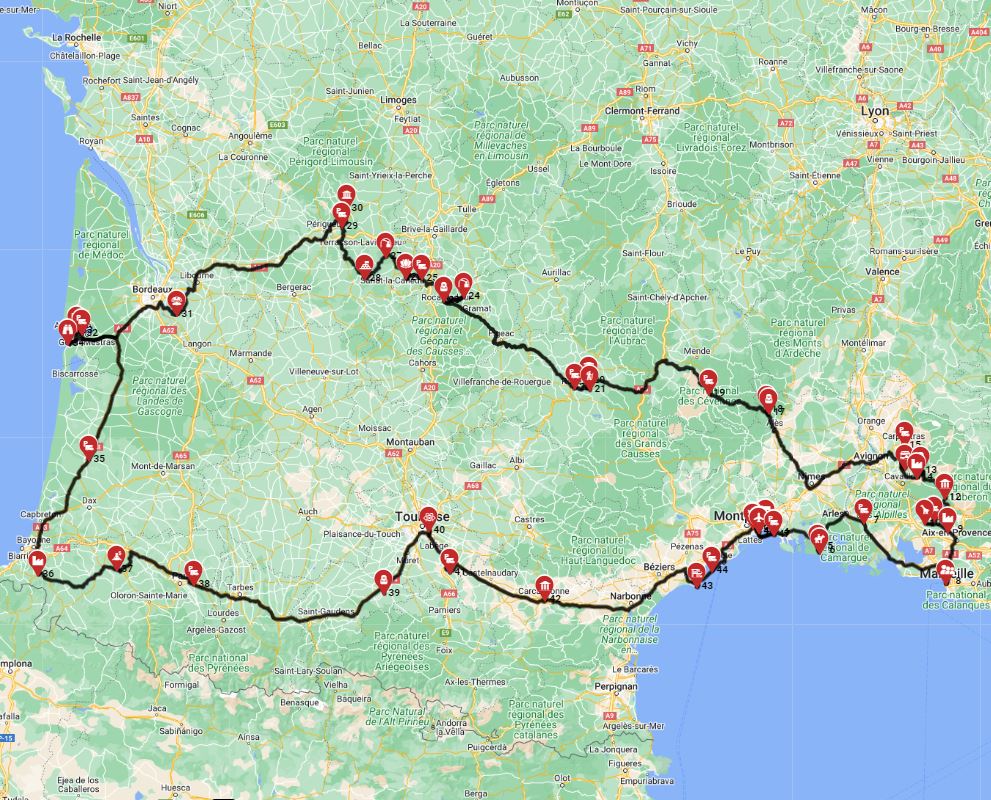
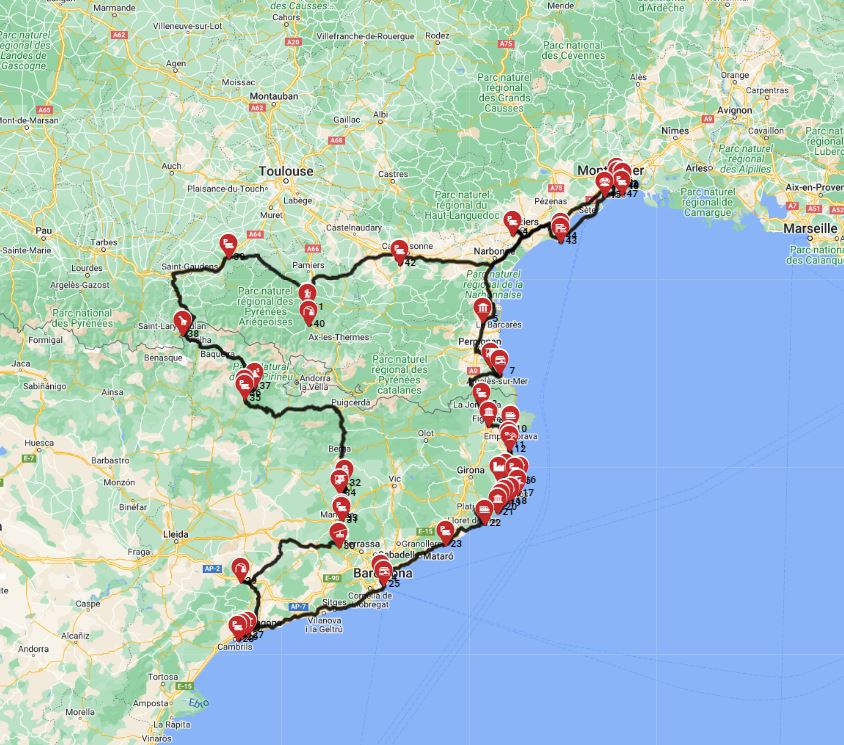
Bringing an American RV to France involves significant logistical challenges, including complex customs procedures, high shipping costs (potentially $5,000-$10,000+ USD one-way), and mandatory vehicle modifications for European standards. Key modifications are crucial: adapting electrical systems from 110V/60Hz to 230V/50Hz, changing propane systems to European gas bottle connectors, and ensuring lighting meets E-mark regulations (e.g., amber turn signals, headlamp beam adjustments). Additionally, securing appropriate European insurance for a foreign-plated RV can be difficult and expensive, and American drivers will need an International Driving Permit (IDP) alongside their US license, though it's not mandatory in all cases, it's highly recommended. Given these complexities, renting a locally compliant European RV is almost always more practical and cost-effective for a temporary visit, allowing you to focus on the journey itself. On the routes offered through RV PLANET routes, you can itemize and track every expense along the way for easy budgeting.
How Much Does it Cost to Rent an RV in France
Renting an RV in France for a week can range from approximately €500 for a compact campervan to over €1,500 for a large luxury motorhome, with prices fluctuating significantly based on season, RV class, and booking duration. From an American perspective, budgeting should account for currency conversion (USD to EUR), typically higher fuel costs (diesel averages €1.80-€2.00/liter), and additional expenses like road tolls (e.g., €0.10-€0.20/km on autoroutes), campsite fees (€15-€40/night), and specific French activities. A granular budget for a two-week winter trip might include €1,000-€2,500 for rental, €400-€800 for fuel, €100-€200 for tolls, €200-€500 for campgrounds, and €500-€1000+ for food and activities, translating to a total range of roughly €2,200-€5,000+. On RV PLANET routes, travelers can itemize and track every expense along the way for easy budgeting. Keep in mind that prices are dynamic like flight tickets, changing daily based on availability, seasonality, and supplier decisions.
What Do You Need to Drive an RV in France
To legally drive an RV in France, non-EU citizens typically need a valid national driver's license from their home country (e.g., a US driver's license) accompanied by an International Driving Permit (IDP). For RVs up to 3,500 kg (most campervans and smaller motorhomes), a standard B-category car license is sufficient. For heavier vehicles, usually a C1 license is required, but almost all rental motorhomes available from Bandana's partners fall under the standard B-category license weight limit. No special license, CDL, or additional permits are required for any rented motorhome. Ensure you have your vehicle's registration documents, proof of insurance (which must meet European minimums), and a reflective safety vest and warning triangle in the vehicle at all times, as these are legally required. The minimum rental age for motorhome hire in France is 21 years old, with no young driver surcharges.
Challenges & Solutions for Large American RVs
American RVs, often significantly larger than typical European motorhomes, face unique challenges like navigating narrow French roads, fitting into historic village streets, and accessing smaller campsites not designed for their dimensions. Solutions include meticulously pre-planning routes using RV-specific GPS systems to avoid roads with height or width restrictions, and opting for larger, more modern campsites or 'aires' located outside of dense village centers. Parking a large rig can be particularly difficult; look for designated large vehicle parking areas near attractions, or use local public transport from an out-of-town campsite to explore cities. Ultimately, consider renting a compact European RV, such as a Class B Campervan or Class SI Semi-integrated model, if you plan extensive travel through rural or historic areas to avoid these common navigation and access issues and ensure a smoother winter rv rental experience in France.
Cultural Nuances & Etiquette for Foreigners
French RVing etiquette at 'aires' (service areas) and campgrounds often involves greeting fellow campers ('Bonjour') with a friendly nod, maintaining a respectful distance, and keeping noise levels down, especially during quiet hours (typically 10 PM to 8 AM). At local markets, it's polite to greet vendors ('Bonjour, Madame/Monsieur') before browsing and to ask before touching produce; cash is often preferred for small purchases. For non-French speakers, learning a few basic phrases ('Bonjour,' 'Merci,' 'S'il vous plaît,' 'Pardon') is highly appreciated and can significantly enhance interactions, as not all locals will speak English. Always be mindful of local customs, such as queueing politely, not being overly loud in public, and understanding that meal times are generally later than in many American cultures. Embrace slow travel; take time to feel the place, connect to the culture, the food, and the scenery.
Where Can You Park an RV in France for Free
Many municipalities in France offer 'aires de services' or 'aires de camping-cars,' which are designated parking and service areas for RVs; some are free for overnight parking, while others charge a small fee for services like water and electricity. Wild camping or boondocking is generally restricted in France, particularly in protected areas, coastal zones, and near residential properties, though rural areas may offer more flexibility with landowner permission. Look for specific signage indicating authorized parking for 'camping-cars,' and use apps like Park4Night or Campercontact to find legal and free (or low-cost) overnight spots, especially during the quieter winter season. Always respect local regulations, leave no trace, and prioritize safety when choosing free parking locations to ensure a hassle-free winter rv rental experience in France.
What Are the Rules for Camping in France
Camping in France is generally regulated, with specific rules varying by municipality and type of location; official campsites offer comprehensive facilities and are the most straightforward option. Wild camping, or parking and sleeping outside of designated areas, is broadly discouraged and often prohibited, particularly along the coast, in national parks, near historical sites, and within town limits. 'Aires de camping-cars' provide legal and convenient spots for RVs, often with water, waste disposal, and sometimes electricity, ranging from free overnight parking to paid service points. Always check local signage and respect private property; using apps like Park4Night can help identify legal and suitable overnight parking and camping spots across France. Remember that national and state parks often reserve only 25-30% of their spots for advance booking, leaving the majority available on a first-come, first-serve basis. You'll find a spot, and if not at the first campground, then the next one; just call ahead to confirm availability before driving.
Emergency Preparedness & Support
For emergencies in France, dial 112 for all services (ambulance, fire, police), which is the pan-European emergency number and works even if your phone has no service. Before your trip, ensure your RV rental includes comprehensive roadside assistance coverage valid in France, and understand the procedure for contacting them in case of a breakdown. It's advisable to have travel insurance that covers medical emergencies and potential trip interruptions for all travelers, especially during winter when weather can be unpredictable. Keep essential contact information readily accessible, including your rental company's emergency line and your insurance provider. Bandana is with travelers before, during, and after their booking, offering pre-booking comparison, booking support, and post-booking coordination, ensuring you have the information you need for a smooth journey. We handle the details, you live the journey.
What You Shouldn't Miss
- **Skiing in the French Alps:** Experience world-class slopes in resorts like Chamonix or Val d'Isère, easily accessible with a winter-ready rented motorhome.
- **Alsatian Christmas Markets:** Explore the enchanting festive markets of Strasbourg and Colmar, renowned for their magical atmosphere and local crafts during the holiday season.
- **The Mild French Riviera:** Enjoy winter sun and charming coastal towns like Nice or Menton, where temperatures remain pleasantly mild for leisurely RV exploration.
- **Historical Loire Valley Châteaux:** Visit the majestic castles of the Loire Valley, less crowded in winter, allowing for a more intimate experience of these architectural marvels.
- **Tasting Regional Winter Cuisine:** Indulge in hearty French winter dishes such as raclette, fondue, or cassoulet, perfect for cozy evenings in your campervan.
- Looking for expert insights from Avi Bandana? Top 5 Adventures - recommendations from Avi Bandana
Final Thoughts
Embarking on a winter RV rental adventure in France opens up a world of unique experiences, from tranquil snowy landscapes to vibrant festive markets. Whether you choose the spacious comfort of a Class A motorhome or the nimble agility of a campervan, the freedom of the open road combined with Bandana Caravan's transparent pricing and expert support ensures a memorable journey. We've been helping travelers like you since 2001, connecting you with top suppliers and detailed itineraries to make your trip planning effortless.
Imagine cozy evenings in your rented RV, waking up to breathtaking views, and exploring charming French towns at your own pace. With Bandana Caravan, you're not just renting a vehicle; you're gaining a partner dedicated to making your RV travel dreams a reality. So, why wait? Get inspired for your next trip! Discover top destinations, planning tips, all in one place, and prepare to create unforgettable winter memories in France.
Plan a trip itinerary in advance with minimal effort and maximum enjoyment. Compare winter RV rental prices for France now and let the adventure begin!