In This Guide
- The 4 RV Families Compared for Canada
- Class A (Integrated) - Best For
- Price Comparison by RV Class in Canada
- Class SI (Semi-Integrated) - Best For
- Class C (Alcove) - Best For
- Class B (Campervan) - Best For
- Side-by-Side Comparison Table
- Our Recommendation for Winter RV Rental Travelers in Canada
- Can you travel in an RV in Canada?
- What are the requirements to rent an RV in Canada?
- Is it safe to RV in Canada in winter?
- Do you need winter tires for an RV in Canada?
- How do you keep an RV warm in Canada winter?
- How do you keep water pipes from freezing in an RV in winter?
- Are RV parks open in Canada in winter?
- How much does it cost to rent an RV in Canada for winter?
- What is the cheapest time to rent an RV in Canada?
- What RV is best for winter camping in Canada?
The 4 RV Families Compared for Canada
RV family choice is critical for navigating Canada's diverse terrain and harsh winter climate, impacting your comfort and safety during cold-weather adventures. When considering a rented motorhome or campervan, evaluate the trip length, group size, and specific winterization features to ensure a successful and enjoyable journey. The ideal vehicle will offer ample space for winter gear, efficient heating, and reliable performance on snowy roads. For live availability and current prices, start with our RV Rental Canada - Complete Guide 2026 guide to find the perfect fit.Understanding the nuances of each RV class is key, especially in Canada’s varying winter conditions. Bandana RV specializes in motorhome and campervan rentals, ensuring you get unbiased, expert advice. We are true RV specialists, not just a travel agency side department, offering full transparency with no hidden fees and real people behind you for support.
Class A (Integrated) - Best For
Class A integrated motorhomes, averaging 7.5 meters in length, with sleeping for 4.4 and a high load capacity of 209.5 kg, are best suited for those seeking luxury, spacious living, and longer winter excursions in Canada with larger groups. These opulent homes on wheels offer expansive interiors, providing ample room for extended stays and significant winter gear such as skis and snowboards. While they offer unparalleled comfort, trade-offs include lower fuel efficiency, with Bandana's fleet typically seeing 8-12 Liter/100 Km, and potentially challenging maneuverability on narrower or heavily snow-covered Canadian roads. Despite the size, drive slowly and carefully, and you can drive almost anywhere without issues. No need to stress - just use common sense and pay attention.Price Comparison by RV Class in Canada
Because RV pricing is dynamic and flex-rate, the costs for winter RV rentals in Canada change daily based on availability, seasonality, and supplier marketing decisions. The final price is set at the actual booking time, similar to flight tickets. For example, a 1-week winter RV trip for a couple in a Class B campervan might average $80-150 CAD per day, while a 2-week family adventure in a Class C motorhome could range from $120-200 CAD daily. A month-long luxury Class A journey might start at $180-250 CAD per day. These are estimates based on specific dates and vehicle availability; you can check live prices for your exact travel dates using the search box at the top of the page. Beyond the rental costs, a detailed budgeting plan should also account for ancillary expenses such as higher fuel consumption in winter conditions, specific park pass requirements like the Parks Canada Discovery Pass for national park access, and potentially elevated food costs in more remote areas. Remember that on RV PLANET routes, travelers can itemize and track every expense along the way for easy budgeting.🎬 Video coming soon
Class SI (Semi-Integrated) - Best For
Class SI semi-integrated motorhomes, typically 6.9 meters long and sleeping 3.8 people with an average load capacity of 72.2 kg, offer an excellent balance of comfort and maneuverability, making them a versatile choice for Canadian winter RV travelers. These vehicles provide a more aerodynamic profile compared to Class C motorhomes and greater agility than larger Class A models, making them ideal for couples or small families navigating Canada's varied winter landscapes, from snowy mountain passes to bustling city centers. Bandana's fleet generally achieves 10-11 Liter/100 Km, providing a more fuel-efficient option than larger RVs while still offering essential winter amenities like robust heating and well-insulated living spaces.Class C (Alcove) - Best For
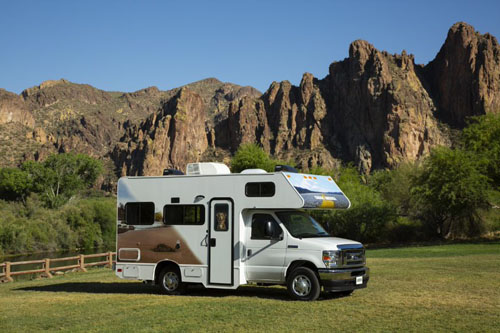
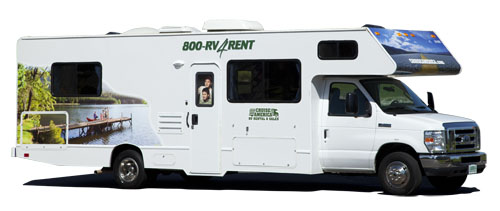
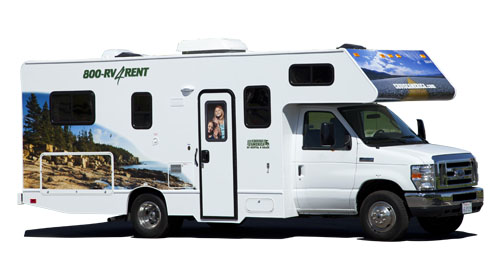
Class C alcove motorhomes, averaging 7.5 meters in length and sleeping 5.8 people with 42.4 kg of load capacity, are highly suitable for families or groups seeking a cost-effective and comfortable winter RV rental in Canada. Their distinctive over-cab sleeping area provides extra berths, making them a family favorite for those traveling with children or friends, ensuring everyone has a cozy spot after a day of winter exploration. Bandana's fleet typically consumes 10-12 Liter/100 Km, and their robust build is well-suited to handle diverse Canadian road conditions, including moderate winter challenges, offering stability and reliability.Class B (Campervan) - Best For
Class B campervans, with an average length of 5.8 meters, sleeping 3.2 people, and a load capacity of 37 kg, are perfectly suited for solo adventurers or couples prioritizing maneuverability, fuel economy, and urban accessibility during a Canadian winter RV trip. These compact vehicles offer superior handling on snowy roads and easier parking, making them ideal for exploring cities like Vancouver, accessing national parks with tighter restrictions, or navigating more agile routes such as the Cabot Trail in Nova Scotia. Bandana's fleet typically reports excellent fuel economy, averaging 8-10 Liter/100 Km, which is a significant advantage for budget-conscious travelers planning extended trips.Side-by-Side Comparison Table
Below is a comparative overview of the RV families available for rent, highlighting their key specifications and best use cases for winter travel in Canada. This allows you to easily compare options for your adventure.| Family | Avg Length (m) | Sleeps (Avg) | Fuel Use (L/100km) | Best Use Case in Canada |
|---|---|---|---|---|
| Class A (Integrated) | 7.5 | 4.4 | 8-12 | Luxury, large groups, long trips, spacious winter living. |
| Class SI (Semi-Integrated) | 6.9 | 3.8 | 10-11 | Balanced comfort, small families/couples, diverse winter conditions. |
| Class C (Alcove) | 7.5 | 5.8 | 10-12 | Families, extra sleeping, cost-efficient, manageable on winter roads. |
| Class B (Campervan) | 5.8 | 3.2 | 8-10 | Solo/couples, agile, fuel-efficient, urban + mild backcountry. |
Our Recommendation for Winter RV Rental Travelers in Canada
For winter RV rental in Canada, a Class C (Alcove) motorhome is generally our primary recommendation due to its excellent balance of sleeping capacity (averaging 5.8 people), relative maneuverability on winter roads, and often superior insulation for cold weather. These vehicles, like the "29' Class C Motorhome" or "6 Berth Deluxe" options from our suppliers, offer a comfortable and warm retreat after a day of snowy exploration. Its family-friendly layout and robust heating systems make it a comfortable choice for extended trips, and many models come winterized with features like heated tanks. As a strong runner-up, a Class SI (Semi-Integrated) motorhome, such as the "2 Berth Rover" or "Cruz", offers a streamlined profile and efficient heating, ideal for couples or smaller groups seeking a blend of comfort and easier handling in diverse Canadian winter conditions.Can you travel in an RV in Canada?
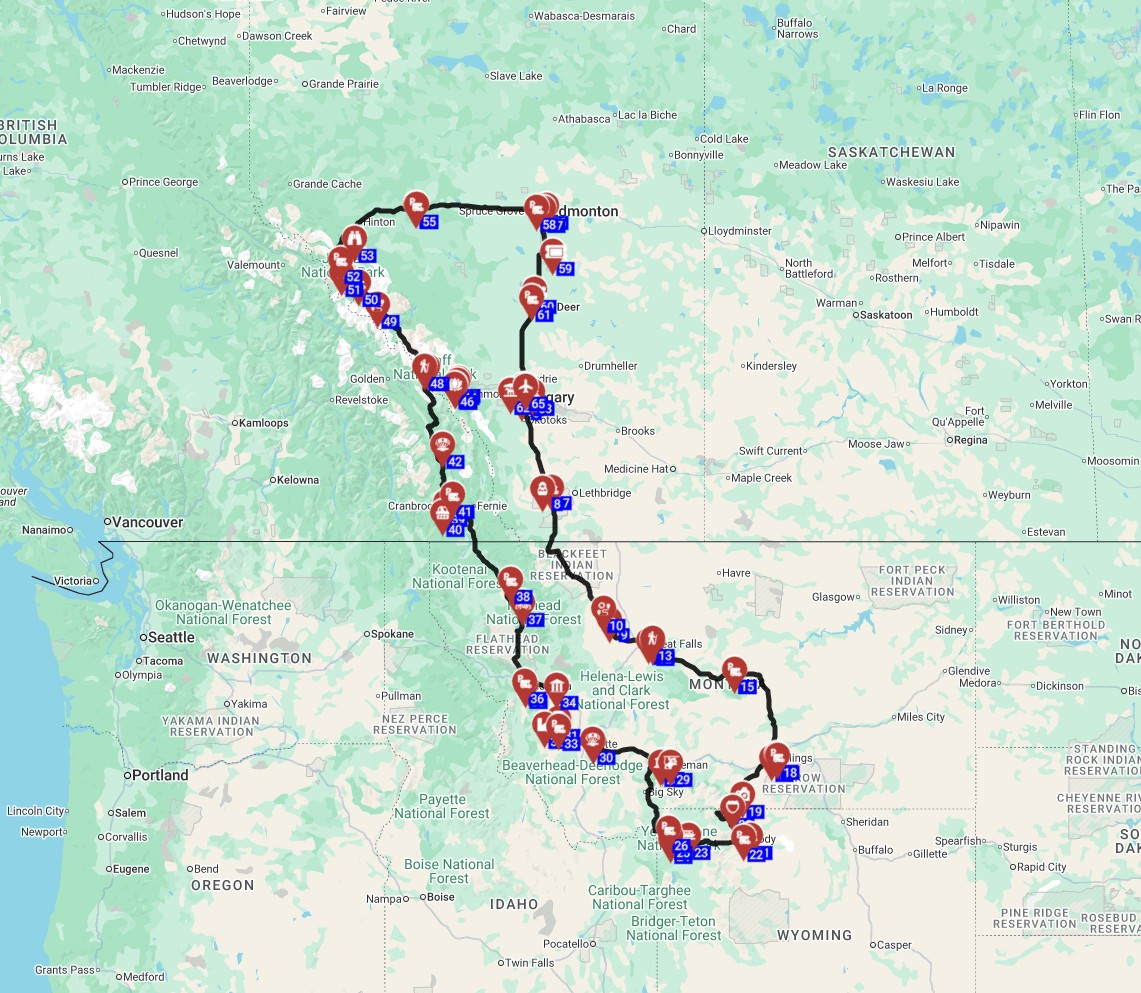
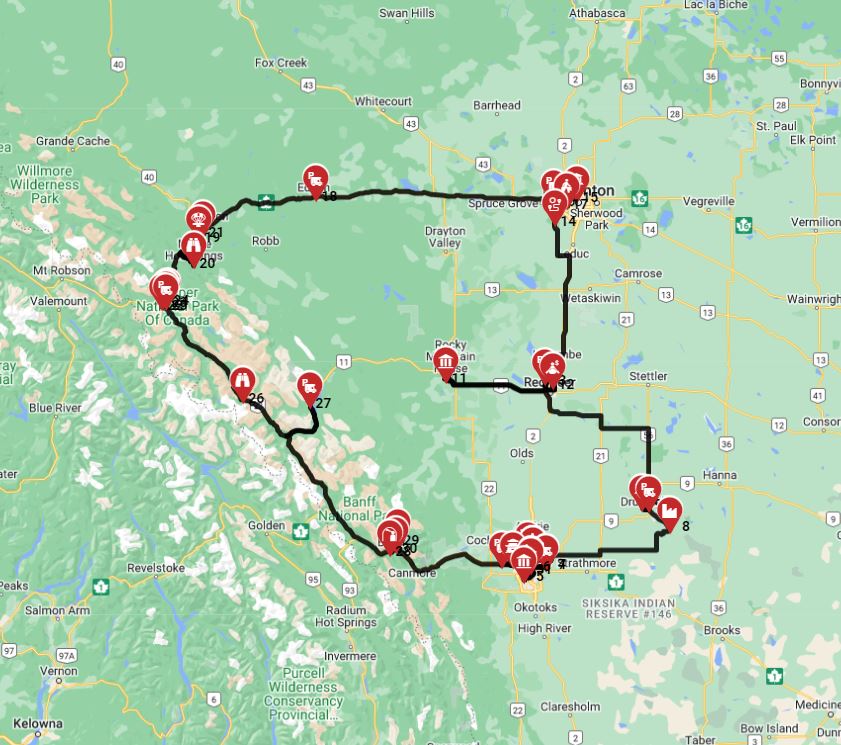
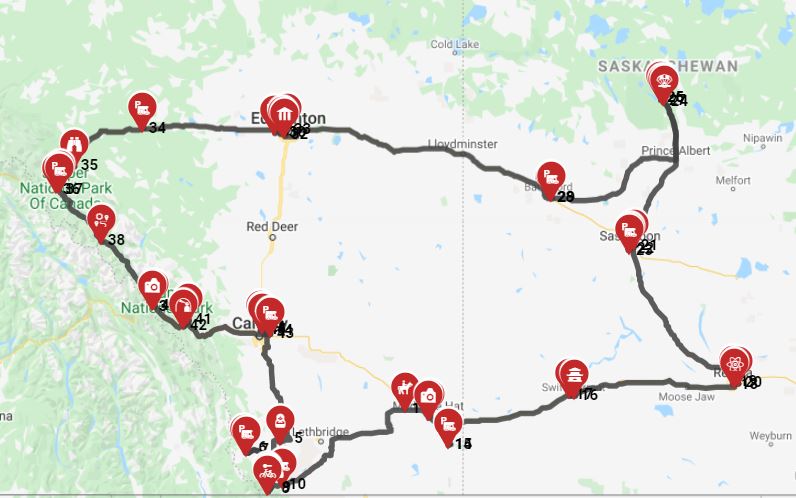
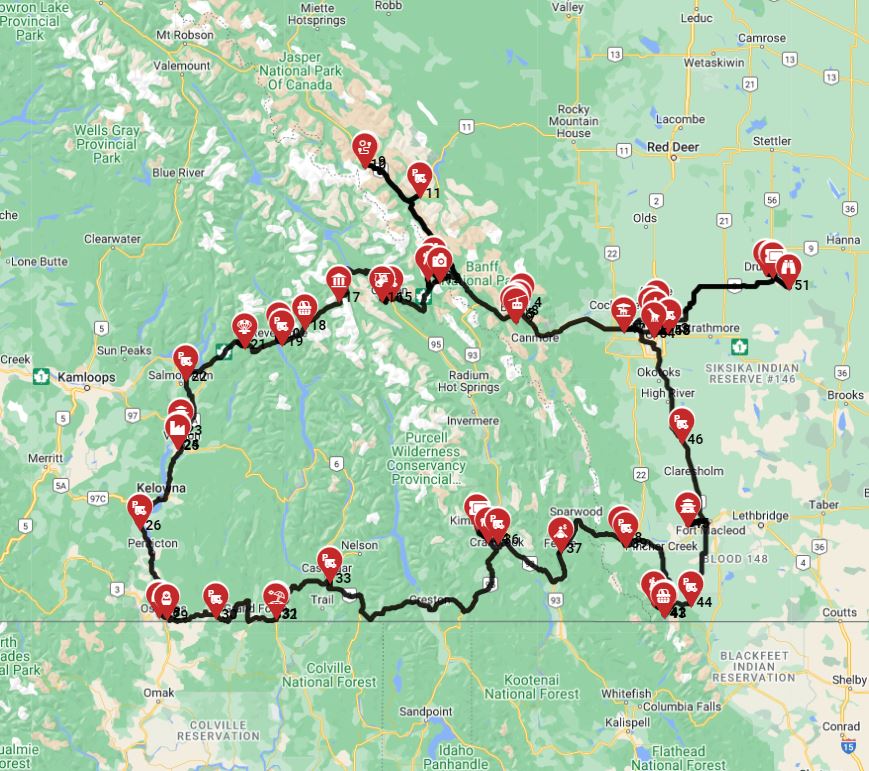
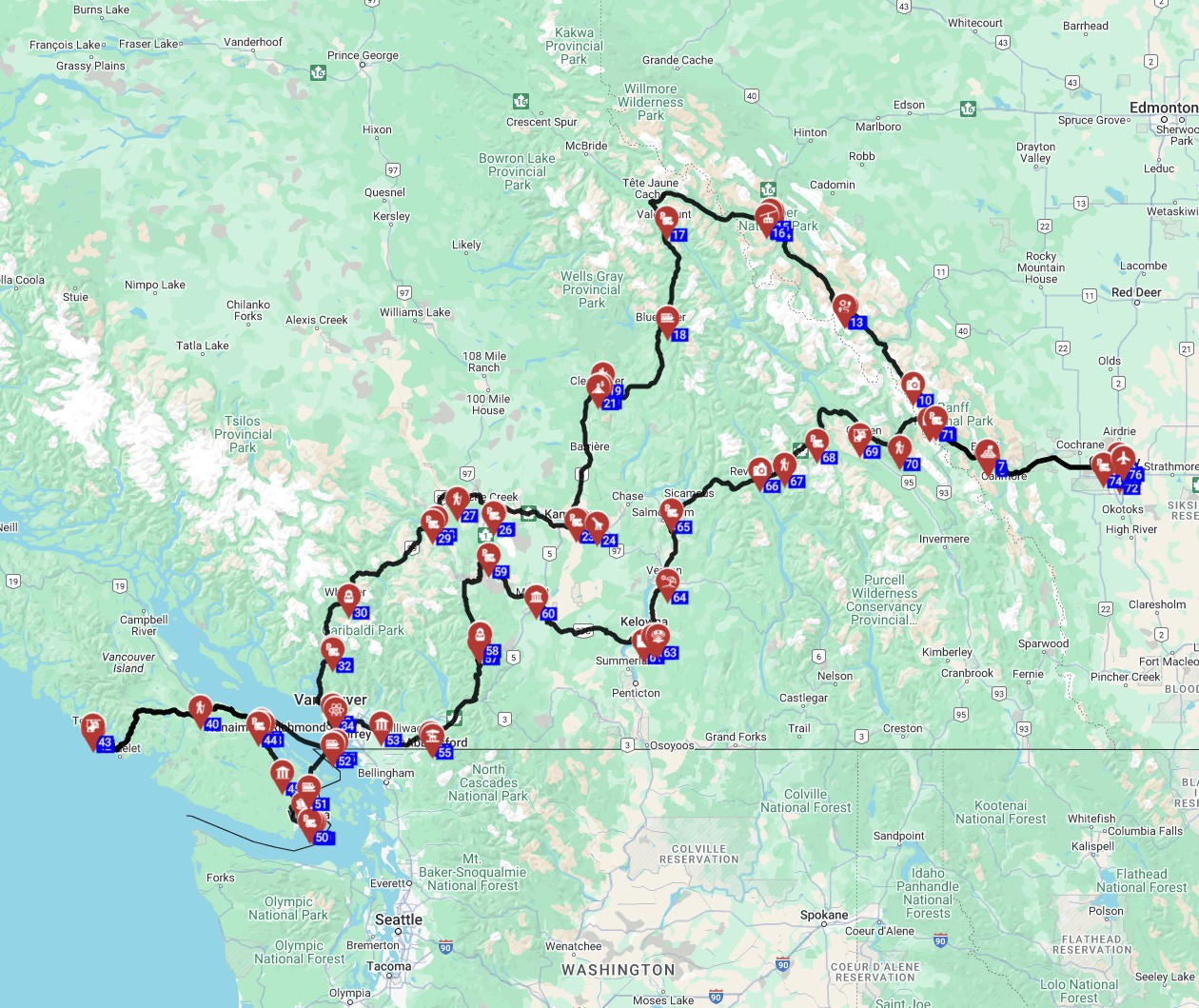
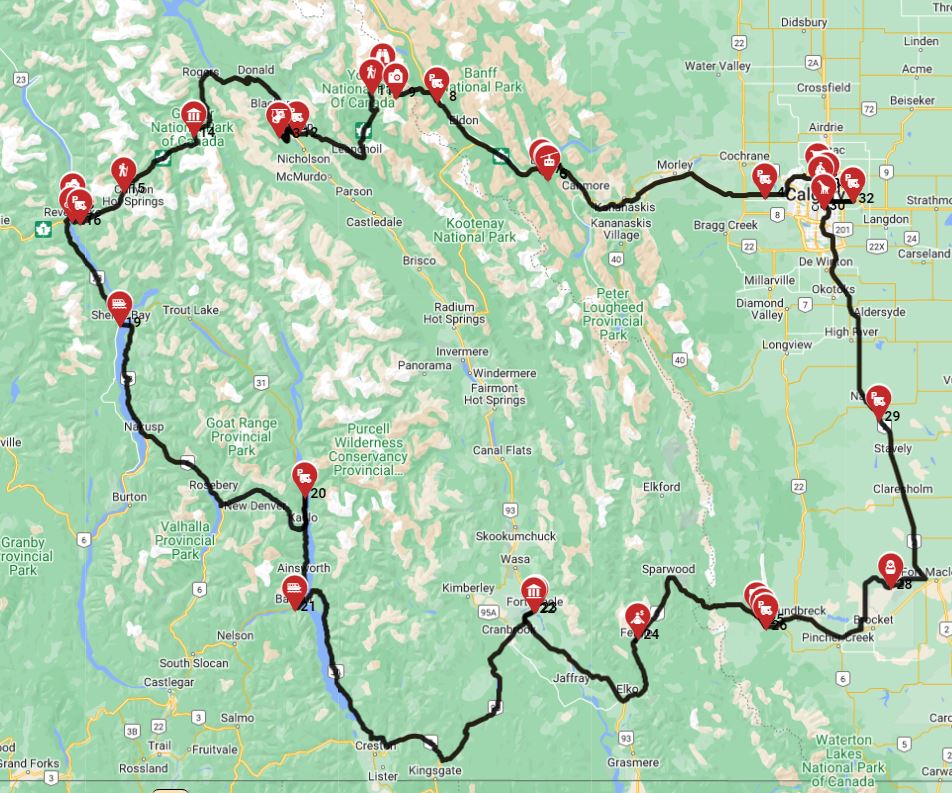
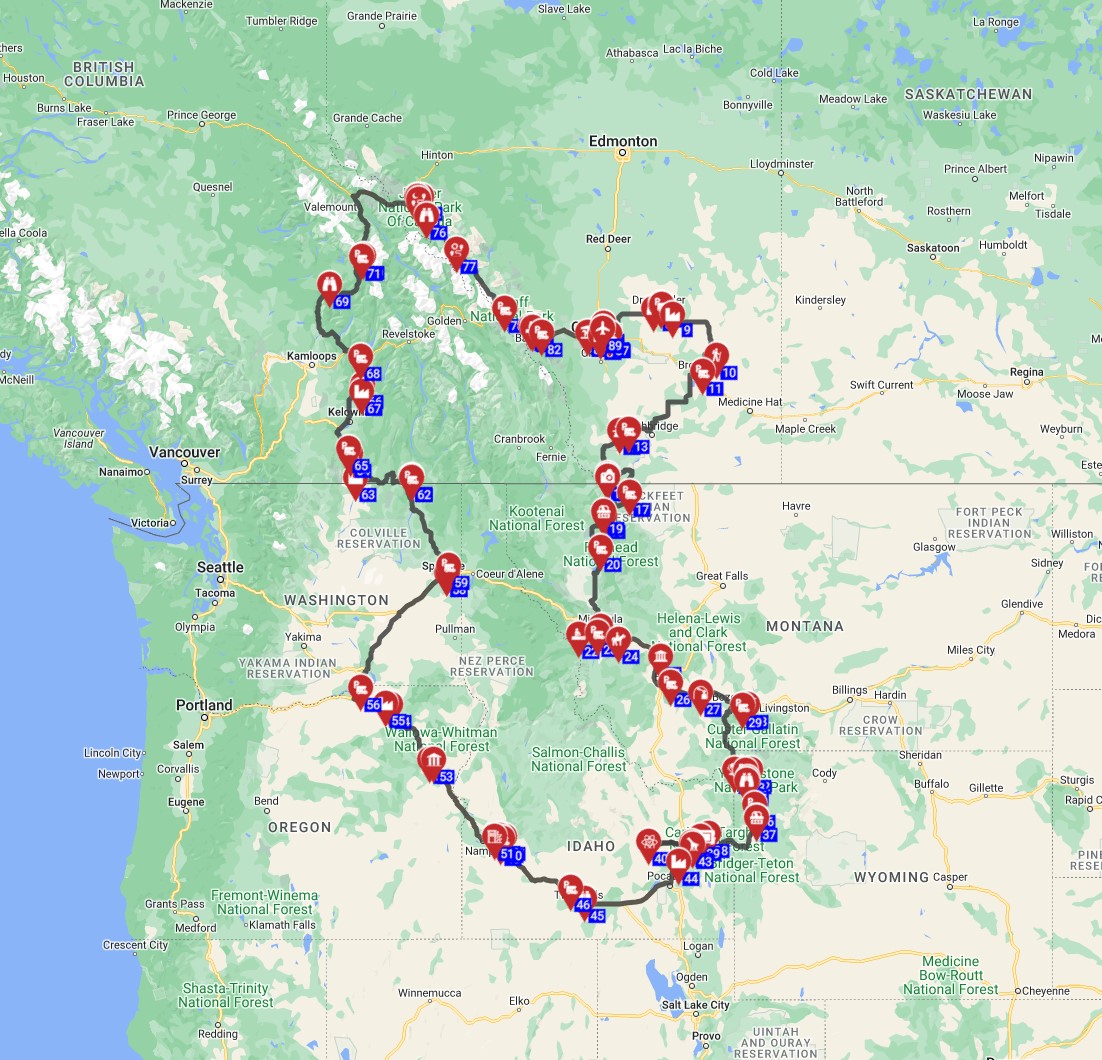
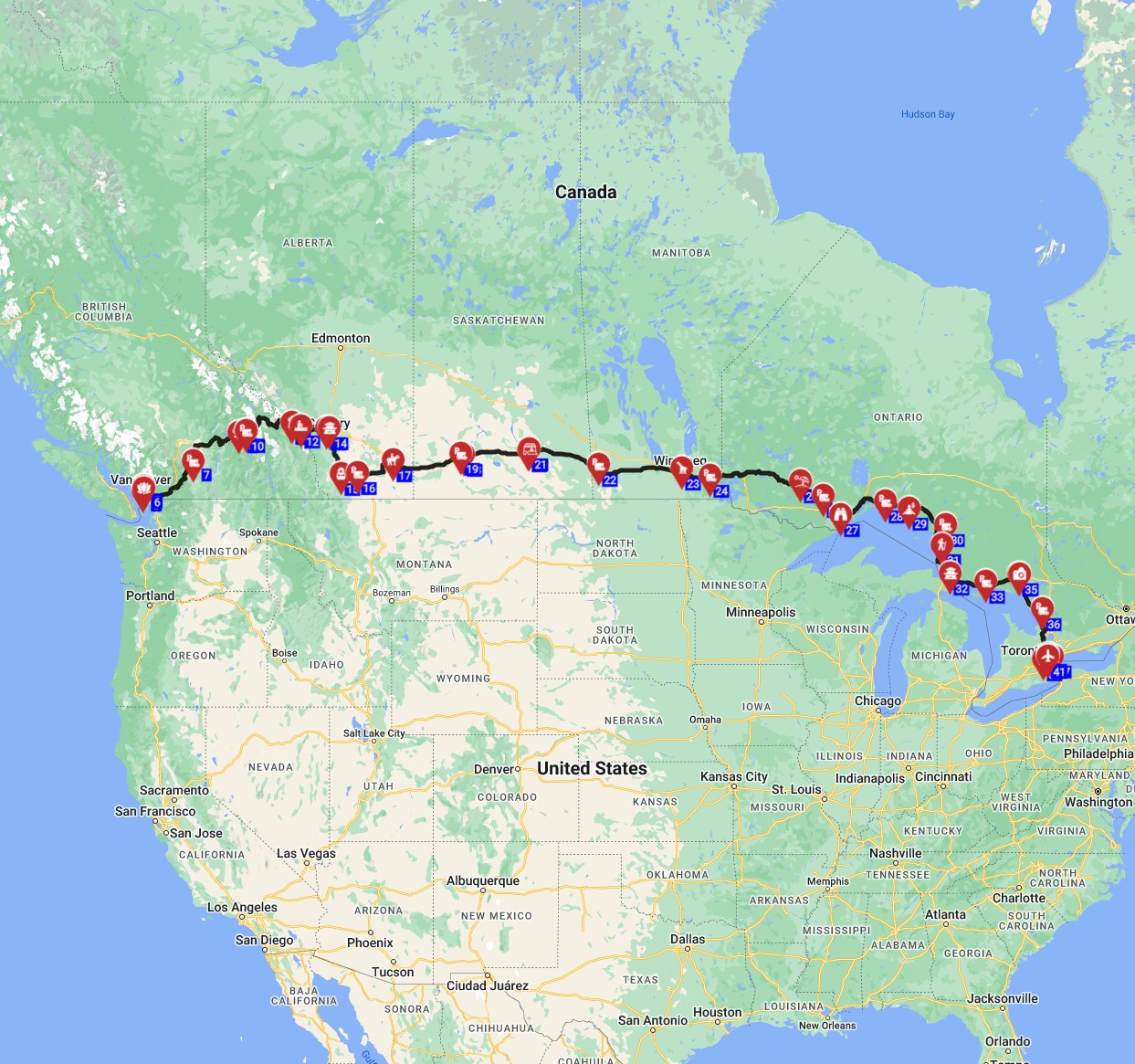
Yes, traveling in an RV in Canada is a popular and feasible way to explore the country, offering flexibility and access to diverse landscapes, though winter travel requires specific preparations and awareness of regional conditions. Canada’s vast network of roads, including scenic routes, makes it an incredible destination for a motorhome adventure. Keep in mind that cell service can be spotty in remote regions, necessitating satellite devices or offline maps for reliable communication, especially when exploring destinations far from major cities. Embrace authentic local winter experiences beyond major tourist hubs, such as regional festivals, indigenous cultural events, or seeking out hidden gems through local guides. Consider planning your route with RV PLANET's pre-planned itineraries, which include a detailed 37-day, 9199.1 km "Halifax to Whitehorse - Exploring Canada’s Heartland in a Motorhome" or a 19-day, 2659.4 km "
For those looking for a shorter yet immersive experience, the "
What are the requirements to rent an RV in Canada?
To rent an RV in Canada, travelers typically need to be at least 21 years old (not 25), possess a valid driver's license from their home country, and provide a valid credit card for a security deposit and payment. An International Driving Permit (IDP) is recommended for visitors from non-English-speaking countries but is generally not mandatory in most cases. You don't need any special license, CDL, or additional permits for any motorhome class (Class A, Class B, or Class C) in Canada. Review insurance options thoroughly, including liability and collision coverage, as winter conditions can increase risks. Bandana RV offers full transparency with no hidden fees and helps you compare final prices across 50+ leading RV suppliers worldwide, including trusted partners like El Monte and Cruise America, to ensure you find the best deal without surprises.Is it safe to RV in Canada in winter?
RVing in Canada during winter can be safe and incredibly rewarding with proper planning, appropriate vehicle choice, and adherence to specific safety protocols for cold weather driving, wildlife, and remote conditions. Always carry an extensive emergency kit including extra blankets, a first-aid kit, non-perishable food, and a shovel. Monitor weather forecasts diligently and be prepared for potential wildlife encounters (e.g., moose or deer on winter roads) by driving cautiously and especially at dawn or dusk. For remote areas, consider emergency communication strategies such as carrying a satellite messenger or personal locator beacon, as cell service can be unreliable far from populated centers. Many of our rental motorhomes are "Winter Ready" and come equipped for colder climates to enhance your safety and comfort.Do you need winter tires for an RV in Canada?
While not universally mandatory for all vehicles across Canada, winter tires are legally required for most vehicles on specific routes in British Columbia from October 1 to April 30 and are strongly recommended for all RVs traveling anywhere in Canada during winter conditions for enhanced safety and traction. Beyond provincial mandates, using dedicated winter tires significantly improves grip on ice and snow, which is crucial for the heavier weight and braking demands of a rented RV. Be aware of specific provincial/territorial nuances; some regions may also have requirements for tire chains on commercial vehicles or in certain mountain passes, so always check local regulations for your route.How do you keep an RV warm in Canada winter?
Keeping an RV warm in Canada's winter primarily relies on effective insulation, a robust heating system, proper ventilation to manage condensation, and strategies like skirting installation or window coverings to minimize heat loss. Ensure your RV's furnace is in excellent working order and always carry extra propane, as it is your primary heat source for heating and cooking delicious meals on board. Many modern rental motorhomes and campervans are designed with enhanced insulation and dual-pane windows to better withstand colder temperatures. Using heavy curtains or reflective insulation on windows can also significantly reduce heat escape. For some RV-friendly recipe ideas to keep you cozy and well-fed, check out our RV-friendly recipes playlist.How do you keep water pipes from freezing in an RV in winter?
Preventing water pipes from freezing in a winter RV in Canada requires a combination of winterization techniques such as using non-toxic RV antifreeze, heating the underbelly, keeping tanks at least partially full (especially grey and black water), and ensuring consistent warmth within the RV's interior. Detailed RV-specific logistics involve fully draining fresh water tanks and lines, blowing them out with compressed air, and then flushing with RV antifreeze if not using the water system. If you plan to use the water system, consider heated water hoses and ensure the RV's furnace or auxiliary heaters maintain a temperature above freezing in areas where pipes are located. Additionally, locate propane refill stations as well as rare winter potable water and dump stations (sani-dumps) in advance, as availability can be limited in colder months.Are RV parks open in Canada in winter?
While many private RV parks and some provincial/national campgrounds close for winter, a significant number of year-round RV parks and select national park campgrounds in Canada remain open, especially in popular winter destinations and near major cities, often offering full hookups for winter comfort. For example, Banff National Park often has areas open for winter camping. It’s always best to call ahead before driving, as many national and state parks reserve only 25-30% of spots for advance booking, with the rest being first-come-first-serve. You'll find a spot; if not at the first campground, then the next one. For finding campsites and campgrounds during your trip, we recommend using RV PLANET (rvplan.net) - a great resource for locating available spots along your route. Additionally, a comprehensive guide to boondocking/dispersed camping is essential if traditional parks are unavailable; understand the legalities and best practices for finding locations using apps like iOverlander, and always adhere to ethical considerations to minimize environmental impact, especially in Canada’s vast wilderness.How much does it cost to rent an RV in Canada for winter?
Winter RV rental costs in Canada generally vary significantly based on RV class, rental duration, booking season, and specific inclusions, with Bandana's live flex-rate pricing providing real-time estimates. For a one-week rental, a compact campervan might start from $80 CAD per day, while a spacious Class C motorhome could average $120-180 CAD daily, and a luxurious Class A might exceed $200 CAD per day. For a two-week trip, daily rates might slightly decrease due to longer rental duration, averaging $70-130 CAD for a campervan and $100-160 CAD for a Class C. Month-long rentals offer the best value, with daily rates potentially dropping to $60-100 CAD for smaller units and $90-150 CAD for larger motorhomes. These prices are dynamic, changing daily, and the final price is set at the actual booking time. Beyond the rental costs, detailed budgeting should account for significant fuel cost differences (which can be higher in winter due to conditions and heater use), specific park pass requirements like the Parks Canada Discovery Pass for national park access, and elevated food costs in remote areas where groceries might be pricier. Be aware of potential hidden fees that some companies might levy, such as winterization charges, mileage limits, and extra charges for propane or additional equipment, which is why Bandana provides full price transparency.Last-minute booking in Canada can yield unexpected deals, as suppliers might offer discounts to fill unbooked inventory, but availability for specific RV classes and locations may be limited. If you're flexible with your travel dates or pickup/drop-off locations, you can often find cheaper winter RV rental deals. Traveling in late autumn (October-November) or early spring (April-May) outside of major holiday periods also tends to offer lower rates. Our platform allows you to easily compare final prices across numerous suppliers to ensure you secure the best value for your winter RV adventure in Canada.
What is the cheapest time to rent an RV in Canada?
The cheapest time to rent an RV in Canada generally falls outside the peak summer season (July-August) and major holidays, with late autumn (October-November) and early spring (April-May) often presenting the lowest rental rates, though winter can also offer good value if equipped for cold weather. Booking well in advance, especially for any holiday periods within the winter season, can secure better rates, potentially offering savings of up to 25% for reservations made 3-4 months out. Flexibility with your travel dates and choosing less popular routes or destinations can also lead to significant savings on rental costs for your winter RV trip in Canada. For example, a "Cheap RV Rental in Canada - Budget Guide 2026" can provide detailed insights into seasonal pricing trends and budget-friendly options.What RV is best for winter camping in Canada?
For winter camping in Canada, an RV with strong insulation, a robust furnace system, heated tanks, and good ground clearance, such as a well-winterized Class C or Semi-Integrated motorhome, is often considered best for balancing comfort, capacity, and maneuverability. These motorhomes typically offer sufficient space for winter gear while being manageable on snowy roads. Crucial features to look for in a rented RV include double-pane windows to prevent heat loss and condensation, heated underbellies to protect water lines, and a powerful propane furnace to effectively withstand sub-zero temperatures. A model with a large fresh water tank (e.g., 150-200 liters) and robust waste tanks is also beneficial to extend time between utility stops. For larger groups or families, a Class C motorhome like the "MHC24" or "24' Class C Motorhome" is an excellent choice, while couples might prefer the maneuverability and efficiency of a semi-integrated model such as the "Active Compact Select" or "Euro Quest".What You Shouldn't Miss
- Drive the Icefields Parkway: Traverse the iconic 232 km route between Banff and Jasper National Parks for breathtaking winter mountain scenery, frozen waterfalls, and opportunities for wildlife viewing, though always check road conditions.
- Explore Quebec City's Winter Carnival: Immerse yourself in the world's largest winter carnival, featuring ice canoes, snow sculptures, and Bonhomme Carnaval, best experienced from a warm, cozy campervan.
- Ski or Snowboard in Whistler Blackcomb: Experience world-class slopes in British Columbia, with convenient access from your rented motorhome, allowing flexibility for hitting the slopes early.
- Witness the Northern Lights in Yukon: Head to Whitehorse or other northern towns for incredible aurora borealis displays, turning your RV into a mobile observatory under the starry sky.
- Ice Skate on Lake Louise: Enjoy one of the most picturesque outdoor ice rinks in the Canadian Rockies, surrounded by snow-capped peaks, offering a quintessential Canadian winter experience.
- Taste Maple Taffy on Snow: Discover this sweet treat at a sugar shack in Quebec or Ontario, a delightful local culinary experience during the colder months.
Looking for expert insights from Avi Bandana? Top 5 Adventures - recommendations from Avi Bandana
Final Thoughts
Embracing a winter RV rental in Canada offers an unparalleled opportunity to discover the country's stunning landscapes in a unique and memorable way. From the snow-capped Rockies to the frozen coastlines, a rented motorhome provides a cozy, mobile basecamp for adventure. Remember to travel slowly, aiming for a maximum of 100-150 km per day on average, allowing you to truly immerse yourself in the culture, savor the local cuisine, and absorb the breathtaking scenery. Whether you're a seasoned RVer or embarking on your first winter adventure, the key to a successful trip lies in planning and choosing the right vehicle. With our full transparency, 24/7 support for your booking process, and expert advice, Bandana RV is here to ensure your Canadian winter RV journey is smooth, safe, and utterly unforgettable. Get inspired for your next trip and compare winter RV Rentals in Canada today!On the routes offered through RV PLANET routes, you can itemize and track every expense along the way for easy budgeting.