In This Guide
- Best Oslo RV Itinerary for winter rv rental - Overview
- 7-Day Classic Route in Oslo
- 14-Day Extended Journey in Oslo
- Recommended RVPlan Trip for Oslo
- Must-See Stops Along the Way (Avi Bandana Picks)
- Daily Driving Distances & Drive Times in Oslo
- Best RV Class for This Itinerary - Couple & Family Picks
- Is Norway RV friendly?
- Is it worth visiting Oslo in winter?
- Is it safe to drive in Norway during winter?
- Can you park a motorhome anywhere in Norway?
- What to see and do in Oslo in winter?
- Can you drive from Oslo to Bergen in winter?
- How many days to spend in Oslo in winter?
- What is the most Christmassy town in Norway?
- Can you see the Northern Lights from Oslo in December?
Best Oslo RV Itinerary for winter rv rental - Overview
A winter RV adventure starting in Oslo offers a unique way to experience Norway's snowy landscapes, charming towns, and festive atmosphere, typically requiring a minimum of 7 days for a focused trip. Imagine yourself exploring the serene, snow-dusted beauty of the Norwegian countryside, with the warmth and comfort of your rented motorhome always at hand. This journey allows for deep immersion into local culture and breathtaking natural features from late November through March, when winter truly shows its splendor. For live availability and current prices, start with our RV Rental Oslo - Complete Guide 2026 guide. Expect a journey through picturesque fjords, snow-covered forests, and potentially vibrant city centers, especially when planning for colder weather. A typical 7-day Oslo-centric loop covers approximately 400-600 km, while extended 14-day routes can reach further into the Norwegian wilderness. With Bandana RV, you're partnering with true RV specialists, ensuring you get the best advice and a transparent booking process with no hidden fees or surprises. We've been helping tens of thousands of travelers since 2001, providing expert assistance before and after your booking, so you can travel with confidence.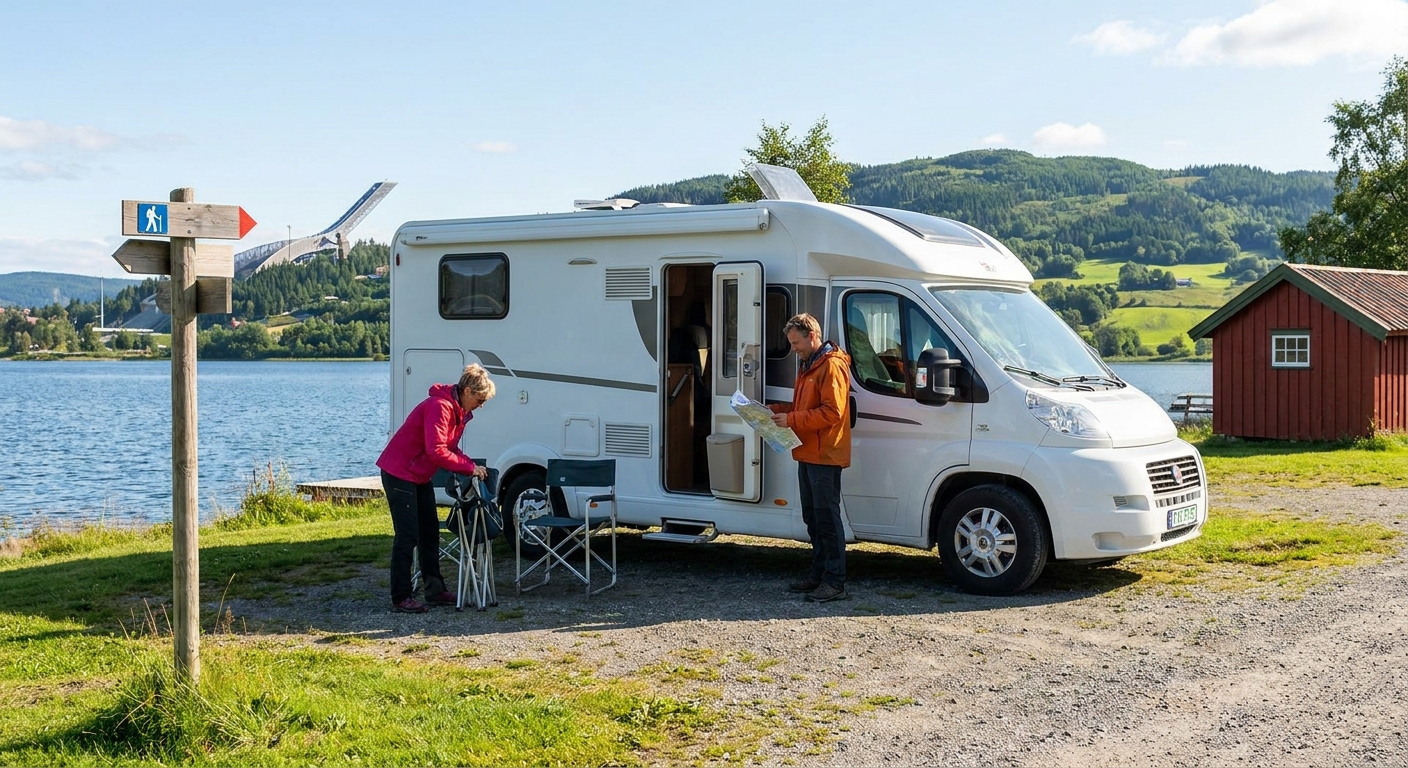
7-Day Classic Route in Oslo
This 7-day itinerary focuses on experiencing Oslo and its immediate winter-friendly surroundings, keeping daily driving distances manageable, ideally between 35-180 km. Such a week-long trip is perfect for families or couples seeking a balance of city exploration and winter activities without feeling rushed. Always remember to travel slowly, max 100-150 km per day on average, especially during winter, to fully appreciate the scenery and ensure safety. * **Day 1: Arrival in Oslo & RV Pickup.** Pick up your winterized RV in Oslo, settle in, and explore the city center. You can find convenient overnight parking options, such as Ekeberg Camping (Oslo) or similar urban-friendly RV parks, which often offer electrical hook-ups for comfort. (0 km driving) * **Day 2: Oslo City Exploration.** Visit the iconic Viking Ship Museum, the impressive Holmenkollen Ski Jump, and the vibrant Aker Brygge waterfront. Enjoy a traditional Norwegian dinner at one of Oslo's many excellent restaurants. Overnight in Oslo. (Local travel) * **Day 3: Drøbak & Coastal Charm.** Drive south to Drøbak, Norway's official 'Christmas Town,' to explore its quaint streets and enjoy the festive atmosphere. This charming town is only about 35 km (22 miles) from Oslo, making for an easy day trip. For finding campsites and campgrounds during your trip, we recommend using RV PLANET (rvplan.net) - a great resource for locating available spots along your route. Overnight at a nearby campsite or wild camp responsibly, keeping at least 150 meters from inhabited buildings. * **Day 4: Lillehammer - Olympic City.** Head north towards Lillehammer, a famous Winter Olympics host city. Enjoy skiing, bobsleigh, or visit the Maihaugen Open-Air Museum. The drive is approximately 180 km (112 miles), so allow extra time for winter conditions. Overnight at Lillehammer Camping. * **Day 5: Hamar & Mjøsa Lake.** Drive to Hamar, situated on Lake Mjøsa, to see the Olympic Hall 'Vikingskipet' and enjoy ice skating or winter hiking around the lake. This leg is around 60 km (37 miles). Prepare delicious meals in your rented motorhome; for inspiration, check out our RV-friendly recipes playlist. Overnight at Hamar Camping. * **Day 6: Return to Oslo & Relaxation.** Drive back to Oslo, a journey of approximately 130 km (81 miles). Enjoy a final evening exploring a new neighborhood or revisiting a favorite spot. Overnight at Ekeberg Camping. * **Day 7: Departure.** Return your RV and depart from Oslo. This flexible schedule ensures a relaxed and enjoyable winter adventure.14-Day Extended Journey in Oslo
This extended journey allows for deeper exploration of Southern Norway's winter wonders, including more time in the mountains and cultural towns, while still adhering to a relaxed pace of about 100-150 km per day. Imagine stretching your adventure beyond the immediate vicinity of Oslo, venturing into the heart of Norway's winter magic. This comprehensive route maximizes your experience, offering a true taste of the Nordic winter. When considering ancillary trip costs, remember that RV PLANET routes allow you to itemize and track every expense for easy budgeting. * **Days 1-3: Oslo & Drøbak.** (As above for Days 1-3). Focus on city sights, including the Royal Palace and Akershus Fortress, and the charming Christmas town of Drøbak. Remember that finding suitable RV parking in Oslo can be challenging, so designated urban campsites like Ekeberg Camping (Oslo) are your best bet. * **Days 4-5: Lillehammer & Maihaugen.** Spend an extra day enjoying winter sports at Hafjell or exploring the cultural attractions in Lillehammer. The drive to Lillehammer is approximately 180 km (112 miles), and an additional day provides flexibility for deeper engagement. * **Days 6-7: Rondane National Park Gateway.** Drive towards the gateway to Rondane National Park, perhaps to a town like Otta. This journey of approximately 120 km (75 miles) offers breathtaking mountain views and potential for snowshoeing or cross-country skiing, connecting you deeply with local culture and nature. Overnight at a remote campsite near the park entrance, ensuring you adhere to responsible wild camping principles. * **Days 8-9: Røros - UNESCO Heritage Site.** Journey to Røros, a UNESCO World Heritage town renowned for its preserved wooden buildings and historic copper mining. This leg is around 170 km (105 miles). Experience its unique winter charm and local crafts, finding opportunities to connect with local culture. Overnight at Røros Camping. * **Days 10-11: Trondheim & Fjords.** Drive to Trondheim, a larger city with a stunning Nidaros Cathedral and colorful harbor houses. This 150 km (93 miles) drive offers access to nearby coastal areas and opportunities for cultural immersion. Explore the city and nearby coastal areas. Overnight at Storsand Camping near Trondheim. * **Days 12-13: Return South via Østerdalen.** Begin your journey back towards Oslo, taking a scenic route through the Østerdalen valley, stopping at small villages and enjoying the serene winter landscape. This approximately 180 km (112 miles) journey on Day 12 allows for a relaxed pace. Overnight at a quiet roadside stop or local camping, always checking local regulations. * **Day 14: Oslo Departure Prep.** Arrive back in Oslo, allowing time for final souvenir shopping or a farewell meal before preparing for RV return, a drive of about 170 km (105 miles). Overnight at Ekeberg Camping. This comprehensive two-week adventure allows for an unforgettable winter RV experience in Norway.Recommended RVPlan Trip for Oslo
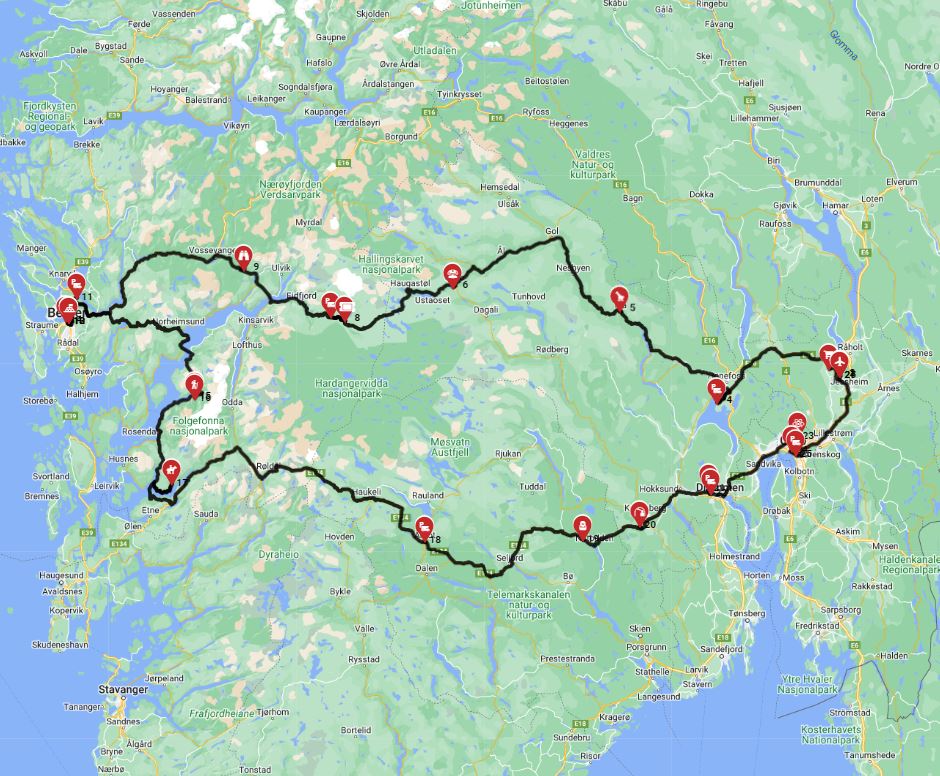
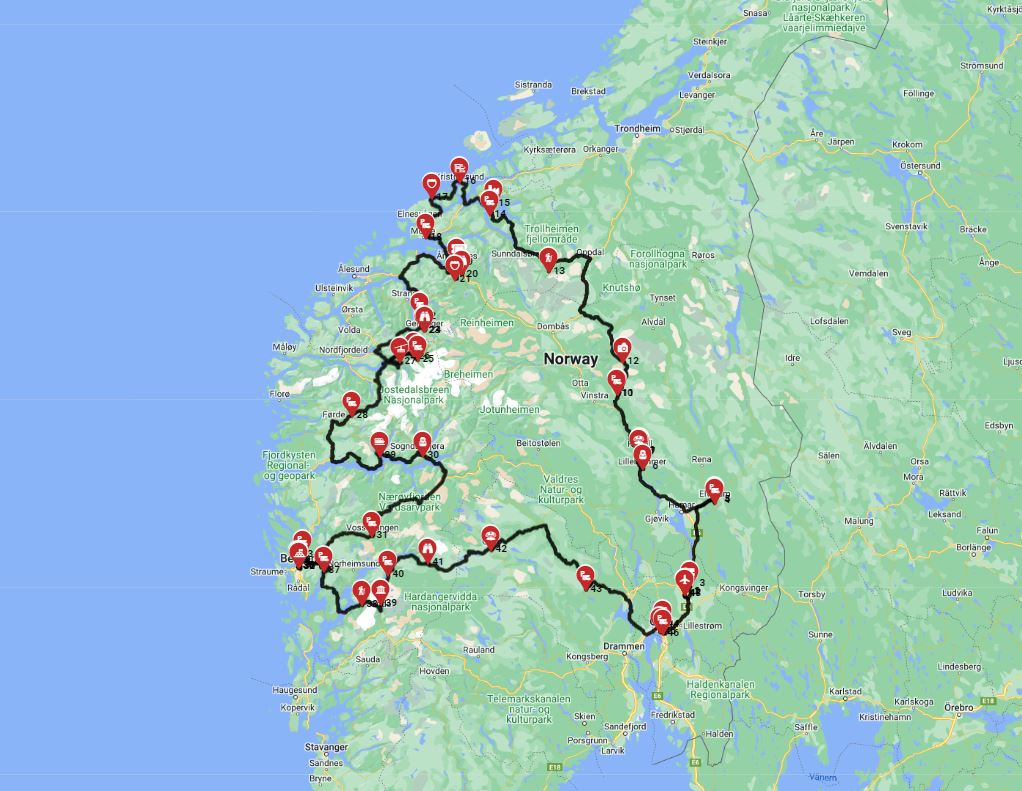
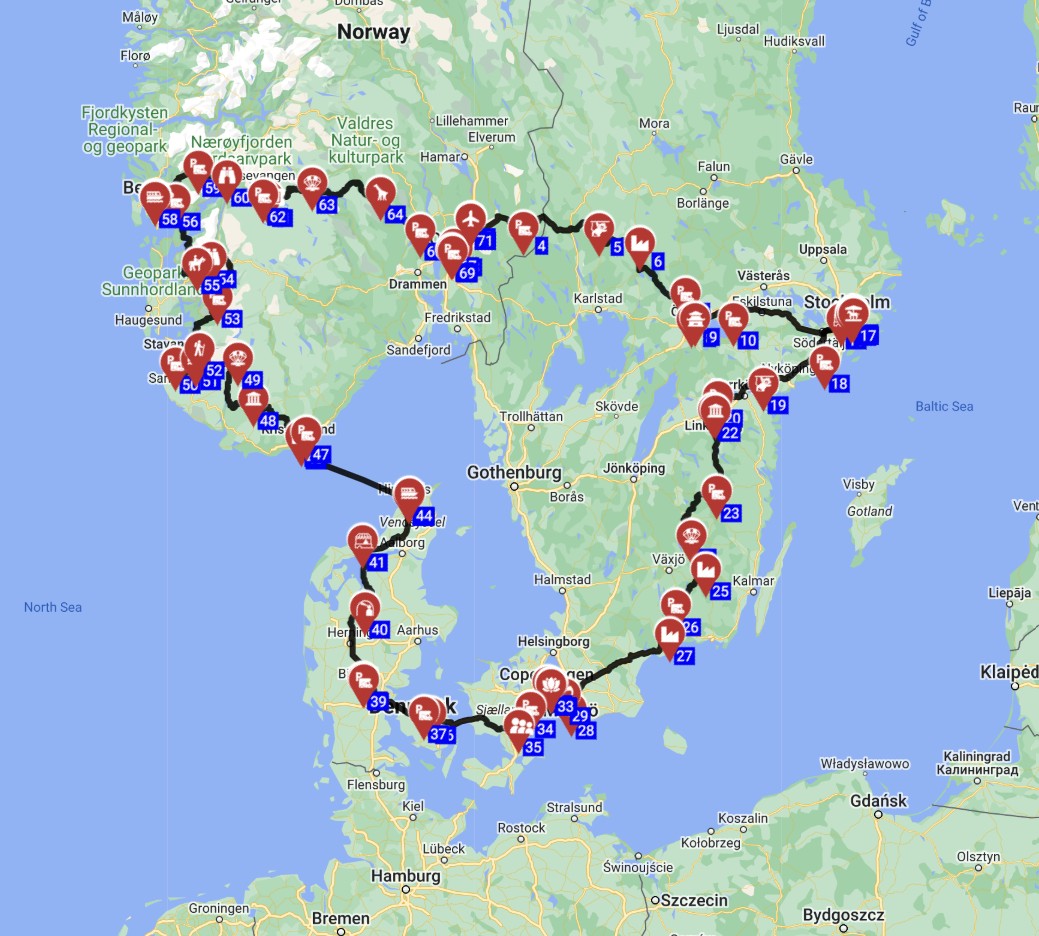
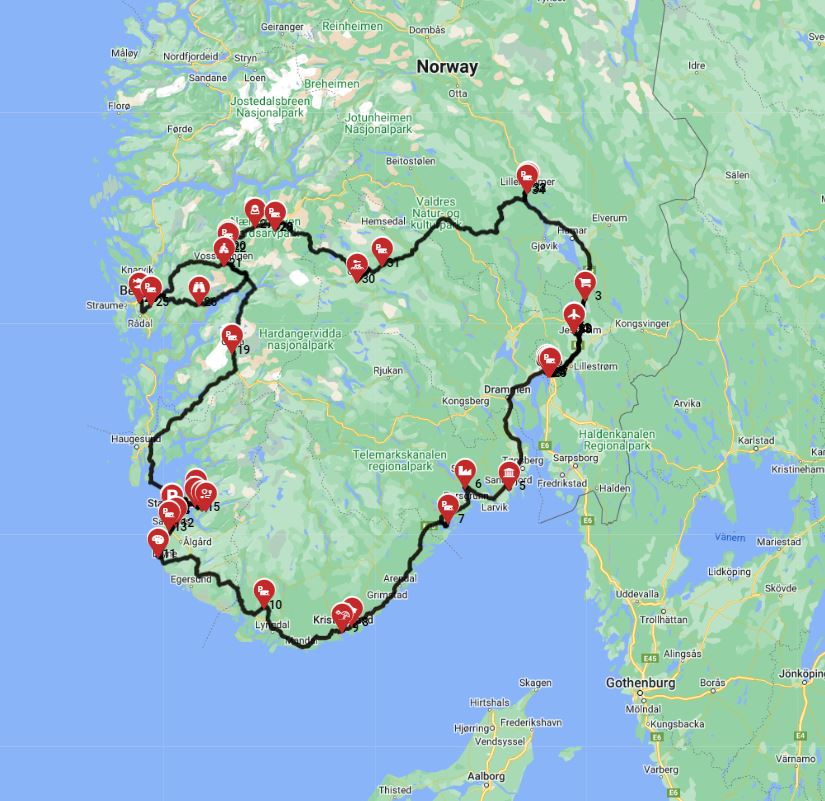
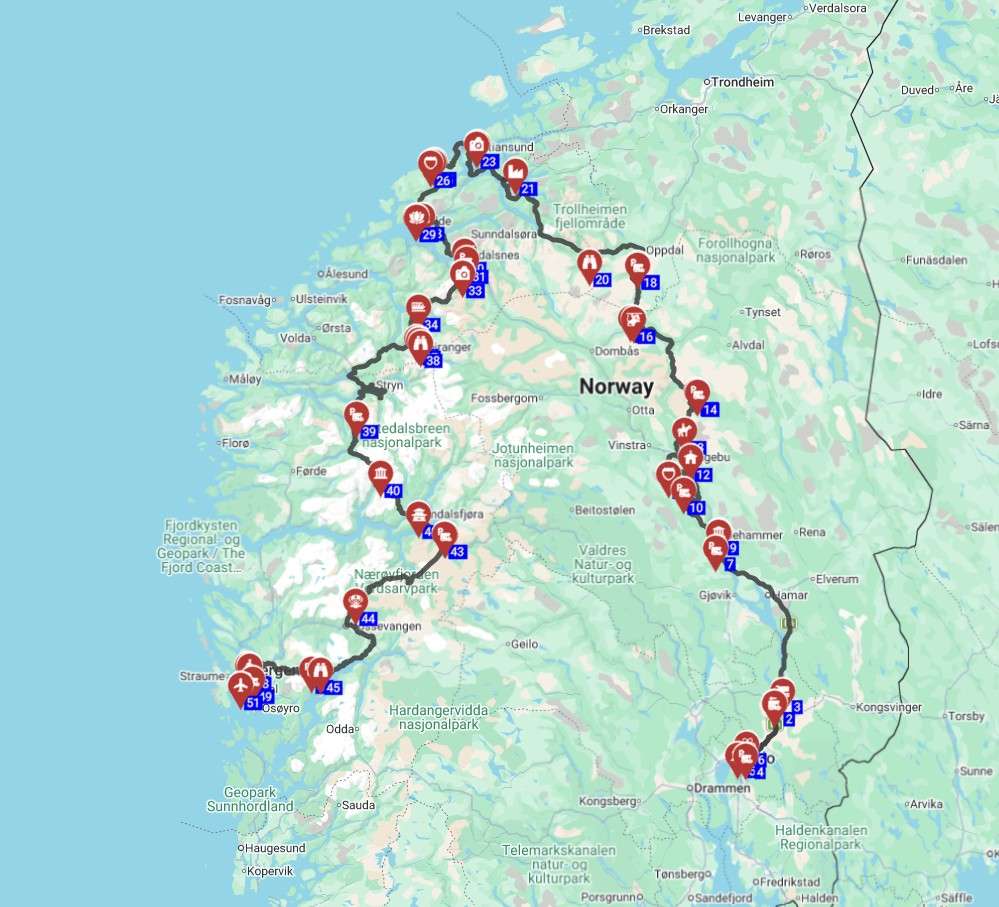
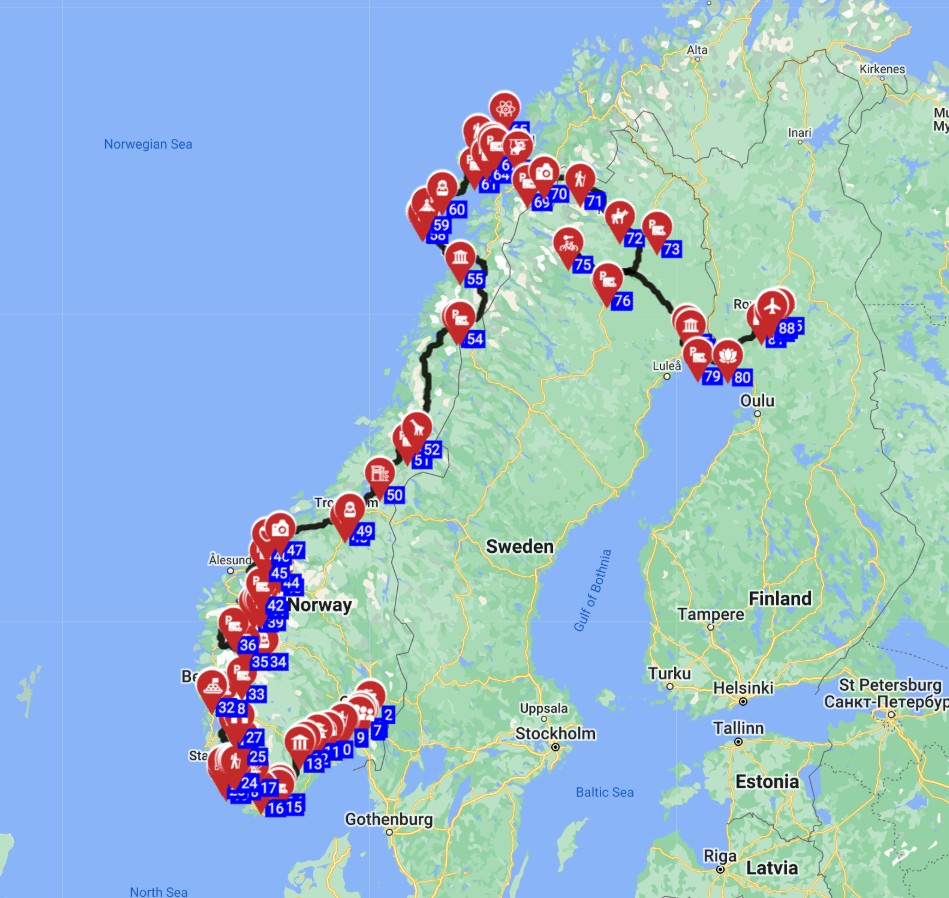
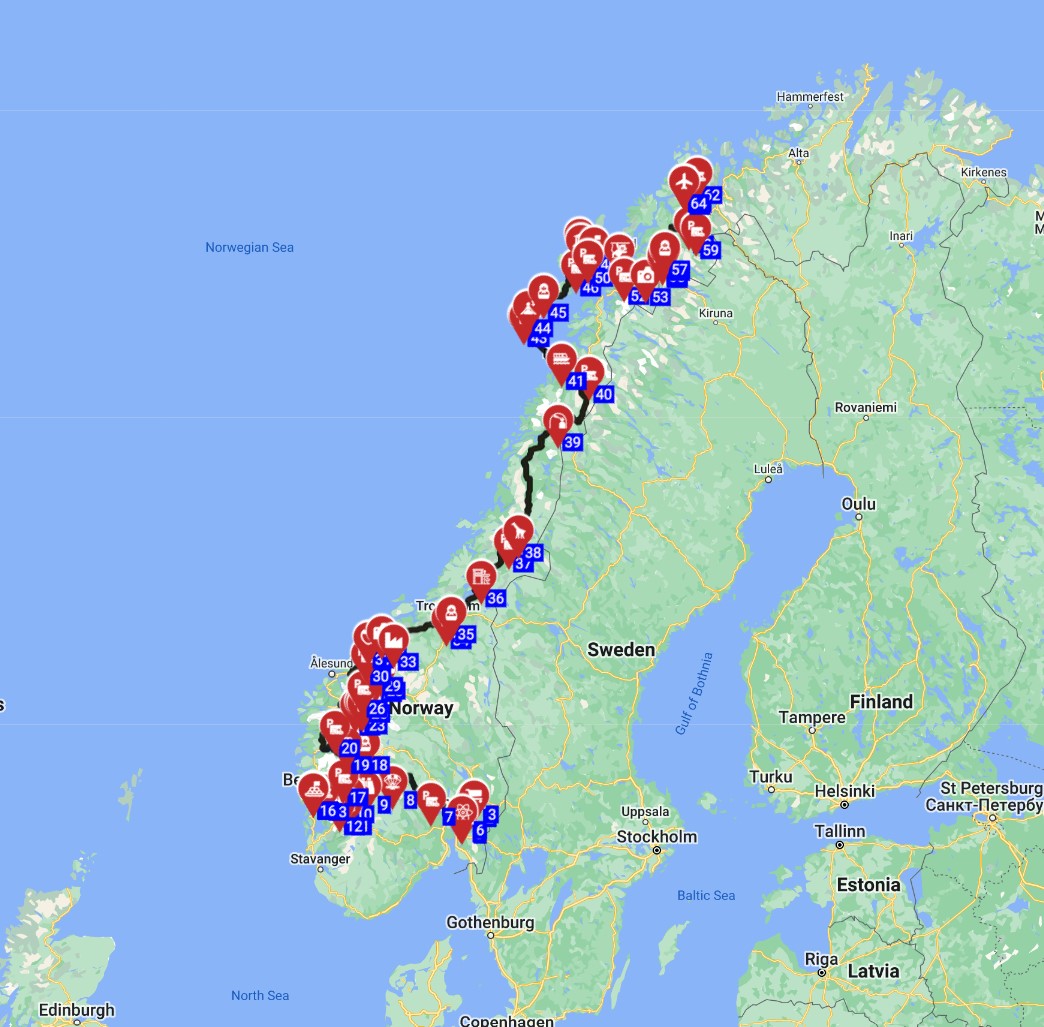
For those seeking an epic winter journey that culminates in Oslo, the "Rovaniemi to Oslo one way - The Nordic Explorer’s Route" trip by RV PLANET (rvplan.net) offers an extensive 28-day adventure covering 5014.9 km. This comprehensive route, starting in Finland's Arctic Circle and ending in Norway's capital, provides a deep dive into Nordic winter landscapes, culture, and unique experiences, including 2 botanical gardens and 4 natural features. It exemplifies Bandana RV's Rent&Plan service, which pairs your motorhome rental with expertly crafted itineraries. Another excellent option to explore the region from Oslo is the "Oslo Roundtrip" itinerary, a 13-day adventure covering 2168.9 km, perfect for those wanting to circle back to the starting point. This route includes stops at 1 amusement park, 1 aquarium, and 4 museums, offering a rich blend of entertainment and education. For those looking to venture further north, the "Oslo to Tromsø - Fjord & Peaks Discovery Drive" route offers a 20-day, 3443.5 km journey, featuring 4 cruise terminals and 2 scenic routes, concluding in the Arctic city of Tromsø. Alternatively, you can start your Arctic adventure in Tromsø and embark on the "
Tromsø to Oslo - Nordic Nature Escape
Must-See Stops Along the Way (Avi Bandana Picks)
Avi Bandana's personal picks for experiencing authentic Norwegian culture and unique winter sights often involve immersing oneself in local traditions and flavors, far beyond typical tourist spots. He recommends focusing on locations that offer genuine connections to Norway's heritage and environment. * **Traditional Visit: Lofotr Viking Museum (Borg, Lofoten).** While part of a longer journey, perhaps on a "Tromsø to Oslo - Nordic Nature Escape" route, this museum provides a fascinating deep dive into Viking history and culture. Located in Borg, Lofoten, it's a memorable cultural stop that transports you back in time, allowing you to connect with local culture. * **Traditional Restaurant / Fine Dining: Local Eateries in Røros.** Seek out traditional restaurants in the historic town of Røros, a UNESCO site, to savor Norwegian winter dishes like reindeer stew or local charcuterie, often prepared with regional, seasonal ingredients. These experiences truly enrich your connection with local culture. * **Traditional Market: Trondheim's Farmers' Markets.** If your itinerary brings you to Trondheim, explore its traditional markets for local produce, handmade crafts, and a taste of Norwegian community life, even in winter. These markets are excellent places to discover unique souvenirs and local culinary delights, deepening your connection with local culture. * **Local Industry: Copper Mining Heritage in Røros.** Discover the rich history of copper mining in Røros, a unique local industry that shaped the town and offers insight into Norway's industrial past. The town itself is a living museum, demonstrating Norway's historical economic backbone. Looking for expert insights from Avi Bandana? Top 5 Adventures - recommendations from Avi BandanaDaily Driving Distances & Drive Times in Oslo
Avi Bandana recommends a maximum of 100 miles or 150 km per day on average when driving a rented RV in Norway, especially in winter, to allow for ample sightseeing, flexibility, and safe travel. This approach lets you fully appreciate the country's stunning, snow-covered scenery. Traveling slowly ensures you can enjoy the stunning scenery, manage potential winter road conditions, and make spontaneous stops without feeling rushed or stressed. Drive slowly and carefully, and you can drive almost anywhere without issues. No need to stress - just use common sense and pay attention. Example Drive Time Estimates from Oslo: * **Oslo to Drøbak:** Approximately 45 minutes to 1 hour (35 km / 22 miles). This short drive is perfect for a leisurely morning excursion. * **Oslo to Lillehammer:** Approximately 2.5 to 3 hours (180 km / 112 miles). Allow more time for potential winter conditions and scenic rest stops, as snow can extend travel times considerably. * **Lillehammer to Røros:** Approximately 3.5 to 4 hours (170 km / 105 miles). This route traverses varied terrain, including mountain passes that require careful winter driving. Always check real-time road conditions via Statens vegvesen before embarking on longer journeys.Best RV Class for This Itinerary - Couple & Family Picks
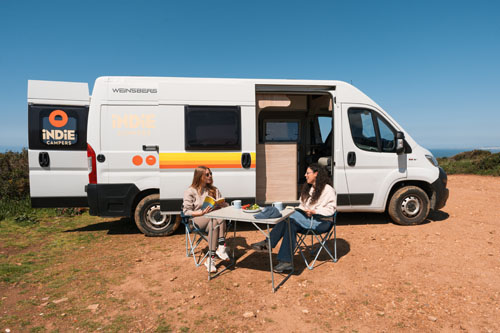
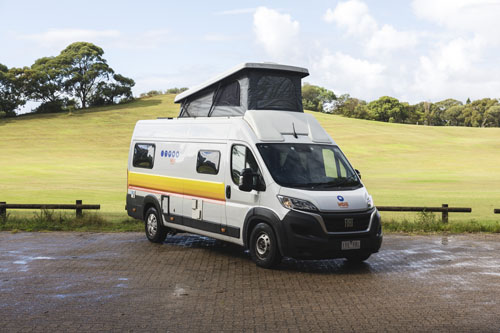
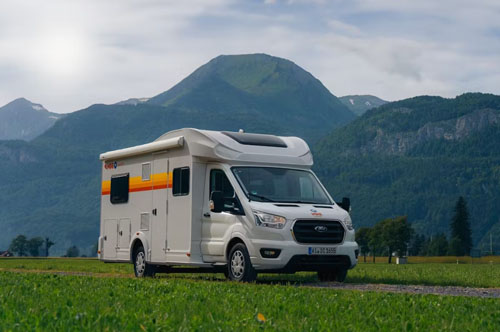
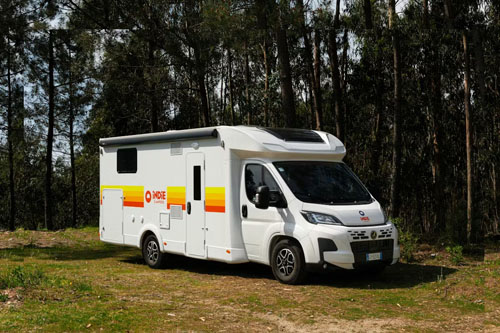
Choosing the right motorhome for a Norwegian winter trip is crucial for comfort and safety, considering factors like insulation, heating, and maneuverability. Bandana RV offers a range of options, ensuring you find the perfect fit for your winter adventure. * **For Couples: Class B - Camper Van.** Bandana's fleet typically features Class B Camper Vans with an average length of 5.8 meters, offering 3.2 sleeping places and accommodating 2.7 adults, such as the "rv rental denver example Category Van." These models are nimble for navigating smaller roads and city streets in Oslo. Their compact size (average fuel consumption 8-10 Liter/100 Km) makes them more fuel-efficient and easier to park, while modern heating systems ensure warmth against the cold. Properly winterized models, equipped with appropriate winter tires (e.g., studded tires with a minimum 5mm tread depth), are easier to handle in snowy conditions. * **For Families: Class C - Alcove.** For families traveling with children, a Class C Alcove motorhome is an excellent choice, providing more space and separate sleeping areas. Bandana's global fleet average for Class C units is 7.5 meters in length, with 5.8 sleeping places and suitable for 4.4 adults, like the "cruise america rv rental example Explorer" which features 4 sleeping places. These vehicles offer superior comfort and storage for longer trips and extra gear (average load capacity 42.4 kg), crucial for winter clothing and equipment. Their robust build and enhanced insulation are ideal for colder temperatures (average fuel consumption 10-12 Liter/100 km). To streamline your winter RV adventure, consider Bandana's "Rent&Plan" service, which combines your RV rental with a ready-made itinerary crafted by travel experts, offering full access to trip-planning software and removing the planning headache. This ensures your chosen Camper, Caravan, Campervan, Motorhome, RV, or Mobile Home rental is perfectly suited for your Norwegian escape.Is Norway RV friendly?
Norway is generally very RV friendly, offering stunning landscapes, well-maintained roads, and numerous campsites, though winter travel requires specific preparation and awareness of unique challenges. The country embraces outdoor life, making it a fantastic destination for motorhome travel. During winter, rented RVs must be equipped with specialized winter tires (often studded or with high tread depth, e.g., minimum 5mm tread for vehicles over 3,500 kg), and it's recommended to carry chains, reflective vests, and a shovel for safety. Ensure your RV's water system is properly winterized with antifreeze to prevent freezing pipes. Roadside assistance (emergency number 112) is available, and rental companies like Bandana's partners ensure their vehicles are prepared for Norwegian winter conditions. Navigation is straightforward with good signage, but be prepared for extensive toll roads, including the AutoPASS system, and significant ferry fees, which are often higher for larger RVs. These costs are part of the overall budgeting for RV Rental Norway - Complete Guide 2026. For utilities, many campsites remain open in winter, providing electricity, water, and waste disposal. However, finding water refill stations and propane (LPG) can be less frequent in remote winter areas, so planning is essential. RV PLANET (rvplan.net) can help locate these facilities.Is it worth visiting Oslo in winter?
Visiting Oslo in winter is absolutely worth it, offering a unique blend of festive charm, snow-dusted urban landscapes, and a plethora of winter activities without the large crowds of the peak summer season. The city transforms into a picturesque wonderland, ideal for enjoying cozy cafes, world-class museums, and seasonal events like Christmas markets. Winter provides opportunities for skiing, ice skating at Spikersuppa, and sledding down Korketrekkeren, all right within or on the outskirts of the city. For example, the Holmenkollen Ski Arena offers both a museum and opportunities for winter sports. These activities make Oslo a dynamic destination for active travelers and those seeking a festive European city break by rented Campervan. This makes Oslo a truly special winter RV rental destination.Is it safe to drive in Norway during winter?
Driving an RV in Norway during winter can be safe, provided drivers are experienced with winter conditions, the rented vehicle is properly equipped, and routes are carefully planned. Norway prioritizes road safety, and vehicles are expected to meet strict winter requirements. Mandatory winter tires (studded or non-studded, with a minimum tread depth of 3mm-5mm depending on vehicle weight), carrying snow chains (especially for vehicles over 3,500 kg), and ensuring your RV's fluid systems (like windshield washer fluid and engine coolant) are antifreeze-protected are critical safety measures. Roads are generally well-maintained and cleared, but sudden snowfalls, black ice, and reduced daylight hours (especially further north) can pose challenges; checking road conditions (via Statens vegvesen website) before travel is essential. Be aware of tunnel and ferry restrictions based on RV dimensions and weight, as larger vehicles may have different access rules. Always have emergency contact numbers readily available, including roadside assistance and the local emergency services (112). For more detailed advice, refer to our Driving an RV in Oslo - Complete Guide 2026.Can you park a motorhome anywhere in Norway?
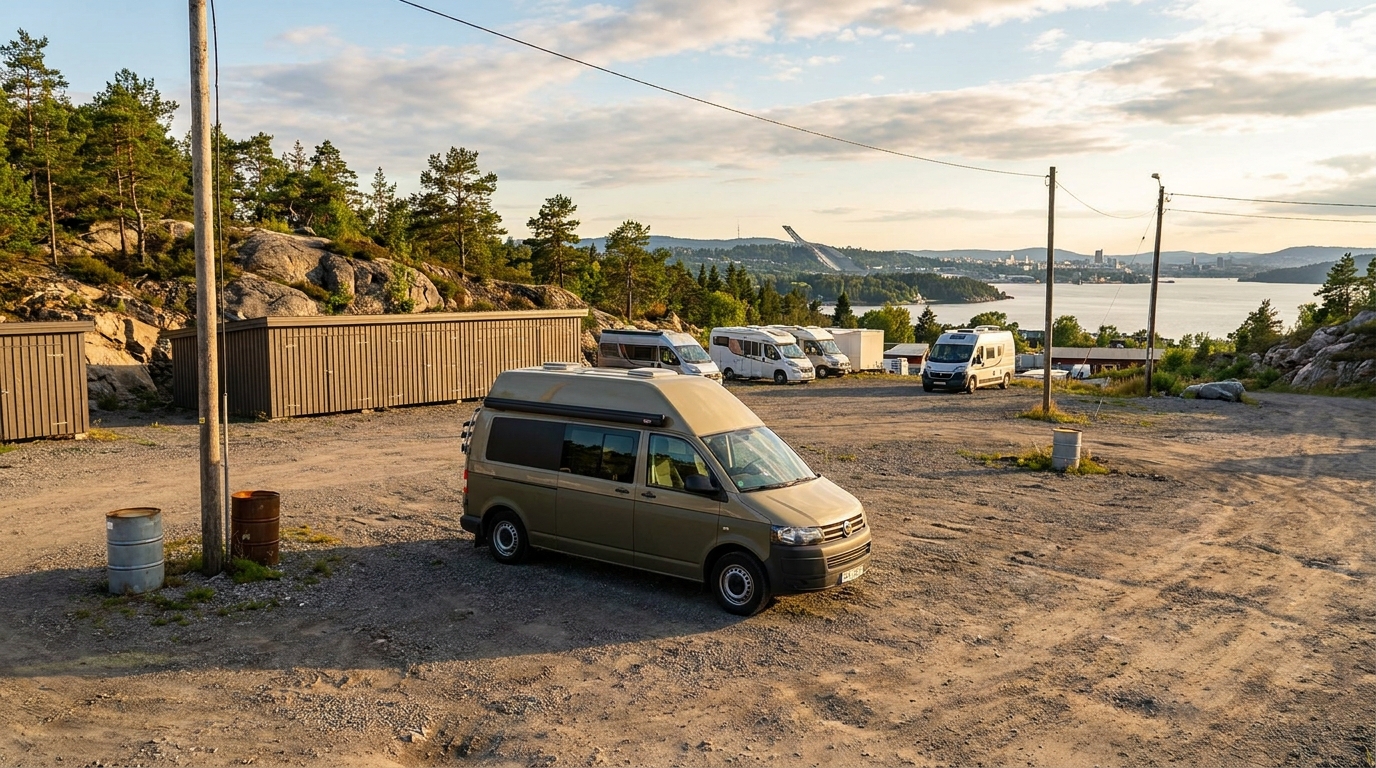
While Norway has a generous 'right to roam' (allemannsretten), allowing for wild camping in uncultivated land, specific rules apply to motorhomes, particularly concerning private land and urban areas. It's important to understand these regulations to ensure responsible RV travel. Rented motorhomes are generally permitted to park overnight at designated rest areas, service stations, and campsites, but parking on private land or within cities often requires permission or adherence to specific parking regulations. In Oslo, finding suitable RV parking can be challenging; designated campsites like Ekeberg Camping or official 'Bobilparkering' (motorhome parking) zones are the best option, offering facilities and relatively easy access to the city center. There is limited street parking for large vehicles, and restrictions are strictly enforced. Responsible wild camping dictates staying at least 150 meters from inhabited houses or cabins, not staying for more than two nights in one spot without permission, and adhering to strict 'leave no trace' principles to protect Norway's pristine environment. This means taking all your waste with you and leaving no signs of your stay.What to see and do in Oslo in winter?
Oslo in winter offers a diverse array of activities, from cultural exploration to thrilling outdoor adventures, making it a vibrant destination for any RV traveler. The city's compact size allows for easy access to many attractions, even with a rented Motorhome. Key attractions include visiting the Norwegian Opera & Ballet, exploring the Nobel Peace Center, and discovering the history at the Viking Ship Museum (note: undergoing renovation, check current status before visiting). For outdoor enthusiasts, try ice skating at Spikersuppa (usually open from November to March, weather permitting), sledding down Korketrekkeren (a popular toboggan run near Holmenkollen), or cross-country skiing in the vast Oslomarka forest, all easily accessible from the city. Consider a visit to the Holmenkollen Ski Museum and Tower for panoramic city views and a glimpse into Norwegian ski history. For more tips on local spots, check out the RV Travel Guide to Oslo - Tips and Top Spots 2026.Can you drive from Oslo to Bergen in winter?
Driving from Oslo to Bergen in winter is feasible but requires careful planning due to potentially challenging mountain pass conditions and closures. The journey is scenic but can be demanding, typically taking 7-8 hours in good conditions. The most common routes, E16 via Filefjell or Road 7 via Hardangervidda, are stunning but traverse high mountain passes that can experience heavy snow, strong winds, and temporary closures. The Hardangervidda route is particularly exposed and often requires convoys or closes entirely in severe weather. Always check current road conditions (www.vegvesen.no) and weather forecasts immediately before and during your journey; consider taking the train for part of the journey if conditions are severe. Be prepared for frequent tolls along these routes, including potential ferry crossings depending on your exact path, which can add significant costs for a rented RV. Our One-Way RV Rental in Oslo - Price Guide 2026 provides more details on potential fees for such routes.How many days to spend in Oslo in winter?
To experience Oslo's main attractions and immerse yourself in its winter charm, a minimum of 2-3 full days within the city is recommended, allowing time for museums, urban exploration, and some winter activities. This duration provides enough time to see the highlights comfortably. For a more comprehensive winter RV itinerary that includes Oslo as a base or starting point and extends to nearby regions, a 7-day or even 14-day trip is ideal. This longer duration allows for a relaxed pace, accommodating shorter daylight hours, potential weather delays, and the opportunity to explore beyond the city center into Norway's snowy landscapes and charming towns by RV. For those seeking the cheapest winter RV rental, being flexible with your trip duration can sometimes lead to better deals.What is the most Christmassy town in Norway?
While many Norwegian towns embrace the holiday spirit, Drøbak, located just 35 km south of Oslo, is officially recognized as Norway's 'Christmas Town' and is renowned for its festive atmosphere year-round. This makes it an ideal day trip or overnight stop on a winter RV itinerary from Oslo. Drøbak is home to 'Julehuset' (the Christmas House) and 'Julemarkedet' (the Christmas Market), drawing visitors seeking an authentic Norwegian Christmas experience. The town is filled with festive decorations, charming shops, and a unique atmosphere that celebrates the holiday season throughout the year. Other towns like Røros (a UNESCO World Heritage site) also offer charming Christmas markets and historic backdrops that evoke a strong festive feel during the winter months, offering another excellent option if your extended itinerary allows.Can you see the Northern Lights from Oslo in December?
Seeing the Northern Lights from Oslo in December is highly unlikely due to its southern latitude (approximately 59.9° N) and significant light pollution from the city. Oslo is simply too far south for consistent aurora sightings. The best chances to witness the Aurora Borealis in Norway are much further north, above the Arctic Circle, in regions like Tromsø, Lofoten, or Kirkenes, particularly during the darker winter months (November to March). While a strong solar storm could theoretically make the aurora visible at lower latitudes, it is not a reliable expectation for an Oslo-based winter trip. Travelers specifically seeking the Northern Lights should plan their RV journey to Norway's northern regions, perhaps considering an Oslo to Tromsø - Fjord & Peaks Discovery Drive route.🎬 Video coming soon
What You Shouldn't Miss
- **Holmenkollen Ski Jump:** Visit the iconic ski jump for panoramic views of Oslo and the fjord, plus a unique ski museum, easily accessible with your rented motorhome.
- **Aker Brygge Waterfront:** Stroll along this lively area in Oslo, offering restaurants, shops, and cultural experiences, even in the chillier months.
- **Drøbak, the Christmas Town:** Drive 35 km south of Oslo to experience Norway's official 'Christmas Town,' home to 'Julehuset' and festive markets.
- **Maihaugen Open-Air Museum, Lillehammer:** Explore Norway's cultural history and traditional architecture in a snowy, enchanting setting, about 180 km north of Oslo.
- **Røros UNESCO World Heritage Site:** Discover this historic copper mining town, known for its well-preserved wooden buildings and local crafts, roughly 170 km from Lillehammer.
- **Cross-country Skiing in Oslomarka:** Utilize Oslo's unique access to vast forests for accessible cross-country skiing trails, a truly local winter activity.
Final Thoughts
A winter RV rental in Oslo offers an unparalleled opportunity to experience Norway's magic, from glittering cityscapes to serene snowy landscapes. Whether you opt for a week-long immersion in Oslo's immediate charm or an extended two-week adventure into the Nordic wilderness, the freedom of a rented motorhome transforms your travel. With the right preparation, a winter RV trip here promises unforgettable memories. At Bandana RV, we're dedicated to making your journey seamless. We handle the details, so you can live the journey, supported by our true RV specialists before, during, and after your booking is confirmed. Ready to embrace the crisp air and snow-dusted beauty of Norway? Discover top destinations, planning tips, all in one place! Find Motorhome Rentals in OsloOn the routes offered through RV PLANET routes, you can itemize and track every expense along the way for easy budgeting.