In This Guide
- Best North Canada RV Itinerary for winter RV rental - Overview
- 7-Day Classic Route in North Canada
- 14-Day Extended Journey in North Canada
- Recommended RVPlan Trip for North Canada
- Must-See Stops Along the Way (Avi Bandana Picks)
- Daily Driving Distances & Drive Times in North Canada
- Best RV Class for This Itinerary - Couple & Family Picks
- What is the 3-3-3 rule for RV travel?
- What are some of the best winter road trips in Canada?
- What is the 4-4-4 rule for RV travel?
- What is the best RV for winter camping in Canada?
- Where do RV snowbirds go in the winter?
- What is the best RV route planner in Canada?
- Where is the best place to travel in Canada in winter?
- What You Shouldn't Miss
- Why Book with Bandana Caravan
- Final Thoughts
- Frequently Asked Questions
Imagine yourself surrounded by vast, snow-draped landscapes, the crisp winter air invigorating your senses, and the ethereal dance of the Aurora Borealis painting the night sky above your cozy mobile home. This isn't just a dream; it's the reality of a winter RV adventure in North Canada, specifically in the Yukon and parts of the Northwest Territories. Renting a motorhome transforms this rugged, beautiful frontier into an accessible, comfortable, and unforgettable experience for adventurers seeking true wilderness. For live availability and current prices, start with our RV Rental North Canada - Complete Guide 2026 guide.
Best North Canada RV Itinerary for winter RV rental - Overview
Experiencing the true Canadian North (Yukon, NWT, Nunavut) in winter via a rented RV offers a unique opportunity to chase the Aurora Borealis and explore snow-draped landscapes, making it a dream destination for the adventurous at heart. This article outlines potential 7-day and 14-day itineraries, focusing on accessible regions like the Yukon and parts of the Northwest Territories, ensuring a manageable yet immersive journey. We believe in full transparency, so you'll find no hidden fees or surprises when planning your trip with Bandana RV.
The recommended total travel distance for a 7-day trip is approximately 700-1050 km (435-650 miles), emphasizing slow travel to truly absorb the majestic surroundings. The best season for this specific itinerary is late fall through early spring (October to April) for optimal Aurora viewing and winter activities. Traveling slowly, a maximum of 100-150 km per day on average, allows you to truly feel the place, connect to the culture, the food, and the scenery. Remember that on RV PLANET routes, travelers can itemize and track every expense along the way for easy budgeting. On the routes offered through RV PLANET routes, you can itemize and track every expense along the way for easy budgeting.
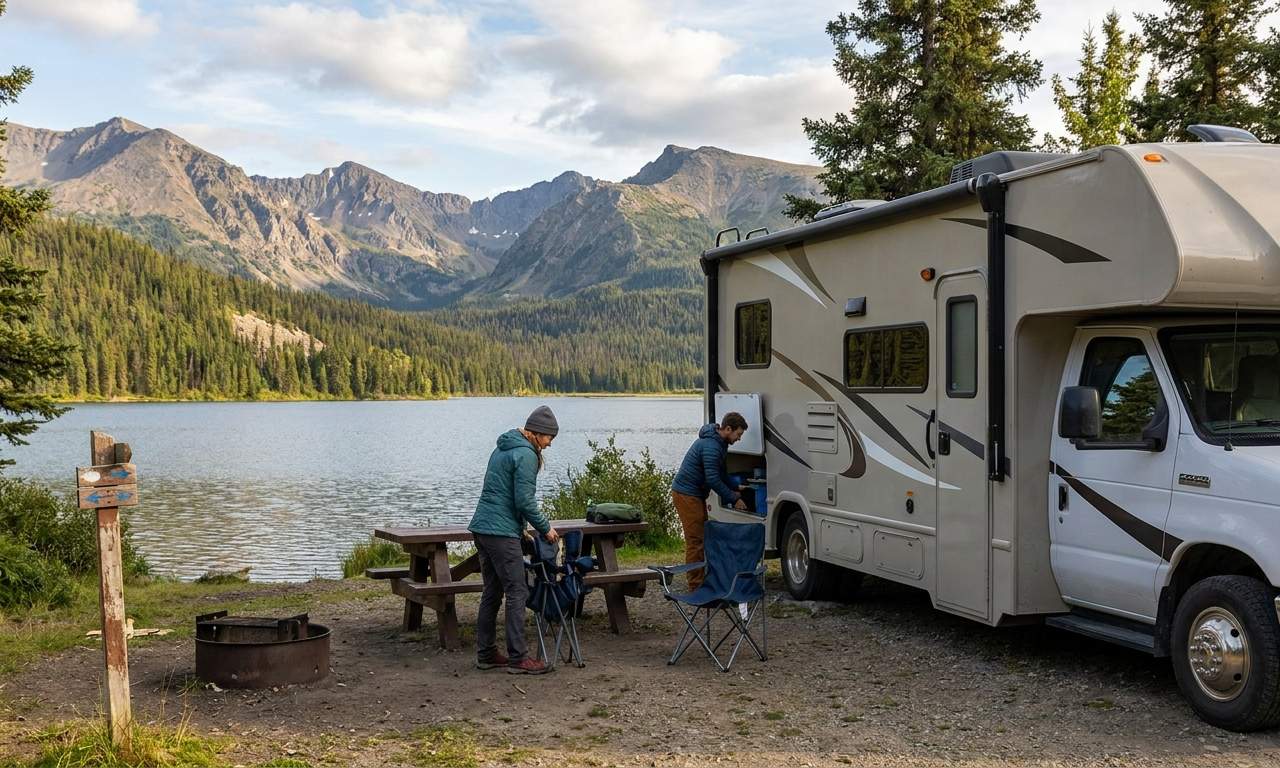
7-Day Classic Route in North Canada
A 7-day classic winter RV route in North Canada offers a focused exploration of the Yukon, starting and ending in Whitehorse. This itinerary is designed for those who want a taste of the Arctic wilderness with manageable daily drives.
- Day 1: Whitehorse (Yukon) Arrival & Preparation
Start your adventure in Whitehorse, Yukon, by picking up your rented motorhome. Dedicate time to a winter gear check and exploring Whitehorse's historic downtown. Consider a daytime visit to the Yukon Wildlife Preserve for a glimpse of northern animals. Where to Sleep: Robert Service Campground (winterized section) or another available RV park with hookups in Whitehorse. - Day 2: Whitehorse to Haines Junction
Embark on a scenic ~155 km (96 miles) drive along the Alaska Highway from Whitehorse to Haines Junction, Yukon. Take in views of the majestic St. Elias Mountains and check out the Kluane National Park and Reserve Visitor Centre (verify winter hours) for local information. Where to Sleep: Kluane RV Kampground (check winter availability) or designated pullover if self-sufficient. - Day 3: Haines Junction to Destruction Bay
Continue your journey with a ~105 km (65 miles) drive through Kluane National Park to Destruction Bay, Yukon. Enjoy stunning lake views of Kluane Lake and a remote wilderness experience. Keep a keen eye out for wildlife, as this is prime habitat. Where to Sleep: Destruction Bay Lodge (limited winter services) or self-contained boondocking in a safe, permitted area. - Day 4: Destruction Bay to Burwash Landing / Koidern
Travel a shorter distance of ~60-80 km (37-50 miles) to Burwash Landing / Koidern, Yukon. Visit the Kluane Museum of Natural History and explore the small Indigenous communities, focusing on short drives to maximize enjoyment of the intense winter solitude. Where to Sleep: Self-contained boondocking in safe, permitted areas. When cooking meals inside your motorhome, remember to consult our RV-friendly recipes playlist for inspiration. - Day 5: Burwash Landing / Koidern to Haines Junction
Begin your return journey with a ~170 km (105 miles) drive back to Haines Junction, Yukon. This gives you fresh perspectives of the landscape and an opportunity to stop at any missed viewpoints or try some winter hiking or snowshoeing near Haines Junction. Where to Sleep: Kluane RV Kampground (check winter availability). - Day 6: Haines Junction to Whitehorse
Drive ~155 km (96 miles) back to Whitehorse, Yukon. This is your last chance for stunning mountain views. Visit attractions near Whitehorse like the SS Klondike National Historic Site, and enjoy a final Northern meal. Where to Sleep: Robert Service Campground or another RV park in Whitehorse. - Day 7: Whitehorse Departure
Spend your last morning exploring Whitehorse, perhaps for some last-minute souvenir shopping, before returning your rented RV and departing.
14-Day Extended Journey in North Canada
This extended 14-day itinerary expands upon the classic route, allowing for deeper exploration of the Yukon and potential forays towards Dawson City, while respecting daily driving limits. It allows for a more immersive and less rushed winter RV rental in North Canada.
- Days 1-3: Whitehorse & Southern Yukon Immersion
Start and end in Whitehorse, with a day trip to Carcross, then returning to Whitehorse. Focus on Whitehorse's cultural sites, Miles Canyon, then a day trip of approximately 150 km (93 miles) to Carcross Desert and historic Skagway Road (weather permitting). Return to Whitehorse for preparation for the next leg. Where to Sleep: Whitehorse RV Parks. - Days 4-6: Haines Junction & Kluane National Park Deep Dive
From Whitehorse, drive to Haines Junction and spend a few days exploring the surrounding area, with daily drives of approximately 150 km (93 miles) maximum. Explore Kluane National Park more thoroughly, trying longer snowshoeing or cross-country ski trails, and delve into local Indigenous heritage. Spend more time absorbing the vast landscapes. Where to Sleep: Haines Junction RV Park or designated boondocking. - Days 7-9: The Alaska Highway West & Remote Outposts
Continue west from Haines Junction to Destruction Bay, then to Burwash Landing / Koidern and back, with daily drives of approximately 150 km (93 miles) maximum. This leg allows you to truly experience the solitude and vastness of the most remote parts of the Alaska Highway in Yukon. Keep an eye out for moose or caribou herds. Where to Sleep: Remote lodges (check winter services) or self-contained boondocking. - Days 10-12: The Klondike Highway North - Gold Rush Country
From Whitehorse, journey north into the heart of the Klondike Gold Rush, driving approximately 530 km one way, split over 2-3 days with overnights in Carmacks or Stewart Crossing. A more relaxed approach would be Whitehorse to Carmacks (175km), then Stewart Crossing (120km), and finally Dawson City (110km). Explore the historic streets of Dawson City, where, even if many sites are closed in winter, the atmosphere is unique. If conditions allow, you might even cross the frozen Yukon River (check local reports). Where to Sleep: Carmacks campground (check winter availability), Dawson City RV park (limited winter), or self-contained boondocking. - Days 13-14: Return to Whitehorse & Departure
Drive from Dawson City back to Whitehorse, approximately 530 km, split over two days. This offers time to reflect on your incredible journey, revisit any favorite spots, and prepare for your RV return. Where to Sleep: Whitehorse RV Park.
Recommended RVPlan Trip for North Canada
While specific RVPlan data for a 'winter RV rental in North Canada' trip isn't immediately available, Bandana RV, with its over two decades of experience, offers a robust 'Rent & Plan' service. This service provides pre-designed itineraries and access to advanced trip-planning software, which is invaluable for navigating the unique challenges of the Canadian North in winter.
Users are encouraged to explore the RV PLANET platform (rvplan.net) to discover curated trips that can be customized for their winter adventure, ensuring all remote travel logistics, from fuel stops to emergency preparedness, are considered. Our platform can help tailor routes, highlight crucial service points, and suggest appropriate motorhome models. Plus, when you utilize rvplan.net for your planning, you'll receive a 25% planning discount on your route, significantly reducing planning headaches for challenging Northern expeditions.
🎬 Video coming soon
Must-See Stops Along the Way (Avi Bandana Picks)
Since specific RVPlan data isn't provided for winter RV itineraries, Avi Bandana, our founder and a seasoned RV traveler, recommends focusing on unique Northern experiences and practical stops essential for winter RV travel in the Yukon:
- Yukon Wildlife Preserve (Whitehorse): Just outside Whitehorse, this preserve offers a unique chance to see iconic northern animals like muskox, moose, and caribou in natural settings, specially adapted for the cold.
- Takhini Hot Springs (Near Whitehorse): A natural oasis near Whitehorse, perfect for warming up and relaxing after a cold day of exploring, especially after viewing the Aurora.
- Kluane National Park Visitor Centres (Haines Junction & Sheep Mountain - seasonal): Stop at the centers in Haines Junction and Sheep Mountain (check winter hours) for essential road conditions, wildlife spotting tips, and insights into local Indigenous cultures and the park's unique ecosystems.
- Local Indigenous Art Galleries/Shops (Various communities): Seek out authentic Indigenous art and crafts in Whitehorse, Haines Junction, and other communities to support local artists and understand the rich cultural heritage of the First Nations.
- Designated Fuel Stops (Remote Areas): While not a 'highlight' in the traditional sense, identifying and utilizing every available fuel stop in remote areas (e.g., Haines Junction, Destruction Bay, Carmacks) is absolutely critical. Always plan for extra fuel capacity or jerry cans, as distances between services can be vast.
- Local Eateries (Whitehorse or Dawson City): Don't miss out on local Northern cuisine, often featuring wild game or regional specialties, in communities like Whitehorse or Dawson City (always check winter hours for availability).
Daily Driving Distances & Drive Times in North Canada
Avi Bandana recommends a maximum of 100 miles or 150 km per day on average when RVing in the Canadian North, especially during winter. This rule allows ample time to account for challenging road conditions (ice, snow, gravel), limited daylight hours, potential wildlife encounters, and the need for frequent checks of your RV's cold-weather systems. It also ensures you can travel slowly, safely, and truly enjoy the vast, stark beauty of the Arctic landscape and watch for the Aurora Borealis without feeling rushed.
For example, what might be a short drive in summer can take significantly longer in winter:
- Whitehorse to Haines Junction: Approximately 155 km (96 miles). While this might take 1.5-2 hours in ideal summer conditions, expect 2.5-4 hours in winter, depending on snow, ice, and visibility.
- Haines Junction to Destruction Bay: Approximately 105 km (65 miles). This could take 1.5-3 hours in winter due to potentially rougher or less-maintained stretches of the Alaska Highway.
- Whitehorse to Carcross: Approximately 70 km (43 miles). A relatively shorter drive, but still plan for 1-1.5 hours in winter due to road conditions and the potential for stunning stops.
Always check local road conditions before you depart each day; authorities like Yukon 511 provide real-time updates. Drive slowly and carefully, and you can drive almost anywhere without issues. No need to stress - just use common sense and pay attention.
Best RV Class for This Itinerary - Couple & Family Picks
Choosing the right rented RV for a winter adventure in North Canada is paramount, focusing on winterization, reliability, and comfortable living space in extreme cold. Bandana RV offers true RV specialists who can guide you to the perfect vehicle.
Ideal for a Couple: Class B - Camper Van
Bandana's fleet typically features Class B Camper Vans with an average length of 5.8 meters and sleeping capacity for 3.2 people, comfortably accommodating 2.7 adults. Vehicles like the "2 Berth Hi Top" or "Camper Van" are designed with front air conditioning, a shower, and a toilet, making them a cozy choice for two. These compact units offer easier maneuverability on potentially snowy or narrow roads and are generally more fuel-efficient (around 10 Liters/100 km). Many Class B vans are well-insulated and come with efficient heating systems, making them suitable for couples seeking a nimble yet cozy winter base.
Ideal for a Family: Class C - Alcove
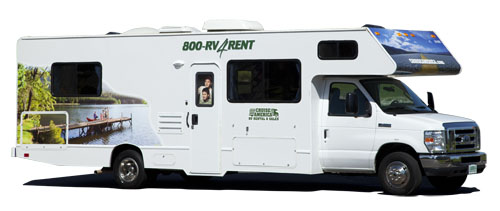
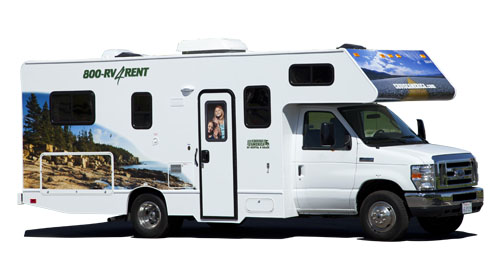
For families, a Class C Alcove RV from Bandana's fleet, averaging 7.5 meters in length and sleeping 5.8 people (comfortably 4.4 adults), provides ample space and comfort. Models like the "24' Class C Motorhome" often include a generator, shower, and toilet, making extended trips more comfortable. The alcove bunk above the cab offers additional sleeping, while the larger interior allows for more gear and comfortable living during extended periods indoors. While larger, a well-maintained Class C with good cold-weather tires and proper winterization can handle northern roads and provide a warm haven for a family, albeit with slightly higher fuel consumption (10-12 Liters/100 km). Our support team is here to help you compare motorhome prices for North Canada.
To ensure a hassle-free trip, consider our 'Rent&Plan' service, which combines your chosen RV rental with a ready-made itinerary crafted by travel professionals. This service provides full access to trip-planning software, significantly reducing planning headaches for challenging Northern routes. As true RV specialists, we understand what makes a difference in your journey.
What is the 3-3-3 rule for RV travel?
The '3-3-3 rule' for RV travel is a common guideline among RVers to ensure a relaxed and safe journey, particularly relevant for remote and challenging environments like North Canada in winter. This rule helps prevent driver fatigue and allows ample time for setup and enjoyment at each destination. It’s an excellent principle to follow for any RV Rental in North Canada - Prices and Best Deals 2026.
The rule states: 1. Drive no more than 300 miles (approximately 480 km) in a day. This recommendation aims to prevent driver fatigue and allows for unexpected delays or slower travel speeds, especially important on northern roads that can be unpaved, winding, or affected by weather. 2. Arrive at your destination by 3 PM. This allows ample time to find a campsite, set up your rented RV, address any immediate issues, and explore your surroundings before dark. In winter, with significantly shorter daylight hours in the North, arriving early is crucial for safety and comfort. 3. Stay for at least 3 nights. This encourages travelers to slow down, fully experience each location, and avoid the constant packing and unpacking that can make RV travel feel rushed. For winter trips, staying longer helps minimize the impact of setting up and breaking down camp in cold conditions, while also providing more opportunities for Aurora viewing.
What are some of the best winter road trips in Canada?
While many Canadian winter road trips focus on the Rockies, the true North offers unparalleled, albeit more challenging, experiences, making them some of the best for adventurous RVers. For those interested in a deeper dive, consider our "Winter RV Driving in North Canada - Safety Guide 2026" for essential preparation tips.
- Yukon's Klondike Loop (Winter Edition): This route, originating from Whitehorse, leads to historic Dawson City via the Klondike Highway and can include a return via the same highway. It's ideal for experiencing the Gold Rush history against a snowy backdrop, with incredible opportunities for Aurora viewing.
- Alaska Highway (Yukon Stretch): Travel the famous Alaska Highway west from Whitehorse towards Kluane National Park and past remote outposts like Destruction Bay. This journey showcases immense wilderness, frozen lakes, and dramatic mountain scenery, emphasizing self-sufficiency and remote travel logistics.
- Ice Roads of the Northwest Territories (Specialized): For the most extreme adventurers with highly modified RVs, venturing onto the NWT's famed ice roads (e.g., connecting Yellowknife to Inuvik) offers a truly unique Arctic experience. This requires extensive planning, specialized vehicle requirements, emergency preparedness (satellite phones, extra fuel), and a deep understanding of northern seasonality and climate.
- Southern B.C. and Alberta Rockies: While not 'North Canada,' routes like the Icefields Parkway in Alberta or drives through the Okanagan Valley in B.C. also offer stunning winter scenery with more established services, providing a different, less extreme winter RV experience. For comparing options, you might look into Luxury RV Rental in North Canada - Premium Prices 2026.
What is the 4-4-4 rule for RV travel?
The '4-4-4 rule' for RV travel is another guideline, similar to the 3-3-3 rule, designed to promote a relaxed and safer pace for RVers, which is particularly beneficial when navigating the vast distances and challenging conditions of North Canada. This guideline is useful for both pre-planners who like everything organized and spontaneous travelers alike.
The rule generally suggests: 1. Drive no more than 400 miles (approximately 640 km) in a day. This expands slightly on the 3-3-3 rule's distance, acknowledging that some travelers prefer longer stretches, but still aims to prevent excessive fatigue and ensure safety, especially crucial on remote northern roads with limited services and unpredictable conditions. 2. Arrive at your destination by 4 PM. Similar to the 3 PM guideline, this ensures daylight for setting up camp and addressing any issues. In northern winters, early arrival is even more critical due to extremely short daylight hours and the need to establish a warm, secure base before darkness and potentially falling temperatures. 3. Stay for at least 4 nights. This encourages a deeper immersion in each location, allowing more time for local exploration, relaxation, and adapting to the unique Northern environment. For winter RVing, a longer stay means less frequent setup and breakdown in the cold, more opportunity for activities like ice fishing or dog sledding, and increased chances of seeing the Aurora Borealis.
What is the best RV for winter camping in Canada?
The best RV for winter camping in North Canada is typically a well-insulated, four-season-rated unit, often a Class C motorhome or a Class B Campervan, that has been specifically prepared for extreme cold. These units often come with features like robust heating and appropriate tires for snowy conditions, providing comfort even in temperatures below -15°C.
Key features to look for include:
- Four-Season Rating: This means the rented RV has enhanced insulation in walls, floor, and ceiling, heated holding tanks (fresh, grey, black), double-pane windows, and an enclosed, heated underbelly to protect plumbing.
- Robust Heating System: A powerful furnace is essential for maintaining comfortable interior temperatures, possibly supplemented by a portable electric heater if shore power is available. Ensure good ventilation to prevent condensation.
- Appropriate Tires: Winter-rated tires (M+S or dedicated snow tires) are critical for traction on icy or snowy roads, especially on unpaved northern routes.
- Strong Battery Bank & Propane Capacity: Adequate power for heating and lighting, plus sufficient propane for extended periods without hookups, is vital in remote areas.
- Cold Weather Engine Preparation: This includes block heaters, battery warmers, and synthetic oils, which are often standard on rentals suitable for the North.
- Compact Size for Maneuverability: While larger RVs like a "Class A - Thor ACE 30" (9.37 meters long, sleeps 6) offer more space, a Class B Campervan or smaller Class C can be easier to handle on challenging winter roads and find suitable winterized campsites or boondocking spots. Vehicles like the "Class II DKG" or "Group D" (5.99 meters long, sleeps 5) can offer a good balance of size and functionality.
Bandana RV works with numerous suppliers, including El Monte and Cruise America, who offer suitable models for a winter RV Rental in North Canada. We sell the way we'd like to buy - with honesty and expert knowledge.
Where do RV snowbirds go in the winter?
Traditionally, RV snowbirds, predominantly from Canada and the northern US, migrate south for the winter to warmer climates, primarily the sun-belt states of the United States and Mexico. Popular destinations include Florida, Arizona, Texas, and Southern California, where RV parks and resorts cater specifically to long-term winter residents, offering mild temperatures, abundant sunshine, and a plethora of activities. Our guide to "RV Rental USA - Complete Guide 2026" covers many of these warmer destinations.
While the majority of snowbirds seek warmth, a small, adventurous subset of 'winter RVers' (distinct from traditional snowbirds) actively seek cold-weather destinations for activities like skiing, snowshoeing, ice fishing, or unique experiences like viewing the Aurora Borealis in places like the Canadian North. These cold-weather RVers require specialized, highly winterized vehicles and extensive preparation, diverging significantly from the typical snowbird migration pattern.
What is the best RV route planner in Canada?
For planning a RV route in Canada, especially for the unique challenges of the North in winter, a combination of specialized RV-specific tools and reliable government resources is recommended to cover remote travel logistics and northern seasonality. Bandana RV's sister company, RV PLANET (rvplan.net), offers unparalleled support.
- 1. RV-Specific Planning Apps (e.g., RVLIFE Trip Wizard, Togo RV, iOverlander): These apps are excellent for finding RV parks, campgrounds (including winterized options), dump stations, fuel stops, and points of interest. They can also help estimate travel times and fuel consumption.
- 2. Government Road Condition Websites & Apps: Crucial for North Canada, official provincial/territorial websites (e.g., Yukon 511, NWT Highway Conditions) provide real-time updates on road closures, construction, weather advisories, and permafrost conditions. These are non-negotiable for safe winter travel.
- 3. Google Maps/Apple Maps with Satellite View: Useful for general navigation and visualizing terrain, but always cross-reference with RV-specific and government resources for road conditions and RV suitability.
- 4. Physical Maps (Back-up): Given limited connectivity in remote Northern regions, carrying detailed physical maps (e.g., Benchmark Maps or local tourism maps) is a critical emergency preparedness measure.
- 5. Bandana RV's 'Rent&Plan' Service: For those renting a motorhome, our 'Rent&Plan' service offers pre-built itineraries and expert advice, integrating many of these planning elements into a single, comprehensive package, invaluable for complex Northern trips. Our 25% planning discount for using rvplan.net is a fantastic incentive.
We handle the details, you live the journey - personal service from day one until your booking is confirmed.
Where is the best place to travel in Canada in winter?
The 'best' place to travel in Canada in winter largely depends on the desired experience, ranging from alpine sports to serene wilderness, with North Canada offering unique opportunities for aurora viewing and remote adventure. For a comprehensive overview, the "RV Travel Guide to North Canada - Tips and Top Spots 2026" offers a great starting point.
- Canadian Rockies (Alberta & BC): Offers world-class skiing, snowboarding, and stunning winter landscapes in national parks like Banff and Jasper. Services are well-established, making it a popular choice for winter sports enthusiasts.
- Quebec City (Quebec): Known for its European charm, historic architecture, and vibrant winter festivals, including the famous Carnaval de Québec. It offers a cultural winter experience with excellent dining and snowy streetscapes.
- Yukon & Northwest Territories (North Canada): For an authentic Arctic adventure, the Yukon (especially around Whitehorse and Dawson City) and parts of the NWT (like Yellowknife) are unparalleled. These regions are prime locations for witnessing the spectacular Aurora Borealis (Northern Lights) due to their high latitude and minimal light pollution. They also offer unique activities like dog sledding, ice fishing, and exploring remote, snow-covered wilderness, requiring careful remote travel logistics and cold-weather preparation for RVers. Renting a campervan here allows for immense freedom.
What You Shouldn't Miss
When planning your winter RV rental in North Canada, certain experiences stand out as truly magical. Beyond the routes, these are the moments that make the North unforgettable.
- Chase the Aurora Borealis: Dedicate several evenings to finding dark skies away from town lights. The Yukon and NWT offer some of the best chances globally to witness this incredible natural light show.
- Dog Sledding Excursion: Immerse yourself in a quintessential northern experience by trying a dog sledding tour. Many operators near Whitehorse or Dawson City offer half-day or full-day adventures.
- Ice Fishing on a Frozen Lake: Experience the tranquility of ice fishing. Many local outfitters can provide gear and guidance, offering a unique way to connect with the northern environment.
- Explore Historic Dawson City: Even in winter, the Gold Rush era charm of Dawson City is palpable. Wander the boardwalks and imagine life during the Klondike boom.
- Visit the Yukon Wildlife Preserve: Witness northern animals like muskox, elk, and lynx thriving in their natural winter habitat.
- Relax in Natural Hot Springs: After a day in the cold, a soak in Takhini Hot Springs near Whitehorse is a rejuvenating experience, especially if the Aurora is dancing above.
Looking for expert insights from Avi Bandana? Top 5 Adventures - recommendations from Avi Bandana.
Final Thoughts
A winter RV rental in North Canada is truly an adventure of a lifetime, offering a unique blend of stunning natural beauty, cultural immersion, and the thrill of the Arctic wilderness. With careful planning, the right rented motorhome, and a spirit of adventure, you can experience the magic of the Northern Lights and snow-covered landscapes in comfort and safety.
Remember that the key to a successful winter RV trip is embracing slow travel and preparing for the unique conditions. Bandana RV is here to support you every step of the way, providing expert advice and transparent booking options. So, are you ready to embark on your unforgettable winter journey?
Compare Winter RV Rentals in North Canada Now!