In This Guide
- Best Japan RV Itinerary for Winter RV Rental - Overview
- 7-Day Classic Route in Japan
- 14-Day Extended Journey in Japan
- Recommended RVPlan Trip for Japan
- Must-See Stops Along the Way (Avi Bandana Picks)
- Daily Driving Distances & Drive Times in Japan
- Best RV Class for This Itinerary - Couple & Family Picks
- How much does a winter RV rental in Japan cost?
- What type of RV is best for driving in Japan?
- Where can I park my RV overnight in Japan?
- What are the RV driving rules and etiquette in Japan?
- What are the challenges of winter RV travel in Japan?
- How do I navigate and overcome language barriers with an RV in Japan?
Best Japan RV Itinerary for Winter RV Rental - Overview
A winter RV adventure in Japan typically spans 7-14 days, covering approximately 700-1500 km through regions renowned for their snowscapes and rejuvenating onsen. This makes winter an ideal season for exploring unique destinations like the pristine slopes of Hokkaido or the traditional charm of the Japanese Alps with a rented motorhome. The recommended duration for a fulfilling winter RV rental experience is a minimum of 7 days to truly immerse yourself in a single region, extending to 14 days for a broader exploration across different parts of the country. The best season for a winter RV rental in Japan is from December to March, with peak snow conditions and the most vibrant winter festivals occurring from January to February. For live availability and current prices, start with our RV Rental Japan - Complete Guide 2026 guide, which provides comprehensive information for planning your journey.7-Day Classic Route in Japan
A rewarding 7-day winter RV itinerary in Japan often focuses on a single region like Hokkaido, allowing for a deep dive into its snowy landscapes and rich culture without feeling rushed. We always recommend slow travel, aiming for a maximum of 100-150 km per day on average, to truly connect with the local scenery and experiences.- Day 1: Sapporo (Hokkaido) → Otaru (approx. 40 km / 25 miles) - Pick up your rented RV in Sapporo and spend some time exploring the vibrant city center. Afterwards, drive to Otaru for its charming canal views, historic glass shops, and incredibly fresh seafood. Settle for the night at Michi-no-Eki Otaru, a convenient and amenity-rich roadside station.
- Day 2: Otaru → Niseko (approx. 70 km / 44 miles) - Enjoy a scenic drive to Niseko, a renowned world-class ski resort. Spend the day skiing or snowboarding on its famous powder, or unwind with a relaxing onsen experience. Overnight at Niseko's designated RV park or a local Michi-no-Eki.
- Day 3: Niseko → Lake Shikotsu (approx. 80 km / 50 miles) - Continue your journey to Lake Shikotsu, a breathtaking caldera lake that hosts stunning ice festivals during winter. Enjoy various ice activities and the serene beauty of the area. Park your campervan at a nearby Michi-no-Eki for the night.
- Day 4: Lake Shikotsu → Noboribetsu Onsen (approx. 60 km / 37 miles) - Drive to Noboribetsu, Hokkaido's most famous hot spring town. Explore 'Hell Valley' (Jigokudani) with its dramatic volcanic activity and indulge in a traditional onsen. Secure an overnight spot at a local RV park or designated parking area.
- Day 5: Noboribetsu → Furano (approx. 150 km / 93 miles) - Head inland towards Furano, a picturesque area known for its winter sports and stunning snow-covered landscapes. Engage in snow activities or visit a local cheese factory. A Michi-no-Eki near Biei or Furano offers convenient overnight parking.
- Day 6: Furano → Asahikawa (approx. 60 km / 37 miles) - Explore Asahikawa, home to the popular Asahiyama Zoo, famous for its unique winter animal exhibits, and indulge in a bowl of delicious local ramen. Discover local craft shops. Overnight at Michi-no-Eki Asahikawa.
- Day 7: Asahikawa → Sapporo (approx. 140 km / 87 miles) - Return to Sapporo, allowing time for last-minute souvenir shopping or a visit to the Sapporo Beer Garden before dropping off your rented RV. This itinerary gives you a fantastic taste of Hokkaido's winter charm.
14-Day Extended Journey in Japan
An extended 14-day RV journey allows you to explore multiple regions of Japan during winter, transitioning from Hokkaido's winter wonderland to Tohoku's hidden gems and the cultural heart of the Japanese Alps. This offers a more comprehensive experience of Japan's diverse winter offerings.- Region 1: Hokkaido Winter Wonderland (Days 1-7) - Follow the 7-Day Classic Route outlined above, immersing yourselves in Hokkaido's pristine winter landscapes, world-class ski resorts, and rejuvenating hot springs. This covers Sapporo, Otaru, Niseko, Lake Shikotsu, Noboribetsu, Furano, and Asahikawa.
- Region 2: Tohoku's Hidden Gems (Days 8-11) - For this part of your adventure, you would transition from Hokkaido to Honshu. This might involve returning your current RV and picking up a new one in a major Honshu city like Sendai, or taking a ferry. From Sendai, drive to Zao Onsen (approx. 60 km / 37 miles) to witness the incredible "snow monsters" (Juhyo) and enjoy skiing. Continue to Matsushima Bay (approx. 50 km / 31 miles) for its scenic beauty, followed by Hiraizumi (approx. 70 km / 44 miles) to visit its ancient temples and World Heritage sites. Utilize local Michi-no-Eki or designated RV parking areas for overnight stays.
- Region 3: Japanese Alps & Traditional Culture (Days 12-14) - Journey through the heart of Honshu. Drive from Hiraizumi towards Shirakawa-go (approx. 150 km / 93 miles, a longer day with possible transit), famous for its iconic Gassho-zukuri farmhouses, especially magical under snow. Then, head to Takayama (approx. 50 km / 31 miles) to experience its wonderfully preserved Edo-period streets, traditional crafts, and local sake breweries. Conclude your journey in Matsumoto (approx. 80 km / 50 miles) to visit Matsumoto Castle, one of Japan's most beautiful original castles, before arranging your RV drop-off in a major city like Nagoya or Tokyo. This extended route provides a rich tapestry of Japanese winter culture and natural beauty, ensuring you truly connect to the culture, the food, and the scenery.
Recommended RVPlan Trip for Japan
While a specific RV PLANET trip for this exact itinerary isn't currently available as a single package, we highly recommend exploring rvplan.net for creating your perfect winter RV route plan in Japan. RV PLANET offers diverse curated RV itineraries for Japan, expertly crafted by travel professionals using advanced trip-planning software. This service significantly reduces planning headaches and enhances your winter RV adventure in Japan by providing detailed routes, recommended stops, and essential insights. Plus, on RV PLANET routes, travelers can easily itemize and track every expense along the way for easy budgeting.What You Shouldn't Miss
Looking for expert insights from Avi Bandana? Top 5 Adventures - recommendations from Avi Bandana:- Noboribetsu Onsen, Hokkaido: Experience the dramatic Jigokudani (Hell Valley) landscape and then relax in a piping hot onsen. The contrast of the freezing air and steaming water is unforgettable.
- Niseko Ski Resorts, Hokkaido: Even if you're not a skier, the sheer volume of powder snow and vibrant atmosphere make Niseko a must-see. Enjoy a snowshoe hike or simply soak in the resort town's unique ambiance.
- Shirakawa-go Village, Gifu Prefecture: The iconic gassho-zukuri farmhouses covered in a thick blanket of snow are like stepping into a fairytale. Visit during the winter light-up events for a truly magical view.
- Asahiyama Zoo, Hokkaido: Known for its innovative enclosures that allow animals to be observed up close, especially the penguin walk and polar bear feeding during winter. It's a heartwarming stop for families.
- Otaru Canal, Hokkaido: The historic canal with its gas lamps and stone warehouses creates a romantic, nostalgic atmosphere, particularly beautiful when illuminated and dusted with snow.
🎬 Video coming soon
Daily Driving Distances & Drive Times in Japan
Avi Bandana recommends a maximum of 100-150 km (approximately 60-90 miles) per day on average when RVing in Japan, allowing travelers ample time to enjoy the scenic routes and local attractions without feeling rushed. Adhering to lower daily mileage is crucial for experiencing the true essence of Japanese culture and navigating narrower, winding roads, especially during potentially challenging winter conditions. For example, the drive from Sapporo to Otaru is approximately 40 km (25 miles) and takes about 1 hour, while Niseko to Lake Shikotsu (approx. 80 km / 50 miles) can take about 1.5-2 hours, factoring in potential winter road conditions and stops for photos or local food. Planning your itinerary with these relaxed daily limits ensures a more enjoyable and authentic journey.Best RV Class for This Itinerary - Couple & Family Picks
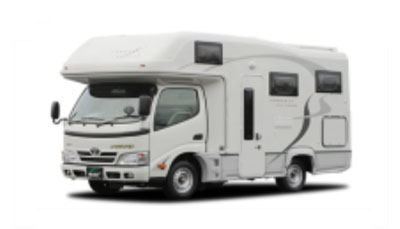
Choosing the right rented RV for a winter trip in Japan is crucial for comfort and maneuverability, considering Japan's diverse road conditions and often compact parking spaces. Smaller, more agile motorhomes and campervans are generally preferred.For Couples: Class B - Camper Van is an excellent choice for navigating Japan's charming but often narrower roads. Bandana's Class B fleet typically averages 5.8 meters in length and comfortably accommodates 2-3 adults. These compact and agile campervans, like the "Active Pop Top" or "Chubby Camper" models, are perfect for fitting into standard parking spots and offer efficient heating, making them ideal for a cozy winter escape.
For Families: Class SI - Semi-integrated RVs provide a comfortable balance of space and manageability for families. Bandana's semi-integrated models, such as the "Euro Quest" or "Odyssey," average around 6.9 meters in length and can sleep up to 4 people, ideal for a small family seeking more amenities without excessive bulk. These vehicles offer more living space and storage, perfect for winter gear, while still being manageable on most Japanese roads. Rent-Motorhome's 'Rent&Plan' service can further simplify your trip by combining your RV rental with a professionally crafted route plan, significantly reducing planning headaches and enhancing your winter RV adventure in Japan.
How much does a winter RV rental in Japan cost?
The cost of a winter RV rental in Japan is dynamic, changing daily based on factors like availability, seasonality, and supplier marketing decisions, much like flight tickets. A winter RV rental in Japan typically ranges from ¥15,000 to ¥30,000 (approximately $100-$200 USD) per day for a Class B campervan or a compact Class C motorhome. However, the total trip cost is influenced by several ancillary expenses beyond just the rental fee, including fuel, tolls, and overnight parking.Rental Costs: These vary significantly by RV size, model year, and rental duration, with longer rentals often offering a lower daily rate. Booking early can sometimes secure better prices, but last-minute deals also emerge, especially outside of peak holiday periods. For finding a great deal, check out `Cheap RV Rental in Japan - Budget Guide 2026` or `RV Rental Deals in Japan - Latest Offers 2026` for more insights into securing affordable options.
Fuel Expenses: Expect average fuel consumption around 10-12 liters per 100 km for typical RVs. Fuel prices fluctuate by region and global market conditions. For long trips, fuel will be a significant portion of your budget.
Tolls: Japan's extensive expressway network is highly efficient but has significant tolls. For instance, a drive from Tokyo to Kyoto could incur over ¥10,000 in tolls. Consider purchasing an ETC (Electronic Toll Collection) card for efficiency and potential discounts. For more comprehensive pricing information, explore `RV Rental in Japan - Prices and Best Deals 2026`. On the routes offered through RV PLANET routes, you can itemize and track every expense along the way for easy budgeting.
Overnight Parking: Michi-no-Eki (roadside stations) offer free overnight parking, which can significantly reduce costs. Dedicated RV parks or campgrounds typically charge ¥1,000-¥3,000 ($7-$20 USD) per night for a spot, often with additional facilities. For luxury options, refer to `Luxury RV Rental in Japan - Premium Prices 2026`.
Cost-Saving Tips: To make your winter RV trip more budget-friendly, utilize free Michi-no-Eki whenever possible. Preparing some of your meals in your RV's kitchen can save substantially on restaurant costs. When considering how much to budget for a week-long or extended trip, remember that prices are dynamic, so comparing options thoroughly is key. For those interested in week-long trips, `Weekly RV Rental in Japan - Pricing 2026` provides tailored information. For comprehensive budgeting and expense tracking for your trip, RV PLANET offers excellent tools and resources on its RV PLANET routes. For ideas you can prep on the road, watch our RV-friendly recipes playlist on YouTube.
What type of RV is best for driving in Japan?
Smaller, more maneuverable rented RVs, such as Class B Camper Vans or compact Class SI Semi-integrated models, are generally best for driving in Japan due to its narrower roads, intricate cityscapes, and smaller parking spaces. Compact models, like those from Bandana's Class B fleet (averaging 5.8m in length) or Class SI fleet (averaging 6.9m), offer excellent agility for navigating tight turns and fitting into standard parking spots found in most Japanese towns and cities. Japanese campervans, often called 'kei-vans,' are also popular locally for their extremely compact size, making them highly suitable for urban exploration and accessing remote areas. While larger Class A or Class C motorhomes offer more interior space, they can present challenges on certain rural roads or in crowded city centers, especially during winter with potential snow narrowings. Drive slowly and carefully, and you can drive almost anywhere without issues. No need to stress - just use common sense and pay attention.Where can I park my RV overnight in Japan?
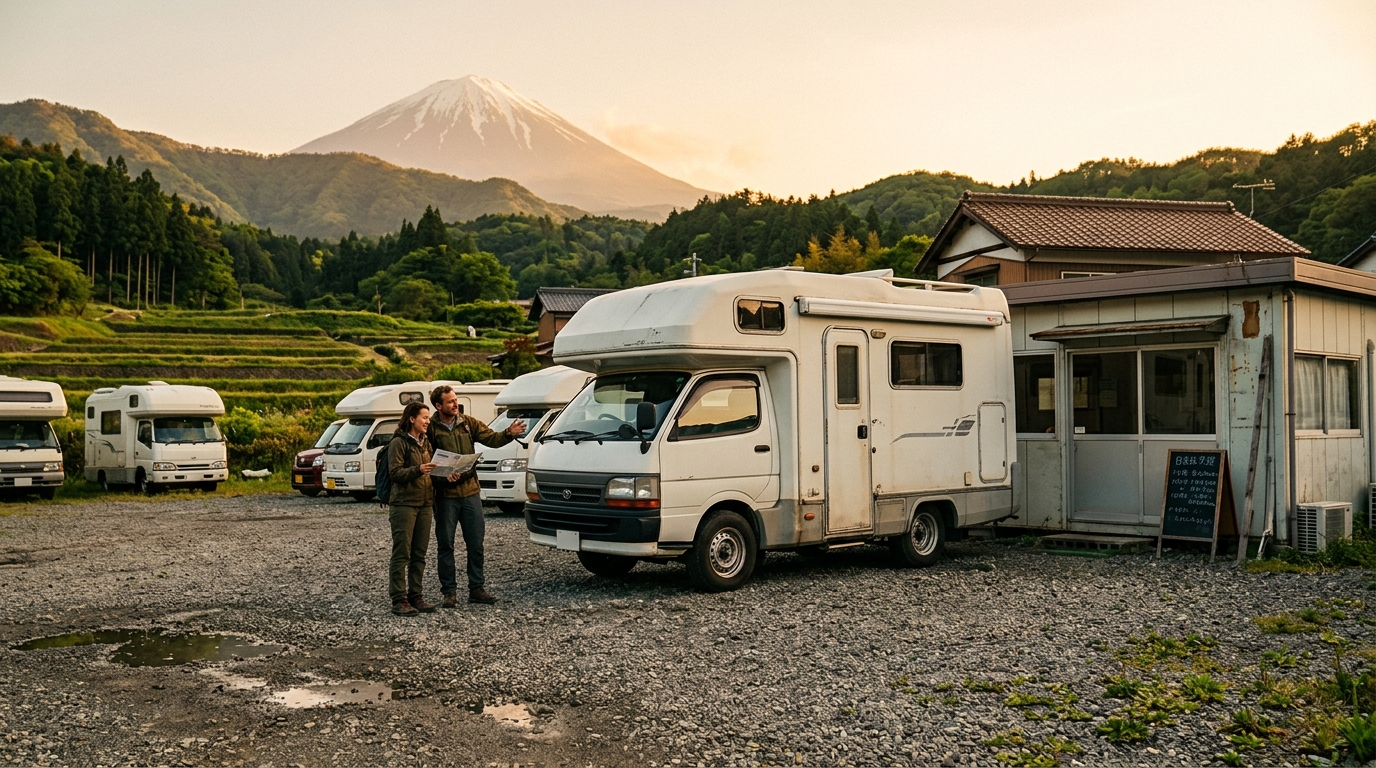
The most common and culturally unique solution for overnight RV parking in Japan is the extensive network of Michi-no-Eki (Roadside Stations), offering free, safe, and often amenity-rich options for your rented campervan. Michi-no-Eki function as cultural hubs, typically providing clean restrooms, local food markets, restaurants, souvenir shops, and sometimes even onsen (hot springs), making them ideal stops for RVers. While technically not 'boondocking' (which implies remote, undeveloped camping), Michi-no-Eki serve a similar function by offering a practical and accepted alternative for self-contained RVs to park overnight. Additionally, dedicated RV parks (camping car parks) and traditional campgrounds are available across Japan, often requiring a fee but providing hookups for electricity and water, which can be particularly useful in winter for maintaining warmth and preventing freezing of water systems. Always call ahead to campgrounds or RV parks, especially in winter, to confirm availability and operating hours.What are the RV driving rules and etiquette in Japan?
Navigating Japan by a rented RV requires adherence to specific driving rules, including left-hand traffic, and an understanding of local etiquette, especially regarding waste disposal and noise. In Japan, you drive on the left side of the road and pass on the right. Speed limits are typically 40-60 km/h in urban areas and 80-100 km/h on expressways. An International Driving Permit (IDP) is mandatory for foreign visitors. Many road signs have English translations, but familiarity with basic Japanese road symbols can be helpful. When staying at Michi-no-Eki or other public parking areas, always park considerately, avoid generating excessive noise late at night or early morning, and use restrooms and facilities responsibly, ensuring a pleasant experience for everyone. RV waste disposal facilities are not as widespread as in some Western countries, so plan your route to utilize designated dump stations at larger campgrounds or consult your rental company for guidance on disposing of grey and black water. Regarding city driving, drive slowly and carefully, and you can drive almost anywhere without issues. No need to stress - just use common sense and pay attention. Learning a few basic Japanese phrases can also significantly enhance your interactions with locals.What are the challenges of winter RV travel in Japan?
Winter RV travel in Japan presents unique challenges primarily related to heavy snowfall, icy road conditions, and the need for proper vehicle preparation and vigilant route planning. Roads, especially in mountainous regions like the Japanese Alps or throughout Hokkaido, can be heavily snow-covered and icy, necessitating that your rented motorhome is equipped with snow tires (often standard with winter rentals) or snow chains. It's crucial to ensure your RV is prepared with adequate heating and proper insulation for the living area, and that antifreeze is used in water systems to prevent freezing, safeguarding your comfort and the vehicle's functionality. Furthermore, some mountain passes or smaller rural roads may close without notice due to heavy snow or adverse weather; checking real-time road conditions before and during your journey is absolutely essential. While Michi-no-Eki are typically open year-round, some smaller campgrounds or facilities might be closed or have limited services during the deepest winter months, requiring careful planning of your overnight stops. These challenges are manageable with proper preparation and a flexible mindset.Final Thoughts
Embarking on a winter RV itinerary in Japan is an adventure unlike any other, offering a unique blend of stunning snowscapes, cultural immersion, and the cozy comfort of your mobile home. Imagine waking up to a fresh blanket of snow outside your window, enjoying a warm meal prepared in your RV, and then heading out for a day of skiing or a relaxing onsen soak. With careful planning and the right rented motorhome, the challenges of winter travel become part of the authentic, unforgettable experience.Whether you choose a week-long trip exploring Hokkaido or an extended journey through the Tohoku region and the Japanese Alps, the freedom and flexibility of RV travel in Japan during winter will create memories to last a lifetime. Remember to travel slowly, embrace the local culture, and enjoy every moment of this incredible country. Your winter RV dream in Japan is within reach!
Discover top destinations and planning tips all in one place. Plan a trip itinerary in advance with minimal effort and maximum enjoyment. Find Winter RV Rentals in Japan.