In This Guide
- Best Boston RV Itinerary for winter rv rental — Overview
- 7-Day Classic Route in Boston
- 14-Day Extended Journey in Boston
- Recommended RVPlan Trip for Boston
- Must-See Stops Along the Way (Avi Bandana Picks)
- Daily Driving Distances & Drive Times in Boston
- Best RV Class for This Itinerary — Couple & Family Picks
- Where is the best place to spend winter in an RV?
- What is the 3-3-3 rule when RVing?
- What is the 444 rule for RVs?
- What is the 2 2 2 rule for RV travel?
- Is Boston worth visiting in winter?
- What to do in Boston when it's freezing?
- What are Boston's hidden gems?
- What are the best day trips from Boston in winter?
Best Boston RV Itinerary for winter rv rental — Overview
A winter RV rental in Boston offers a unique, cozy, and flexible way to explore the historic city and its snowy surroundings. A recommended minimum of 7 days allows for deep dives into both urban attractions and scenic escapes, covering approximately 100-150 km (60-90 miles) per day. Winter in Boston, typically from December to March, presents a picturesque, less crowded experience, perfect for RVers seeking a unique travel perspective. This itinerary focuses on combining city exploration via public transport with comfortable RV camping in surrounding winterized parks. Crucial RV-specific navigation advice for Boston includes avoiding narrow streets and commercial vehicle restrictions, emphasizing the use of the 'T' (subway) from peripheral RV parks. Understanding winterization tips for your RV—such as ensuring heating systems are functional, preventing pipes from freezing, and securing adequate shore power—is essential for a comfortable cold-weather trip.
7-Day Classic Route in Boston
This 7-day classic RV itinerary for Boston in winter balances city exploration with accessible overnight stays in RV-friendly locations just outside the urban core. This allows travelers to experience the city's charm while leveraging the comfort of their motorhome.
Day 1: Arrival & Setup (Boston Area): Upon arrival, collect your RV rental and proceed to a year-round RV park located outside Boston, approximately 50-70 km away. Consider options like Normandy Farms Campground or Lake Forest RV Park, ensuring they offer winter amenities. Dedicate this day to setting up your RV, familiarizing yourself with its systems, and stocking up on groceries. On the routes offered through RV PLANET routes, you can itemize and track every expense along the way for easy budgeting.
Day 2: Historic Downtown Boston (0 km RV travel): To navigate Boston's historic center effectively, park your RV at an RV-accessible lot near a 'T' station, such as Alewife or Braintree. From there, utilize Boston's efficient public transport to explore iconic sites like the Freedom Trail, Faneuil Hall Marketplace, and Boston Common. Remember that parking in Boston's downtown core can be very limited and costly for larger vehicles.
Day 3: Museums & Culture (0 km RV travel): Continue using public transportation to immerse yourself in Boston's rich cultural scene. Visit world-class institutions like the Museum of Fine Arts, the Isabella Stewart Gardner Museum, or the interactive Boston Tea Party Ships & Museum for engaging indoor activities.
Day 4: Coastal Charm & North Shore (Day Trip): Embark on a day trip with your RV to Salem, famous for its witch trials history, or to Rockport for its picturesque coastal views. This round trip is approximately 80-100 km. Remember to research RV parking options in advance, as they can be limited in smaller, historic towns during peak or off-peak seasons.
Day 5: Cambridge & University Life (0 km RV travel): Access Cambridge via public transport to explore the renowned Harvard University and MIT campuses, soaking in the academic atmosphere and browsing the unique shops in Harvard Square.
Day 6: Winter Fun & Local Flavors (0 km RV travel / short RV drive): Enjoy Boston's winter activities, perhaps ice skating on Frog Pond in Boston Common, or exploring the charming streets of Beacon Hill. Warm up with a bowl of classic New England clam chowder at a local eatery. Ensure your RV's heating system is optimized for the cold weather.
Day 7: Departure Prep & Local Exploration (approx. 50-70 km): Begin your final RV clean-up and pack your belongings. If time permits, visit a local market for last-minute souvenirs before heading to your RV rental drop-off location. Allow ample time for travel, especially if returning the RV to a location outside the city.
14-Day Extended Journey in Boston
An extended 14-day RV journey around Boston in winter allows for a deeper exploration of New England's historic towns, scenic coastlines, and winter activities. This itinerary balances city time with longer drives to charming regional destinations, all while adhering to comfortable daily driving limits of 100-150 km (60-90 miles). Remember to use RV PLANET routes to find and budget for every expense along your journey.
Days 1-7: Boston City Immersion: Begin by establishing a base camp at an RV park outside Boston and follow the '7-Day Classic Route' to thoroughly explore the city's urban and cultural highlights. This allows you to get acquainted with the region without the stress of moving your RV daily.
Days 8-9: Plymouth & Cape Cod Charm (approx. 70-100 km): Drive your RV to a winterized campground near Plymouth. Here you can visit the Plimoth Patuxet Museums (always check winter operating hours) and enjoy the serene beauty of a winterized Cape Cod. Be aware that some coastal amenities may be seasonal.
Days 10-11: White Mountains, New Hampshire (approx. 150-200 km): Head north to a winter-friendly RV resort in the White Mountains, such as Danforth Bay Camping & RV Resort. Enjoy scenic drives, perhaps along the Kancamagus Highway (always check road conditions in winter), or engage in snowshoeing and cross-country skiing. Ensure your RV is fully winterized for colder mountain temperatures.
Days 12-13: Vermont's Green Mountains or Maine Coast (approx. 120-150 km): Choose your adventure: a scenic drive to Burlington, Vermont, for its vibrant city life, local crafts, and craft breweries, or a coastal trip to Portland, Maine, for its iconic lighthouses and renowned culinary scene. Ensure your chosen RV parks are open and suitable for winter conditions.
Day 14: Return to Boston Area (approx. 150-250 km): Enjoy a final scenic drive back towards your RV drop-off location near Boston. This return journey allows ample time for travel and necessary RV return preparations, which is especially important during winter conditions.
Recommended RVPlan Trip for Boston
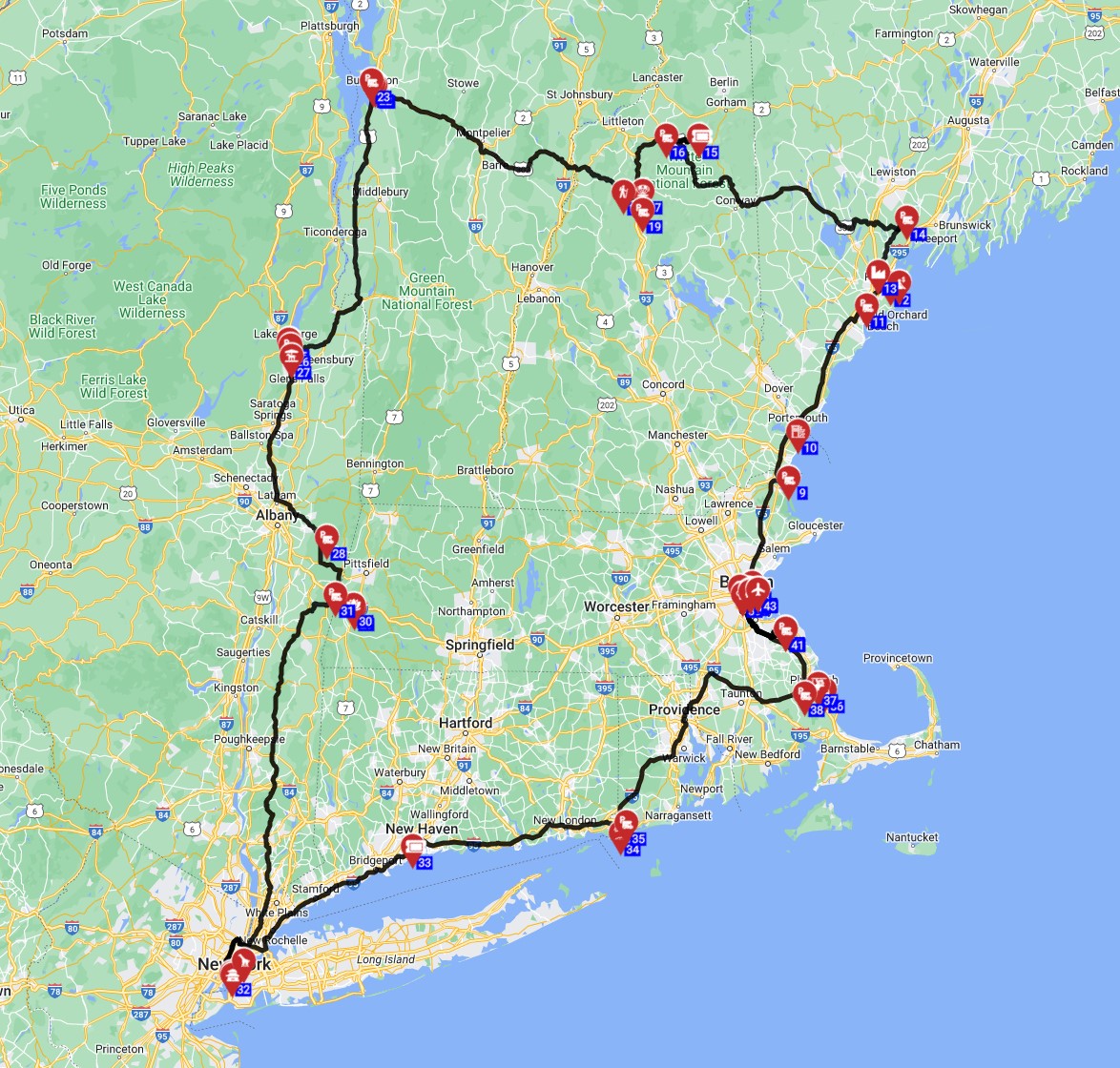
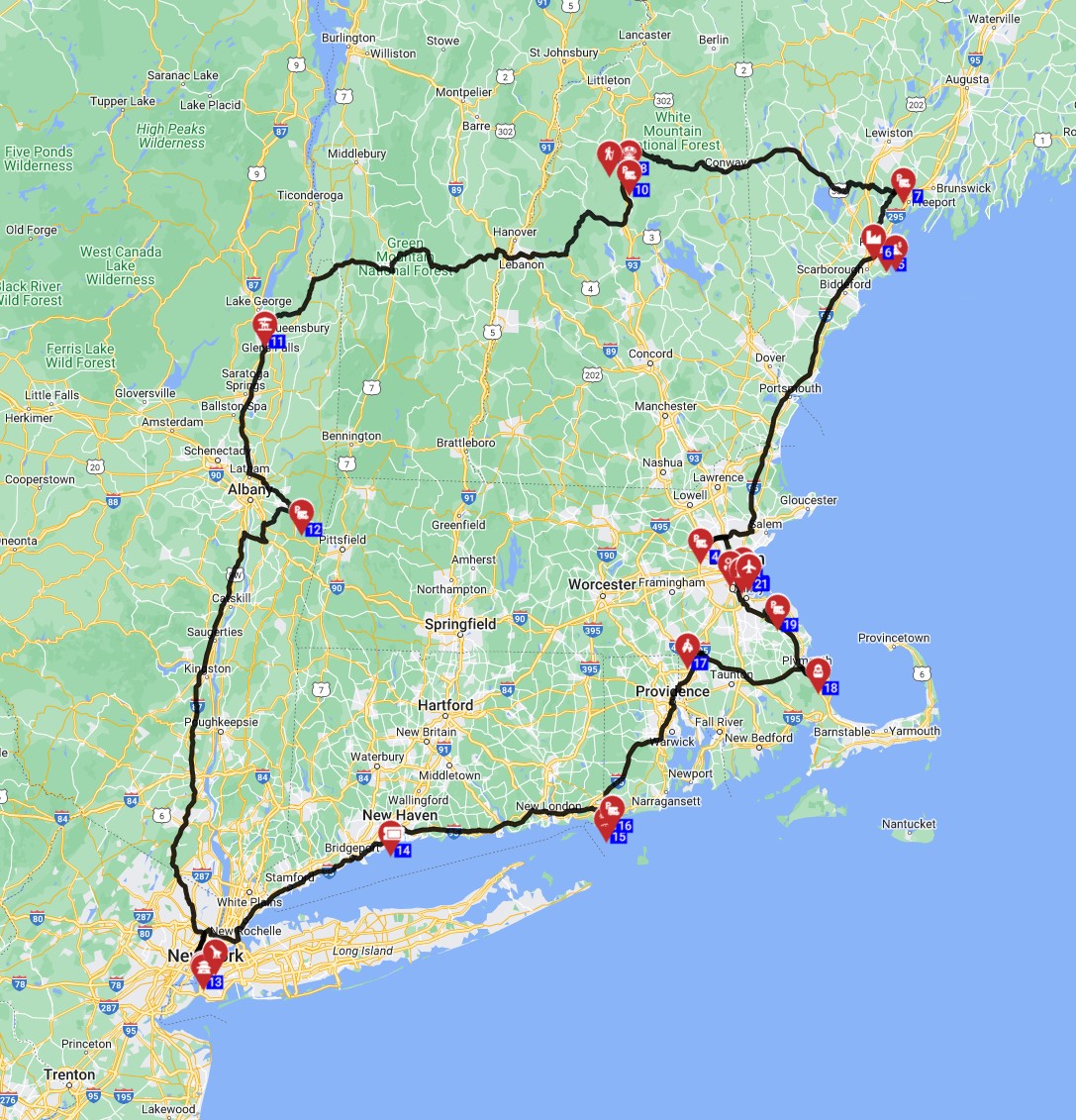
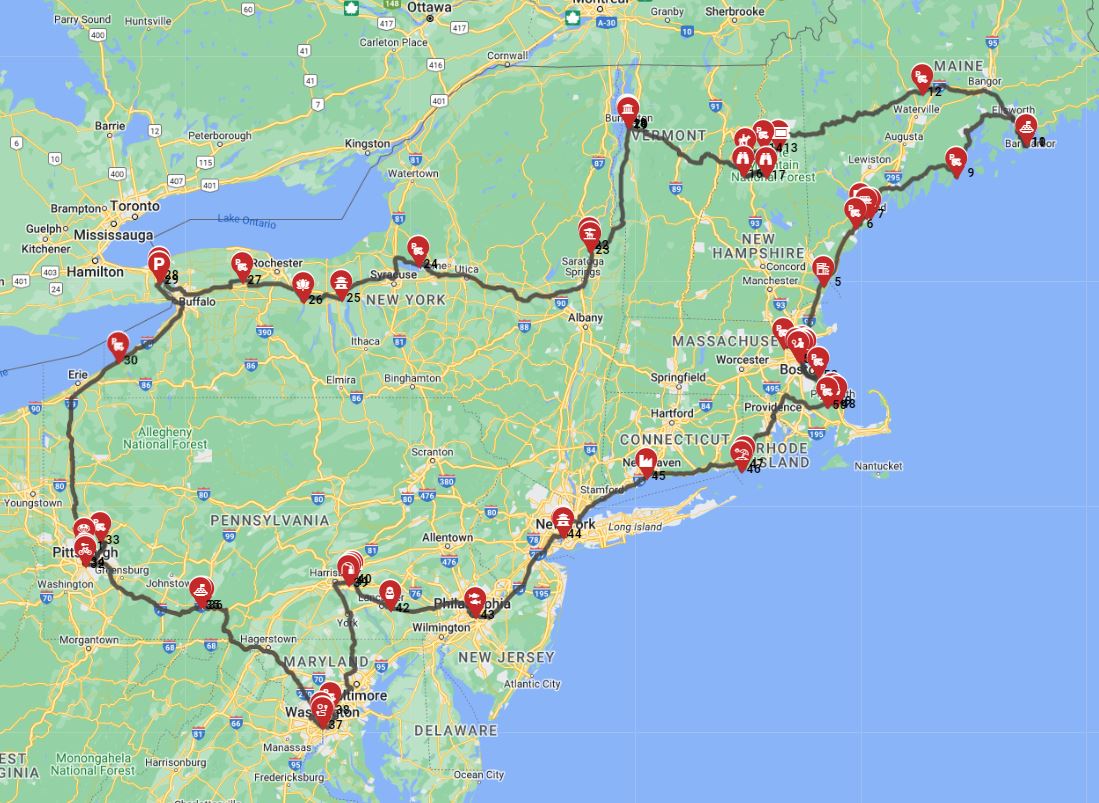
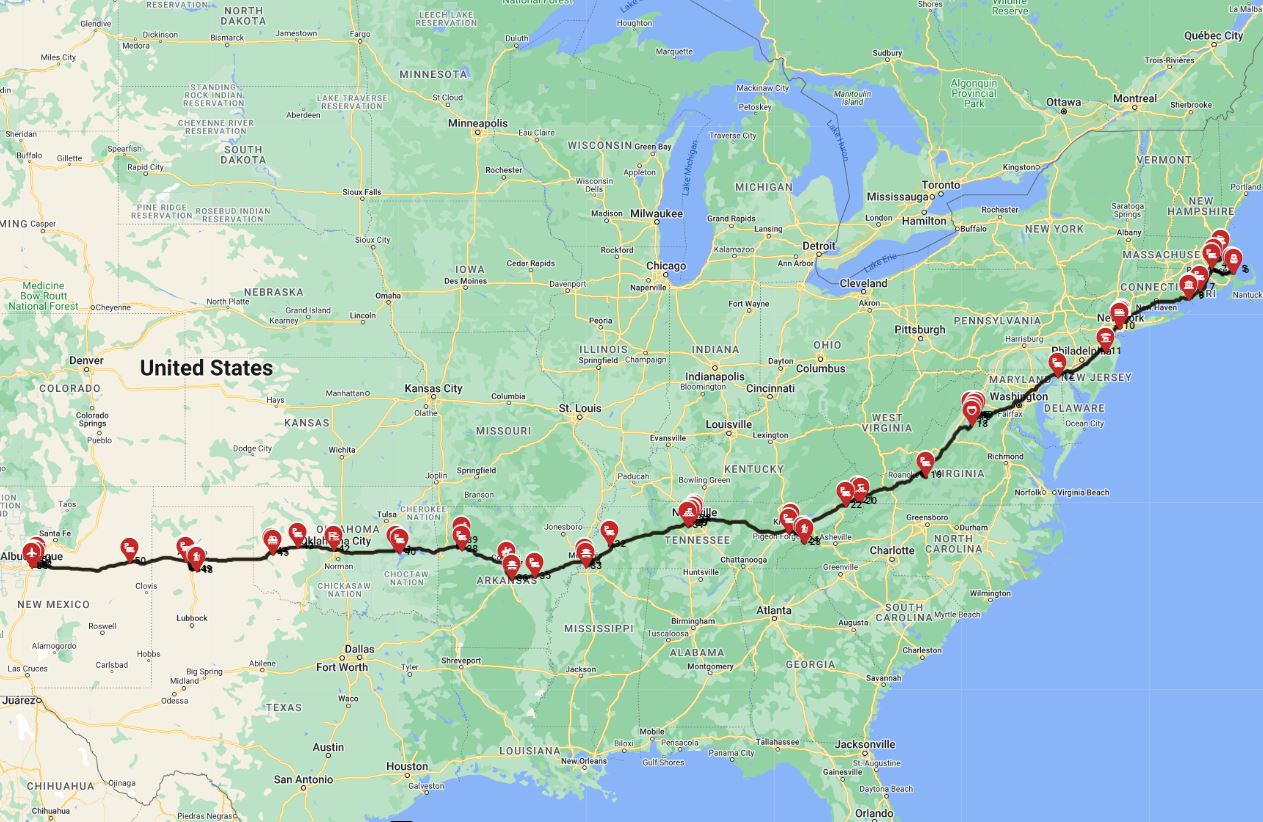
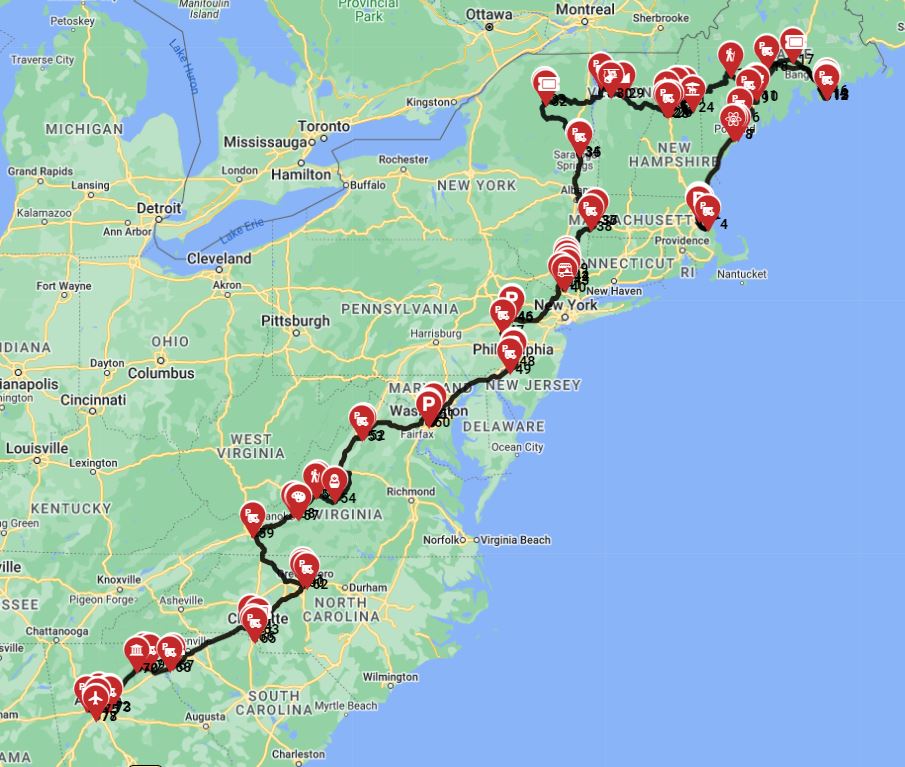
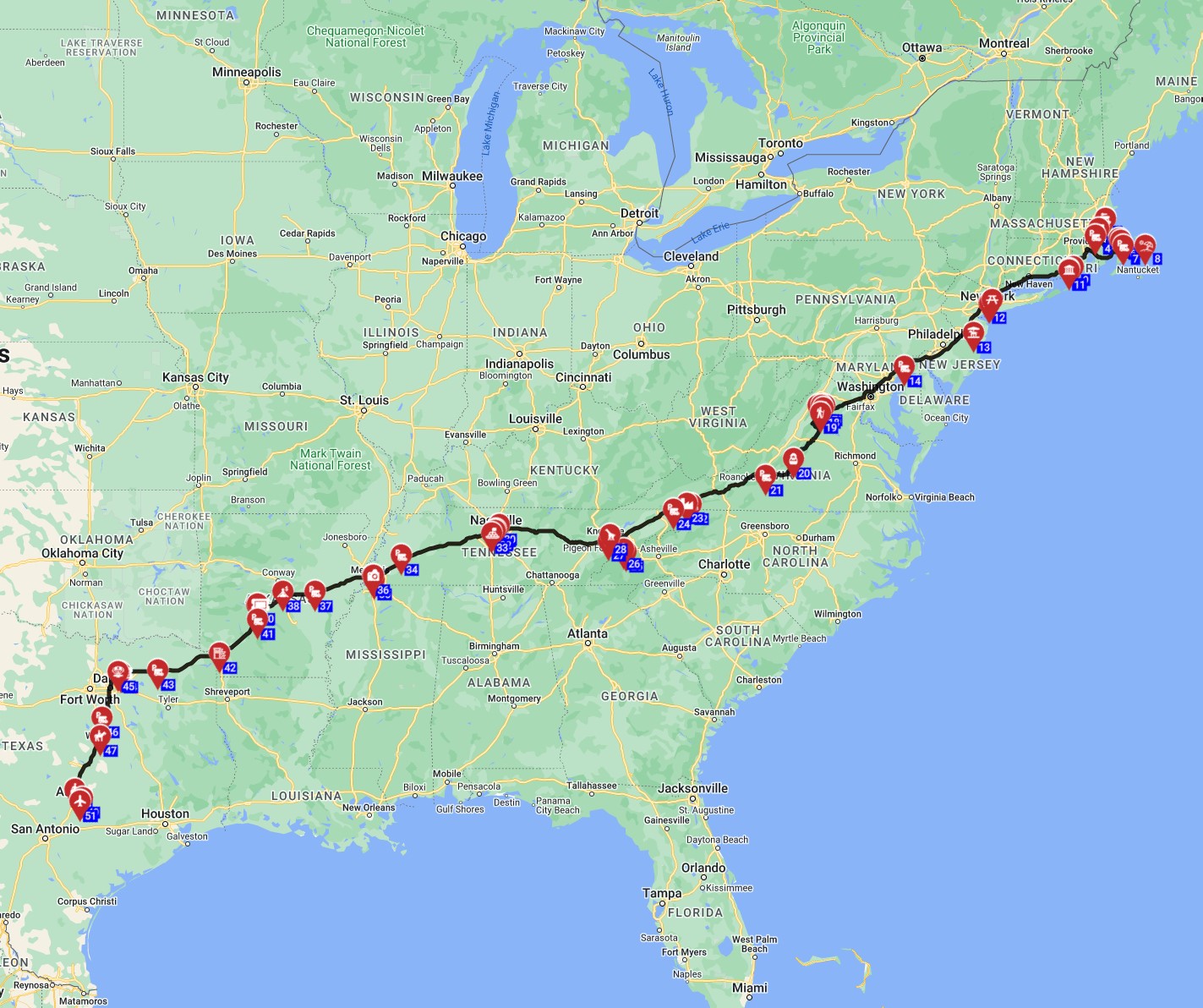
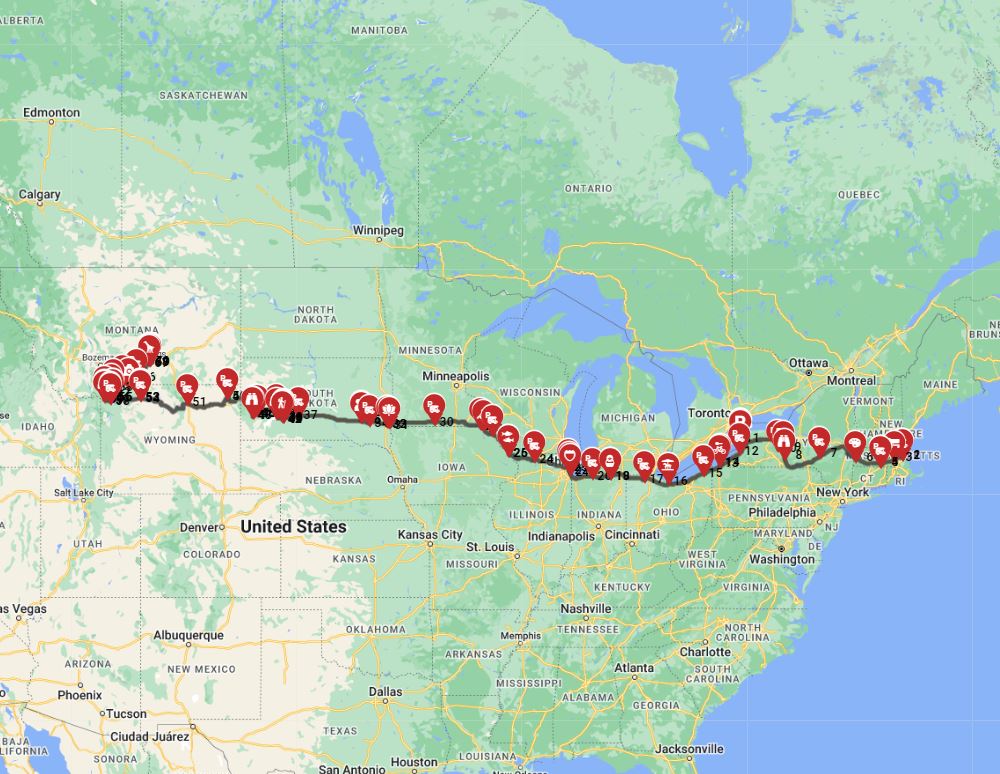
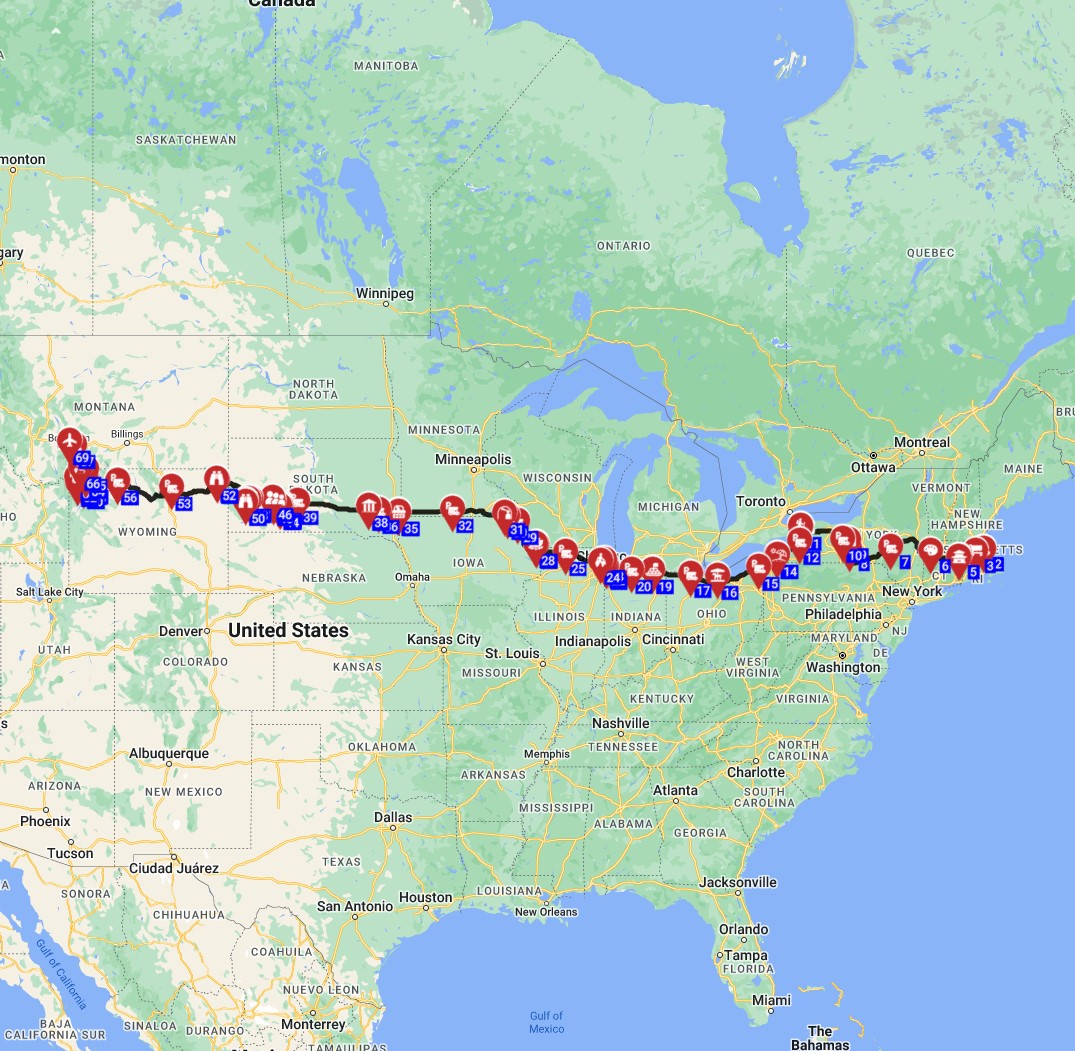
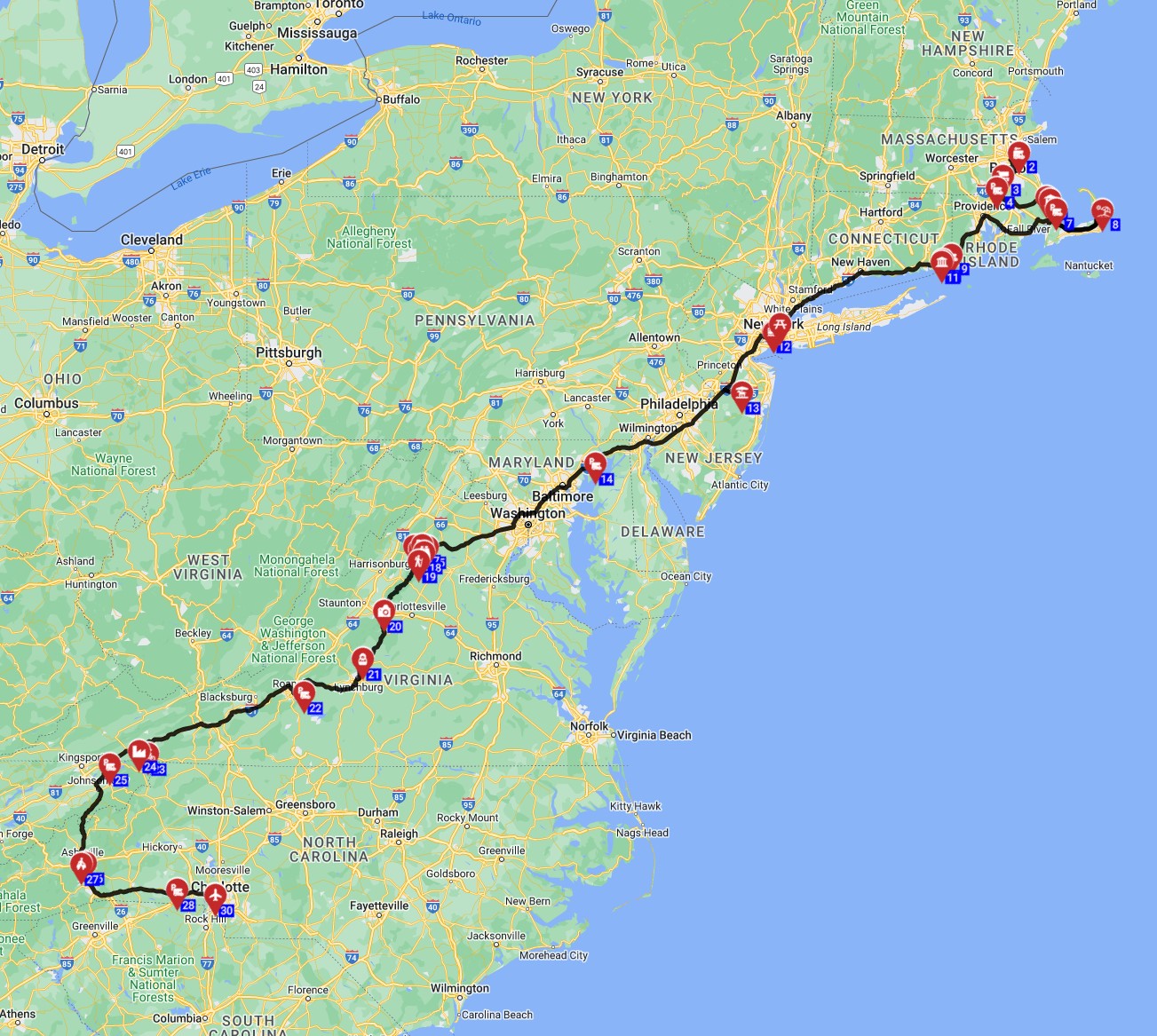
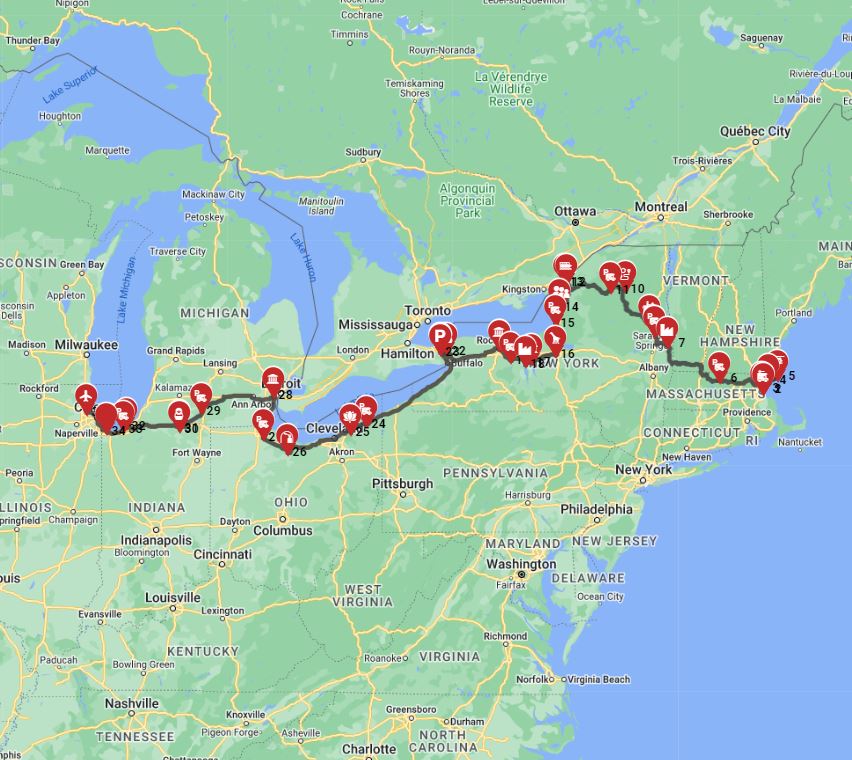
For a comprehensive RV adventure that includes Boston as a key destination, consider the "
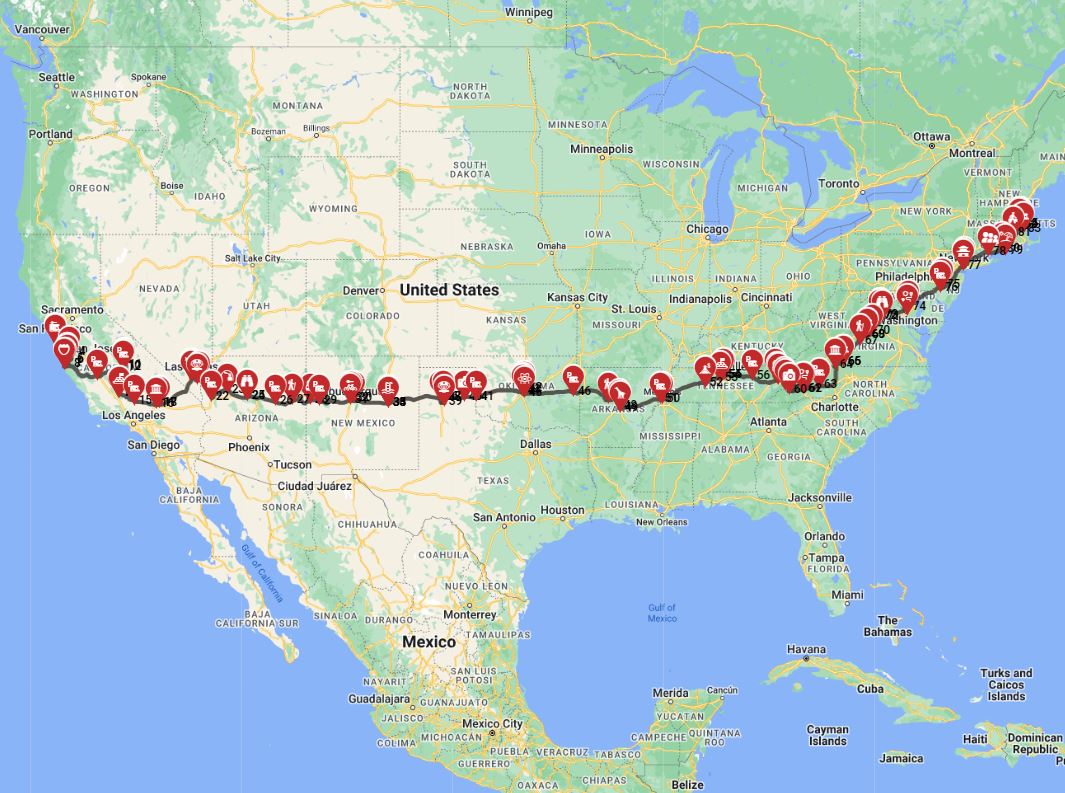
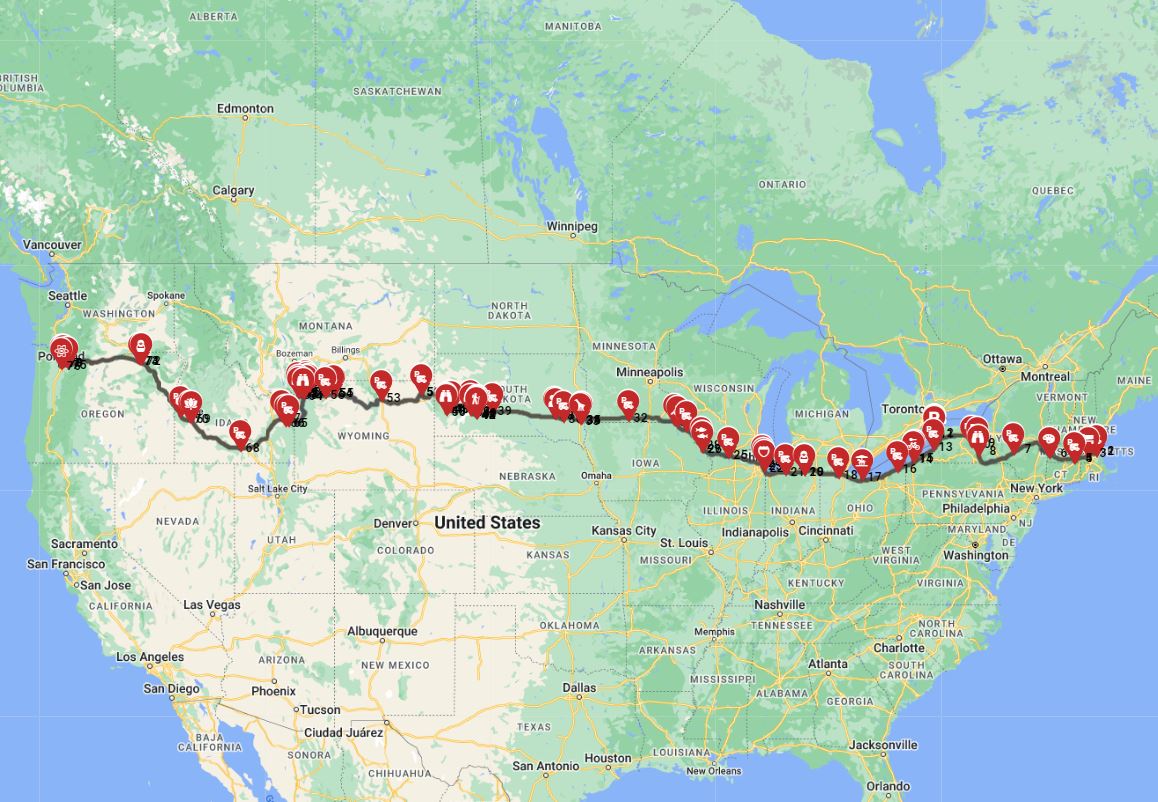
You can find full details and customize this journey, which covers a total of 7047.1 km over 31 days, at the provided URL. While this specific RVPlan trip is cross-country, users focused on a Boston winter RV trip can utilize the RVPlan platform to customize shorter itineraries or adapt the Boston portion of this route to suit their specific interests and duration. For those looking for a more regional exploration, the "
Must-See Stops Along the Way (Avi Bandana Picks)
Avi Bandana recommends integrating specific cultural, culinary, and industrial experiences into your Boston RV journey. These authentic engagements offer a deeper connection to the region, moving beyond typical sightseeing. For instance, consider a visit to the Old North Church or Paul Revere House for an immersive deep dive into Boston's past, providing a tangible connection to American history.
Indulge in Boston's rich culinary heritage by visiting traditional restaurants known for their local specialties. Savoring classic New England clam chowder, hearty seafood, or authentic Italian fare in the North End are excellent choices. When it comes to markets, exploring places like the Boston Public Market or Quincy Market allows you to discover local produce, artisanal goods, and vibrant food stalls. This is a great opportunity to stock your RV pantry with fresh, regional ingredients and discover budget-friendly meal options. For ideas you can prep on the road, watch our RV-friendly recipes playlist on YouTube.
Discover Boston's innovative spirit and historical contributions by seeking out a site related to its local industries, whether a historic manufacturing location or a modern hub of innovation (where tours are available). These insights offer a unique perspective on the region's economic and cultural landscape. These types of stops enhance the RV travel experience by adding layers of local understanding and appreciation.
Daily Driving Distances & Drive Times in Boston
Avi Bandana recommends a maximum of 100 miles or 150 km per day on average for RV travel, especially around a dense urban area like Boston. This strategy ensures a leisurely pace, prioritizing enjoyment of the journey and surroundings over rushing. Adhering to this conservative daily mileage is crucial for RVers navigating Boston's potentially challenging urban infrastructure, which includes narrow streets, low bridges, and commercial vehicle restrictions that general navigation apps may not always account for.
Traveling slowly in winter conditions, including potential snow and ice, significantly enhances safety and reduces stress. It also allows more time for unexpected stops or addressing any necessary RV winter maintenance. Here are some example drive-time estimates factoring in winter conditions and RV travel:
- Boston to Salem, MA: Approximately 1 hour (25 km), but allow extra time for potential winter road conditions and navigating RV parking in a historical town.
- Boston to Plymouth, MA: Roughly 1.5 to 2 hours (60 km), factoring in city traffic, potential winter weather, and the slower pace of RV travel.
- Boston to White Mountains (Franconia Notch, NH): About 3.5 to 4 hours (200 km), necessitating careful planning, an early departure, and close monitoring of mountain road conditions and forecasts for RV safety in winter.
Best RV Class for This Itinerary — Couple & Family Picks
For a winter RV rental in Boston, a Class B camper van is ideal for couples seeking maneuverability and efficiency, especially for navigating suburban roads around Boston and finding parking at 'T' stations or smaller venues. For families, a Class C motorhome with an alcove offers more living space and comfort, crucial during winter when indoor time may increase. Bandana Caravan offers a variety of options to suit your needs.
For a Couple: Class B - Camper Van
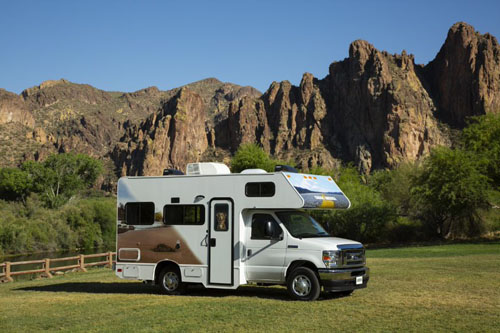
Bandana's fleet typically features Class B Camper Vans, averaging around 5.8 meters (19 feet) in length. These are highly maneuverable, generally offer sleeping places for 2-3 people, and are easier to heat in winter conditions. Their compact size also often translates to better fuel consumption, making them a cost-effective choice for exploring both the city outskirts and day trips.
For a Family: Class C - Alcove
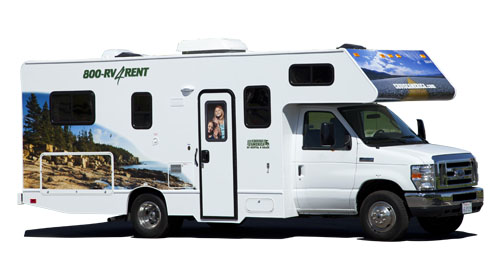
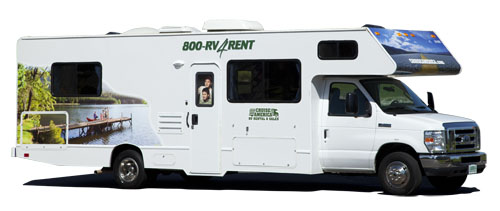
Bandana's Class C Alcove motorhomes typically measure around 7.5 meters (25 feet) and offer significantly more living space. These units usually accommodate 4-6 people, ensuring comfort for everyone. The distinctive over-cab (alcove) sleeping area is a popular feature for children, providing extra bedding without compromising the main living areas, making it a great choice for family winter comfort.
Our "Rent & Plan" service, accessible via rvplan.net, can simplify your winter RV adventure by combining your rental with a pre-planned itinerary, removing the stress of planning for any chosen RV class.
Where is the best place to spend winter in an RV?
While many RVers head south for winter, some of the best places for those seeking cold-1weather adventures are well-equipped RV parks outside major cities like Boston. These locations offer a balance of winter amenities and access to seasonal activities. Alternatively, warmer states like Florida or Arizona provide milder climates with extensive RV resorts and abundant amenities, catering to those who prefer to escape the cold entirely.
For a Boston winter RV trip, prioritize RV parks that remain open year-round and offer full hookups (electric, water, sewer). These are crucial for cold-weather camping to prevent pipes from freezing and ensure consistent heating. Consider campgrounds like Normandy Farms Campground or Lake Forest RV Park, but always verify their winter availability and the specific winter amenities they offer, such as heated water spigots and adequate shore power for your RV's heating system.
What is the 3-3-3 rule when RVing?
The 3-3-3 rule for RVing is a popular guideline suggesting RVers drive no more than 300 miles a day, arrive at their destination by 3 PM, and stay for at least 3 days. This promotes a relaxed pace and allows for thorough enjoyment of each stop. However, for navigating Boston's dense urban area in winter, Avi Bandana advises a more conservative approach of 100 miles/150 km per day on average. This allows ample time for setting up camp before dark, which is particularly important during shorter winter days, and also provides flexibility for unexpected weather or road conditions.
What is the 444 rule for RVs?
The 444 rule for RVs is a variant suggesting RVers drive no more than 400 miles a day, arrive by 4 PM, and stay for at least 4 nights. While this guideline promotes leisurely travel on longer routes, it is generally too extensive for daily travel during a focused Boston winter RV trip. Traffic and road conditions in and around Boston often necessitate shorter, more manageable distances. Avi Bandana recommends a maximum of 100 miles/150 km per day to better manage winter driving and urban navigation complexities.
What is the 2 2 2 rule for RV travel?
The 2-2-2 rule for RV travel is a conservative guideline recommending that RVers drive no more than 200 miles a day, stop by 2 PM, and stay for at least 2 nights. This offers a relaxed pace for those who prefer slow travel and ample time at each location. For a winter RV trip to Boston, Avi Bandana's recommendation of a more conservative average of 100 miles/150 km per day further emphasizes this slow travel philosophy, acknowledging the unique challenges of urban navigation and winter weather while maximizing quality time exploring the destination.
Is Boston worth visiting in winter?
Boston is absolutely worth visiting in winter for those who appreciate fewer crowds, festive decorations, and the cozy cultural experiences that a historic city dusted with snow can offer. Despite the cold temperatures, winter provides a less crowded environment at major attractions like the Freedom Trail, museums, and historical sites, which can enhance the overall visitor experience. The city truly transforms with festive holiday lights and decorations in December, offering a picturesque and serene ambiance that extends through January and February.
The abundance of indoor activities, including world-class museums, historical taverns, theaters, and warm cafes, provides excellent shelter from the cold. RVers planning a winter visit must ensure their vehicle is thoroughly winterized, including properly heated water tanks and insulated pipes. It's also advisable to pre-book RV parks that offer reliable winter hookups (electric, water, sewer) to maintain comfort and convenience throughout your stay.
What to do in Boston when it's freezing?
When Boston is experiencing freezing temperatures, the best approach is to focus on enriching indoor attractions and warming culinary experiences. You can dedicate ample time to exploring its numerous world-class museums, delving into history at interactive sites, enjoying live performances, or savoring a hearty clam chowder in a historic tavern. These activities provide a welcome respite from the cold while immersing you in the city's vibrant culture and history.
Consider museum hopping at the Museum of Fine Arts, Isabella Stewart Gardner Museum, Museum of Science, or the interactive Boston Tea Party Ships & Museum for engaging indoor activities. For a historical perspective, tour the Massachusetts State House or explore the USS Constitution Museum, both offering deep dives into American history in a warm setting. For a touch of sophistication, catch a show at a historic venue like the Boston Opera House or enjoy a performance by the Boston Symphony Orchestra. RVers should plan to utilize Boston's efficient public transportation ('T') system from designated RV-friendly parking areas outside the city to avoid urban driving and parking challenges in freezing conditions.
What are Boston's hidden gems?
Beyond the well-trodden paths, Boston's hidden gems offer unique and authentic experiences. These include lesser-known historical sites, charming local neighborhoods, independent shops, and secluded green spaces that provide a deeper sense of the city's character. Many of these are often more accessible for RVers staying in campgrounds outside the immediate downtown core.
Discover the Mapparium at the Mary Baker Eddy Library, a three-story stained-glass globe offering a unique acoustic and visual experience. Find the Skinny House in the North End, a famously narrow home that's a quirky architectural marvel and a fun photo opportunity. Explore the Boston Public Library in Copley Square, not just its main halls but its stunning courtyards (beautiful even with winter snow) and quiet reading rooms for a peaceful cultural escape. Mount Auburn Cemetery, America's first garden cemetery, offers a peaceful winter walk with historical monuments and diverse plant life. Lastly, the revitalized industrial area around Fort Point Channel features art studios, innovative restaurants, and unique boutiques, providing a modern contrast to historic Boston and often with fewer crowds.
What are the best day trips from Boston in winter?
The best winter day trips from Boston for RVers include exploring charming coastal towns like Salem and Rockport, visiting historical sites such as Plymouth, or taking scenic drives into central Massachusetts or New Hampshire for picturesque landscapes and outdoor activities. These excursions offer a delightful change of pace from the city and are generally manageable with an RV.
Consider a trip to Salem, MA, approximately a 40-minute drive, to explore the Salem Witch Museum and The House of Seven Gables; winter offers a quieter, more reflective visit. RVers should research municipal parking options for larger vehicles outside the main congested downtown areas. Rockport, MA, about a one-hour drive, offers the iconic Motif No. 1, dramatic winter ocean views, and local art galleries. RV parking can be tight here, so arriving early or parking a bit further out is recommended.
Plymouth, MA, roughly a one-hour drive, is home to Plymouth Rock and the Plimoth Patuxet Museums (check winter operating hours); experiencing American history here with fewer crowds is a distinct advantage. Concord and Lexington, MA, a 30-45 minute drive, allow exploration of significant Revolutionary War sites like Minuteman National Historical Park, which is generally easier to navigate with an RV than Boston itself. For a more adventurous scenic winter escape, drive to the White Mountains in New Hampshire (approximately 2.5-3 hours) for cross-country skiing, snowshoeing, and charming small towns. Critical RV-specific advice for this trip includes checking road conditions, especially on routes like the Kancamagus Highway, and ensuring your RV is fully winterized for colder mountain climates.
What You Shouldn't Miss
- Walk the Freedom Trail: Even in winter, this historic path is accessible and offers a direct route through Boston's most significant Revolutionary War sites.
- Explore Boston Public Market: Stock up on local treats and provisions for your RV kitchen, enjoying the vibrant atmosphere even in the colder months.
- Day trip to Salem: Experience the unique history and charm of this coastal town, perhaps with a shorter, less crowded winter visit.
- Discover the Museum of Fine Arts: Spend a cozy afternoon exploring world-class art collections, a perfect indoor activity for a chilly Boston day.
- Savor New England Clam Chowder: Warm up in a traditional Boston tavern with this iconic local dish.
- Utilize the MBTA 'T': Park your RV at an accessible lot outside the city and use the subway system to navigate downtown Boston efficiently and avoid parking hassles.
Final Thoughts
Renting an RV for a winter trip to Boston offers a unique and rewarding way to experience this historic city and its charming surrounding areas. By planning carefully, especially regarding RV winterization and understanding Boston's urban navigation nuances, you can ensure a comfortable and memorable adventure. Remember to leverage resources like RV PLANET (rvplan.net) for route planning and budgeting, and consider the benefits of a Class B camper van for couples or a Class C motorhome for families to best suit your travel style.
Embrace the slower pace of RV travel, allowing time to truly savor the winter landscapes and discover hidden gems. With the right preparation and vehicle choice, your winter RV journey through Boston and New England promises to be an unforgettable experience, filled with cozy evenings in your mobile home and days exploring the rich history and winter beauty of the region.
Find Motorhome Rentals in Boston