In This Guide
- Can You Drive an RV in Texas? License & Age Rules
- Road Conditions & Terrain in Texas
- RV Size Limits, Bridges & Restricted Zones
- Fuel: Diesel vs. Petrol & Cost per 100 km
- Tolls, Vignettes & Border Rules
- Driving Tips for Winter RV Rental Travelers
- Recommended RV Class for Texas Roads
- Should I Choose a Compact Van Instead of a Large RV in Texas?
- Can I Park Anywhere? Free & Wild Camping Rules in Texas
- Can I Drive an RV Into the City Center? Heights, Tunnels & Local Signage
- How Much Does an RV Trip Cost in Texas? Budgeting & Comparison
- What are the Best Free Camping and Boondocking Spots in Texas?
- Are There Specific Texas Laws for RV Living and Residency?
- When is the Best Time to RV in Texas? Seasonal Travel Guide
- What are the Best RV Itineraries and Scenic Routes in Texas?
- What Unique Texan Experiences Can I Have on an RV Trip?
- Is RV Travel in Texas Pet-Friendly? Rules & Parks
- What is Cell Service and Wi-Fi Like in Remote Texas RV Locations?
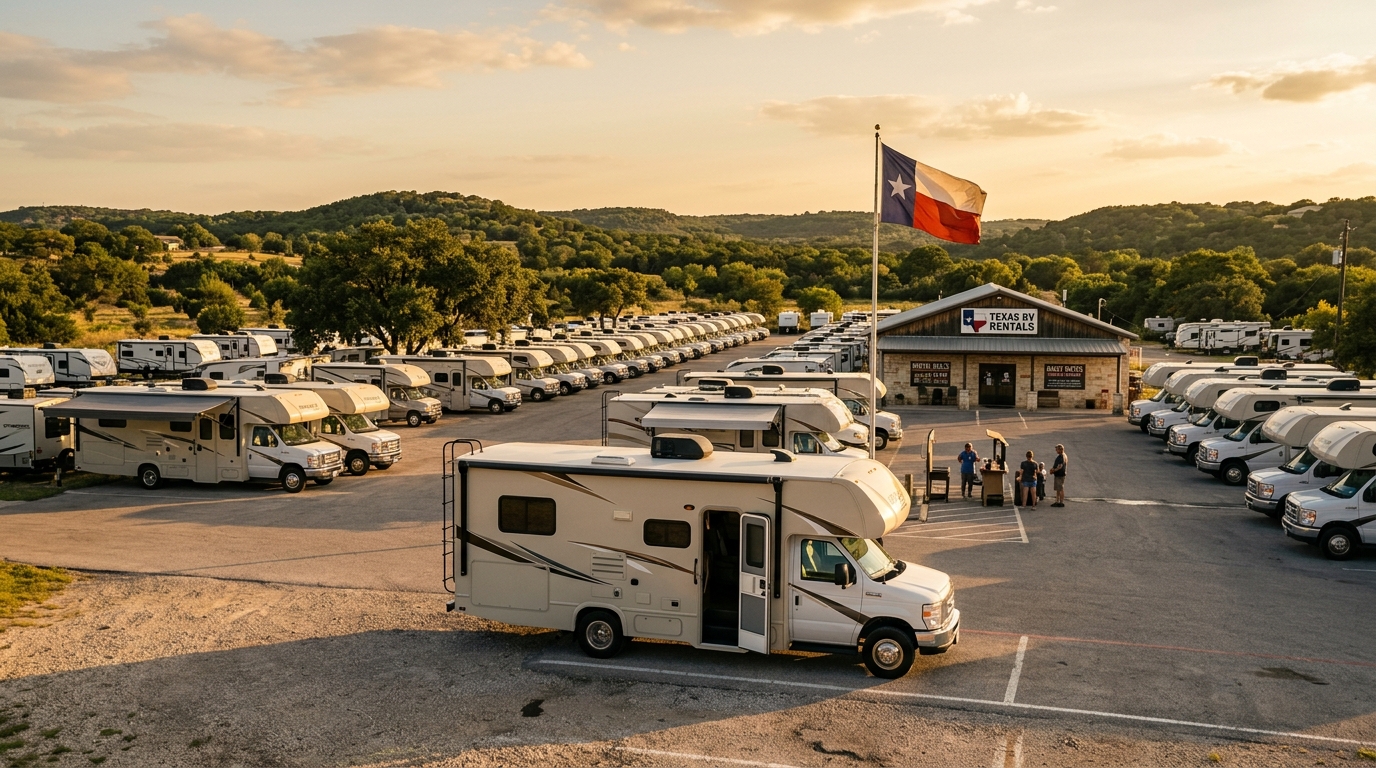
Imagine yourself on the open road, the wide-open Texas sky stretching before you, all the comforts of home right there with you. That's the magic of a winter RV rental in Texas! Whether you're chasing mild temperatures along the Gulf Coast or exploring the vast landscapes of West Texas, embarking on an adventure with a rented motorhome offers unparalleled freedom and flexibility. As true RV specialists, we at Bandana RV have been helping tens of thousands of travelers explore the world since 2001, providing full price transparency and 24/7 support from real people to ensure your journey is seamless. For live availability and current prices, start with our RV Rental Texas - Complete Guide 2026 guide.
Can You Drive an RV in Texas? License & Age Rules
Most recreational vehicles (RVs) under 26,001 pounds Gross Vehicle Weight Rating (GVWR) can be driven in Texas with a standard Class C driver's license. This applies to all Class A, Class B, and Class C motorhomes that Bandana RV offers for rent, meaning no special commercial driver's license (CDL) or additional permits are typically required for your rental. The minimum driving age for a motorhome rental in Texas is 21 years old across our partner suppliers, and you'll find no young driver surcharges or vehicle class restrictions based on age, making it accessible for a wider range of adventurers. Foreign drivers are strongly advised to carry an International Driving Permit (IDP) along with their valid home country license to ensure smooth travel, though it is not strictly mandatory in all cases. Our goal is to make renting an RV in Texas as easy and safe as possible, so you can focus on the adventure ahead.
Road Conditions & Terrain in Texas
Texas features diverse road conditions and terrain, from the flat, well-maintained interstate highways that crisscross the state to the winding, hilly roads of the scenic Hill Country and coastal routes, all generally suitable for motorhome travel. Road quality is typically excellent on major routes like I-10 or I-35, but rural or secondary roads can vary, sometimes featuring gravel or less pavement, especially as you venture into more remote areas like Big Bend. Winter RV renters should be mindful of potential icy patches or light snowfall, particularly in North Texas and the Panhandle regions during cold fronts, but these events are usually short-lived and manageable. We always encourage slow, scenic driving, max 100-150 km per day on average, especially when traversing the elevation changes in West Texas mountains or the numerous river crossings in the Hill Country, allowing you to truly connect to the culture, the food, and the scenery.
RV Size Limits, Bridges & Restricted Zones
Texas's extensive road network generally accommodates all standard motorhome and campervan sizes without issue, providing ample opportunity for exploration. The standard legal height limit for vehicles in Texas is 14 feet, so it's always wise for RV drivers to check their specific rental vehicle's height and be cautious of low bridges or overpasses, particularly in older urban areas or state parks. Motorhomes typically have a length limit of 45 feet. Importantly, when driving a rented RV, you can drive slowly and carefully, and you can drive almost anywhere without issues. No need to stress - just use common sense and pay attention. While environmental zones are not common for RVs in Texas, drivers should be aware of weight restrictions on certain local bridges and specific ferry limits, such as those for the Galveston-Bolivar Ferry. Our detailed booking process helps you choose the right vehicle, like an "rv rentals example Comfort Class" which is a large RV, for your planned route, ensuring no surprises.
Fuel: Diesel vs. Petrol & Cost per 100 km
Rented RVs in Texas utilize both diesel and petrol (gasoline), with larger Class A and C motorhomes often running on diesel, while Class B campervans and smaller units typically use petrol. Fuel availability is widespread across Texas, with numerous stations, but planning ahead for refueling stops is advisable in more remote areas like West Texas or the Panhandle, where distances between towns can be significant. Bandana's global fleet averages for fuel consumption include Class SI (Semi-integrated) at 10–11 Liter/100 km, Class C (Alcove) at 10–12 Liter/100 km, Class B (Camper Van) at 8–10 Liter/100 Km, and Class A (Integrated) at 8–12 Liter/100 Km. While specific costs fluctuate, travelers should budget for fuel as a significant expense; checking current petrol and diesel prices locally and considering the vehicle's fuel efficiency, like an "rv rentals utah example Sunrise Escape" at 20-25 Liter/100 km, is essential for RV PLANET routes to itemize and track every expense along the way for easy budgeting. On the routes offered through RV PLANET routes, you can itemize and track every expense along the way for easy budgeting.
Tolls, Vignettes & Border Rules
Texas employs an extensive electronic toll road system, particularly around major metropolitan areas like Houston, Dallas, Austin, and San Antonio, with no traditional toll booths for cash payments. Renting an RV means you should acquire a TxTag, TollTag, or EZ TAG for seamless travel and to avoid higher pay-by-mail rates, as these electronic systems are the primary method of payment in Texas. These tags can typically be acquired online or at various retail locations. Vignettes, common in some European countries, are not required or used for driving in Texas. While Texas borders Mexico, driving a rented RV into Mexico typically requires specific permits, insurance, and compliance with Mexican vehicle import laws, which are generally not covered by standard US RV rentals; domestic travel within the US is recommended for hassle-free trips, offering plenty of incredible destinations.
Driving Tips for Winter RV Rental Travelers
When embarking on a winter RV rental adventure in Texas, monitoring local weather forecasts diligently is crucial, especially for northern and western Texas, as cold fronts can bring sudden ice or light snow that affects road conditions. Maintain a safe speed and increase following distance, particularly on potentially slick roads during winter, and brake gently to prevent skidding. Always ensure your rental RV's tires are properly inflated for cold weather, as tire pressure can drop with temperature, and carry an emergency kit including blankets, flashlights, non-perishable food, and a first-aid kit. To prevent the RV's water systems from freezing, especially during overnight lows that dip below zero degrees Celsius, ensure tanks are heated, insulated, or consider simple winterizing steps such as draining tanks if not using water hookups and temperatures are consistently low. Plan frequent stops, perhaps every two hours for families, to stretch, refresh, and check vehicle conditions, contributing to a safer and more enjoyable winter journey through the Lone Star State.
Recommended RV Class for Texas Roads
Most motorhome classes are well-suited for navigating Texas's diverse road network, offering comfortable and enjoyable travel experiences. Class SI (Semi-integrated) and Class C (Alcove) motorhomes strike an excellent balance of comfort and maneuverability for Texas roads. For instance, a Class SI RV, with an average length of 6.9 meters and sleeping for 3-4 people, provides ample space for couples or small families while remaining nimble enough for varied terrains. A Class C (Alcove) motorhome, typically around 7.5 meters in length and accommodating 4-5 adults, offers more sleeping capacity and amenities, ideal for families or longer trips without feeling overly cumbersome. If you’re considering a larger vehicle, like a "cruise america rv rental example Explorer" which sleeps 4 and has a 7.1m length, rest assured that Texas roads are generally accommodating. For those prioritizing agility and ease of parking in urban centers or tighter state parks, a Class B (Campervan), averaging 5.8 meters in length like the "2 Berth Hi Top", is an excellent choice. With Bandana RV, you'll find direct partnerships with over 50 leading RV suppliers worldwide, including popular names like El Monte and Cruise America, giving you a vast selection to choose from.
Should I Choose a Compact Van Instead of a Large RV in Texas?
While larger motorhomes provide enhanced comfort and extensive amenities for extended stays, opting for a compact van, such as a Class B Campervan, in Texas is advantageous for travelers prioritizing maneuverability, easier parking, and exploring tighter city areas or more remote, less developed campsites. Texas's major roads and highways are well-equipped to handle all RV sizes, meaning the choice between a compact van and a larger RV often comes down to personal preference for space versus agility. Compact vans, exemplified by a "rent an rv for a week example Active Classic" (RV size - Small, with shower and toilet), excel in urban environments like Austin or San Antonio, allowing for easier navigation through city streets and finding parking closer to attractions. Larger rented RVs, such as Class A or C motorhomes, are generally preferred for families, longer trips, or those seeking extensive indoor living space, full kitchens, and larger bathrooms, providing a comfortable 'home-away-from-home' experience during your Texas road trip.
Can I Park Anywhere? Free & Wild Camping Rules in Texas
While Texas does not broadly permit 'wild camping' or boondocking on private land without explicit owner permission, opportunities for free overnight RV parking are available on designated public lands and some commercial properties. National Forests in Texas, such as Sam Houston National Forest, Davy Crockett National Forest, Angelina National Forest, and Sabine National Forest, offer dispersed camping areas where motorhomes can park for free, adhering to specific forest regulations and Leave No Trace principles. Many large retail chains, including Walmart and Cabela's, often allow overnight RV parking in their lots; however, it is crucial to always ask permission from store management beforehand. Rules vary significantly by region and specific jurisdiction, so always check local regulations and follow local law before parking overnight, as trespassing laws are strictly enforced throughout Texas, especially near towns. For finding campsites and campgrounds during your trip, we recommend using RV PLANET (rvplan.net) - a great resource for locating available spots along your route.
Can I Drive an RV Into the City Center? Heights, Tunnels & Local Signage
Yes, rented RVs can generally be driven into Texas city centers, but drivers must exercise vigilance by paying close attention to local signage indicating height restrictions, low bridges, parking limitations, and specific zones. While most main thoroughfares are clear and well-marked for all vehicle sizes, older parts of cities like San Antonio or Galveston may have narrower streets or historical bridges with lower clearances. Always be aware of your RV's exact height, width, and length, and watch for signs indicating tunnel clearances or residential-only parking areas. Finding suitable parking for larger motorhomes in bustling city centers can be challenging, so consider parking on the outskirts and using public transportation or a towed vehicle to explore the city's attractions. Remember, driving slowly and carefully allows you to navigate almost anywhere without issues.
How Much Does an RV Trip Cost in Texas? Budgeting & Comparison
The total cost of a winter RV trip in Texas varies significantly, encompassing rental fees, fuel, campground expenses, food, and activities, often presenting a more flexible budget compared to traditional hotel stays. RV rental costs depend on the vehicle class (e.g., a "Patagonia Camper 4x4 double cab" Class TC - Truck Camper vs. a Class C motorhome), duration (e.g., a two-week adventure versus a week-long trip), and time of year, with winter rentals potentially offering more competitive daily rates, often starting from around $100-$150, than peak summer seasons. Fuel will be a major expense, with Bandana's fleet averaging 8-17 liters per 100 km depending on the RV class; budgeting for current petrol/diesel prices is essential, and prices are dynamic, changing daily. Campground fees range from $10-$30 per night for Texas State Parks to $30-$70+ for private RV resorts, offering various amenities and locations. A rented RV offers significant savings on dining by allowing travelers to prepare delicious meals in their onboard kitchen (check out our RV-friendly recipes playlist), significantly reducing costs compared to eating out for every meal. For transparent pricing and comparison, use Bandana RV, where we compare final prices across 50+ suppliers so you don't have to, ensuring no hidden fees or surprises.
What are the Best Free Camping and Boondocking Spots in Texas?
For free RV camping and boondocking in Texas, prime locations include designated dispersed camping areas within the four National Forests: Sam Houston, Davy Crockett, Angelina, and Sabine. These National Forests allow motorhomes to camp for free outside of developed campgrounds, requiring adherence to specific forest service regulations (such as stay limits, typically 14 days) and Leave No Trace principles. Certain Army Corps of Engineers (COE) lakes and lands across Texas may also offer primitive, free camping options, though availability and specific rules vary, so always check their websites. Informal overnight parking, often without amenities, can be found with permission in the parking lots of large retailers (e.g., Walmart, Cabela's) or at truck stops, which are particularly helpful for a quick stopover during a long travel day. Always respect posted signs, ask permission when applicable, and leave no trace of your stay. Looking for an even more affordable trip? Explore "Cheap RV Rental in Texas - Budget Guide 2026" for more tips.
Are There Specific Texas Laws for RV Living and Residency?
Texas does not have specific laws uniquely governing full-time RV living; instead, RVers must comply with standard state vehicle registration, insurance, and residency requirements applicable to all residents. For those considering an extended road trip or a long-term rental, establishing Texas residency involves steps such as obtaining a Texas driver's license, registering vehicles in the state, and establishing a mailing address. Texas is considered a favorable state for full-time RVers due to its lack of state income tax and a relatively straightforward process for establishing domicile, but this article focuses on RV rentals for vacation travel. It is crucial for long-term RV residents to ensure their vehicles are properly insured and registered according to Texas Department of Motor Vehicles regulations, just as any visitor with a rented RV should have appropriate rental insurance coverage. Bandana RV offers top-level deductible reimbursement as an optional upgrade for extra peace of mind, supporting you before, during, and after your booking.
When is the Best Time to RV in Texas? Seasonal Travel Guide
The optimal time for a winter RV rental in Texas generally spans from November to March, offering cooler, more comfortable temperatures ideal for outdoor activities and avoiding summer's intense heat. South Texas, including the Gulf Coast and Big Bend region, experiences mild winters, making it an excellent destination for those seeking to escape colder climates, with daytime temperatures often in the pleasant 60s and 70s Fahrenheit (15-25°C). Central Texas (Hill Country) during winter offers pleasant temperatures for hiking and exploring charming towns like Fredericksburg, though early mornings can be frosty. Northern Texas and the Panhandle can experience cold snaps, including freezing rain and occasional light snow, making proper RV winterization and diligent weather monitoring essential in these areas. You'll find that many national and state parks reserve only 25-30% of spots for advance booking, with the rest available first-come-first-serve, so you'll find a spot; if not at the first campground, then the next one. Just call ahead before driving! Discover more details in our "RV Rental in Texas - Prices and Best Deals 2026" guide.
What are the Best RV Itineraries and Scenic Routes in Texas?
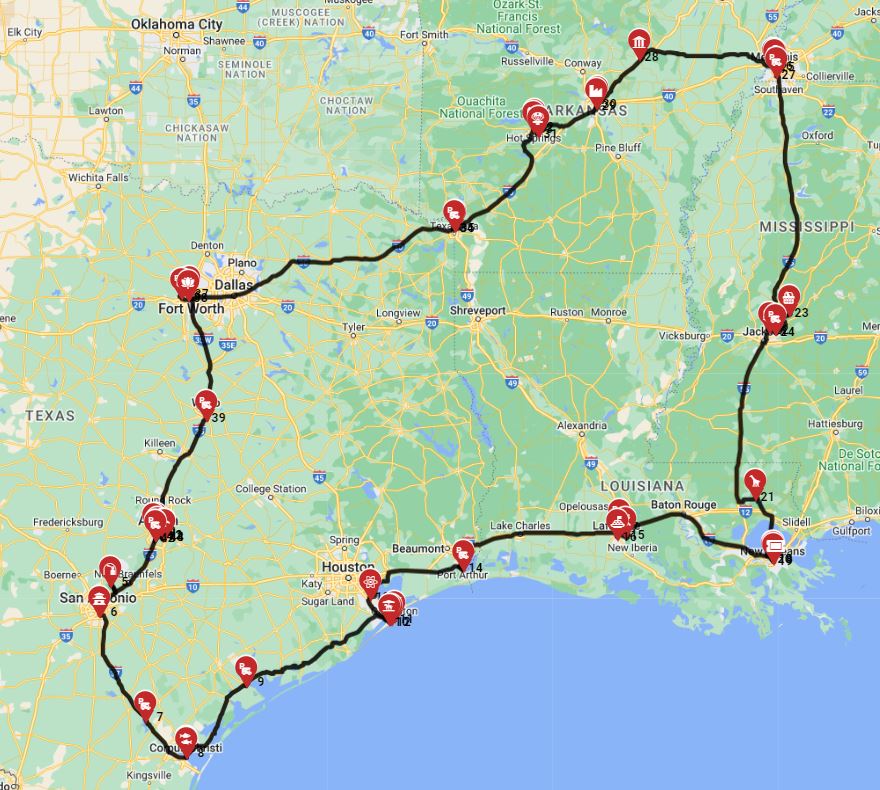
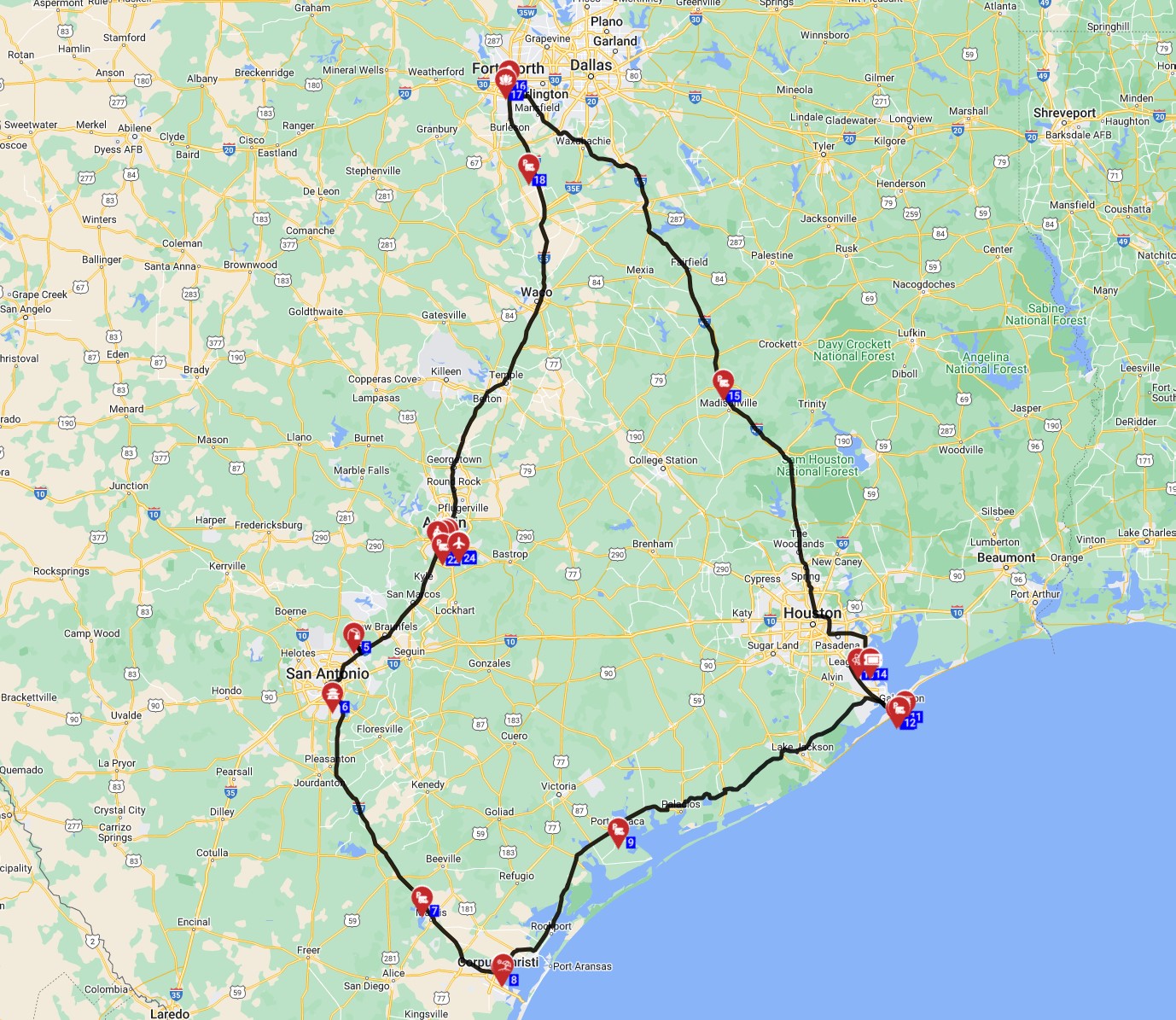
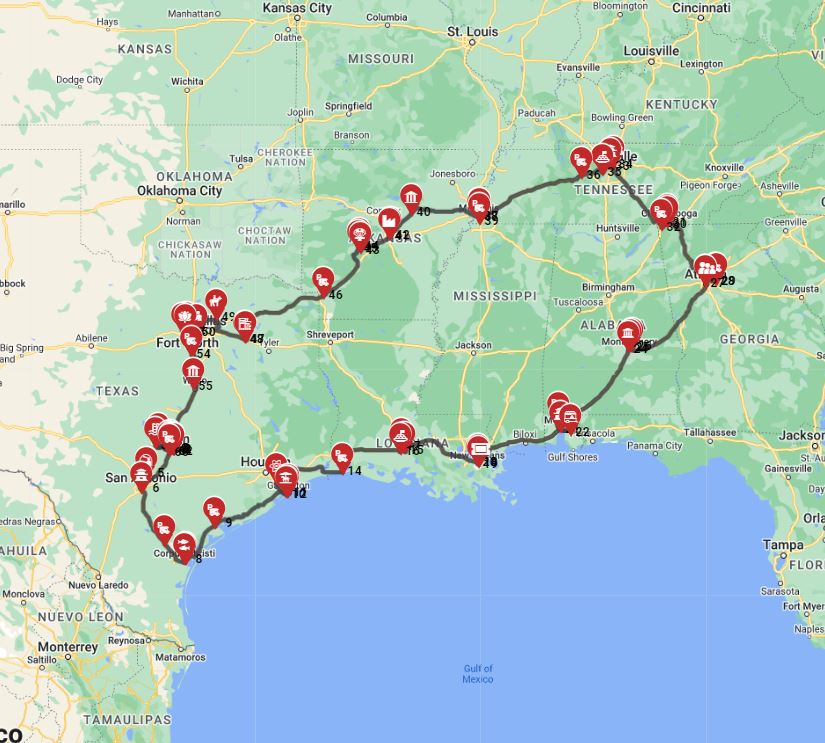
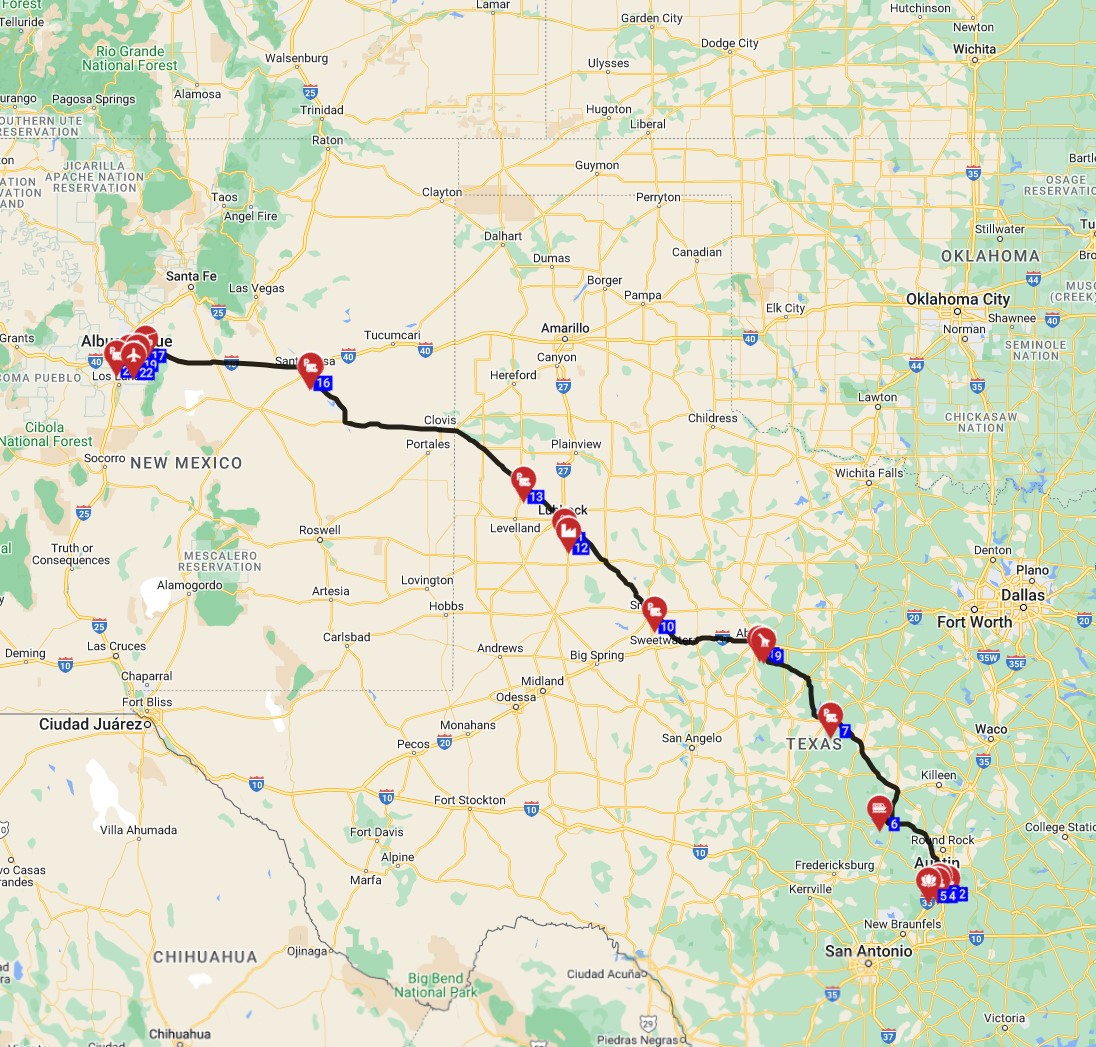
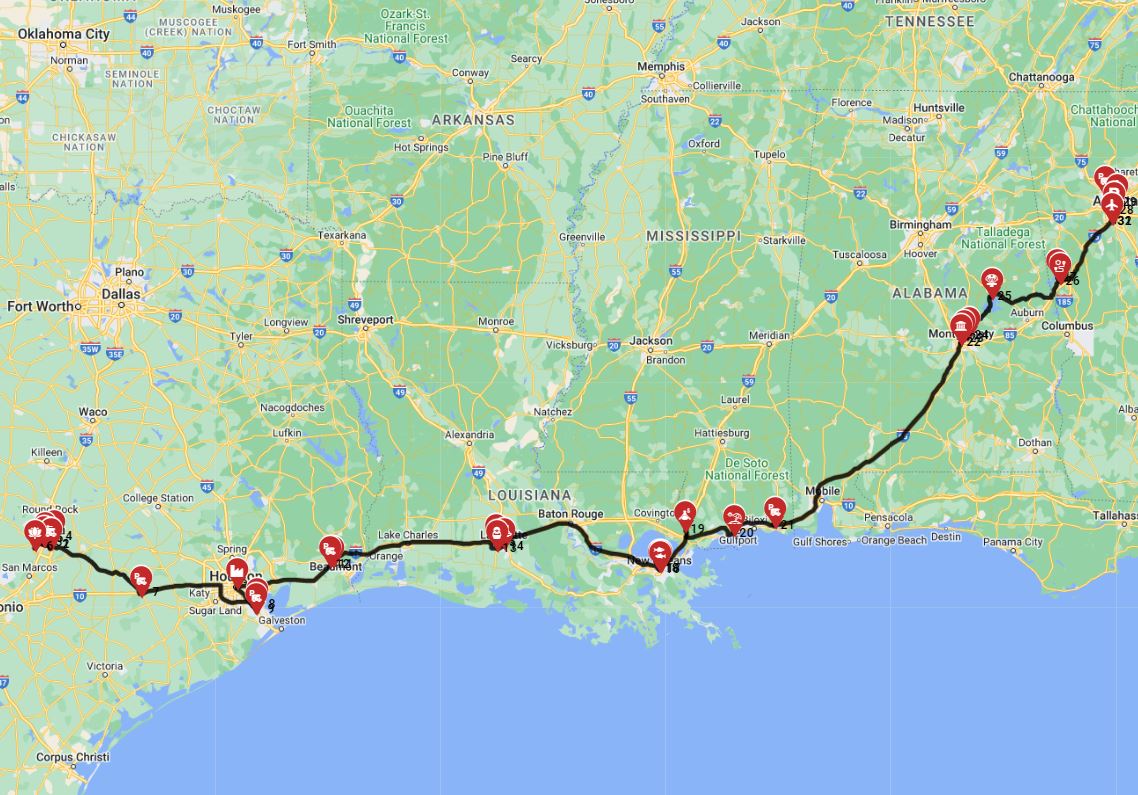
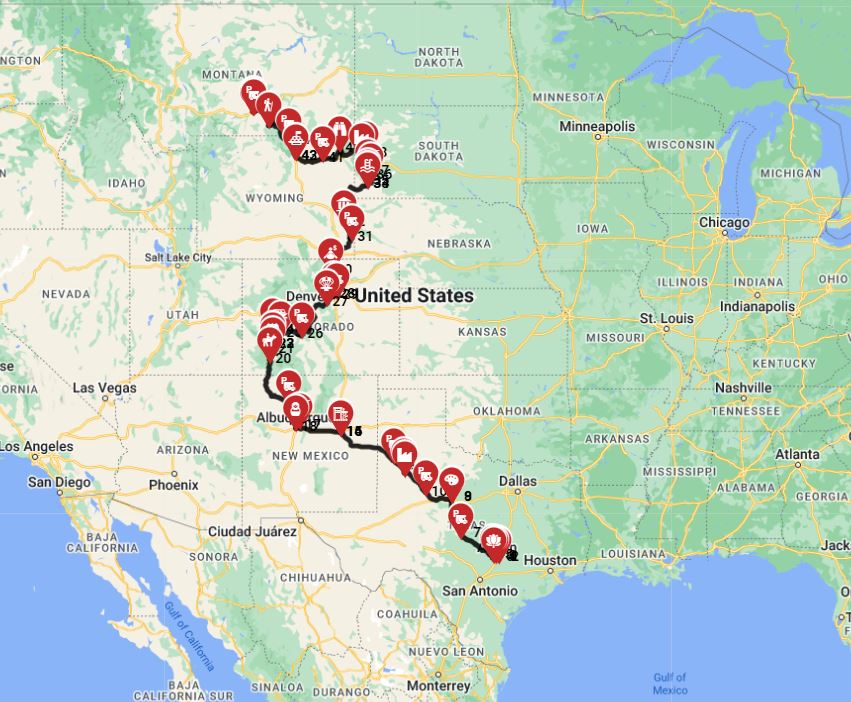
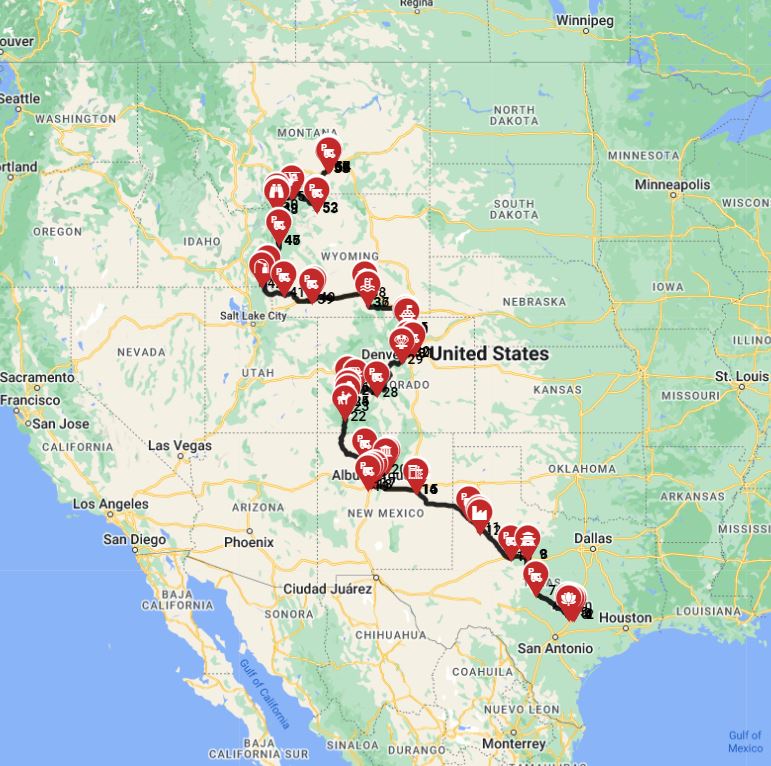
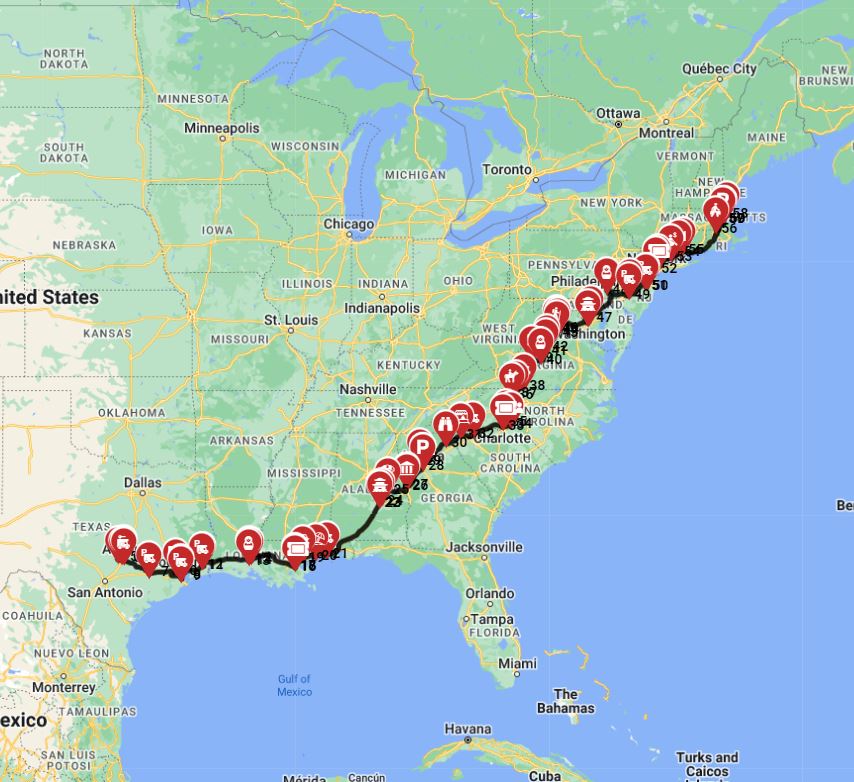
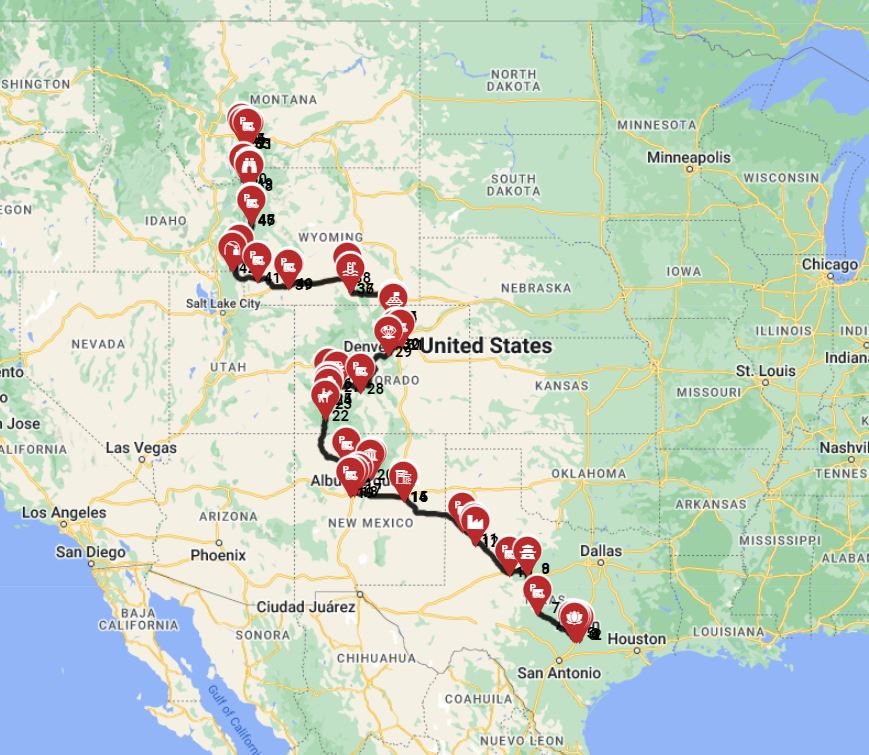
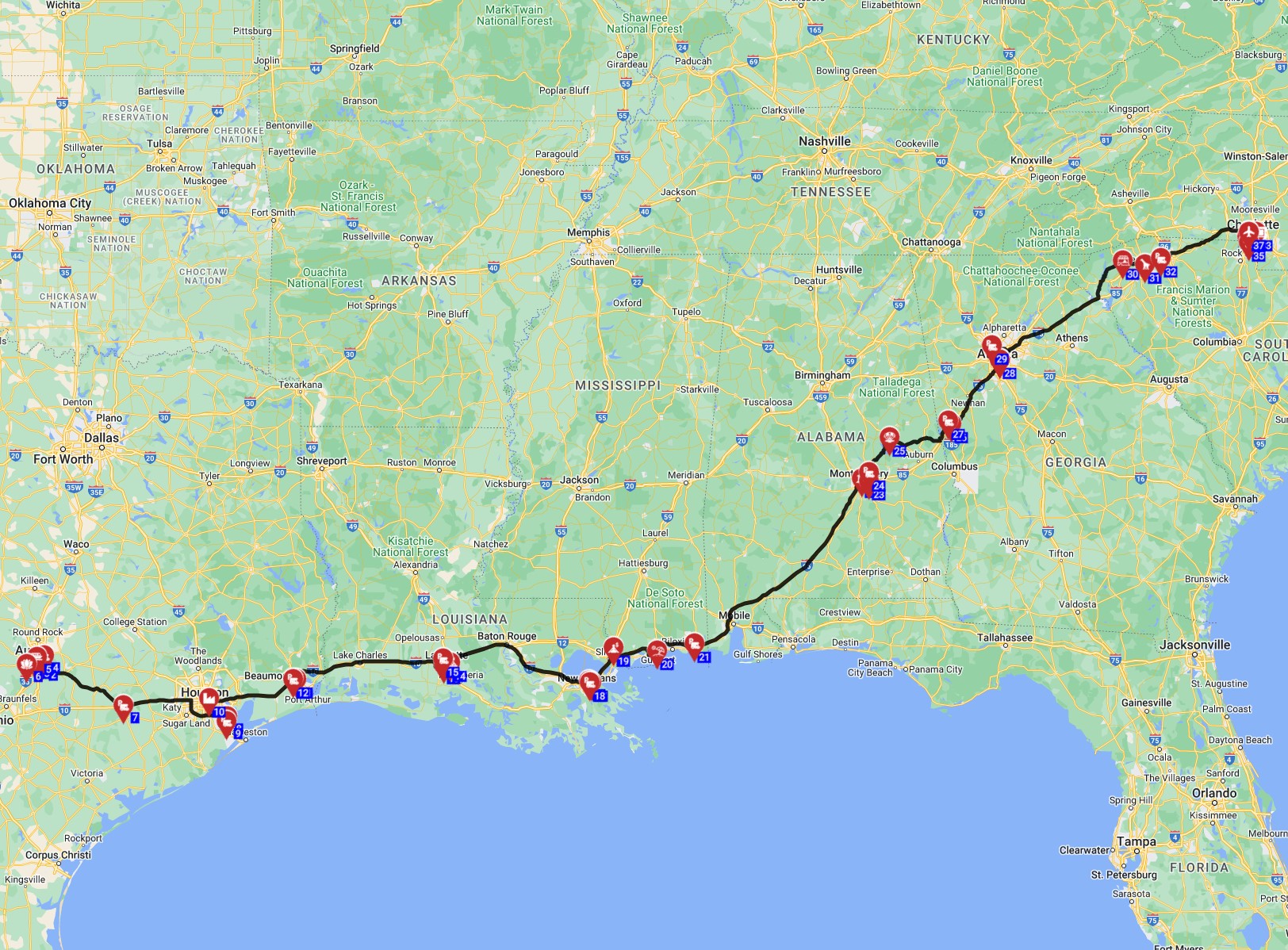
Texas offers diverse and memorable RV itineraries, perfect for exploring by rented motorhome. One popular route takes you through the dramatic landscapes of Big Bend National Park in West Texas, which demands careful planning for its remoteness and offers rugged backcountry camping and stunning night skies. Another beloved journey is through the Texas Hill Country, featuring scenic drives through rolling hills, vineyards, and historic German towns like Fredericksburg, perfect for leisurely exploration. The Gulf Coast provides a unique coastal drive experience, featuring beaches, birding opportunities, and historic sites like Galveston Island, ideal for warmer weather or mild winters. For a taste of East Texas's lush forests and lakes, the Piney Woods Loop offers serene routes, charming small towns, and numerous state parks. For pre-planned routes by professionals, Bandana offers "Rent&Plan" options through our sister company, RV PLANET (rvplan.net), providing over 1,300 curated routes across 5 continents, and you get a 25% planning discount when you use it. One such option is the "

What Unique Texan Experiences Can I Have on an RV Trip?
An RV trip through Texas provides unparalleled access to unique Texan culture, from savoring authentic BBQ in legendary towns like Lockhart to enjoying live music in Austin's vibrant venues or the historic Gruene Hall. Immerse yourself in history by visiting iconic landmarks such as The Alamo and various Spanish missions in San Antonio, or explore NASA's Johnson Space Center near Houston. Beyond major attractions, a rented RV allows for spontaneous stops at roadside eateries serving Tex-Mex, kolaches, or chicken-fried steak, truly experiencing the state's diverse culinary landscape. You can also discover hidden gems in charming small towns, including local art galleries, quirky shops, and regional festivals that showcase Texan hospitality and heritage. Consider a "hire campervan example Paradise S/T" for a comfortable base for your culinary adventures. Don't forget to look at our "RV Rental USA - Complete Guide 2026" for broader ideas if you're planning to extend your road trip beyond Texas.
Looking for expert insights from Avi Bandana? Top 5 Adventures - recommendations from Avi Bandana
- Big Bend National Park Exploration: Dive deep into the Chisos Mountains and desert landscapes. Avi suggests dedicating at least 4-5 days to truly experience its vastness, including hiking to the South Rim for breathtaking views.
- Texas BBQ Trail Road Trip: Embark on a gastronomic journey through Central Texas. Avi recommends starting in Lockhart, the "BBQ Capital of Texas," and hitting iconic spots like Kreuz Market and Smitty's Market for authentic brisket and sausage.
- Hill Country Wineries & Towns: Explore the rolling hills and charming towns. Avi's top picks include Fredericksburg for its German heritage and wineries, and Gruene for its historic dance hall and river tubing.
- Galveston Island Coastal Escape: Enjoy a mix of history, beaches, and wildlife. Avi suggests visiting the historic Strand District, Moody Gardens (especially the aquarium), and taking a dolphin-watching cruise.
- Palo Duro Canyon State Park Hike: Discover the "Grand Canyon of Texas." Avi recommends hiking the Lighthouse Trail for its iconic rock formation and enjoying scenic overlooks, a perfect stop for outdoor enthusiasts.
Is RV Travel in Texas Pet-Friendly? Rules & Parks
RV travel in Texas is largely pet-friendly, with numerous state parks and private campgrounds welcoming furry companions, though specific regulations regarding leashes, restricted areas, and fees always apply. Most Texas State Parks permit leashed pets (leashes up to 6 feet long) in campgrounds, day-use areas, and on many trails, but generally prohibit them inside buildings for health and safety reasons. National Parks like Big Bend have stricter pet policies, typically restricting pets to roads, developed campgrounds, and certain paved trails, not allowing them on backcountry trails for wildlife protection. Private RV parks and resorts vary widely in their pet policies, with some having breed restrictions, weight limits, or designated pet areas, so checking ahead is essential before booking. Always clean up after your pet and ensure they are well-behaved to maintain a positive experience for everyone. Many of our rented motorhome options, like the "24' Class C Motorhome", are noted as pet friendly.
What is Cell Service and Wi-Fi Like in Remote Texas RV Locations?
Cell service and Wi-Fi availability in remote Texas RV locations, particularly in vast areas of West Texas (like Big Bend National Park and Big Bend Ranch State Park) or isolated parts of the Hill Country, can be unreliable or completely nonexistent. Major carriers like Verizon and AT&T generally offer the best coverage across the state, but even their signals can drop off significantly outside urban centers and along less-traveled routes. Travelers planning a winter RV rental adventure should prepare for limited connectivity by downloading maps, entertainment (movies, music), and essential information offline before heading into remote areas. For emergency use or essential communication, especially if extensive remote travel is planned, consider bringing a dedicated Wi-Fi hotspot or even a satellite communication device. Having a backup plan for navigation and communication ensures a safer and more enjoyable journey, even in the most secluded corners of Texas. Need more options for remote travel? Consider "Luxury RV Rental in Texas - Premium Prices 2026" for rentals often equipped with advanced connectivity options.
Final Thoughts
Embarking on a winter RV rental adventure in Texas promises a unique blend of diverse landscapes, rich culture, and the unmatched freedom that only a motorhome can offer. From the sun-kissed beaches of the Gulf Coast to the dramatic peaks of Big Bend, Texas truly offers something for every traveler seeking an extended road trip. Remember to travel slowly, allowing yourself to soak in the local flavor, the delicious food, and the stunning scenery, averaging no more than 100-150 km per day.
With Bandana RV, you're not just renting a vehicle; you're gaining a supportive partner dedicated to making your journey seamless. We’re here with you every step of the way, ensuring every detail is covered so you can focus on creating unforgettable memories. Discover top destinations and planning tips all in one place with Bandana RV.
So, why wait? Plan your trip itinerary in advance with minimal effort and maximum enjoyment. Your Texan winter adventure in a rented campervan awaits!