In This Guide
- Can You Drive an RV in Stuttgart? License & Age Rules
- What is winter like in Stuttgart?
- Road Conditions & Terrain in Stuttgart
- RV Size Limits, Bridges & Restricted Zones in Stuttgart
- Recommended RV Class for Stuttgart Roads
- Should I Choose a Compact Van Instead of a Large RV in Stuttgart?
- Fuel: Diesel vs. Petrol & Cost per 100 km in Stuttgart
- Tolls, Vignettes & Border Rules from Stuttgart
- Driving Tips for Winter RV Rental Travelers in Stuttgart
- What are the winter driving requirements in Germany?
- Can you drive an RV in the winter?
- Are diesel cars allowed in Stuttgart?
- Can I Park Anywhere? Free & Wild Camping Rules in Stuttgart
- Can I Drive an RV Into the City Center? Heights, Tunnels & Local Signage
- Can you sleep in service stations in Germany?
- How to get usareur driver's license?
Imagine yourself embarking on a cozy winter adventure, with the enchanting Christmas markets of Stuttgart as your starting point. Renting a motorhome for a winter trip in Stuttgart, Germany, offers a unique blend of comfort and exploration, allowing you to experience the region's festive charm and snowy landscapes at your own pace. With Bandana Caravan, we specialize in making these dreams a reality, providing you with transparent pricing and unwavering support before, during, and after your booking.
For live availability and current prices for your winter escape, start with our RV Rental Stuttgart - Complete Guide 2024. This guide is designed to provide you with all the essential information to navigate the city and its stunning surroundings during the colder months, ensuring a smooth and memorable journey. We know RV travel inside and out, and we're here to share our expertise, so you can discover the joy of the open road in winter with full peace of mind.
Can You Drive an RV in Stuttgart? License & Age Rules
Yes, you can absolutely drive a rented RV in Stuttgart, and Germany’s licensing system is straightforward for most motorhome classes. A standard European B driving license allows operation of RVs up to 3,500 kg, which covers many popular campervans and smaller Class C motorhomes. For larger RVs exceeding 3,500 kg but not over 7,500 kg, a C1 license is required, while a C license is needed for vehicles over 7,500 kg, though most rental motorhomes fall under the standard B license limits. Drivers from non-EU countries, including the US, generally need an International Driving Permit (IDP) in addition to their valid national license for driving in Germany, even if it's not strictly mandatory in all cases, it is highly recommended for ease of communication with authorities. The minimum age to rent and drive an RV in Germany is typically 21 years old, and Bandana Caravan offers transparent booking without any young driver surcharges or vehicle class restrictions based on age, making winter RV travel accessible to a wider audience.
What is winter like in Stuttgart?
Winter in Stuttgart typically runs from December to February, characterized by cold temperatures and potential for snow and ice, creating a picturesque European atmosphere. Average daytime temperatures often hover around freezing, generally between 0-5°C (32-41°F), dropping below zero at night, with occasional dips to -10°C (14°F) or colder during severe cold spells. While heavy snowfall isn't a constant occurrence, light snow showers are common, especially in December and January, sometimes leading to beautiful white landscapes perfect for a cozy winter rv rental adventure. The city's hilly terrain, particularly around the 'Kessel' (valley), can experience localized icy conditions, necessitating careful driving and well-equipped vehicles, which is why appropriate winter tires are a must.
Road Conditions & Terrain in Stuttgart
Stuttgart's road infrastructure is generally excellent, featuring well-maintained highways (Autobahnen) and regional roads that make RV travel efficient and comfortable. The city itself is uniquely characterized by its hilly terrain, known as the "Kessel" (boiler), which features steep inclines, winding roads, and numerous tunnels that require careful navigation, especially for a rented motorhome. During winter, roads can be subject to snow and ice, particularly in higher elevations or during colder spells, demanding slower speeds and mandatory appropriate winter tires. While urban areas can be dense, rented RVs are generally manageable on Stuttgart's main arteries, though navigating smaller side streets can be challenging for larger vehicles; just drive slowly and carefully, and you can drive almost anywhere without issues. No need to stress - just use common sense and pay attention.
RV Size Limits, Bridges & Restricted Zones in Stuttgart
Stuttgart has an 'Umweltzone' (environmental zone) in its city center, requiring a green environmental sticker (Grüne Plakette) for most vehicles, including rented RVs, to enter, helping to keep the city air cleaner. Most modern RVs, typically those meeting Euro 4 emissions standards or higher, qualify for the green sticker, which can be easily purchased online or at vehicle inspection stations like TÜV or Dekra before your trip. While Germany has no general height restrictions that universally impede RV travel, drivers must always observe specific signage for low bridges, tunnels, and parking garages, particularly within urban areas like Stuttgart. The city’s hilly geography includes various tunnels, so paying attention to maximum vehicle height signs before entering is crucial, though standard RVs typically pass without issue. For instance, the B10 road through the city center has several tunnels, all clearly marked. Drive slowly and carefully, and you can drive almost anywhere without issues. No need to stress - just use common sense and pay attention.
Recommended RV Class for Stuttgart Roads
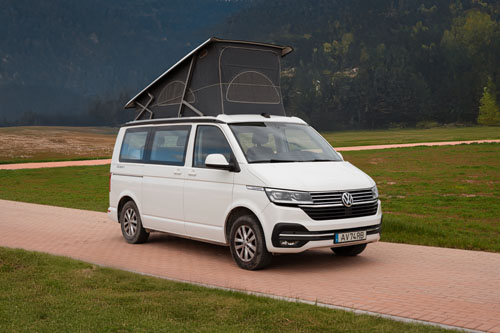
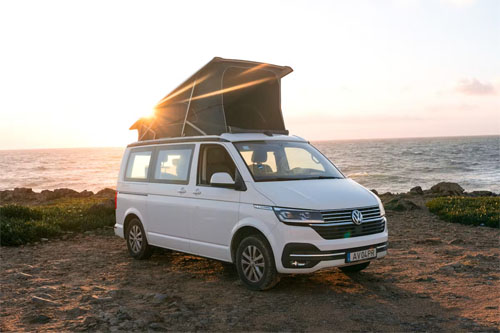
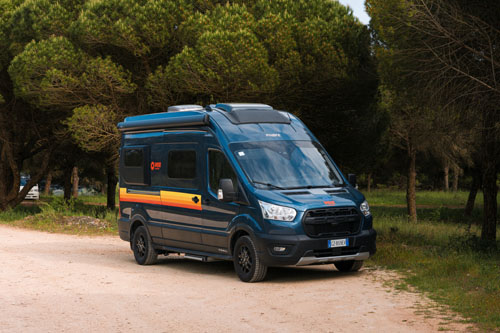
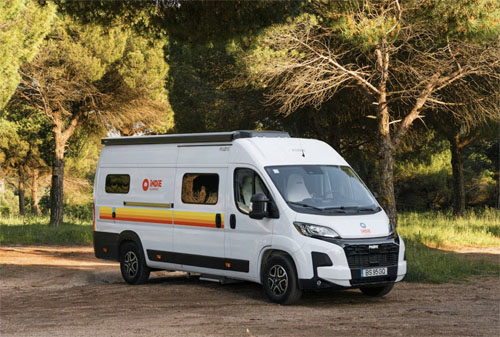
For navigating Stuttgart's city streets and surrounding regional roads, Class B - Camper Vans and Class SI - Semi-integrated RVs are highly recommended due to their optimal balance of size and comfort. Class B - Camper Vans, with an average length of about 5.3 meters, such as the "Active Classic" or "Juliette 2-3", offer excellent maneuverability for urban exploration and easier parking in tighter spots. Class SI - Semi-integrated RVs, averaging around 6.7 meters in length, like the "2 Berth Rover" or "Active Standard", provide a comfortable amount of interior space and drivability, making them suitable for both city access and scenic routes around the Swabian Alb. While larger Class C (Alcove) and Class A (Integrated) motorhomes, such as a "Glamys 265" which typically measures around 7 meters, can certainly be driven, their greater length may make urban parking and navigating tight turns more challenging. Ultimately, the best RV class for your winter rv rental in Stuttgart depends on your group size and desired comfort level.
Should I Choose a Compact Van Instead of a Large RV in Stuttgart?
While a compact campervan certainly offers superior maneuverability for tight city centers and narrow mountain roads, a larger rented RV generally presents no significant driving issues in Stuttgart, especially if you follow our guidance. The trade-off often lies between the absolute ease of parking a compact van and the increased comfort, generous living space, and extensive amenities a larger motorhome provides, which can be particularly valuable for extended winter travel when you spend more time indoors. Stuttgart's main roads and overall accessibility for RVs are generally good, meaning you can often prioritize indoor space and comfort without major driving compromises. Consider a compact van like the "Active Pop Top" if your primary focus is extensive inner-city driving and fitting into standard parking spaces, but choose a larger RV for a more comfortable and spacious experience, especially for longer winter trips with family, where a cozy interior and space for cooking elaborate meals, perhaps from our RV-friendly recipes playlist, can make a real difference.
Fuel: Diesel vs. Petrol & Cost per 100 km in Stuttgart
Most rented RVs in Germany, including those from Bandana’s fleet, primarily run on diesel fuel, which is widely available at service stations under the label 'Diesel' or 'Super Diesel'. Petrol ('Super E5' or 'Super E10') is also readily accessible for smaller campervans or any petrol-powered vehicles you might encounter. Based on Bandana's local fleet data for Stuttgart, a Class B - Camper Van typically consumes around 6.3 Liters per 100 km, offering good fuel efficiency for your adventures. Fuel costs fluctuate daily, similar to flight tickets, but travelers should budget approximately €10-€15 per 100 km for diesel, depending on current market prices and the specific efficiency of their rented vehicle. When planning your route, remember that RV PLANET routes allow you to itemize and track every expense, including fuel, for easy budgeting. On the routes offered through RV PLANET routes, you can itemize and track every expense along the way for easy budgeting.
Tolls, Vignettes & Border Rules from Stuttgart
In Germany, passenger vehicles and rented RVs under 3.5 tons do not pay tolls on the Autobahnen (motorways) and do not require a vignette, making travel within the country quite economical. Trucks over 7.5 tons are subject to a usage-based toll system (LKW-Maut), but this generally does not apply to recreational RVs unless they exceed this weight, which is rare for rental vehicles. When planning international trips from Stuttgart with your motorhome, be aware that neighboring countries like Austria and Switzerland do require vignettes or have separate toll systems for motorways, so research these in advance. For a seamless experience, some rental RVs may offer options to pre-purchase toll passes or vignettes for nearby countries, simplifying border crossings and helping you avoid potential fines. For more detailed information on planning routes across borders, check out our RV Rental Germany - Complete Guide 2024.
Driving Tips for Winter RV Rental Travelers in Stuttgart
Successfully navigating a winter RV rental in Stuttgart requires a few key considerations to ensure a safe and enjoyable journey. Firstly, ensure your rented RV is properly winterized, which typically involves checking for antifreeze in water systems, a robust heating system, and adequate insulation to prevent pipes from freezing, all of which our suppliers ensure. Germany legally requires winter tires (M+S or Alpine symbol) during winter conditions, including snow, ice, or black ice, so verify your rental RV is equipped accordingly, a standard feature with reputable providers. Stuttgart’s hilly terrain and potential winter weather demand a slow and steady approach to driving, especially on descents and curves. Always be aware of the "Umweltzone" (environmental zone) signs in urban areas and ensure your RV has the necessary green sticker to avoid fines. For families or groups, plan your stops diligently, scheduling regular breaks every 2-3 hours to stretch, warm up, and use facilities, utilizing dedicated Stellplätze or well-equipped service stations. Remember to travel slowly, max 100-150 km per day on average. Take time to feel the place, connect to the culture, the food, and the scenery.
What are the winter driving requirements in Germany?
Germany legally mandates the use of winter tires, identifiable by the 'M+S' marking or the Alpine symbol (a snowflake within a mountain), during winter weather conditions like snow, ice, or black ice. This is a non-negotiable safety requirement, and reputable rental RVs from Bandana's partners will always come equipped with appropriate winter tires for your journey in Stuttgart. While not universally mandatory, carrying snow chains is advisable, especially if you plan to drive in mountainous regions or foresee heavy snowfall, as some areas may require them. All vehicles in Germany must also carry specific safety equipment, including a reflective safety vest (one per person), a first-aid kit, and a warning triangle, which are typically included with your rented motorhome. These measures ensure your safety and compliance with local regulations during your winter RV adventure.
Can you drive an RV in the winter?
Yes, driving a rented RV in winter is not only possible but can be an incredibly rewarding experience in Germany, provided the vehicle is adequately winterized and appropriate precautions are taken. A properly winterized RV will have insulated water tanks and pipes, a robust heating system, and often features like heated floors or enhanced insulation for optimal comfort in cold temperatures. It's crucial to ensure your RV's water system is protected from freezing, often involving the use of special antifreeze and draining tanks when temperatures drop significantly below zero. Beyond the vehicle itself, drivers must be prepared for winter road conditions, including reduced visibility and potentially icy surfaces, requiring cautious driving and adherence to speed limits. Our rental partners ensure their motorhomes are ready for winter, allowing you to enjoy the snowy landscapes of Stuttgart with confidence.
Are diesel cars allowed in Stuttgart?
Yes, diesel cars, including rented RVs, are generally allowed in Stuttgart, but they must adhere to the city's 'Umweltzone' (environmental zone) regulations. Vehicles entering the Stuttgart environmental zone, which covers a large part of the city center, must display a green environmental sticker (Grüne Plakette) to signify they meet specific emissions standards, typically Euro 4 or higher. Most modern diesel RVs, including many Class B - Camper Vans and Class SI - Semi-integrated RVs in our fleet, will qualify for the green sticker, which can be purchased online or at vehicle inspection centers throughout Germany. Older diesel vehicles that do not meet the required emissions standards may be prohibited from entering the environmental zone, leading to fines if ignored. Always check your vehicle's sticker and the zone boundaries to ensure compliance.
Can I Park Anywhere? Free & Wild Camping Rules in Stuttgart
Wild camping, which generally means overnight parking outside designated areas for an extended period, is largely illegal in Germany and specifically in Stuttgart. While overnight parking to restore driving ability is often tolerated in public parking lots and rest stops for a single night, setting up a full camp with awnings, chairs, or outdoor cooking is not permitted. For legal and comfortable overnight stays with your rented motorhome, you should utilize 'Stellplätze' (dedicated motorhome parking spots), which are abundant in and around Stuttgart. These Stellplätze often provide essential amenities such as electricity, fresh water, and waste disposal, offering a legal, safe, and convenient alternative to wild camping. Always check local regulations, signs, and the terms of your chosen Stellplatz, like the KNAUS Campingpark Stuttgart, before parking overnight to ensure compliance and avoid any issues.
Can I Drive an RV Into the City Center? Heights, Tunnels & Local Signage
Yes, you can generally drive a rented RV into Stuttgart's city center, provided it complies with the environmental zone requirements and you observe all local signage diligently. The primary restriction is Stuttgart's 'Umweltzone' (environmental zone), which mandates a green sticker for vehicle entry to reduce emissions; ensure your motorhome has one. Drivers must pay close attention to local signage indicating height limits for tunnels and parking garages, as well as specific weight restrictions for certain bridges within the city. For instance, the B10 road that traverses the city center has several tunnels, all clearly marked with height restrictions, which standard RVs typically clear. While main routes are accommodating, navigating narrower streets or residential areas might be challenging for larger RVs; using a GPS with RV-specific settings, if available, can be very helpful. Remember to drive slowly and carefully, and you can drive almost anywhere without issues. No need to stress - just use common sense and pay attention.
Can you sleep in service stations in Germany?
In Germany, it is generally permitted to sleep overnight in your rented RV at service stations and rest areas along the Autobahn, but this is specifically for the purpose of 'restoring driving ability' - meaning taking a necessary break from driving. This is typically tolerated for a single night, but it is not considered 'camping'; setting up awnings, chairs, or cooking outdoors is usually not allowed. For longer stays, or to access full amenities like electrical hookups and fresh water, dedicated 'Stellplätze' (motorhome parking spots) or formal campgrounds are recommended and widely available throughout Germany and around Stuttgart. While service stations offer a convenient and safe option for a quick overnight stop, Stellplätze usually provide a more peaceful and amenity-rich experience, often at a modest fee.
How to get usareur driver's license?
For US citizens planning a winter rv rental in Stuttgart, your valid US driver's license is generally recognized in Germany for up to six months, but it must be accompanied by an International Driving Permit (IDP). An IDP is essentially a translation of your national license and can be obtained from AAA or AATA in the United States before your trip. Drivers from EU countries can use their existing national driving license without an IDP, as Germany is part of the European Union. For longer stays beyond six months, non-EU drivers may need to convert their license to a German one, but this is typically not relevant for extended tourist RV rentals, which usually fall within the six-month period. Bandana Caravan ensures you have all the necessary information for a smooth start to your journey.
What You Shouldn't Miss
- Explore the stunning Ludwigsburg Residential Palace, just a short drive from Stuttgart. This Baroque masterpiece and its extensive gardens are beautiful even in winter, with festive lighting during the holidays.
- Visit the world-renowned Mercedes-Benz Museum, showcasing automotive history through an impressive collection of vehicles. Plenty of RV-friendly parking is available.
- Wander through Stuttgart's traditional Christmas markets (Weihnachtsmärkte), which typically run from late November to late December, offering local crafts, Glühwein, and festive treats.
- Take a scenic drive along the Swabian Alb, south of Stuttgart, where winter often drapes the dramatic landscapes and historic castles, such as Hohenzollern Castle, in a blanket of snow.
- Indulge in local Swabian cuisine: hearty Maultaschen (dumplings), Spätzle (egg noodles), and Zwiebelrostbraten (roasted onion steak), perfect for warming up after a day of winter exploration.
- Looking for expert insights from Avi Bandana? Top 5 Adventures - recommendations from Avi Bandana are always crafted to offer unique and memorable experiences for RV travelers.
Final Thoughts
Embarking on a winter RV adventure in Stuttgart is an incredible way to experience Germany's charm, from its bustling Christmas markets to the serene, snow-dusted landscapes. With careful planning and the right rented motorhome, you'll find that winter driving is not only feasible but truly magical. Remember our tips: choose a suitable vehicle size like a Class B Camper Van for city agility, ensure you have proper winter tires, and always be mindful of local traffic and environmental zone regulations.
At Bandana Caravan, we are your trusted RV specialists, dedicated to providing full transparency, 24/7 pre-booking, booking, and post-booking coordination support, and the peace of mind that comes with knowing you're in expert hands. We encourage you to travel slowly, max 100-150 km per day on average. Take time to feel the place, connect to the culture, the food, and the scenery, making every moment of your journey count.
Ready to discover the winter wonders of Stuttgart from the comfort of your own rented motorhome? Get inspired for your next trip and find the perfect vehicle for your adventure today!
Find Motorhome Rentals in Stuttgart