In This Guide
- Can You Drive an RV in Stockholm? License & Age Rules
- Road Conditions & Terrain in Stockholm
- RV Size Limits, Bridges & Restricted Zones
- Fuel: Diesel vs. Petrol & Cost per 100 km
- Tolls, Vignettes & Border Rules
- Driving Tips for winter rv rental Travelers
- Recommended RV Class for Stockholm Roads
- Should I Choose a Compact Van Instead of a Large RV in Stockholm?
- Can I Park Anywhere? Free & Wild Camping Rules in Stockholm
- Can I Drive an RV Into the City Center? Heights, Tunnels & Local Signage
- Are winter tires mandatory in Sweden?
- Can you drive an RV in the winter?
- Can I park my campervan anywhere in Sweden?
- What is the 7 7 rule for winter tires?
- Is Sweden campervan friendly?
- Is it safe to drive in Sweden in winter?
- Can you wild camp in a motorhome in Sweden?
- Do I need a special license to rent a class C RV?
- Can you drive at 15 in Sweden?
- How much does RV insurance cost a year?
Can You Drive an RV in Stockholm? License & Age Rules
Yes, you can drive an RV in Stockholm, and the licensing and age requirements are straightforward for most travelers. Most RVs under 3,500 kg (Maximum Authorized Mass/MAM), including Class B Camper Vans, Semi-integrated (Class SI), and many Class C Alcove models, can be driven with a standard European Class B driving license. For those RVs exceeding 3,500 kg MAM, a Class C1 license is required, which permits driving vehicles up to 7,500 kg. Rental companies typically require drivers to be at least 21 years old, though some may stipulate a minimum age of 25, depending on the RV class and their specific policy, even though the legal driving age in Sweden is 18. If you're an international visitor, drivers from EU/EEA countries can use their national license. Non-EU/EEA drivers should carry a valid national driving license accompanied by an International Driving Permit (IDP), which is recommended for broader recognition.
Road Conditions & Terrain in Stockholm
Stockholm's road infrastructure is generally well-maintained, making RV travel accessible even in winter. However, from November to March, expect conditions that can introduce snow, ice, and slush, necessitating cautious driving. The terrain around Stockholm is primarily urban with coastal routes and forested regions, featuring relatively flat landscapes rather than challenging mountainous passes directly in the city's vicinity. Major roads and motorways are typically cleared promptly after snowfall, but be prepared for narrower secondary roads, especially those leading to rural attractions, which might have compacted snow or ice. A crucial tip for driving outside urban centers is to remain highly vigilant for wildlife, such as moose and deer, particularly at dawn and dusk, as they pose a significant hazard.
RV Size Limits, Bridges & Restricted Zones
When planning your RV journey in Stockholm, be aware of specific regulations for navigating the city. Stockholm implements a congestion tax for vehicles entering and exiting the inner city during weekdays, which applies to all RVs regardless of their size. While Sweden's major roads are RV-friendly, always pay attention to local signage indicating height restrictions, particularly for tunnels and underground car parks within the city. Additionally, environmental zones, known as 'miljözoner,' may apply to older diesel vehicles in central Stockholm; it's essential to confirm your rental RV's compliance to avoid fines. If you plan to explore the archipelago via local ferries, be aware that RV length and weight will influence the fare, so always check with the ferry operator in advance.
Fuel: Diesel vs. Petrol & Cost per 100 km
Most rental RVs in Sweden, including Class B Camper Vans, Semi-integrated (Class SI), Alcove (Class C), and Integrated (Class A) models, run on diesel fuel, which is widely available. Based on Bandana's fleet data, common fuel consumption averages are: Class B Camper Vans at 6-11 Liters/100 Km, Class SI Semi-integrated at 8-12 Liters/100 Km, Class C Alcove at 10-13 Liters/100 Km, and Class A Integrated at 10-12 Liters/100 Km. Fuel prices in Sweden are generally higher than the European average, so it's wise to budget accordingly. You can calculate your estimated cost per 100 km based on current prices and your RV's consumption. Some rental RVs may also include fuel discount cards, offering minor savings at participating stations during your trip.
Tolls, Vignettes & Border Rules
Sweden primarily uses automatic toll systems for specific infrastructure and a congestion tax in urban areas like Stockholm, rather than a vignette system. The Stockholm congestion tax is automatically registered via cameras; invoices are typically sent to the vehicle owner—your rental company—which will then charge you for the applicable fees. Tolls also apply to specific bridges, most notably the iconic Öresund Bridge connecting Sweden to Denmark, as well as the Sundsvall Bridge and Motala Bridge within Sweden. If you plan any cross-border trips, ensure all travelers have valid passports or national ID cards. Some rental RVs may allow you to pre-purchase toll passes for international travel, which can help avoid administrative fees and potential fines. On the routes offered through RV PLANET routes, you can itemize and track every expense along the way for easy budgeting.
Driving Tips for winter rv rental Travelers
Winter RV travel in Sweden demands preparation and awareness. Always check the latest weather forecasts and road conditions via local traffic websites before driving, as winter weather can change rapidly and impact your journey. Maintain significantly lower speeds and increase your following distance, as braking distances for an RV on snow or ice can be considerably longer. It's also essential to keep your fuel tank at least half full; the RV's heating system, crucial in winter, consumes fuel, and gas stations can be sparse in rural areas. Ensure the RV's water system is either properly winterized or that you understand how to operate it without freezing pipes, and remember to empty waste tanks regularly. Carry emergency supplies such as a shovel, sand or salt for traction, warm blankets, a fully charged phone, and extra food/water, especially for longer journeys.
Recommended RV Class for Stockholm Roads
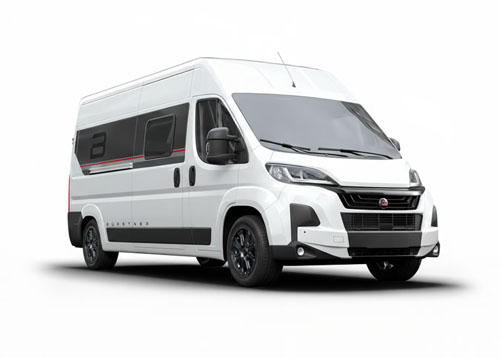
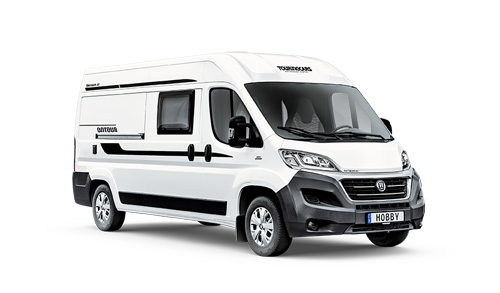
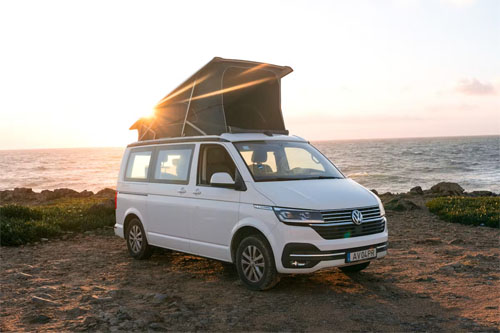
For navigating Stockholm's roads and its surrounding areas, Class B Camper Vans and Class SI Semi-integrated RVs are highly recommended due to their balanced size and maneuverability. A Class B Camper Van, with an average length of around 6 meters, offers excellent agility for urban driving, easier parking, and better fuel efficiency, making it an ideal choice for couples or small families. For those needing more space and amenities, a Class SI Semi-integrated RV, averaging 7.1 meters in length, provides enhanced living comfort and storage for longer trips or larger groups, while still being manageable on Sweden's main roads. Both classes are well-suited for winter travel, offering sufficient warmth and amenities and are typically equipped with the legally required winter tires by rental companies.
Should I Choose a Compact Van Instead of a Large RV in Stockholm?
Generally, there's no significant issue driving any RV size in Stockholm or across Sweden; the choice between a compact van and a larger RV primarily depends on your personal comfort needs and travel style. A compact van, like a Class B Camper Van, might offer a slight advantage for very tight city parking spaces and navigating narrower, older streets, though Stockholm's infrastructure is generally RV-friendly. However, for winter RV travel, the increased living space, robust heating systems, and better insulation of a larger RV, such as a Semi-integrated or Alcove model, can significantly enhance comfort during colder days and nights. Consider the trade-off: while a compact van offers more agility, a larger RV provides superior indoor amenities, storage, and overall comfort, which often outweighs minor maneuverability concerns for a memorable winter trip.
Can I Park Anywhere? Free & Wild Camping Rules in Stockholm
While Sweden's 'Allemansrätten' (Right of Public Access) allows for considerable freedom in outdoor recreation, it does not extend to unrestricted wild camping for motorhomes or campervans. Motorhomes are generally considered vehicles subject to traffic and parking laws, not just personal access to nature, making overnight parking outside designated areas restricted. You cannot simply park on private land without explicit permission from the landowner, nor can you block access, disturb residents, or cause environmental damage. Overnight parking for RVs is typically limited to designated areas such as official campsites, dedicated RV parks ('ställplatser'), or specific parking lots that explicitly permit overnight stays. Always check local regulations and follow local law before parking overnight, and practice responsible tourism by leaving no trace.
Can I Drive an RV Into the City Center? Heights, Tunnels & Local Signage
Yes, you can generally drive an RV into Stockholm's city center, but it's crucial to be aware of specific regulations and infrastructure limitations. Stockholm enforces a congestion tax system on weekdays for vehicles entering and exiting the inner city, which applies to all RVs. Pay close attention to local signage for height and weight restrictions, particularly for tunnels, underground parking garages, and older infrastructure, as some may be too low for larger RVs. For ease of access and to avoid potential parking challenges, consider parking your RV at an RV-friendly campground or parking area outside the immediate city center and utilizing Stockholm's excellent public transport system to access urban attractions, especially during winter.
Are winter tires mandatory in Sweden?
In Sweden, winter tires are legally mandatory for all vehicles, including RVs, between December 1st and March 31st if there are winter road conditions present, such as snow, ice, slush, or frost on the road. This regulation ensures a baseline level of safety for all road users during the challenging winter months. Even outside this specified period, if winter conditions occur, vehicles must be equipped with appropriate winter tires or equivalent equipment. Rest assured, rental RVs provided in Sweden during the winter season will already be fitted with the legally required winter tires, which can be either studded or non-studded friction tires, depending on the rental company's policy. The minimum legal tread depth for winter tires in Sweden is 3 mm for vehicles up to 3,500 kg, ensuring adequate grip.
Can you drive an RV in the winter?
Driving an RV in winter in Sweden is entirely feasible and can be a rewarding experience, provided you are properly prepared and adapt your driving style to winter road conditions. Modern rental RVs are typically well-insulated and equipped with efficient heating systems, often including floor heating, and are fitted with mandatory winter tires. Essential preparations include ensuring a full fuel tank, as the heating system consumes fuel, managing fresh and grey water tanks to prevent freezing, and carrying cold-weather specific items like extra blankets or snow chains. Many campsites and RV parks ('ställplatser') across Sweden remain open during winter, offering vital amenities such as heated facilities, electrical hook-ups, and waste disposal services, ensuring a comfortable journey.
Can I park my campervan anywhere in Sweden?
While Sweden's 'Allemansrätten' (Right of Public Access) offers significant freedom for activities like hiking and tent camping, it does not permit unlimited wild camping for campervans or motorhomes. Motorhomes are generally considered vehicles subject to traffic and parking laws, rather than personal access to nature, which makes overnight parking outside designated areas restricted. It is generally not permitted to park on private land without explicit permission from the landowner, nor can you park in a way that obstructs traffic, disturbs residents, or violates local bylaws. To ensure compliance and avoid potential fines, it is strongly recommended to utilize official campsites, 'ställplatser' (RV parks), or clearly marked overnight parking areas specifically intended for motorhomes.
What is the 7 7 rule for winter tires?
The '7/7 rule' commonly refers to the guideline of ensuring winter tires have a minimum tread depth of 3 mm and are used when temperatures consistently fall below 7 degrees Celsius. While the 7°C temperature guideline is excellent advice for optimizing tire performance and safety, Sweden's legal requirement for winter tire usage is primarily tied to calendar dates (December 1st to March 31st) and prevailing winter road conditions, not solely temperature. For studded winter tires in Sweden, the minimum tread depth legally required is indeed 3 mm, which is crucial for ensuring adequate grip on icy and snowy roads. Adhering to this guideline, alongside the legal requirements, will ensure optimal traction and safety for your winter driving, which is particularly vital for a heavier vehicle like an RV.
Is Sweden campervan friendly?
Sweden is exceptionally campervan-friendly, offering a well-developed infrastructure that supports RV travel with numerous campsites and dedicated RV parking spots ('ställplatser') scattered throughout the country. The nation boasts diverse and stunning natural landscapes, from vast archipelagos to deep forests, with many accessible routes perfect for RV exploration, even during the winter months. Many campsites and 'ställplatser' provide essential amenities such as electricity, fresh water, waste disposal, and heated facilities, which are crucial for maintaining comfort during winter trips. Beyond practicalities, Swedish culture often embraces outdoor living, making RV travel a natural and respected way to experience its expansive wilderness and charming towns.
Is it safe to drive in Sweden in winter?
Driving in Sweden during winter is generally considered safe due to the country's commitment to well-maintained roads, efficient snow clearing operations, and strict regulations like mandatory winter tires. However, drivers must exercise increased caution and adapt their driving style to potentially icy, snowy, or slushy road conditions, especially on secondary roads or during active snowfall. Swedish authorities are proactive in road maintenance and gritting, but the possibility of unexpected black ice or heavy snow still exists, requiring constant vigilance and reduced speeds. Equipping your RV with proper winter tires and having some experience driving in cold conditions significantly enhances overall safety and provides greater peace of mind during your travels.
Can you wild camp in a motorhome in Sweden?
Wild camping in a motorhome in Sweden operates under stricter rules compared to tent camping, with overnight parking typically requiring designated spots, landowner permission, or adherence to specific local bylaws. The 'Allemansrätten' (Right of Public Access) primarily applies to respectful, temporary access on foot and light camping, not to extended stays or parking of motor vehicles. It is generally not permitted to park on private land without explicit permission from the landowner, nor in a manner that obstructs traffic, disturbs residents, or damages the environment. To ensure compliance and avoid potential fines, it is strongly recommended to utilize official campsites, 'ställplatser' (RV parks), or clearly marked overnight parking areas designated for motorhomes.
Do I need a special license to rent a class C RV?
To rent most Class C RVs in Sweden, a standard Class B driving license is usually sufficient, as the majority of these vehicles have a maximum authorized mass (MAM) under the 3,500 kg threshold. The critical factor is the RV's MAM; if the vehicle you intend to rent exceeds 3,500 kg, then a Class C1 license (which permits driving vehicles up to 7,500 kg) is legally required. It's always best to confirm the specific MAM of the Class C RV with your rental provider to ensure your current driving license is valid for the vehicle you wish to drive. Rental companies will verify your license type and ensure you meet their minimum age requirements at the time of booking and vehicle pickup.
Can you drive at 15 in Sweden?
In Sweden, the minimum age to hold a full driving license for a car or RV is 18 years old, meaning one cannot legally drive such vehicles at the age of 15. While there are limited exceptions for mopeds (requiring a Class AM license at 15) or light quads (Class B1 license at 16), these do not apply to operating an RV or a standard passenger car. Furthermore, most RV rental companies impose higher minimum age requirements for drivers, typically 21 or 25 years old, regardless of the legal driving age for a standard car. Therefore, any individual operating an RV in Sweden must be at least 18 and meet the specific age and license requirements set forth by the rental provider.
How much does RV insurance cost a year?
For RV rentals in Sweden, comprehensive insurance coverage is typically included in the overall rental price, meaning you won't incur a separate annual insurance cost. Rental agreements usually provide basic third-party liability insurance and a collision damage waiver, which comes with a deductible (excess fee) for which the renter is liable in case of damage. Many rental companies offer optional additional insurance packages or waivers, available at an extra daily cost, designed to reduce or completely eliminate this deductible amount. The total 'cost' of insurance for a rental is integrated into the final rental fee, so it's essential to thoroughly understand the terms, deductible, and any available additional coverage options before booking your adventure.
Final Thoughts
Renting an RV for a winter trip to Stockholm offers a unique way to experience the city and its surroundings, blending the convenience of a mobile home with the adventure of exploring at your own pace. With proper preparation and awareness of winter driving conditions, your Swedish motorhome adventure promises to be comfortable and memorable.
Don't let the winter weather deter you; embrace it! The crisp air, the potential for snow-dusted landscapes, and the cozy interior of your rented RV create a magical setting for exploring Stockholm and its beautiful natural surroundings. Plan your route, pack wisely, and get ready for an unforgettable winter road trip!
Find Motorhome Rentals in Stockholm