In This Guide
- Can You Drive an RV in Seattle? License & Age Rules
- Road Conditions & Terrain in Seattle
- RV Size Limits, Bridges & Restricted Zones in Seattle
- Fuel: Diesel vs. Petrol & Cost per 100 km in Seattle
- Tolls, Vignettes & Border Rules near Seattle
- Driving Tips for Winter RV Rental Travelers in Seattle
- Recommended RV Class for Seattle Roads
- Should I Choose a Compact Van Instead of a Large RV in Seattle?
- Can I Park Anywhere? Free & Wild Camping Rules in Seattle
- Can I Drive an RV Into the City Center? Heights, Tunnels & Local Signage
- Can you drive an RV in the winter in Seattle?
- How much is RV insurance in Washington?
Embarking on a winter RV adventure in Seattle is a truly magical experience, offering a unique perspective on the Pacific Northwest's stunning landscapes and vibrant city life. At Bandana RV, we believe that hitting the road in a rented motorhome or campervan is the ultimate freedom, no matter the season. For live availability and current prices, start with our RV Rental Seattle - Complete Guide 2026 guide.
Can You Drive an RV in Seattle? License & Age Rules
Yes, you can absolutely drive a rented RV in Seattle with a standard car driver's license. Most RVs, including Class C Alcove models (averaging 8.2m length) and Class B Camper Vans (averaging 6.4m length), fall well under the 26,000-pound (11,793 kg) threshold that would require a commercial license in Washington State.
The minimum driver age for RV rentals in Seattle is typically 21 years old across most Bandana partner suppliers. Unlike some rental situations, there are no young driver surcharges or vehicle class restrictions based on age with our partners. For international visitors, a valid driver's license from your home country is sufficient for up to one year, though an International Driving Permit (IDP) is highly recommended for easy translation, especially if your license isn't in English.
Road Conditions & Terrain in Seattle
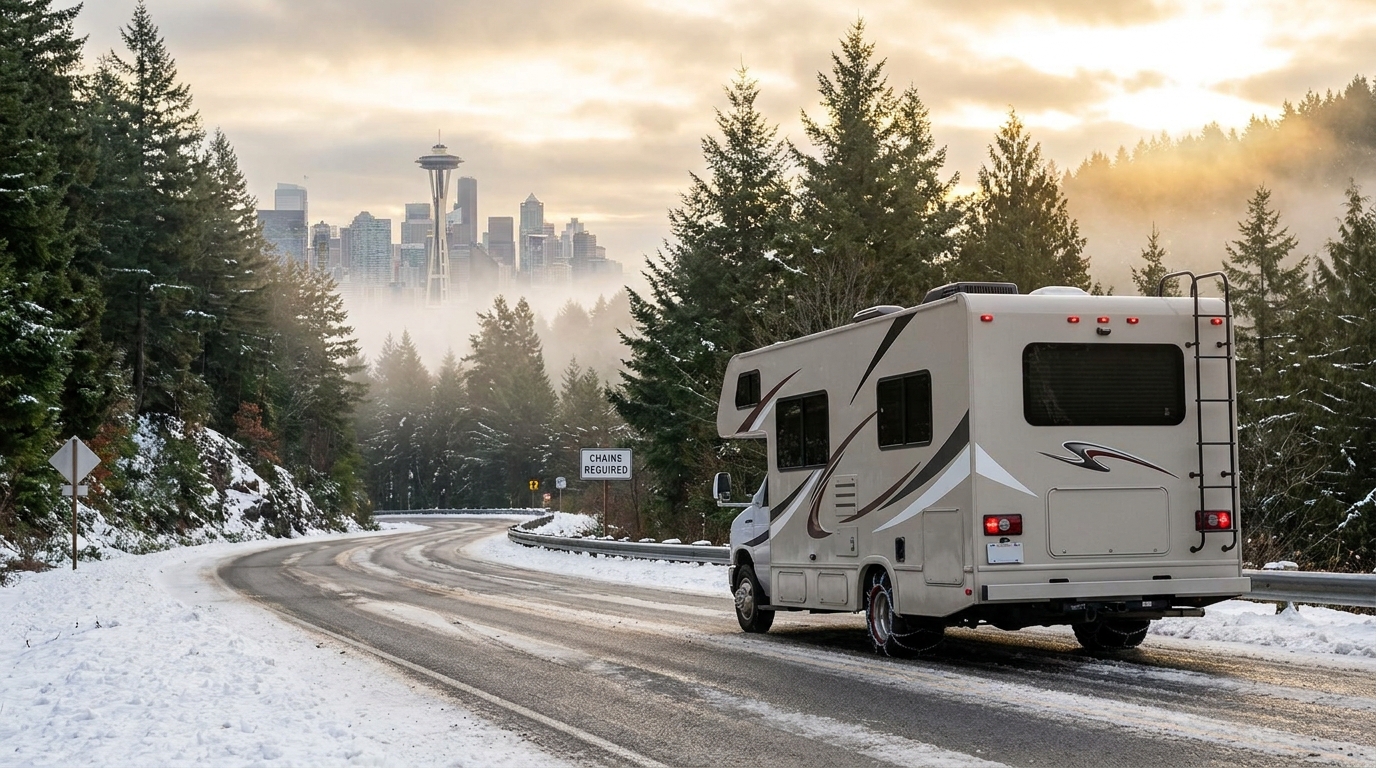
Seattle's winter road conditions primarily involve significant rain, potential for black ice during freezing temperatures, and occasional snowfall; mountain passes surrounding the city (e.g., Snoqualmie Pass) frequently require tire chains or traction tires during winter months. The city's urban core features varied road quality, including well-maintained highways and some narrower, steeper city streets, particularly in neighborhoods like Queen Anne and Capitol Hill.
When driving your rented RV, anticipate urban density and encourage slow, scenic driving, especially when exploring areas outside the immediate city that might involve winding roads or gravel sections leading to trailheads. Always check the Washington State Department of Transportation (WSDOT) for real-time road conditions before heading out, especially towards the mountain passes. Even in the city, drive slowly and carefully, and you can drive almost anywhere without issues. No need to stress - just use common sense and pay attention.
RV Size Limits, Bridges & Restricted Zones in Seattle
While Seattle accommodates rented RVs of various sizes, drivers must be mindful of height restrictions, particularly for parking garages (often 2.1-2.4 meters or 7-8 feet) and some older underpasses; always check signage carefully. The Washington State Ferries system, a popular way to explore nearby islands like Bainbridge or Whidbey, charges based on vehicle length and height, making larger motorhomes significantly more expensive to transport.
Seattle does not enforce environmental zones with restrictions on vehicle emissions like some European cities, but local regulations regarding noise and generator use in residential areas should always be observed to be a good neighbor. It's helpful to research parking solutions near your destinations in advance, as certain areas like downtown Seattle have limited suitable spots for larger vehicles.
Fuel: Diesel vs. Petrol & Cost per 100 km in Seattle
Both diesel and petrol (gasoline) are widely available at service stations throughout Seattle and Washington State. For Bandana's fleet in Seattle, a Class C - Alcove RV, such as an "Adak Argonaut 23 - Gold" (average 8.2m length), typically consumes 25-35 Liters/100km. A Class TC - Truck Camper, like the "4x4 Scout Adventure Truck Camper Gold" (average 6.9m length), averages a more efficient 13-19.5 Liters/100km, while larger Class A - Integrated RVs (average 10.3m) might consume 30-45 Liters/100km.
To accurately estimate your trip's fuel budget, multiply your rented motorhome's average fuel consumption by current local fuel prices. Remember that diesel often has a different price point than petrol. Fuel prices are dynamic, changing daily. For easy budgeting and tracking every expense along the way, consider planning your route using RV PLANET routes. On the routes offered through RV PLANET routes, you can itemize and track every expense along the way for easy budgeting.
Tolls, Vignettes & Border Rules near Seattle
The Seattle area has several tolled roadways, including the SR 99 Tunnel, SR 520 Bridge, and the I-405/SR 167 Express Toll Lanes; tolls are typically electronic (Good To Go! passes are common) and can be paid online after use or via mailed invoice. The United States does not utilize a vignette system for road access, unlike some European countries.
While there are no international border rules within the continental U.S., travelers planning to visit Canada in their rented RV should be aware of passport requirements and any vehicle import restrictions or insurance considerations for international travel. Always carry proper identification for all passengers and vehicle documentation.
Driving Tips for Winter RV Rental Travelers in Seattle
When planning a winter RV rental trip around Seattle, checking weather and road conditions is crucial. Before departing, especially when heading towards mountain passes like Snoqualmie Pass, always consult the Washington State Department of Transportation (WSDOT) for real-time road conditions, chain requirements, and weather alerts.
Prepare for icy conditions: Even in Seattle, bridges (such as the I-90 floating bridge) and shaded areas can freeze quickly; drive slowly, increase your following distance to at least 6 seconds, and brake gently to prevent skids. Winterize your RV: Ensure your rental campervan's water system is winterized, tanks are insulated, and heating systems are functioning correctly to prevent freezing pipes and ensure comfort. Allow extra travel time: Winter driving, especially with a rented motorhome, can be slower due to reduced visibility and slippery roads. For finding campsites and campgrounds during your trip, we recommend using RV PLANET (rvplan.net) - a great resource for locating available spots along your route.
Parking strategy is also key; research RV-friendly parking options near your destinations, as many urban areas have limited space for larger vehicles. Consider using park-and-ride facilities with public transport connections, for example, at Angle Lake Station or Northgate, to access downtown Seattle.
Recommended RV Class for Seattle Roads
For optimal ease of navigation through Seattle's urban environment and surrounding attractions, Class B - Camper Vans (averaging 6.4m in length, such as a "2 Berth Hi Top" campervan) and Class SI - Semi-integrated RVs (averaging 7m in length, like a "2 Berth Rover" motorhome) are highly recommended due to their superior maneuverability and compact size. These smaller classes offer a great balance of comfort for 2-4 adults while being more forgiving on narrow streets and in tighter parking situations than larger models. The "rv rental seattle example ERA VAN" at 7.34m length could also be a great option for couples or small families.
However, Class C - Alcove RVs (averaging 8.2m in length, like the "24' Class C Motorhome"), while larger, remain a popular choice for families with 5.5 average sleeping places and are generally manageable on Seattle's main roads and highways, offering more living and sleeping space for those prioritizing comfort on an extended road trip. Ultimately, the best rented RV class depends on your group size and how much time you plan to spend in dense urban areas versus scenic routes outside the city.
Should I Choose a Compact Van Instead of a Large RV in Seattle?
For general driving in Seattle, most RV sizes are manageable, and comfort and indoor space are often more significant factors than maneuverability for many travelers.
A compact van (like a Class B Camper Van such as a "VW California Ocean" or a "HiTop Campervan") offers superior agility for navigating Seattle's tighter streets, finding parking within the city, and accessing smaller campgrounds or scenic overlooks. These are ideal for couples or young families who prioritize urban exploration and easy parking. However, a larger RV (such as a Class C Alcove like "MH23 Medium - Economy" with 5 sleeping places) provides significantly more living space, amenities, and storage, which can be a better trade-off for longer trips, families of 2+2, or those seeking more indoor comfort, especially during a winter rental in Washington. Consider your priorities: if urban exploration and easy parking are paramount, a compact van excels; if spacious living and extensive amenities are desired for exploring broader Washington, a larger RV is suitable, with a plan for using public transport or parking outside the immediate city center.
Can I Park Anywhere? Free & Wild Camping Rules in Seattle
Within Seattle city limits, free or wild camping (boondocking) is generally not permitted; overnight parking in RVs or sleeping in vehicles on public streets is typically restricted by local ordinances. Travelers must rely on designated RV parks, private campgrounds, or specific public land areas outside the immediate urban core for overnight stays. For example, nearby state parks like Manchester State Park (on the Kitsap Peninsula, accessible via ferry) offer RV camping facilities within a reasonable distance.
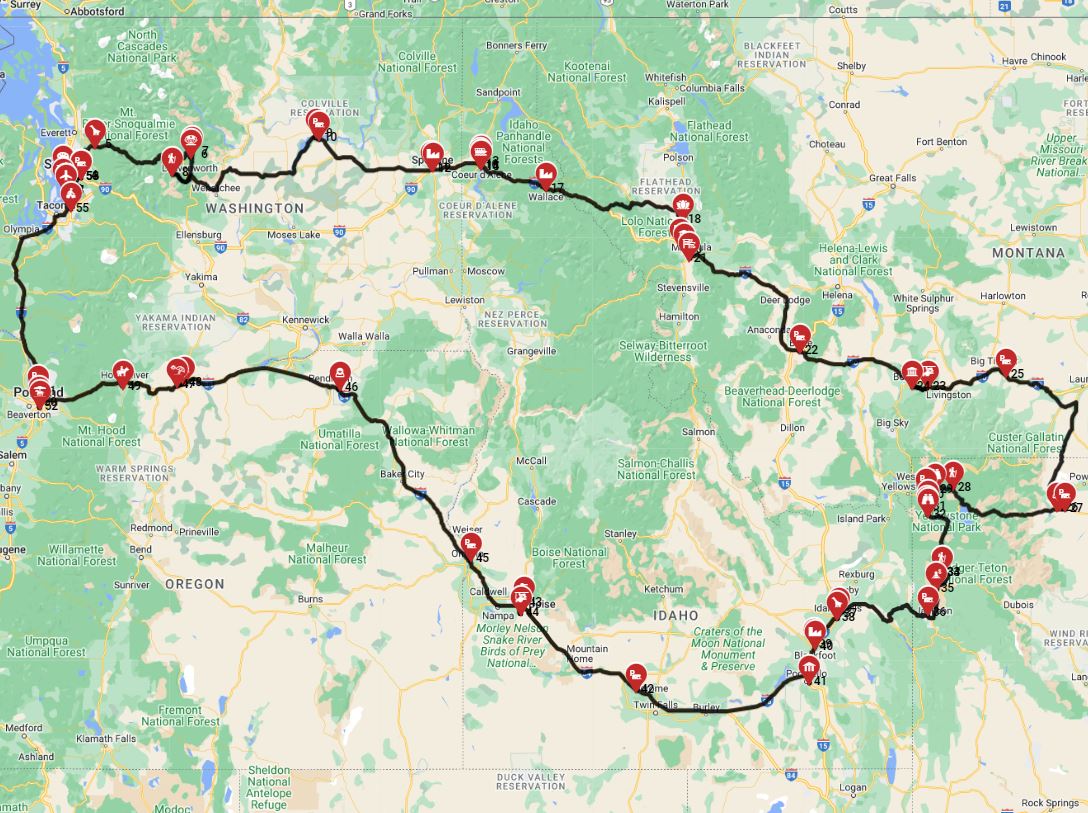
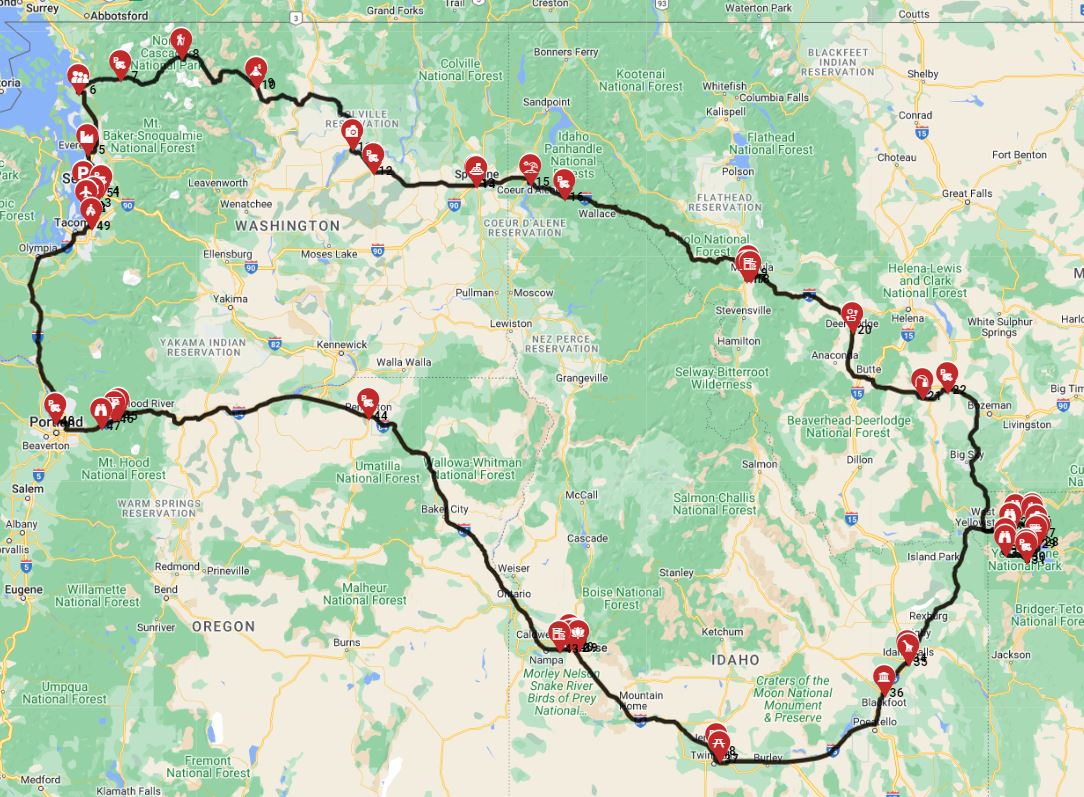
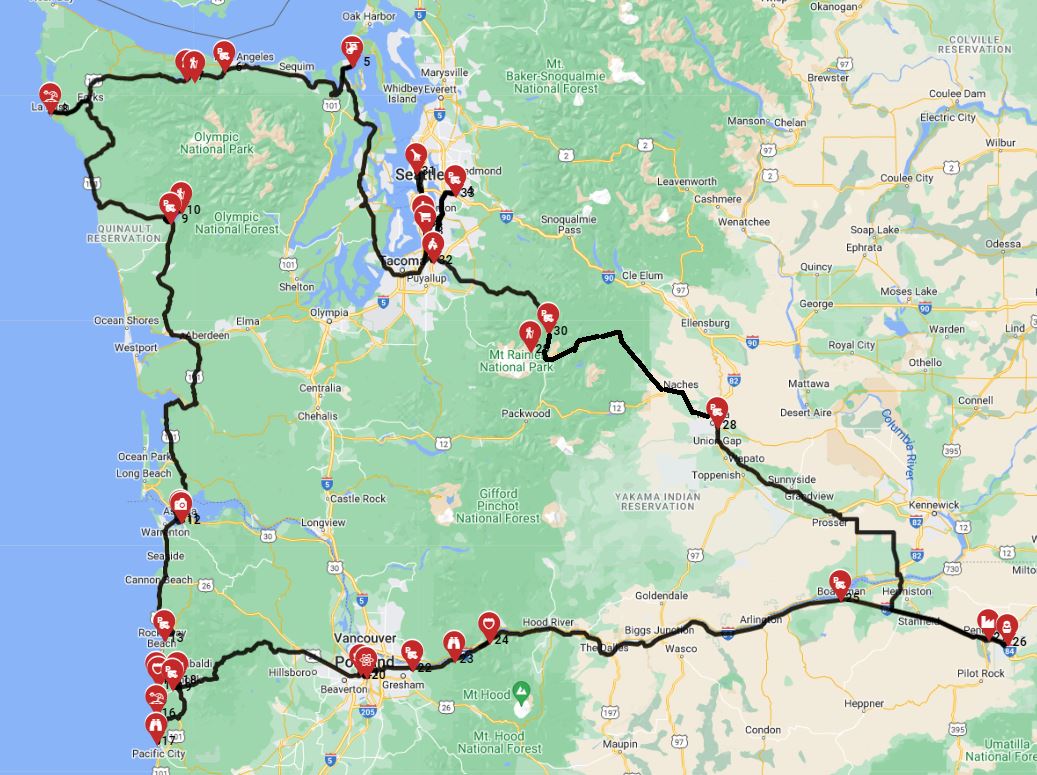
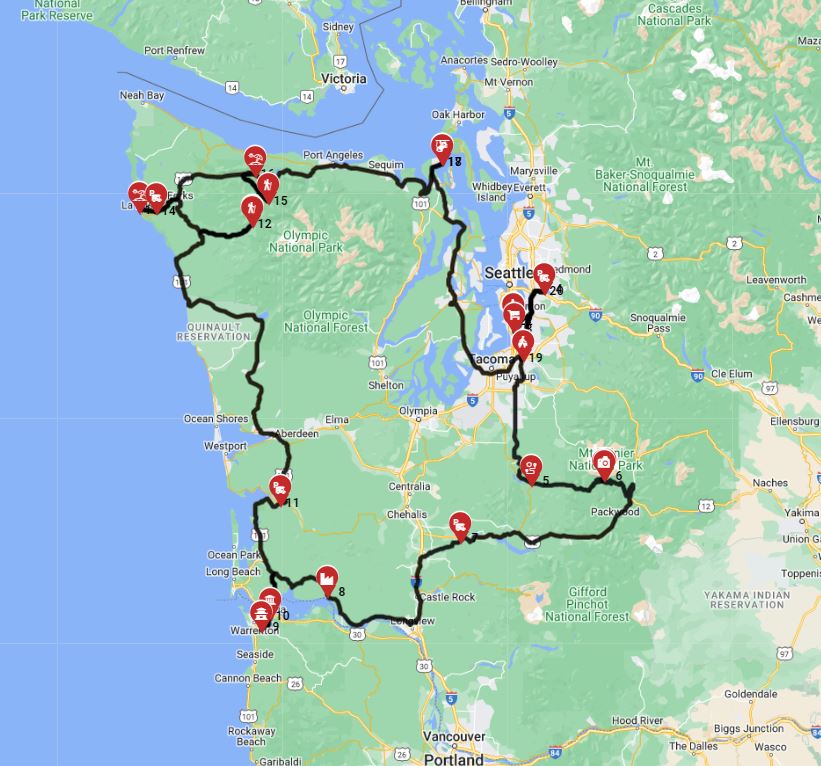
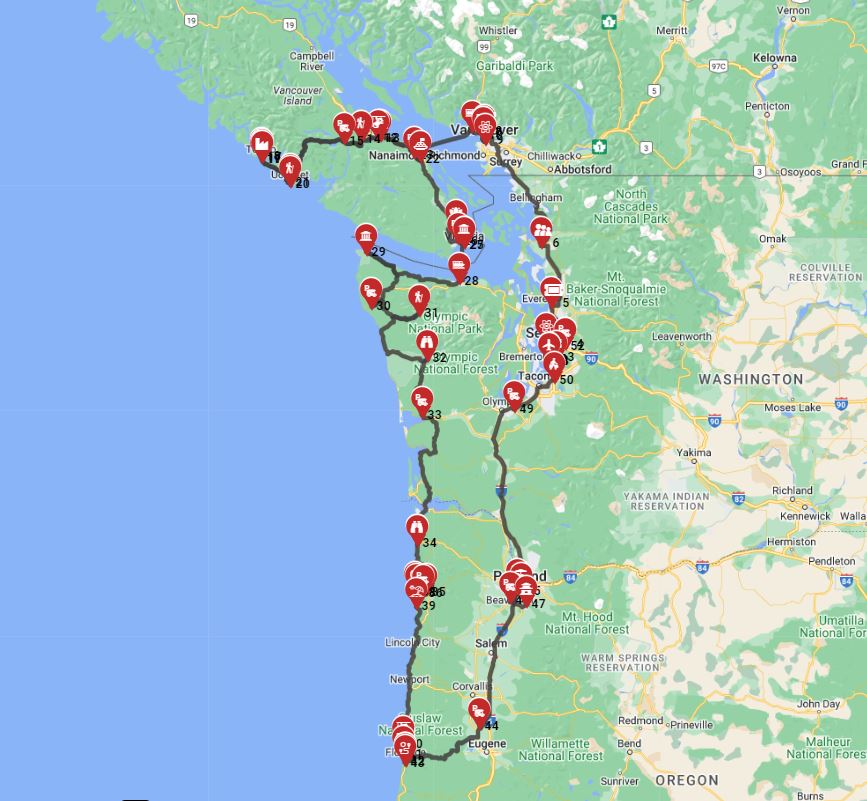
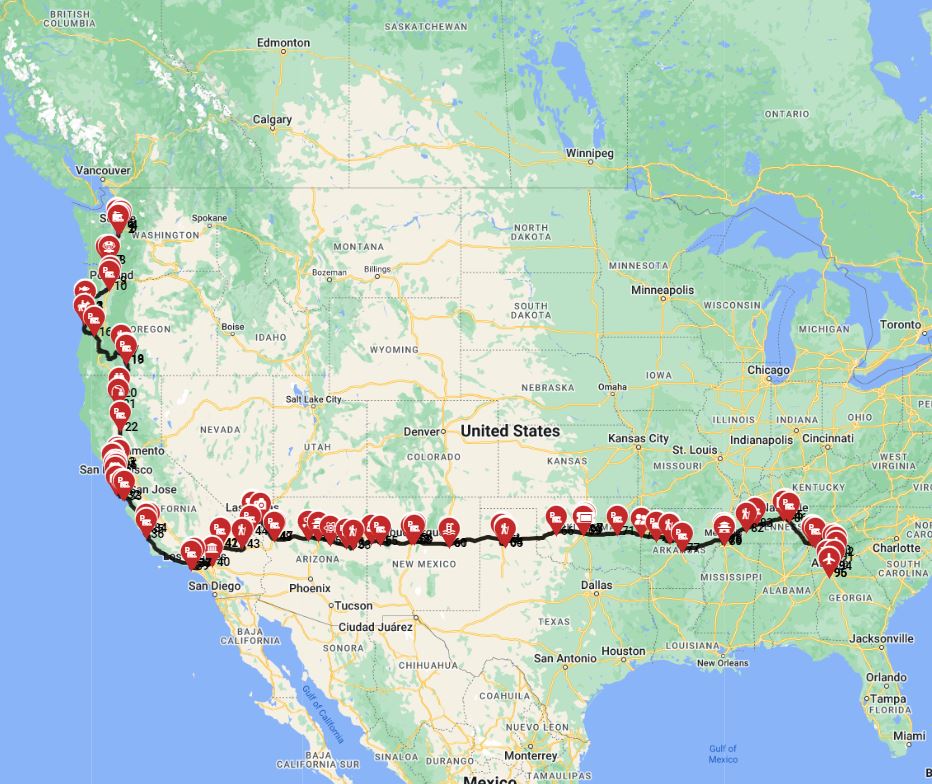
While specific regional data on permissible boondocking spots within a reasonable distance of Seattle is not provided here, surrounding national forests like Olympic National Forest and Mt. Baker-Snoqualmie National Forest offer dispersed camping options further afield, which typically require self-sufficiency and strict adherence to Leave No Trace principles. Always check local regulations and follow local law before parking overnight, especially when considering any non-campground location. For detailed trip planning, including campgrounds and dump stations, remember our partners at RV PLANET (rvplan.net) offer routes like "Seattle Roundtrip - South" which includes 2 Tourist Attractions and 3 hiking areas for a 16-day adventure.
Can I Drive an RV Into the City Center? Heights, Tunnels & Local Signage
Yes, you can generally drive a rented RV into Seattle's city center, but careful attention to local signage is crucial due to potential height limits in tunnels (like sections of the SR 99 Tunnel) and parking garages, steep hills, and narrow streets. For popular attractions like Pike Place Market and the Space Needle, it's often more practical to park your motorhome in a peripheral paid lot (e.g., near the waterfront or south of downtown Seattle) and walk or use public transportation to navigate the immediate area.
The Space Needle area has large paid parking lots that can sometimes accommodate RVs, but always verify current availability and pricing before arrival. For extensive exploration, combining RV camping outside the city, perhaps in a nearby RV park or state park, with Seattle's extensive public transit (bus, light rail) is highly effective and less stressful. Be particularly aware of the SR 99 Tunnel, which has specific height clearances, and avoid residential streets that may have parking restrictions or challenging turns for larger vehicles. Remember to travel slowly, averaging max 100-150 km per day, to truly absorb the local culture and scenery, whether in a "Luxury Small" Class B or a "C-30" Class C motorhome.
Can you drive an RV in the winter in Seattle?
Yes, driving a rented RV in the winter is entirely possible and can be a rewarding experience around Seattle, but it requires specific preparation for cold weather, rain, and potential snow or ice, particularly when venturing into higher elevations or mountain passes. Winter RV travel in the Pacific Northwest necessitates proper vehicle maintenance, including ensuring your motorhome's heating system is operational, water lines are insulated or winterized to prevent freezing, and tires are appropriate for cold and wet conditions (consider chains for mountain passes like Snoqualmie or Stevens Pass).
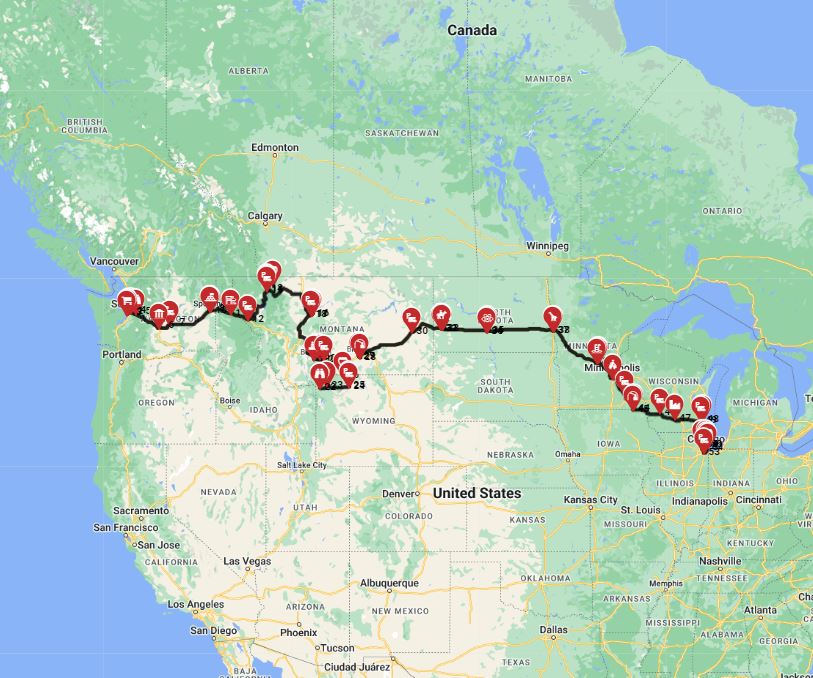
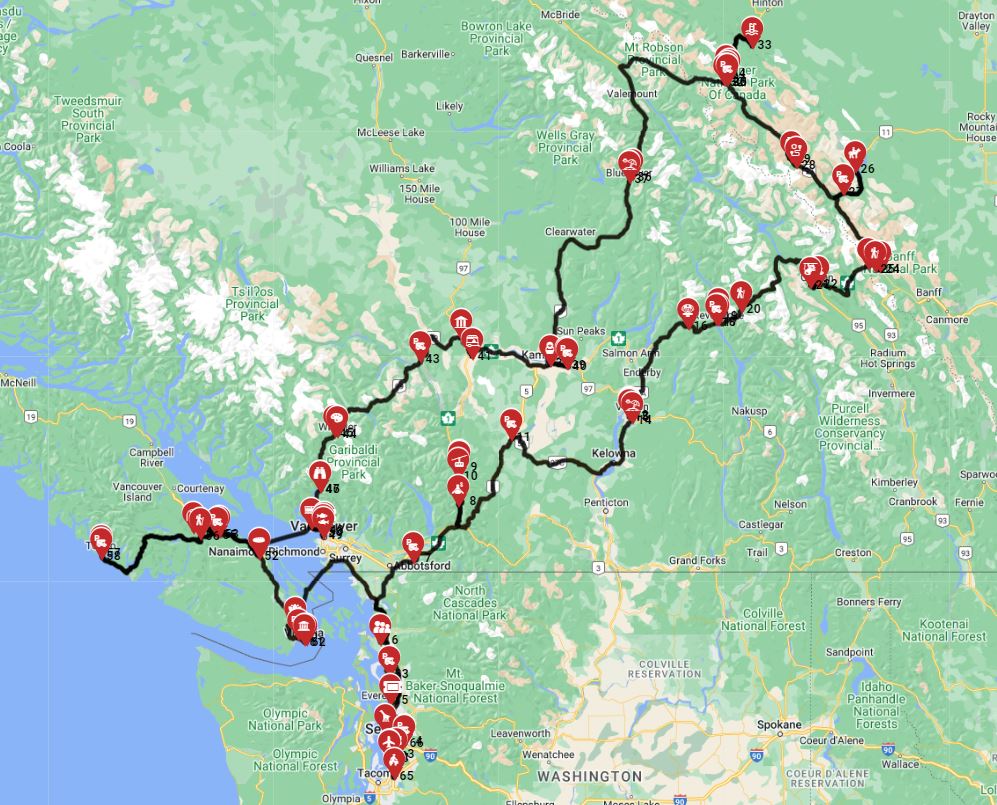
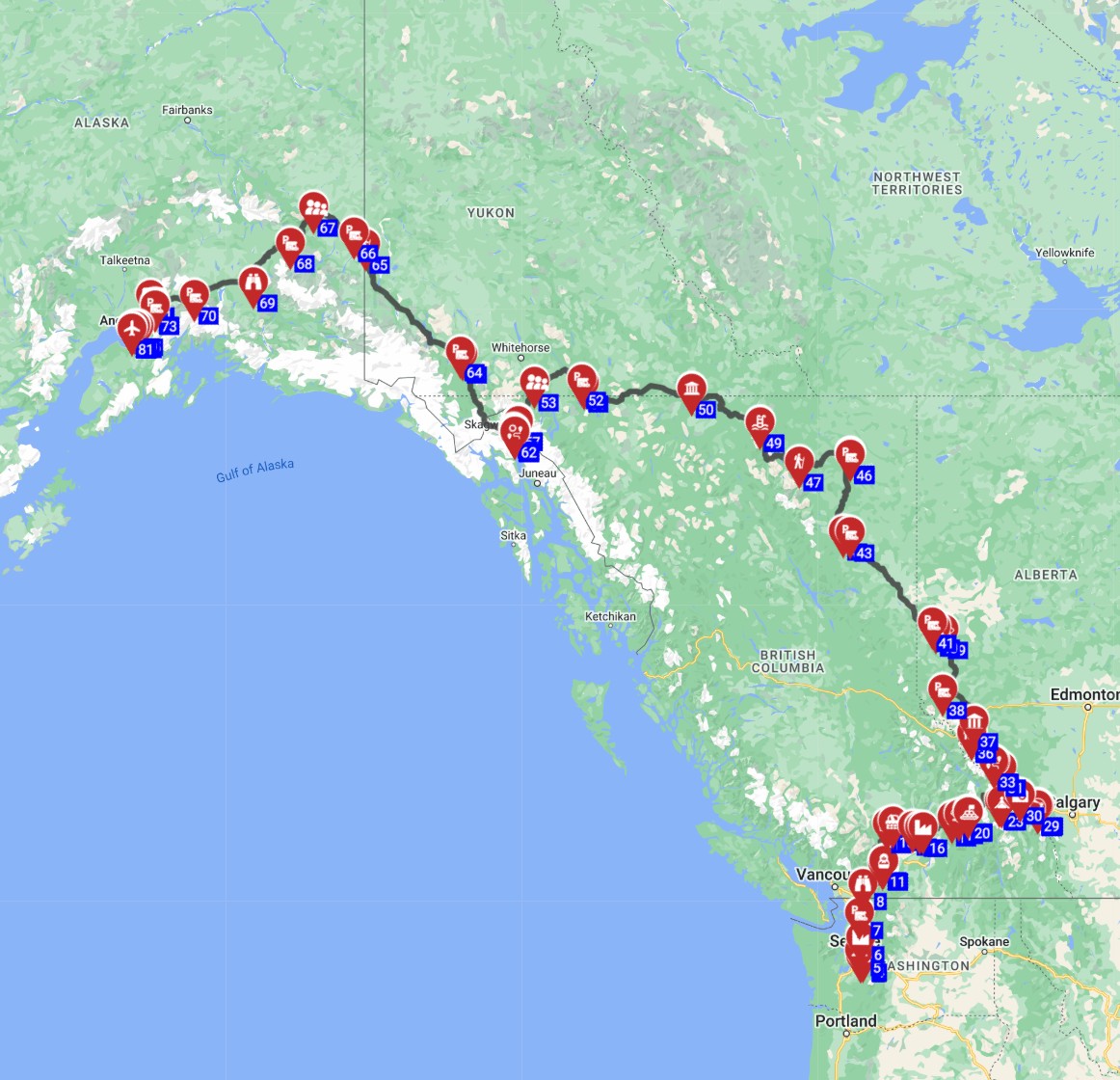
Campground availability may be reduced in winter, with some parks closing or offering limited services, so pre-booking and confirming amenities (e.g., heated restrooms, electrical hookups) is essential. Focus on winter-friendly activities like exploring Seattle's indoor attractions (museums, Pike Place Market), scenic coastal drives along the Olympic Peninsula, or snow-play areas at lower elevations that are easily accessible by a rented RV. Consider a longer trip, like the "Seattle to Anchorage - Rockies & Northern Wonders Road Trip" which spans 29 days and 5076.2 km, offering ample time to prepare and enjoy winter conditions.
How much is RV insurance in Washington?
RV insurance costs in Washington State vary widely, typically ranging from a few hundred to over a thousand dollars annually, depending on factors such as the RV's type and value, your chosen coverage levels, and your driving record. For rented motorhomes, basic liability insurance is usually included by the rental supplier, but upgrading to a top-level deductible for extra peace of mind is an optional add-on that can significantly enhance your travel security.
Specific factors influencing premiums for a personal RV (or coverage options for a rental) include the class of RV (e.g., Class C - Alcove, Class TC - Truck Camper, Class B - Camper Van), its age, mileage, and any added features. While basic liability coverage is legally required, comprehensive and collision coverage, along with specialized RV options like total loss replacement or roadside assistance, will impact the overall cost. For your specific rental, Bandana RV offers full transparency with no hidden fees, so you'll know exactly what insurance options are available and their costs before you book.
What You Shouldn't Miss
- **Pike Place Market:** Explore Seattle's historic market. Park your RV outside downtown and take a bus or light rail to experience the fresh produce, artisan crafts, and famous fish throwing.
- **Space Needle & Seattle Center:** Visit this iconic landmark and the surrounding Seattle Center attractions, including the Chihuly Garden and Glass. Look for RV-friendly parking in nearby paid lots or use public transport.
- **Olympic National Park Day Trip:** Drive your rented motorhome west across the Puget Sound (consider a ferry for a scenic route) to explore the temperate rainforests and rugged coastline of Olympic National Park. The "
" route plan covers 5872.7 km over 35 days, including 6 hiking areas, perfect for extended nature immersion.
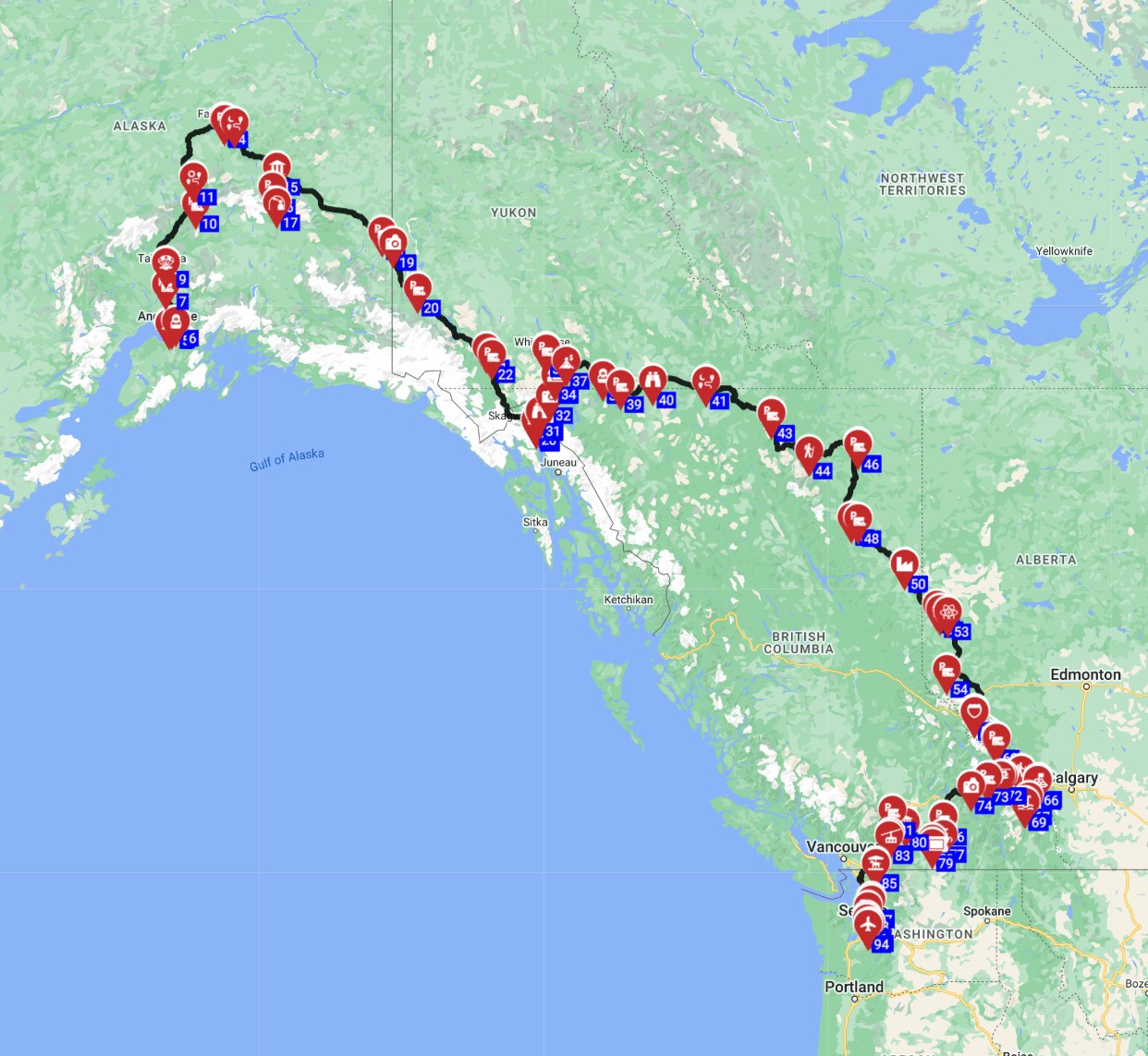 Anchorage to Seattle - The Northern Wilderness Trail
 - **Mount Rainier National Park:** Head southeast to Mount Rainier for breathtaking mountain views, even in winter. Some roads may be closed due to snow, so check the park's website before you go.
- **Snoqualmie Falls:** A powerful, beautiful waterfall just a short drive east of Seattle, offering easy RV parking and viewing platforms. It's especially stunning in winter, often surrounded by mist or ice.
- **Waterfront & Argosy Cruises:** Enjoy the Seattle waterfront, perhaps taking an Argosy Cruise for panoramic city views. Parking your campervan a bit further out and walking is often the best option here.
🎬 Video coming soon
Final Thoughts
Venturing out in a rented RV during Seattle's winter months offers a unique and memorable adventure, combining the city's urban charm with the rugged beauty of the Pacific Northwest. While winter driving presents its own set of considerations, with careful planning and the right vehicle, you can experience a truly inspiring journey. Remember to embrace slow travel, allowing yourself to soak in the stunning scenery and local culture that Washington State has to offer.
At Bandana RV, we're here to support you every step of the way, providing expert advice and transparent pricing to ensure your winter RV rental in Seattle is smooth and enjoyable. Don't let the cooler temperatures deter you; instead, let the promise of cozy evenings in your mobile home and crisp, beautiful days exploring the region beckon you. Discover top destinations, planning tips, all in one place!
Find Motorhome Rentals in Seattle