In This Guide
- Can You Drive an RV in Ireland? License & Age Rules
- Road Conditions & Terrain in Ireland
- RV Size Limits, Bridges & Restricted Zones
- Fuel: Diesel vs. Petrol & Cost per 100 km
- Tolls, Vignettes & Border Rules
- Driving Tips for winter rv rental Travelers
- Recommended RV Class for Ireland Roads
- Should I Choose a Compact Van Instead of a Large RV in Ireland?
- Can I Park Anywhere? Free & Wild Camping Rules in Ireland
- Can I Drive an RV Into the City Center? Heights, Tunnels & Local Signage
- How Much Does an RV Rental Trip in Ireland Cost?
- What to Do in an RV Emergency in Ireland?
- What are the Local Etiquette Tips for RVers in Ireland?
- Waste Disposal and Water Refill Points in Ireland
- How to Drive an RV on Narrow Irish Roads and Boreens?
- How to Choose and Book an RV Rental for Ireland?
- What Are the Best RV Routes in Ireland Beyond the Wild Atlantic Way?
Venturing through Ireland in a rented motorhome during winter offers a truly unique and enchanting experience, far from the summer crowds. Imagine the crisp air, roaring fires in cozy pubs, and dramatic landscapes all to yourself. It's an adventure waiting to unfold, where the stunning natural beauty of the Emerald Isle takes on a serene, almost mystical quality. Navigating Ireland's diverse roads with a rental RV during the colder months requires a bit of preparation and local knowledge, but with the right approach, it promises an unforgettable journey. For live availability and current prices, start with our RV Rental Ireland - Complete Guide 2026 guide.
Can You Drive an RV in Ireland? License & Age Rules
Yes, most drivers holding a standard car license (Category B) can comfortably drive a rented RV up to 3,500 kg in Ireland, encompassing many popular campervan and smaller motorhome models. For larger RVs exceeding 3,500 kg, such as some Class C or Class A motorhomes, an elevated license category (C1 or C) is typically required, though most rental vehicles fall within the standard license weight limits. Visitors from non-EU countries are generally advised to carry an International Driving Permit (IDP) in addition to their national license, which serves as a translation but is not universally mandatory.
The minimum driver age for renting an RV in Ireland is typically 21 years old across most Bandana partner suppliers. Unlike some destinations, you'll generally find no young driver surcharges and no vehicle class restrictions based on age, making it accessible for a wider range of adventurers. While a few companies might have an upper age limit (e.g., 75 years), this is less common with our partners. Always confirm specific license and age requirements directly with your chosen supplier during the booking process through our transparent platform, ensuring full clarity before your trip.
Road Conditions & Terrain in Ireland
Irish roads present a varied driving experience, ranging from modern, well-maintained motorways (M roads) and national routes (N roads) to charming, yet challenging, narrow regional roads (R roads) and unpaved boreens (small country lanes) in rural areas. Winter conditions introduce additional factors such as increased rainfall, potential for black ice, and occasional fog, demanding slower speeds and heightened caution, especially on ungritted secondary roads.
The terrain across Ireland is wonderfully diverse, featuring winding coastal roads like those found on the Ring of Kerry, mountainous passes in areas such as the Wicklow Mountains, and rolling rural landscapes. These routes often include steep gradients and sharp bends, particularly on smaller roads, which require careful navigation in a rented motorhome. Embracing a slower, more scenic pace allows you to better appreciate the stunning Irish landscape and safely adapt to the varying road conditions.
RV Size Limits, Bridges & Restricted Zones
While Ireland does not impose widespread national RV size limits that would heavily restrict motorhome travel, local restrictions on height, width, and weight are commonly encountered, especially in historic towns, villages, and remote rural areas. Low bridges are rare on main routes but can appear on smaller regional roads, so it is crucial to always pay attention to posted height warnings, which are typically indicated in meters and feet. Unlike some European countries, Ireland generally does not have widespread environmental zones that restrict RV access based on emissions, allowing greater freedom of movement for your rented campervan.
When planning ferry travel within Ireland (for instance, to popular islands like the Aran Islands) or to the UK, be aware that your RV's length and weight will directly impact its booking class and overall cost. It's always best to measure your rental vehicle's dimensions accurately and consult ferry operators in advance. Remember, driving slowly and carefully, you can drive almost anywhere in Ireland without issues. No need to stress - just use common sense and pay attention to local signage, and your journey will be smooth.
Fuel: Diesel vs. Petrol & Cost per 100 km
Most rental RVs in Ireland, including a significant portion of Bandana's fleet, operate on diesel fuel, which is readily available at service stations throughout the country. For example, a Class SI - Semi-integrated RV typically consumes 10-11 Liters/100 km, while a Class C - Alcove RV might use 10-12 Liters/100 km. More compact Class B - Camper Vans, such as the V3 or the "Koru Star 3 Freedom" model, are often more fuel-efficient, consuming around 8-10 Liters/100 km.
To estimate your average cost per 100 km for a diesel RV, simply multiply your vehicle's consumption rate by the current fluctuating diesel price. While fuel prices are dynamic and generally higher than petrol, it's a predictable expense when planning your budget. Some rental companies may offer pre-paid fuel options or even loyalty cards for discounts at designated stations, but always clarify this upon booking. For planning your RV PLANET routes, you can itemize and track every expense along the way for easy budgeting, including fuel, tolls, and campsite fees. On the routes offered through RV PLANET routes, you can itemize and track every expense along the way for easy budgeting.
Tolls, Vignettes & Border Rules
Ireland's motorway network operates a hybrid toll system, featuring both traditional toll plazas where you pay at a barrier and barrier-free sections, notably the M50 around Dublin. Toll prices vary by vehicle class and specific route, generally ranging from approximately €1.90 to €3.50+ for a standard motorhome. It's wise to carry some euro coins or a debit/credit card for traditional tolls. For barrier-free sections, you must pay online or at designated Payzone outlets before 8 PM the following day to avoid fines; some rental RVs might offer electronic tags or pre-purchased passes for convenience.
Unlike some other European countries, Ireland does not require a vignette (a time-based road tax sticker) for its road usage. If your winter RV adventure in Ireland includes a journey into Northern Ireland, you'll find no physical border controls or immigration checks. However, it is absolutely critical to confirm that your RV rental insurance policy explicitly covers travel in both the Republic of Ireland and Northern Ireland to ensure you are fully protected throughout your entire trip. Always verify this with your Bandana booking agent or directly with the supplier.
Driving Tips for winter rv rental Travelers
When driving a rented RV in Ireland, always remember to drive on the left-hand side of the road, a fundamental rule for visitors from right-hand drive countries. Be especially mindful of your RV's increased size and weight when navigating narrow country roads, complex roundabouts, and parking areas. Winter RV travel necessitates extra vigilance for black ice, particularly in shaded areas or during early mornings and evenings, as well as wet leaves and reduced daylight hours. Adjust your speed accordingly and maintain larger following distances than you might normally. Travel slowly, max 100-150 km per day on average. Take time to feel the place, connect to the culture, the food, and the scenery.
Inside your campervan, utilize its heating system effectively to maintain a comfortable temperature, and ensure adequate ventilation to prevent condensation, which can be a common issue overnight in colder weather. For preparing warm meals in your RV kitchen during winter evenings, consider exploring our RV-friendly recipes playlist for delicious and easy ideas. Pack for all potential weather conditions, as Irish winter weather can be quite unpredictable, ranging from mild and rainy to cold and frosty, so layers and waterproof gear are essential. Planning your route to Belfast, Belfast - Airport, or Cork - Airport in winter is perfectly manageable with these tips.
Recommended RV Class for Ireland Roads
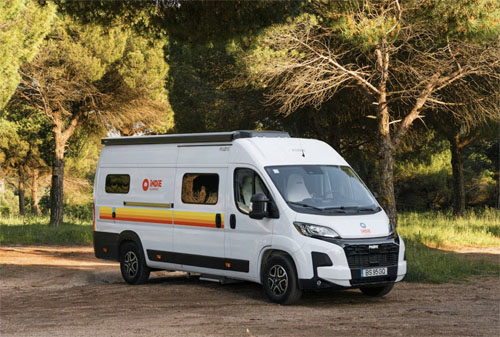
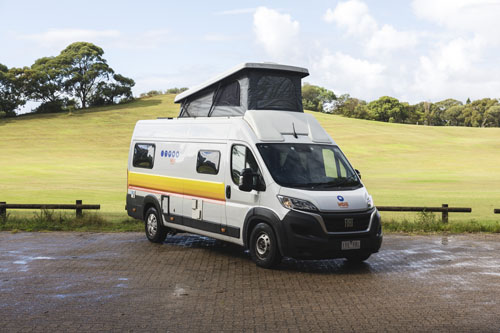
For navigating Ireland's diverse road network, Class B - Camper Vans are highly recommended due to their excellent maneuverability, with models like the V3 averaging a length of 5.8 meters. These compact motorhomes offer the perfect balance of agility for narrow country lanes and urban streets, while still providing essential amenities for comfortable travel.
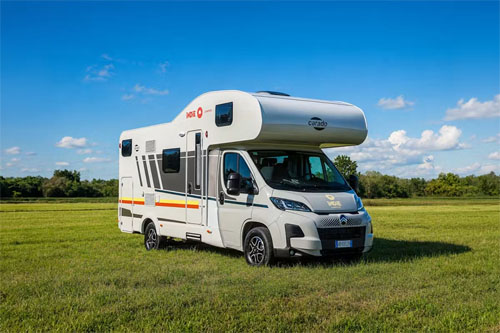
Class SI - Semi-integrated RVs, such as the "Koru Star 2 Freedom (LDV)" or "2 Berth Rover" models, also offer a great balance of comfort and agility, typically averaging around 6.9 meters in length. These vehicles provide more interior space than campervans, making them suitable for most Irish routes without feeling overly cumbersome. Both Class B and Class SI RVs offer sufficient ground clearance for varied terrains and are significantly easier to park at attractions and in towns compared to larger models. Bandana's fleet data indicates these classes are popular choices among travelers to Ireland, offering cozy comfort for 2-4 adults while remaining manageable on narrower Irish roads.
Should I Choose a Compact Van Instead of a Large RV in Ireland?
Choosing between a compact campervan and a larger motorhome for your Ireland adventure depends on your priorities; while a compact van offers superior maneuverability in very tight historic centers and extremely narrow boreens, a larger RV generally provides significantly more comfort and indoor living space, which can be crucial during winter months. The perception of extreme difficulty for larger RVs on typical tourist routes in Ireland is often overstated. Most Class SI or Class C RVs can be comfortably driven on Ireland's national and regional roads, especially if you adopt a relaxed pace.
Opt for a compact van if your itinerary prioritizes frequent city center driving, navigating extremely remote single-track roads, or if you prefer a more 'stealth' camping experience. However, consider a larger Class SI or Class C motorhome if comfort, spaciousness, and amenities like a full bathroom (e.g., a "MHC24" with a full toilet and shower) or separate sleeping areas are higher priorities. These larger rental vehicles offer a better quality of life on longer trips, particularly when dealing with colder winter weather, ensuring your journey is as comfortable as it is adventurous. Booking a "RV Rental Deals in Ireland - Latest Offers 2026" can help you find great value across all sizes.
Can I Park Anywhere? Free & Wild Camping Rules in Ireland
Free or wild camping in a rented RV is generally tolerated in Ireland on a common-sense basis, particularly in less populated rural areas, but it is often restricted on private land without explicit permission and strictly prohibited within national parks or designated conservation areas. It is always best practice to seek permission from landowners if you are considering parking on private property overnight. A friendly knock on the door often works wonders!
While Ireland does not have specific national 'wild camping' laws for motorhomes akin to those for tents in some other countries, local authorities may enforce bylaws regarding overnight parking in specific areas. Always prioritize leaving no trace, respecting local communities by keeping noise to a minimum and properly disposing of waste, and checking local regulations or asking at tourist information centers before settling for an overnight spot. For finding reliable campsites and campgrounds during your trip, we recommend using RV PLANET (rvplan.net) - a great resource for locating available spots along your route.
Can I Drive an RV Into the City Center? Heights, Tunnels & Local Signage
Yes, a rented RV can generally be driven into most city centers in Ireland, including destinations like Dublin, Cork, or Galway, but drivers must remain highly vigilant for local signage indicating specific restrictions. It's essential to pay close attention to height limits posted for multi-story car parks, underpasses, and some historic archways, as these are often too low for motorhomes.
While tunnels in Ireland are typically built to accommodate large vehicles, such as those found on routes like the Jack Lynch Tunnel in Cork, always observe any posted weight and height restrictions, especially for older or smaller tunnels. Be aware of potential residents-only parking zones, loading bays, and bus lanes, which may incur fines if misused. Plan your parking in advance using designated RV or larger vehicle parking areas where available. Remember: Drive slowly and carefully, and you can drive almost anywhere without issues. No need to stress - just use common sense and pay attention to signs, and your city adventures will be hassle-free. Our guide to "Weekly RV Rental in Ireland - Pricing 2026" can offer insights into different vehicle sizes suitable for urban exploration.
How Much Does an RV Rental Trip in Ireland Cost?
An RV rental trip in Ireland typically involves several cost components beyond the rental rate itself, including fuel, tolls, campsite fees, and groceries, with total expenses varying significantly based on the RV class, duration, and personal travel style. Rental costs for a week-long winter adventure can range from €700 to €1500+, depending on the motorhome model (e.g., a compact Class B campervan like the V2L versus a larger Class C like the "MHC28") and how far in advance you book. Prices are dynamic, similar to flight tickets, changing daily based on availability and seasonality, with the final price set at the actual booking time.
Fuel costs represent a significant factor; for example, a Class SI RV consuming 10-11 Liters/100 km will incur substantial expenses over a typical touring route like the Wild Atlantic Way. You should also budget for tolls, which can range from €1.90 to €3.50+ per section for a standard RV, and campsite fees, typically €25-€45 per night for a powered pitch. Tips for saving money include booking off-peak, cooking your own meals onboard, and utilizing permissible free overnight parking spots. Through RV PLANET routes, travelers can itemize and track every expense along the way for easy budgeting, ensuring full transparency in your trip's financial planning.
What to Do in an RV Emergency in Ireland?
In an RV emergency in Ireland, such as a breakdown or accident, the immediate priority is to ensure everyone's safety by moving the rented vehicle to a safe location if possible, activating hazard lights, and wearing high-visibility vests. After securing the area, promptly contact your RV rental company using the emergency assistance number provided in your rental agreement; they will guide you through breakdown procedures, arrange roadside assistance, and advise on potential vehicle replacement.
For serious accidents involving injury or significant property damage, or any medical emergency, immediately call 999 or 112 for Garda (police), ambulance, or fire services. It is crucial to keep all essential emergency contacts, including your rental company's support line, your personal insurance provider, and local emergency services, easily accessible throughout your trip. Bandana ensures you have all the necessary information and support before, during, and after your booking, so you can travel with peace of mind.
What are the Local Etiquette Tips for RVers in Ireland?
Interacting respectfully with locals is key to an enjoyable RV trip in Ireland; always offer a friendly 'hello' or 'thank you,' especially in rural areas or smaller towns like Coleraine or Braughan. When considering overnight parking on private land or outside a designated campsite, it is considered polite and often necessary to ask permission from the landowner, fostering positive relationships.
Drive courteously on narrow roads; Irish drivers are generally patient, but it's good practice to pull over safely into a passing place to allow faster traffic or oncoming large vehicles to pass, particularly on winding boreens. Supporting local businesses by purchasing supplies, dining in traditional pubs, and visiting local attractions contributes positively to the communities you visit, enriching your cultural immersion and helping you experience the true heart of Ireland.
Waste Disposal and Water Refill Points in Ireland
Proper waste disposal is absolutely crucial for responsible RV travel in Ireland; chemical toilets and greywater tanks should only be emptied at designated dump stations to protect the environment and maintain good relations with local communities. Many campsites across Ireland, including those near cities like Cork and Derry City Airport, offer comprehensive facilities for emptying both black and greywater tanks and refilling fresh water supplies.
Look for specific 'serviced pitches' at campgrounds or utilize dedicated motorhome service points, which are often clearly signposted or listed in RV travel guides and apps like RV PLANET (rvplan.net). While minor mechanical issues might be handled by local garages, access to specialized RV mechanics can generally be found in larger towns and cities. In case of mechanical issues, it's always advisable to check with your rental company for their preferred service providers and guidance.
How to Drive an RV on Narrow Irish Roads and Boreens?
Navigating Ireland's challenging road network with a rented RV, particularly on its narrow country roads and boreens, requires extreme caution, significantly reduced speed, and active awareness of your vehicle's dimensions. When encountering oncoming traffic on single-track roads, be prepared to pull into designated passing places or carefully reverse to a wider section; a polite hand signal can help communicate your intentions to other drivers.
For larger RVs, complex roundabouts, especially those with multiple lanes or tight turns in urban areas like Belfast or Belfast - Europa Bus Centre, require careful lane selection and awareness of other drivers. It's beneficial to practice reversing your RV in open spaces before encountering tight spots, as proficient reversing skills are invaluable on Ireland's varied road network. Remember, patience and courtesy are your best allies for a stress-free journey.
How to Choose and Book an RV Rental for Ireland?
Choosing and booking a winter RV rental for Ireland involves selecting a reputable rental company, deciding on an RV class suitable for Irish roads, and securing your booking well in advance. Bandana partners directly with 50+ leading RV suppliers worldwide, including trusted names, to offer you the easiest, safest, and most affordable way to rent an RV.
Look for rental companies that offer comprehensive insurance options, 24/7 (pre-booking) customer support, and clear policies on cross-border travel into Northern Ireland. When selecting an RV, consider a Class B Camper Van (avg. 5.8m length) or a Class SI Semi-integrated motorhome (avg. 6.9m length), such as the "Koru Star 4 Freedom" or "2 Berth Rover" models, for optimal maneuverability on Ireland's often narrow and winding roads. Booking advice includes comparing final prices across different providers on our platform, checking included amenities, and reviewing customer feedback to ensure a smooth rental experience. You can even upgrade to a top-level deductible for extra peace of mind, all with full transparency and no hidden fees.
What Are the Best RV Routes in Ireland Beyond the Wild Atlantic Way?
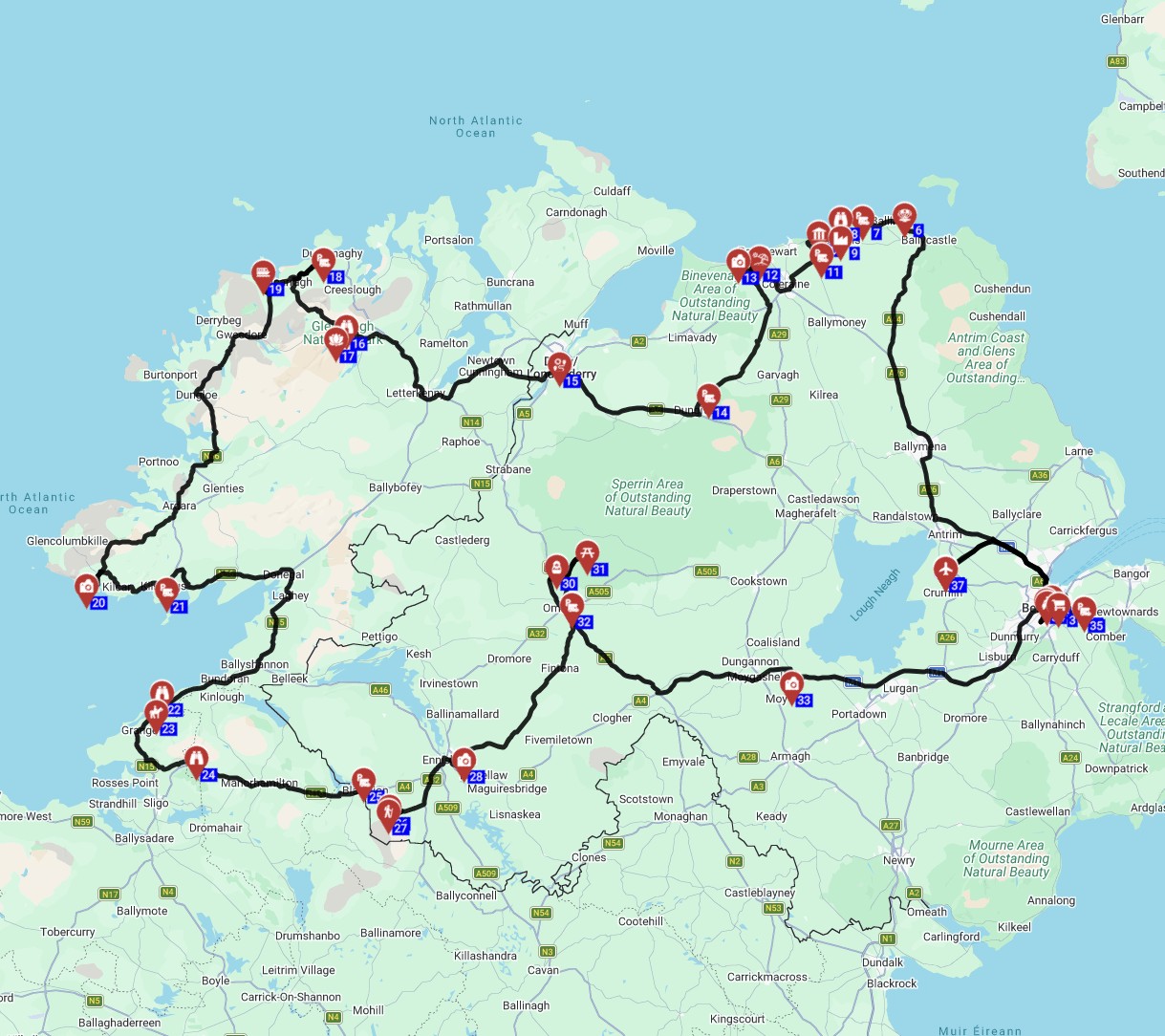
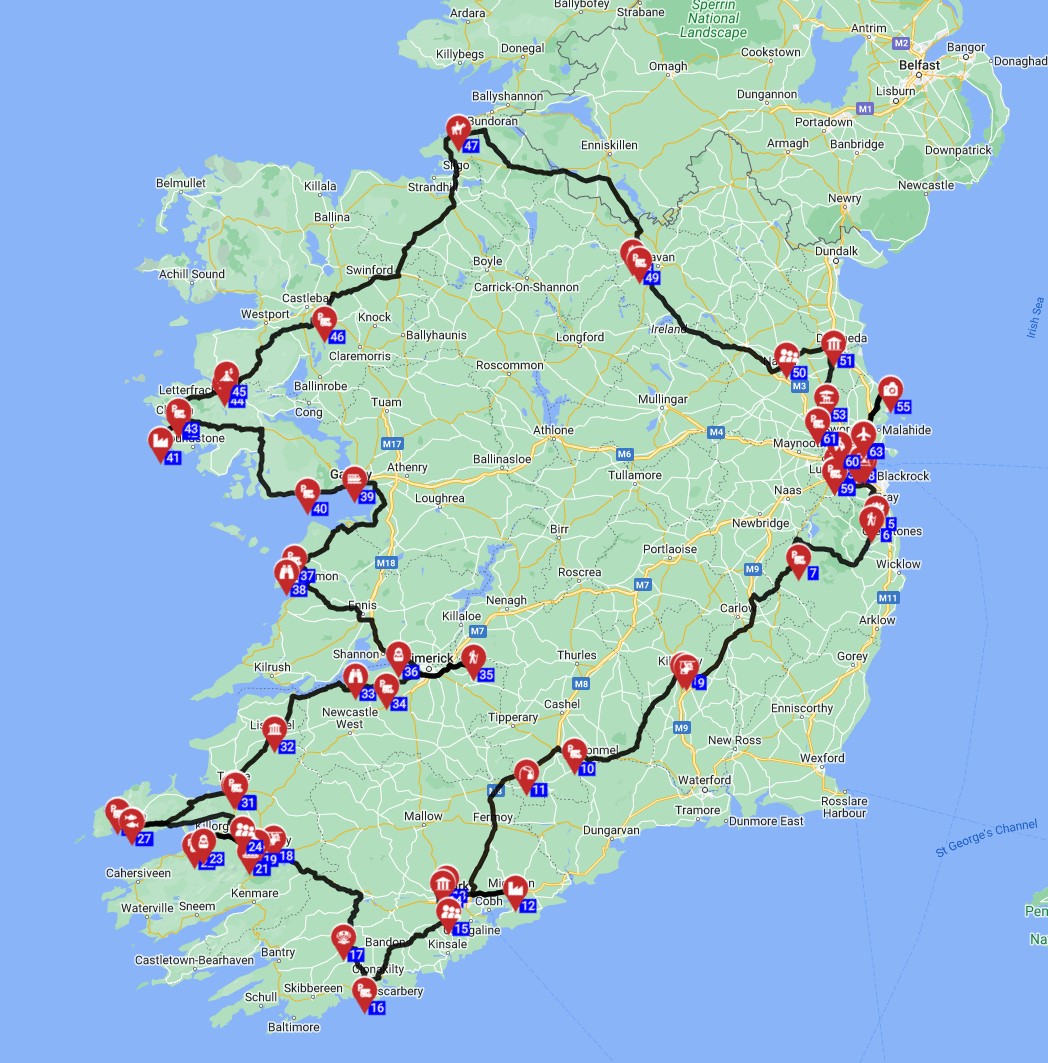
While the iconic Wild Atlantic Way is a breathtaking choice, Ireland offers numerous equally scenic and RV-friendly routes for a diverse winter adventure. The Causeway Coastal Route in Northern Ireland, stretching from Belfast to Derry, presents stunning sea views, dramatic cliffs, and historical sites like the Giant's Causeway. Another fantastic option is Ireland's Ancient East, a route rich in history and culture that takes you through counties like Waterford, Wexford, and Kilkenny, offering a blend of ancient ruins and charming towns.
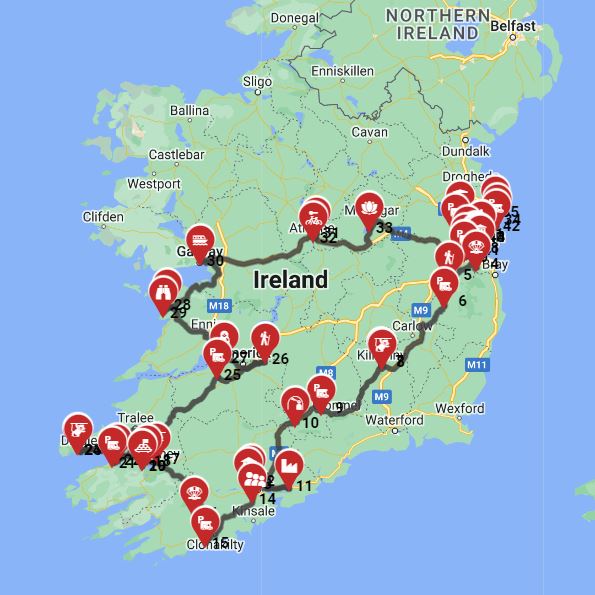
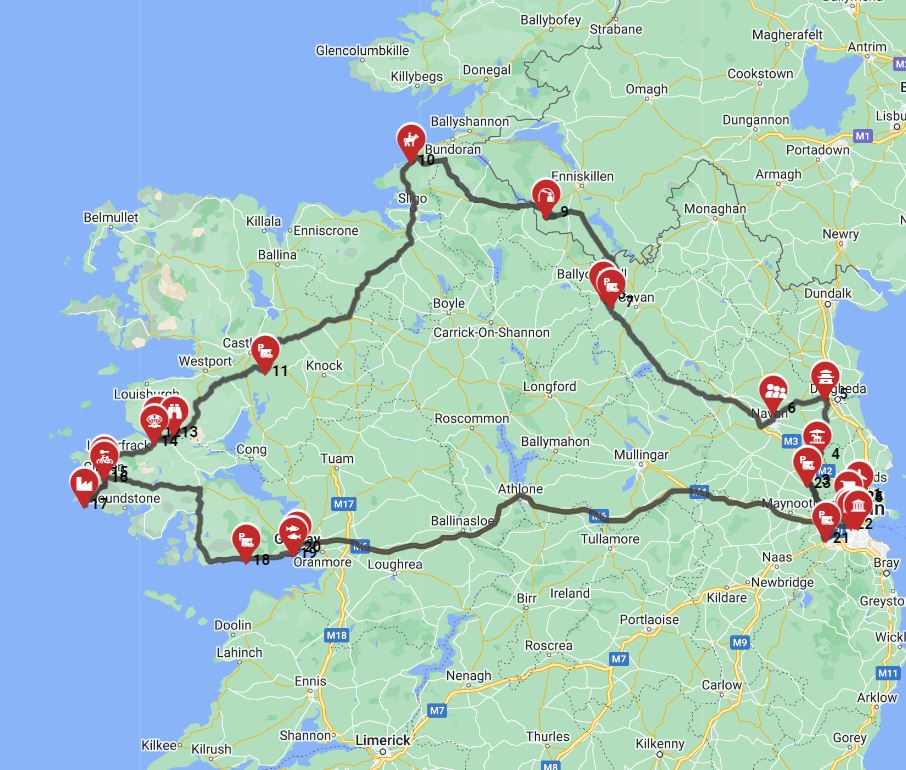
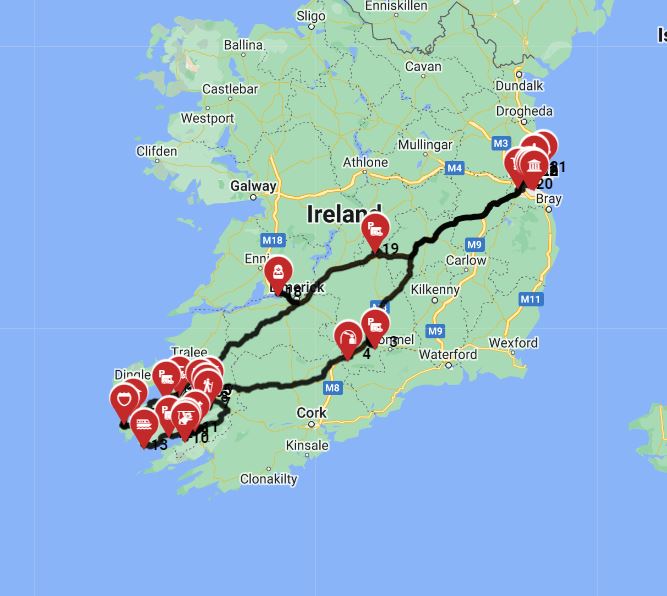
The Copper Coast Geopark in County Waterford provides stunning coastal drives and picturesque villages, often less congested than parts of the Wild Atlantic Way, ideal for leisurely exploration with a rented mobile home. For those seeking breathtaking scenery, the famous Ring of Kerry or the rugged Dingle Peninsula offer unparalleled coastal views, though some sections can be challenging for larger RVs; consider timing your visits to avoid peak traffic and always call ahead to campgrounds. Lesser-known but equally rewarding RV-friendly routes include the Beara Peninsula, offering rugged beauty and quiet roads, or the scenic drives through the Wicklow Mountains, often called the "Garden of Ireland," perfect for nature lovers. Remember to travel slowly, max 100-150 km per day on average, to truly immerse yourself in the culture, food, and scenery of each place.
What You Shouldn't Miss
Exploring Ireland by rented motorhome in winter opens up a world of unparalleled beauty and authentic experiences. Here are a few must-do adventures:
- Wander the Cliffs of Moher in Solitude: Experience the majestic Cliffs of Moher without the summer crowds. The winter weather often adds a dramatic, moody atmosphere, enhancing their wild beauty. Bundle up and breathe in the Atlantic air.
- Explore the Medieval City of Kilkenny: Park your campervan and stroll through the charming streets of Kilkenny, visiting its impressive castle and St. Canice's Cathedral. The city glows with festive lights in winter, offering a cozy, historical escape.
- Drive the Beara Peninsula: Often overlooked for the Ring of Kerry, the Beara Peninsula in County Cork offers equally stunning, rugged coastal scenery with fewer vehicles. It's home to picturesque villages and the unique Dursey Island cable car mentioned in our fun facts.
- Experience a Traditional Pub Session: Seek out a local pub with a crackling fire and live traditional Irish music. In winter, these sessions are particularly warm and welcoming, offering a genuine taste of Irish culture and community. Many pubs offer delicious, hearty meals as well.
- Visit a Winter Festival or Market: Keep an eye out for local Christmas markets or winter festivals in towns like Galway or Waterford. These events provide a festive atmosphere, local crafts, and delicious food, making for a truly special experience.
🎬 Video coming soon
Looking for expert insights from Avi Bandana? Top 5 Adventures - recommendations from Avi Bandana.
Final Thoughts
Embracing a winter RV adventure in Ireland is an invitation to discover a quieter, more intimate side of this magnificent country. From navigating historic routes to savoring local hospitality by a roaring fire, your rented motorhome becomes a cozy haven in a landscape often breathtakingly dramatic in the colder months. With Bandana RV, you're not just renting a vehicle; you're gaining a partner who understands RV travel inside and out.
We provide the tools, the transparency, and the support to make your trip truly special. Imagine waking up to a misty Irish sunrise, enjoying a hot breakfast in your mobile home, and setting off to explore ancient sites or windswept coastlines. It’s an adventure that promises both comfort and thrill, allowing you to create cherished memories. Discover top destinations, planning tips, all in one place, and prepare to fall in love with Ireland.
Ready to experience the magic of winter RV driving in Ireland? Find winter rv Rentals in Ireland and start planning your unique journey today!