In This Guide
- Can You Drive an RV in Boston? License & Age Rules
- Road Conditions & Terrain for Winter RV Travel in Boston
- RV Size Limits, Bridges & Restricted Zones in Boston
- Fuel: Diesel vs. Petrol & Cost per 100 km for Boston RV Rentals
- Tolls, Vignettes & Border Rules for Massachusetts RV Trips
- Driving Tips for Winter RV Rental Travelers in Boston
- Recommended RV Class for Boston Roads
- Should I Choose a Compact Van Instead of a Large RV in Boston?
- Can I Park Anywhere? Free & Wild Camping Rules in Boston
- Can I Drive an RV Into the City Center of Boston? Heights, Tunnels & Local Signage
- Can you drive an RV in the winter in Boston?
- What is the 3-3-3 rule when RVing in Massachusetts?
- Do I need a special license to drive an RV in Massachusetts?
- What size RV can you drive without a special license in Boston?
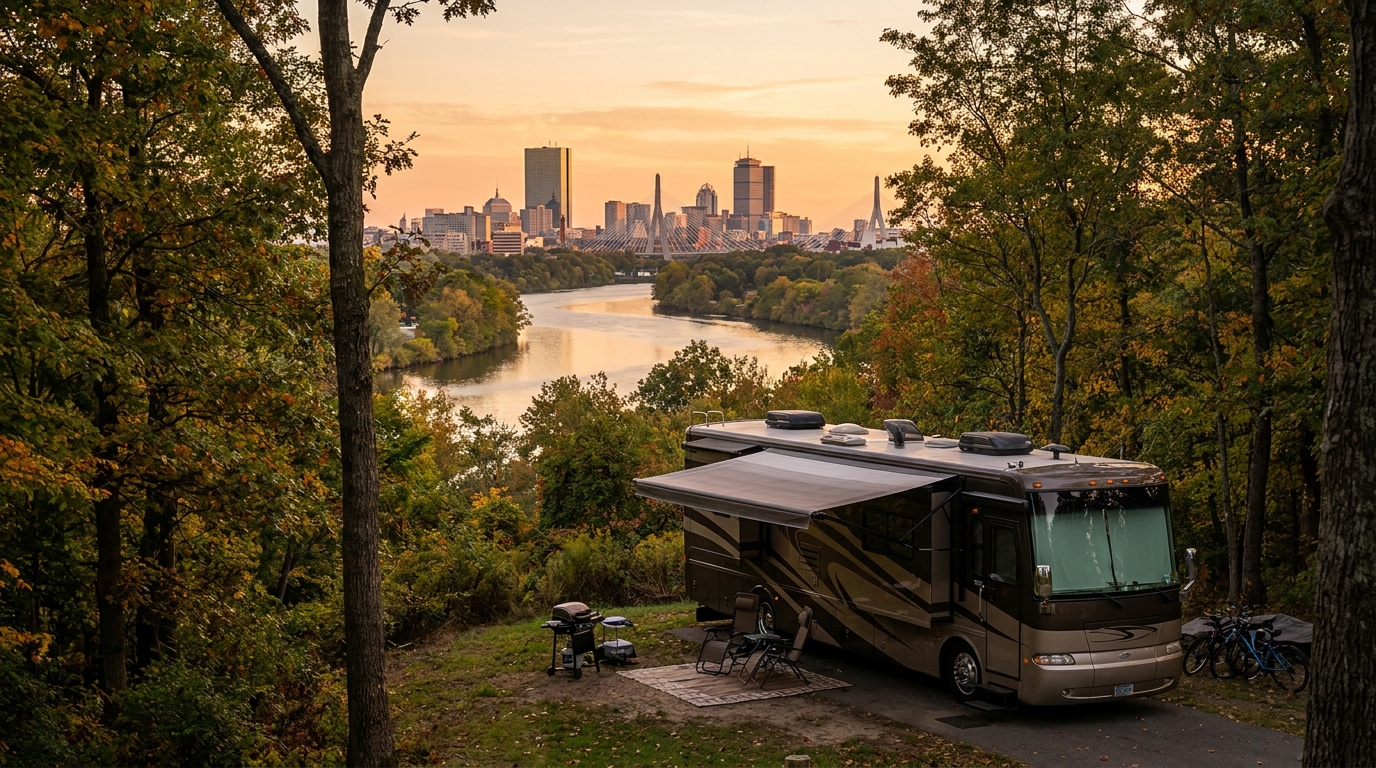
Embarking on a winter RV driving adventure in Boston offers a unique perspective on this historic city and its charming New England surroundings. At Bandana Caravan, we're true RV specialists, dedicated to providing full transparency and support so you can explore with confidence, even in the colder months. For live availability and current prices, start with our RV Rental Boston - Complete Guide 2026 guide. We compare final prices across 50+ leading RV suppliers worldwide, including trusted names like El Monte and Cruise America, ensuring you find the easiest, safest, and most affordable way to rent an RV without hidden fees or surprises.
Can You Drive an RV in Boston? License & Age Rules
Most recreational RVs under 26,000 pounds Gross Vehicle Weight Rating (GVWR) can be driven with a standard Class D driver's license in Massachusetts. This means that for nearly all rental Class B, Class SI (Semi-integrated), and Class C motorhomes from Bandana's fleet, your regular car license is all you need. We understand that driving a larger vehicle can feel daunting at first, but with a bit of practice and careful attention, you'll be navigating Boston's roads like a seasoned pro. For visitors from non-English speaking countries, an International Driving Permit (IDP) is recommended alongside your valid home country license, though it is not mandatory in most cases. The minimum driver age for winter RV rental in Boston is 21 years old, and you won't encounter any young driver surcharges based on vehicle class.Road Conditions & Terrain for Winter RV Travel in Boston
Boston's road network, especially during winter, features a challenging mix of historic cobblestone streets, densely packed urban roads, and major highways like I-90 and I-93, demanding careful navigation for RV drivers. Winter conditions frequently bring snow, ice, and road salt, making surfaces slippery and requiring increased driving caution and slower speeds. While Massachusetts does not present mountainous terrain immediately near Boston, suburban and rural roads can be winding, and urban areas often include steep grades, such as Beacon Hill and parts of the North End. Drive slowly and carefully, and you can drive almost anywhere without issues. No need to stress - just use common sense and pay attention to weather forecasts, especially for winter rv rental journeys in the region.RV Size Limits, Bridges & Restricted Zones in Boston
RV drivers in Boston must be acutely aware of specific size limits, particularly height restrictions on numerous bridges and tunnels, most famously Storrow Drive. This historic parkway, along with Memorial Drive, has notorious 10-foot, 6-inch (3.05-meter) height limits, which nearly all rental motorhomes will exceed, making them strictly off-limits. Attempting to drive an RV on these roads can lead to severe vehicle damage and is a common, cautionary tale among local drivers, often referred to as 'Storrowings.' Other urban tunnels and underpasses may also have height restrictions, requiring diligent attention to local signage, so always watch for warnings. While Massachusetts does not impose specific emissions-based environmental zones restricting RVs, local noise ordinances do apply, especially in residential areas and around campgrounds.Fuel: Diesel vs. Petrol & Cost per 100 km for Boston RV Rentals
Most modern rental motorhomes and campervans in Bandana's fleet are diesel-powered, generally offering better fuel efficiency than petrol equivalents, with both fuel types widely available at stations around the Boston area and along major routes. Bandana's Class SI and Class C RVs typically consume 10–12 liters per 100 km, while Class B Camper Vans average 8–10 liters per 100 km. For larger Class A motorhomes, consumption might range from 15-25 liters per 100 km. Based on these averages and current fuel prices in Massachusetts, you should budget approximately $9 to $13 per 100 km for fuel. Remember that prices are dynamic, fluctuating daily, so the final cost will be set at the actual booking time. For managing all your trip expenses, remember that on RV PLANET routes, travelers can itemize and track every expense along the way for easy budgeting.Tolls, Vignettes & Border Rules for Massachusetts RV Trips
Navigating tolls in Boston and Massachusetts primarily utilizes the all-electronic E-ZPass system, which captures license plates or transponder signals without requiring cash payments. It is highly recommended that RV renters acquire an E-ZPass transponder, available for purchase or rent from most suppliers, as drivers without one will be billed by mail, potentially incurring additional administrative fees from both the state and the rental company. Massachusetts does not use a 'vignette' system, which is common in some European countries, and for typical Boston RV trips, there are no international borders to consider unless you plan an extended adventure into Canada.Driving Tips for Winter RV Rental Travelers in Boston
Driving a rented motorhome in Boston during winter requires heightened awareness and preparation. Drive defensively and significantly increase following distances on potentially icy or snow-covered roads, particularly around the city and on major arteries like I-90 and I-93. Utilize a GPS with RV-specific routing to actively avoid notorious low bridges, ensuring you stay clear of areas like Storrow Drive. Plan routes to avoid Boston's heavy rush hour traffic, usually between 7-9 AM and 4-6 PM on weekdays, which can be particularly challenging for larger vehicles. Importantly, ensure your RV's water system is properly winterized with anti-freeze if not connected to heated hookups, to prevent pipes from freezing; many modern rental RVs like the "24' Class C Motorhome" come "Winter Ready" with enhanced insulation. Always carry an emergency kit including blankets, a shovel, sand or salt for traction, and extra warm clothing when winter RVing in Massachusetts. If you plan to cook meals inside your cozy RV, check out our RV-friendly recipes playlist for delicious inspiration!Recommended RV Class for Boston Roads
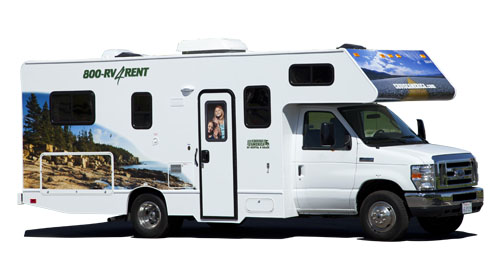
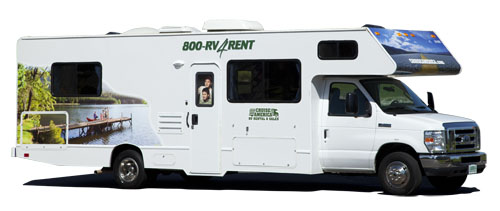
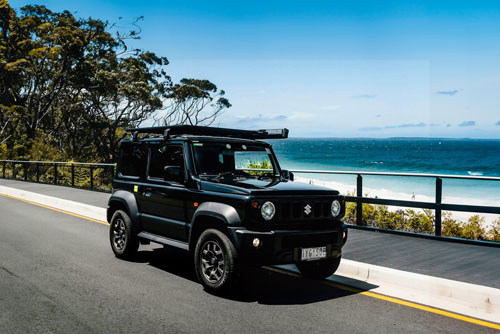
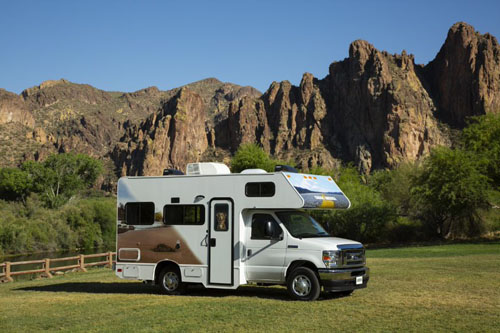
For navigating Boston's varied roads and surrounding areas, a Class B Camper Van or a Class SI Semi-integrated RV from Bandana's fleet offers an optimal balance of maneuverability and comfort, especially in winter conditions. A Class B Camper Van, averaging 5.8 meters in length, is highly maneuverable for urban areas, easier to park in city outskirts, and can sometimes fit into larger parking garages (always check height clearance carefully!). These are ideal for 2-3 adults. A Class SI Semi-integrated RV, with an average length of 6.9 meters, provides more spacious living quarters for 3-4 adults while remaining relatively manageable for main thoroughfares and campgrounds outside the city. Larger Class C (averaging 7.5 meters) and Class A (averaging 7.5 meters) motorhomes offer maximum space and amenities for families, but can present greater challenges for parking and navigating tighter Boston streets, making Class B or SI often a more practical choice for exploring the immediate urban region and using public transport into the city center.Should I Choose a Compact Van Instead of a Large RV in Boston?
While compact vans, such as a Class B Camper Van, offer superior maneuverability in very tight urban spaces, for most extended winter RV rental trips to Boston, a larger Class SI or Class C motorhome provides significantly more comfort and crucial amenities for cold weather without excessive driving difficulty. Compact vans excel at fitting into standard parking spots and navigating extremely narrow streets like those in the North End, making them ideal for urban exploration if living space is secondary. However, larger RVs, such as the "24' Class C Motorhome" model which includes a shower and toilet, offer greater interior space, dedicated bathrooms, full kitchens, and superior insulation and heating systems, which are vital for comfort during a week-long or two-week winter rental. For accessing RV-friendly campgrounds outside the city, like Wompatuck State Park or Harold Parker State Forest, and then utilizing public transportation into Boston, larger motorhomes often provide a better overall experience for families or groups, balancing convenient travel with comfortable living.Can I Park Anywhere? Free & Wild Camping Rules in Boston
Free or 'wild camping' is generally prohibited within Boston city limits and on most public lands in Massachusetts, requiring RVers to utilize designated campgrounds or private RV parks for overnight stays. Overnight parking restrictions are common throughout Boston and its surrounding towns, especially in residential, commercial, and tourist areas such as the Seaport District or near Fenway Park. Legal options for overnight RV parking include private RV parks like Cape Ann Camp Site in Gloucester (about an hour north) or state park campgrounds such as Wompatuck State Park in Hingham (around 45 minutes south of Boston), which offers numerous sites with electric hookups. Always check local regulations and call ahead to confirm availability and rules before driving, as fines for illegal parking can be substantial. Remember, if a campground is full, the next one along your route will likely have a spot. For finding campsites and campgrounds during your trip, we recommend using RV PLANET (rvplan.net) - a great resource for locating available spots along your route.Can I Drive an RV Into the City Center of Boston? Heights, Tunnels & Local Signage
Yes, it is generally possible to drive an RV into parts of Boston's city center, but drivers must pay extremely close attention to numerous height restrictions, particularly for bridges and tunnels. Critically avoid Storrow Drive and Memorial Drive, which have notorious 10-foot, 6-inch (3.05-meter) height limits that RVs typically exceed, leading to severe damage if attempted. Major tunnels like the Ted Williams Tunnel, Callahan Tunnel, and Sumner Tunnel usually accommodate standard RVs, but always observe signage for specific height or commercial vehicle restrictions. Due to heavy traffic, limited parking, and confusing one-way streets, utilizing public transportation (the "T") from designated RV-friendly parking outside the immediate downtown area, such as at a Red Line station in Quincy or an Orange Line station in Forest Hills, is often the most practical and stress-free way to explore Boston's historic core. Driving slowly and carefully, and using common sense and paying attention, will allow you to drive almost anywhere without issues.🎬 Video coming soon
Can you drive an RV in the winter in Boston?
Yes, you can absolutely drive a rented RV in the winter in Boston, provided the vehicle is properly winterized and equipped for cold weather conditions, and you drive with extra caution. Ensure the motorhome has a functioning heating system, adequate insulation, and that its water system is either drained and prepared with anti-freeze or actively heated to prevent freezing, especially if you plan to dry camp. While specialized winter tires or chains are typically not required on main Boston thoroughfares, they can be highly beneficial for severe snow or icy conditions in more rural parts of Massachusetts. Plan routes accounting for shorter daylight hours, potential snow-related road closures, and slower driving speeds due to adverse weather; carrying an emergency kit including extra fuel, warm clothing, and a first-aid kit is also advisable.What is the 3-3-3 rule when RVing in Massachusetts?
The 3-3-3 rule is a popular guideline for RV travel, suggesting you drive no more than 300 miles (approximately 480 km) a day, arrive at your destination by 3 PM, and ideally stay for at least 3 nights. This rule promotes a relaxed pace, significantly reducing driver fatigue and enhancing safety, which is especially beneficial when driving a rented RV in potentially challenging winter conditions in Massachusetts. Arriving by 3 PM allows ample daylight to set up camp, navigate unfamiliar campgrounds, and address any hookup challenges before dark, a crucial advantage in colder months when daylight hours are shorter. Staying for at least 3 nights minimizes the hassle of frequent packing and unpacking, allowing for deeper exploration of an area, such as exploring the historical sites along the Freedom Trail, or simply more time to relax and enjoy the cozy interior of your rental motorhome. We at Bandana believe in slow travel - maximum 100-150 km per day on average - to truly feel the place, connect to the culture, the food, and the scenery.Do I need a special license to drive an RV in Massachusetts?
For the vast majority of recreational motorhomes and campervans available for rent in Massachusetts, including those from Bandana's direct partnerships with 50+ leading RV suppliers worldwide, a standard Class D driver's license is sufficient. A special license, such as a Class A or Class B Commercial Driver's License (CDL), is generally only required for vehicles exceeding 26,000 pounds Gross Vehicle Weight Rating (GVWR) or those towing extremely heavy trailers, which are not part of Bandana's rental fleet. Most Class B Camper Vans, Class SI Semi-integrated RVs, and Class C Alcove RVs, which are common rental options, fall well below this weight threshold. It is always prudent to verify the specific GVWR of your chosen rental RV, which you can easily do on our transparent booking platform, to ensure it complies with Massachusetts licensing laws.What size RV can you drive without a special license in Boston?
You can drive any rented recreational motorhome or campervan with a standard Class D license in Boston and across Massachusetts as long as its Gross Vehicle Weight Rating (GVWR) is under 26,000 pounds. This weight limit covers virtually all Class B Camper Vans (average length 5.8m), Class SI Semi-integrated RVs (average length 6.9m), and Class C Alcove RVs (average length 7.5m) typically available for rent from suppliers like Apollo and Britz. Even many larger Class A Integrated RVs (average length 7.5m) fall within this category, though it's always wise to double-check the specs for a specific model before booking. This means you have a wide array of choices for your Boston adventure without needing any additional permits or special licensing.Planning Your Boston RV Adventure: Local Itineraries
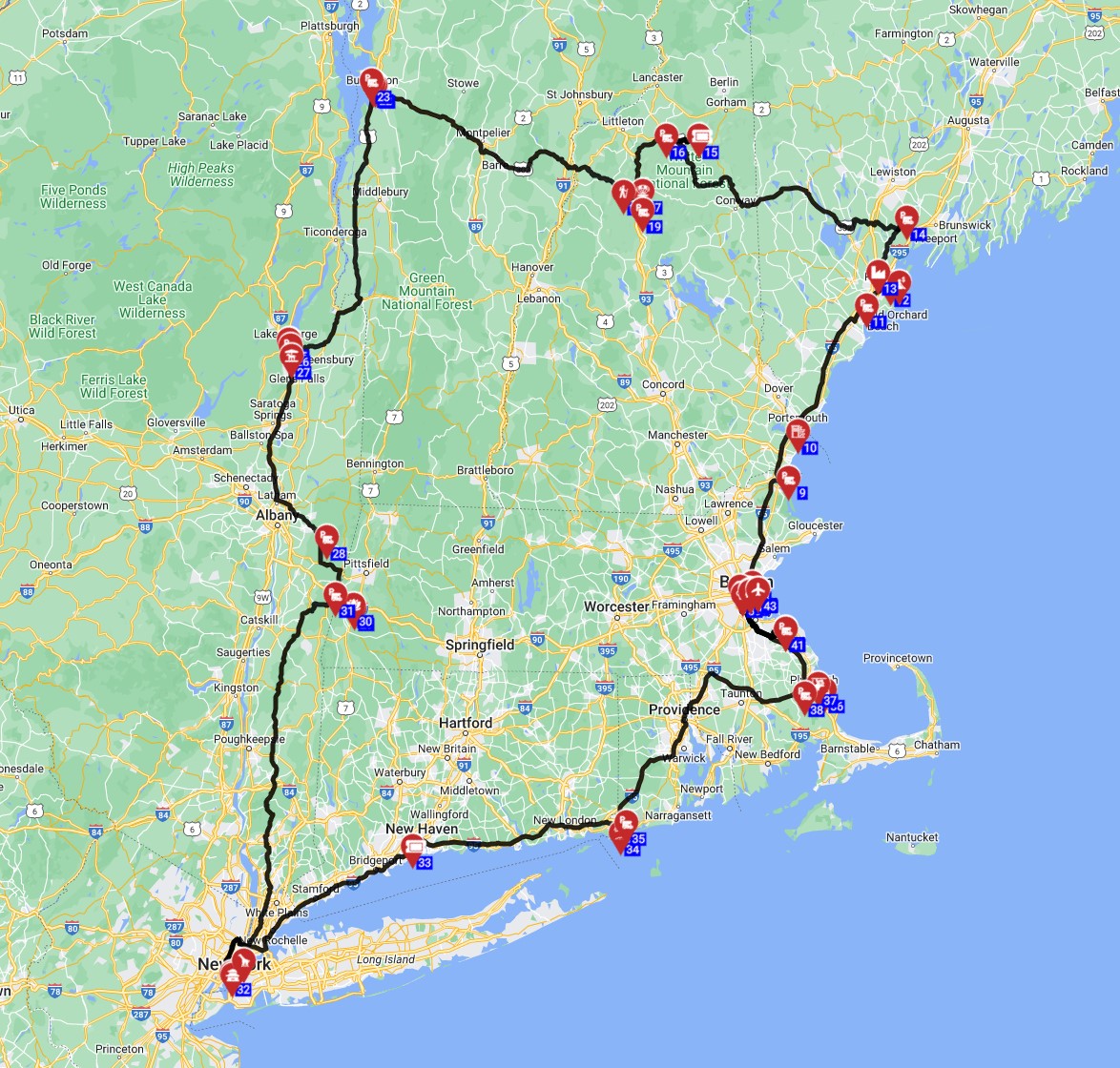
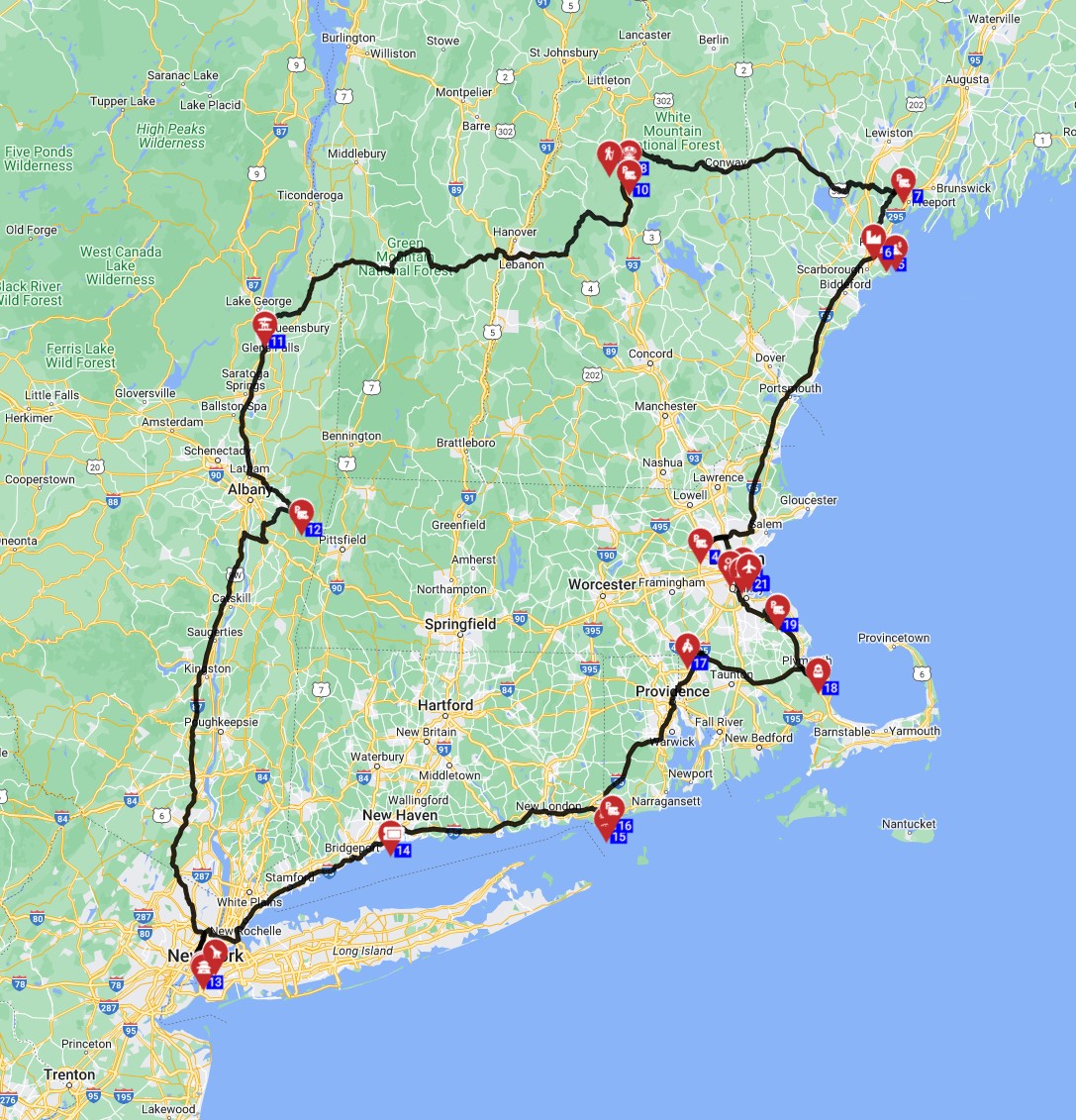
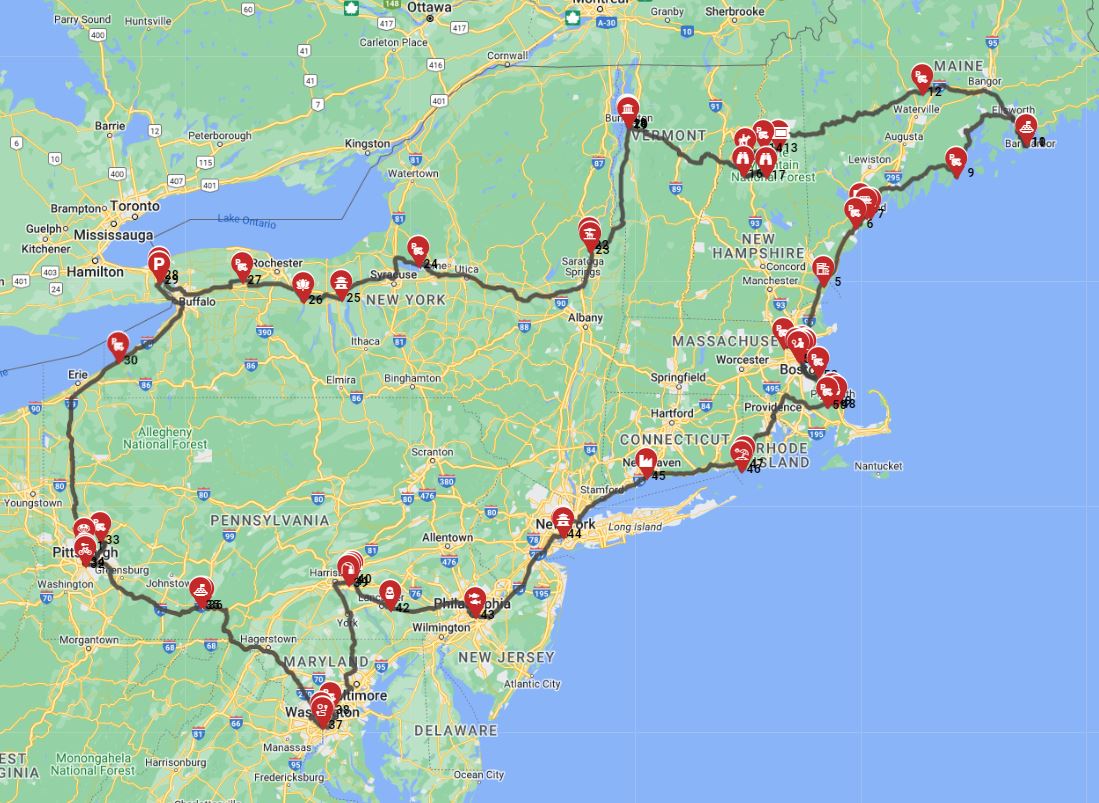
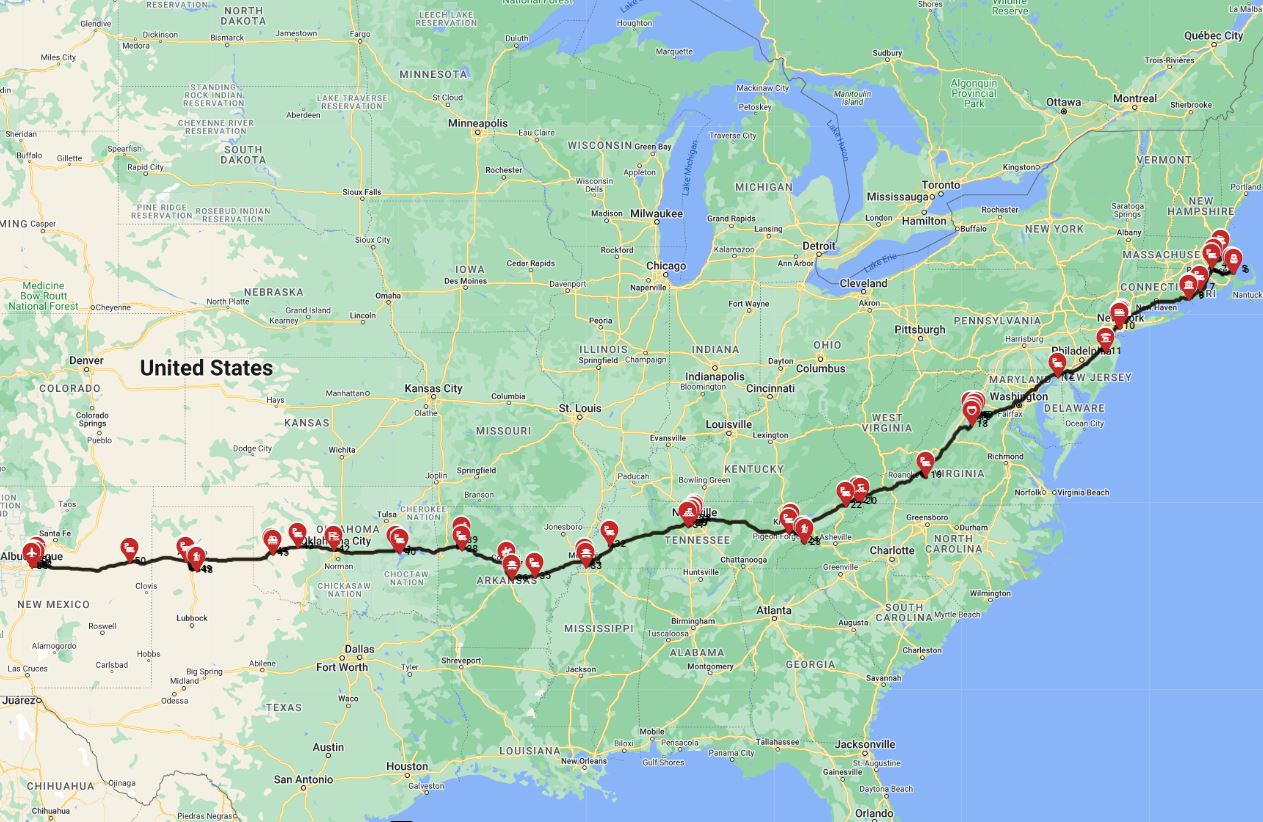
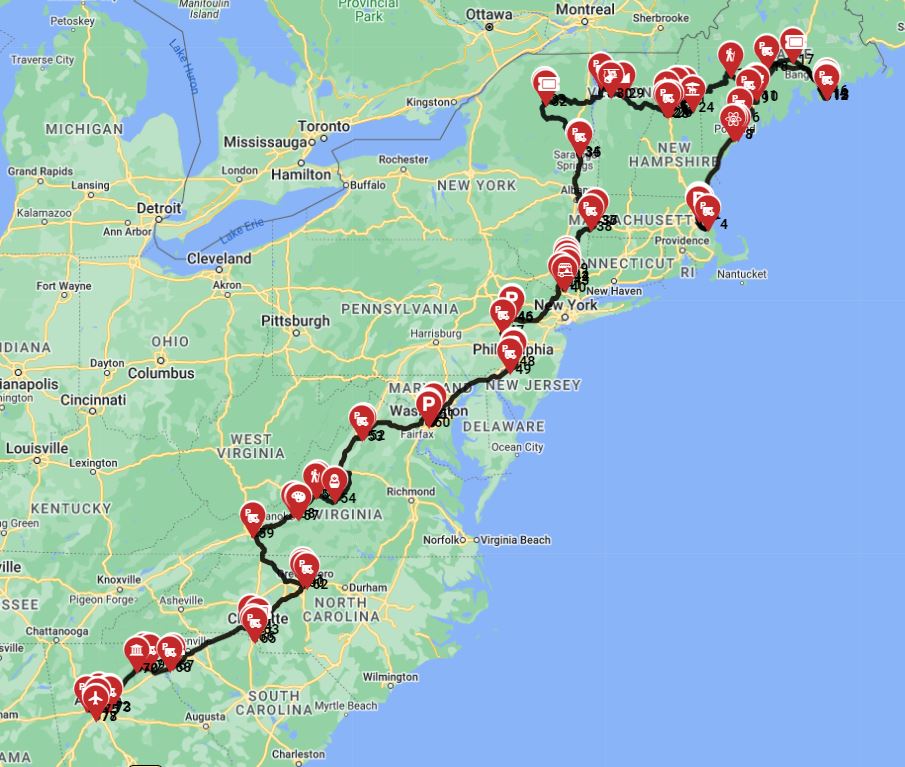
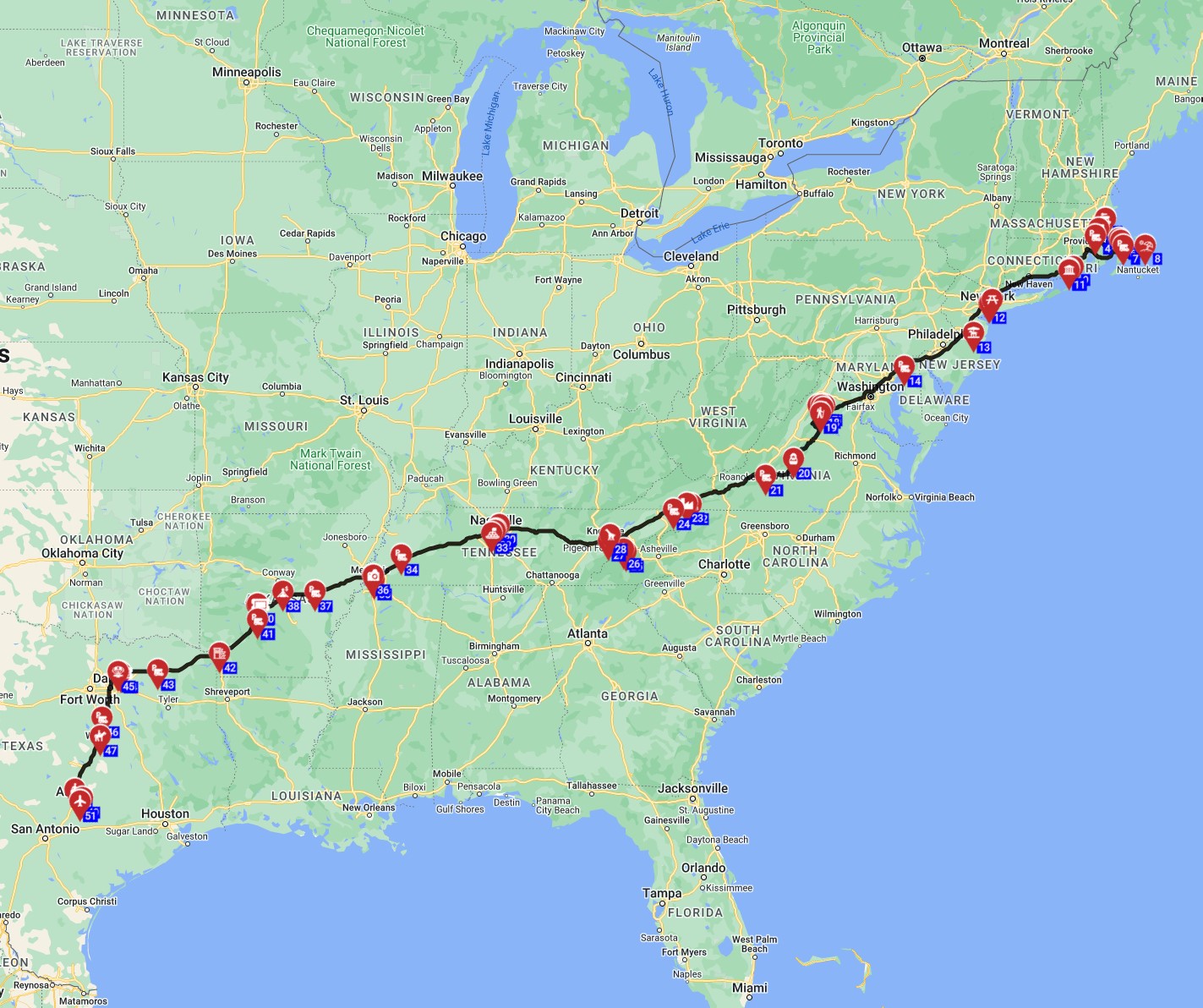
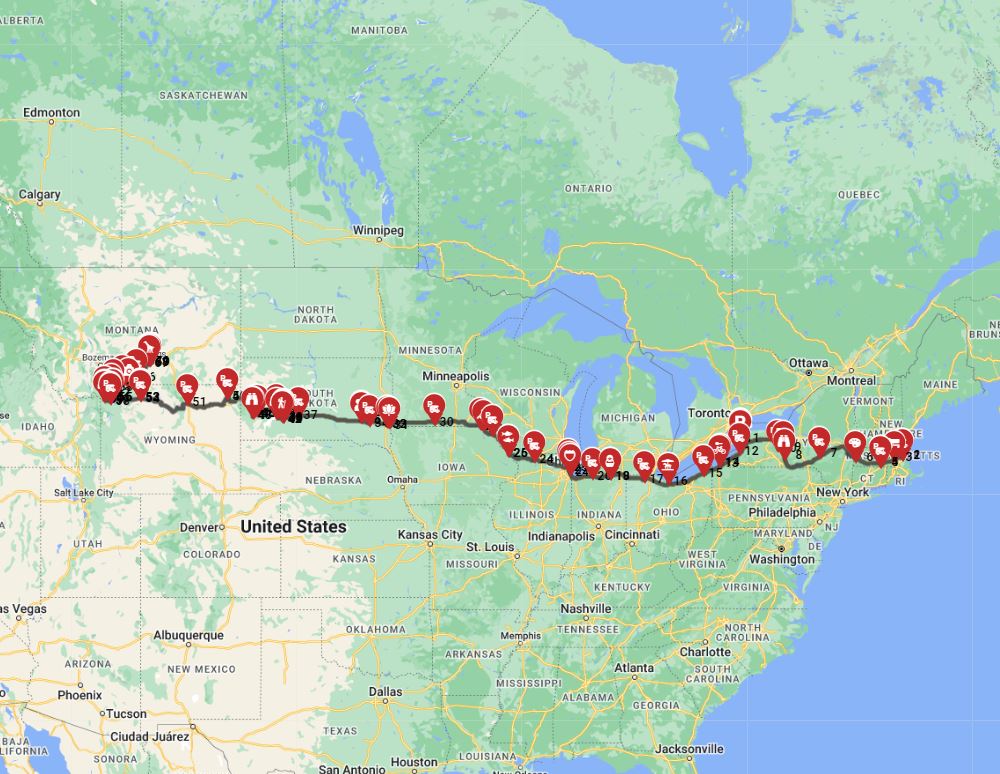
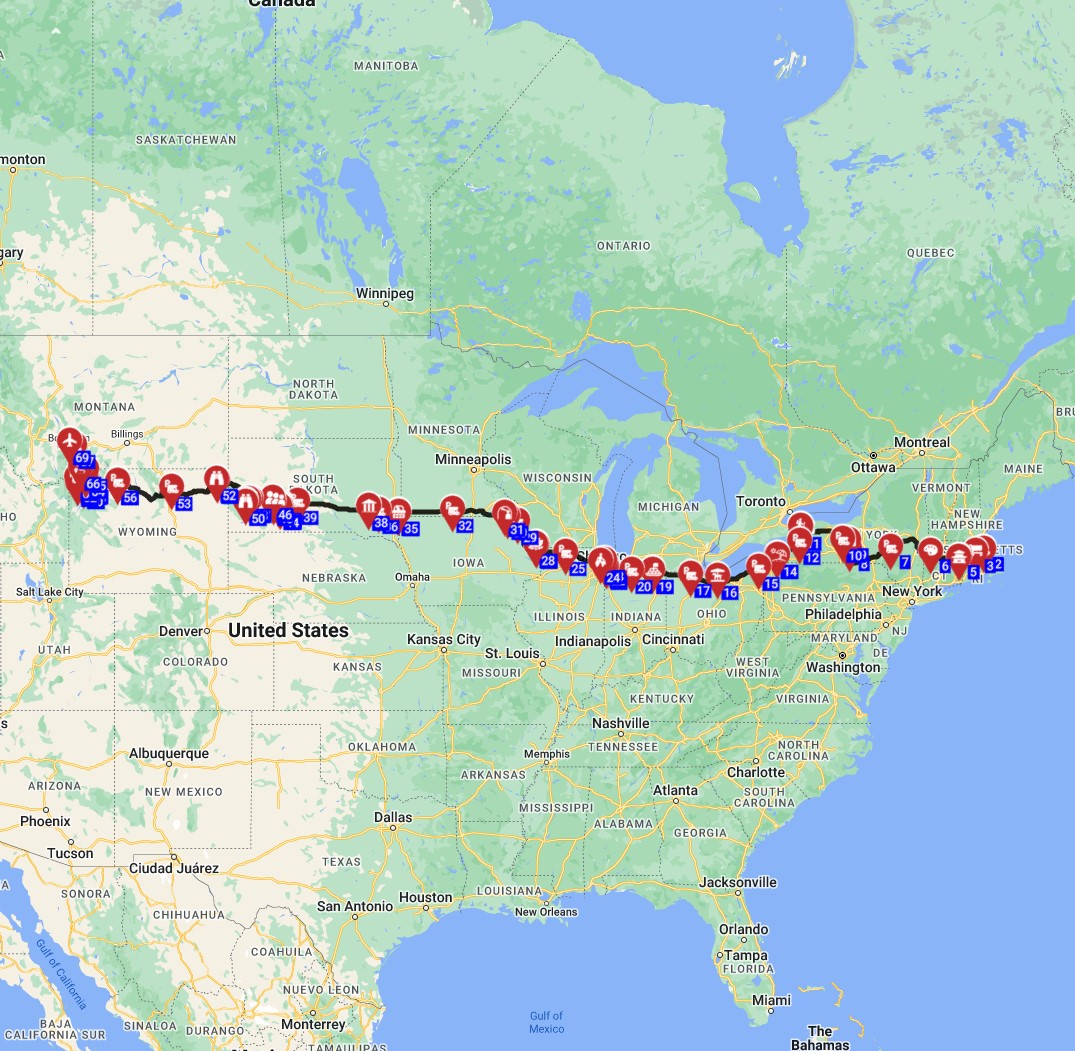
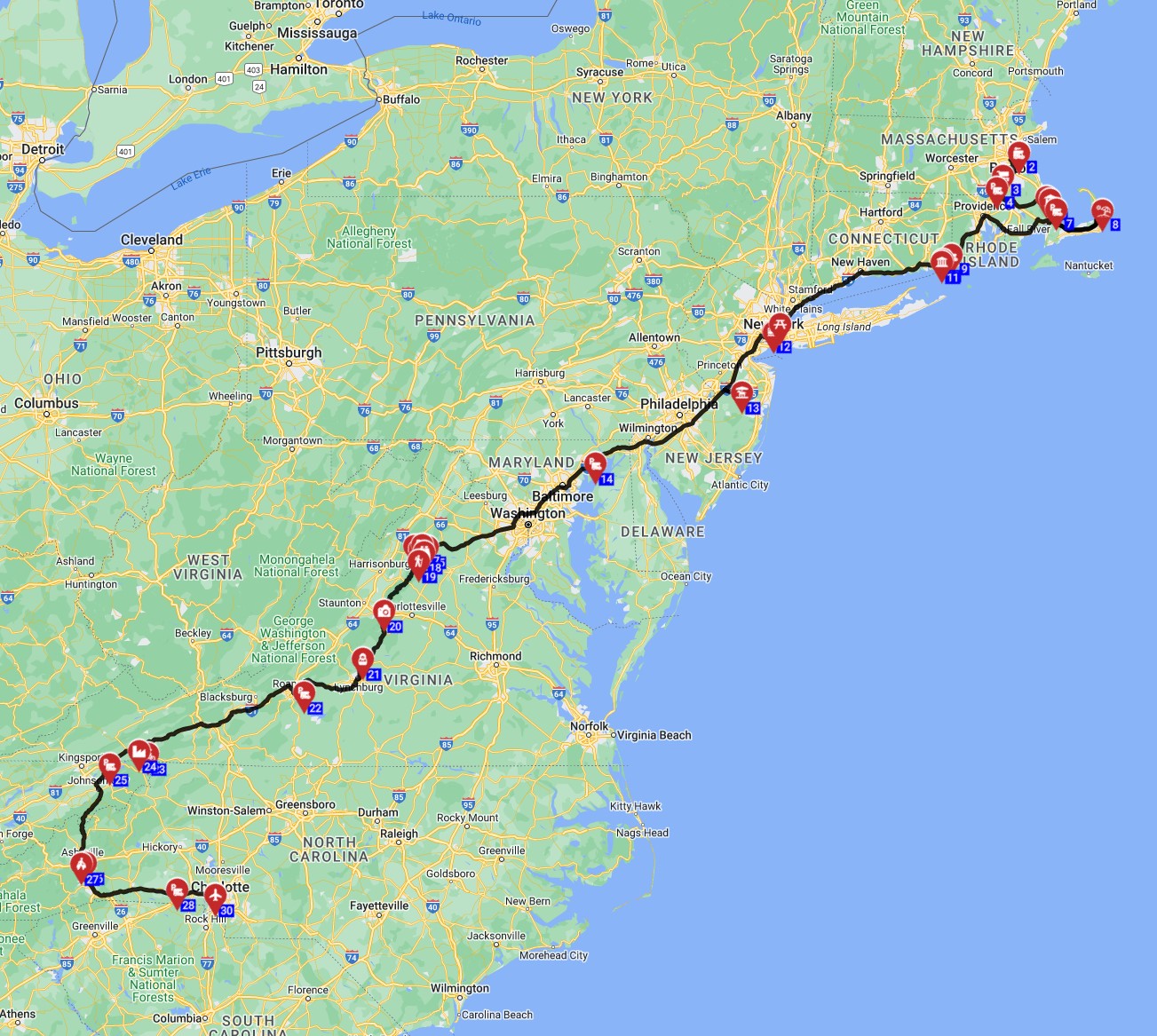
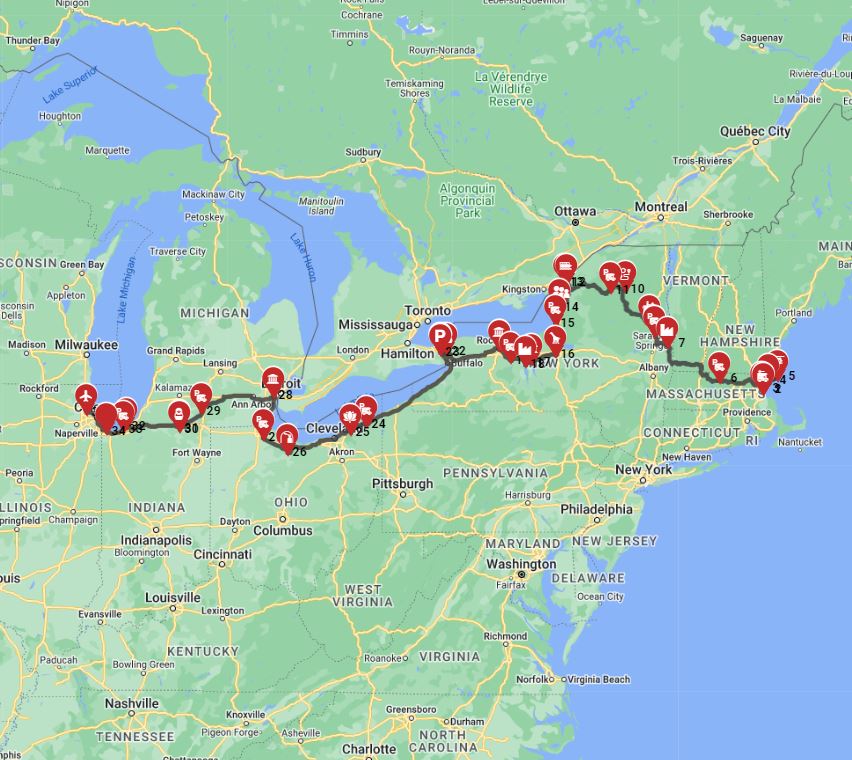
Imagine exploring Boston's rich history and vibrant winter atmosphere with the comfort of your own rented mobile home. Our professional route planners at RV PLANET have crafted detailed itineraries to make your journey seamless and inspiring. Whether you're coming from the mountains or the Midwest, there's a perfect plan for your family or group. This 29-day adventure from Salt Lake City to Boston - Mountains, Monuments, and Memories covers over 5,567 km and includes 5 museums, 4 tourist attractions, and 3 historical sites, ensuring a rich cultural experience. Alternatively, the 15-day Chicago to Boston - The Rust Belt to Revolution Route spans 2,348 km and includes visits to 1 museum, 1 aquarium, and 1 historical site, perfect for a dynamic two-week adventure. For a grander family adventure, consider the 27-day Billings to Boston - Mountains, Falls & Freedom Trail: A Family RV Adventure Across 9 States, covering nearly 6,000 km and featuring 10 natural features and 4 tourist attractions. These pre-planned itineraries are just a glimpse of what's possible with a rented motorhome. By planning your trip with RV PLANET, you can enjoy a 25% planning discount, letting you reward yourself for smart travel.What You Shouldn't Miss
- **Walk the Freedom Trail:** Lace up your boots and explore 16 historically significant sites over 2.5 miles, including the Paul Revere House and Faneuil Hall. It's an immersive way to experience Boston's colonial past.
- **Visit the Isabella Stewart Gardner Museum:** Discover this stunning Venetian palace housing a world-class art collection in a uniquely intimate setting, especially magical during winter.
- **Enjoy a Cannoli in the North End:** Indulge in authentic Italian pastries from Mike's Pastry or Modern Pastry, a must-do in Boston's historic Italian neighborhood.
- **Take a Scenic Drive to the North Shore:** Bundle up and drive your rented campervan north to coastal towns like Salem or Rockport, offering picturesque winter ocean views and charming shops, often less than an hour away.
- **Explore Harvard University:** Just across the Charles River in Cambridge, wander the historic Harvard Yard and visit the Harvard Museum of Natural History for a dose of academic charm.
Looking for expert insights from Avi Bandana? Top 5 Adventures - recommendations from Avi Bandana
Final Thoughts
Winter RV travel in Boston is an adventure waiting to happen. With proper planning and understanding of local conditions, you can transform the chilly season into a cozy, memorable exploration of this historic city and its beautiful surroundings. Imagine waking up in your comfortable rented campervan, making a warm breakfast, and then heading out to explore snow-dusted cobblestone streets, all at your own pace. At Bandana Caravan, we are here to support your journey every step of the way, from comparing the best deals on a Class B or Class C motorhome to offering expert route plans. We believe God is in the small details, and we take care of them, making a big difference in your travel experience. Don't let winter deter you; embrace the unique charm it brings to Boston. Find Motorhome Rentals in BostonOn the routes offered through RV PLANET routes, you can itemize and track every expense along the way for easy budgeting.