In This Guide
- Where to Camp in North Canada - Top Options
- Campground Types in North Canada (National, Private, Wild)
- Featured RV Park or Campground in North Canada
- Hookups & Amenities - What to Expect
- Booking Windows & Reservations in North Canada
- Nearby Supermarkets & Resupply Points
- Best RV Class for Camping in North Canada
- How to Save on Campgrounds in North Canada
- Can you park up anywhere in an RV in Canada?
- What is the 3-3-3 rule for RV travel?
- Where can I park my RV for free in Canada?
- Where are the best places for winter camping in Canada?
- Can I camp in Canada as a US citizen?
- How much does it cost to park an RV in Canada?
- Where do RV snowbirds go in the winter?
- Are there year-round RV parks in Canada?
Imagine yourself surrounded by pristine snow-covered landscapes, cozy inside a warm rental motorhome, gazing at the Northern Lights dancing across the vast Arctic sky. Winter RV camping in North Canada offers an unparalleled adventure for the bold and prepared traveler. This unique experience allows you to explore the Yukon, Northwest Territories, and the northern fringes of Canada's provinces in a way that traditional hotels simply can't match. With a rented RV, you have a mobile headquarters to venture out to national parks, witness incredible wildlife, and immerse yourself in breathtaking natural beauty. For live availability and current prices, start with our RV Rental North Canada - Complete Guide 2026 guide.
At Bandana RV, we’ve been helping tens of thousands of travelers explore the world by RV since 2001, providing honest advice and transparent bookings. We understand the nuances of cold-weather travel and are here to support you in planning an unforgettable winter journey through North Canada.
Where to Camp in North Canada - Top Options
For winter RV camping in North Canada, key regions include the Yukon and Northwest Territories, with limited options in Nunavut due to extreme conditions and lack of infrastructure. In the Yukon, travelers often find viable options around Whitehorse and along sections of the Alaska Highway, such as at the Whitehorse RV Park or select territorial parks offering seasonal winter services. You'll need to verify their operational status before your trip. The Northwest Territories offer the most accessible winter RV parking and resupply points in Yellowknife and Hay River. Nunavut is generally not considered an RV destination because of its extreme conditions, lack of road networks, and minimal services. When planning your route, prioritize locations that are well-maintained for winter, offer essential services like heated hookups, and are within reasonable proximity to emergency support. Keep in mind that for a truly immersive experience, travel slowly, averaging a maximum of 100-150 km per day. This allows you to truly feel the place, connect to the local culture, savor the food, and appreciate the stunning scenery of North Canada.
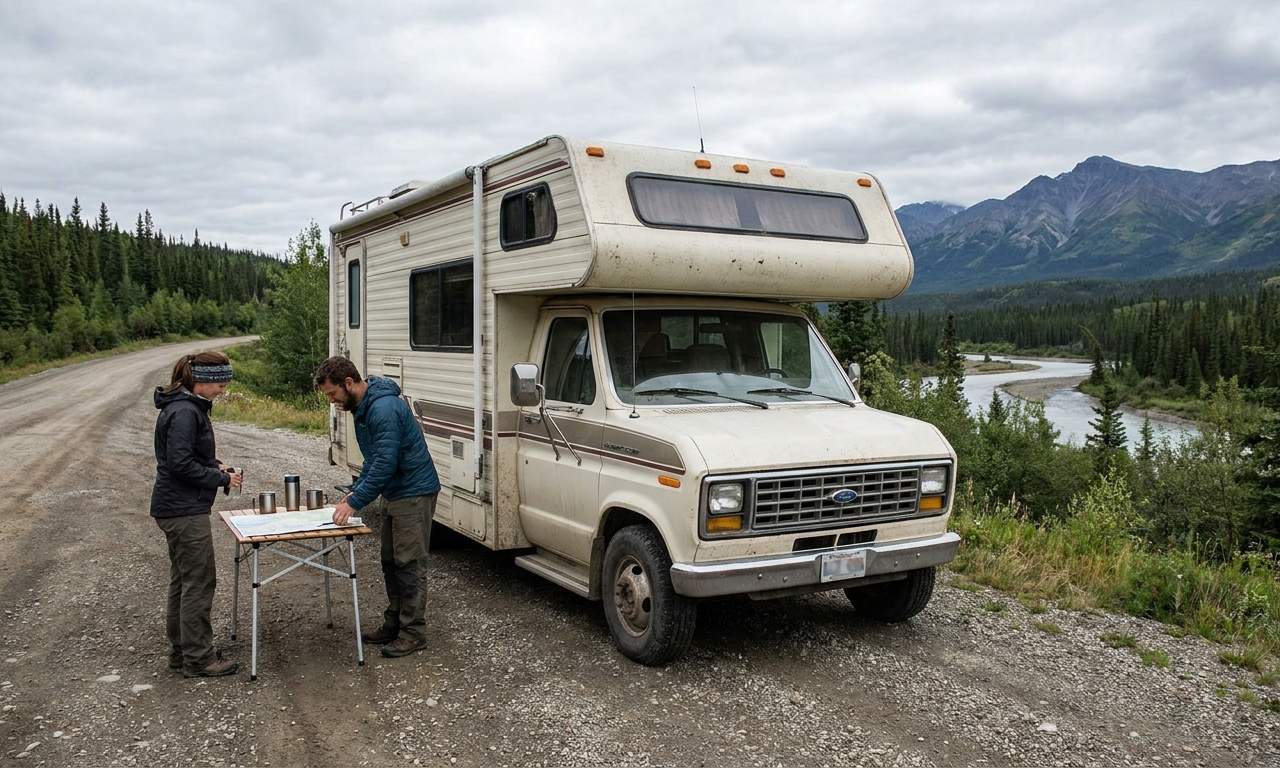
Campground Types in North Canada (National, Private, Wild)
In North Canada, national park campgrounds, such as those in Kluane National Park (Yukon), typically have very limited or no services in winter, often requiring backcountry permits for winter camping and extensive self-sufficiency. Territorial Parks in Yukon and the Northwest Territories may offer basic winter camping opportunities, but services are minimal, and many roads close seasonally due to snow and ice. Your best bet for winter RVing in North Canada is almost always private RV parks, especially those in and around Whitehorse and Yellowknife, as they often provide heated full hookups, propane refills, and other critical amenities like heated communal spaces. Wild camping (boondocking) on Crown land is generally permitted in many areas of the North, but this requires extreme self-sufficiency, strict adherence to local bylaws, respect for Indigenous lands, and robust cold-weather preparedness. Always research specific regulations for the area you plan to visit, as rules and permissions can vary significantly and are crucial for safe and responsible travel in remote northern regions. On the routes offered through RV PLANET routes, you can itemize and track every expense along the way for easy budgeting.
Featured RV Park or Campground in North Canada
An ideal winter RV park in North Canada would offer comprehensive services crucial for sub-zero temperatures. While specific real-time data for a single featured RV park is not provided, facilities similar to the Whitehorse RV Park in the Yukon exemplify what to look for. These parks should offer year-round, heated full hookups (30/50 amp electric, insulated water, and sewer connections) to prevent RV system freezes. Accessible propane refill stations are also essential, along with heated washrooms or communal areas for comfort. Such amenities are paramount for maintaining warmth and preventing issues with your rented motorhome in the extreme cold. When selecting a park, prioritize those known for reliable snow removal, excellent customer service catering to winter guests, and proximity to town amenities for resupply and emergency services. This diligent planning helps ensure a safe and comfortable winter RV adventure in North Canada. If you are curious about RV-friendly recipes playlist, these parks typically provide the necessary kitchen facilities for cooking delicious meals.
Hookups & Amenities - What to Expect
Electric hookups are paramount for winter RVing in North Canada to power essential heaters and prevent freezing, with most serviced sites offering 15, 30, or 50 amp service (120V/60Hz). Individual water hookups at sites may be unavailable in extreme cold or require heated hoses and extensive insulation to prevent lines from freezing solid. Central heated water fill stations are a common and reliable alternative. Sewer and dump stations can also be limited or require special procedures in freezing conditions, making heated facilities absolutely essential for proper waste management. Cell service is extremely limited outside of major northern communities like Whitehorse and Yellowknife; therefore, satellite communication devices are highly recommended for safety and remote area logistics during your winter RV rental adventure. WiFi and laundry facilities are typically found only at private RV parks in larger towns, offering a chance to reconnect and refresh. Lastly, propane for heating and cooking is a critical resource, requiring careful monitoring and planning for refills due to the vast distances between service points in the North.
Booking Windows & Reservations in North Canada
For winter RV rentals in North Canada, booking private RV parks with heated services in advance is highly advisable due to their limited availability and essential amenities. Many national and territorial park campgrounds operate on a first-come, first-served basis in winter, if open at all, and typically offer minimal services, which is less ideal for cold-weather comfort. While some popular national park campgrounds may release a small percentage (25-30%) of spots for reservations, this is less common for winter operations in the true North. Spontaneous travelers should always call ahead to confirm campground availability, current road conditions, and the operational status of amenities before driving long distances. You'll find a spot; if not at the first campground, then the next one. Just call ahead before driving to ensure a smooth arrival. Planning ahead, particularly for an extended road trip, can also help secure better rates for your RV Rental in North Canada - Prices and Best Deals 2026.
Nearby Supermarkets & Resupply Points
Resupply points in North Canada are concentrated in larger communities like Whitehorse, Yukon, and Yellowknife, Northwest Territories, making careful planning essential. Travelers should plan to stock up significantly at major supermarkets (e.g., local Superstore, Safeway, or independent grocers) before heading into remote areas, as options become scarce and expensive further north. Fuel availability is a major consideration; stations can be hundreds of kilometers apart on remote highways, necessitating carrying extra fuel when possible. Beyond groceries, ensuring you have adequate supplies of propane, water, and emergency provisions is crucial for safe winter travel in the North due to vast distances and limited services. Remember, careful budgeting for these ancillary costs is key to a smooth journey. On RV PLANET routes, travelers can itemize and track every expense along the way for easy budgeting, ensuring no surprises during their adventure. Planning your meals using your rented motorhome’s kitchen is a great way to manage costs and enjoy fresh food.
Best RV Class for Camping in North Canada
For winter RVing in North Canada, Class B Camper Vans or Class SI Semi-integrated RVs are often recommended for their maneuverability and superior cold-weather insulation. Bandana's Class B Camper Vans, typically averaging 5.8m in length with sleeping for 3.2 people and fuel consumption around 10 Liters/100 km, offer efficiency and ease of driving on snowy or icy roads. These smaller motorhomes are agile enough to handle varying road conditions while providing a warm interior. Class SI Semi-integrated RVs from Bandana's global fleet, averaging 6.9m in length and sleeping 3.8, provide more space and amenities, consuming 10-11 Liters/100 km, making them a good balance for extended winter trips for families with kids or couples seeking extra comfort. Regardless of the class, prioritize rented RVs explicitly designed or upgraded with a four-season package, including heated tanks, double-pane windows, and robust furnace systems, for maximum comfort and system protection in the extreme northern conditions. Options for a Luxury RV Rental in North Canada - Premium Prices 2026 are also available, offering enhanced insulation and amenities.
How to Save on Campgrounds in North Canada
To save on campgrounds in North Canada, consider utilizing campground discount cards, which may be offered by rental companies like Bandana, to secure savings on daily rates at participating private RV parks. Municipal or regional campgrounds, when available, often have lower fees than private resorts, though their winter services in North Canada are more limited and might require higher self-sufficiency. Opting for longer stays can also be a smart financial move; many private RV parks offer significantly reduced weekly or monthly rates compared to nightly charges. Boondocking or wild camping on Crown land is a free option, but this demands exceptional self-sufficiency, adherence to regulations, and thorough preparation for extreme cold and remote conditions. Traveling in the extreme shoulder seasons (early winter or late spring) might offer slightly lower rates, but be aware that genuine shoulder seasons are very brief in the true North and come with their own unique challenges. Explore RV Rental Deals in North Canada - Latest Offers 2026 to find seasonal discounts.
Can you park up anywhere in an RV in Canada?
No, you cannot generally park up an RV anywhere you wish in Canada, as specific regulations vary by province/territory and municipality, especially in North Canada. Overnight parking is typically restricted to designated campgrounds, RV parks, or specific areas where it is explicitly permitted. Wild camping or boondocking on Crown land is allowed in many parts of North Canada, but it is critical to research specific territorial regulations, respect Indigenous land rights, and be aware of any local bylaws. Parking on private property without the explicit permission of the landowner is illegal. Always adhere to posted signage regarding parking restrictions and practice Leave No Trace principles to minimize environmental impact, especially in sensitive northern ecosystems. Drive slowly and carefully, and you can drive almost anywhere without issues. No need to stress - just use common sense and pay attention to local signage.
🎬 Video coming soon
What is the 3-3-3 rule for RV travel?
The 3-3-3 rule, commonly used by RVers (primarily in the United States), suggests driving no more than 300 miles (approximately 480 km) in a day, arriving by 3 PM, and staying for a minimum of 3 nights. In the context of winter RV travel in North Canada, this rule should be significantly adapted due to extreme cold, limited daylight hours, and vast distances between services. It is much more prudent to plan for significantly shorter driving days, often less than 200 km, especially on potentially icy or unpaved northern roads, and to arrive well before sunset, which can be as early as 3 PM in mid-winter. Staying 3 nights at a heated, serviced RV park is highly recommended to adequately warm up your rental motorhome, resupply, and rest, which is crucial for safe and comfortable cold-weather RVing. Our Winter RV Driving in North Canada - Safety Guide 2026 provides more detailed recommendations for navigating northern roads.
Where can I park my RV for free in Canada?
In Canada, free RV parking is predominantly found through boondocking or wild camping on designated Crown land (public land), which is abundant in the northern territories of North Canada. However, regulations vary by province and territory; always research local bylaws and secure any necessary permits, especially when camping on or near Indigenous traditional territories. Some private businesses, like certain Walmarts or Cabela's, may permit overnight parking at the manager's discretion; always confirm upon arrival. Rest stops and highway pull-offs typically do not allow overnight camping, only short-term stops. For winter RVing in North Canada, free parking options with services are extremely limited, demanding high levels of self-sufficiency and comprehensive cold-weather preparedness to ensure safety. For those seeking more comfort, exploring RV Rental in North Canada - Prices and Best Deals 2026 can help find serviced sites.
Where are the best places for winter camping in Canada?
For winter RV camping specifically in North Canada, the best places are private RV parks situated near major towns like Whitehorse, Yukon, or Yellowknife, Northwest Territories, offering critical heated services. These facilities provide the necessary infrastructure to keep your rented motorhome functioning and comfortable in sub-zero temperatures. Sections of the Alaska Highway in the Yukon also provide more accessible winter-friendly stops compared to highly remote routes further north. While stunning, national parks such as Kluane in Yukon often have minimal to no services in winter, making them suitable only for highly experienced and extremely well-equipped winter campers with vehicles specifically winterized. More generally across Canada, popular winter RV destinations in milder climates include coastal British Columbia (e.g., Vancouver Island) and specific parks in southern Alberta, but these differ greatly from the true North's extreme conditions. For a comprehensive overview of Canada, consider our RV Rental USA - Complete Guide 2026 which also touches upon Canadian destinations.
Can I camp in Canada as a US citizen?
Yes, US citizens are welcome to camp in Canada with their rented RVs, but they must meet specific entry requirements and adhere to Canadian laws and regulations. A valid passport is required for entry, and travelers should review the official Government of Canada travel website for the latest entry rules, which can change. It is advisable to ensure your RV's insurance policy is valid for Canada and to carry a Canadian non-resident inter-province motor vehicle liability insurance card (often called a Yellow Card) for added peace of mind. For extended road trips exceeding a certain duration (typically 6 months), temporary import permits for your rented RV may be necessary. Be aware of prohibitions or restrictions on items like firearms, certain food products, and cannabis when crossing the border into Canada. The minimum driver age for renting any motorhome class (Class A, Class B, Class C) in Canada is 21 years, and a standard car driver's license is sufficient.
How much does it cost to park an RV in Canada?
The cost to park a rented RV in Canada widely ranges from CAD $25 to over $100 per night, depending on the location, season, amenities offered, and the type of campground. In North Canada, private RV parks providing heated full winter services often fall into the higher end of this spectrum due to the specialized infrastructure and operational costs for cold weather. National and Territorial park campgrounds are generally less expensive (e.g., CAD $15-40), but their winter services are often limited or nonexistent, requiring more preparedness. Boondocking or wild camping on Crown land is free, but this option demands complete self-sufficiency and strict adherence to local regulations. Expect higher prices in popular tourist destinations and during peak seasons, though the 'peak' in North Canada's winter relates more to the necessity of serviced sites rather than high visitor volume. Keep in mind that prices are dynamic, similar to flight tickets, changing daily based on availability and other factors, so the final price is set at the actual booking time.
Where do RV snowbirds go in the winter?
RV snowbirds traditionally travel south for the winter months, primarily to warmer US states such as Florida, Arizona, Texas, or California, rather than staying in Canada, especially not North Canada. The lure of mild climates and abundant sunny days draws them away from harsh northern winters. Within Canada, the mildest winter RV destinations for snowbirds are typically coastal British Columbia (e.g., Vancouver Island) or the Okanagan Valley, where temperatures are more moderate and snowfall is lighter. Very few RV snowbirds intentionally travel to North Canada for winter, as the region experiences extreme cold, limited daylight, and exceptionally challenging driving conditions. Winter RVing in North Canada is generally undertaken by adventurous travelers seeking unique cold-weather experiences, such as the Northern Lights, not by those looking to escape winter entirely. For those interested in a full overview of RV travel in the wider region, explore the RV Travel Guide to North Canada - Tips and Top Spots 2026.
Are there year-round RV parks in Canada?
Yes, year-round RV parks exist in Canada, though their availability is significantly reduced during the winter months, particularly in the northern regions of North Canada. In North Canada, finding year-round RV parks with full services, especially water and sewer hookups that are protected from freezing, is challenging but possible in larger communities like Whitehorse, Yukon, and Yellowknife, NWT. These year-round parks are crucial for winter RVers, offering essential services like heated hookups, propane refills, and dump stations necessary for safe operation of your rental motorhome in sub-zero temperatures. Outside of the true North, year-round RV parks are more common in milder climates such as coastal British Columbia, parts of southern Ontario, and near major cities in Alberta. Always confirm a park's winter operating status and specific amenities before planning your extended trip to avoid unexpected closures or lack of services. For finding campsites and campgrounds during your trip, we recommend using RV PLANET (rvplan.net) - a great resource for locating available spots along your route.
What You Shouldn't Miss
- **Witness the Aurora Borealis:** North Canada is one of the best places on Earth to experience the magical Northern Lights. Position your rented motorhome away from city lights, perhaps near Whitehorse or Yellowknife, for an unforgettable celestial display.
- **Explore Kluane National Park:** While winter services are limited, this UNESCO World Heritage site in the Yukon offers stunning snowshoeing and cross-country skiing opportunities amidst towering peaks and vast glaciers.
- **Drive the Alaska Highway:** Experience a true Canadian classic. Sections of this historic highway, especially between Whitehorse and Dawson City, remain open and offer breathtaking winter scenery, with cozy communities and heated RV parks along the way.
- **Visit Dawson City:** Step back in time to the Klondike Gold Rush era. This historic town in the Yukon is charming in winter, with dog sledding tours and unique local events.
- **Ice Roads (seasonal):** If conditions permit and you're an experienced winter driver, some seasonal ice roads offer access to truly remote communities, providing an authentic northern experience (always check local conditions and restrictions before attempting).
Looking for expert insights from Avi Bandana? Top 5 Adventures - recommendations from Avi Bandana
Final Thoughts
Embarking on a winter RV adventure in North Canada is truly a bucket-list experience, offering serene landscapes and the magic of the Northern Lights away from the crowds. While it requires careful planning and a robust, winter-ready motorhome rental, the rewards are immeasurable. Remember to approach your trip with flexibility, research your routes, and prioritize safety and preparedness for the unique challenges and incredible beauty of the North.
Whether you're planning a week-long trip to see the Yukon's frozen wilderness or a two-week adventure through the Northwest Territories, Bandana Caravan is here to help. We're your true RV specialists, dedicated to making your journey seamless and enjoyable, from your initial search to your return. Compare Winter RV Rental Prices for North Canada and start planning your unforgettable winter escape today!