In This Guide
- Can you rent a motorhome in Ireland in winter?
- Is RV travel good in Ireland?
- What do I need to know about driving a motorhome in Ireland?
- Are Irish campsites open in winter?
- How much does it cost to rent an RV in Ireland?
- How much does it cost to park an RV in Ireland?
- What is the best month to RV in Ireland?
- Where to Camp in Ireland - Top Options
- Campground Types in Ireland (National, Private, Wild)
- Featured RV Park or Campground in Ireland
- Hookups & Amenities - What to Expect
- Booking Windows & Reservations in Ireland
- Nearby Supermarkets & Resupply Points
- Best RV Class for Camping in Ireland
- How to Save on Campgrounds in Ireland
Imagine the Emerald Isle in its quiet, mystical winter cloak, with roaring fires in cozy pubs and dramatic coastal scenery all to yourself. A winter RV camping trip in Ireland offers a truly unique and intimate way to experience this captivating country. Forget crowded tourist spots and peak season prices; with a rented motorhome or campervan, you have the freedom to chase the shifting light, discover hidden gems, and immerse yourself in authentic Irish culture at your own pace. For live availability and current prices, start with our RV Rental Ireland - Complete Guide 2026 guide.
At Bandana RV, we've been helping travelers like you explore the world by RV since 2001, boasting over two decades of expertise and direct partnerships with 50+ leading RV suppliers worldwide. We believe in full transparency, which means no hidden fees and no surprises when you book your winter rv rental in Ireland through our platform. We're true RV specialists, not just a side department of a generic travel agency, and we're with you before, during, and after your booking to ensure a smooth journey. Let's dive into everything you need to know about experiencing Ireland's winter wonders on wheels.
Can you rent a motorhome in Ireland in winter?
Yes, renting a motorhome or campervan in Ireland during winter is entirely possible and offers a distinctive travel experience, provided you prepare for the specific conditions between November and February. Winter travel provides numerous benefits, such as significantly fewer crowds at popular attractions, more authentic local interactions with a warm Irish welcome, and a chance to witness Ireland's dramatic landscapes, from the Wild Atlantic Way to the Ancient East, in a different, often more atmospheric light.
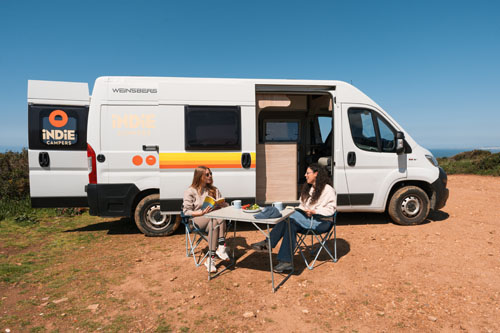
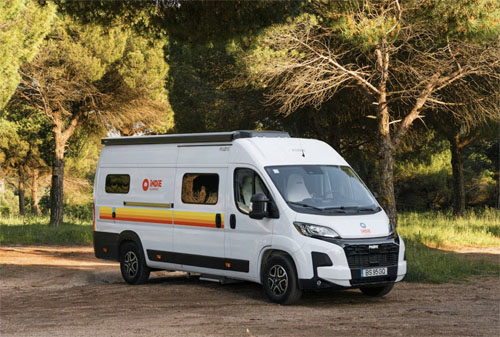
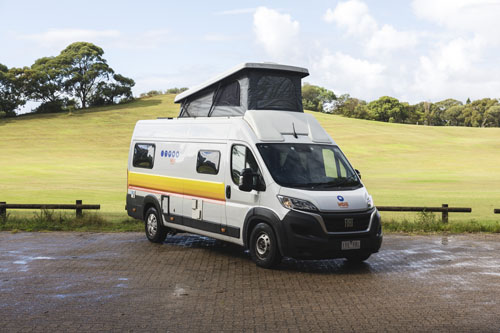
However, challenges include shorter daylight hours (approximately 8-9 hours in December), colder and wetter weather, and the potential for some smaller, seasonal campsites and tourist attractions to be closed or operate on reduced hours. When packing for your winter RV rental in Ireland, include essential items like waterproof and windproof clothing, extra thermal layers, sturdy waterproof boots, and a road emergency kit for rural Irish conditions. This kit should contain high-visibility vests, a first-aid kit, a warning triangle, and a basic toolset for minor issues. A rented Class B campervan, typically around 5.8 meters long like the "Active Pop Top" model, offers excellent maneuverability for these conditions and often includes robust heating and insulation.
🎬 Video coming soon
Is RV travel good in Ireland?
RV travel in Ireland is an excellent way to experience the country, offering unparalleled flexibility, unique access to remote areas, and a more immersive cultural experience compared to traditional travel methods. This mode of travel allows you to modify your plans on a whim, following the sun or a local recommendation, rather than being tied to hotel reservations. For families and groups of 4-6 people, a rented Class C motorhome like the "Family Sleeper (FS)" model provides ample space and amenities, including a kitchen with a 3-burner gas stove and a 190-liter refrigerator, allowing for cost savings on meals. Our RV PLANET routes allow travelers to itemize and track every expense along the way for easy budgeting, making a comprehensive cost-benefit analysis reveal potential savings on accommodation and dining, especially for longer trips. On the routes offered through RV PLANET routes, you can itemize and track every expense along the way for easy budgeting.
The ability to cook your own meals using fresh, local produce from farmer's markets or supermarkets like SuperValu and Tesco, which are widely available, provides a distinct advantage over fixed itineraries and restaurant dining for every meal. For those interested in culinary experiences, preparing dishes with local ingredients is a key part of the RV adventure. Check out our RV-friendly recipes playlist for inspiration. RVers can engage authentically with locals by supporting small businesses, visiting rural pubs for traditional music sessions, and exploring towns at a slower pace, truly experiencing Irish traditions. We always recommend slow travel, averaging a maximum of 100-150 km per day, to truly feel the place, connect to the culture, the food, and the scenery of Ireland.
What do I need to know about driving a motorhome in Ireland?
Driving a motorhome in Ireland requires specific awareness of local road conditions, including driving on the left side of the road, navigating narrow 'boreens' (country roads), and exercising significant caution around hedgerows and ancient stone walls. These rural roads often feature limited visibility and are barely wide enough for one vehicle, necessitating frequent use of designated 'passing places' (pull-offs) to allow oncoming traffic to proceed safely. Drive slowly and carefully, and you can drive almost anywhere without issues. No need to stress - just use common sense and pay attention.
Be prepared for speed limits of 120 km/h on motorways (like the M50 around Dublin), 100 km/h on national primary routes, 80 km/h on regional roads, and 50 km/h in urban areas. Driving through small villages with a motorhome or campervan can be tight, so always be mindful of parked cars, pedestrians, and tight turns, often requiring slow speeds and careful maneuvering. In remote areas, specific emergency situations like breakdowns can be challenging; ensure you have breakdown assistance contact details, a fully charged phone, and a basic emergency kit including high-visibility vests, a first-aid kit, and a warning triangle.
Always research your route in advance, especially when heading off major roads, to avoid unexpectedly narrow or unsuitable routes for your RV size. For example, iconic sections like the Gap of Dunloe are often restricted for larger vehicles. Toll roads, particularly the M50 around Dublin with its barrier-free eFlow system, require online payment or at designated Payzone outlets before 8 PM the following day, while other motorways may have traditional toll booths.
Are Irish campsites open in winter?
While a significant number of Irish campsites typically close for the winter season (November-March), a good selection, particularly private sites in popular tourist regions, remain open year-round or operate on reduced winter hours. It is crucial to verify the opening status of any intended campsite directly with them before travel, as online information may not always be current for off-peak periods. Many year-round operating campsites cater specifically to motorhomes and campervans, providing essential facilities such as hard-standing pitches (rather than potentially muddy grass pitches), reliable electric hookups, and comfortably heated toilet and shower facilities. For example, sites near major attractions in County Kerry or along parts of the Wild Atlantic Way often maintain winter services. For those seeking alternatives, some caravan parks or designated RV parking areas (known as 'Aires' in some other European countries, though less formalized in Ireland) in towns might offer limited facilities during the colder months, though full-service options are less common. Always call ahead before driving to confirm availability and avoid disappointment.
How much does it cost to rent an RV in Ireland?
The cost to rent an RV in Ireland varies significantly based on factors such as the RV class, rental duration, specific amenities included, and the exact season, with winter typically being the most affordable time to book. Expect daily prices to range from approximately €70-€150 for smaller campervans or semi-integrated models like the "Active Classic" during the winter off-season. Larger, more luxurious motorhomes, such as a Class C Alcove like the "6 Berth Deluxe," can cost upwards of €150-€250 per day.
These figures generally cover the base rental fee, but additional costs can add to the total. This includes necessary insurance, potential mileage limits or unlimited mileage packages, optional bedding and kitchen packs, and one-way fees if you plan to pick up in one city and drop off in another (e.g., Dublin to Cork). Prices are dynamic, similar to flight tickets, changing daily based on availability and supplier marketing decisions, so the final price is always set at the actual booking time. Booking well in advance, even for winter travel, can often secure better rates, and always inquire about any package deals or long-term rental discounts for week-long or two-week adventures.
How much does it cost to park an RV in Ireland?
The cost to park a rented RV in Ireland can range significantly, from free in certain designated areas or when wild camping responsibly, to €20-€40 per night for a full-service pitch at a private campground. Private campsites, particularly those open year-round, offer the most amenities and security for their parking fees, including electric hookups, fresh water, and waste disposal points. Their availability and pricing will vary by location and season, with winter often seeing slightly reduced rates.
Designated 'Aire de Service' or motorhome parking areas, while not as prevalent as in some other European countries, may exist in some towns and typically have a smaller fee, often ranging from €5-€15 for overnight stays and basic services. Wild camping, while generally free, carries legal ambiguities in Ireland, as there is no universal 'right to roam' as in Scotland. It should only be undertaken with careful consideration for local regulations, respect for private property (always seek permission from landowners), and strict adherence to 'leave no trace' principles to minimize environmental impact. Supporting local businesses, such as a rural pub, can sometimes lead to informal, free overnight parking in their car parks.
What is the best month to RV in Ireland?
The 'best' month to enjoy an RV rental in Ireland depends entirely on a traveler's priorities, with each season offering distinct advantages. Summer (June-August) boasts the warmest weather and longest daylight hours (up to 17 hours in June), making it popular for those seeking sunshine and maximum exploration time, but it also comes with higher prices and larger crowds at popular spots. Shoulder seasons (April-May, September-October) often strike a perfect balance, offering milder weather than winter, significantly fewer crowds than summer, and most services and attractions still operational.
Winter (November-February), however, provides a quieter, more atmospheric, and often more affordable experience, appealing to those who prefer a tranquil journey and dramatic, rugged scenery. With shorter daylight hours (around 8 hours in December), planning becomes more focused on cozy evenings in the motorhome and shorter daily drives. While some seasonal attractions may be closed, many indoor sites like museums, distilleries, and pubs remain open, offering rich cultural experiences. Choosing a winter-ready campervan with good insulation and heating, such as the "Koru Star 4 Freedom" or "VW California Ocean," ensures comfort despite the colder temperatures.
Where to Camp in Ireland - Top Options
Ireland offers diverse RV camping experiences across its regions, even in winter, with options ranging from rugged coastal sites along the Wild Atlantic Way to serene spots in the Ancient East. For winter RV travel, it's best to focus on established campsites that remain open year-round, typically found near popular tourist hubs or larger towns. These sites often provide better infrastructure and warmer facilities, crucial for a comfortable stay. You might consider areas like County Kerry, Cork, and Galway, which generally have a higher concentration of private campgrounds that cater to winter visitors and offer hard-standing pitches.
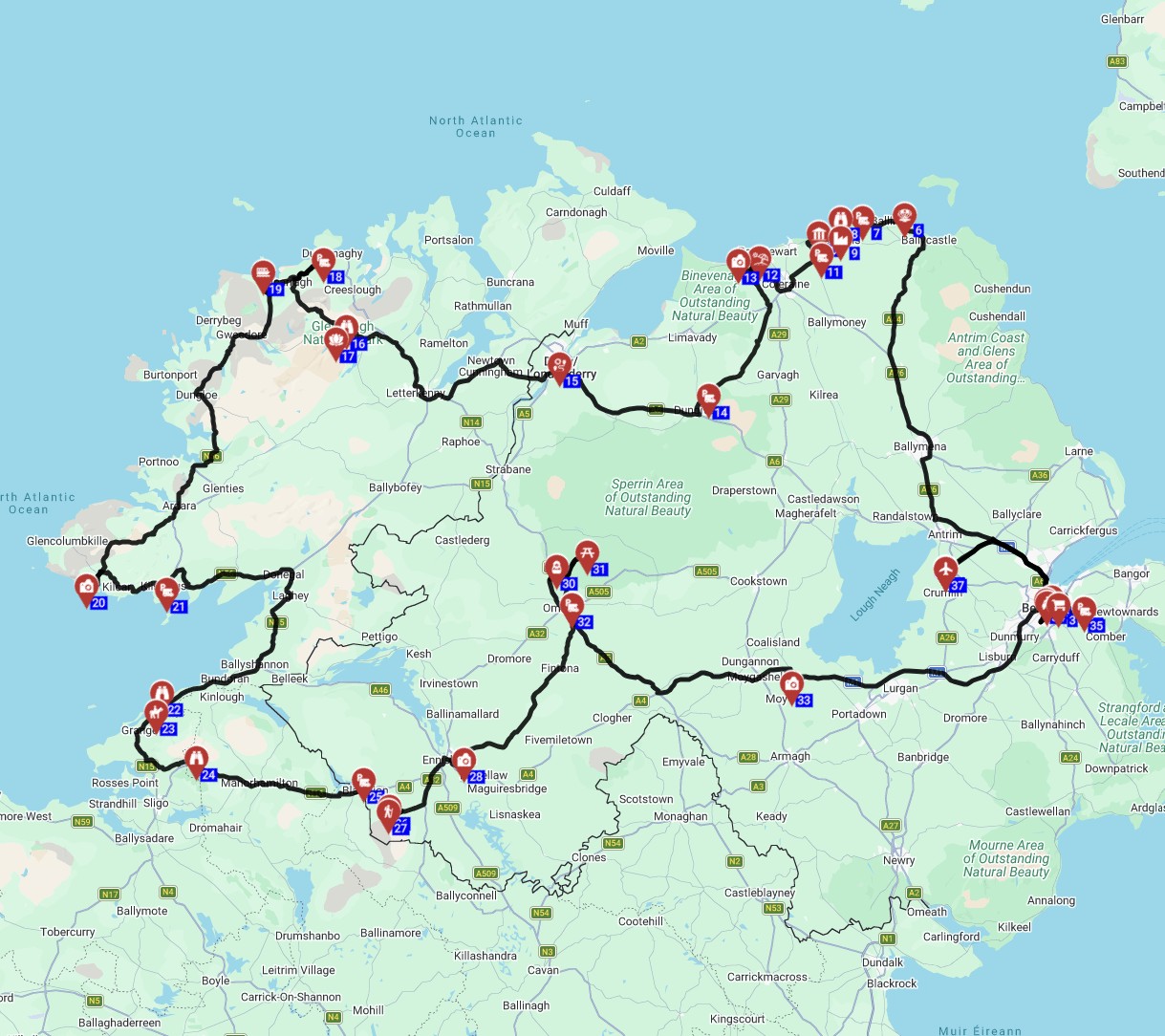
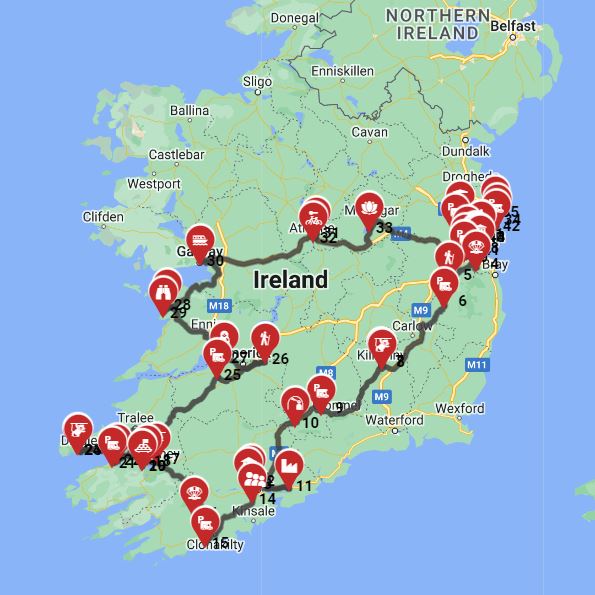
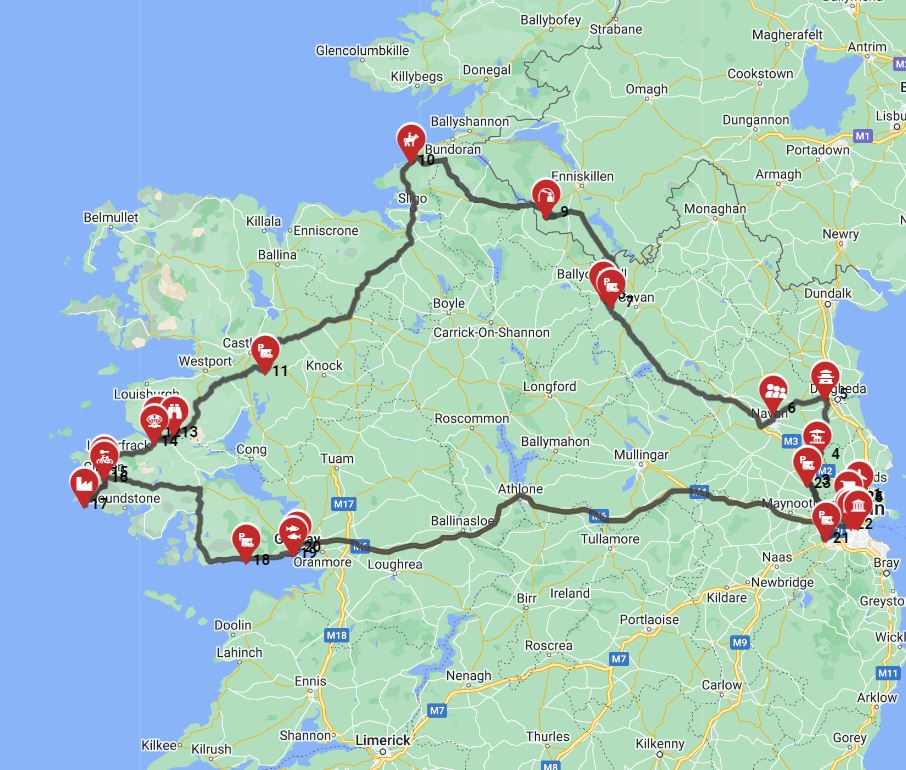
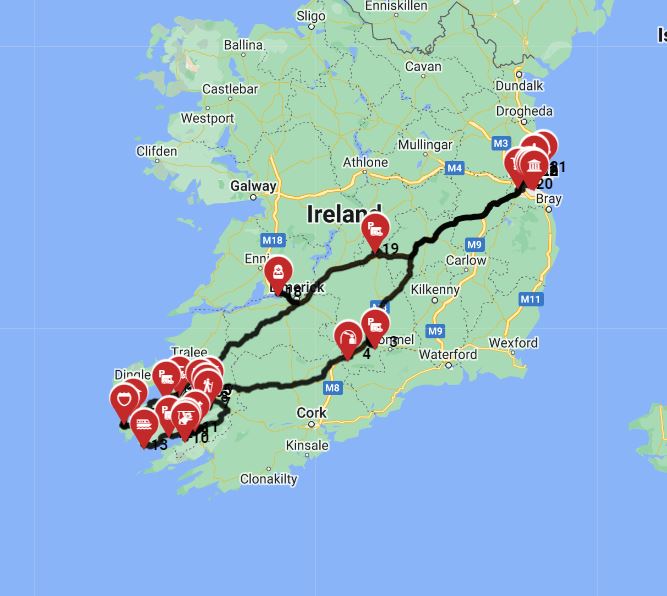
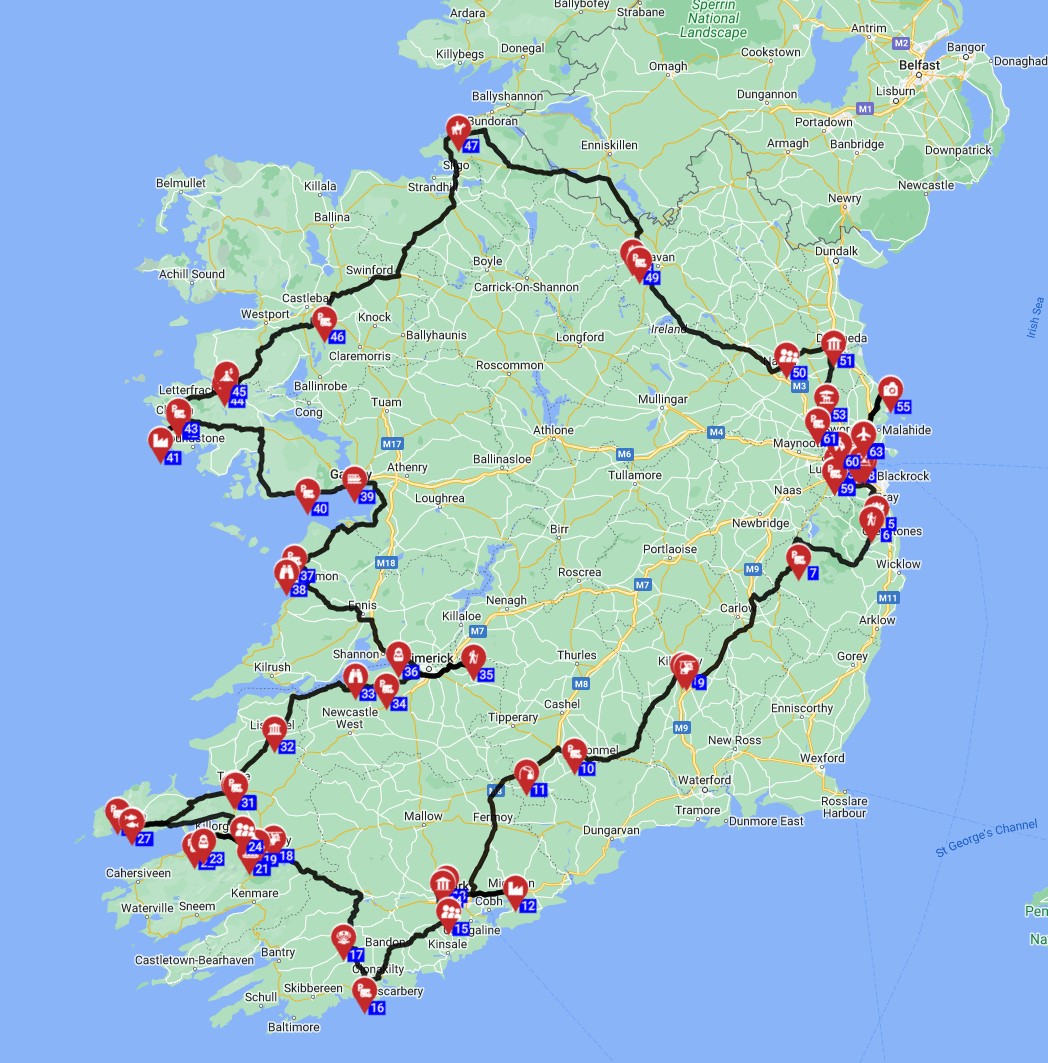
Exploring off-the-beaten-path destinations by researching smaller, local campsites or designated overnight parking areas is also a fantastic approach, ensuring you call ahead for winter availability. For instance, sites around the Ring of Kerry or near the Cliffs of Moher might be open, providing breathtaking views without the summer throngs. Always prioritize safety and local amenities, especially when venturing into more remote areas with a rented campervan. RVPLAN.net features 1,300+ pre-planned routes across 5 continents, including Ireland, meticulously crafted by professionals to help you discover top destinations with ease and enjoy a 25% planning discount when you use the service.
Campground Types in Ireland (National, Private, Wild)
In Ireland, RVers primarily choose between private campgrounds, which offer varied amenities, and the more nuanced realm of wild camping, as formal national park campgrounds specifically for RVs are less common. Private campgrounds are the most reliable option for motorhome and campervan rentals, offering facilities like electric hookups, heated showers, and waste disposal points, with a limited but significant number operating year-round.
Wild camping and overnight parking are generally tolerated in many remote areas if done responsibly, though it is not explicitly legal in most places and requires discretion, respect for local land, and adherence to 'leave no trace' principles. You do not have a universal 'right to roam' as in some other countries, so always seek explicit permission from landowners for overnight stays on private property. Public lands often have restrictions, and urban wild camping is generally prohibited and ill-advised due to local bylaws and safety concerns. Sustainable RV travel in Ireland includes responsible waste disposal at designated points, minimizing environmental impact by staying on established paths, and supporting eco-friendly local businesses, which contributes positively to the communities you visit.
Featured RV Park or Campground in Ireland
While specific data isn't available for a single universally "prime" RV park in Ireland for winter camping, an ideal choice would offer specific features like hard-standing pitches, reliable electric hookups (typically 240V requiring a standard European 3-pin CEEform blue plug), and robustly heated facilities. A great example of such a facility would be Lough Key Forest and Activity Park in County Roscommon, which often maintains winter services and offers scenic pitches with essential hookups amidst a beautiful forest setting.
When selecting a winter RV park, prioritize those with robust infrastructure designed to withstand colder, wetter weather, ensuring comfortable and secure stays for your rented motorhome. Look for parks that explicitly advertise year-round operation, heated shower blocks, on-site grey/black water disposal points, and easy access to local amenities and attractions. Many popular tourist regions, such as the southwest (e.g., Killarney, County Kerry) and parts of the east coast, will have well-regarded private parks that might maintain partial or full winter service, offering comfort and convenience during your winter RV adventure in Ireland.
Hookups & Amenities - What to Expect
Most private RV campgrounds in Ireland offer essential hookups and amenities, though availability and functionality can vary, especially during the winter season. You can generally expect 240V electric hookups, typically requiring a standard European 3-pin CEEform blue plug, along with fresh water access and grey/black water disposal points. For instance, a medium-sized RV rental like the "4 Berth Adventurer" often features a 125-liter fresh water tank and a 125-liter waste water tank, requiring regular access to these services.
Many sites also provide additional facilities such as heated shower blocks, laundry services, and Wi-Fi, though Wi-Fi can be unreliable or slower in more remote areas. For winter travel, prioritizing campgrounds that specifically advertise heated facilities and hard-standing pitches is essential, as grass pitches can become waterlogged and unusable in colder, wetter conditions. Additionally, ensure your chosen rented motorhome or campervan, such as a "Winter Ready" model, has efficient heating and good insulation to keep you warm and comfortable during your Irish winter adventure.
Booking Windows & Reservations in Ireland
During the winter season in Ireland, while spontaneity is more feasible due to significantly fewer crowds, it is still advisable for pre-planners to book RV campground reservations ahead, particularly for popular year-round sites or holiday periods. Many national and state park campgrounds, if applicable for RVs (though less common in Ireland than private sites), often release only a portion (e.g., 25%-30%) of their spots for advance reservations, leaving the rest for first-come, first-served arrivals.
For winter RVers, calling ahead on the day or the day before your intended stay is highly recommended to confirm availability and ensure the chosen site is open and accessible, as some facilities may reduce hours or close unexpectedly due to weather or low demand. While you will almost certainly find a place-if not at the first campground, then the next one-pre-booking eliminates uncertainty and ensures a warm welcome at your chosen destination. We help you compare final prices across suppliers, so what you see is what you pay, with no surprise fees at pickup.
Nearby Supermarkets & Resupply Points
RV travelers in Ireland will find ample resupply points, with major supermarket chains widely available in towns and villages across the country for stocking up on provisions. Look for popular chains such as Tesco, SuperValu, Dunnes Stores, Lidl, and Aldi, which are well-distributed and offer a full range of groceries, fresh produce, and household essentials. For those renting a motorhome for a week-long trip, planning a grocery stop every 2-3 days is a good practice.
For unique culinary experiences, make an effort to visit local farmer's markets or smaller independent shops to purchase fresh, regional produce like artisanal cheeses, local meats, and seasonal vegetables. These local stops provide an excellent opportunity to utilize your RV kitchen for preparing delicious meals with authentic Irish ingredients, a key part of the RV experience. Our large Class C motorhomes often come with a fully equipped kitchen including a gas stove and a large refrigerator (e.g., the "MH-A" has a 302-liter refrigerator/freezer), making meal preparation on the road a breeze. As you plan your itinerary, remember that on RV PLANET routes, travelers can itemize and track every expense along the way for easy budgeting, including groceries and fuel.
Best RV Class for Camping in Ireland
For navigating Ireland's unique road challenges, including narrow 'boreens' and charming village streets, Class B Camper Vans and Class SI Semi-integrated RVs are generally the best choices for camping. These smaller, more agile vehicles offer superior maneuverability and are ideal for solo travelers, couples, or small families seeking to explore remote areas and handle tighter parking situations.
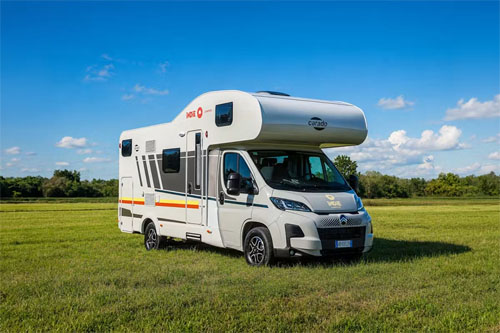
For example, Class B Camper Vans, like those in Bandana's global fleet averaging 5.8 meters in length, are perfect for 2-3 adults and offer features like front air condition, shower, and toilet in a compact design. Class SI Semi-integrated RVs, typically averaging 6.9 meters in length, provide a good balance of compact size and interior comfort, suitable for small families (avg. 3.4 adults, 3.8 sleeping places) while still being manageable on smaller Irish roads. A Class C Alcove motorhome, like the "4 Berth Deluxe," at around 7.4 meters long and sleeping up to 4 people, offers more space but requires careful driving on very narrow roads. Larger RV classes, such as Class A Integrated motorhomes (avg. 7.5 meters), while offering abundant space and luxurious features like a "TV" and "Roof Air condition," can be significantly challenging on Ireland's often tight and winding rural roads, making them less ideal for comprehensive exploration beyond major routes.
How to Save on Campgrounds in Ireland
To save on RV campground costs in Ireland, leveraging discount cards, choosing off-peak seasons, and opting for municipal or regional sites over private resorts are effective strategies. Many private campgrounds, particularly in popular tourist regions, may offer slight discounts for longer stays (e.g., 3+ nights or week-long bookings), so always inquire about weekly rates if your itinerary allows. Some rental companies, including Bandana's partners, might offer campground discount cards or participate in networks that provide savings on pitch fees at participating sites across Ireland, so ask when booking your rental motorhome.
Traveling in the winter (shoulder season) naturally reduces prices compared to peak summer rates, making it a cost-effective time to explore Ireland's dramatic landscapes. Consider staying three or more nights at a single location, as many campgrounds offer weekly rates that are more economical than daily bookings. If traveling with another RV group, sharing hookups or splitting the cost of a larger pitch can further reduce individual expenses. Utilize resources like RV PLANET to find and compare campground amenities and prices along your route, helping you budget effectively for your week-long or extended RV adventure.
What You Shouldn't Miss
- Drive the Ring of Kerry: This 179 km scenic drive in County Kerry offers breathtaking coastal views, charming villages, and ancient historical sites. While some roads are narrow, careful driving in a Class B campervan allows you to soak in the dramatic winter scenery.
- Explore the Cliffs of Moher: Located in County Clare, these majestic cliffs rise over 214 meters (702 feet) at their highest point. Visiting in winter offers a more serene, less crowded experience of this iconic natural wonder.
- Visit a Traditional Irish Pub: Immerse yourself in local culture by stopping at a cozy pub for traditional music, a pint of Guinness, and hearty food. Many rural pubs, like O'Connors Famous Pub in Doolin, often welcome motorhome guests to park overnight.
- Discover Dublin's Rich History: Park your rented RV on the outskirts and use public transport to explore the capital. Don't miss Dublin Castle, the Book of Kells at Trinity College, and the Guinness Storehouse, all less crowded in winter.
- Wander Through Galway City: Known as Ireland's cultural heart, Galway offers vibrant street life, art galleries, and lively pubs. Enjoy the festive atmosphere during Christmas markets or the quiet charm of the off-season.
- Top 5 Adventures - recommendations from Avi Bandana: Discover Avi's personal favorite, off-the-beaten-path experiences for an authentic Irish RV adventure.
Final Thoughts
Embracing a winter RV adventure in Ireland is an invitation to discover a side of the Emerald Isle few experience. From the dramatic coastal drives to the warmth of a local pub, traveling in a rented motorhome offers unparalleled freedom and immersion. By understanding the unique conditions, planning your route, and choosing the right vehicle, you're set for an unforgettable journey.
Remember, we're here to support you in every step of your booking process, ensuring complete transparency and peace of mind. Whether you're a seasoned RVer or embarking on your first week-long trip, Ireland in winter promises beauty, tranquility, and genuine connection.
So, are you ready to chart your course through Ireland's winter landscapes? Discover your perfect rented RV and start planning your unique winter escape today!
Compare Winter RV Rental Prices for Ireland