In This Guide
- Where to Camp in France - Top Options
- Campground Types in France (National, Private, Wild)
- Featured RV Park or Campground in France
- Hookups & Amenities - What to Expect
- Booking Windows & Reservations in France
- Nearby Supermarkets & Resupply Points
- Best RV Class for Camping in France
- How to Save on Campgrounds in France
- How much does a winter RV trip to France cost?
- What are the rules for wild camping and overnight RV parking in France?
- How do RVers manage waste, water, and tolls in France during winter?
- What are the common challenges of winter RVing in France and how to overcome them?
- What cultural etiquette should RV travelers observe in France?
- How can I find unique and less-traveled RV experiences in France?
- How does RV size affect winter travel and camping in France?
- What are the specific benefits and drawbacks of winter RVing in France?
- Top Cities for RV Rental in France
- What You Shouldn't Miss
- Why Book with Bandana Caravan
- Final Thoughts
- Frequently Asked Questions
Imagine swapping crowded summer beaches for crisp winter air, enchanting Christmas markets, and snow-dusted landscapes, all from the cozy comfort of a rented motorhome in France. Winter RV camping in France offers a magical escape, allowing you to experience the country's diverse beauty in a serene, intimate way. From the mild, sunny coastline of the Côte d'Azur to the majestic, snow-capped peaks of the Alps and Pyrenees, France transforms into a winter wonderland waiting to be explored at your own pace. With Bandana Caravan, we're here to help you navigate every aspect of your winter adventure, providing full transparency and expert support. For live availability and current prices, start with our RV Rental France - Complete Guide 2026 guide.
France offers an unparalleled experience for RV enthusiasts, even during the colder months. We're true RV specialists, not just a side department of a travel agency, and our passion is helping you find the perfect mobile home for your journey. Whether you're a couple seeking a romantic escape or a family looking for a unique winter holiday, a rented campervan or motorhome gives you the flexibility to chase the snow or bask in the sun. This comprehensive guide will equip you with all the essential information for a memorable winter RV rental in France.
Where to Camp in France - Top Options
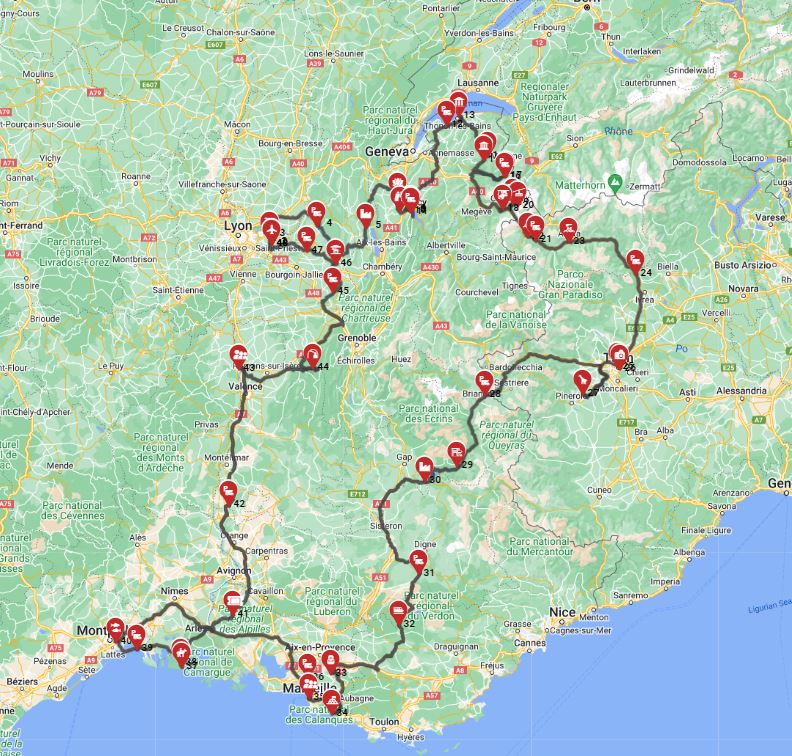
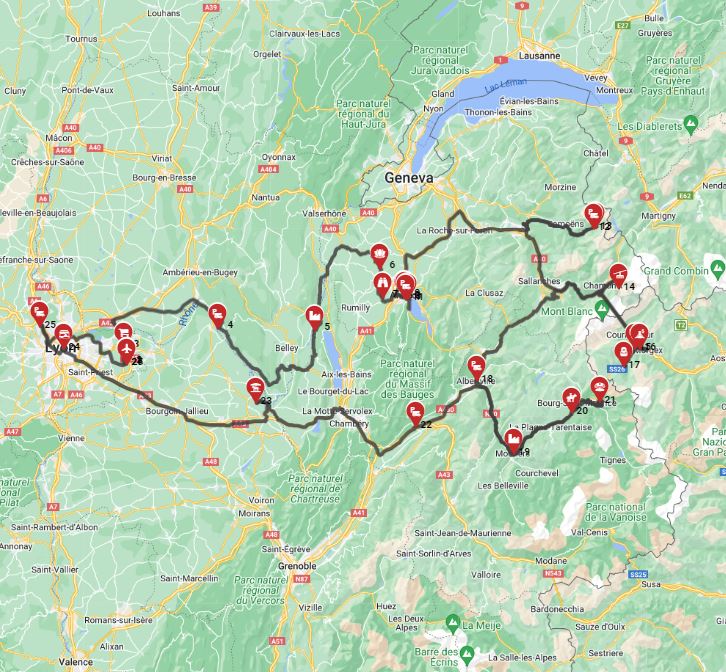
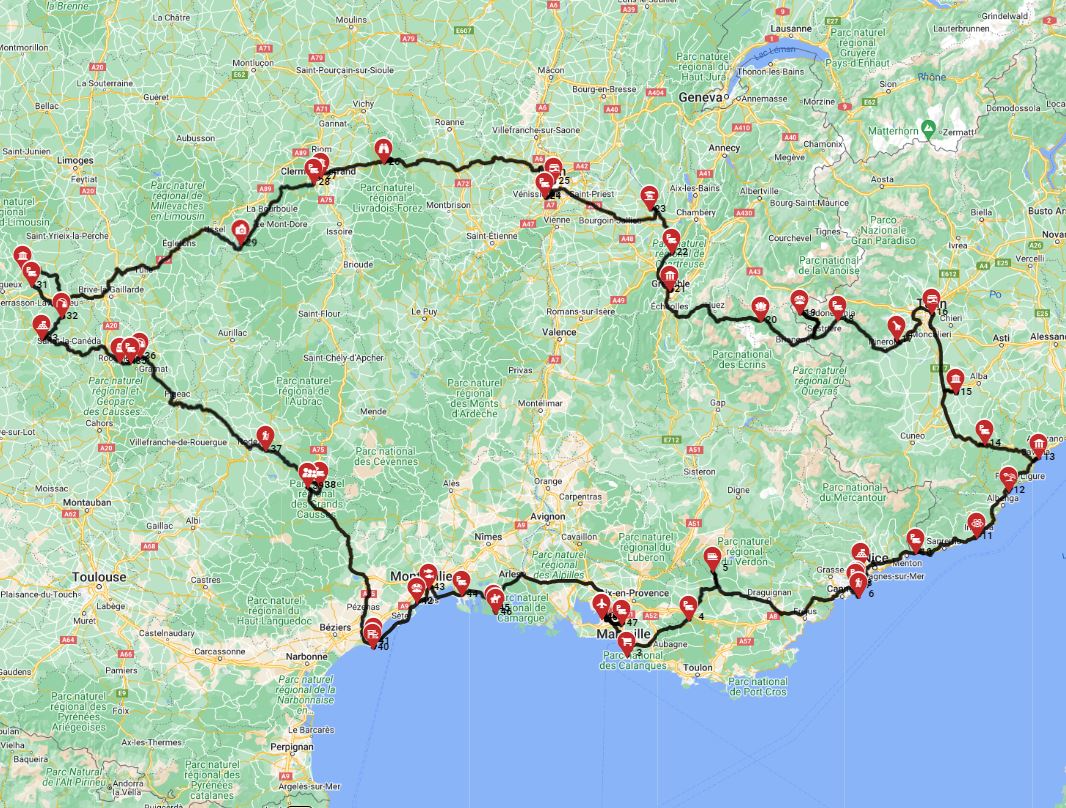
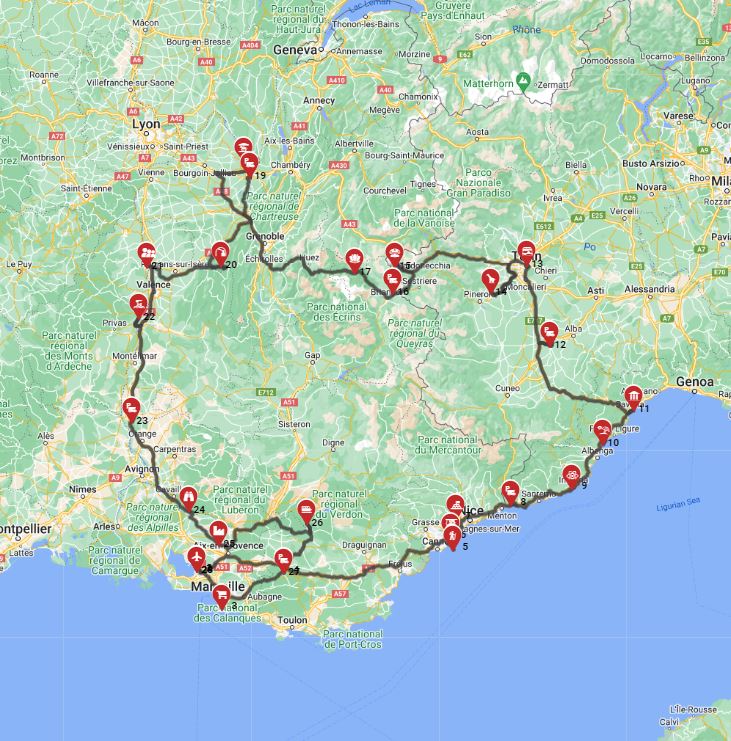
Finding suitable campsites in France during winter often involves focusing on regions known for their mild climate or those near ski resorts, as many coastal or seasonal campgrounds may be closed. For warmer temperatures, consider areas like the Côte d'Azur in the South, where average winter temperatures hover around 10-15°C (50-59°F), offering a pleasant contrast to colder regions. Alternatively, for proximity to winter sports, the French Alps or Pyrenees offer numerous year-round sites, perfect for ski-in/ski-out access.
Look for municipal or privately owned campgrounds in popular areas, though availability will be more limited than in peak season. These sites often provide heated facilities and hard-standing pitches suitable for motorhomes. For instance, in Alsace, many campgrounds near Christmas markets remain open. Additionally, the extensive network of 'aires de services' (motorhome service areas) offers designated spots for overnight parking and essential facilities such as water and waste disposal, particularly common along major routes and in many towns throughout France.
Campground Types in France (National, Private, Wild)
France offers a diverse range of camping experiences, including national park sites, private campgrounds, and opportunities for freedom/wild camping, each with distinct rules for RV travelers.
National Park Sites: Camping within national parks is often restricted to designated areas, usually private campgrounds located just outside the core protected zones. Wild camping is generally prohibited to protect natural environments, with strict regulations in place to preserve these pristine areas. Always verify specific park rules before planning your route.
Private Campgrounds: These are the most common type, ranging from basic pitches to full-service resorts. In winter, many private sites close, but those that remain open often provide crucial amenities like heated facilities and hard-standing pitches suitable for rented RVs. These sites are your best bet for comfort and reliable services during colder months. They typically charge between €25-€45 per night for a motorhome with electric hookup.
Wild Camping & Aires de Services: True 'wild camping' (setting up camp outside designated areas) is generally illegal in France, especially on private land or within protected zones, and is not recommended for responsible RV travel. However, overnight parking is often tolerated in 'aires de services pour camping-cars' (RV service areas), which are specifically designed for motorhomes. These 3,000+ aires offer water, waste disposal, and sometimes electricity, with varying costs (often free or a minimal charge of €5-€15) and time limits (usually 24-48 hours). Always check local signage and regulations diligently before settling in for the night to ensure a hassle-free trip.
Featured RV Park or Campground in France
When selecting a winter RV park in France, look for sites explicitly advertising year-round operation, heated facilities, and hard-standing pitches to ensure comfort and accessibility, particularly important when temperatures drop. Consider Camping Les Portes d'Alsace in Saverne, which offers heated sanitary blocks and an indoor pool, making it a comfortable base for exploring the Alsace Christmas markets. In the south, Camping Le Napoléon in Argeles sur Mer provides year-round pitches and is close to a mild Mediterranean climate, ideal for a more temperate winter escape.
A good winter campground will typically offer reliable electric hook-ups, with amperage usually ranging from 10A to 16A, ensuring you can power your internal heating and appliances. Fresh water access is widely available, though in winter, some outdoor taps might be shut off or require special adapters to prevent freezing. Grey and black water dump stations are standard, often found at 'aires de services' or dedicated campground points. Prioritize locations near amenities like towns, ski resorts, or scenic routes that remain active in winter, ensuring convenience and activities are readily accessible. Always check reviews specifically mentioning winter experiences to gauge the quality of services and warmth of facilities during colder months. On the routes offered through RV PLANET routes, you can itemize and track every expense along the way for easy budgeting.
Hookups & Amenities - What to Expect
When RVing in France, particularly during winter, expect standard European hookup configurations and a range of amenities designed for comfort. Most campgrounds provide 230V electricity with 2-pin CEE 'blue' connectors. Amperage typically ranges from 6A to 16A; 10A is common, which is usually sufficient for heating, lighting, and charging devices. It's always wise to confirm the amperage if you have specific high-power needs, though most modern rented motorhomes are efficient.
Fresh water points are widely available at campgrounds and 'aires de services', though in winter, some outdoor taps might be shut off or require special adapters to prevent freezing; always carry a selection of hose connectors. Grey and black water dump stations are standard and easily located at 'aires de services' or dedicated campground points. Wi-Fi is often available, either free in common areas or for a fee at pitches, but signal strength can vary greatly. Consider purchasing a local SIM card with data for reliable internet access. Most private campgrounds offer laundry facilities and heated shower blocks. In winter, these heated facilities are crucial for comfort after a day of exploring. Remember, French propane/butane bottles differ from some other European standards; you'll likely need an adapter for refills or to exchange bottles at larger supermarkets or specialized RV stores. Fortunately, many modern rental RVs utilize diesel heating, reducing reliance on gas for warmth during your Winter RV Rental in France trip.
Booking Windows & Reservations in France
Booking an RV site in France during winter offers more flexibility than peak season but planning ahead is still advisable, especially for specific locations. If you are a pre-planner with a fixed itinerary, particularly around popular ski resorts (like those near Annecy or Grenoble) or major cities with festive events, booking your winter pitches 1-2 months in advance is recommended. This ensures you secure preferred spots, especially for sites advertising year-round operation and heated facilities.
For spontaneous travelers, you can often find same-day or next-day availability, especially outside of major holiday periods like Christmas and New Year's. Many larger national or regional park campgrounds, if open in winter, often release only 25%-30% of their spots for reservations, with the remainder available on a first-come, first-served basis. This means you'll usually find a spot; if not at the first campground, then the next one along your route. However, it's always best to call ahead before driving a long distance, particularly when visiting smaller, potentially seasonal sites during the winter months.
Nearby Supermarkets & Resupply Points
Resupplying your rented RV in France is straightforward with a robust and extensive network of supermarkets and local markets. You'll easily find major supermarket chains like Carrefour, Leclerc, Auchan, Intermarché, and Super U in most towns and cities across the country, typically opening from 8:30 AM to 7:30 PM (or later) on weekdays and shorter hours on Sundays.
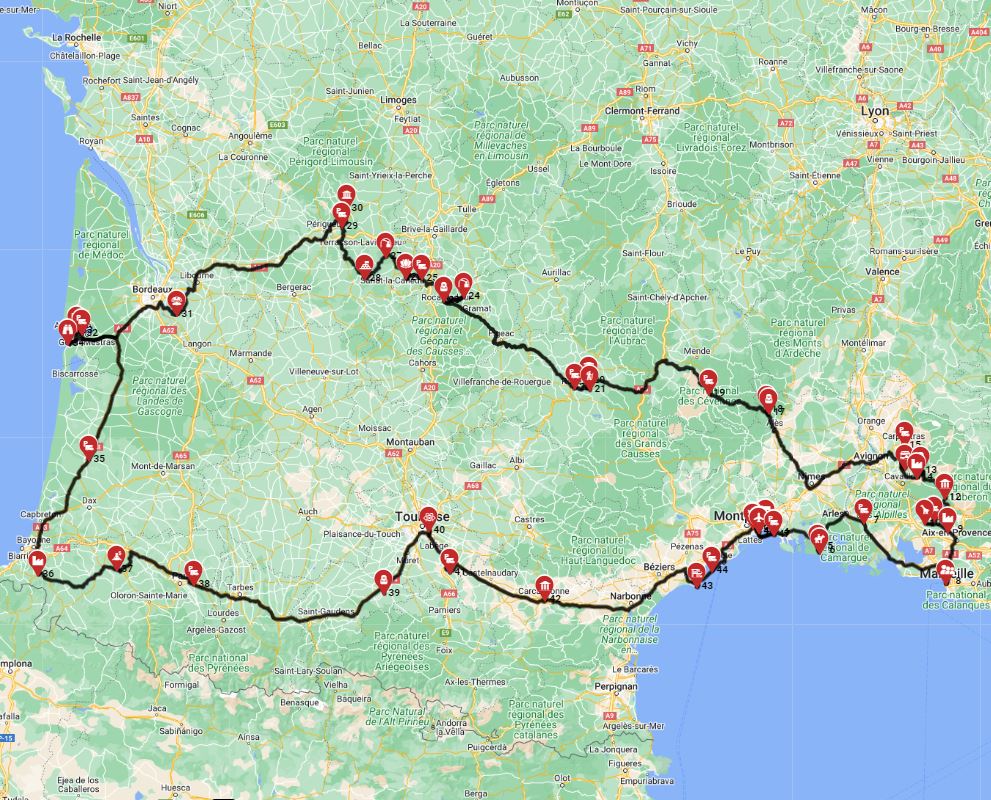
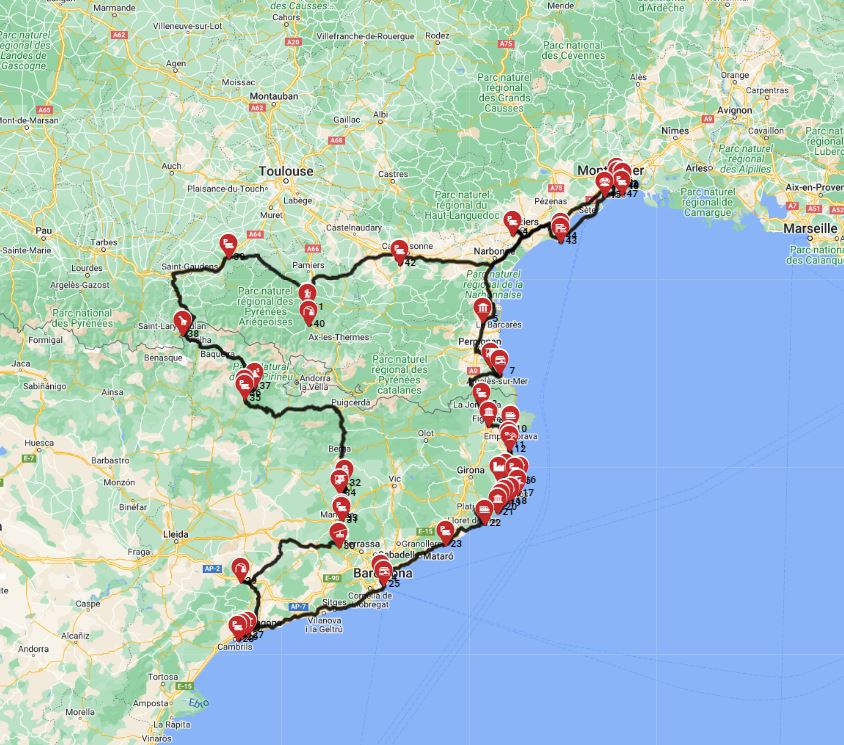
These stores offer a wide range of groceries, fresh produce, and often dedicated sections for RV supplies like gas bottle exchanges or camping essentials. For a more authentic experience, visit local markets (marchés) for fresh regional produce, cheese, and meats, which are excellent for stocking your RV kitchen with delicious ingredients. Don't forget to check our RV-friendly recipes playlist for inspiration on what to cook with your fresh finds! Even in smaller towns like Alencon or Angers, you'll find ample opportunities to restock. Most RV PLANET routes include details on nearby supermarkets for convenient planning.
Best RV Class for Camping in France
Choosing the right RV class for winter camping in France significantly impacts maneuverability, comfort, and accessibility on various road types. Drive slowly and carefully, and you can drive almost anywhere without issues. No need to stress - just use common sense and pay attention.
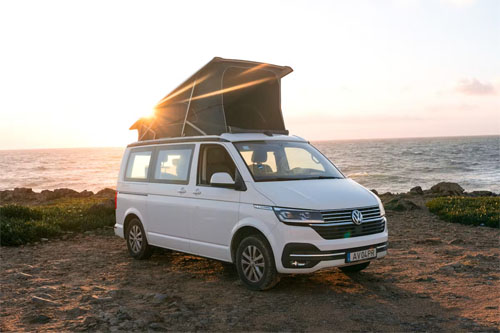
Class B - Camper Van: These are ideal for navigating narrower French roads, historic village centers, and fitting into smaller 'aires' or campground pitches. Bandana's fleet typically features Class B Camper Vans with an average length of 5.8 meters, sleeping 3.2, and accommodating 2.7 adults, making them fuel-efficient (around 8-10 Liters/100 km) and agile. A typical 'rv rental denver example Category Van' offers front air conditioning, a shower, and a toilet, perfect for couples.
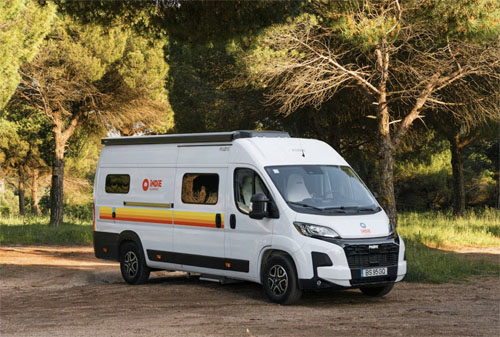
Class SI - Semi-integrated: Offering a good balance of comfort and manageability, semi-integrated RVs are a popular choice. Bandana's Class SI models average 6.9 meters in length, with sleeping for 3.8 and seating for 3.4 adults. They provide more living space and better insulation for winter than camper vans, while still being relatively easy to drive with a fuel consumption of 10-11 Liters/100 km. Examples like the '2 Berth Rover' or 'A 4 - Comfort Automatic' come with automatic transmission and a winter-ready designation.
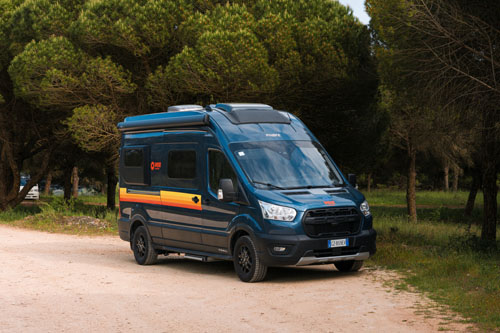
Class C - Alcove: For families or groups needing more sleeping capacity, Class C Alcove models are an option, averaging 7.5 meters in length and sleeping 5.8, with seating for 4.4 adults in Bandana's fleet. While offering ample space and often robust heating systems, their larger size can be more challenging on very narrow village roads or when finding parking. Fuel consumption typically ranges from 10-12 Liters/100 km. Models like the '24' Class C Motorhome' (length 7.46m, sleeping 5) offer amenities like a microwave and sun canopy, often being pet-friendly and winter-ready.
For winter travel, prioritize models with good insulation, a robust heating system (ideally diesel-powered for convenience), and sufficient fresh and grey water tank capacities to minimize the frequency of service stops in cold weather. All these motorhome classes can be driven with a standard car driver's license.
How to Save on Campgrounds in France
Reducing campground expenses in France is achievable through strategic planning and leveraging available discounts, especially during the winter season. Utilizing specific campground discount cards, which can often be obtained through partners, can be the most significant saving lever, often providing substantial reductions on daily rates.
Booking during the shoulder or off-season, such as winter (outside of major ski areas), inherently means lower rates and fewer crowds compared to summer peak times. Choosing municipal or regional campgrounds is often more budget-friendly than private resort-style campgrounds, offering good value for essential services like heated washrooms and electric hookups. Many municipal sites charge between €15-€25 per night. Additionally, opting for longer stays can save money, as many campgrounds offer weekly rates that are significantly cheaper per night than daily rates.
Lastly, for short stays or overnight parking, especially if you have a self-contained motorhome, utilizing the widespread 'aires de services' can be very economical. These spots are often free or have a minimal charge (e.g., €5-€10), providing essential services without the full campground cost, though they typically offer fewer amenities than full campgrounds.
How much does a winter RV trip to France cost?
A winter RV trip to France can range significantly in cost, typically falling between €800-€1500 per week for a moderate budget, excluding RV rental fees, depending on vehicle size, route, and lifestyle. RV rental rates are generally lower in winter compared to summer, though winterization surcharges (often around €70-€100 per rental) may apply to ensure your comfort in cold weather.
Fuel costs are a major component; Bandana's Class SI Semi-integrated RVs typically consume 10-11 Liters/100 km, while Class C Alcove models might use 10-12 Liters/100 km, and Class B Camper Vans around 8-10 Liters/100 km. Factor in current diesel prices (generally €1.80-€2.00/liter) and your planned mileage of roughly 100-150 km per day for slow travel. France has extensive toll roads (péages); estimate €0.10-€0.20 per kilometer, varying by vehicle class. Consider using a 'Télépéage' badge for convenience. Campsite or 'aires de services' fees can range from free to €45 per night, with private campgrounds near ski resorts being at the higher end (€30-€45).
For food, budget €30-€50 per day for groceries if cooking most meals, or more if dining out frequently; a main course in a mid-range restaurant can be €15-€25. Heating will largely depend on diesel (from your main tank) in modern rental RVs. Always allocate an extra 10-15% for unforeseen costs like laundry, optional activities, or adapters. On RV PLANET routes, travelers can itemize and track every expense along the way for easy budgeting, which helps manage these ancillary costs effectively. For a deeper dive into overall costs, you can explore our RV Rental in France - Prices and Best Deals 2026 guide.
What are the rules for wild camping and overnight RV parking in France?
While outright 'wild camping' in an RV is generally prohibited in France, designated 'aires de services' and specific local allowances provide legal options for overnight parking. Setting up camp with tents, awnings, or extended stays outside designated areas is illegal, especially on private land without permission, within national parks, or within 200 meters of a water source.
However, simple overnight parking inside your rented RV without deploying external equipment (awning, chairs) is often tolerated in certain areas, provided there are no explicit 'No Camping-Car' signs (often with a red circle and a caravan/motorhome symbol) and it does not obstruct traffic or private property. These signs are crucial to watch for. The most reliable and legal option for overnight stops is 'aires de services pour camping-cars', with over 3,000 available across France. These range from free municipal parking spots with basic services to paid 'aires' with electricity and sometimes even showers. Rules can vary significantly by municipality, so always look for local signage. In tourist-heavy areas or sensitive natural sites, restrictions are generally stricter to protect the environment and maintain order.
How do RVers manage waste, water, and tolls in France during winter?
Managing waste, water, and tolls in a French RV is efficient with the country's dedicated infrastructure, though winter requires extra vigilance for freezing temperatures. 'Aires de services' are the primary points for emptying grey and black water tanks; these facilities are widespread and often integrated with fresh water points.
During winter, ensure tanks are properly insulated and consider anti-freeze additives for your grey water if temperatures drop significantly. Always carry a long hose and various adapters for fresh water refilling, as some outdoor taps might be turned off to prevent freezing; check signage or ask attendants. French motorways use a comprehensive toll system (péages); you can pay with credit card (Visa/Mastercard widely accepted, sometimes contactless) or cash at booths. For frequent travelers, a 'Télépéage' badge (automatic transponder) can be purchased or rented, allowing automatic payment without stopping, which is incredibly convenient in winter weather and can save time. For detailed information on toll costs and routes, our Cheap RV Rental in France - Budget Guide 2026 provides excellent insights. Regarding gas bottle refills, French gas bottles differ from some European standards. You may need a specific adapter or be prepared to exchange bottles at large supermarkets or dedicated camping stores. Many modern rental RVs, like those offered by Bandana, have multi-valve systems or diesel heaters, reducing the need for frequent gas bottle changes, simplifying your winter travel.
What are the common challenges of winter RVing in France and how to overcome them?
Winter RVing in France offers unique beauty but comes with specific challenges, which can be overcome with preparation and flexibility. Many historic villages have very narrow streets, particularly in older towns like those in Provence or the Loire Valley. Utilize a smaller RV, such as a Class B Camper Van (averaging 5.8 meters from Bandana's fleet) or a Class SI Semi-integrated model (averaging 6.9 meters), and park on the outskirts, walking or using public transport into town centers. Always check road signs for vehicle width or height restrictions before attempting to drive into dense urban areas. Drive slowly and carefully, and you can drive almost anywhere without issues. No need to stress - just use common sense and pay attention.
Language barriers can be a minor hurdle, but while many in tourist areas speak English, learning basic French phrases for greetings, ordering food, and asking for directions can significantly enhance your experience. Translation apps are also helpful. Finding open services is another challenge, as many seasonal campgrounds and attractions close for winter. Plan your route around year-round campsites, 'aires de services', and active towns; websites and apps dedicated to RV services (like Park4Night) are invaluable for real-time information. Weather conditions, including icy roads, snow (especially in mountainous regions like the Alps or Pyrenees), and low temperatures, are common. Ensure your rented RV is equipped with winter tires (mandatory in some areas from November 1 to March 31) and snow chains, and drive cautiously while monitoring weather forecasts. Lastly, shorter winter days mean less daylight for driving and sightseeing, so plan your travel times accordingly and ensure your RV's lighting is in good working order.
What cultural etiquette should RV travelers observe in France?
Observing local cultural etiquette can significantly enrich your RV journey through France, fostering positive interactions and avoiding misunderstandings. Always greet shopkeepers with a polite 'Bonjour Madame/Monsieur' when entering and exiting stores, and use 'Au revoir' when leaving. A simple 'Bonjour' is customary before asking for assistance, even in English-speaking tourist areas. This small gesture goes a long way.
French meal times are often later than in other countries; lunch typically starts around 12:30-1:00 PM and dinner after 7:30 PM. Restaurants may have specific opening hours, so plan your meals accordingly. When at local markets, it's polite to allow vendors to select and bag your produce rather than handling it yourself, especially for delicate items. On the roads, be mindful of speed limits and road signs. On smaller roads, be prepared for narrower lanes and pull over safely to allow faster traffic to pass if needed. Avoid honking excessively; French drivers use horns sparingly, usually only for immediate danger. Finally, respect for property is paramount: when using 'aires de services' or parking overnight, ensure your RV is self-contained and you leave no trace behind. Refrain from setting up camp outside designated areas, maintaining a discreet presence to honor local customs and regulations.
How can I find unique and less-traveled RV experiences in France?
To uncover unique and off-the-beaten-path RV experiences in France, shift your focus from major tourist hubs to regional exploration, local events, and less-advertised natural wonders. Explore France's 58 Regional Natural Parks (Parcs Naturels Régionaux), which offer stunning landscapes, distinct cultures, and often dedicated RV 'aires' or campgrounds, providing a more authentic experience away from crowds.
Follow lesser-known wine routes beyond Bordeaux and Burgundy, discovering regions like Jura, Savoie, or Languedoc-Roussillon, which offer beautiful drives and intimate vineyard visits. Many wineries participate in programs like 'France Passion' where you can stay overnight for free. Seek out 'Plus Beaux Villages de France' (Most Beautiful Villages of France), officially recognized for their charm and authenticity, often overlooked by mainstream tourism. While parking a larger rented motorhome might be a challenge in some of these smaller villages, campervans can fit more easily. Attend local festivals; consult local tourism office websites for upcoming winter markets, regional culinary festivals, or cultural events that provide a glimpse into local life. These often have temporary RV parking solutions. Utilize RV-specific apps like Park4Night or Caramaps, along with online RV forums, as they often feature user-generated content on hidden gems, quiet overnight spots, and local recommendations. Traveling slowly, averaging a maximum of 100-150 km per day, allows you to truly feel the place, connect to the culture, the food, and the scenery, making for a truly unique RV Rental in France for Couples or families.
How does RV size affect winter travel and camping in France?
The size of your RV significantly impacts your mobility, parking options, and comfort when traveling through France in winter, especially on smaller roads or in dense areas. Smaller RVs, such as Bandana's Class B Camper Vans (averaging 5.8 meters, like the 'Combi Van' with a 5-meter length) or Class SI Semi-integrated models (averaging 6.9 meters), are much easier to navigate on France's often narrow village roads, historic town centers, and through tight turns. Drive slowly and carefully, and you can drive almost anywhere without issues. No need to stress - just use common sense and pay attention.
Parking can be particularly challenging for larger vehicles in popular tourist spots, especially in winter when fewer spaces might be available. Smaller RVs fit into standard parking bays and are generally more welcome in 'aires de services' with limited space. Certain scenic routes or mountain passes may also have restrictions for larger vehicles, especially during winter with snow and ice, limiting travel options. While larger motorhomes (e.g., Bandana's Class C Alcove models, averaging 7.5 meters, or Class A Integrated models like the 'Class A - Thor ACE 30' at 9.37 meters) generally offer more interior living space and often better insulation, which can be a significant comfort factor during cold winter nights, they may also take longer to heat. Larger RVs typically have higher fuel consumption; for example, a Class C Alcove motorhome might consume 10-12 Liters/100 km, while a Class B Camper Van could be closer to 8-10 Liters/100 km, impacting your budget over a long winter trip.
🎬 Video coming soon
What are the specific benefits and drawbacks of winter RVing in France?
Winter RVing in France offers a unique blend of serene landscapes and distinct challenges, making it a different experience compared to peak season. The benefits include significantly fewer crowds at major tourist attractions and popular regions, allowing for a more intimate and relaxed experience, especially in places like Paris or the Loire Valley châteaux. RV rental rates, campground fees (outside ski resorts), and even some local services can be more affordable during the off-season, making a Winter RV Rental in France - Pricing Guide 2026 particularly appealing. You get to experience France under a blanket of snow, witness enchanting Christmas markets (especially in Alsace), or enjoy the dramatic winter coastline. Furthermore, interacting with locals becomes easier and more authentic as the tourist rush subsides, providing a deeper cultural immersion.
However, there are drawbacks. Weather challenges include cold temperatures, rain, snow, and icy roads, especially in mountainous regions, requiring a well-equipped, winterized RV with appropriate tires and a robust heating system. Many seasonal campgrounds, restaurants, and attractions, particularly on the coast or in smaller seasonal areas, close for the winter, necessitating more careful planning to find open services. Shorter daylight hours mean reduced time for driving and outdoor activities, impacting your daily itinerary. Lastly, some mountain roads or smaller scenic routes might be inaccessible due to snow, potentially limiting your travel options. Our RV Rental Europe - Complete Guide 2026 offers a broader perspective on seasonal travel across the continent.
Top Cities for RV Rental in France
France offers numerous excellent starting points for a winter RV adventure, each providing access to different charming regions. When planning your route, consider these popular cities for picking up your rented campervan or motorhome:
- Agen: Located in the southwest, Agen offers access to the Lot-et-Garonne region, known for its mild winters and culinary delights. It's a great starting point for exploring quaint villages and local markets without the harsh cold.
- Ajaccio - Corsica: For a unique island experience, Ajaccio on Corsica provides a truly mild winter climate. Explore stunning coastal roads and historic towns with fewer crowds, making it an ideal choice for those seeking warmth.
- Alencon: Situated in Normandy, Alencon is a charming town providing access to the picturesque Pays de la Loire region. Winter here means enjoying cozy evenings and exploring historic sites with a peaceful ambiance.
- Angers: In the heart of the Loire Valley, Angers is perfect for discovering majestic châteaux and vineyards without the summer throngs. Many cellars offer winter tours and tastings.
- Annecy: Known as the "Pearl of the French Alps," Annecy is a stunning lakeside town ideal for winter sports enthusiasts. Pick up your RV here for easy access to nearby ski resorts and breathtaking mountain scenery.
- Auteuil (Paris region): Starting near Paris gives you the opportunity to experience the magic of Parisian Christmas markets before heading out to the countryside. Drive slowly and carefully, and you can drive almost anywhere without issues. No need to stress - just use common sense and pay attention.
- Alès: In the Occitanie region, Alès is a gateway to the Cévennes National Park and offers a blend of natural beauty and historical sites, with a relatively temperate winter.
Each of these locations, along with many others listed in our RV Rental France - Complete Guide 2026, provides a distinctive starting point for your unforgettable winter RV journey.
What You Shouldn't Miss
When you embark on your winter RV rental in France, there are certain experiences that truly capture the magic of the season. Don't miss the enchanting Christmas markets of Alsace, particularly in Strasbourg and Colmar, where medieval towns are adorned with twinkling lights and festive stalls selling local crafts and mulled wine. Drive slowly and carefully between these towns to soak in the atmosphere. The majestic châteaux of the Loire Valley, such as Chenonceau or Chambord, take on a dramatic, ethereal beauty under a winter sky, often hosting special seasonal events or simply offering serene, uncrowded visits. For a taste of the sea, the rugged coastline of Brittany or Normandy offers bracing walks and fresh seafood, with charming fishing villages welcoming you with open arms and cozy inns.
For those seeking adventure, the French Alps or Pyrenees offer world-class skiing and snowboarding, with many RV-friendly resorts providing heated facilities. Even if you're not hitting the slopes, the scenic drives through snow-covered mountains are breathtaking. Don't overlook the culinary journey; winter is prime time for hearty French cuisine like raclette, tartiflette, and cassoulet. You can find fresh ingredients at local markets to prepare in your rented motorhome. Looking for expert insights from Avi Bandana? Top 5 Adventures - recommendations from Avi Bandana.
Final Thoughts
A winter RV adventure in France promises breathtaking scenery, authentic cultural experiences, and the freedom to explore at your own pace. While the colder months bring unique considerations, with the right preparation and a reliable rented motorhome or campervan, you'll discover a side of France that many travelers miss.
Embrace the charm of quiet villages, the magic of festive markets, and the thrill of mountain landscapes, all from your cozy mobile base. Remember to travel slowly, allowing yourself to savor each moment, and let Bandana Caravan be your trusted partner in planning an unforgettable winter escape. We compare final prices across 50+ suppliers so you don't have to, making your journey as easy and enjoyable as possible.
Ready to experience the allure of a Winter RV Camping in France - Heated Sites 2026 trip? Start planning your adventure today and discover top destinations, planning tips, all in one place!