In This Guide
- Where to Camp in Canada - Top Options for Winter RVing
- Campground Types in Canada (National, Private, Wild)
- Featured RV Park or Campground in Canada
- Hookups & Amenities - What to Expect for Winter Camping
- Booking Windows & Reservations in Canada
- Nearby Supermarkets & Resupply Points for Your Canada RV Trip
- Best RV Class for Winter Camping in Canada
- How to Save on Campgrounds in Canada
- What special considerations apply to winter RVing in Canada?
- What are the unique challenges for RVs in the Canadian environment?
- What are the border crossing rules for RVers entering Canada?
- What are the rules and options for boondocking or dispersed camping in Canada?
- What are the legalities and logistics for long-term RVing in Canada?
- What are the best connectivity options for RVers in Canada?
- How can RVers experience local culture and community in Canada?
- What You Shouldn't Miss on Your Canadian RV Adventure
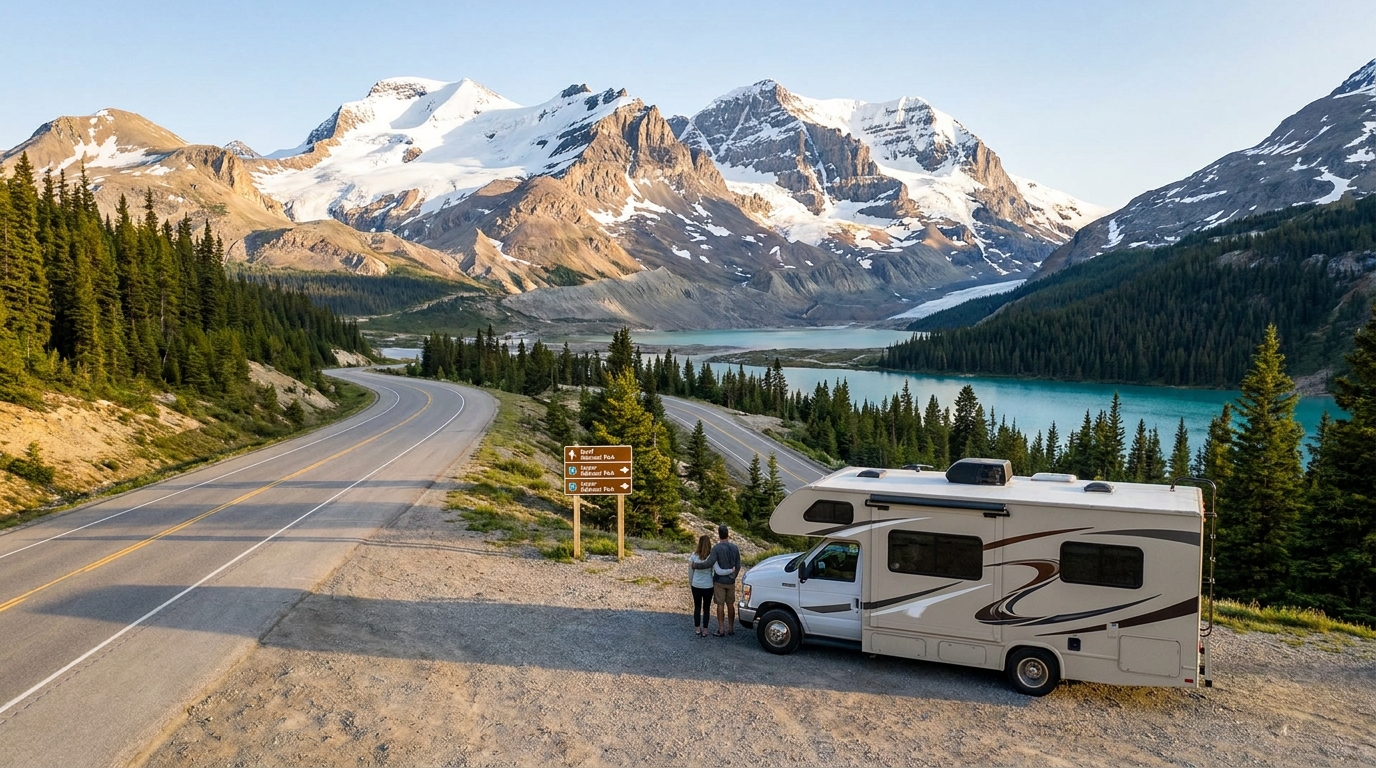
Imagine waking up to a pristine, snow-covered landscape, a warm cup of coffee in hand, with your cozy rented motorhome serving as your personal winter lodge. Winter RV camping in Canada offers an unparalleled adventure, a chance to experience the country's breathtaking beauty in a serene, quiet season. Forget the crowded summer trails; winter provides a unique tranquility and access to incredible outdoor activities, from skiing and snowboarding to ice fishing and snowshoeing. For live availability and current prices, start with our RV Rental Canada - Complete Guide 2026 guide.
Here at Bandana RV, we are true RV specialists, with over 23 years of experience helping tens of thousands of travelers explore the world by RV since our founding in 2001. We understand the unique magic and practicalities of winter RV travel. This comprehensive guide will equip you with all the knowledge you need for a safe, comfortable, and unforgettable winter RV rental in Canada. We believe in full transparency, meaning no hidden fees and no surprises when you book with us. We're with you before, during, and after your booking, offering supportive guidance every step of the way.
Where to Camp in Canada - Top Options for Winter RVing
Canada offers diverse winter RV camping options, emphasizing destinations that cater to cold-weather enthusiasts with heating and ploughed access. Regions like British Columbia's interior (e.g., Okanagan), Alberta's Rocky Mountains (e.g., Canmore/Banff area), and select Ontario parks (e.g., Algonquin) provide winter-friendly facilities and stunning scenery. Many national and provincial parks offer year-round sections with specific winter amenities, but always confirm opening status and services.For example, the Banff National Park area in Alberta is a prime winter destination, with Tunnel Mountain Village I campground typically open year-round and offering electrical hookups for winter comfort. In British Columbia, regions like the Okanagan Valley provide milder winter conditions with wineries and ski resorts like Big White nearby. Even in eastern Canada, some provincial parks in Ontario, such as Algonquin Provincial Park, maintain limited winter camping facilities, often requiring self-registration or pre-booking for available sites.
When planning your route, remember our recommendation for slow travel: aim for a maximum of 100-150 km per day on average. This allows you to truly feel the place, connect to the culture, the food, and the scenery, without rushing through Canada's vast winter landscapes.
Campground Types in Canada (National, Private, Wild)
RVers in Canada can choose between national park campgrounds, private RV resorts, and designated wild/dispersed camping areas, each with distinct features and regulations for winter. National and Provincial Parks often offer basic to full-service sites; winter operations are limited but available, frequently requiring reservations for heated spots. These are legally sanctioned and well-maintained. Private Campgrounds/RV Resorts typically provide more amenities like heated washrooms, laundry, and recreation facilities, which are crucial for winter comfort, though they may be more expensive. Wild/Dispersed Camping (Boondocking) is generally permitted on Crown land in Canada, but rules vary by province and municipality. It's often tolerated in rural areas, requiring self-sufficiency and adherence to Leave No Trace principles.For finding campsites and campgrounds during your trip, we recommend using RV PLANET (rvplan.net), a great resource for locating available spots along your route. You'll find a variety of campgrounds catering to different needs. For instance, private RV resorts near ski destinations like Whistler or Mont Tremblant often offer premium amenities, including heated clubhouses and shuttle services, which enhance your winter RV experience. National parks, while offering fewer amenities in winter, provide unparalleled access to untouched nature.
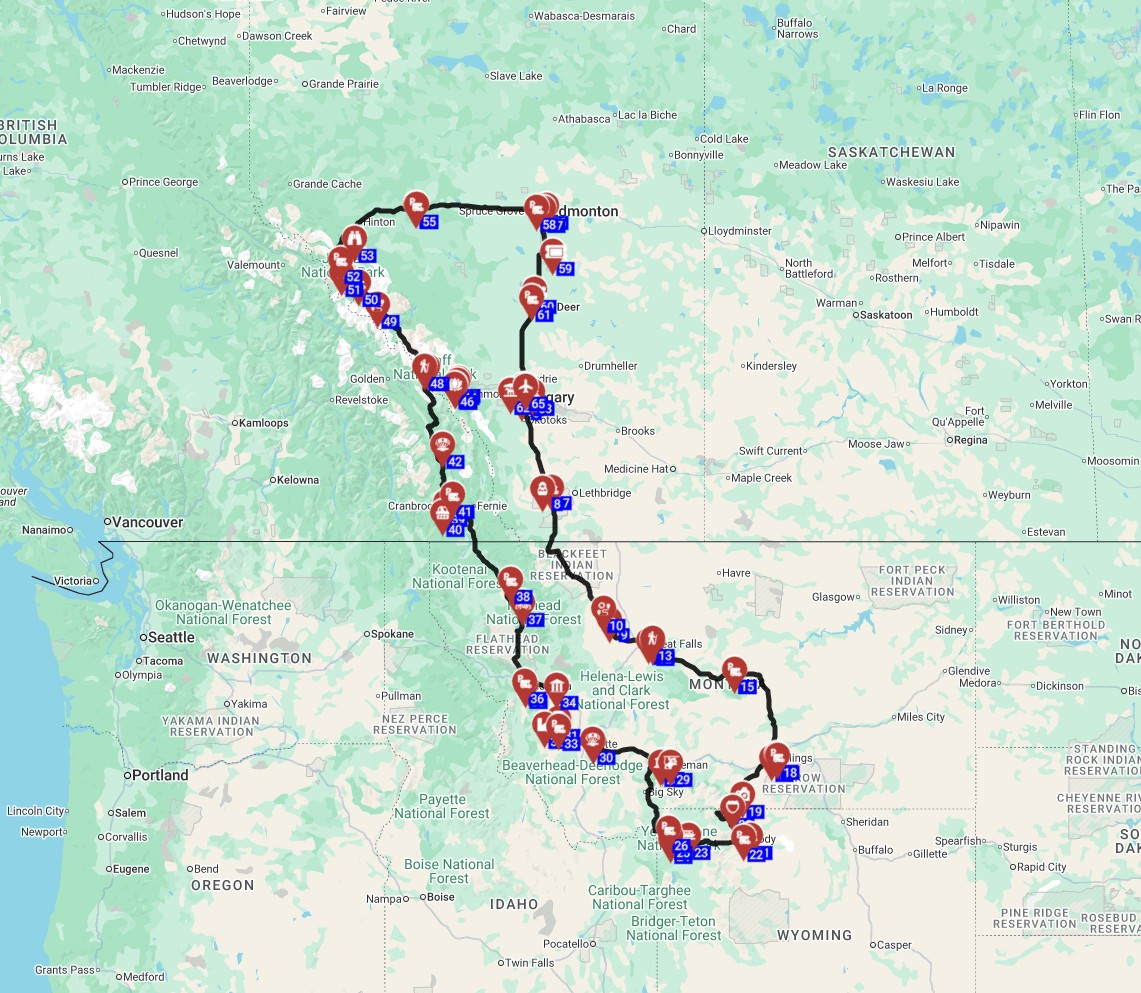
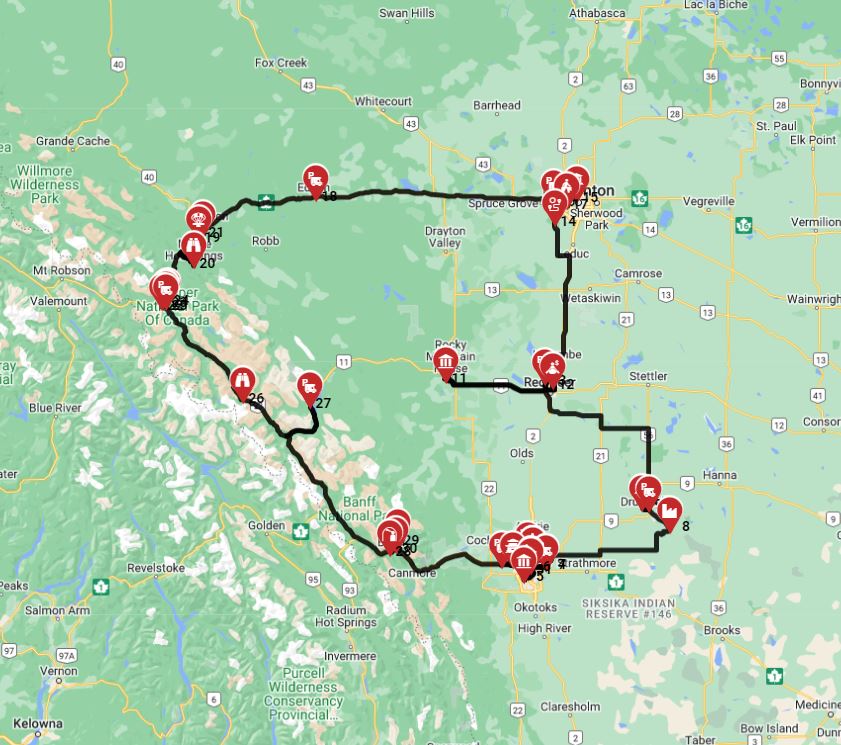
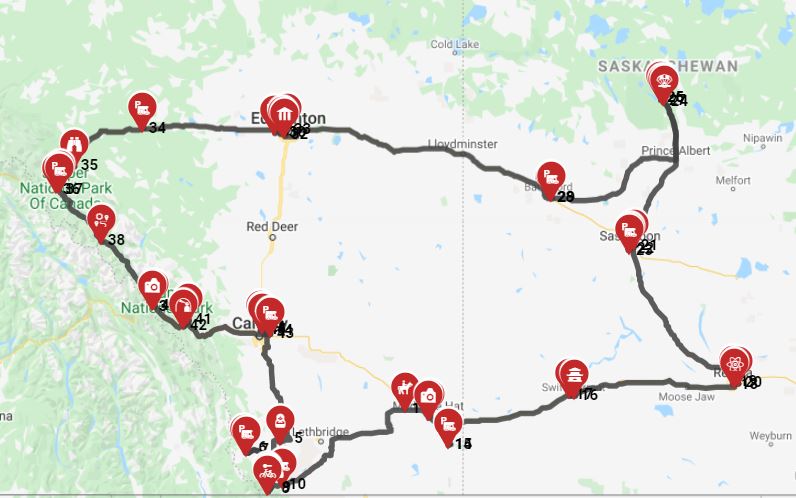
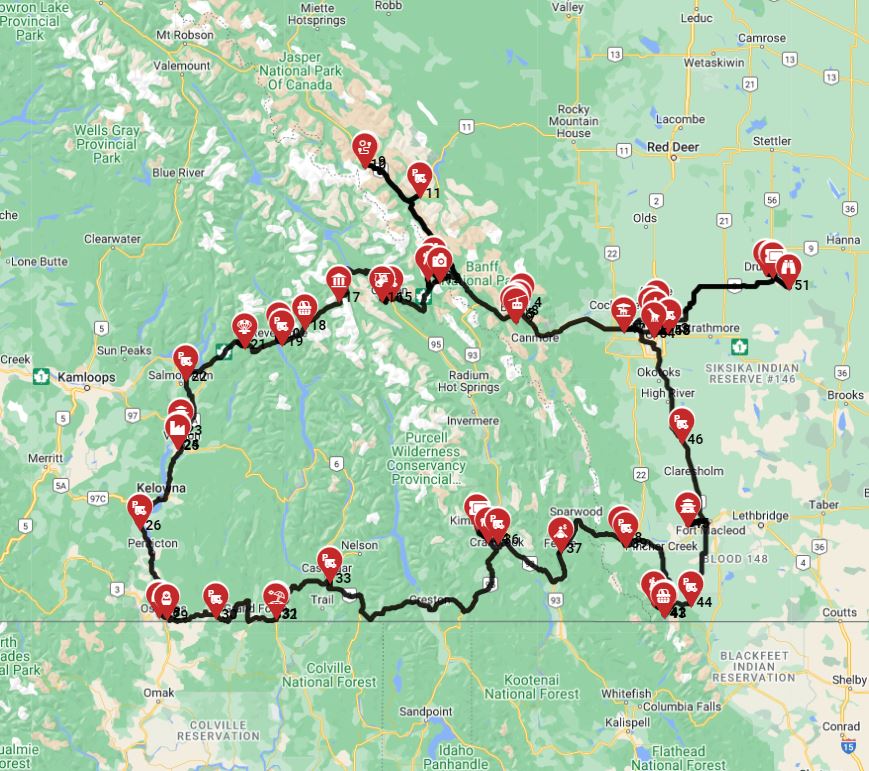
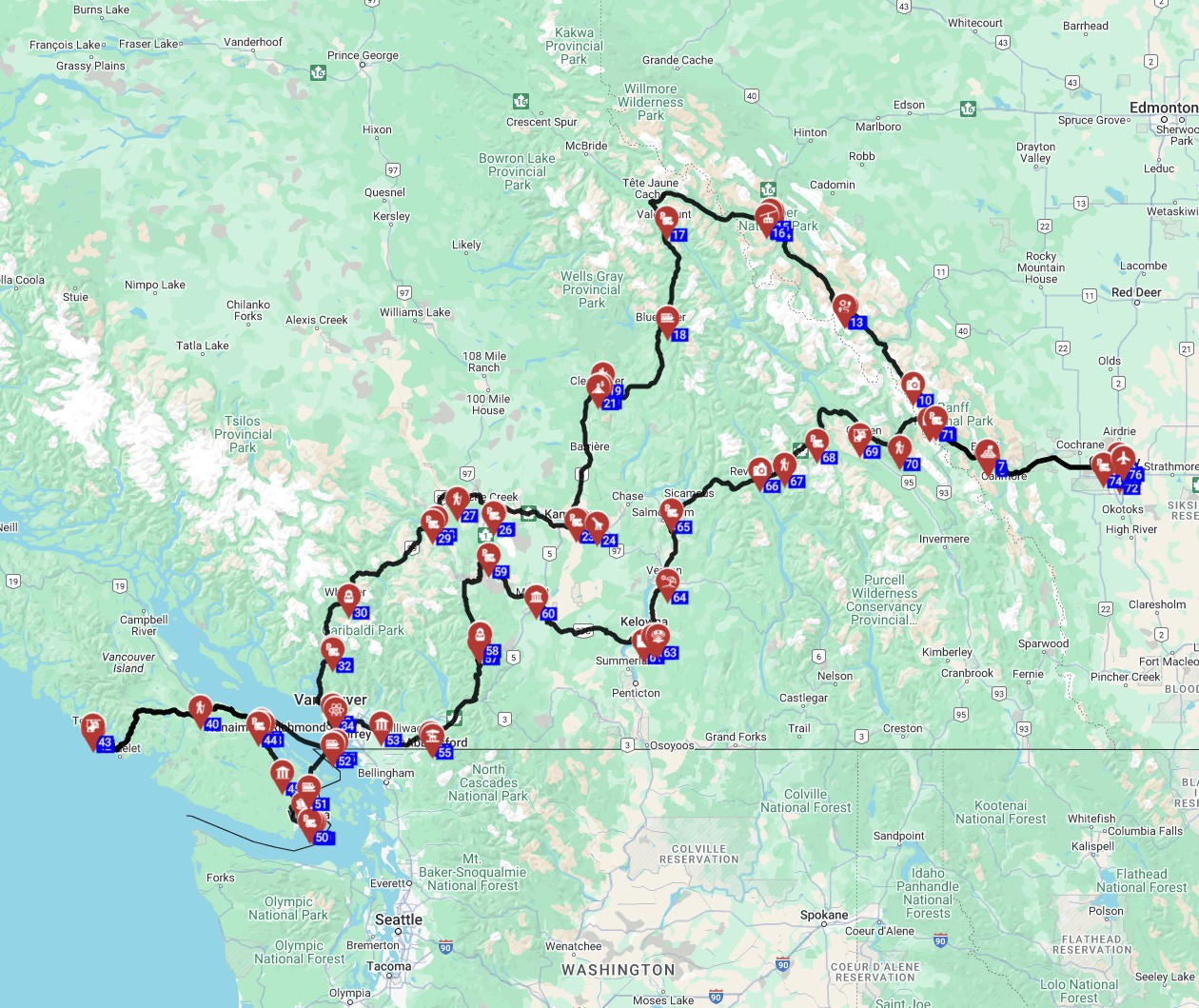
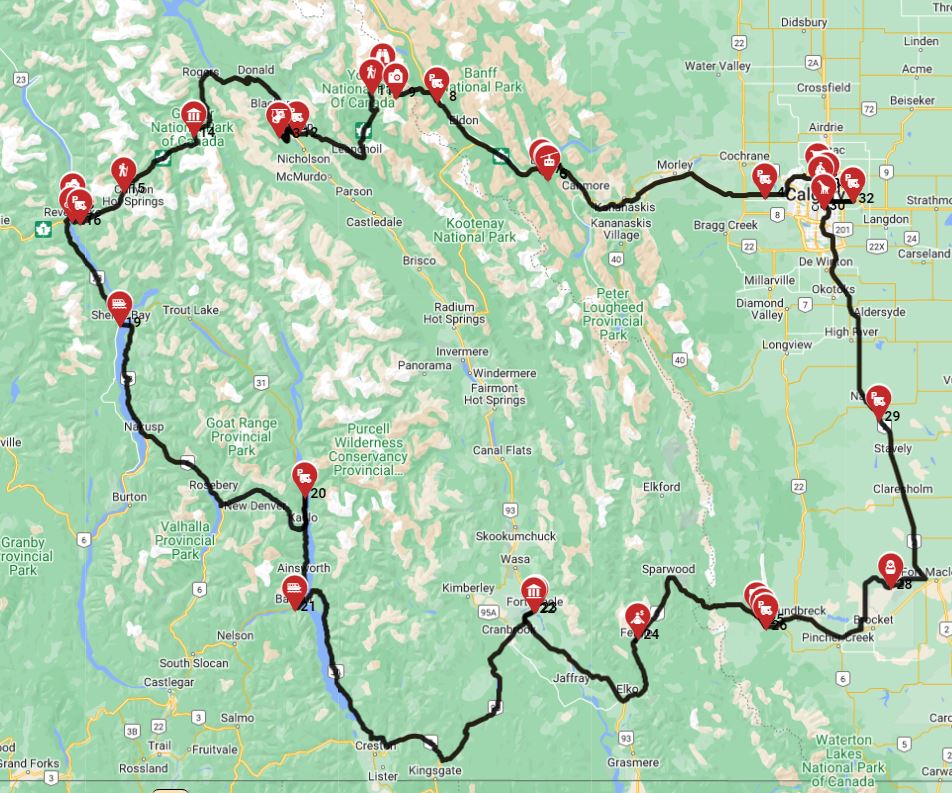
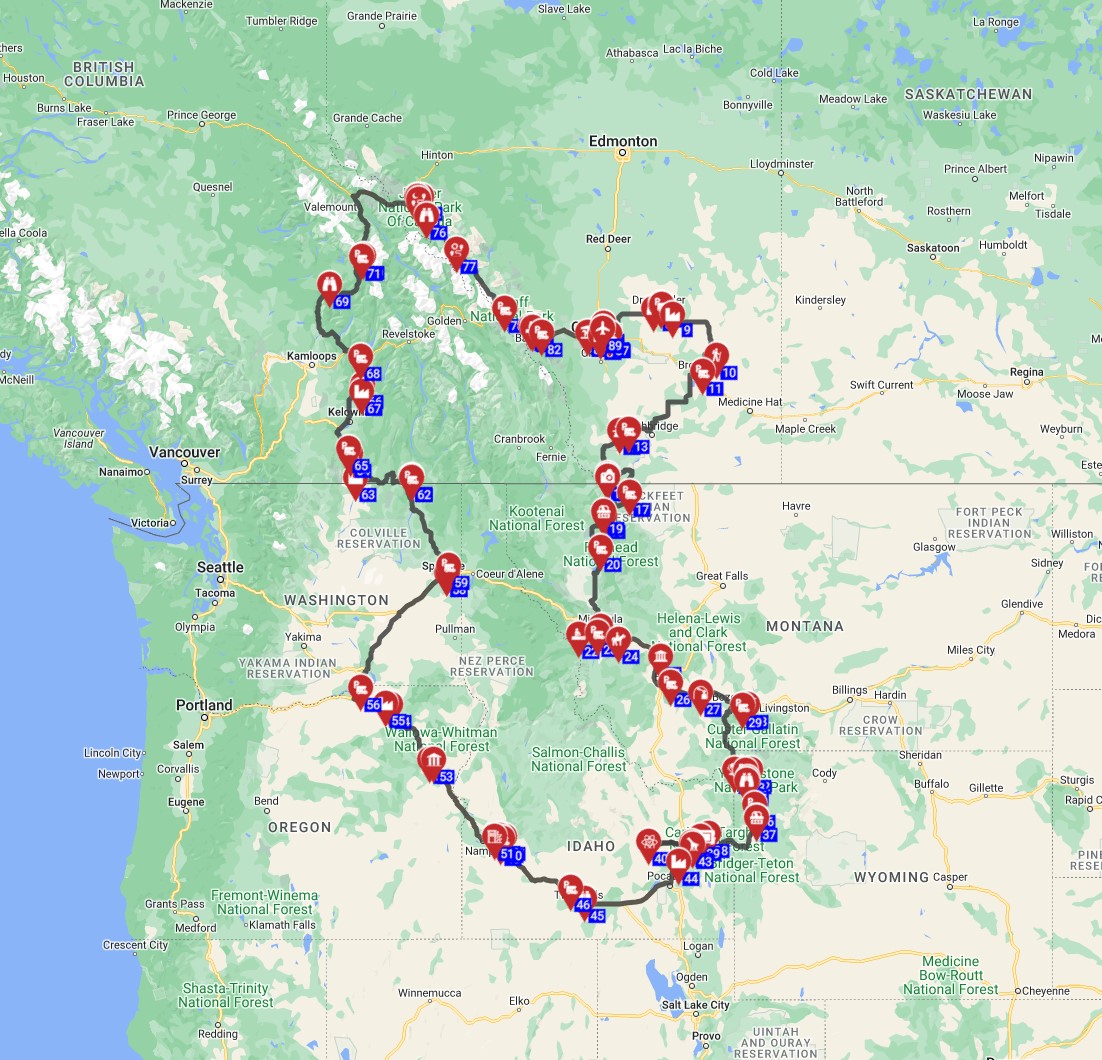
Consider looking into options around cities like Abbotsford or Halifax, where you might find a mix of public and private campgrounds with varied winter services. For detailed route plans that include campground options and help you itemize and track every expense along the way for easy budgeting, check out the RV PLANET routes. On the routes offered through RV PLANET routes, you can itemize and track every expense along the way for easy budgeting.
Featured RV Park or Campground in Canada
When selecting an RV park in Canada for winter, prioritize those with heated facilities, ploughed access roads, and robust electrical hookups to ensure a comfortable and accessible stay. Look for parks specifically marketing winter camping, such as those near ski resorts or national park towns, which often feature enhanced services to handle cold weather conditions. Confirm the park can accommodate your RV size and offers reliable 30- or 50-amp electrical service to power your RV's heating systems.For an excellent winter experience in Canada, the Tunnel Mountain Campground in Banff National Park, Alberta, stands out. It offers winter camping with electrical hookups, essential for keeping your rented motorhome warm in sub-zero temperatures. Access roads are regularly ploughed, ensuring easy navigation even after heavy snowfall. The campground also provides heated washrooms with flush toilets and hot showers, adding a touch of comfort to your frosty adventure. It's a fantastic base for exploring the stunning Canadian Rockies, skiing at nearby resorts, or enjoying snowshoeing trails.
Hookups & Amenities - What to Expect for Winter Camping
Canadian campgrounds typically offer electric, water, and sewer hookups, though winter availability varies, with most sites providing 15, 30, or 50-amp electrical service. Electric hookups are crucial for running electric heaters and preventing freezing in your rented RV. In colder months, individual water hookups are often turned off to prevent freezing; central water fill-up stations are common, requiring RVers to use heated hoses or fill their fresh tanks and disconnect. Similarly, central dump stations may be winterized or closed; always confirm availability. Other amenities like Wi-Fi can be spotty. Heated washrooms, laundry facilities, and showers are vital amenities typically found in year-round campgrounds for winter comfort.To ensure a comfortable winter experience, always confirm the specific amenities available at your chosen campground. Many well-maintained winter camping spots, especially in national or provincial parks, will provide the essential electrical hookups to power your heating systems. For cooking delicious meals inside your warm motorhome, ensure your propane tank is full for the stove. You might enjoy browsing our RV-friendly recipes playlist for inspiration!
Booking Windows & Reservations in Canada
For winter RVing in Canada, booking ahead is generally advisable, especially for popular national or provincial park campgrounds, though spontaneous travelers can often find spots due to lower demand. Planners might find that many national and provincial park campgrounds release reservations months in advance for their limited winter-friendly sites, which can book up quickly. Spontaneous travelers, however, will almost certainly find a place in winter due to lower demand; if not at the first campground, then the next. Always call ahead to confirm availability and winter operating hours before driving. While some national park campgrounds release only 25-30% of spots for advance reservations (the rest being first-come, first-served) during peak season, winter typically offers more flexibility.Don't let booking fears hold you back. Whether you're a meticulous planner who likes everything organized or a spontaneous adventurer, Canada's winter RV scene has options. If you're looking for last-minute RV rental deals in Canada, remember that prices are dynamic, so keeping an eye on availability close to your travel dates can sometimes yield unexpected opportunities. For those who prefer to plan a trip itinerary in advance with minimal effort and maximum enjoyment, consider the convenience of Rent&Plan services offered via RV PLANET (rvplan.net). We provide 25% planning discount for using rvplan.net to craft your perfect journey.
Nearby Supermarkets & Resupply Points for Your Canada RV Trip
When RVing in Canada, resupply points are generally accessible in most towns and cities, with common supermarket chains like Loblaws (including Real Canadian Superstore, No Frills), Sobeys, and Walmart serving as reliable options. Plan your routes to pass through larger communities for major grocery hauls, as smaller towns may have limited selections or shorter winter operating hours. Always stock up adequately, especially when heading to remote areas or during holiday periods, to avoid being caught unprepared for cold weather or closures.It's smart to plan your provision stops, particularly when venturing into more remote regions or the expansive national parks. Stocking up on groceries and other essentials in larger cities like Halifax, Montreal, or Vancouver will save you time and ensure you have everything you need for your winter adventure. Remember, cooking in your rented camper is a fantastic way to enjoy warm, hearty meals after a day of exploring Canada's winter wonderland.
Best RV Class for Winter Camping in Canada
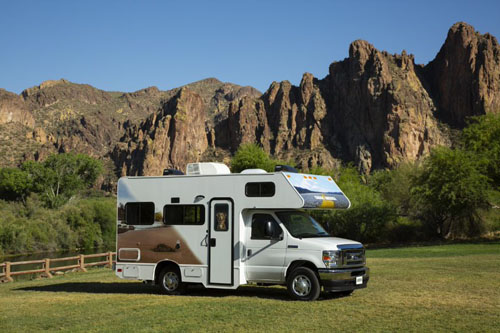
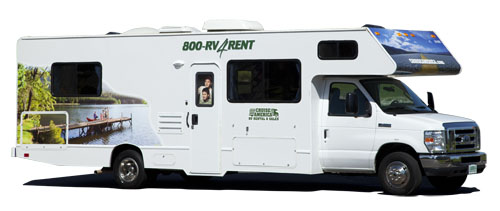
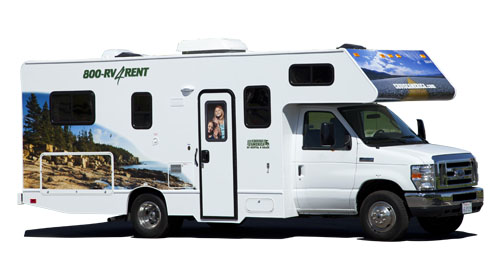
For winter camping in Canada, Class B Camper Vans and Class SI Semi-integrated RVs are often ideal due to their maneuverability, fuel efficiency, and suitability for colder climates. Class B Camper Vans, averaging around 5.8 meters in length, are excellent for navigating snowy roads and fitting into smaller, often winterized, campsites; Bandana's global fleet average indicates they typically sleep 2-3 adults and offer fuel consumption of 8-10 Liters/100 Km, making them efficient for winter travel. Class SI Semi-integrated RVs, offering more space while remaining relatively maneuverable, average 6.9 meters in length, sleep 3-4 adults, and consume 10-11 Liters/100 km; these provide a good balance of comfort and practicality for winter trips, often featuring better storage and more robust heating systems. Consider ensuring any RV selected is properly winterized, regardless of class, to handle Canadian cold.A smaller, agile motorhome like a Class B Campervan is perfect for navigating snowy roads and finding spots in smaller campgrounds. A rented "2 Berth Hi Top" campervan, with features like automatic transmission, front air condition, and "Winter Ready" status, would be an excellent choice for a couple. For families, a Class C motorhome like the "24' Class C Motorhome" with automatic transmission, generator, shower, and toilet, and explicitly marked "Winter Ready", could comfortably accommodate 4-6 people, offering ample space and essential amenities for warmth and convenience. Regardless of your choice, ensure your chosen rental vehicle is equipped with good heating for the Canadian winter. Our role as true RV specialists means we help you compare final prices across 50+ suppliers, ensuring you find the best vehicle for your Canadian winter adventure without the hassle.
How to Save on Campgrounds in Canada
To save on Canadian campgrounds, consider utilizing discount cards, booking during the shoulder or off-peak winter seasons, and opting for municipal or regional parks over private resorts. Winter RVing inherently saves money as demand and prices are considerably lower compared to peak summer rates. Inquire about Bandana's exclusive campground discount cards or other memberships like Good Sam, which can offer significant savings. Municipal or regional campgrounds are often more affordable than private resorts while still offering essential amenities suitable for winter. Many campgrounds offer weekly or monthly rates that are significantly cheaper per night than short stays; inquire about discounts for 3+ nights. If traveling with another RV, some campgrounds may allow sharing a site with partial hookups, further reducing costs.Exploring Canada in the quieter winter months naturally brings cost savings on accommodation. For those seeking a Cheap RV Rental in Canada - Budget Guide 2026, planning your trip during this season is an excellent strategy. Additionally, considering a Long-Term RV Rental in Canada - Monthly Rates 2026 can drastically reduce your daily campground expenses, making an extended Canadian winter escape more accessible. Always remember to check for any RV Rental Deals in Canada - Latest Offers 2026 when booking, as special promotions for off-peak travel can often be found.
What special considerations apply to winter RVing in Canada?
Winter RVing in Canada requires specific gear, careful route planning due to potential road conditions, and an awareness of limited service availability compared to peak seasons. Essential gear includes RV antifreeze, heated water hoses, extra propane, tire chains, winter-rated tires, and robust cold-weather clothing for personal comfort and safety. Expect snow, ice, and reduced visibility on roads; monitor provincial weather forecasts and road reports (e.g., DriveBC for British Columbia, 511 Alberta for Alberta) frequently, as some mountain passes may require winter tires or chains by law. Many campgrounds, attractions, and even some gas stations operate on reduced hours or close entirely in winter, making it crucial to confirm ahead. Ensure your rental RV is properly winterized for cold temperatures, which often means using the RV's furnace, skirting the RV, and managing condensation inside the vehicle.Safety is paramount for a successful winter RV rental in Canada. Always ensure your fresh water tank is full and consider disconnecting your water hose at night to prevent freezing, relying on your internal water supply. Keep your propane tanks topped up, as your furnace will be working hard. Drive slowly and carefully, and you can drive almost anywhere without issues. No need to stress - just use common sense and pay attention to road conditions. The stunning scenery, like the snow-dusted mountains of the Rockies or the frozen lakes of Ontario, is your reward!
What are the unique challenges for RVs in the Canadian environment?
RVing in Canada presents unique challenges such as navigating vast landscapes with mountain passes, understanding ferry logistics, managing wildlife interactions, and planning for gas station availability in remote areas. Heavy RVs require careful driving techniques on steep Canadian mountain roads, including proper gear selection for descents and ascents, especially in winter conditions. When traveling to Vancouver Island or other coastal regions, book BC Ferries in advance, particularly for larger RVs, and be aware of propane tank rules (must be shut off during transit). Canada is home to abundant wildlife; practice bear safety protocols, keep all food secured, and maintain a safe distance from animals. In remote areas, gas stations can be few and far between, particularly off major highways, making meticulous planning for fuel stops essential and potentially requiring extra fuel carriage.These challenges are part of the adventure in Canada! Driving through regions like British Columbia, with its beautiful but often winding roads, requires attention. Cities like Coquitlam, Delta, and Gibsons in BC offer urban amenities before heading into more rugged terrain. While driving a large Class A motorhome might seem daunting in winter, with careful attention and a bit of caution, you can navigate these roads safely. Remember that all content must be in English only; never use Hebrew or any other non-English language. If any source data is in Hebrew, translate it to English.
What are the border crossing rules for RVers entering Canada?
RVers entering Canada must present valid passports and comply with strict regulations regarding permissible provisions, especially food items, and be aware of potential entry issues related to criminal records. A valid passport is essential for all U.S. citizens and other nationalities may require a visa or eTA. Be aware that certain criminal records, including DUIs, can make a traveler inadmissible to Canada; it is crucial to consult Canadian immigration authorities if you have any concerns prior to travel. Certain food items (e.g., fresh fruits, vegetables, meats, dairy, eggs) have restrictions or are prohibited to prevent disease transmission; declare all food items, and consult the Canadian Border Services Agency (CBSA) website for a detailed, itemized list. Firearms are highly restricted; ensure all medications are clearly labeled and in their original containers.Crossing the border into Canada from the USA with a rented RV is generally straightforward if you're prepared. Our guide RV Rental USA - Complete Guide 2026 can provide complementary information for those starting their journey south of the border. Always be honest and transparent with border officials, just as we are with our customers about rental costs and expectations.
What are the rules and options for boondocking or dispersed camping in Canada?
Boondocking, or dispersed camping, is generally permitted on Crown land in Canada, but specific regulations vary by province and municipality, often requiring self-sufficiency and strict adherence to Leave No Trace principles. Check provincial regulations and maps for specific rules regarding Crown land access, as some areas may be restricted or require permits. While focused on paid sites, some provincial parks might have designated primitive or overflow areas; always confirm with park authorities. Overnight parking in urban areas is often restricted; look for designated truck stops, inquire at Walmart parking lots for permission, or utilize rest areas where overnight stays are permitted. Always practice Leave No Trace principles, pack out all trash, respect private property, and be mindful of noise and waste disposal. Explore diverse private campgrounds, including glamping sites, for unique experiences that may offer more amenities or scenic locations than traditional parks.For RVers seeking ultimate freedom in Canada, boondocking can be an amazing experience, especially in the winter. Imagine pulling your rented campervan into a quiet, snowy clearing far from the bustle, under a sky full of stars. Always be prepared with adequate water, propane, and waste capacity when boondocking. Remember, we are here to offer support and guidance before, during, and after your booking, ensuring you have the resources to plan such adventures confidently.
What are the legalities and logistics for long-term RVing in Canada?
Long-term RVing in Canada involves navigating visa implications for non-residents, understanding provincial vehicle registration rules, and planning for mail forwarding and comprehensive healthcare considerations. US citizens can typically stay for up to 6 months as tourists without a visa; for longer stays, immigration requirements become complex, potentially requiring visitor extensions or other permits-consult Immigration, Refugees and Citizenship Canada (IRCC). For non-residents, keeping a foreign-plated RV in Canada for extended periods has specific rules that vary by province; generally, a tourist vehicle can stay for the duration of the visitor's legal stay. Services like Canada Post's FlexDelivery or private mail forwarding companies can effectively manage mail for long-term RVers. Foreign visitors are generally not covered by Canadian provincial health plans; comprehensive travel medical insurance is essential for any extended stay. Be aware of potential tax implications for long-term stays that could establish residency status in Canada.For those dreaming of an extended winter escape, understanding these logistics is key. We offer 24/7 support for your pre-booking and booking needs, and post-booking coordination, making the planning process for a longer rental simpler. Our "Long-Term RV Rental in Canada - Monthly Rates 2026" guide offers more insights into planning such an adventure. You can upgrade to a top-level deductible for extra peace of mind on your extended journey, which is an optional upgrade for renters.
What are the best connectivity options for RVers in Canada?
RVers in Canada have several connectivity options, including local SIM cards for cell service, portable Wi-Fi hotspots, and satellite communicators for truly remote areas, though coverage varies significantly across vast regions. Canada's major carriers (Bell, Rogers, Telus) offer wide but not universal coverage; purchasing a local prepaid SIM card can provide better rates, but expect gaps in remote and mountainous regions. Look for Canadian-specific data plans that offer sufficient data for your needs, as roaming can be exceptionally expensive. Public Wi-Fi is available in many towns, cafes, and some RV parks; portable Wi-Fi hotspots using cellular data can provide reliable internet in areas with good cell coverage. For true off-grid travel in vast wilderness areas where cell service is non-existent, a satellite phone or satellite messenger (e.g., Garmin InReach, Starlink Roam) is a critical safety and communication tool.Even in winter, staying connected is often important. While enjoying the solitude of a winter RV camping trip, having reliable communication is a practical consideration. Many RV parks in cities like Dartmouth or Burlington might offer Wi-Fi, but venturing into the wilder parts of Canada, like remote areas of Churchville, means cellular coverage can be unpredictable. Planning for alternative connectivity like a satellite device provides both convenience and safety.
How can RVers experience local culture and community in Canada?
RVers can deeply engage with Canadian culture by seeking out local culinary experiences, attending community festivals, supporting small businesses, and connecting with local RV communities. Explore local farmers' markets, try poutine in Quebec, fresh seafood on the coasts, or bannock in Indigenous communities; use apps like 'Taste Canada' or local tourism guides. Check local tourism boards for schedules of regional events, from winter carnivals (like Quebec City's) to smaller community gatherings, which often offer unique cultural insights. Patronize local shops, restaurants, and artisans to directly contribute to the local economy and discover authentic Canadian goods. Join Canadian RV forums, Facebook groups, or local RV clubs to meet other travelers, exchange tips, and discover hidden gems; don't hesitate to strike up conversations at campgrounds.Connecting with Canada's rich culture, even in winter, is incredibly rewarding. Cities like Abbotsford or Coquitlam often host local events that are less crowded than peak-season tourist attractions, allowing for a more authentic experience. Whether you're enjoying a local hockey game or sampling regional specialties from your rented motorhome, slow travel ensures you have ample time for these enriching moments.
What You Shouldn't Miss on Your Canadian RV Adventure
A winter RV adventure in Canada offers incredible landscapes and unique experiences that are often missed by summer travelers. Don't miss the chance to witness the Northern Lights from a dark-sky preserve in a national park like Jasper or Banff, a truly magical spectacle. Exploring the pristine, snow-covered trails with snowshoes or cross-country skis, accessible from many winterized campgrounds, provides an invigorating way to experience nature. Visit one of Canada's renowned winter festivals, such as Quebec City's Winter Carnival, for a vibrant cultural immersion. Embrace ice skating on natural frozen lakes or man-made rinks, a quintessential Canadian pastime. Finally, drive some of the country's scenic winter routes, like the Icefields Parkway between Banff and Jasper, for breathtaking mountain views (with appropriate winter tire preparation, of course!).Looking for expert insights from Avi Bandana? Top 5 Adventures - recommendations from Avi Bandana.
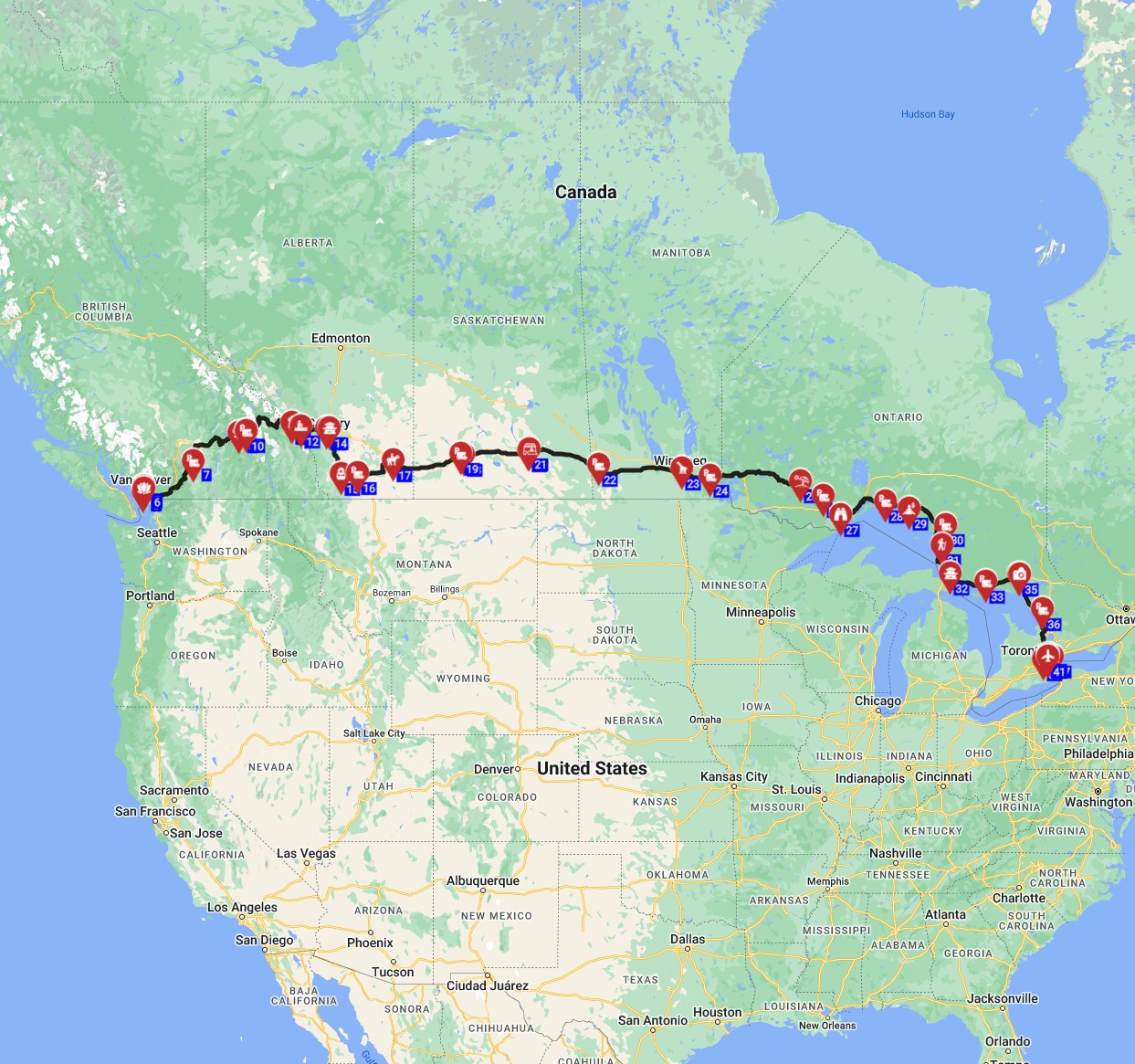
Another fantastic journey is the
🎬 Video coming soon
Final Thoughts
A winter RV rental in Canada truly is an experience unlike any other. It's a chance to see this incredible country draped in its most serene and majestic attire, offering quiet moments and thrilling adventures in equal measure. With a rented motorhome, you have the flexibility and comfort to chase the Northern Lights, hit the slopes, or simply find a cozy spot to enjoy the snowy scenery.
We at Bandana RV are passionate about helping you discover the joy of RV travel. We strive to make your booking experience as seamless and transparent as possible, providing all the information and support you need. So, pack your warmest layers, get ready for breathtaking views, and prepare for an unforgettable winter adventure in Canada. The open road, glistening with fresh snow, awaits!
Get inspired for your next trip! Discover top destinations, planning tips, all in one place, and plan a trip itinerary in advance with minimal effort and maximum enjoyment. Find your perfect winter RV Rentals in Canada today!