In This Guide
- Where to Camp in California - Top Options
- Campground Types in California (National, Private, Wild)
- Featured RV Park or Campground in California
- Hookups & Amenities - What to Expect
- Booking Windows & Reservations in California
- Nearby Supermarkets & Resupply Points
- Best RV Class for Camping in California
- How to Save on Campgrounds in California
- Is it worth renting an RV in California?
- How much does it cost to rent an RV for a week in California?
- Is it cheaper to rent an RV or stay in hotels in California?
- What is the best month to RV in California?
- Exploring California's RV Destinations and Routes
- Where can I park my RV overnight for free in California?
- Is it hard to drive an RV in California?
- What is the cheapest way to RV in California?
Winter RV camping in California offers a unique blend of experiences, from sun-drenched desert oases to snow-capped mountain escapes. Imagine waking up to cool, crisp air, ready to explore breathtaking landscapes, all from the comfort of your rented motorhome. California is an RV traveler's dream, offering incredible diversity and adventure year-round.
At Bandana RV, we’ve been helping tens of thousands of travelers explore the world by RV since our founding in 2001, and California is one of our most popular destinations. For live availability and current prices, start with our RV Rental California - Complete Guide 2026 guide. We are true RV specialists, not just a side department of a travel agency, ensuring you get expert advice and support before, during, and after your booking.
Where to Camp in California - Top Options
California offers diverse camping experiences from the iconic redwood forests to the serene Sierra Nevada mountains and the dramatic Pacific Coast. Top options for your rented RV include coastal campgrounds like Doheny State Beach for prime ocean access, mountain sites such as those within Yosemite National Park, and scenic stops along the legendary Pacific Coast Highway in Big Sur. Consider regions like the Northern California coast for majestic redwood groves, the Central Valley for agricultural insights, or the desert landscapes of Southern California for unique seasonal adventures, especially during winter months when temperatures are mild and pleasant.Campground Types in California (National, Private, Wild)
RV camping in California primarily encompasses National and State Parks, private campgrounds, and dispersed (wild) camping on public lands. National and State Parks offer stunning natural settings, often with basic amenities like picnic tables and fire rings, but typically require early reservations, especially in popular spots like those mentioned in our RV Rental USA - Complete Guide 2026. Private campgrounds, such as KOA or independent resorts, provide a wider range of amenities including full hookups, showers, Wi-Fi, and sometimes pools, catering to a more comfortable stay. Dispersed camping, or boondocking, on Bureau of Land Management (BLM) lands or in National Forests, allows for free, off-grid overnight parking, demanding self-sufficiency and strict adherence to Leave No Trace principles and specific local regulations regarding campfires and length of stay.Featured RV Park or Campground in California
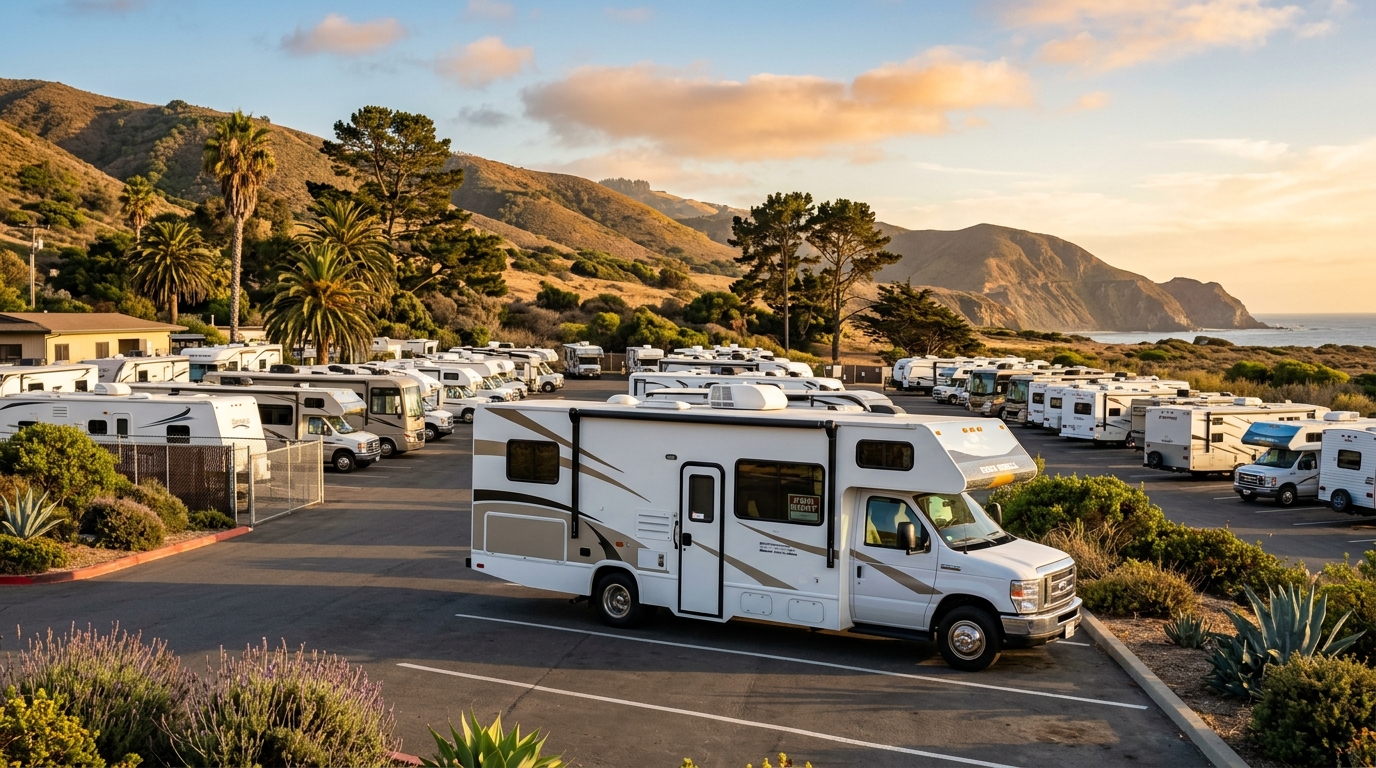
A prime example of a well-regarded RV park in California is the Ventura Beach RV Resort, known for its excellent coastal access and comprehensive amenities, which are particularly appealing for winter stays with heated facilities. This resort typically features full hookups (30 or 50 amp electrical connections, fresh water, and sewer), reliable Wi-Fi, clean laundry facilities, a heated swimming pool, and convenient proximity to the beach and downtown Ventura attractions. When selecting an RV park for your rented mobile home, prioritize factors such as proximity to your desired destinations, the availability of essential hookups and services, and positive reviews regarding cleanliness and staff helpfulness.Hookups & Amenities - What to Expect
RV camping in California typically offers various hookup options, including electrical connections (30 or 50 amp), fresh water, and sewer (full hookups) at most private and some state/national park campgrounds. Expect standard 120V AC electrical service across the U.S.; ensure your rented RV is compatible. Beyond hookups, common amenities include communal restrooms, hot showers, dump stations for waste tanks, and often Wi-Fi, though its reliability can vary by location. Higher-end RV resorts may also provide additional luxuries such as cable TV, swimming pools, recreational halls, and on-site general stores, making your motorhome adventure even more comfortable.Booking Windows & Reservations in California
For highly sought-after campgrounds in California, particularly within National and State Parks like Yosemite or Big Sur, booking 6 to 12 months in advance is often essential due to high demand. Many national park campgrounds operate on a split system, releasing only 25-30% of spots for advance reservations, with the remainder available on a first-come, first-served (FCFS) basis, often requiring early morning arrival, especially for popular destinations. Spontaneous travelers may find more flexibility at private campgrounds, especially during shoulder seasons, but it is always advisable to call ahead for same-day or next-day availability. Advanced booking strategies include diligently monitoring reservation sites like ReserveCalifornia.com and Recreation.gov for cancellations and having alternative FCFS or private park options mapped out as a backup for your motorhome rental.Nearby Supermarkets & Resupply Points
When RV camping in California, major supermarket chains like Safeway, Vons, Albertsons, and Trader Joe's serve as reliable resupply points in most populated areas. For example, campers near Los Angeles will find Vons or Ralphs supermarkets readily available, while those traveling through Northern California can typically rely on Safeway for groceries and supplies. Always plan your resupply stops strategically, especially when venturing into remote regions or national parks where grocery options are scarce or significantly more expensive, ensuring you stock up on essentials beforehand for your rented camper. Preparing meals in your RV is a fantastic way to manage your budget, and you can find inspiration in our RV-friendly recipes playlist. For itemizing and tracking every expense along the way for easy budgeting, consider using RV PLANET routes.Best RV Class for Camping in California
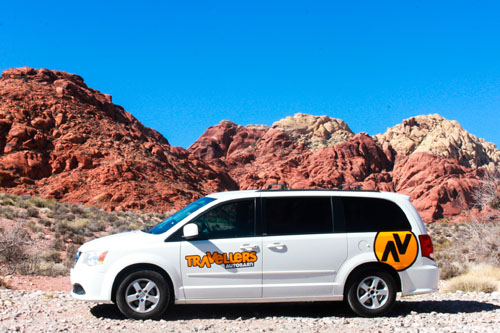
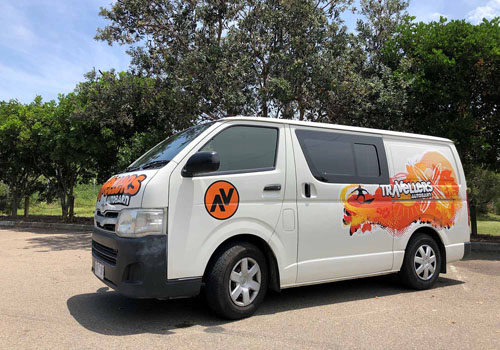
Selecting the best RV class for camping in California hinges on your itinerary, group size, and preference for maneuverability versus spaciousness. For navigating narrow mountain roads, urban environments, and accessing diverse boondocking spots, Bandana's Class B Camper Vans are ideal, typically averaging 5.8 meters in length, sleeping 3 people, and offering excellent fuel efficiency (around 8-10 Liters/100 Km). If you prioritize comfort, interior space, and amenities for family trips or longer stays in established campgrounds, a Class C Alcove RV (averaging 7.5 meters in length and sleeping 5-6 people) provides a great balance, though its larger size may require more careful driving on challenging routes. Remember, a standard car driver's license is sufficient for all motorhome classes, from a compact campervan to a larger Class A motorhome.How to Save on Campgrounds in California
Saving money on California campgrounds can be achieved through strategic planning, utilizing discounts, and making smart choices about where and when you camp with your rented motorhome. Bandana customers can often leverage exclusive campground discount cards, which provide significant savings on nightly rates at a network of participating private RV parks. Further cost-saving strategies include booking during the shoulder seasons (spring or fall) to avoid peak pricing, opting for more affordable municipal or regional campgrounds over premium private resorts, staying for three or more nights to qualify for weekly rates, and considering shared hookup sites if traveling in a group. Exploring options for free overnight RV parking in California, like dispersed camping on public lands, can also drastically reduce accommodation costs.Is it worth renting an RV in California?
Renting an RV in California is generally considered highly worthwhile for travelers seeking flexibility, immersive outdoor experiences, and the convenience of a mobile accommodation. A rented RV offers unparalleled freedom to explore California's diverse landscapes, from coastal drives along Highway 1 to mountain parks and vibrant cities, without the constant need to pack and unpack from hotels. It also provides the ability to cook your own meals, which can lead to significant cost savings compared to dining out, and fosters a unique sense of adventure and connection to nature that traditional travel simply can't match. This makes a motorhome rental an excellent investment for an extended road trip.How much does it cost to rent an RV for a week in California?
The cost to rent an RV for a week in California typically ranges from $1,000 to $3,500+, varying significantly based on the RV class, time of year, rental company, and included amenities. Factors influencing price include the RV type (e.g., smaller Class B campervans are usually less expensive than larger Class A motorhomes), rental duration (weekly rates are often more cost-effective than daily), and seasonality (peak summer and holiday periods command higher prices). Beyond the base rental fee, a comprehensive budget should account for fuel (Bandana's Class C Alcove RVs typically consume 10-12 Liters/100 km), campground fees, optional insurance upgrades, mileage charges, and provisioning. For detailed pricing, consult our "RV Rental in California - Prices and Best Deals 2026" guide.Is it cheaper to rent an RV or stay in hotels in California?
For many travelers, particularly families or those planning extended trips, renting an RV in California can be more economical than staying in hotels, depending on specific travel habits and itinerary. RV travel offers cost savings by allowing you to prepare meals in your own kitchen, eliminating expensive restaurant dining, and combining transportation and accommodation costs into a single expense. While hotels avoid some RV-specific costs like fuel, campground fees, and dumping, the accumulated cost of multiple hotel rooms, dining out, and separate transport can often exceed RV rental expenses, especially in popular tourist destinations. For a week-long RV trip, the upfront cost might seem higher, but the flexibility and savings on daily expenses often make it the more budget-friendly option. Check out "Weekly RV Rental in California - Pricing 2026" for more insights.What is the best month to RV in California?
The best month to RV in California largely depends on your desired activities and regions, with shoulder seasons (April-May and September-October) generally offering the most favorable weather and fewer crowds statewide for your motorhome rental. For coastal areas and northern forests, late spring and early fall provide comfortable temperatures perfect for hiking and exploring without the intense summer heat. Mountain regions like the Sierra Nevada are best from late spring through early fall, but always check for high-elevation pass closures (e.g., Tioga Pass typically opens late May or early June). Conversely, California's deserts are most pleasant for RV travel during the cooler winter and early spring months, avoiding the scorching summer temperatures, making detailed seasonal guides crucial for climate-wise planning across varied environments.Exploring California's RV Destinations and Routes
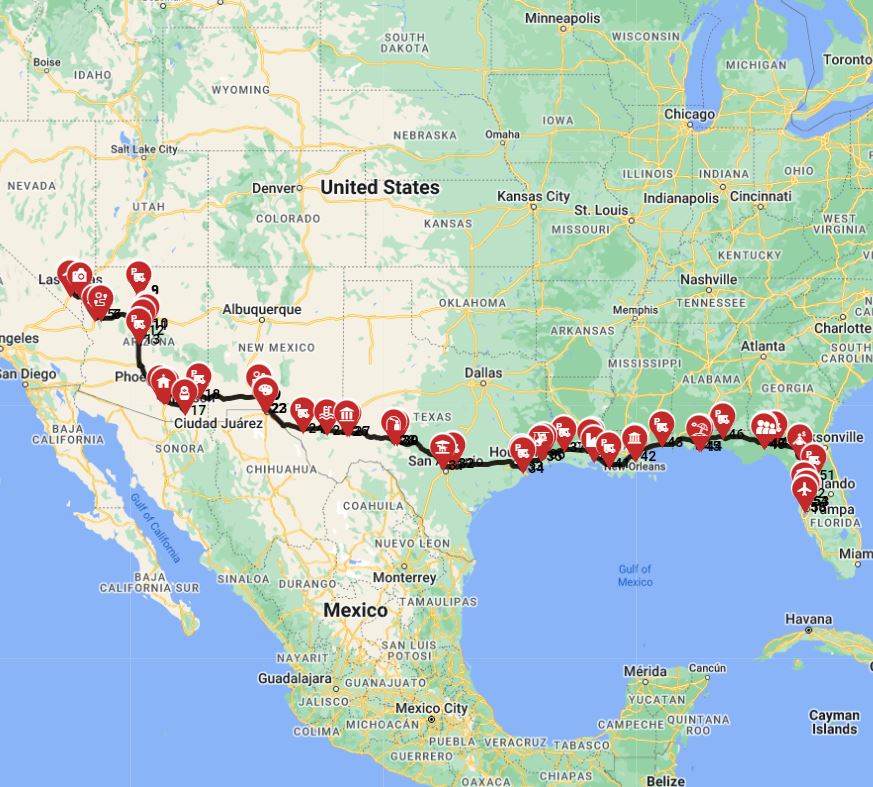
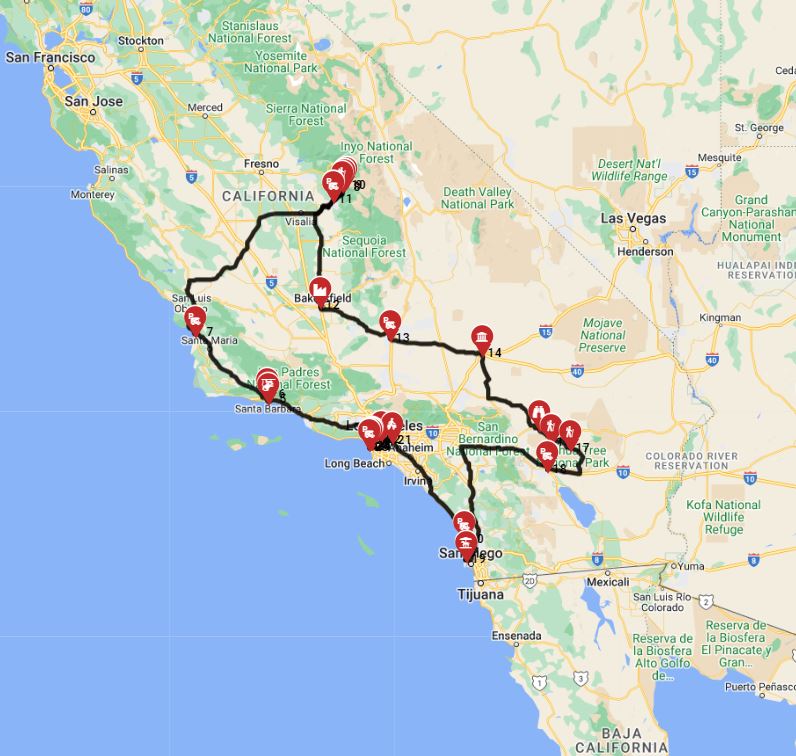
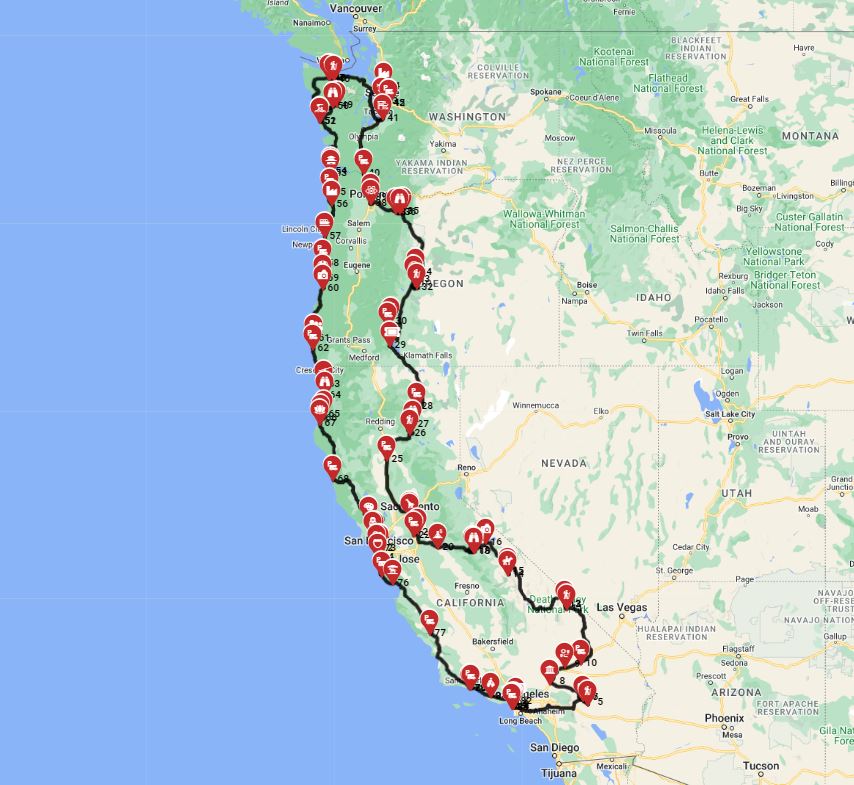
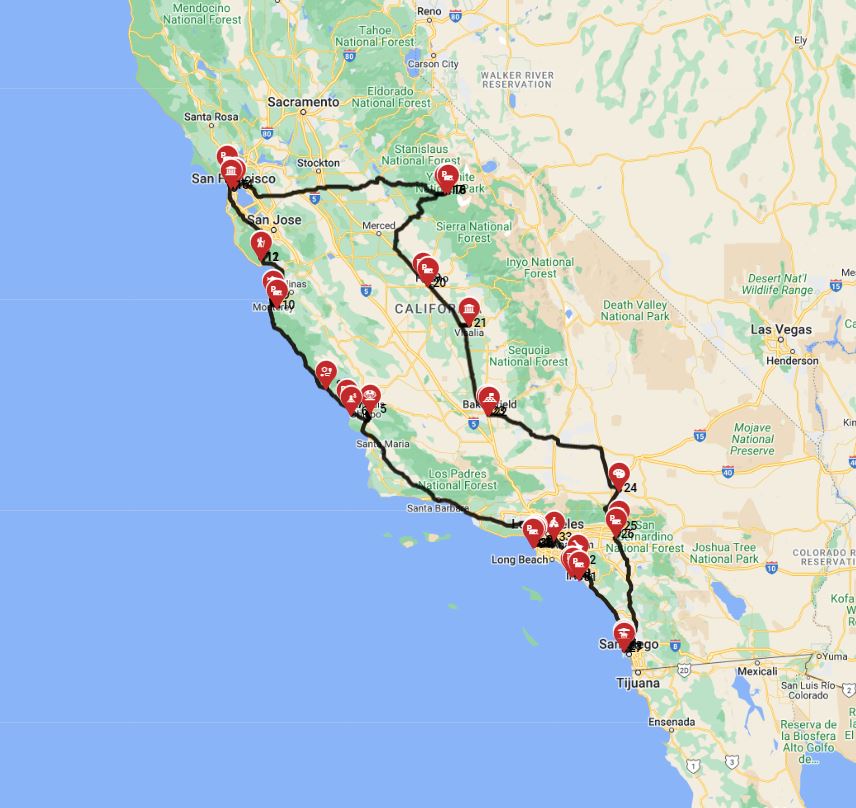
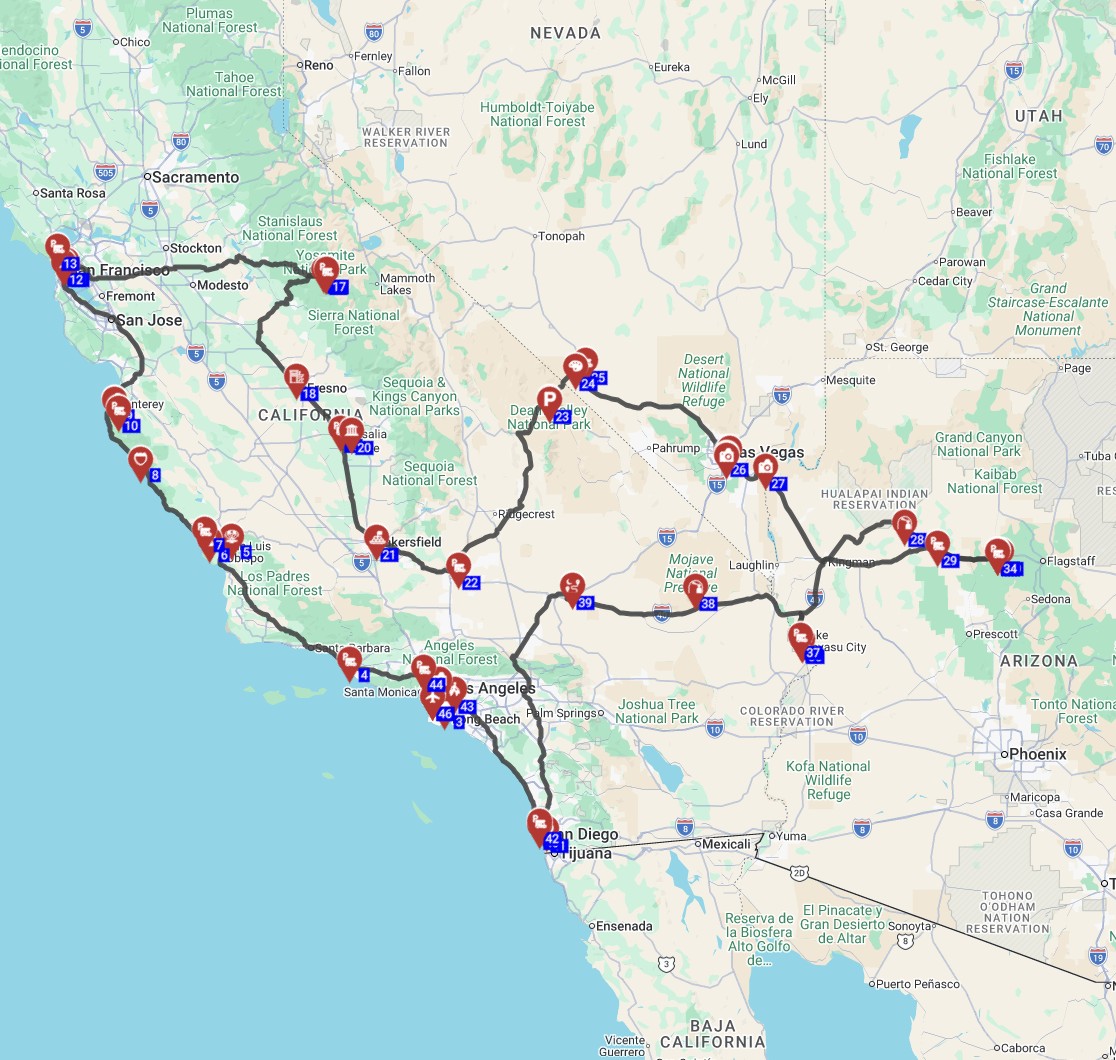
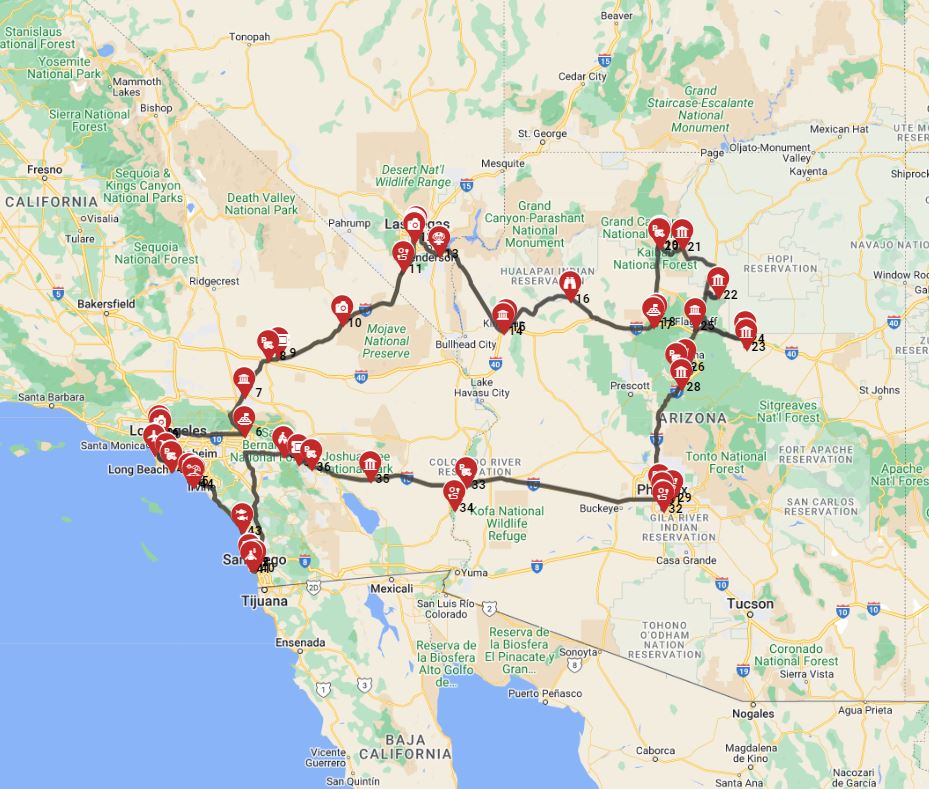
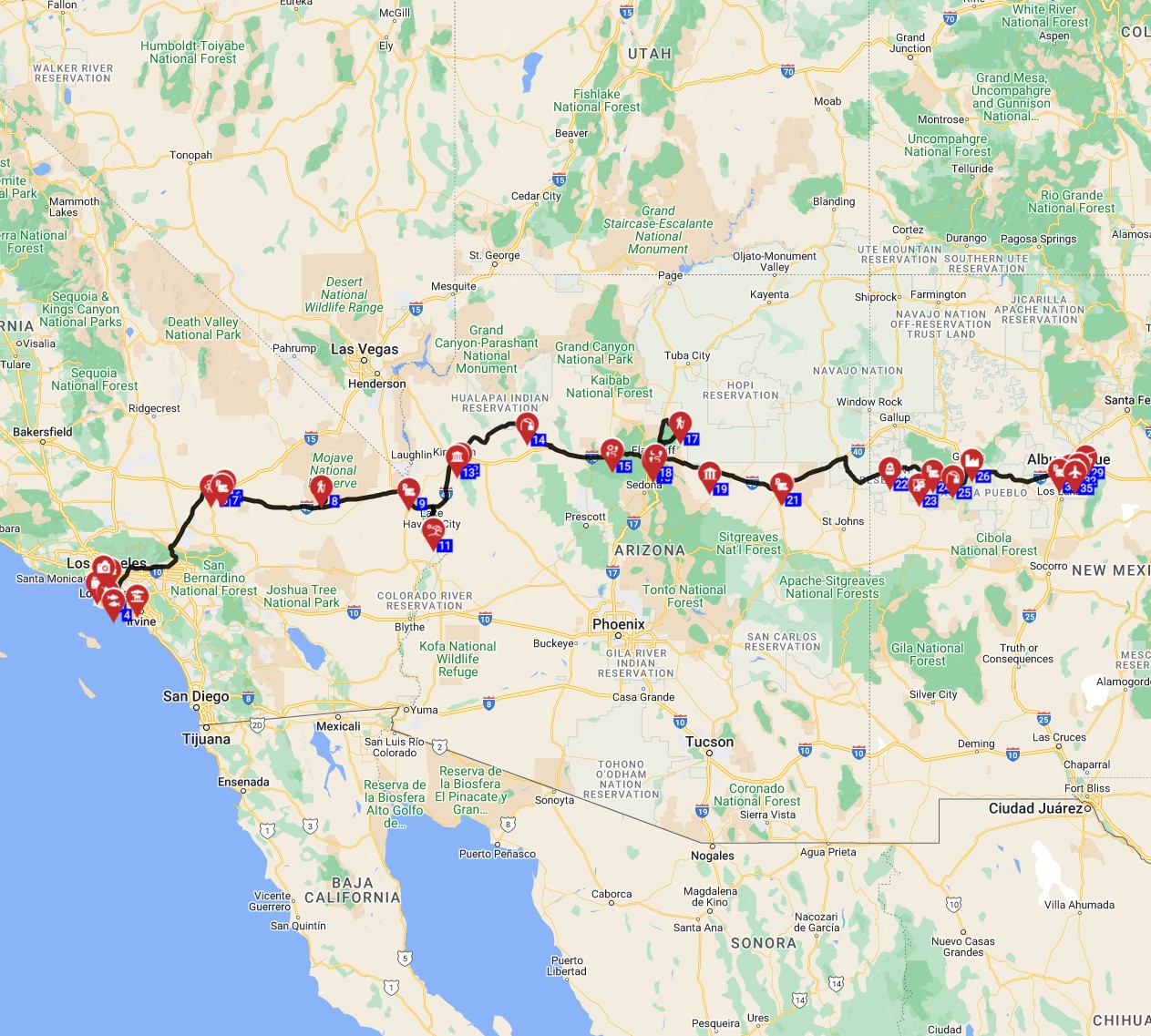
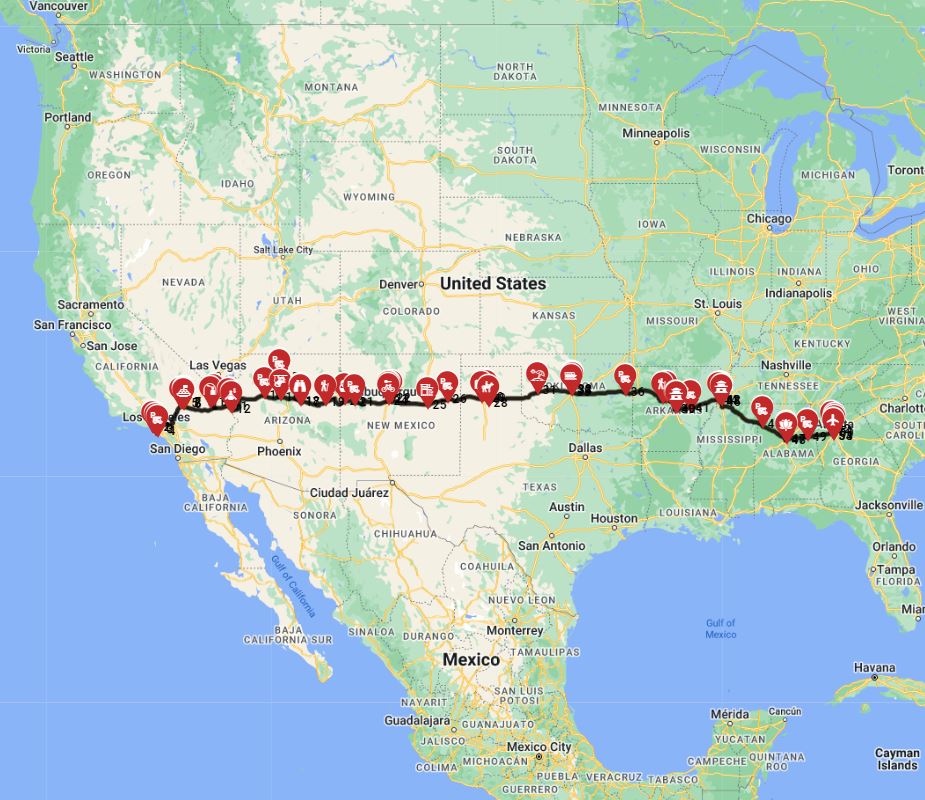
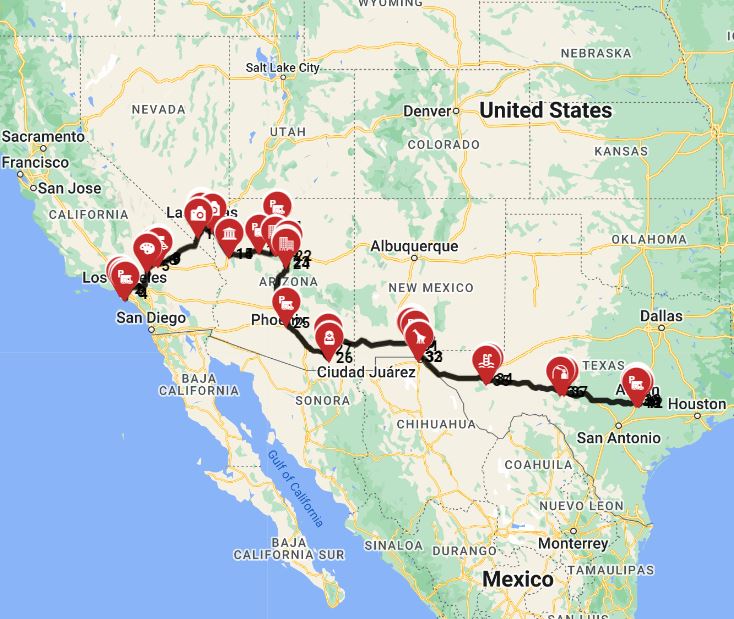
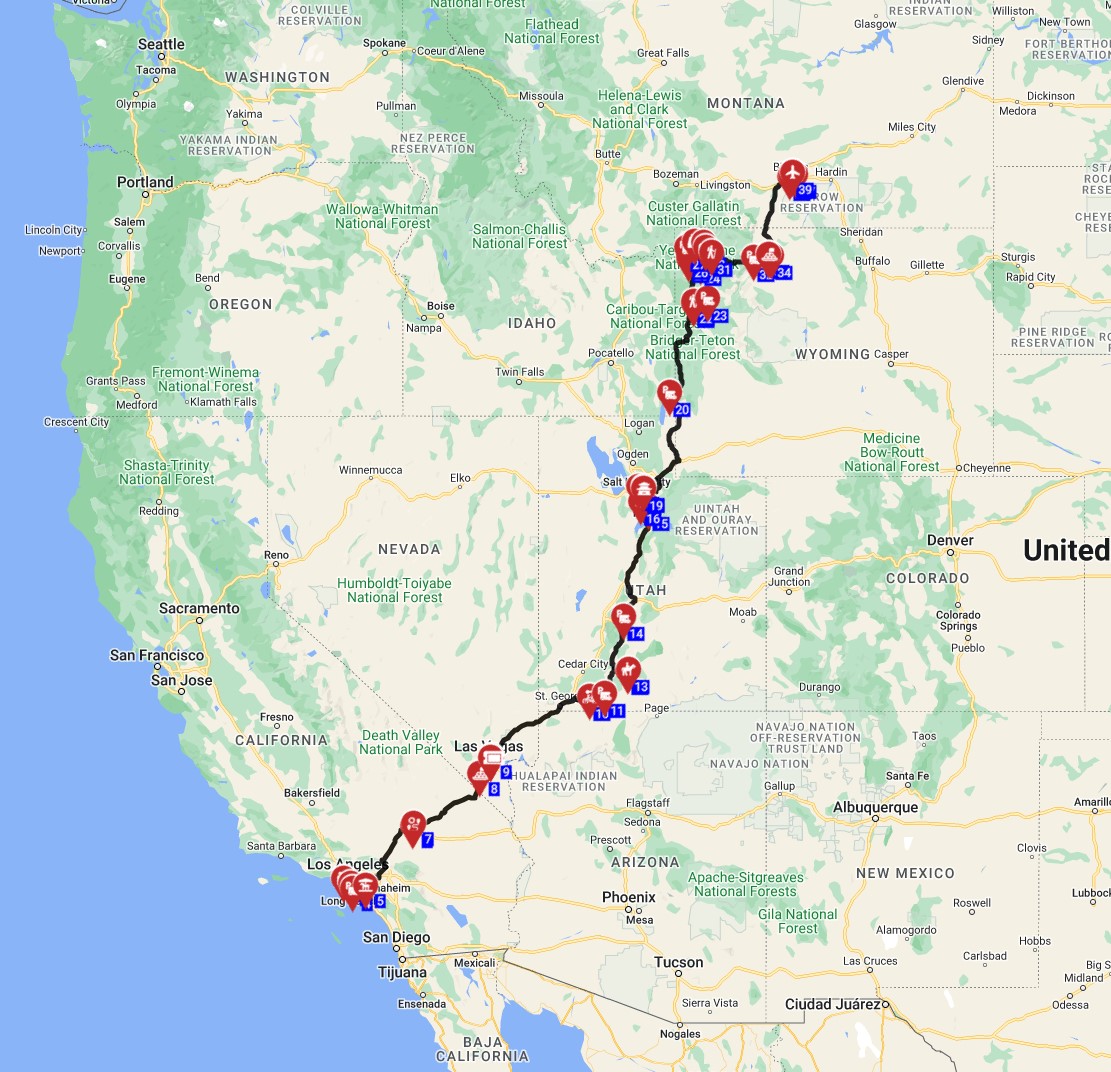
California offers an unparalleled variety of RV destinations, from iconic national parks and stunning coastlines to unique local experiences and hidden gems beyond mainstream attractions. Consider scenic RV routes such as the legendary Pacific Coast Highway (Highway 1) for a breathtaking coastal journey with your rented campervan, exploring the ancient redwood forests in Redwood National and State Parks, or venturing through the vast desert landscapes of Joshua Tree National Park. Pet-friendly travel is possible in many California State Parks and National Forests, where dogs are often welcome on trails and in campgrounds, though it's crucial to always verify specific park regulations for restrictions in certain areas or on specific beaches. Discover unique local experiences by visiting charming small towns, exploring farmers' markets for regional produce, or finding lesser-known natural wonders and cultural insights in areas like the Gold Rush towns or the vineyards of Temecula for a truly authentic trip. For pre-planned routes and detailed itineraries, RV PLANET (rvplan.net) offers over 1,300 options across 5 continents, including these fantastic California adventures: You can even plan longer, epic journeys like "Where can I park my RV overnight for free in California?
Free overnight RV parking in California is primarily available on Bureau of Land Management (BLM) lands, within National Forests, and in select retail parking lots with permission. Dispersed camping on designated public lands (BLM, National Forests) allows for legal, free overnight stays, often requiring complete self-sufficiency and strict adherence to Leave No Trace principles and local fire restrictions. Some retail businesses, such as Walmart or certain truck stops, may tolerate overnight RV parking, but policies vary by specific location and local ordinances, making it essential to call ahead and confirm. In-depth information on boondocking spots, including specific GPS coordinates and detailed regulations for legal overnight parking for your motorhome rental, can be found through online resources and specialized apps, always emphasizing respect for the environment and private property.Is it hard to drive an RV in California?
Driving an RV in California can present challenges due to its diverse terrain, winding roads, and dense urban traffic, but with adequate preparation and cautious driving, it is manageable for most individuals. Drive slowly and carefully, and you can drive almost anywhere without issues. No need to stress - just use common sense and pay attention. Specific RV-related driving challenges include navigating steep and winding mountain passes, such as Tioga Pass or Sonora Pass, which often have length or weight restrictions and require careful gear management. Additionally, narrow roads found in redwood forests and the bustling city traffic in major metropolitan areas like Los Angeles or San Francisco demand extra vigilance and confidence in handling a larger vehicle. It's crucial to be aware of vehicle length and weight restrictions, which are common in certain state parks or scenic byways, and to practice driving your specific RV type before embarking on challenging routes.What is the cheapest way to RV in California?
The cheapest way to RV in California involves a combination of smart rental choices, strategic campground selection, and diligent budget management throughout your trip. Opting for smaller, more fuel-efficient RVs, such as Bandana's Class B Camper Vans (typically consuming 8-10 Liters/100 Km), can significantly reduce fuel costs compared to larger, less efficient models. Prioritize free dispersed camping on public lands (BLM, National Forests), utilize campground discount cards, and plan your trip during the shoulder or off-season to take advantage of lower rental rates and campground fees, as detailed in "RV Rental Deals in California - Latest Offers 2026". Further cost-saving strategies include preparing your own meals in the RV, sharing expenses with travel companions, and booking popular campgrounds well in advance to avoid last-minute premium pricing. For example, "Luxury RV Rental in California - Premium Prices 2026" will naturally be more expensive than a budget-friendly option.🎬 Video coming soon
What You Shouldn't Miss
- Drive the Pacific Coast Highway: Rent a motorhome and experience the iconic Highway 1, especially the Big Sur section, for unparalleled ocean views and charming coastal towns.
- Explore National Parks in Winter: Discover Death Valley National Park or Joshua Tree National Park during the cooler winter months when temperatures are ideal for hiking and exploring their unique desert landscapes.
- Ski-in/Ski-out RVing: Head to the Eastern Sierra, like Mammoth Lakes, where some RV parks offer direct access to winter sports and heated facilities for a comfortable stay.
- Redwood Forest Immersion: Take your rented campervan to Redwood National and State Parks on the Northern California coast to walk among the towering ancient trees.
- Wine Country by RV: Drive through Napa or Sonoma Valley in the off-season, enjoying wine tastings and gourmet food with fewer crowds and potentially lower campground fees.
- Historical Gold Rush Towns: Explore towns like Columbia State Historic Park or Jamestown in the Sierra Foothills, offering a fascinating glimpse into California's past.
Final Thoughts
California truly shines as an RV destination, offering an incredible variety of landscapes and experiences, even during the cooler winter months. From heated campgrounds near stunning beaches to cozy spots nestled close to ski resorts, a rented motorhome or campervan gives you the freedom to craft your perfect adventure. Remember our advice: travel slowly, aim for a maximum of 100-150 km per day on average, and take the time to truly feel the place, connect to the culture, the food, and the scenery. Whether you're a seasoned RVer or planning your very first week-long trip, California provides endless possibilities. With Bandana RV, you're choosing a partner dedicated to transparency, support, and expert knowledge, ensuring your journey is smooth, enjoyable, and exactly what you envisioned. Get inspired for your next trip and discover why California is waiting to be explored by you!On the routes offered through RV PLANET routes, you can itemize and track every expense along the way for easy budgeting.