In This Guide
- What rv rental RV Rental Costs in California (2026)
- Seasonal Pricing - Peak vs. Shoulder vs. Off-Season in California
- What's Included vs. What's an Add-On
- Hidden Costs to Budget For in California
- How to Save on rv rental RV Rental in California
- How much is an RV trip to California?
- What type of RV is best for California?
- Can you park an RV anywhere in California?
- What is the best month to RV in California?
- How much do RV parks cost in California?
- What is the average gas mileage for an RV?
- Is it cheaper to rent an RV or stay in hotels in California?
- Beyond National Parks: Unique RV Destinations in California
- Traveling with Pets: RV Policies and California Attractions
- Staying Connected: Cell Service and Wi-Fi for RVers in California
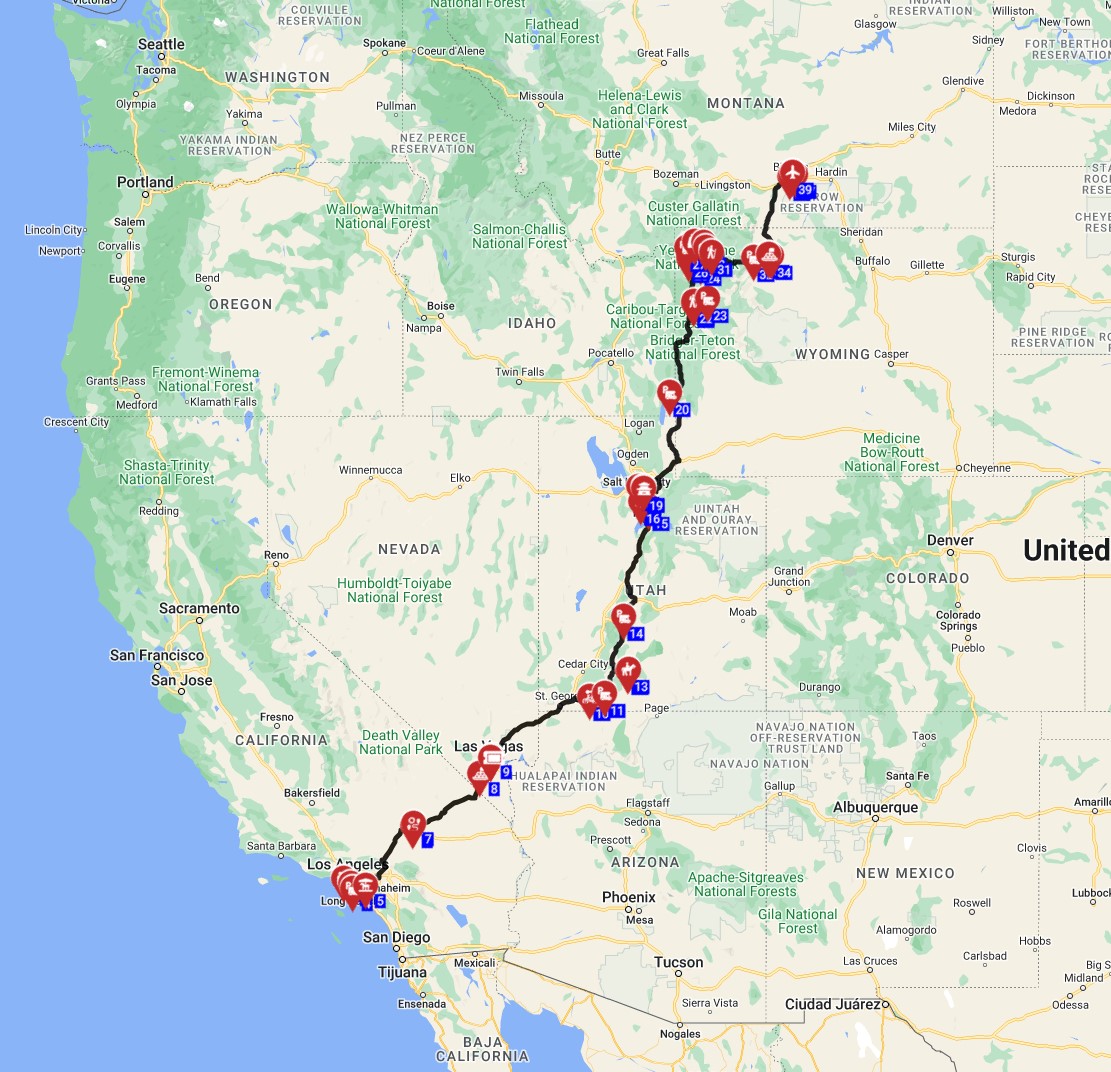
Embarking on a rented RV adventure in California offers unparalleled freedom to explore everything from stunning coastlines to majestic national parks. As true RV specialists with over 20 years of experience, we at Bandana RV know that understanding the costs and logistics is key to a smooth journey. For live availability and current prices, start with our RV Rental California - Complete Guide 2026 guide.
What rv rental RV Rental Costs in California (2026)
RV rental prices in California are dynamic, fluctuating daily based on factors like availability, demand, and season, much like flight tickets. For a Class C motorhome, which is popular for families, daily rates can range from approximately $150 to $300 in the shoulder seasons, potentially climbing to $400+ during peak summer or holiday periods. Smaller campervans, such as a "Category Van" or "Active Classic", typically start from $100-$200 per day, offering a more budget-friendly option for couples or smaller groups. Our commitment to full transparency means you'll see the final price upfront, with no hidden fees or surprises.
The total cost of your rented motorhome also depends on the rental duration, with longer trips often benefiting from lower average daily rates. For instance, a week-long rental might average $250/day, while a month-long rental could drop to $180/day. This dynamic pricing model means the exact cost is determined at the actual booking time. We provide a platform where you can compare final prices across 50+ leading RV suppliers worldwide, including trusted partners like El Monte and Cruise America, ensuring you find the easiest, safest, and most affordable way to rent an RV in California. On the routes offered through RV PLANET routes, you can itemize and track every expense along the way for easy budgeting.
Seasonal Pricing - Peak vs. Shoulder vs. Off-Season in California
RV rental prices in California are significantly influenced by seasonality, with distinct pricing tiers for peak, shoulder, and off-season travel. Peak season, generally from July to August and around major holidays like Thanksgiving and Christmas, experiences the highest rental prices and lowest availability due to high demand. During this period, securing a specific Class C or Class A motorhome like the "Adak Argonaut 28 - Gold" for 6-7 people can be challenging without advance booking, and rates may be 30-50% higher than off-peak. Shoulder seasons, typically April-May and September-October, offer an excellent balance of pleasant weather, fewer crowds, and more moderate pricing, making them ideal for exploring California's diverse landscapes from San Francisco to San Diego.
Off-season, spanning November to March (excluding holiday weeks), generally provides the lowest rates and abundant availability, perfect for budget-conscious travelers. For example, you might find a "Compact Plus" campervan for two at half the price of peak season. While some mountain roads might be closed due to snow, much of coastal and desert California remains accessible and beautiful. We always recommend checking current road conditions and campground availability, and remember, you can upgrade to a top-level deductible for extra peace of mind regardless of the season, ensuring your adventure is as worry-free as possible.
What's Included vs. What's an Add-On
When you rent a motorhome in California, basic insurance coverage is universally included with your rental. However, comprehensive coverage options, often referred to as "top-level deductible reimbursement" by Bandana, are typically available as optional upgrades for an additional fee. This allows you to travel with peace of mind, knowing you're fully covered should unforeseen circumstances arise.
Common add-ons to consider for your California RV trip include additional mileage packages, as standard rentals often come with a limited number of free miles (e.g., 100-150 miles per day). Generator usage fees, convenience kits for kitchenware or bedding, and even pet fees (for pet-friendly RVs) are also frequent extra costs. Bandana makes it easy to compare inclusions and add-ons directly across different suppliers on our platform, even offering a toggle to see what's included with kitchen utensils, tableware, and bedding. This full transparency ensures you understand exactly what you're getting and what might cost extra, preventing any surprises at pickup.
How to Save on rv rental RV Rental in California
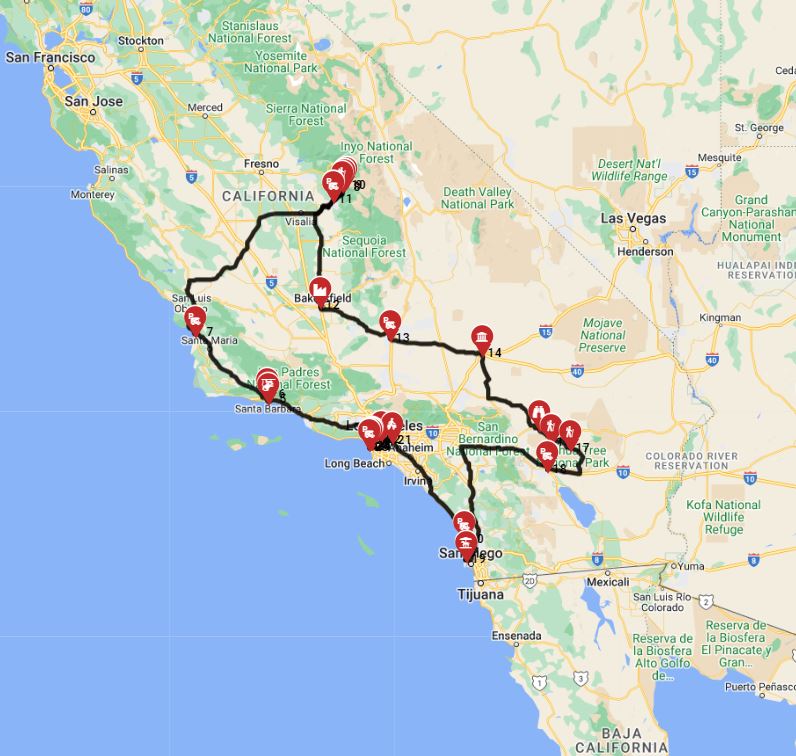
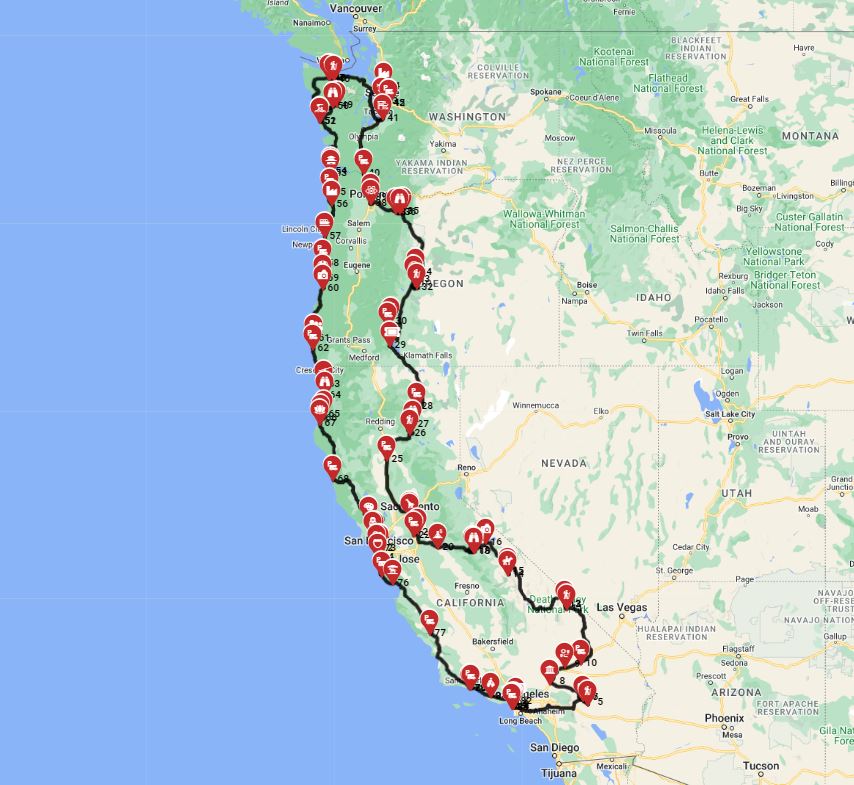
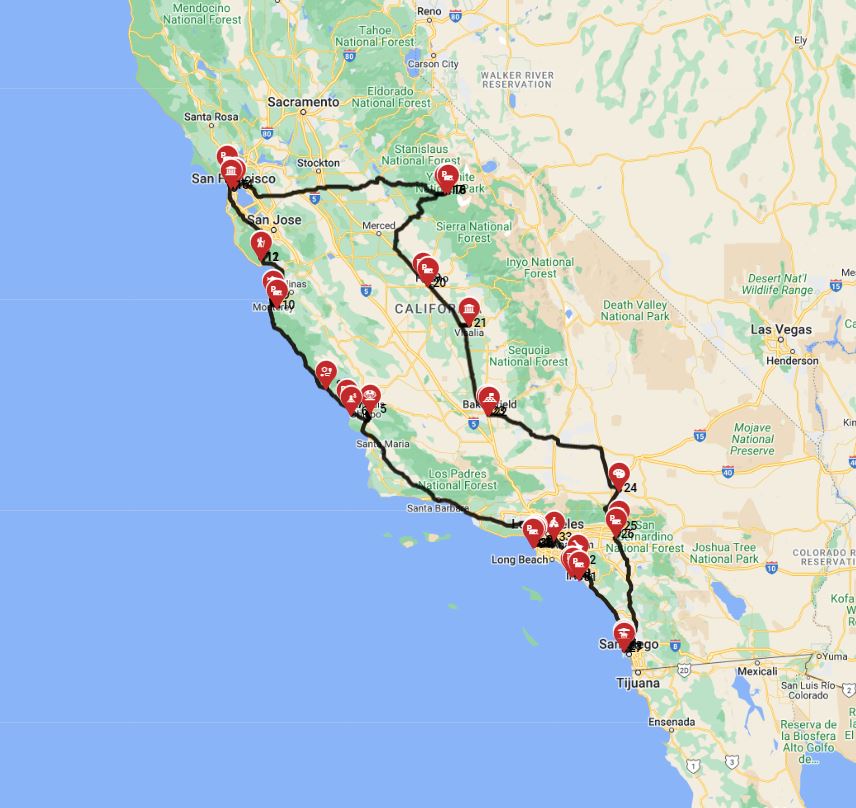
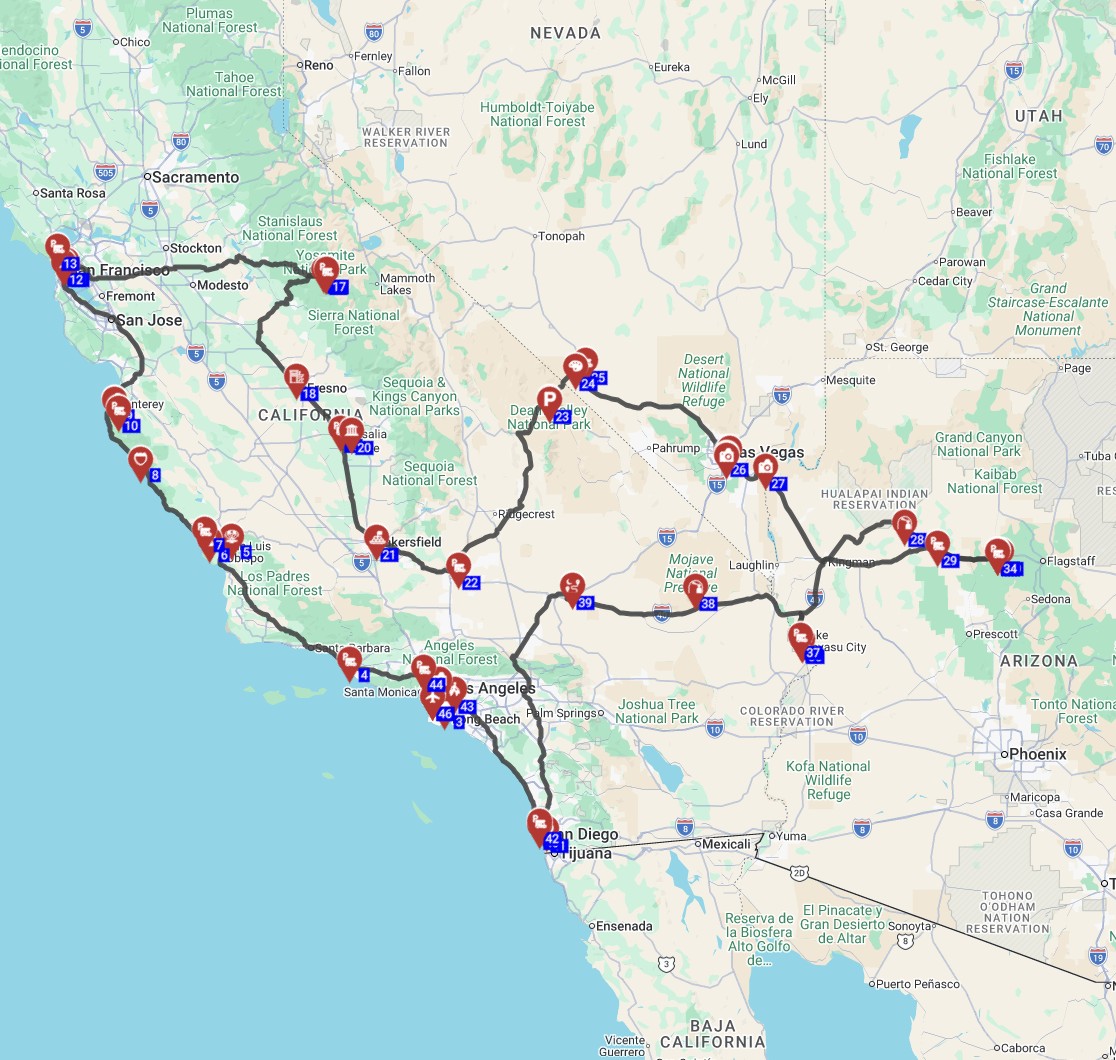
Finding the cheapest RV rental in California involves strategic planning and flexibility. Firstly, booking your RV rental during the shoulder seasons (April-May, September-October) or the off-season (November-March, excluding holidays) can lead to significantly lower daily rates, potentially saving you 15-30% compared to peak summer. Secondly, opting for longer rental durations often reduces the average daily rate; a two-week adventure typically offers better value per day than a week-long trip. Consider a longer trip like the "
Another effective strategy is to choose a smaller RV class, like a Class B campervan such as the "Active Classic" or a compact Class C, if it comfortably accommodates your group. Smaller rented motorhomes not only have lower rental costs but also consume less fuel. Being flexible with your travel dates and pickup locations within California can also unlock better deals, as prices vary based on availability across different depots. Use our comparison platform to easily filter by price, vehicle size, and features to find the perfect mobile home for your budget. Many national and state parks reserve only 25-30% of spots for advance booking, with the rest being first-come-first-serve, so even spontaneous travelers can find a spot; just call ahead before driving.
How much is an RV trip to California?
The total cost of an RV trip to California typically ranges from $2,000 to $6,000 for a one-week journey, depending significantly on the RV type, season, and your travel style. This comprehensive cost breakdown includes not only the rental fee (e.g., a Class C motorhome like the "Cruise America Explorer" might cost $150-$300/day) but also substantial expenses like fuel, diverse campground fees, and national/state park entrance fees. For example, a 7-day pass to Yosemite National Park costs $35 per vehicle.
For a two-week adventure, expect costs to range from $3,500 to $8,000. This includes potentially $2,100-$4,200 for a Class C rental, plus fuel, food, and activities. Longer trips, like a month-long exploration, might see total costs from $6,000 to $12,000+, with average daily rental rates often dropping as the duration increases. Factor in additional variable costs such as dump station charges ($10-$25), propane refills (around $30-$60 per tank), and potential hidden fees for tolls or generator usage (e.g., $5 per hour). To help with budgeting, Bandana offers a 25% planning discount when you use rvplan.net for your pre-planned routes, helping you visualize and manage every expense. Our team of true RV specialists is here to guide you through these details, making sure you have an honest and transparent understanding of your trip investment.
What type of RV is best for California?
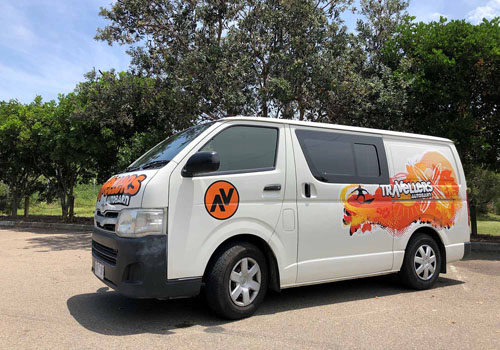
The best RV type for California depends heavily on your planned activities and desired destinations, balancing maneuverability with comfort. Class B campervans, like the "2 Berth Hi Top" or "California Electric", are ideal for navigating scenic coastal drives (such as parts of Highway 1 with tighter turns), city parking (e.g., exploring San Francisco), and accessing smaller campgrounds or primitive boondocking sites on federal lands. They offer great fuel efficiency, sometimes reaching 15-20 MPG, and are nimble for exploring urban and winding roads.
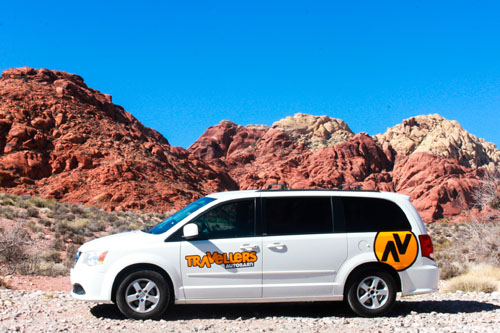
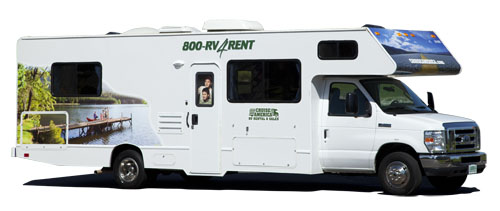
Class C motorhomes, such as the "24' Class C Motorhome" (sleeping 5 with a 166-liter fresh water tank) or the "MH23 Medium - Economy", offer a good balance of space and drivability, making them suitable for National Parks like Yosemite or larger state parks. These provide amenities like a shower, toilet, and kitchen, perfect for families of 2+2. For those seeking luxury and ample amenities, larger Class A motorhomes, like a "Class A - Thor ACE 30", provide spacious living for resort-style camping and extended family adventures. Drive slowly and carefully, and you can drive almost anywhere without issues. No need to stress - just use common sense and pay attention, even with larger vehicles. Our team consists of true RV specialists, not a travel agency side department, so we genuinely know what works best for different California itineraries.
🎬 Video coming soon
Can you park an RV anywhere in California?
No, you cannot park a rented RV just anywhere in California; regulations vary significantly by jurisdiction, and overnight parking is often restricted in urban and developed areas. While you might find street parking for short periods during the day, overnight camping in undesignated spots is generally prohibited in cities and on most public roads. Always check local ordinances for specific street parking rules, as fines can be substantial.
Legal nuances of boondocking or dispersed camping are primarily allowed in designated areas on federal lands, including National Forests and Bureau of Land Management (BLM) land, particularly in regions like the Eastern Sierra or parts of the California desert. These areas require adherence to specific rules regarding duration (often limited to 14 days), fire restrictions, and strict leave-no-trace principles. Within National and State Parks, you can only park in designated campsites, most of which require advance reservations, especially for popular spots in Yosemite or Big Sur. For finding campsites and campgrounds during your trip, we recommend using RV PLANET (rvplan.net) - a great resource for locating available spots along your route. You'll find a spot; if not at the first campground, then the next one. Call ahead before driving.
What is the best month to RV in California?
The best month to RV in California depends on your preferred climate and activities, but the shoulder seasons (April-May and September-October) generally offer optimal weather and fewer crowds. Spring (April-May) brings desert wildflowers in Southern California, like at Anza-Borrego Desert State Park, and pleasant temperatures for exploring the coast and wine regions. Fall (September-October) provides ideal conditions for wine country tours in Napa or Sonoma and spectacular colorful foliage in the Sierra Nevadas.
Summer (June-August) is peak season for coastal and mountain destinations (e.g., Lake Tahoe, Santa Cruz) but can mean extreme heat in deserts (Death Valley can reach 120°F/49°C) and higher crowd levels everywhere, necessitating early campground reservations. Winter (November-March) allows for snow activities in the mountains, but beware of potential road closures (like Highway 1 or parts of Yosemite) due to snow. For example, an RV trip exploring the desert in March might involve camping in areas with 47 powered campgrounds. Traveling slowly, with a maximum of 100-150 km per day on average, allows you to truly feel the place, connect to the culture, the food, and the scenery, regardless of the season. Our 24/7 support means real people are behind you before, during, and after your booking to assist with these seasonal considerations.
How much do RV parks cost in California?
RV park costs in California vary widely, ranging from $30-$50 per night for basic state park sites (such as those in Big Sur or along the Redwood Coast) to $80-$150+ for full-hookup private resorts in popular areas like Palm Springs or near Disneyland. Factors influencing pricing include location (e.g., beachfront sites command higher prices), amenities offered (pool, Wi-Fi, laundry, pet-friendly facilities), and the time of year (peak season will always be more expensive).
National Park campgrounds, while often requiring advance reservations, typically range from $20-$40 per night for a standard site, though many do not offer full hookups. For instance, sites in Yosemite Valley can be booked up to five months in advance and fill up quickly. Private RV resorts sometimes offer daily, weekly, or monthly rates, with longer stays providing better value. Always call ahead to confirm availability and prices, especially for state and national parks where only 25-30% of spots are reservable, with the rest being first-come-first-serve. We are true RV specialists, with over 23 years of experience helping tens of thousands of travelers plan their routes, and we know these details make a big difference.
What is the average gas mileage for an RV?
The average gas mileage for a rented RV in California typically ranges from 6 to 12 miles per gallon (MPG), which is significantly less efficient than a standard car. Larger Class A motorhomes, such as a 37-foot "MHLUX" (fuel tank 320 liters), being the largest vehicles, often achieve 6-10 MPG. Class C RVs, like the "MH-A" (208-liter fuel tank), generally get 8-12 MPG, providing a more balanced option for many families.
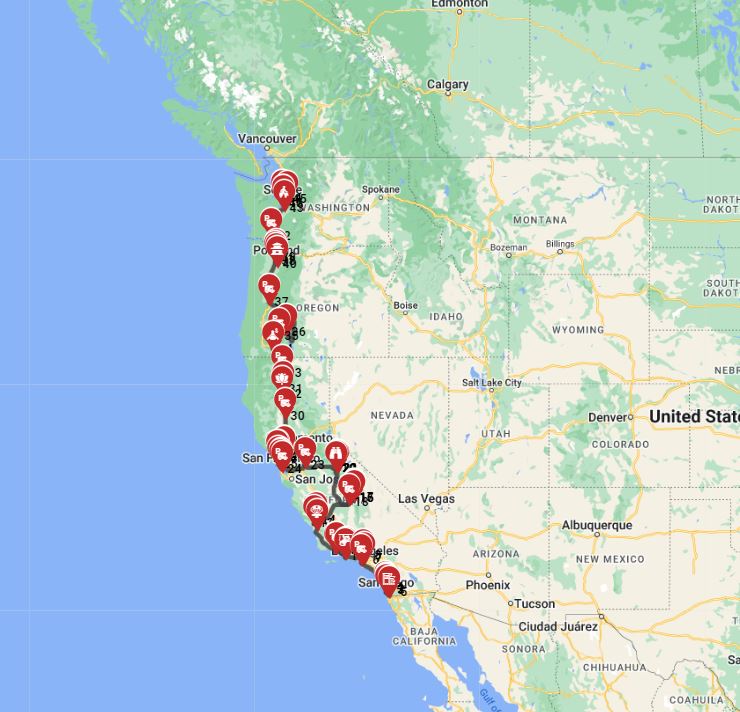
Smaller Class B campervans, often based on van chassis like the "Category Van" (95-liter fresh water tank), can reach 15-20 MPG, making them the most fuel-efficient choice for exploring California’s diverse routes. Factors such as vehicle weight, engine size, driving speed (maintaining 55-65 mph helps), terrain (mountain passes significantly reduce efficiency), and wind resistance heavily influence actual fuel consumption. Budgeting for fuel is critical, as it can be one of the highest ancillary costs on an extended road trip across the USA. For instance, an 18-day "
Is it cheaper to rent an RV or stay in hotels in California?
Whether it's cheaper to rent a motorhome or stay in hotels in California largely depends on your travel style, duration, and group size, often favoring RVs for longer trips or larger families. While the upfront RV rental costs (e.g., $150-$400+ per day) and fuel can be substantial, significant savings come from preparing your own meals in the RV's kitchen and avoiding multiple hotel rooms, especially when traveling with children or multiple adults. For delicious travel meals, explore our RV-friendly recipes playlist.
For shorter trips (e.g., a week-long rental) or solo travelers, hotels might be comparable or even cheaper once all RV-related expenses like campground fees ($20-$150+), propane, and dumping fees are factored in. However, the experiential value of a rented RV, offering flexibility, mobility, and direct access to nature and national parks, often outweighs the direct cost comparison. For instance, a family of four exploring California for two weeks might find an RV more economical than booking 14 nights in separate hotel rooms and dining out for every meal. Our platform compares final prices across 50+ suppliers, ensuring you receive full price transparency and can make an informed decision for your California adventure.
Beyond National Parks: Unique RV Destinations in California
While California's National Parks like Yosemite and Death Valley are iconic, the state boasts a diverse array of lesser-known state parks, regional parks, and private campgrounds offering unique RV experiences. Explore destinations like Anza-Borrego Desert State Park, which offers vast opportunities for dispersed camping and stunning stargazing, particularly during late winter and early spring superblooms. For coastal beauty, Crystal Cove State Park near Laguna Beach provides historic cottages and beachfront camping (though reservations are very competitive), while the towering redwood groves of Henry Cowell Redwoods State Park near Santa Cruz offer serene camping with hiking trails suitable for all ages.
Private RV resorts in regions like Palm Springs or Lake Shasta provide different amenities, from golf courses and swimming pools to water sports access, often with fewer crowds than major federal sites. Consider a route like "
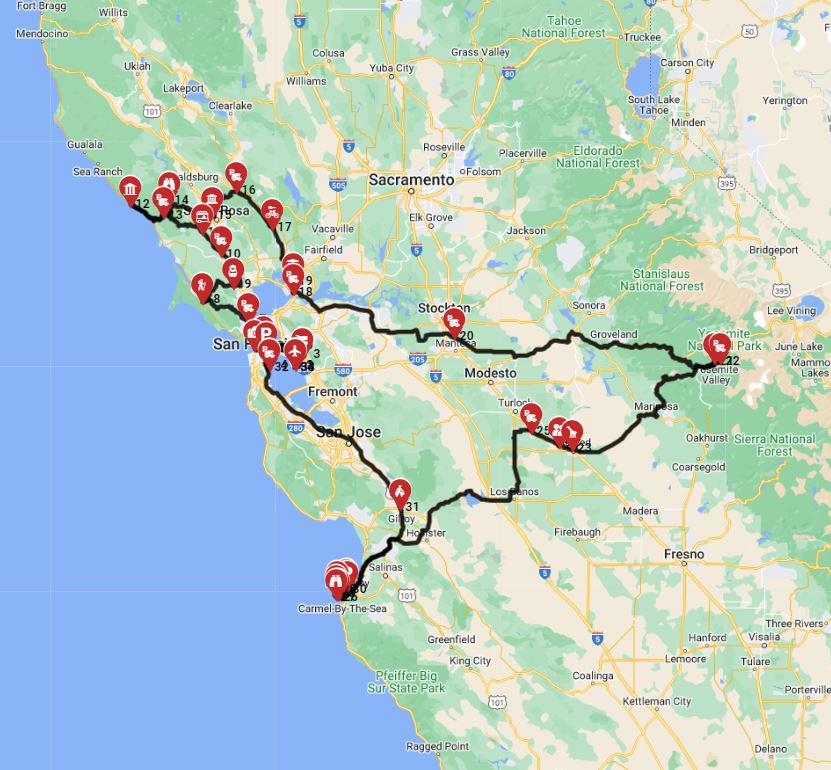
If you’re interested in linking up with other destinations, you might also find valuable insights in our RV Rental USA - Complete Guide 2026 to plan your broader journey across America.
Traveling with Pets: RV Policies and California Attractions
Pet policies for rented RVs and campgrounds in California vary significantly, so it's crucial to confirm specifics when booking both your RV and campsites. Many RV rental companies, including some of our partners, are pet-friendly, though some may charge an additional cleaning fee (typically $50-$250) or have breed/size restrictions. Always disclose you're traveling with a pet when booking to ensure compliance and avoid unexpected fees.
While most California State Parks allow leashed pets in campgrounds, picnic areas, and developed areas, National Parks often restrict pets to paved roads, parking lots, and campgrounds, with very few trails open to them. For example, in Yosemite, pets are generally allowed on paved roads and in developed areas but not on most hiking trails or in public buildings. However, many national forests and BLM lands are much more pet-friendly, offering ample opportunities for hiking with your dog. Planning ahead with specific pet-friendly itineraries and checking individual park rules is essential for a smooth trip with your furry companions. Remember, a standard car driver's license is sufficient for all motorhome classes, and the minimum rental age is 21, making RV travel accessible for many young adventurers and their pets.
Staying Connected: Cell Service and Wi-Fi for RVers in California
Cell service availability in California can be spotty, especially in remote areas, National Parks (like Death Valley or Sequoia), and some mountainous regions, requiring advanced planning for connectivity. Major highways and urban centers typically have strong 4G or 5G coverage from providers like Verizon, AT&T, and T-Mobile, but service can drop significantly in wilderness areas or deep canyons. For travelers relying on internet access, having multiple carrier options or a dedicated Wi-Fi hotspot can be beneficial.
Many private RV parks and some state park campgrounds offer Wi-Fi, but quality and speed can vary greatly, often being strongest near office areas or communal spaces. Relying solely on campground Wi-Fi for critical tasks like remote work or streaming is often unreliable. For robust and consistent internet access while exploring California by rented motorhome, consider investing in a portable Wi-Fi hotspot, a cellular booster, or researching satellite internet options like Starlink. Always download offline maps and essential travel information before heading into areas with known poor coverage. Our Rent&Plan service can help you identify areas with connectivity challenges along routes like the "Driving an RV in California - Complete Guide 2026" to better prepare your connectivity solutions.
What You Shouldn't Miss
- Drive Highway 1 through Big Sur: Experience one of the world's most scenic coastal drives in your rented campervan, stopping at Bixby Bridge and McWay Falls. Remember to drive slowly and carefully, as the winding roads offer breathtaking views.
- Explore Yosemite National Park: Witness the grandeur of El Capitan and Half Dome, camp among giant sequoias, and hike to iconic waterfalls. Book your campground well in advance for peak season, but don't forget about first-come-first-serve spots.
- Discover the Eastern Sierra's Hot Springs: Along US Route 395, find numerous natural hot springs near Mammoth Lakes and Bishop, perfect for a relaxing soak after a day of exploration with your mobile home.
- Stargaze in Death Valley National Park: As an International Dark Sky Park, Death Valley offers incredible celestial views. Drive your RV to Badwater Basin, the lowest point in North America, and camp under a canopy of stars.
- Wander through California's Wine Country: Explore the vineyards of Napa or Sonoma Valley in your rented motorhome, enjoying tastings and gourmet food. Remember to have a designated driver for these excursions!
Final Thoughts
Renting an RV in California opens up a world of possibilities, from exploring bustling cities like Los Angeles and San Francisco to discovering the serene beauty of its national and state parks. By understanding the dynamic pricing, budgeting for ancillary costs, and choosing the right vehicle for your adventure, you're well on your way to an unforgettable journey. Remember, a standard car driver's license is all you need to command any of our motorhome classes, and the minimum age is 21.
At Bandana RV, we’re dedicated to making your RV rental experience seamless and enjoyable. Our team of true RV specialists offers 24/7 support and full transparency in pricing, so you can plan your week-long trip or extended road trip with confidence. Whether you're a meticulous planner or a spontaneous explorer, California by rented motorhome is an experience that promises freedom, discovery, and memories to last a lifetime.
Get inspired for your next trip and plan your itinerary in advance with minimal effort and maximum enjoyment. Discover top destinations, planning tips, all in one place!