In This Guide
- Can You Drive an RV in California? License & Age Rules
- Road Conditions & Terrain in California
- RV Size Limits, Bridges & Restricted Zones
- Fuel: Diesel vs. Petrol & Cost per 100 km
- Tolls, Vignettes & Border Rules
- Driving Tips for RV Rental Travelers
- Recommended RV Class for California Roads
- Should I Choose a Compact Van Instead of a Large RV in California?
- Can I Park Anywhere? Free & Wild Camping Rules in California
- Can I Drive an RV Into the City Center? Heights, Tunnels & Local Signage
- How Much Does an RV Rental in California Cost?
- What Permits and Reservations are Needed for RVs in California Parks?
- Where are the Best Unique RV Destinations in California?
- What are Key RV Safety and Emergency Tips for California?
- How to Stay Connected: RV Technology and Wi-Fi in California?
- Is California RV Travel Accessible for Travelers with Disabilities?
- Can I Bring My Pet? Pet-Friendly RV Rules in California
- What You Shouldn't Miss
- Why Book with Bandana Caravan
- Final Thoughts
- Frequently Asked Questions
Imagine the open road stretching before you, the California sun warming your skin, and the freedom of having your accommodation, kitchen, and adventure vehicle all in one. RV travel in California truly offers an unparalleled way to explore this vast and diverse state, from its iconic coastlines to its towering mountains and serene deserts. At Bandana RV, we're passionate about helping you experience the Golden State in a rented motorhome or campervan, providing not just a vehicle, but a gateway to unforgettable memories.
For live availability and current prices, start with our RV Rental California - Complete Guide 2026 guide. We're here to offer full transparency and expert guidance every step of the way, making your California RV adventure as smooth as a drive down Highway 1.
Can You Drive an RV in California? License & Age Rules
Yes, you can absolutely drive an RV in California with a standard Class C driver's license, provided the vehicle's Gross Vehicle Weight Rating (GVWR) is under 26,001 pounds. This covers the vast majority of rental motorhomes and campervans available, including popular Class B, Class C, and even many Class A models. Drivers must typically be at least 21 years old to rent an RV in California, aligning with rental company policies rather than the state's minimum driving age of 18 for a Class C license. For our international travelers, a valid driver's license from your home country is generally accepted for up to 12 months, and while not always mandatory, an International Driving Permit (IDP) is highly recommended for ease of communication and official identification.
Navigating California's roads in a rented motorhome or campervan is a straightforward experience once you get the hang of it. Remember, these vehicles are designed for comfortable travel, and with a little practice, you'll be cruising like a pro. There are no special surcharges for younger drivers aged 21 and above, and you won't encounter vehicle class restrictions based on age with our trusted suppliers.
Road Conditions & Terrain in California
California offers a remarkable diversity of road conditions and terrains, from the expansive, well-maintained interstates that crisscross the state to winding mountain passes, flat desert highways, and bustling city streets. While major routes like I-5 or US-101 are generally smooth and multi-lane, secondary roads, particularly those leading into national parks such as Yosemite or state parks, can be narrower, steeper, and sometimes less paved. RV drivers should be prepared for significant elevation changes when traversing mountain ranges like the Sierra Nevada, where careful driving and monitoring engine temperature are wise practices. Always encouraging slow, scenic driving allows for a much richer enjoyment of California's varied landscapes and ensures safer navigation through its unique road challenges.
We advocate for slow travel in your rented motorhome, averaging a maximum of 100-150 km per day. This pace allows you to truly immerse yourself in the culture, savor the local food, and connect with the breathtaking scenery California offers, rather than just rushing through it. Planning your daily mileage mindfully will enhance your adventure, letting you discover hidden gems and picturesque pull-offs that faster travel often misses.
RV Size Limits, Bridges & Restricted Zones
California has specific regulations regarding RV length, typically limiting single vehicles, including motorhomes and campervans, to 40 feet (approximately 12.2 meters) on most roads. While low bridges are less common on major Californian highways, RV drivers should always pay close attention to height restriction signage, especially when entering older towns, navigating tunnels, or passing underpasses. Certain environmentally sensitive areas or city centers may have restrictions on large vehicles or require specific permits; these are more likely to be found in specific parts of national parks or historical districts rather than across entire cities. Ferries, such as those that might transport you to Catalina Island, generally do not accommodate large RVs, so checking specific ferry limits and routes is crucial if island excursions are part of your plans.
Driving a large RV, such as a Class C or Class A, into a city center in California is generally manageable. The key is to drive slowly and carefully, and you can navigate almost anywhere without issues. There's no need to stress; just use common sense and pay attention to road signs, especially those indicating vehicle dimensions. Parking can be more challenging in urban areas, but with a bit of planning and awareness, you can usually find suitable spots. Remember, part of the RV adventure is adapting to new environments!
Fuel: Diesel vs. Petrol & Cost per 100 km
Both diesel and petrol (gasoline) are widely available across California, though diesel pumps for larger motorhomes might be more commonly found at truck stops or larger service stations, especially in rural areas. For Bandana's global fleet, Class C motorhomes typically consume 10-12 Liters/100 km (or approximately 20-23.5 MPG), while Class B Camper Vans average 8-10 Liters/100 km (or 23.5-29.4 MPG). Based on these averages, driving 100 km in a Class C RV would cost approximately $13-$15 USD, assuming current average petrol prices around $5.50/gallon (or $1.45/liter). Some rv rental vehicles may include fuel discount cards, which can help mitigate costs, so it's always beneficial to inquire about such perks when booking your California motorhome.
When planning your budget for an RV adventure in California, fuel costs are a significant factor. Fortunately, RV PLANET routes allow you to itemize and track every expense along the way for easy budgeting, ensuring no surprises. Keeping an eye on apps like GasBuddy can also help you find the best prices along your route, as fuel costs can vary significantly even within short distances. On the routes offered through RV PLANET routes, you can itemize and track every expense along the way for easy budgeting.
Tolls, Vignettes & Border Rules
California primarily uses electronic tolls on specific bridges, express lanes, and a few designated roads, with no statewide vignettes required for RVs. Notable toll locations include iconic bridges in the San Francisco Bay Area, such as the Golden Gate Bridge and Bay Bridge, as well as express lanes in bustling urban areas like Los Angeles. Since California does not share land borders with other countries, RV travel to neighboring states like Nevada or Arizona is common and simply requires adherence to their specific driving laws and regulations. Many rv rental providers offer options to pre-purchase toll passes, such as FasTrak transponders, to avoid missed tolls and potential fines, which is highly recommended for convenience and peace of mind on your journey through California.
Planning your route to account for tolls can save you time and hassle. Our partners, such as El Monte and Cruise America, can provide details on how to manage tolls for your specific rented motorhome. When mapping out your adventure, consider exploring some of the pre-planned itineraries on RV PLANET that traverse these areas, offering insights into potential costs. For more details on various rental types, check out our One-Way RV Rental in California - Price Guide 2026.
Driving Tips for RV Rental Travelers
Planning your route with RV-specific navigation is paramount, carefully considering height and weight restrictions and potential tight turns, especially in California's mountainous regions or congested urban areas. For families enjoying a week-long trip, schedule regular stops every 2-3 hours to allow passengers to stretch, use facilities, and simply enjoy the scenery, which also helps prevent driver fatigue. Budget-conscious travelers should seriously consider pre-purchasing toll passes and actively monitoring fuel prices using apps like GasBuddy, as costs can vary significantly across the diverse landscapes of California. When driving a rented motorhome in mountains, utilize lower gears on descents to control speed and prevent brake overheating, a critical safety practice that ensures smooth and secure travel.
Always check weather forecasts for your planned route, particularly for snow in winter mountain passes or extreme heat in desert regions during summer, to ensure you're prepared for any conditions. A rented motorhome or campervan provides a comfortable base regardless of the weather, but knowing what to expect helps. Don't forget that cooking meals on board can be a fun way to save money and enjoy the flexibility of RV travel; for inspiration, check out our RV-friendly recipes playlist.
🎬 Video coming soon
Recommended RV Class for California Roads
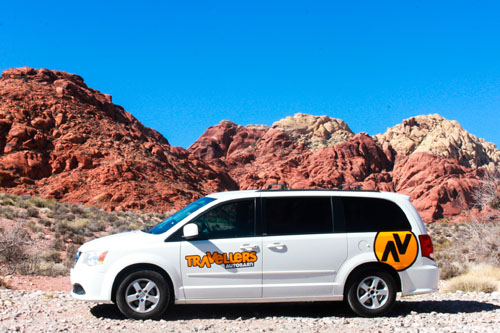
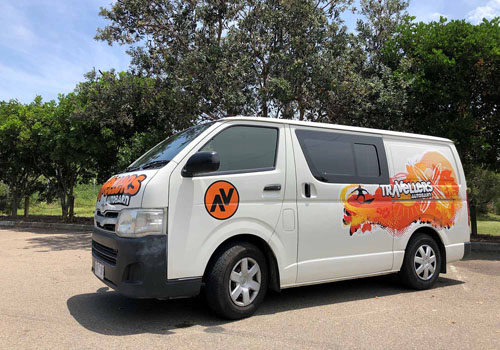
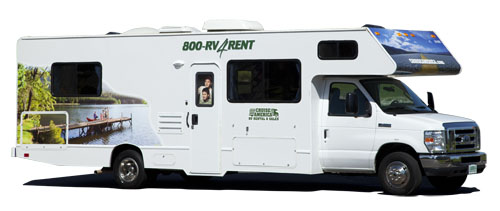
For an optimal balance of maneuverability and comfort on California's diverse roads, Class B Camper Vans or Class SI Semi-integrated RVs are highly recommended. Class B Camper Vans, averaging 5.8 meters in length from Bandana's global fleet data, are excellent for navigating narrow coastal roads like Highway 1, bustling city streets, and fitting into smaller, more intimate campgrounds. Class SI Semi-integrated RVs, with an average length of 6.9 meters, provide more living space and amenities, making them suitable for families or extended trips, while still remaining manageable on most California highways. While larger Class C Alcoves (average 7.5m length) and Class A Integrated RVs (average 7.5m length) offer substantial space and luxury features, their increased size can present more challenges on very winding roads, in crowded parking lots, or when seeking spots in some older national park campgrounds.
When you rent a motorhome or campervan, consider your group size and how much time you plan to spend inside the vehicle versus exploring outdoors. For couples or small families, a nimble campervan like the '2 Berth Hi Top' or a compact semi-integrated model offers freedom without feeling overwhelming. For larger groups seeking more space, a Class C such as the '24' Class C Motorhome' or a spacious '6 Berth Deluxe' can provide multiple beds and a full kitchen for a comfortable multi-week adventure.
Should I Choose a Compact Van Instead of a Large RV in California?
While a compact campervan undeniably offers superior maneuverability and easier parking in urban centers or on very narrow mountain passes, most RV sizes can be driven successfully in California. The decision to rent a smaller campervan or a larger motorhome often hinges on the trade-off between driving ease and your desired indoor space and amenities. A Class B Camper Van, like the 'Aero - Campervan' (average 5.8m length), genuinely helps for accessing tight spots, stealth camping, and navigating congested city environments such as San Francisco or driving along the scenic yet winding parts of Highway 1. However, for families or those planning an extended week-long trip needing more storage, a dedicated bathroom, or a larger kitchen, a Class C (e.g., '29′ Class C Motorhome') or a Semi-integrated RV (like a '2 Berth Rover', average 6.9m) offers a better balance of space and manageable driving on California's main routes.
Don't be discouraged by the thought of driving a larger rented RV in cities. Drive slowly and carefully, and you can drive almost anywhere without issues. No need to stress - just use common sense and pay attention to signage and surroundings. The extra comfort and amenities of a larger motorhome can significantly enhance a longer road trip, providing ample space for everyone to relax and enjoy the journey.
Can I Park Anywhere? Free & Wild Camping Rules in California
Free or 'wild' camping is generally restricted in California, particularly on private land or within city limits, but it is permitted in designated areas like National Forests and Bureau of Land Management (BLM) lands. Dispersed camping on federal lands often requires adherence to 'Leave No Trace' principles, including proper waste disposal and strict fire restrictions, which are common during California's dry seasons. Many cities and counties have ordinances prohibiting overnight RV parking on public streets, and popular retail chains like Walmart often no longer permit overnight stays. Always research specific park, forest, or city regulations before attempting free camping, as rules vary significantly by region; check local regulations and follow local law before parking overnight to avoid fines or disruptions.
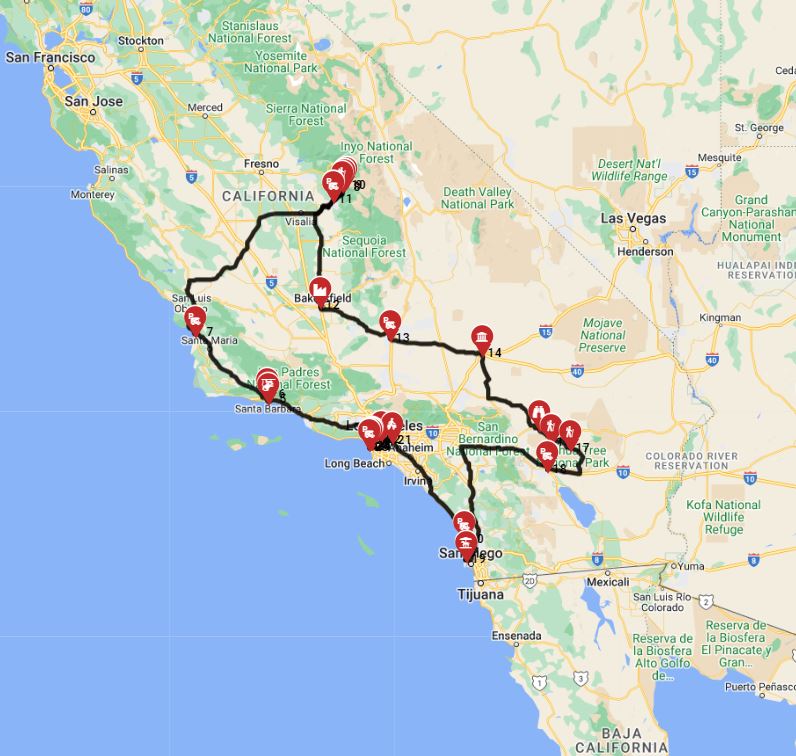
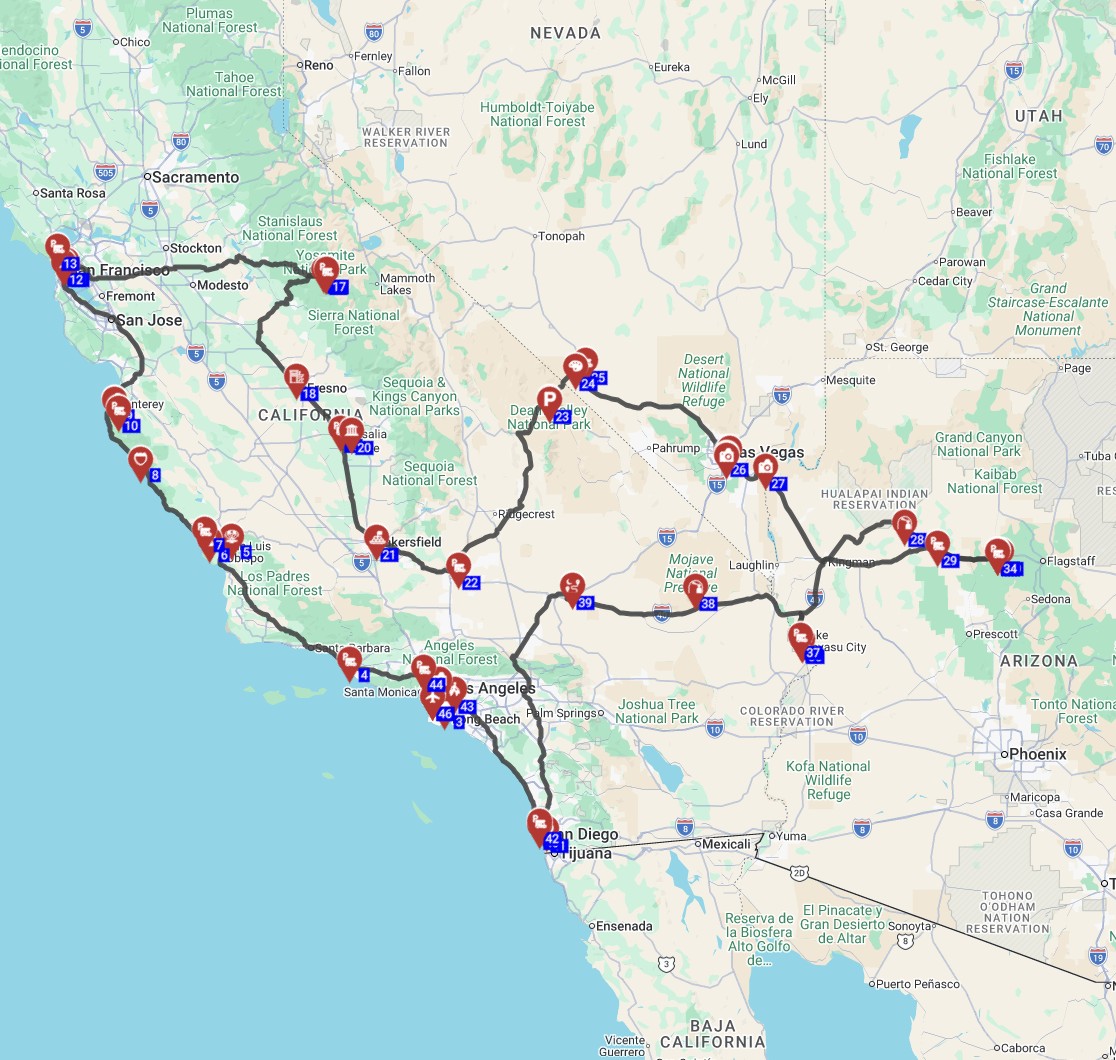
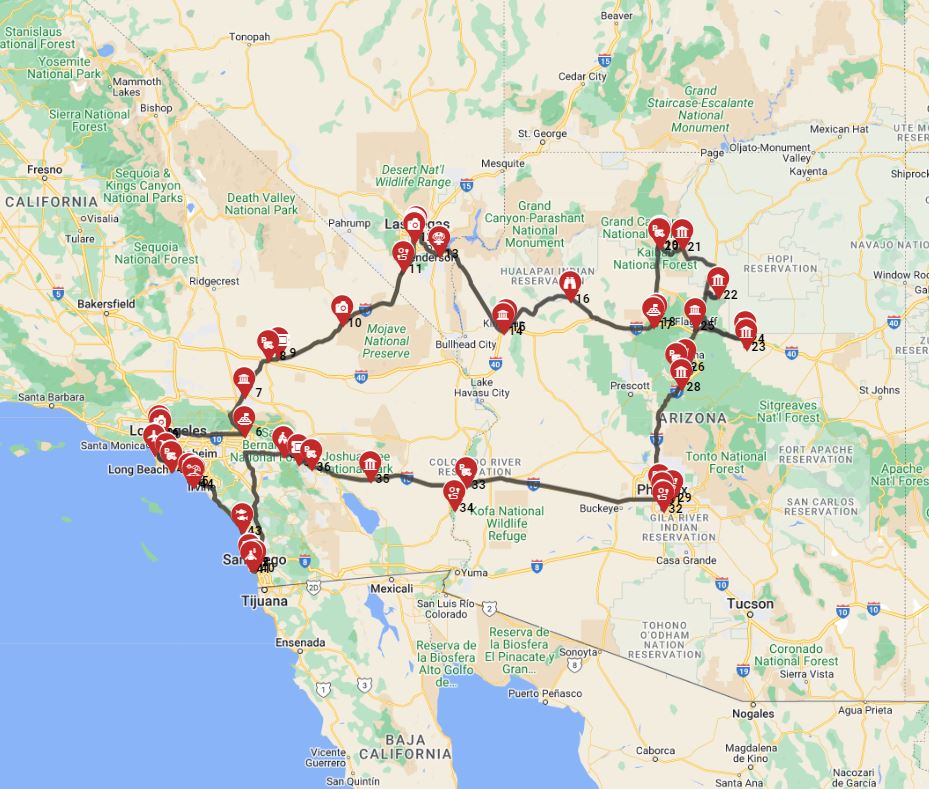
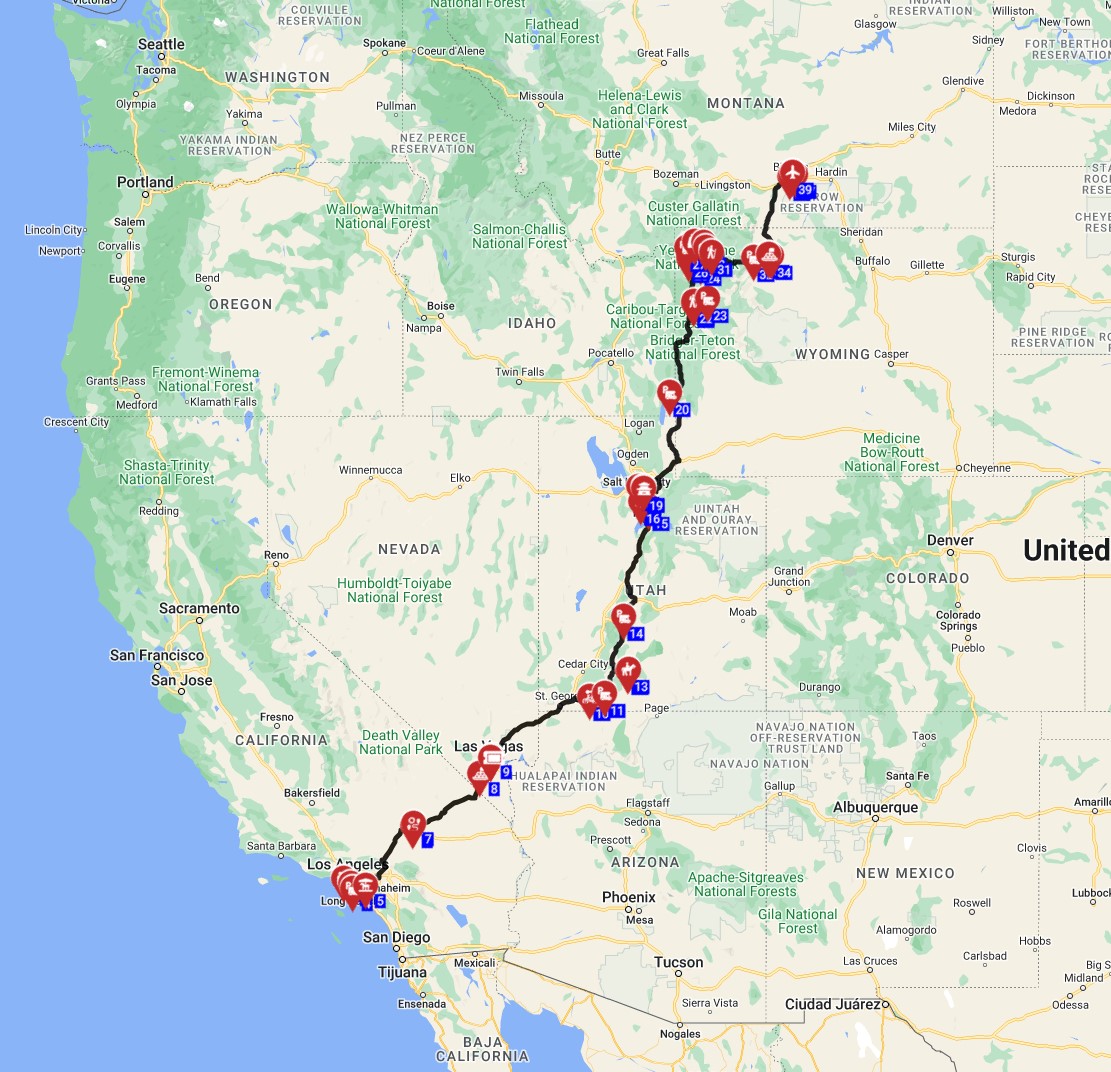
For finding campsites and campgrounds during your trip, we recommend using RV PLANET (rvplan.net) - a great resource for locating available spots along your route, including both paid campgrounds and permitted dispersed camping areas. While you'll definitely find a spot in California, if not at the first campground, then the next one; it's always wise to call ahead before driving a long distance. For comprehensive route plans, consider the "San Francisco Roundtrip - The Best of the Southwest by Motorhome: From California’s Coast to Arizona’s Canyons" itinerary, which includes 8 hiking areas and 3 natural features, providing excellent options for finding overnight parking. If you're looking for an extended trip covering the entire nation, take a look at our RV Rental USA - Complete Guide 2026.
Can I Drive an RV Into the City Center? Heights, Tunnels & Local Signage
Yes, you can almost always drive a rented RV into California city centers, but careful attention to local signage regarding height limits, restricted zones, and parking is absolutely crucial. Major urban areas like Los Angeles and San Francisco have extensive road networks designed to accommodate larger vehicles, but older districts or specific neighborhoods may have narrower streets or residential parking restrictions that RVers need to be mindful of. Drivers must be especially vigilant for posted height limits before entering tunnels, low bridges, or multi-story parking garages, as these are generally not suitable for motorhomes. Always observe local signage for environmental zones (e.g., emissions regulations, though less commonly restrictive for RVs in California), residents-only streets, and clearways to avoid unexpected fines.
As a true RV specialist, we emphasize that common sense and careful driving will allow you to explore almost any city with your rented campervan or motorhome. There's no need to limit your adventures to only the outskirts of urban areas. The flexibility to drive your home-on-wheels into cities for sightseeing or dining adds a unique dimension to your California journey. Just be sure to pre-plan your parking spots or look for designated RV parking areas which are increasingly common in tourist-friendly cities. If you're looking for detailed route plans that include cities, check out our RV Rental in California - Prices and Best Deals 2026.
How Much Does an RV Rental in California Cost?
The cost of a rented RV in California typically ranges from $75 to $300+ per night, varying significantly based on factors such as RV class, rental season, duration of your trip, and included amenities. For instance, a compact Class B campervan like the 'Combi Van' might start at a lower daily rate of around $75-120 in the off-season, while a spacious Class C motorhome like the 'C-30' could range from $150-300+ per night during peak summer. Budgeting for your California adventure should include not only the dynamic daily rental rate but also insurance, mileage fees, fuel costs (e.g., a Class C RV averages $13-$15 per 100km for fuel), campground fees (which can range from $20 for basic state park sites to $100+ for private resorts), and potential add-ons like kitchen kits or linen packages. Hidden fees can sometimes include preparation fees, dumping fees, cleaning charges, and generator usage fees, so a detailed breakdown from the rental company provided by Bandana RV is essential for full transparency. To find the best options, explore our RV Rental Deals in California - Latest Offers 2026.
Cost-saving tips include booking off-season (shoulder seasons like April-May or September-October often offer lower rates, potentially saving up to 20-25%), opting for longer rental periods (many suppliers offer daily discounts for week-long trips or more extended adventures), cooking your own meals in your motorhome's kitchen, and planning fuel stops strategically to leverage lower prices. Flexible travel dates can also significantly impact pricing. For specific one-way costs, you can consult our One-Way RV Rental in California - Price Guide 2026. Additionally, RV PLANET routes are designed to help you itemize and track every single expense, from fuel to campground fees, along your chosen itinerary, making budgeting for your trip to California a breeze.
What Permits and Reservations are Needed for RVs in California Parks?
To visit California's popular National Parks, such as Yosemite or Death Valley, and many State Parks, advance campground reservations are highly recommended and often mandatory, especially during peak seasons from June to August. Many National Parks, like Yosemite, utilize a reservation system for park entry during certain periods (e.g., peak season entry permits) in addition to requiring campsite bookings. Wilderness permits are generally required for backcountry camping within National Parks and Forests, which RVers using their motorhome as a base for hiking should obtain well in advance. Always check the specific park's official website for current fire restrictions, waste disposal regulations, and any unique vehicle length or generator usage rules prior to your visit. While only 25-30% of park spots are typically reservable, the rest are first-come, first-served, so you'll often find a spot, even if it's at the next campground. A phone call ahead can save you a drive!
Bandana RV works with over 50 leading RV suppliers worldwide, including trusted names like El Monte and Cruise America, ensuring you have a wide range of rented motorhome and campervan options for your California park adventures. Many of these suppliers offer vehicles well-suited for national park roads, providing features like a comfortable double bed or ample fresh water tank capacity (e.g., the 'MHC24' motorhome boasts a 150 Liter fresh water tank). Remember to book your RV and campsites in parallel, especially if you have specific dates and parks in mind. For more on maximizing value, consider our Weekly RV Rental in California - Pricing 2026.
Where are the Best Unique RV Destinations in California?
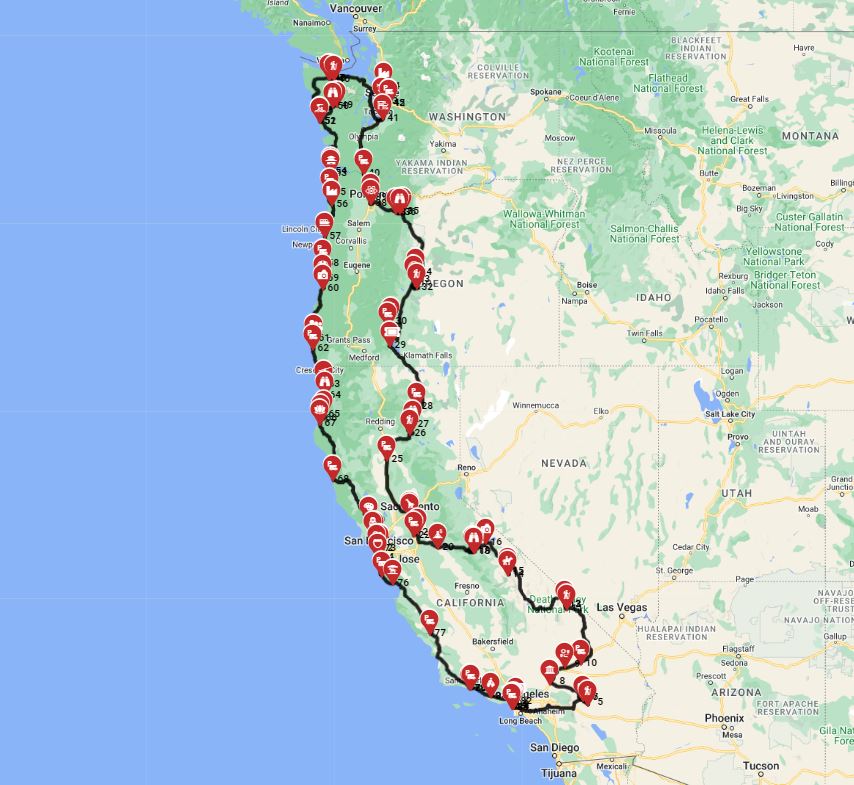
Beyond iconic spots like Big Sur and Yosemite, unique RV destinations in California include lesser-known State Parks such as Anza-Borrego Desert (perfect for stargazing and exploring badlands), the Eastern Sierra region for its numerous hot springs and stunning alpine lakes, and the remote Lost Coast for rugged solitude and breathtaking wilderness. Strategies for avoiding crowds include visiting during the shoulder seasons (spring and fall) when the weather is still pleasant and tourist numbers are lower, exploring mid-week rather than on weekends, or seeking out Bureau of Land Management (BLM) lands for more dispersed camping experiences. Consider destinations like Pinnacles National Park for fascinating hiking among rock formations, Lassen Volcanic National Park for its captivating geothermal wonders, or exploring the lesser-visited sections of the Redwood National and State Parks for ancient forests and fewer visitors. Research local events and farmers' markets in charming small towns along your route for authentic Californian experiences away from major tourist hubs. For an unforgettable journey from coast to coast, consider an itinerary like "
What are Key RV Safety and Emergency Tips for California?
Comprehensive RV safety in California requires preparedness for diverse challenges, including wildfire season, earthquake readiness, mountain driving, desert heat, and wildlife encounters. Always carry an emergency kit with first aid supplies, extra water (e.g., a 'MHC30' has a 160 Liter fresh water tank), non-perishable food, and a fully charged cell phone, as service can be spotty in remote areas. During wildfire season (typically summer and fall), monitor fire alerts through local news and park websites, have evacuation routes planned, and be acutely aware of fire restrictions in campgrounds and wild areas. Practice safe mountain driving techniques, utilizing lower gears on descents to prevent brake fade, and for desert travel, ensure your rented RV's cooling system is in top condition and carry plenty of water to combat extreme heat. Be aware of wildlife, especially in areas like the Sierra Nevada; secure all food in your motorhome, and never feed animals to maintain ecological balance and your safety.
Our commitment to you extends before and after your booking, ensuring you have all the necessary information for a safe journey. We are true RV specialists, dedicated to providing honest and transparent advice, making sure you're well-informed for whatever California throws your way. You can also upgrade to a top-level deductible for extra peace of mind, protecting your adventure. For detailed safety information on wider US travel, our RV Rental USA - Complete Guide 2026 offers valuable insights.
How to Stay Connected: RV Technology and Wi-Fi in California?
Staying connected in a rented RV across California involves a mix of cellular service, campground Wi-Fi, and potentially satellite options for truly remote areas. Cell service coverage varies significantly; major highways and population centers generally have good 4G/5G coverage, but remote national parks and wilderness areas often have limited or no signal at all. Many private campgrounds and some state/national park campgrounds offer Wi-Fi, though it can be slow or unreliable, especially during peak usage times when many travelers are trying to connect. For consistent connectivity, consider investing in a cellular booster, a dedicated mobile hotspot with a robust data plan from a major carrier, or a satellite internet service for off-grid boondocking where cellular signals are non-existent. Our range of campervans and motorhomes often includes features like integrated power outlets to keep your devices charged, such as the 'rv rental denver example Category Van' which comes with front air conditioning and is ideal for a couple, but always plan for connectivity if it's essential for your trip.
Being prepared for varying connectivity is part of the RV adventure. This allows you to disconnect and immerse yourself in nature when the opportunity arises, and reconnect when needed. Remember that full transparency means we'll always advise you on what to expect, ensuring no surprises during your California motorhome rental experience.
Is California RV Travel Accessible for Travelers with Disabilities?
California offers numerous accessible RV travel options, with many state and national parks featuring ADA-compliant campgrounds, trails, and visitor facilities. Accessible campgrounds typically provide paved sites, accessible restrooms, and easy access to common areas; look for 'ADA accessible' notations when making reservations for your rented motorhome. Many popular attractions, from theme parks to museums and scenic overlooks, are designed with accessibility in mind, often offering ramps, elevators, and accessible parking for RVs. RVers with disabilities should research specific destinations and accommodations in advance, and communicate their needs to rental companies and park staff to ensure a smooth and enjoyable week-long trip.
We believe RV travel should be accessible to everyone. Our team of true RV specialists is here to assist you in finding the right campervan or motorhome that meets your specific needs. Bandana RV was founded in 2001, and for over 23 years, we've been helping tens of thousands of travelers explore the world by RV, always striving to ensure comfort and convenience for all our customers.
Can I Bring My Pet? Pet-Friendly RV Rules in California
Bringing pets on your California RV adventure is often possible, but specific park rules and local regulations regarding pet-friendly areas vary significantly across the state. Most state and national park campgrounds allow pets on a leash in designated areas, but often restrict them from trails, beaches, and visitor centers to protect wildlife and ensure public safety. California boasts many pet-friendly attractions, including specific dog beaches (like Huntington Dog Beach), numerous dog parks, and a growing number of pet-welcoming restaurants and businesses, especially in towns known for outdoor activities. Always confirm the pet policy directly with campgrounds, attractions, and rental companies, ensuring your pet is up-to-date on vaccinations and equipped with proper identification for a hassle-free journey. Many of our rental motorhomes are pet-friendly, indicated by features like "Pet Friendly" for vehicles such as the '24' Class C Motorhome'.
Traveling with your furry companions in a rented campervan can greatly enhance your road trip experience, allowing the whole family to enjoy California's natural beauty together. With a little planning, finding suitable accommodations and activities for your pet will be easy, ensuring a joyful adventure for everyone.
What You Shouldn't Miss
- Drive the Pacific Coast Highway (Highway 1): Experience one of the world's most scenic coastal drives in your rented motorhome, especially the iconic Big Sur section, renowned for its dramatic cliffs and ocean views.
- Explore Yosemite National Park: Witness the grandeur of El Capitan, Half Dome, and Yosemite Falls. Book your campsites in advance, as spots fill quickly, or arrive early for first-come, first-served options.
- Stargaze in Death Valley National Park: As an International Dark Sky Park, Death Valley offers unparalleled celestial views, a stark contrast to its daytime desert heat, making it perfect for a rented RV with a comfortable bed for overnight stays.
- Visit the Redwood National and State Parks: Drive your campervan through ancient groves of the world's tallest trees, feeling dwarfed by their immense scale and serene beauty.
- Experience Southern California Beaches: From the vibrant shores of Santa Monica to the laid-back vibe of La Jolla, enjoy sun, surf, and seaside dining. Many coastal towns offer RV-friendly parking and nearby campgrounds.
- Discover Lake Tahoe's Alpine Beauty: Park your motorhome near the crystal-clear waters and surrounding Sierra Nevada mountains, offering year-round activities from hiking and biking to skiing.
- Looking for expert insights from Avi Bandana? Top 5 Adventures - recommendations from Avi Bandana.
Final Thoughts
Embarking on an RV adventure in California promises a journey filled with incredible landscapes, diverse experiences, and the freedom to explore at your own pace. Whether you're navigating scenic coastal highways, venturing through majestic national parks, or discovering charming small towns, a rented motorhome or campervan offers the flexibility and comfort to make your trip truly unforgettable. We at Bandana RV are here to support you in every aspect of planning and booking, ensuring a smooth, transparent, and joyful experience.
Remember to embrace slow travel, savoring each moment and truly connecting with the places you visit. With our expert advice, 24/7 pre- and post-booking support, and commitment to full transparency, your California RV rental will be an adventure to cherish for years to come. Start dreaming and planning today, because as Avi Bandana always says, "Life is now!"
Get inspired for your next trip! Discover top destinations and planning tips, all in one place!
In This Guide
- Can You Drive an RV in California? License & Age Rules
- Road Conditions & Terrain in California
- RV Size Limits, Bridges & Restricted Zones
- Fuel: Diesel vs. Petrol & Cost per 100 km
- Tolls, Vignettes & Border Rules
- Driving Tips for RV Rental Travelers
- Recommended RV Class for California Roads
- Should I Choose a Compact Van Instead of a Large RV in California?
- Can I Park Anywhere? Free & Wild Camping Rules in California
- Can I Drive an RV Into the City Center? Heights, Tunnels & Local Signage
- How Much Does an RV Rental in California Cost?
- What Permits and Reservations are Needed for RVs in California Parks?
- Where are the Best Unique RV Destinations in California?
- What are Key RV Safety and Emergency Tips for California?
- How to Stay Connected: RV Technology and Wi-Fi in California?
- Is California RV Travel Accessible for Travelers with Disabilities?
- Can I Bring My Pet? Pet-Friendly RV Rules in California
- What You Shouldn't Miss
- Why Book with Bandana Caravan
- Final Thoughts
- Frequently Asked Questions
Imagine the open road stretching before you, the California sun warming your skin, and the freedom of having your accommodation, kitchen, and adventure vehicle all in one. RV travel in California truly offers an unparalleled way to explore this vast and diverse state, from its iconic coastlines to its towering mountains and serene deserts. At Bandana RV, we're passionate about helping you experience the Golden State in a rented motorhome or campervan, providing not just a vehicle, but a gateway to unforgettable memories.
For live availability and current prices, start with our RV Rental California - Complete Guide 2024 guide. We're here to offer full transparency and expert guidance every step of the way, making your California RV adventure as smooth as a drive down Highway 1.
Can You Drive an RV in California? License & Age Rules
Yes, you can absolutely drive an RV in California with a standard Class C driver's license, provided the vehicle's Gross Vehicle Weight Rating (GVWR) is under 26,001 pounds. This covers the vast majority of rental motorhomes and campervans available, including popular Class B, Class C, and even many Class A models. Drivers must typically be at least 21 years old to rent an RV in California, aligning with rental company policies rather than the state's minimum driving age of 18 for a Class C license. For our international travelers, a valid driver's license from your home country is generally accepted for up to 12 months, and while not always mandatory, an International Driving Permit (IDP) is highly recommended for ease of communication and official identification.
Navigating California's roads in a rented motorhome or campervan is a straightforward experience once you get the hang of it. Remember, these vehicles are designed for comfortable travel, and with a little practice, you'll be cruising like a pro. There are no special surcharges for younger drivers aged 21 and above, and you won't encounter vehicle class restrictions based on age with our trusted suppliers.
Road Conditions & Terrain in California
California offers a remarkable diversity of road conditions and terrains, from the expansive, well-maintained interstates that crisscross the state to winding mountain passes, flat desert highways, and bustling city streets. While major routes like I-5 or US-101 are generally smooth and multi-lane, secondary roads, particularly those leading into national parks such as Yosemite or state parks, can be narrower, steeper, and sometimes less paved. RV drivers should be prepared for significant elevation changes when traversing mountain ranges like the Sierra Nevada, where careful driving and monitoring engine temperature are wise practices. Always encouraging slow, scenic driving allows for a much richer enjoyment of California's varied landscapes and ensures safer navigation through its unique road challenges.
We advocate for slow travel in your rented motorhome, averaging a maximum of 100-150 km per day. This pace allows you to truly immerse yourself in the culture, savor the local food, and connect with the breathtaking scenery California offers, rather than just rushing through it. Planning your daily mileage mindfully will enhance your adventure, letting you discover hidden gems and picturesque pull-offs that faster travel often misses.
RV Size Limits, Bridges & Restricted Zones
California has specific regulations regarding RV length, typically limiting single vehicles, including motorhomes and campervans, to 40 feet (approximately 12.2 meters) on most roads. While low bridges are less common on major Californian highways, RV drivers should always pay close attention to height restriction signage, especially when entering older towns, navigating tunnels, or passing underpasses. Certain environmentally sensitive areas or city centers may have restrictions on large vehicles or require specific permits; these are more likely to be found in specific parts of national parks or historical districts rather than across entire cities. Ferries, such as those that might transport you to Catalina Island, generally do not accommodate large RVs, so checking specific ferry limits and routes is crucial if island excursions are part of your plans.
Driving a large RV, such as a Class C or Class A, into a city center in California is generally manageable. The key is to drive slowly and carefully, and you can navigate almost anywhere without issues. No need to stress - just use common sense and pay attention to road signs, especially those indicating vehicle dimensions. Parking can be more challenging in urban areas, but with a bit of planning and awareness, you can usually find suitable spots. Remember, part of the RV adventure is adapting to new environments!
Fuel: Diesel vs. Petrol & Cost per 100 km
Both diesel and petrol (gasoline) are widely available across California, though diesel pumps for larger motorhomes might be more commonly found at truck stops or larger service stations, especially in rural areas. For Bandana's global fleet, Class C motorhomes typically consume 10-12 Liters/100 km (or approximately 20-23.5 MPG), while Class B Camper Vans average 8-10 Liters/100 km (or 23.5-29.4 MPG). Based on these averages, driving 100 km in a Class C RV would cost approximately $13-$15 USD, assuming current average petrol prices around $5.50/gallon (or $1.45/liter). Some rv rental vehicles may include fuel discount cards, which can help mitigate costs, so it's always beneficial to inquire about such perks when booking your California motorhome.
When planning your budget for an RV adventure in California, fuel costs are a significant factor. Fortunately, RV PLANET routes allow you to itemize and track every expense along the way for easy budgeting, ensuring no surprises. Keeping an eye on apps like GasBuddy can also help you find the best prices along your route, as fuel costs can vary significantly even within short distances.
Tolls, Vignettes & Border Rules
California primarily uses electronic tolls on specific bridges, express lanes, and a few designated roads, with no statewide vignettes required for RVs. Notable toll locations include iconic bridges in the San Francisco Bay Area, such as the Golden Gate Bridge and Bay Bridge, as well as express lanes in bustling urban areas like Los Angeles. Since California does not share land borders with other countries, RV travel to neighboring states like Nevada or Arizona is common and simply requires adherence to their specific driving laws and regulations. Many rv rental providers offer options to pre-purchase toll passes, such as FasTrak transponders, to avoid missed tolls and potential fines, which is highly recommended for convenience and peace of mind on your journey through California.
Planning your route to account for tolls can save you time and hassle. Our partners, such as El Monte and Cruise America, can provide details on how to manage tolls for your specific rented motorhome. When mapping out your adventure, consider exploring some of the pre-planned itineraries on RV PLANET that traverse these areas, offering insights into potential costs. For more details on various rental types, check out our One-Way RV Rental in California - Price Guide 2024.
Driving Tips for RV Rental Travelers
Planning your route with RV-specific navigation is paramount, carefully considering height and weight restrictions and potential tight turns, especially in California's mountainous regions or congested urban areas. For families enjoying a week-long trip, schedule regular stops every 2-3 hours to allow passengers to stretch, use facilities, and simply enjoy the scenery, which also helps prevent driver fatigue. Budget-conscious travelers should seriously consider pre-purchasing toll passes and actively monitoring fuel prices using apps like GasBuddy, as costs can vary significantly across the diverse landscapes of California. When driving a rented motorhome in mountains, utilize lower gears on descents to control speed and prevent brake overheating, a critical safety practice that ensures smooth and secure travel.
Always check weather forecasts for your planned route, particularly for snow in winter mountain passes or extreme heat in desert regions during summer, to ensure you're prepared for any conditions. A rented motorhome or campervan provides a comfortable base regardless of the weather, but knowing what to expect helps. Don't forget that cooking meals on board can be a fun way to save money and enjoy the flexibility of RV travel; for inspiration, check out our RV-friendly recipes playlist.
🎬 Video coming soon
Recommended RV Class for California Roads
For an optimal balance of maneuverability and comfort on California's diverse roads, Class B Camper Vans or Class SI Semi-integrated RVs are highly recommended. Class B Camper Vans, averaging 5.8 meters in length from Bandana's global fleet data, are excellent for navigating narrow coastal roads like Highway 1, bustling city streets, and fitting into smaller, more intimate campgrounds. Class SI Semi-integrated RVs, with an average length of 6.9 meters, provide more living space and amenities, making them suitable for families or extended trips, while still remaining manageable on most California highways. While larger Class C Alcoves (average 7.5m length) and Class A Integrated RVs (average 7.5m length) offer substantial space and luxury features, their increased size can present more challenges on very winding roads, in crowded parking lots, or when seeking spots in some older national park campgrounds.
When you rent a motorhome or campervan, consider your group size and how much time you plan to spend inside the vehicle versus exploring outdoors. For couples or small families, a nimble campervan like the '2 Berth Hi Top' or a compact semi-integrated model offers freedom without feeling overwhelming. For larger groups seeking more space, a Class C such as the '24' Class C Motorhome' or a spacious '6 Berth Deluxe' can provide multiple beds and a full kitchen for a comfortable multi-week adventure.
Should I Choose a Compact Van Instead of a Large RV in California?
While a compact camper van undeniably offers superior maneuverability and easier parking in urban centers or on very narrow mountain passes, most RV sizes can be driven successfully in California. The decision to rent a smaller campervan or a larger motorhome often hinges on the trade-off between driving ease and your desired indoor space and amenities. A Class B Camper Van, like the 'Aero - Campervan' (average 5.8m length), genuinely helps for accessing tight spots, stealth camping, and navigating congested city environments such as San Francisco or driving along the scenic yet winding parts of Highway 1. However, for families or those planning an extended week-long trip needing more storage, a dedicated bathroom, or a larger kitchen, a Class C (e.g., '29′ Class C Motorhome') or a Semi-integrated RV (like a '2 Berth Rover', average 6.9m) offers a better balance of space and manageable driving on California's main routes.
Don't be discouraged by the thought of driving a larger rented RV in cities. Drive slowly and carefully, and you can drive almost anywhere without issues. No need to stress - just use common sense and pay attention to signage and surroundings. The extra comfort and amenities of a larger motorhome can significantly enhance a longer road trip, providing ample space for everyone to relax and enjoy the journey.
Can I Park Anywhere? Free & Wild Camping Rules in California
Free or 'wild' camping is generally restricted in California, particularly on private land or within city limits, but it is permitted in designated areas like National Forests and Bureau of Land Management (BLM) lands. Dispersed camping on federal lands often requires adherence to 'Leave No Trace' principles, including proper waste disposal and strict fire restrictions, which are common during California's dry seasons. Many cities and counties have ordinances prohibiting overnight RV parking on public streets, and popular retail chains like Walmart often no longer permit overnight stays. Always research specific park, forest, or city regulations before attempting free camping, as rules vary significantly by region; check local regulations and follow local law before parking overnight to avoid fines or disruptions.
For finding campsites and campgrounds during your trip, we recommend using RV PLANET (rvplan.net) - a great resource for locating available spots along your route, including both paid campgrounds and permitted dispersed camping areas. While you'll definitely find a spot in California, if not at the first campground, then the next one; it's always wise to call ahead before driving a long distance. For comprehensive route plans, consider the "San Francisco Roundtrip - The Best of the Southwest by Motorhome: From California’s Coast to Arizona’s Canyons" itinerary, which includes 8 hiking areas and 3 natural features, providing excellent options for finding overnight parking. If you're looking for an extended trip covering the entire nation, take a look at our RV Rental USA - Complete Guide 2024.
Can I Drive an RV Into the City Center? Heights, Tunnels & Local Signage
Yes, you can almost always drive a rented RV into California city centers, but careful attention to local signage regarding height limits, restricted zones, and parking is absolutely crucial. Major urban areas like Los Angeles and San Francisco have extensive road networks designed to accommodate larger vehicles, but older districts or specific neighborhoods may have narrower streets or residential parking restrictions that RVers need to be mindful of. Drivers must be especially vigilant for posted height limits before entering tunnels, low bridges, or multi-story parking garages, as these are generally not suitable for motorhomes. Always observe local signage for environmental zones (e.g., emissions regulations, though less commonly restrictive for RVs in California), residents-only streets, and clearways to avoid unexpected fines.
As a true RV specialist, we emphasize that common sense and careful driving will allow you to explore almost any city with your rented campervan or motorhome. There's no need to limit your adventures to only the outskirts of urban areas. The flexibility to drive your home-on-wheels into cities for sightseeing or dining adds a unique dimension to your California journey. Just be sure to pre-plan your parking spots or look for designated RV parking areas which are increasingly common in tourist-friendly cities. If you're looking for detailed route plans, check out our RV Rental in California - Prices and Best Deals 2024.
How Much Does an RV Rental in California Cost?
The cost of a rented RV in California typically ranges from $75 to $300+ per night, varying significantly based on factors such as RV class, rental season, duration of your trip, and included amenities. For instance, a compact Class B campervan like the 'Combi Van' might start at a lower daily rate of around $75-120 in the off-season, while a spacious Class C motorhome like the 'C-30' could range from $150-300+ per night during peak summer. Budgeting for your California adventure should include not only the dynamic daily rental rate but also insurance, mileage fees, fuel costs (e.g., a Class C RV averages $13-$15 per 100km for fuel), campground fees (which can range from $20 for basic state park sites to $100+ for private resorts), and potential add-ons like kitchen kits or linen packages. Hidden fees can sometimes include preparation fees, dumping fees, cleaning charges, and generator usage fees, so a detailed breakdown from the rental company provided by Bandana RV is essential for full transparency. To find the best options, explore our RV Rental Deals in California - Latest Offers 2024.
Cost-saving tips include booking off-season (shoulder seasons like April-May or September-October often offer lower rates, potentially saving up to 20-25%), opting for longer rental periods (many suppliers offer daily discounts for week-long trips or more extended adventures), cooking your own meals in your motorhome's kitchen, and planning fuel stops strategically to leverage lower prices. Flexible travel dates can also significantly impact pricing. For specific one-way costs, you can consult our One-Way RV Rental in California - Price Guide 2024. Additionally, RV PLANET routes are designed to help you itemize and track every single expense, from fuel to campground fees, along your chosen itinerary, making budgeting for your trip to California a breeze.
What Permits and Reservations are Needed for RVs in California Parks?
To visit California's popular National Parks, such as Yosemite or Death Valley, and many State Parks, advance campground reservations are highly recommended and often mandatory, especially during peak seasons from June to August. Many National Parks, like Yosemite, utilize a reservation system for park entry during certain periods (e.g., peak season entry permits) in addition to requiring campsite bookings. Wilderness permits are generally required for backcountry camping within National Parks and Forests, which RVers using their motorhome as a base for hiking should obtain well in advance. Always check the specific park's official website for current fire restrictions, waste disposal regulations, and any unique vehicle length or generator usage rules prior to your visit. While only 25-30% of park spots are typically reservable, the rest are first-come, first-served, so you'll often find a spot, even if it's at the next campground. A phone call ahead can save you a drive!
Bandana RV works with over 50 leading RV suppliers worldwide, including trusted names like El Monte and Cruise America, ensuring you have a wide range of rented motorhome and campervan options for your California park adventures. Many of these suppliers offer vehicles well-suited for national park roads, providing features like a comfortable double bed or ample fresh water tank capacity (e.g., the 'MHC24' motorhome boasts a 150 Liter fresh water tank). Remember to book your RV and campsites in parallel, especially if you have specific dates and parks in mind. For more on maximizing value, consider our Weekly RV Rental in California - Pricing 2024.
Where are the Best Unique RV Destinations in California?
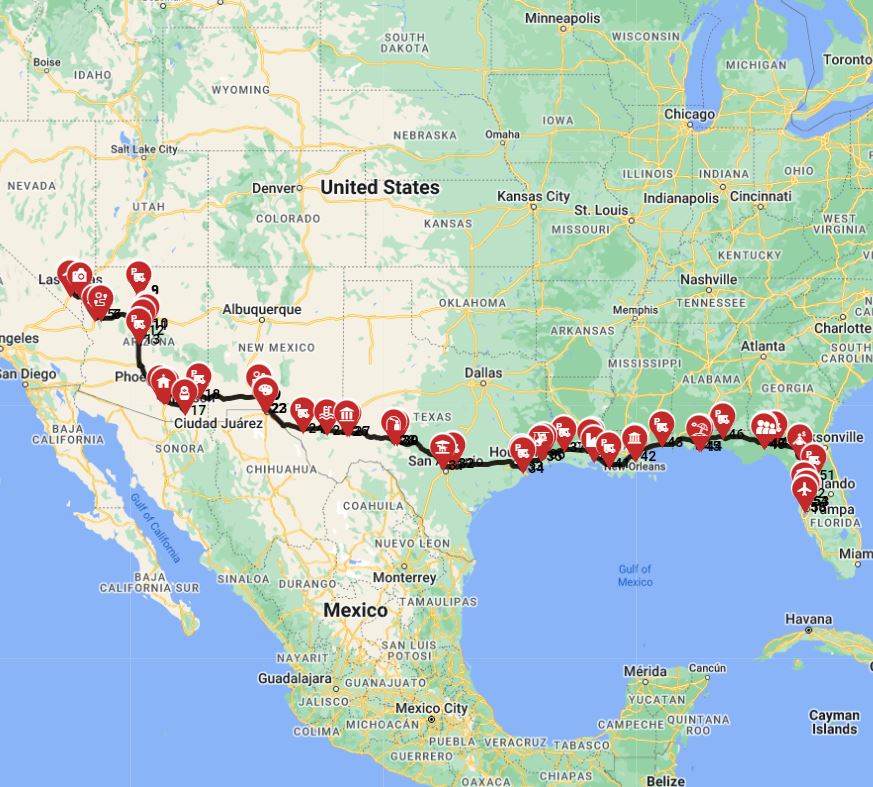
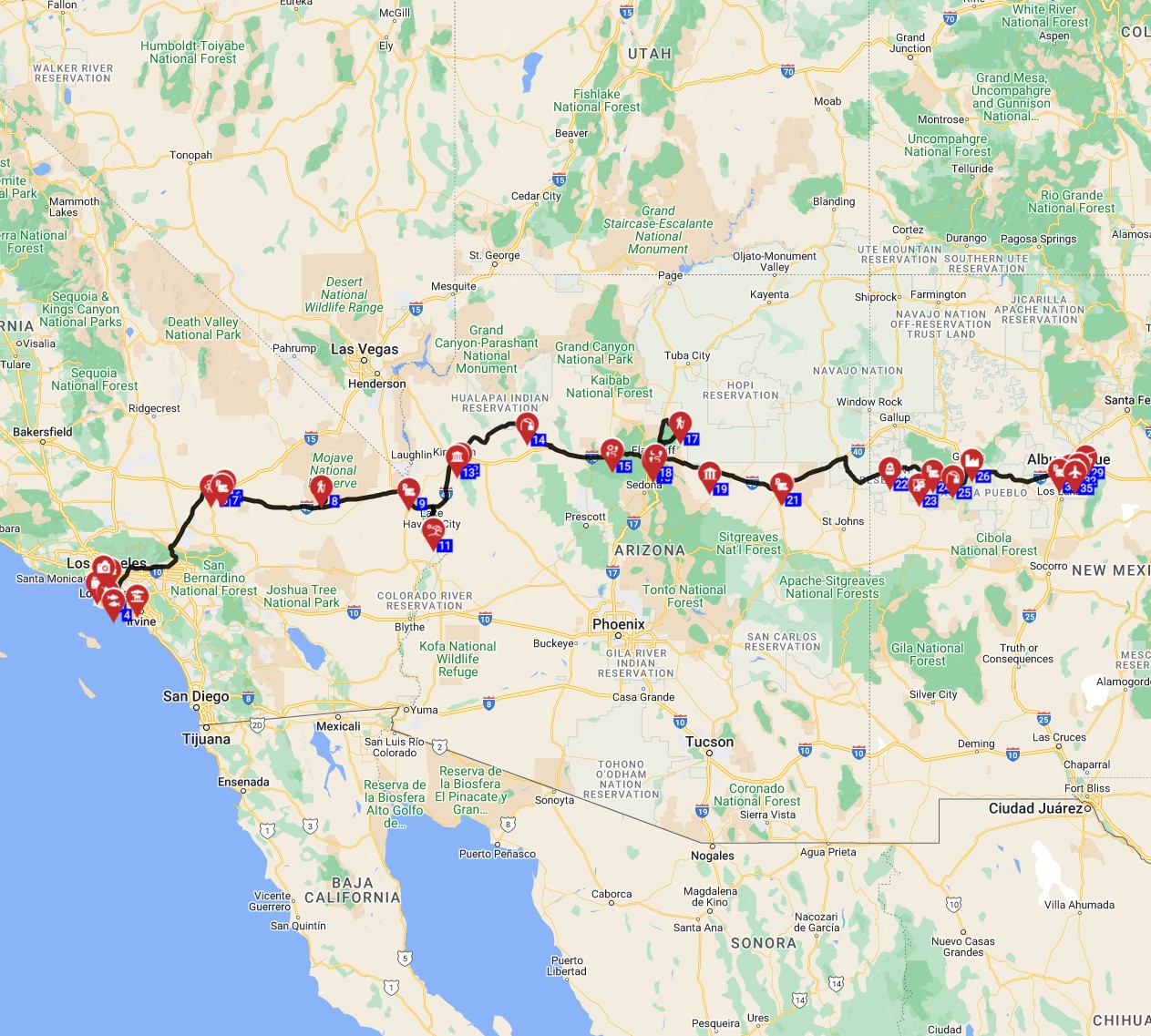
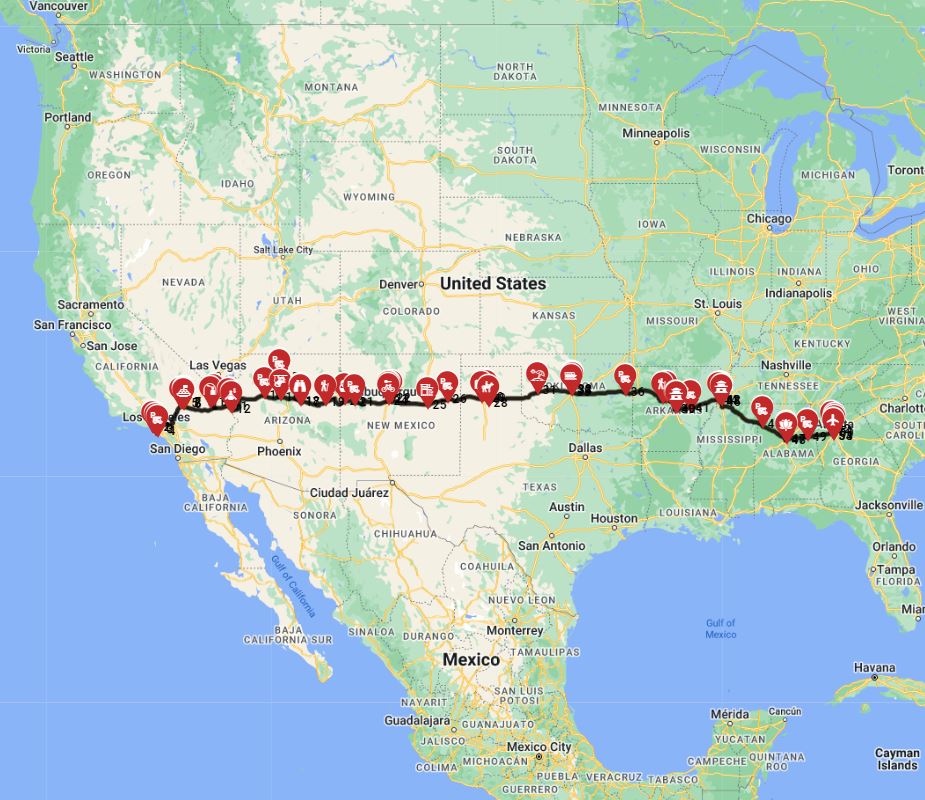
Beyond iconic spots like Big Sur and Yosemite, unique RV destinations in California include lesser-known State Parks such as Anza-Borrego Desert (perfect for stargazing and exploring badlands), the Eastern Sierra region for its numerous hot springs and stunning alpine lakes, and the remote Lost Coast for rugged solitude and breathtaking wilderness. Strategies for avoiding crowds include visiting during the shoulder seasons (spring and fall) when the weather is still pleasant and tourist numbers are lower, exploring mid-week rather than on weekends, or seeking out Bureau of Land Management (BLM) lands for more dispersed camping experiences. Consider destinations like Pinnacles National Park for fascinating hiking among rock formations, Lassen Volcanic National Park for its captivating geothermal wonders, or exploring the lesser-visited sections of the Redwood National and State Parks for ancient forests and fewer visitors. Research local events and farmers' markets in charming small towns along your route for authentic Californian experiences away from major tourist hubs. For an unforgettable journey from coast to coast, consider an itinerary like "Charlotte to San Francisco - Southern Roots and California Shores," which spans 27 days and 5690.1 km, featuring 9 hiking areas and 6 museums.
What are Key RV Safety and Emergency Tips for California?
Comprehensive RV safety in California requires preparedness for diverse challenges, including wildfire season, earthquake readiness, mountain driving, desert heat, and wildlife encounters. Always carry an emergency kit with first aid supplies, extra water (e.g., a 'MHC30' has a 160 Liter fresh water tank), non-perishable food, and a fully charged cell phone, as service can be spotty in remote areas. During wildfire season (typically summer and fall), monitor fire alerts through local news and park websites, have evacuation routes planned, and be acutely aware of fire restrictions in campgrounds and wild areas. Practice safe mountain driving techniques, utilizing lower gears on descents to prevent brake fade, and for desert travel, ensure your rented RV's cooling system is in top condition and carry plenty of water to combat extreme heat. Be aware of wildlife, especially in areas like the Sierra Nevada; secure all food in your motorhome, and never feed animals to maintain ecological balance and your safety.
Our commitment to you extends before and after your booking, ensuring you have all the necessary information for a safe journey. We are true RV specialists, dedicated to providing honest and transparent advice, making sure you're well-informed for whatever California throws your way. You can also upgrade to a top-level deductible for extra peace of mind, protecting your adventure. For detailed safety information on wider US travel, our RV Rental USA - Complete Guide 2024 offers valuable insights.
How to Stay Connected: RV Technology and Wi-Fi in California?
Staying connected in a rented RV across California involves a mix of cellular service, campground Wi-Fi, and potentially satellite options for truly remote areas. Cell service coverage varies significantly; major highways and population centers generally have good 4G/5G coverage, but remote national parks and wilderness areas often have limited or no signal at all. Many private campgrounds and some state/national park campgrounds offer Wi-Fi, though it can be slow or unreliable, especially during peak usage times when many travelers are trying to connect. For consistent connectivity, consider investing in a cellular booster, a dedicated mobile hotspot with a robust data plan from a major carrier, or a satellite internet service for off-grid boondocking where cellular signals are non-existent. Our range of campervans and motorhomes often includes features like integrated power outlets to keep your devices charged, such as the 'rv rental denver example Category Van' which comes with front air conditioning and is ideal for a couple, but always plan for connectivity if it's essential for your trip.
Being prepared for varying connectivity is part of the RV adventure. This allows you to disconnect and immerse yourself in nature when the opportunity arises, and reconnect when needed. Remember that full transparency means we'll always advise you on what to expect, ensuring no surprises during your California motorhome rental experience.
Is California RV Travel Accessible for Travelers with Disabilities?
California offers numerous accessible RV travel options, with many state and national parks featuring ADA-compliant campgrounds, trails, and visitor facilities. Accessible campgrounds typically provide paved sites, accessible restrooms, and easy access to common areas; look for 'ADA accessible' notations when making reservations for your rented motorhome. Many popular attractions, from theme parks to museums and scenic overlooks, are designed with accessibility in mind, often offering ramps, elevators, and accessible parking for RVs. RVers with disabilities should research specific destinations and accommodations in advance, and communicate their needs to rental companies and park staff to ensure a smooth and enjoyable week-long trip.
We believe RV travel should be accessible to everyone. Our team of true RV specialists is here to assist you in finding the right campervan or motorhome that meets your specific needs. Bandana RV was founded in 2001, and for over 23 years, we've been helping tens of thousands of travelers explore the world by RV, always striving to ensure comfort and convenience for all our customers.
Can I Bring My Pet? Pet-Friendly RV Rules in California
Bringing pets on your California RV adventure is often possible, but specific park rules and local regulations regarding pet-friendly areas vary significantly across the state. Most state and national park campgrounds allow pets on a leash in designated areas, but often restrict them from trails, beaches, and visitor centers to protect wildlife and ensure public safety. California boasts many pet-friendly attractions, including specific dog beaches (like Huntington Dog Beach), numerous dog parks, and a growing number of pet-welcoming restaurants and businesses, especially in towns known for outdoor activities. Always confirm the pet policy directly with campgrounds, attractions, and rental companies, ensuring your pet is up-to-date on vaccinations and equipped with proper identification for a hassle-free journey. Many of our rental motorhomes are pet-friendly, indicated by features like "Pet Friendly" for vehicles such as the '24' Class C Motorhome'.
Traveling with your furry companions in a rented campervan can greatly enhance your road trip experience, allowing the whole family to enjoy California's natural beauty together. With a little planning, finding suitable accommodations and activities for your pet will be easy, ensuring a joyful adventure for everyone.
What You Shouldn't Miss
- Drive the Pacific Coast Highway (Highway 1): Experience one of the world's most scenic coastal drives in your rented motorhome, especially the iconic Big Sur section, renowned for its dramatic cliffs and ocean views.
- Explore Yosemite National Park: Witness the grandeur of El Capitan, Half Dome, and Yosemite Falls. Book your campsites in advance, as spots fill quickly, or arrive early for first-come, first-served options.
- Stargaze in Death Valley National Park: As an International Dark Sky Park, Death Valley offers unparalleled celestial views, a stark contrast to its daytime desert heat, making it perfect for a rented RV with a comfortable bed for overnight stays.
- Visit the Redwood National and State Parks: Drive your campervan through ancient groves of the world's tallest trees, feeling dwarfed by their immense scale and serene beauty.
- Experience Southern California Beaches: From the vibrant shores of Santa Monica to the laid-back vibe of La Jolla, enjoy sun, surf, and seaside dining. Many coastal towns offer RV-friendly parking and nearby campgrounds.
- Discover Lake Tahoe's Alpine Beauty: Park your motorhome near the crystal-clear waters and surrounding Sierra Nevada mountains, offering year-round activities from hiking and biking to skiing.
- Looking for expert insights from Avi Bandana? Top 5 Adventures - recommendations from Avi Bandana.
Final Thoughts
Embarking on an RV adventure in California promises a journey filled with incredible landscapes, diverse experiences, and the freedom to explore at your own pace. Whether you're navigating scenic coastal highways, venturing through majestic national parks, or discovering charming small towns, a rented motorhome or campervan offers the flexibility and comfort to make your trip truly unforgettable. We at Bandana RV are here to support you in every aspect of planning and booking, ensuring a smooth, transparent, and joyful experience.
Remember to embrace slow travel, savoring each moment and truly connecting with the places you visit. With our expert advice, 24/7 pre- and post-booking support, and commitment to full transparency, your California RV rental will be an adventure to cherish for years to come. Start dreaming and planning today, because as Avi Bandana always says, "Life is now!"
Get inspired for your next trip! Discover top destinations and planning tips, all in one place!