In This Guide
- Top 5 Tips for weekly rv rental RV Rental in West Canada
- Before You Book - Class, Dates, Insurance
- Pre-Trip Prep - Packing Checklist for West Canada
- On the Road - Driving, Fueling, Navigation
- At the Campground - Setup, Hookups & Etiquette
- weekly rv rental-Specific Tips for West Canada
- Common Mistakes to Avoid in West Canada
- How much does it cost to rent an RV in Canada for a week?
- What is the best month to RV in Canada?
- Can you boondock in BC?
- What do you need to RV in Canada?
- Is it worth it to rent an RV in Canada?
Exploring the majestic landscapes of West Canada in a rented RV offers an unparalleled sense of freedom and adventure. From the towering peaks of the Canadian Rockies to the vibrant coastlines of British Columbia, a weekly RV rental provides the perfect mobile base for your exploration. Imagine waking up to fresh mountain air, preparing your own breakfast with stunning views, and setting off on a new adventure each day, all from the comfort of your chosen motorhome or campervan.
To ensure you make the most of your adventure, our RV Rental West Canada - Complete Guide 2026 provides comprehensive details on everything you need to know. At Bandana RV, we pride ourselves on being true RV specialists, dedicated to making your Canadian road trip dream a reality. We've been helping tens of thousands of travelers explore the world by RV since 2001, offering full transparency with no hidden fees and 24/7 support for all your pre-booking and post-booking needs. You can compare final prices across 50+ leading RV suppliers worldwide, including trusted names like El Monte and Cruise America, ensuring you always know exactly what you're paying for.
Top 5 Tips for weekly rv rental RV Rental in West Canada
Securing your preferred motorhome and dates for a weekly RV rental in West Canada typically requires booking well in advance, especially if you plan to travel during the peak summer season of July and August. For example, popular 4-berth Class C motorhomes, ideal for a family of 2+2, can see bookings fill up 6 months ahead for prime national park locations. Choosing an RV size appropriate for your group and intended travel style is crucial; a compact campervan like an 'Active Classic' is perfect for a couple seeking flexibility on winding mountain roads, while a larger 'Family Sleeper' Class C is better for groups up to six seeking more living space. Always factor in all ancillary costs beyond the base rental fee, such as fuel (which can add CAD $200-$500 per week), campground fees (CAD $30-$80 per night), and national or provincial park passes (a Parks Canada Discovery Pass costs about $150 annually for a family). On the routes offered through RV PLANET routes, you can itemize and track every expense along the way for easy budgeting.
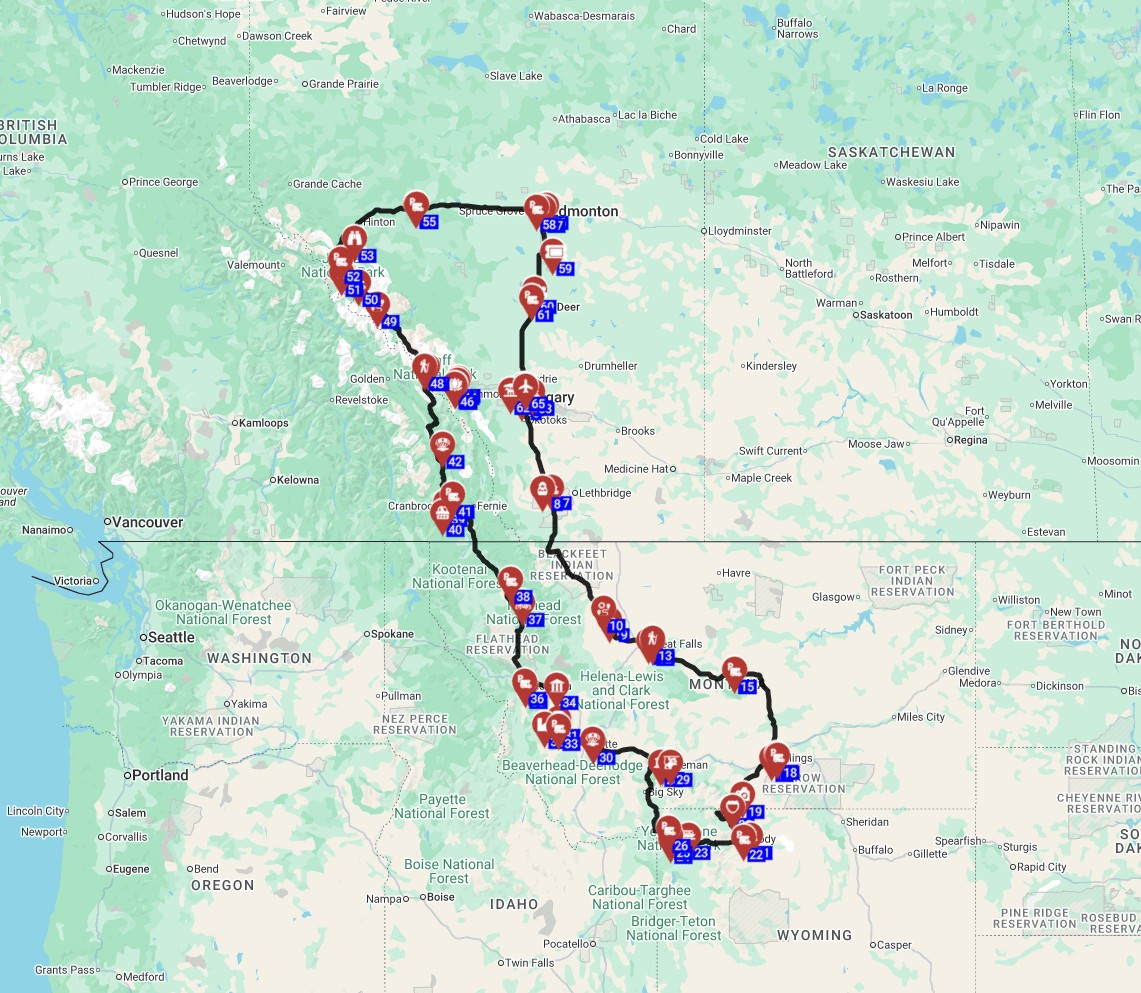
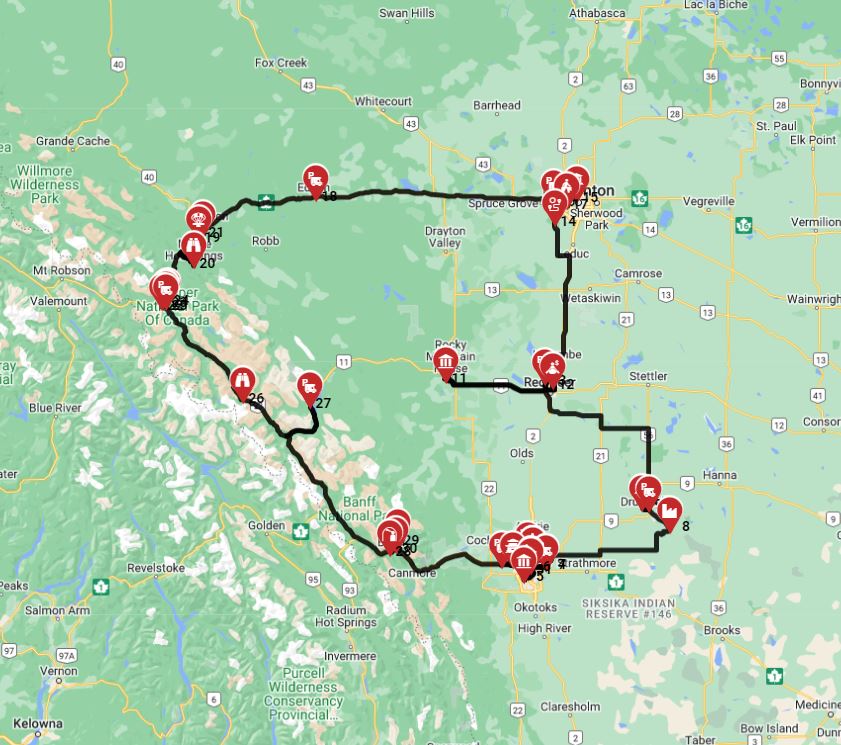
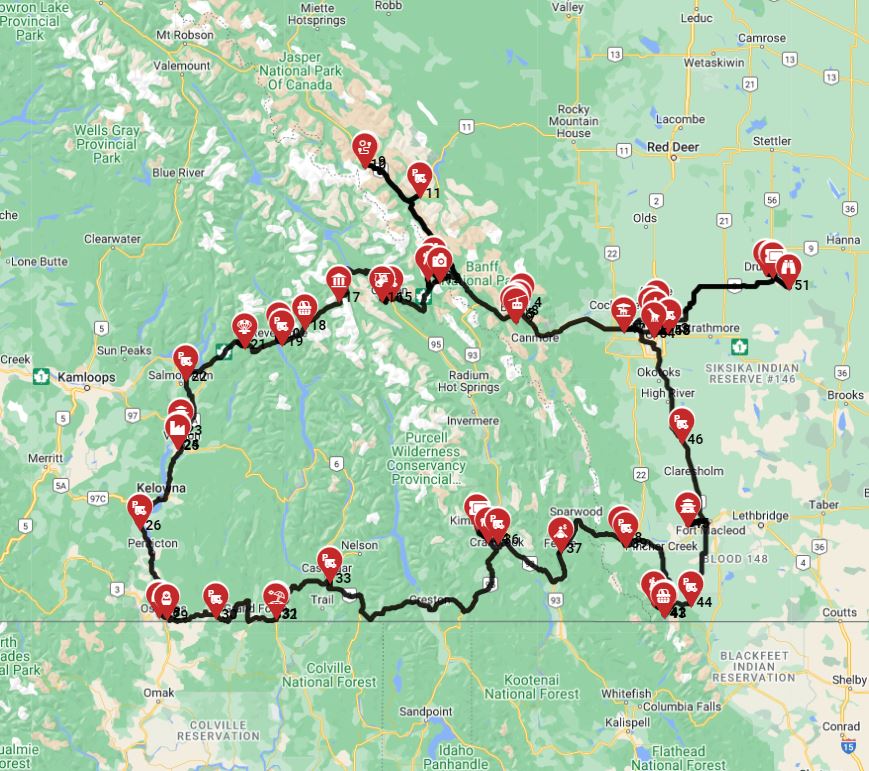
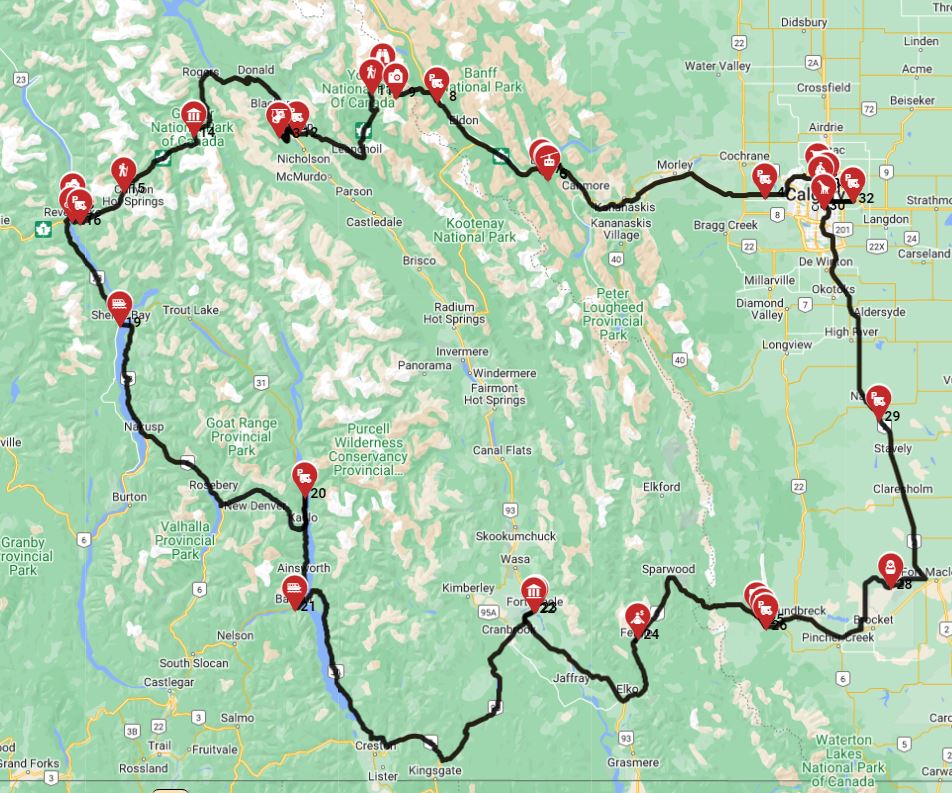
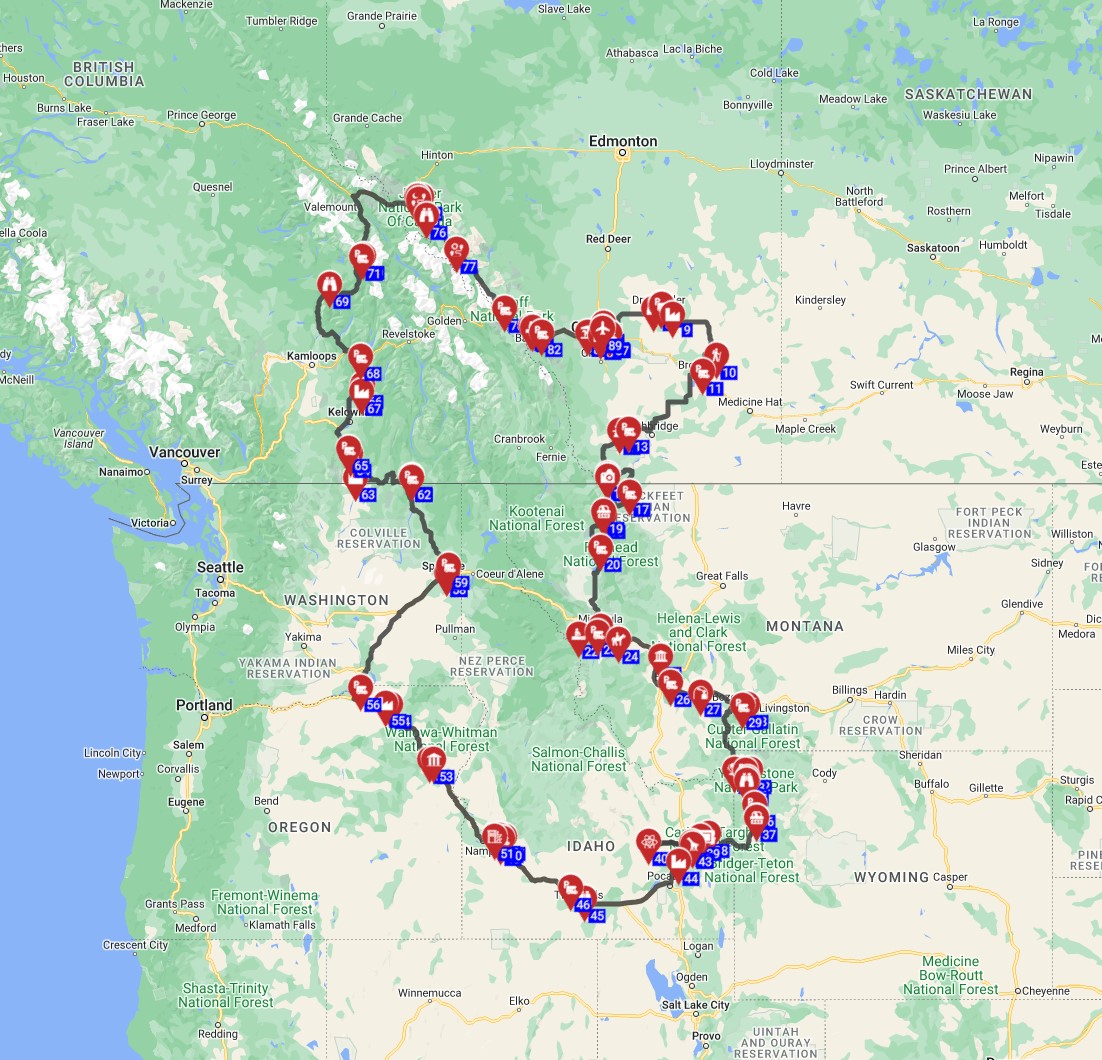
Planning your route with RV-friendly stops and campgrounds, particularly in popular national parks like Banff and Jasper, is essential, as many sites require pre-booking months in advance. Utilize resources like RV PLANET routes to itemize and track every expense, helping you stick to your budget and avoid surprises. Finally, familiarize yourself with RV operation before hitting the road, including understanding fresh water (e.g., 100 Liter capacity in many models), waste water systems, electrical hookups, driving characteristics, and specific safety features. This preparation ensures a smooth and enjoyable weekly RV adventure across West Canada's diverse terrain.
Before You Book - Class, Dates, Insurance
Choosing the right motorhome or campervan class for a weekly rental in West Canada involves considering your group size, comfort preferences, and driving experience, ensuring your vehicle matches your adventure style. For couples or solo travelers prioritizing easy navigation and maneuverability, a campervan (Class B) like an 'RV rental denver example Category Van' is often ideal, offering features such as front air conditioning, a shower, and a toilet in a compact size. Families or small groups (e.g., 2 adults and 2 children) often find Class C motorhomes, like a '24' Class C Motorhome' with its ample beds and living space, to be a balanced choice.
To secure optimal pricing and availability for your Canadian adventure, it is highly recommended to lock in your rental dates several months in advance, especially for summer travel (June-August) in high-demand destinations like the Canadian Rockies. However, if you are a spontaneous traveler, remember that many national and provincial parks reserve 25-30% of their spots for first-come, first-served arrivals, so flexibility can still find you a spot; just call ahead before driving. Regarding insurance, basic coverage is typically included with your rental, but for enhanced peace of mind, you can upgrade to a top-level deductible reimbursement plan. When searching on Bandana RV, select the most comprehensive coverage option to see all relevant insurance choices and ensure full price transparency, with no hidden fees at pickup.
Pre-Trip Prep - Packing Checklist for West Canada
Preparing a comprehensive packing list tailored to West Canada's variable climate is essential for a comfortable weekly RV rental, ensuring you're ready for everything from sunny days to unexpected mountain showers. Given the expansive and diverse terrain, layers of clothing are paramount; pack waterproof rain jackets and pants, warm fleece or wool sweaters, and sturdy hiking boots. Most rental motorhomes, like the 'cruise america rv rental example Explorer' (which typically includes a refrigerator and stove), come with basic cooking utensils, pots, pans, plates, bowls, and cutlery, but double-check your rental agreement for specifics.
Essential safety items for RV travel in West Canada include a comprehensive first-aid kit, a headlamp or flashlight, and a multi-tool. Bear spray is also a critical item to carry, especially when hiking in national parks like Banff and Jasper, but ensure you know how to use it safely and carry it legally. Remember to pack all necessary documents, including your valid driver's license (an International Driving Permit is recommended for visitors from non-English speaking countries, but not always mandatory), your RV rental agreement, and any required National Park Passes. For preparing delicious meals on the go, check out our RV-friendly recipes playlist for inspiration. Being well-prepared allows you to focus on the breathtaking scenery and cultural experiences that West Canada offers.
- Rain jacket and waterproof pants
- Warm layers (fleece, wool sweaters)
- Hiking boots or sturdy walking shoes
- Casual clothing for evenings
- Swimsuit (for hot springs or lakes)
- Sun hat and sunglasses
- Reusable water bottles
- Basic cooking utensils and pots/pans
- Plates, bowls, and cutlery
- Dish soap, sponge, and dish towels
- Coffee/tea making supplies
- First-aid kit
- Bear spray (know how to use it safely and carry legally)
- Headlamp or flashlight
- Multi-tool
- Roadside assistance contact information
- National Park Pass (if applicable)
- Driver's license and international driving permit (if required)
- RV rental agreement
- Health insurance documents
On the Road - Driving, Fueling, Navigation
Driving a rented RV in West Canada requires careful attention to road conditions, especially on mountain passes like the Icefields Parkway, and strategic planning for fuel and navigation. When driving any motorhome or campervan, maintain a safe speed and leave ample braking distance, particularly when navigating winding roads or steep inclines and descents common in the Canadian Rockies. Canada uses kilometers per hour for speed limits (e.g., 90-110 km/h on major highways), and driving is on the right side of the road, similar to the USA. Remember, you can drive slowly and carefully, and you can drive almost anywhere without issues. No need to stress - just use common sense and pay attention.
Regularly check your fuel tank as gas stations can be sparse in remote areas of British Columbia and Alberta; consider refueling when you see prices you like or before entering long stretches without services. For navigation, using a GPS system designed for RVs can be beneficial, as it considers vehicle dimensions to avoid unsuitable routes, while also downloading offline maps for areas with limited cell service. Even with robust vehicles like the '4x4 Camper B - TYR' that can handle varied terrain, always be alert for wildlife on the roads, especially at dawn and dusk, and be prepared to stop safely if animals such as deer, elk, or bears are present. Carrying a Canadian SIM card for better connectivity in populated areas is also a smart move, though coverage diminishes significantly in wilderness regions.
At the Campground - Setup, Hookups & Etiquette
A successful RV camping experience in West Canada involves knowing the proper setup sequence, understanding hookups, and adhering to campground etiquette, ensuring a harmonious stay for everyone. Upon arrival at your reserved spot, first position your rented motorhome or campervan on a level spot to ensure comfort and proper drainage, then stabilize it with jacks or leveling blocks, and ensure the awning has clearance if extended. Connecting hookups typically follows a specific order: first connect freshwater (using your own potable water hose), then electricity (most sites offer 15, 30, or 50 amp service, but check your RV's requirements and use an adapter if needed), and finally the sewer hose (connecting the RV end first, then the ground end), ensuring all connections are secure and leak-free.
Respecting campground etiquette means observing quiet hours (often 10 PM to 7 AM in provincial and national parks), keeping your campsite tidy, controlling pet noise, and being mindful of your neighbors' privacy and space. Always familiarize yourself with bear safety protocols at your specific campground in West Canada, including storing all food and scented items in bear-proof containers or inside your RV, and never leaving attractants outside, especially overnight. This is vital for both your safety and the well-being of the local wildlife. Finding campsites is easy with RV PLANET (rvplan.net), a great resource for locating available spots along your route and tracking your travel expenses.
weekly rv rental-Specific Tips for West Canada
Tailoring your weekly RV rental experience in West Canada to specific needs, such as family travel or budget considerations, can significantly enhance your trip. For families, choosing an RV like a '6 Berth Deluxe' motorhome with sufficient sleeping capacity (e.g., three double beds) and a layout that allows for naps during travel is key, while planning drives with frequent stops at playgrounds or scenic viewpoints keeps children engaged. Senior travelers might prioritize Class B campervans (e.g., 'Van - Economy' with its comfortable seating and easy maneuverability) or smaller Class C motorhomes for easier driving and parking, ensuring comfortable bedding and accessible facilities, and planning routes with shorter daily driving distances, typically 100-150 km per day.
Those on a budget can save money by utilizing free overnight parking options where permitted, cooking most meals in the RV (reducing dining costs), and focusing on free activities like hiking or scenic drives through national parks (with a Discovery Pass). Luxury travelers, on the other hand, can opt for premium RV models with amenities like slide-outs and upgraded interiors, such as the 'Luxury Small' Class B, adding on services such as pre-stocked groceries or private campground reservations for a more indulgent experience. Regardless of your traveler profile, always consider booking popular campgrounds, especially in national parks, several months in advance to secure your spot and enjoy peace of mind.
Common Mistakes to Avoid in West Canada
Avoiding common pitfalls can significantly improve your weekly RV rental experience in West Canada, ensuring your trip is as smooth and enjoyable as possible. A frequent mistake is underestimating travel times; instead, allow extra time for scenic stops, unexpected road construction, and variable mountain road conditions. Driving distances in West Canada can be longer and slower than anticipated, especially on routes like the Trans-Canada Highway through the Rockies. Rather than overpacking, aim for a minimalist approach, as storage space is limited in any rented RV, even in larger models like a 'C-30' motorhome with generous storage; prioritize multi-functional items and essentials from your packing checklist.
Failing to secure campground reservations, particularly in national and provincial parks during peak season (June-September), is another common error; book well in advance to avoid scrambling for last-minute spots or having to alter your itinerary. Remember that only 25-30% of national park sites are available first-come-first-serve. Rather than ignoring wildlife safety, always store food securely, carry bear spray (and know how to use it responsibly), and maintain a safe distance from all animals, respecting their natural habitat. Instead of relying solely on sporadic cell service, download offline maps and essential travel information, as connectivity can be spotty or non-existent in many remote areas of Western Canada. Lastly, routinely inspect tire pressure, fluid levels, and RV systems to prevent unexpected breakdowns on the road, ensuring your mobile home is always in top condition.
How much does it cost to rent an RV in Canada for a week?
The cost to rent an RV in Canada for a week typically ranges from CAD $1,000 to $3,500, varying based on the RV class, rental season, and added amenities, with budget breakdowns for additional expenses being crucial for accurate planning. A small campervan (Class B) might start around $1,000-$1,800 per week, while a larger Class C motorhome, like a 'MHC24', could be $1,800-$3,000, and a luxurious Class A motorhome can exceed $3,500 during peak times. These are dynamic prices, changing daily based on availability, seasonality, and supplier marketing decisions, so the final price is set at the actual booking time.
Beyond the base rental, significant ancillary costs for a weekly RV trip in West Canada include fuel (expect CAD $200-$500 for a week depending on mileage and vehicle size), campground fees (CAD $30-$80 per night for serviced sites in national parks or private campgrounds), and national or provincial park passes (e.g., a Parks Canada Discovery Pass for around $150 annually for a family). Budget an additional CAD $300-$800 or more for groceries, occasional dining out, and activities. Other potential expenses include propane refills (CAD $20-$40) and dump station fees (if not included with campgrounds, CAD $5-$20). You can save money by cooking most meals, opting for unserviced or provincial park campgrounds, and taking advantage of early bird booking discounts. Bandana RV offers full price transparency, ensuring what you see is what you pay, with no surprise fees at pickup, and our RV PLANET routes allow you to itemize and track every expense for easy budgeting.
What is the best month to RV in Canada?
The best month to RV in Canada, particularly in West Canada, is generally September, offering a balance of pleasant weather, fewer crowds, and stunning autumn foliage, although June through August are also popular with distinct advantages and disadvantages. Early June provides long daylight hours and the start of warm weather, with most attractions and campgrounds, including those in Banff and Jasper National Parks, fully open; however, some higher elevation trails may still have lingering snow, and it's the beginning of peak season prices.
July and August are the warmest and most popular months, ideal for swimming, hiking, and exploring the full range of activities West Canada offers, but they come with the highest prices, largest crowds, and the absolute necessity for advance bookings for everything from RV rentals to prime campsites. September provides crisp, clear days, significantly fewer tourists, and the spectacle of vibrant fall colors in the mountains, making it excellent for hiking and wildlife viewing (bears are active in fall); many services are still operational, but some might begin to scale back towards the end of the month. Shoulder seasons (April-May, October) can offer significant cost savings and very few crowds, but many campgrounds and roads in national parks might be closed or have limited services, and weather can be unpredictable, with chances of snow or rain; specialized gear for cooler temperatures is essential during these times. Winter RVing in West Canada (November-March) is possible for experienced RVers with specialized cold-weather-equipped motorhomes or campervans, often focusing on winter sports and requiring careful planning for open facilities and challenging road conditions.
Can you boondock in BC?
Yes, boondocking, also known as dispersed camping or dry camping, is possible in British Columbia, predominantly on Crown land or in designated Recreation Sites, but it requires understanding local regulations, specific locations, and strict adherence to Leave No Trace principles. Crown land, managed by the provincial government, generally allows for free camping for up to 14 days in one spot, provided it is not within a municipal boundary, private property, a provincially designated park or protected area, or an active logging or industrial site.
Forest Service Roads (FSRs) often lead to excellent boondocking spots in more remote areas, but these roads can be rough and require caution, especially for larger motorhomes; specific apps like iOverlander or websites like BC Parks can help identify suitable locations and check current restrictions. British Columbia also offers numerous 'Recreation Sites,' which are often free or low-cost basic campgrounds managed by the province, typically providing pit toilets and sometimes fire rings, but generally without hookups. When boondocking, it is crucial to practice Leave No Trace principles: pack out everything you pack in, minimize your impact on the environment, dispose of waste properly (including human waste), respect wildlife by keeping a safe distance and securing attractants, and be mindful of fire restrictions, especially during dry seasons when bans are common. Always ensure your rented RV is self-sufficient with adequate water (e.g., the 'DVC' campervan has a 114 Liter fresh water tank), power, and waste capacity, as there are no services available in these remote areas.
What do you need to RV in Canada?
To RV comfortably and legally in Canada, particularly for a weekly rental in West Canada, you primarily need a valid driver's license, an appropriately equipped rental motorhome or campervan, essential supplies, a strategy for connectivity, and awareness of local regulations and safety protocols. For documents, ensure you have a valid driver's license (the minimum age is 21 with Bandana RV, and an International Driving Permit is recommended for some international visitors), your vehicle rental agreement, proof of insurance, and a valid passport for non-Canadian citizens. You can learn more about costs in our "Weekly RV Rental in West Canada - Pricing 2026" guide.
Beyond the rented RV itself, essential equipment and supplies include basic cooking gear, comfortable bedding, personal toiletries, a comprehensive first-aid kit, and an emergency roadside assistance contact information. Consider a portable water filter, a signal booster for connectivity in areas with weak cell service, and a good GPS with offline map capabilities, as many remote regions have limited or no internet access. For logistics, plan your route considering your RV size (e.g., a compact 'rent motorhome example A1' is easier on narrow roads than a large 'MHC30' motorhome), know where to find dump stations, water refills, and propane (apps like iOverlander are useful), and research campgrounds to reserve spots, especially in popular national parks. For comprehensive trip planning, exploring RV PLANET routes can be incredibly helpful. Always be prepared for wildlife encounters (especially bears), understand 'Leave No Trace' principles for camping, and be aware of local customs and respect Indigenous lands, particularly when traveling in British Columbia.
Is it worth it to rent an RV in Canada?
Renting an RV in Canada, especially for a week in West Canada, is generally considered highly worthwhile for travelers seeking flexibility, immersive nature experiences, and the comfort of a 'home on wheels,' offering a unique way to explore the vast and spectacular landscapes. The primary benefit of RV travel is the unparalleled freedom it provides to change itineraries on a whim, discover hidden gems off the beaten path, and fully immerse yourself in nature by staying at scenic campgrounds deep within the wilderness.
For families or groups, an RV can often be a more cost-effective option compared to traditional car rentals, multiple hotel stays, and frequent restaurant meals, as you have a full kitchen onboard to prepare your own RV-friendly recipes playlist. It allows comfortable access to remote areas, national parks like Jasper, and stunning viewpoints that might be less accessible with traditional travel methods, fostering a deeper connection with the Canadian wilderness. While the overall cost can be higher than budget car travel (due to rental fees, fuel, and park passes), the unique experience, convenience, and potential for savings on accommodation and dining often make it a truly memorable and valuable adventure. Ultimately, the value of an RV rental in West Canada depends on your travel style, budget, and desire for a self-guided adventure through some of the world's most spectacular scenery.
What You Shouldn't Miss
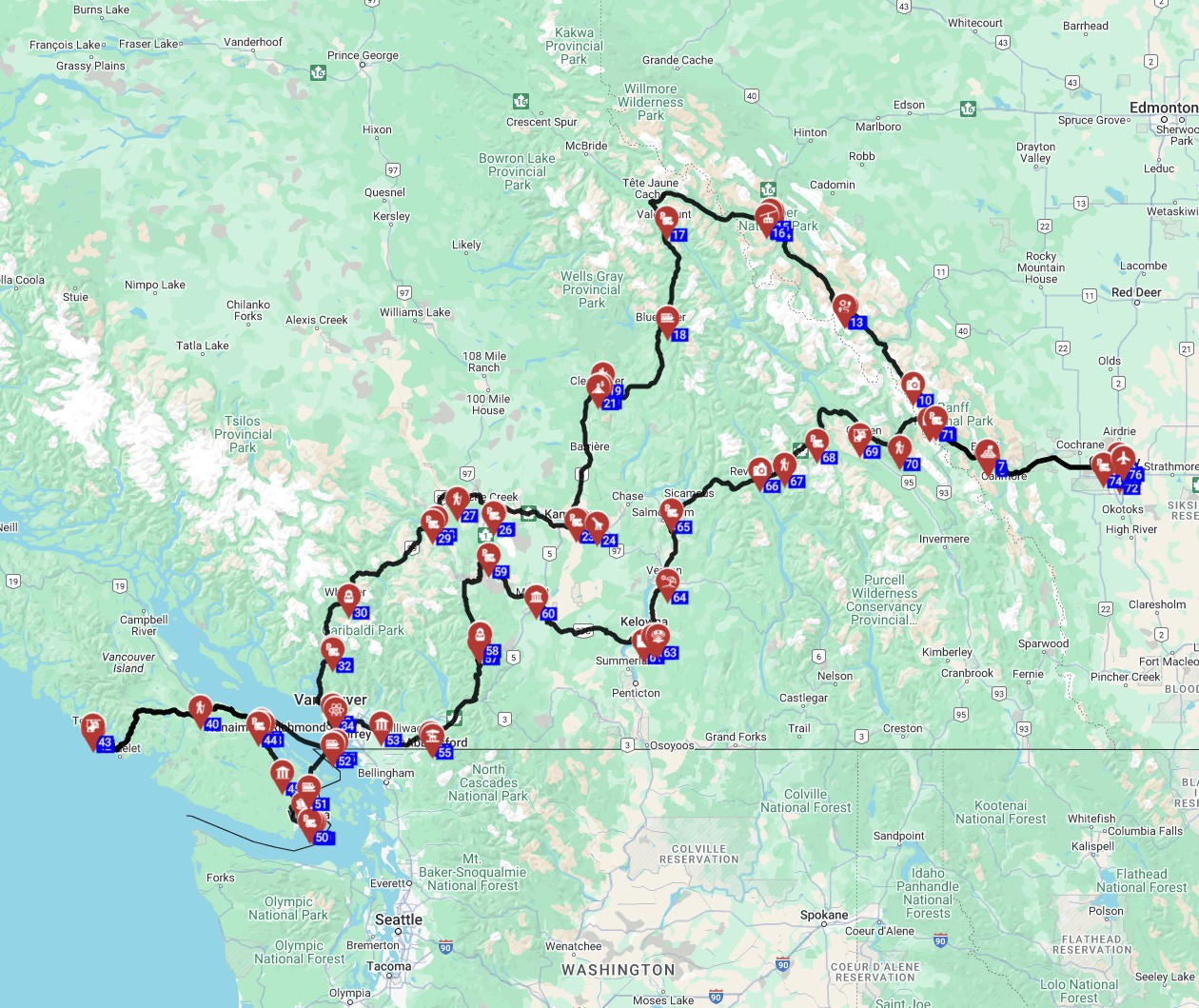
- Drive the Icefields Parkway: This 232 km scenic highway connects Banff and Jasper National Parks, offering glacier views, turquoise lakes like Lake Louise and Peyto Lake, and abundant wildlife spotting opportunities.
- Explore Banff National Park: Canada's first national park, home to iconic destinations like Moraine Lake, Johnston Canyon, and the Banff Hot Springs. Allow several days to truly soak in the beauty.
- Visit Jasper National Park: The largest national park in the Canadian Rockies, famous for Maligne Lake, Maligne Canyon, Athabasca Falls, and its status as a Dark Sky Preserve.
- Hike in Yoho National Park: Often overlooked, this park features Takakkaw Falls (one of Canada's highest waterfalls), Emerald Lake, and the fascinating Natural Bridge.
- Discover Vancouver Island: Take a ferry to explore the wild Pacific Rim National Park Reserve near Tofino, the vibrant city of Victoria, and diverse coastal landscapes.
- Experience Okanagan Valley: Venture into British Columbia's wine country, known for its warm climate, beautiful lakes (like Okanagan Lake), orchards, and world-class wineries.
Looking for expert insights from Avi Bandana? Top 5 Adventures - recommendations from Avi Bandana.
Final Thoughts
A weekly RV rental in West Canada truly unlocks a world of breathtaking natural beauty and unforgettable experiences. With a rented motorhome or campervan, you're not just booking transportation and accommodation; you're securing a mobile headquarters for adventure, capable of taking you from the vibrant cityscapes of Vancouver to the serene wilderness of Jasper National Park. Remember, planning is key, but so is embracing the spontaneous moments that make RV travel so special.
At Bandana RV, we're with you every step of the way, handling the details so you can live the journey. From helping you compare a wide range of vehicles, like a compact 'Combi Van' to a spacious 'Paradise Family 5' motorhome, to offering our top-level deductible reimbursement option, we aim for full transparency and peace of mind. So, pack your bags, prepare for incredible vistas, and get ready to discover the magic of West Canada on your terms. Life is now!
🎬 Video coming soon