In This Guide
- Top 5 Tips for weekly rv rental RV Rental in Switzerland
- Before You Book - Class, Dates, Insurance
- Pre-Trip Prep - Packing Checklist for Switzerland
- On the Road - Driving, Fueling, Navigation
- At the Campground - Setup, Hookups and Etiquette
- weekly rv rental-Specific Tips for Switzerland
- Common Mistakes to Avoid in Switzerland
- Is Wild Camping Allowed in Switzerland
- What RV Size is Best for Swiss Roads
- Can You RV in Switzerland During Winter
- How to Practice Sustainable RV Travel in Switzerland
- What is a Realistic Itinerary for a Weekly RV Trip in Switzerland
- What Emergency Gear Do I Need for RVing in Swiss Mountains
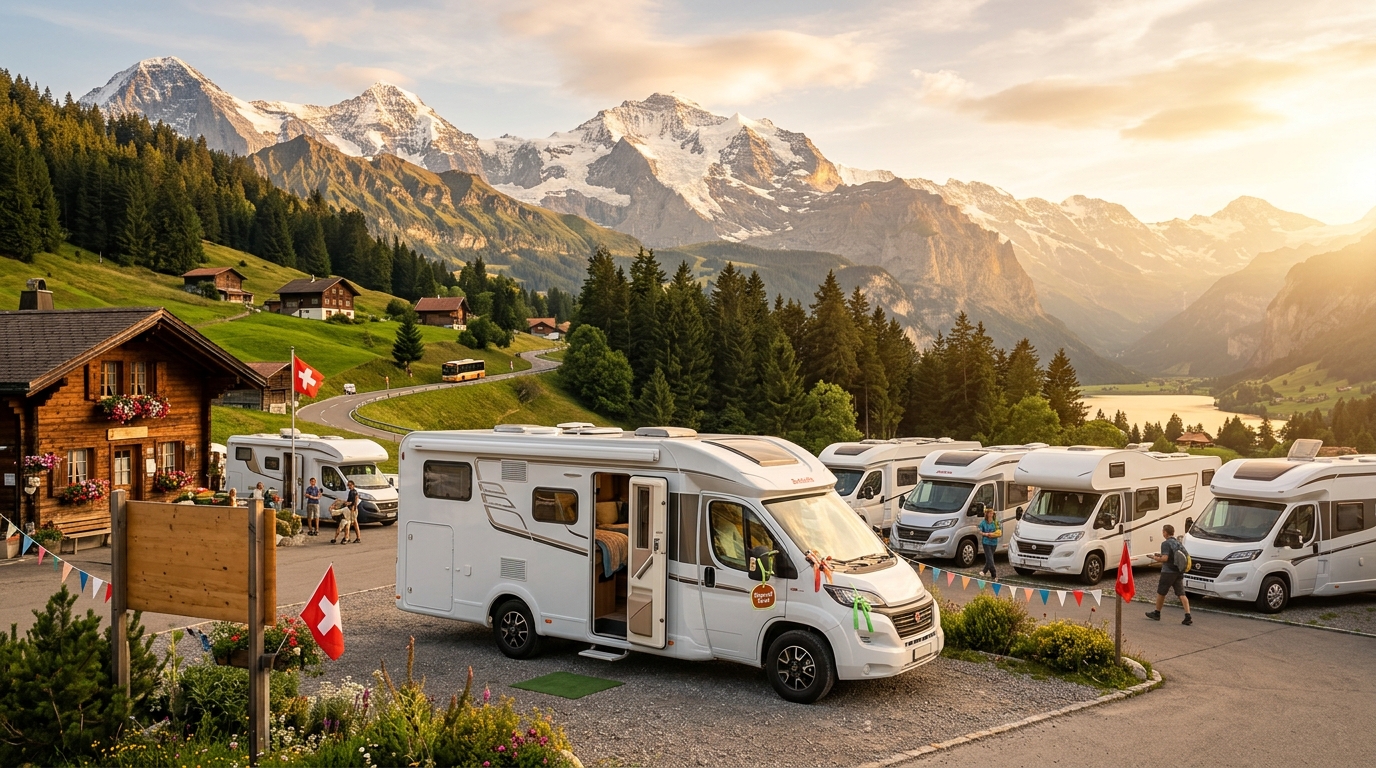
Imagine waking up to the crisp alpine air, the sound of cowbells echoing through lush valleys, and panoramic views of snow-capped peaks right outside your window. This dream becomes a breathtaking reality with a weekly RV rental in Switzerland. Known for its pristine landscapes, charming villages, and efficient infrastructure, Switzerland is an unparalleled destination for a motorhome adventure. From the moment you start planning to the last day of your journey, Bandana RV is with you, offering transparent pricing, expert advice, and the perfect campervan or motorhome for your trip.
For live availability and current prices, start with our RV Rental Switzerland - Complete Guide 2026 guide. We’re true RV specialists, with over 20 years (founded in 2001) of helping tens of thousands of travelers explore the world by RV, and we know Switzerland like the back of our hand.
Top 5 Tips for weekly rv rental RV Rental in Switzerland
Ensuring a smooth RV trip in Switzerland involves careful planning and understanding local regulations. The first tip for a successful weekly RV rental in Switzerland is to book your motorhome well in advance, especially for the popular summer peak season (June-August) in 2026, as availability decreases and prices increase closer to travel dates. Secondly, selecting an RV size appropriate for Switzerland's often narrow and winding mountain roads is crucial for comfortable navigation and accessing smaller villages.
Thirdly, familiarize yourself with Swiss road rules, including strict speed limits (e.g., 80 km/h on rural roads, 120 km/h on motorways) and the mandatory motorway vignette, which costs CHF 40 (approx. $45 USD) for all vehicles under 3.5 tons. Our experience, built on direct partnerships with 50+ leading RV suppliers worldwide including El Monte and Apollo, ensures you get the most accurate and up-to-date information for your journey.
Fourth, plan and book your campsites ahead of time, particularly in high-demand areas like the Bernese Oberland or Ticino, as popular campgrounds can fill up quickly. Finally, practice sustainable travel by minimizing waste, conserving water and electricity, and always disposing of grey and black water at designated dump stations, respecting Switzerland's pristine environment. On the routes offered through RV PLANET routes, you can itemize and track every expense along the way for easy budgeting.
Before You Book - Class, Dates, Insurance
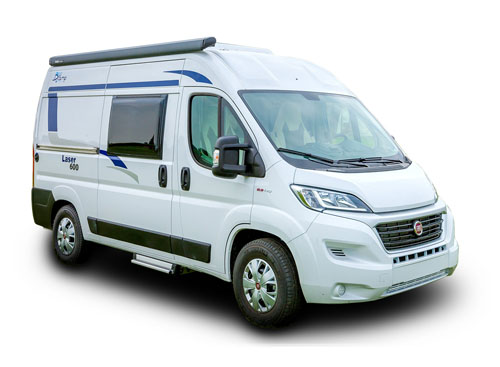
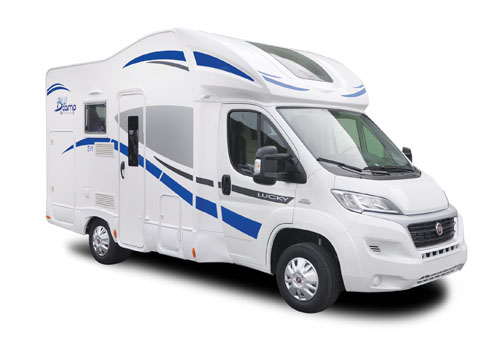
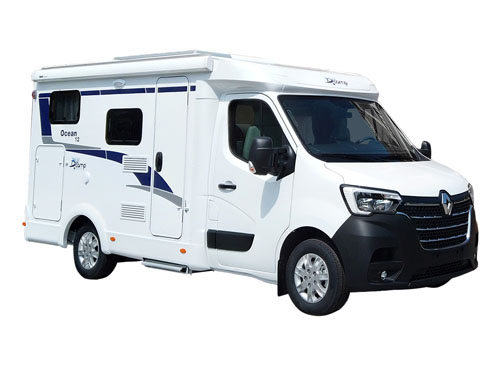
Choosing an RV class for your weekly RV rental in Switzerland involves balancing comfort with essential maneuverability on the country's diverse roads. Smaller campervans, typically 5-6 meters in length like a `Luxury RV Rentals Example Carthago Malibu 600`, or semi-integrated motorhomes, around 6-7 meters, are often ideal for navigating picturesque mountain passes and charming historic village centers. For a larger family, Class C motorhomes, like a `Camping car example Dynamic 25`, offer more space and amenities but might require more careful driving.
Locking in your rental dates 3-6 months in advance is highly advisable for securing better prices and ensuring availability, especially if you plan to travel during the popular summer months or the festive shoulder seasons in 2026. Prices for a `RV Rental in Switzerland - Prices and Best Deals 2026` are dynamic, similar to flight tickets, changing daily based on availability, seasonality, and supplier marketing decisions. Early booking also gives you access to a wider selection of vehicles. You can compare various options for `Luxury RV Rental in Switzerland - Premium Prices 2026` or explore our `Cheap RV Rental in Switzerland - Budget Guide 2026` to find the perfect fit for your budget and needs.
Basic insurance is always included with your rental. For enhanced peace of mind, you can upgrade to a top-level deductible for extra protection. When you search on Bandana RV, you can select options to see prices including the most comprehensive coverage, ensuring full transparency with no hidden fees or surprises.
Pre-Trip Prep - Packing Checklist for Switzerland
Packing versatile layers is essential for a weekly RV rental in Switzerland due to its varied climate and unpredictable mountain weather, ensuring comfort from sunny valleys to cooler high-altitude locations. Be prepared for rapid changes in temperature, even in summer. This includes thermal base layers, a warm fleece, and a waterproof/windproof outer shell for hiking or exploring. Comfortable walking shoes or hiking boots are a must for enjoying Switzerland's numerous trails. For evenings or relaxing, bring along light casual wear. If you plan to visit lakes or thermal spas, a swimsuit is recommended.
Clothing:
- Layers (thermal base, fleece, waterproof/windproof outer shell)
- Comfortable walking shoes/hiking boots
- Swimsuit (for lakes/spas)
- Hat, gloves, sunglasses
Bringing reusable kitchen items and basic cooking supplies significantly enhances your RV experience and reduces waste, aligning with sustainable travel practices. Your rented motorhome often includes a basic kitchen setup, but personal touches like favorite spices, coffee, or reusable water bottles make it feel more like home. Consider simple, hearty meals like pasta or sandwiches to make in your RV kitchen, and find inspiration with our RV-friendly recipes playlist.
Kitchen:
- Reusable water bottles
- Reusable shopping bags
- Basic cooking spices, oil
- Coffee/tea supplies
Carrying essential safety gear, including a first-aid kit, reflective vest, and warning triangle, is not only practical but also legally required in Switzerland. Make sure these items are easily accessible in your rented campervan. Additionally, ensure all necessary documents such as your valid driver's license (an International Driving Permit is recommended for non-EU drivers), passport/ID, and your RV rental agreement are kept secure and readily available. If you pre-purchased a motorway vignette, keep the proof of purchase handy.
Safety:
- First-aid kit
- Headlamp or flashlight
- Reflective vest and warning triangle (required by law)
- Multi-tool
Documents:
- Valid driver's license (International Driving Permit recommended)
- Passport/ID
- RV rental agreement
- Travel insurance details
- Vignette (if pre-purchased)
For tips tailored to your specific trip, talk to rent-motorhome.
On the Road - Driving, Fueling, Navigation
Driving a rented motorhome in Switzerland requires strict adherence to local speed limits, which are typically 50 km/h in urban areas, 80 km/h on rural roads, and 120 km/h on motorways, along with constant awareness of road signs, especially on narrow mountain routes. Drive slowly and carefully, and you can drive almost anywhere without issues. No need to stress - just use common sense and pay attention. Pay particular attention to signs indicating vehicle dimension restrictions (height, width, weight) on certain mountain passes, tunnels, and through historic village centers.
A motorway vignette is mandatory for using Swiss motorways, costing CHF 40 for vehicles up to 3.5 tons, and must be purchased and displayed immediately upon entering Switzerland at border crossings, post offices, or gas stations. For RVs over 3.5 tons, a heavy vehicle fee (LSVA) applies, which can be paid daily, monthly, or annually. Fueling is straightforward with widely available diesel and petrol (gasoline); ensure your credit card is compatible with European automated pumps, and keep in mind that fuel prices in Switzerland can be higher than in neighboring countries.
Utilizing an RV-specific GPS for navigation is highly recommended to account for your vehicle's dimensions and weight, helping you avoid unsuitable roads, low bridges, or tight turns. While Google Maps is helpful, a dedicated RV navigation system provides a layer of safety and convenience, especially when navigating to campsites or through less-traveled areas. Before you set off, download offline maps for areas with potentially spotty mobile connectivity in the mountains. For finding campsites and campgrounds during your trip, we recommend using RV PLANET (rvplan.net) - a great resource for locating available spots along your route.
At the Campground - Setup, Hookups and Etiquette
Upon arrival at a Swiss campground, always level your rented RV first using ramps or blocks to ensure proper functioning of internal systems like the refrigerator and comfortable sleeping. After positioning your motorhome, connect your utilities in a specific order: first, hook up your electricity using the appropriate CEE plug adapter (blue, 3-pin connector), then connect your fresh water hose, and finally, manage your wastewater. Ensure you have the correct adapters for electrical hookups (often 2-pin European standard combined with a CEE adapter) and food-grade hoses for water, as most Swiss campgrounds provide standard connections.
Observing quiet hours, typically from 10 PM to 7 AM, is a fundamental aspect of campground etiquette in Switzerland and is strictly enforced to ensure a peaceful environment for all campers. Maintain a clean and tidy pitch throughout your stay, using your RV's facilities responsibly and disposing of all waste properly in designated recycling and waste bins provided by the campground. Switzerland has excellent recycling systems, so take advantage of them. This respectful approach helps preserve the natural beauty of the surroundings and ensures a pleasant experience for everyone.
Many campgrounds offer amenities like laundry facilities, children's playgrounds, and sometimes even restaurants or small shops, making your stay even more comfortable. Always check with the campground reception for local rules regarding barbecues, pet policies, and any specific recycling instructions. For pre-planned itineraries and campsite locations, consider exploring the detailed route plans on RV PLANET (rvplan.net), which can streamline your booking process.
weekly rv rental-Specific Tips for Switzerland
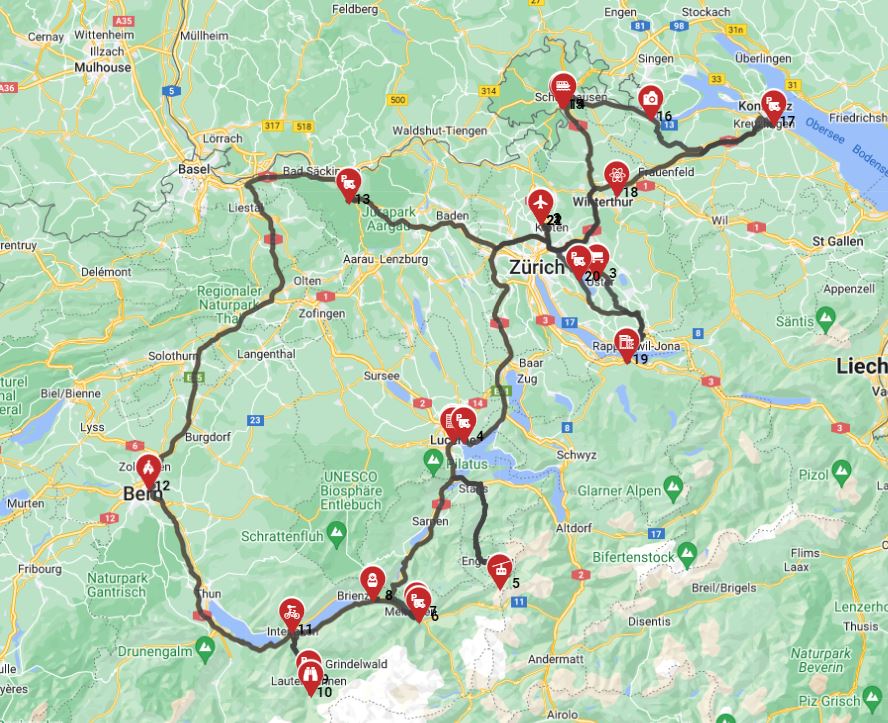
For families with children embarking on a weekly RV rental in Switzerland, planning shorter driving days (ideally max 100-150 km per day on average) and prioritizing campgrounds near family-friendly attractions is key to keeping kids entertained and minimizing travel fatigue. Look for campgrounds with playgrounds, swimming pools, or proximity to lakes for swimming, and scenic cable car rides that offer easy access to mountaintop adventures. For instance, the "
Senior travelers might prefer rented RV classes with ergonomic features, such as lower entry steps and spacious interiors, and easy accessibility, along with shorter travel distances between comfortable campsites. Focusing on picturesque regions like Lake Geneva or the Interlaken area, which offer gentle walking paths and cultural attractions, allows for a relaxed and enjoyable pace. We pride ourselves on being true RV specialists, not just a travel agency side department, ensuring we can match you with the perfect motorhome for your specific needs.
Budget-conscious travelers can significantly save on their weekly RV trip in Switzerland by cooking most meals in their RV and utilizing Stellplätze (designated overnight parking spots), some of which are free or have minimal fees, rather than always staying at full-service campgrounds. Remember to budget for fuel, tolls, and groceries, and for easy tracking of all these expenses, RV PLANET routes allow you to itemize and track every expense along the way for easy budgeting. Exploring less-touristy cantons or traveling during the shoulder seasons can also reduce costs. Bandana offers `RV Rental Deals in Switzerland - Latest Offers 2026` to help stretch your budget further.
Luxury seekers, on the other hand, can opt for high-end integrated motorhomes (Class A) with premium amenities, expansive living spaces, and consider add-ons like e-bikes for enhanced exploration of Switzerland's stunning landscapes. Imagine a motorhome like the `rent rv example E3` or a `Luxury Small` that offers a refrigerator of 100 liters, an enclosed chemical toilet, and a comfortable double bed, providing the ultimate in mobile comfort. We handle the details, you live the journey - personal service from day one until your booking is confirmed.
Common Mistakes to Avoid in Switzerland
A common mistake for RV renters in Switzerland is neglecting to purchase the mandatory motorway vignette immediately upon entering the country, which can result in significant fines. Instead of risking a penalty, purchase the CHF 40 vignette (for vehicles under 3.5 tons) at the border or a service station right after crossing into Switzerland.
Another frequent oversight is failing to plan routes with your rented RV's dimensions in mind. Instead of attempting all routes, carefully check for height, weight, and width restrictions on certain mountain passes, tunnels, and roads through historic villages. A Class A motorhome might struggle where a campervan like the `V2L` (5.99 meters long, 2.05 meters wide) would easily pass. Drive slowly and carefully, and you can drive almost anywhere without issues. No need to stress - just use common sense and pay attention.
Many first-time renters also arrive at popular destinations without a campsite reservation. Instead of facing full campgrounds, book your campsites in advance, especially during peak seasons from June to September. While many national/state parks reserve only 25-30% of spots, the rest are first-come, first-serve; however, in a popular destination like Switzerland, calling ahead before driving is always wise. You'll find a spot; if not at the first campground, then the next one. Planning your trip with RV PLANET (rvplan.net) can help you secure reservations for an entire `Weekly RV Rental in Switzerland - Pricing 2026` itinerary.
Furthermore, travelers often pack only for summer, underestimating Switzerland's rapidly changing mountain weather. Instead of being caught unprepared, bring versatile layers and waterproof gear year-round, as even summer days can turn cool or rainy at higher altitudes.
Finally, improper disposal of grey and black water is a critical mistake to avoid. Instead of disposing of wastewater improperly, always use designated dump stations available at campgrounds or service areas to protect Switzerland's pristine environment and avoid fines. God is in the small details, and we take care of them. That's what makes the big difference.
Is Wild Camping Allowed in Switzerland
Wild camping in Switzerland is generally prohibited in most areas, particularly in national parks, nature reserves, and agricultural zones, with specific legality often varying by canton and municipality. Federal laws explicitly restrict wild camping and overnight parking in protected areas and sensitive ecological zones. While some mountain regions might tolerate a single overnight stay (bivouac) above the tree line by backpackers, this typically does not apply to motorhomes or campervans, and local cantonal rules can be much stricter.
Local municipalities hold the power to enforce additional restrictions, making it a legal grey area where what might be tolerated in one village could result in a fine in another. The concept of "sleeping in your vehicle" to restore driving fitness is often tolerated at designated rest stops, provided you do not set up camp outside the vehicle (e.g., no awnings, chairs, or cooking outdoors). However, it's always best to err on the side of caution.
Legal and convenient alternatives to wild camping in Switzerland include official campgrounds, which are plentiful and well-maintained. Another excellent option is to use designated "Stellplätze" (overnight parking spots), some of which are free or require a small fee. Additionally, some private landowners, such as farms or vineyards, may grant permission for an overnight stay, offering a unique local experience. Always seek explicit permission or use official facilities to ensure a legal and responsible RV trip in Switzerland.
What RV Size is Best for Swiss Roads
For navigating Switzerland's often narrow and winding mountain roads and quaint village streets, a compact to medium-sized RV rental, such as a campervan (typically 5-6 meters long) or a smaller semi-integrated motorhome (generally 6-7 meters in length), is most suitable. These smaller vehicles, often categorized as "RV size - Small" or "RV size - Medium," offer greater maneuverability, easier parking in towns, and improved fuel efficiency, allowing access to a wider range of scenic routes and alpine passes without stress.
Larger RVs, such as Class C motorhomes with an overall length exceeding 7 meters, or Class A integrated motorhomes, can face significant challenges on specific mountain passes, such as the Furka Pass or Susten Pass, and through the often narrow streets of historic village centers, where vehicle dimension restrictions are frequently signposted. For example, a `Cruise America RV Rental Example Explorer` is 7.1 meters long, while a `RV Rentals Utah Example Sunrise Escape` is 7.6 meters long. While larger RVs can be comfortable, they limit access to some of Switzerland's most charming and remote locations.
We always recommend choosing an RV size that matches your comfort level for driving in varied terrain, remembering that Swiss roads, while well-maintained, can be steep and curvy. A `RV rental Denver example Category Van` or a `Patagonia Camper 4x4 double cab` (both "RV size - Small") would provide excellent agility. Driving a rented motorhome that is easier to handle will allow you to focus more on the stunning scenery and less on navigation challenges. Bandana RV specializes in RV rentals, ensuring we can provide expert guidance on vehicle selection tailored to Swiss driving conditions.
Can You RV in Switzerland During Winter
RVing in Switzerland during winter, roughly from November to April, is entirely possible and offers unique experiences of snow-covered landscapes and festive markets, but it requires specialized preparation, equipment, and a keen awareness of road closures and rapidly changing weather conditions. Many higher mountain passes close in winter, necessitating longer detours through tunnels or alternative routes. It is legally required to have winter tires on your rented motorhome during winter months, and carrying snow chains is often mandatory for higher elevations, so ensure your rental supplier provides these or rent them as an add-on.
The benefits of a winter RV trip in Switzerland include significantly fewer crowds at popular attractions and a chance to experience stunning snowscapes and winter sports, like skiing or snowboarding, right from your doorstep. However, travelers must prepare for colder temperatures, shorter daylight hours, and ensure their RV is well-insulated with adequate heating to remain comfortable. Most modern rental motorhomes and campervans are "Winter Ready" (like the `2 Berth Hi Top` or `2 Berth Rover`) and equipped with efficient heating systems and good insulation.
When planning your itinerary, be flexible and monitor weather forecasts and road conditions closely through official Swiss sources. Many campsites remain open year-round and offer heated facilities and electrical hookups. Renting a motorhome during this season offers a cozy and intimate way to explore Switzerland's festive spirit. For specific information on one-way options, check out our "One-Way RV Rental in Switzerland - Price Guide 2026" to plan unique winter routes.
How to Practice Sustainable RV Travel in Switzerland
Practicing sustainable RV travel in Switzerland involves a conscious effort to minimize waste, conserve precious resources like water and electricity, respect local ecosystems, and utilize eco-friendly campsites and waste disposal facilities. Switzerland is renowned for its environmental consciousness, and as an RV traveler, you have a role in upholding these standards. To minimize your environmental impact, always use reusable items such as water bottles, coffee cups, and shopping bags, and sort your waste diligently, leveraging Switzerland's excellent and widespread recycling infrastructure. Proper disposal of grey and black water should always occur at designated dump stations found at most campgrounds and service areas.
Conserving water and electricity within your rented motorhome is also vital. Take shorter showers, turn off lights and appliances when not in use, and be mindful of your water tank levels. Many campgrounds offer eco-friendly practices, such as solar-powered facilities or water-saving measures, so choosing these can further reduce your footprint.
Further reduce your environmental footprint by planning efficient routes (like those offered through RV PLANET), avoiding unnecessary idling of your engine, and considering public transport or e-bikes for local excursions when your RV is parked. Traveling slowly, max 100-150 km per day on average, allows you to take time to feel the place, connect to the culture, the food, and the scenery, and reduce your fuel consumption. Bandana RV is committed to making RV travel accessible and joyful for everyone, including helping you travel responsibly.
What is a Realistic Itinerary for a Weekly RV Trip in Switzerland
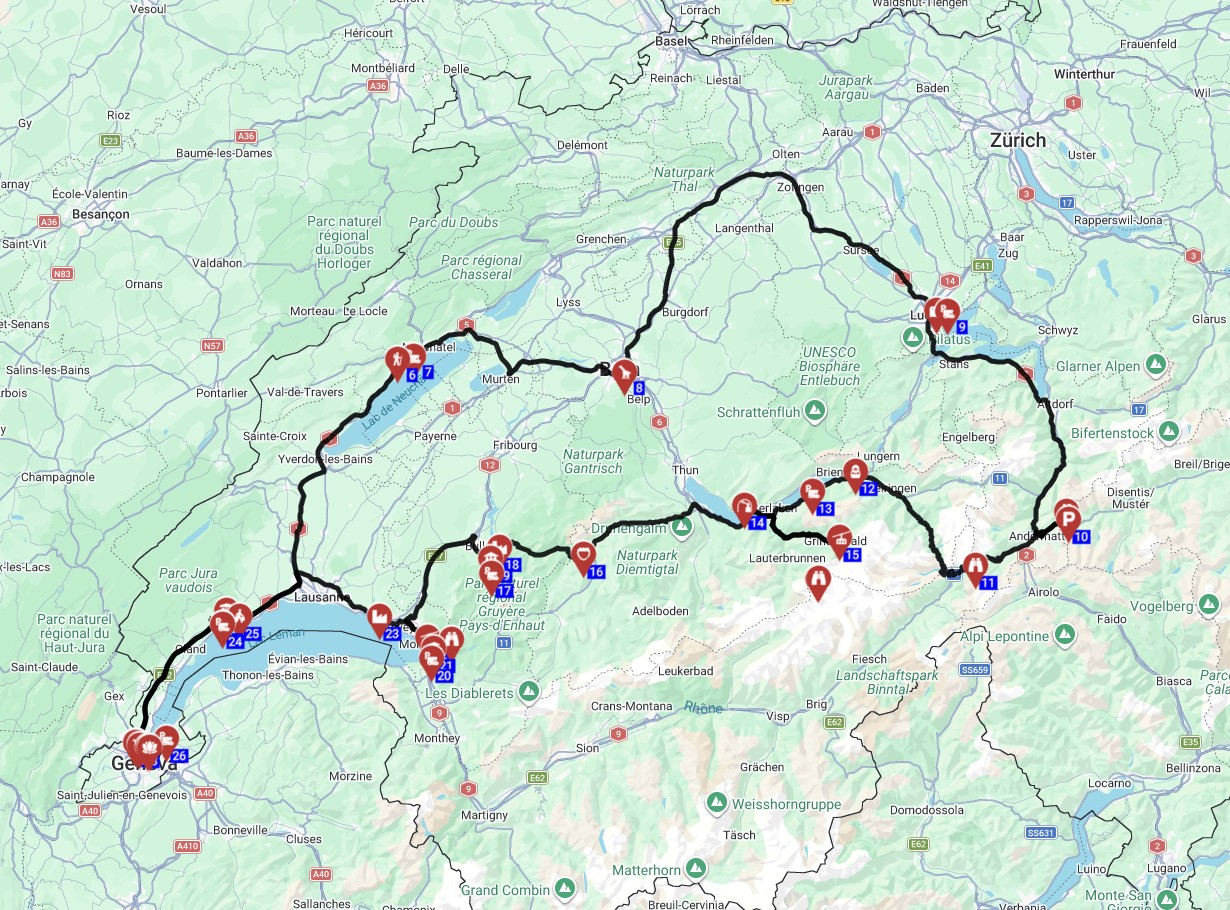
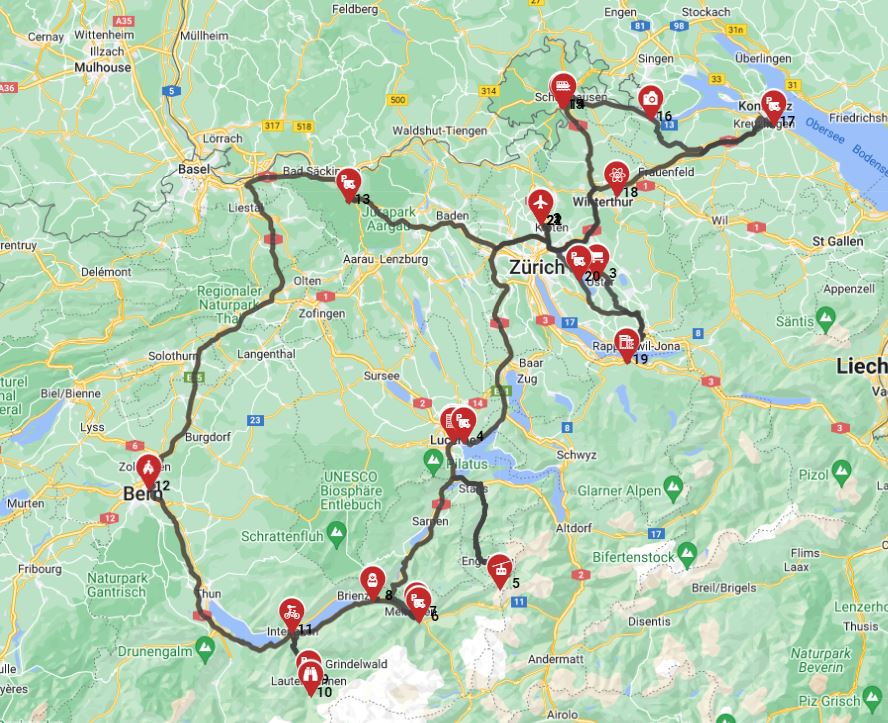
A realistic itinerary for a weekly RV trip in Switzerland typically involves focusing on 2-3 distinct regions to allow for relaxed exploration, manageable driving times (averaging 2-4 hours or 100-150 km per travel day), and ample time for local experiences rather than rushing through numerous destinations. Instead of attempting to see the entire country in seven days, concentrate on a regional focus, such as the stunning Bernese Oberland, the charming Lake Geneva area, or the Italian-speaking Ticino region. This approach helps you avoid excessive driving and truly immerse yourself in each area.
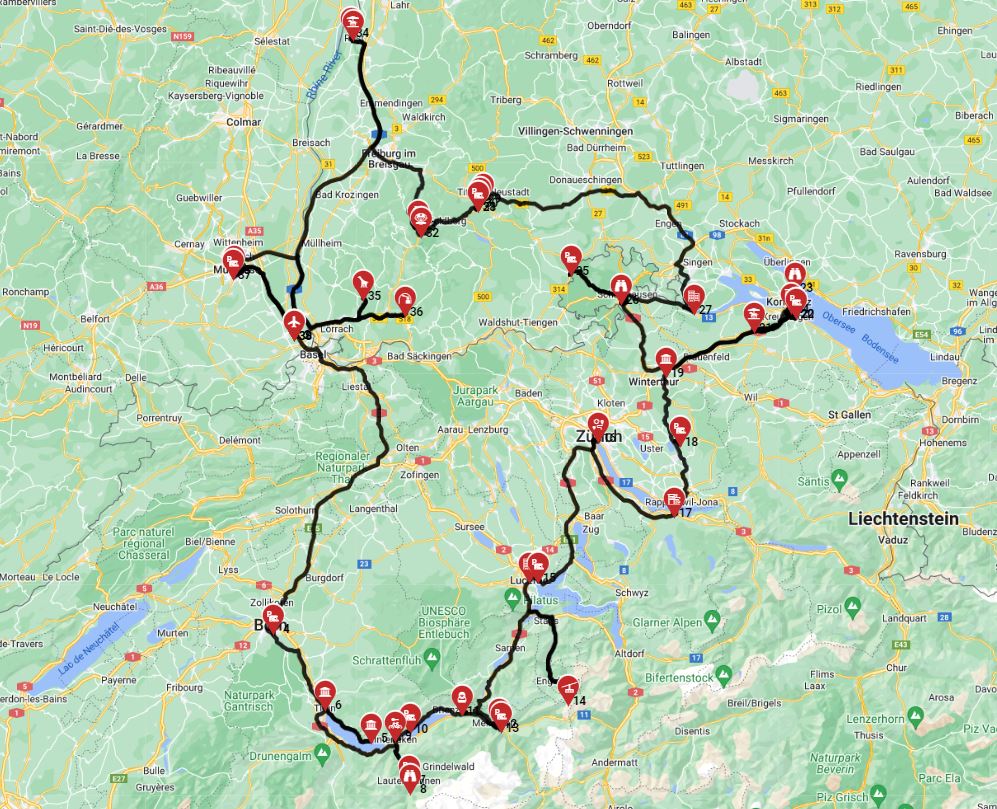
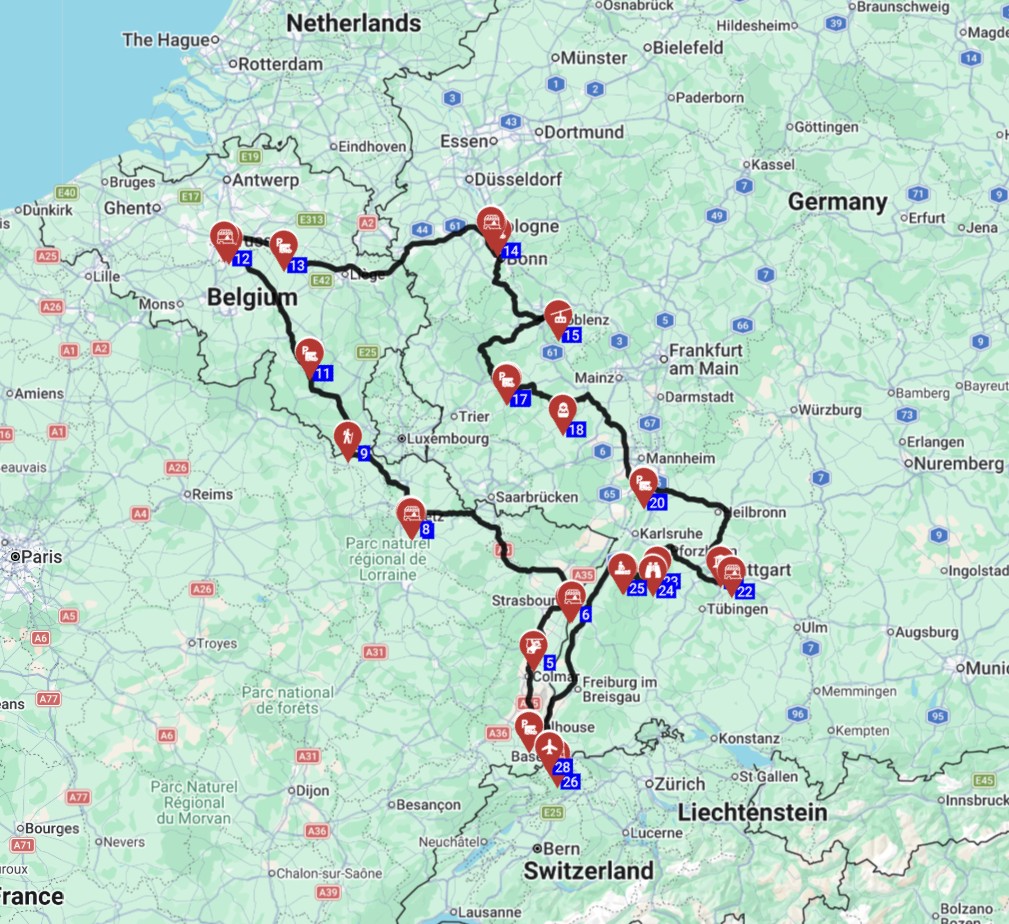
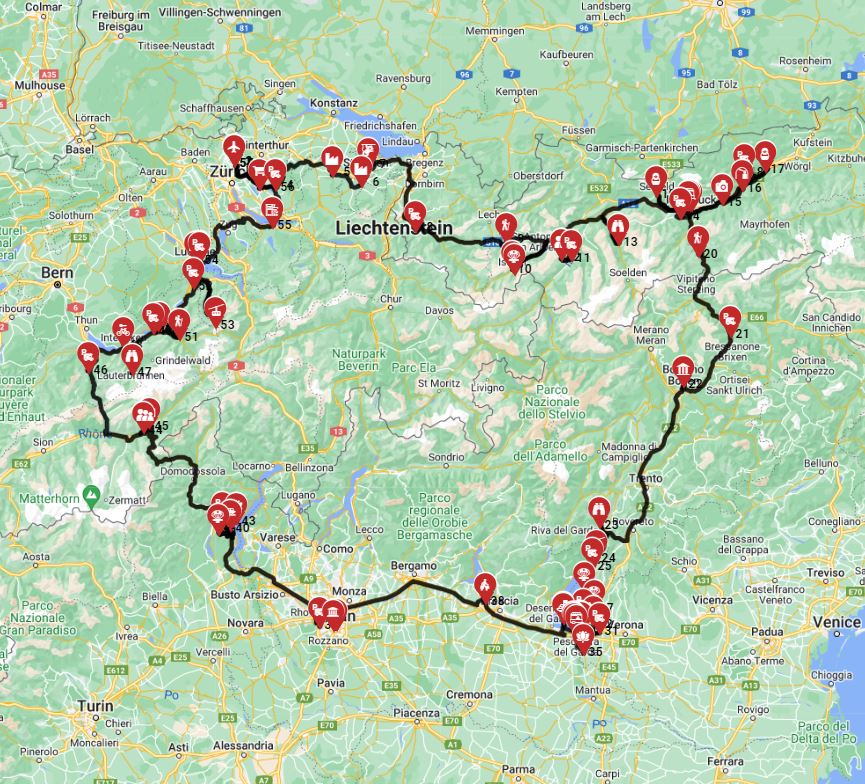
For example, a route like "Nice Roundtrip - French Riviera toward North Italy, Switzerland, and the French Alps" (15 days, 1742.8 km) might be too ambitious for just a week in Switzerland alone, but it shows the potential for regional exploration. A more tailored weekly trip could involve picking up your rented motorhome in Geneva, spending 3-4 days exploring Lake Geneva, visiting places like Montreux and Lausanne, and then driving into the Valais canton to experience the Aletsch Glacier for another 3-4 days before returning your vehicle. This allows for hikes, local food experiences, and a deeper connection to the alpine culture.
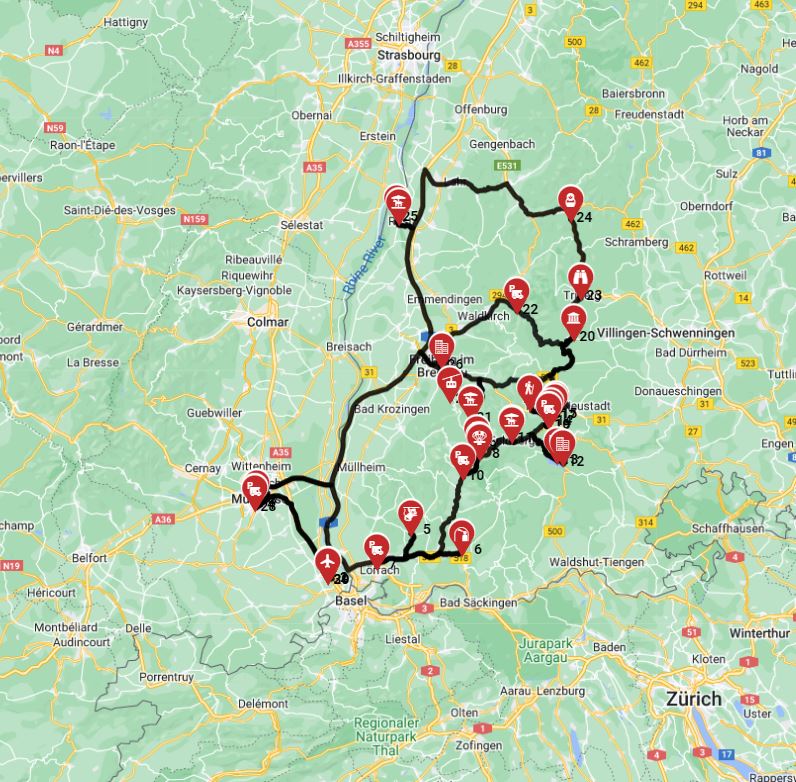
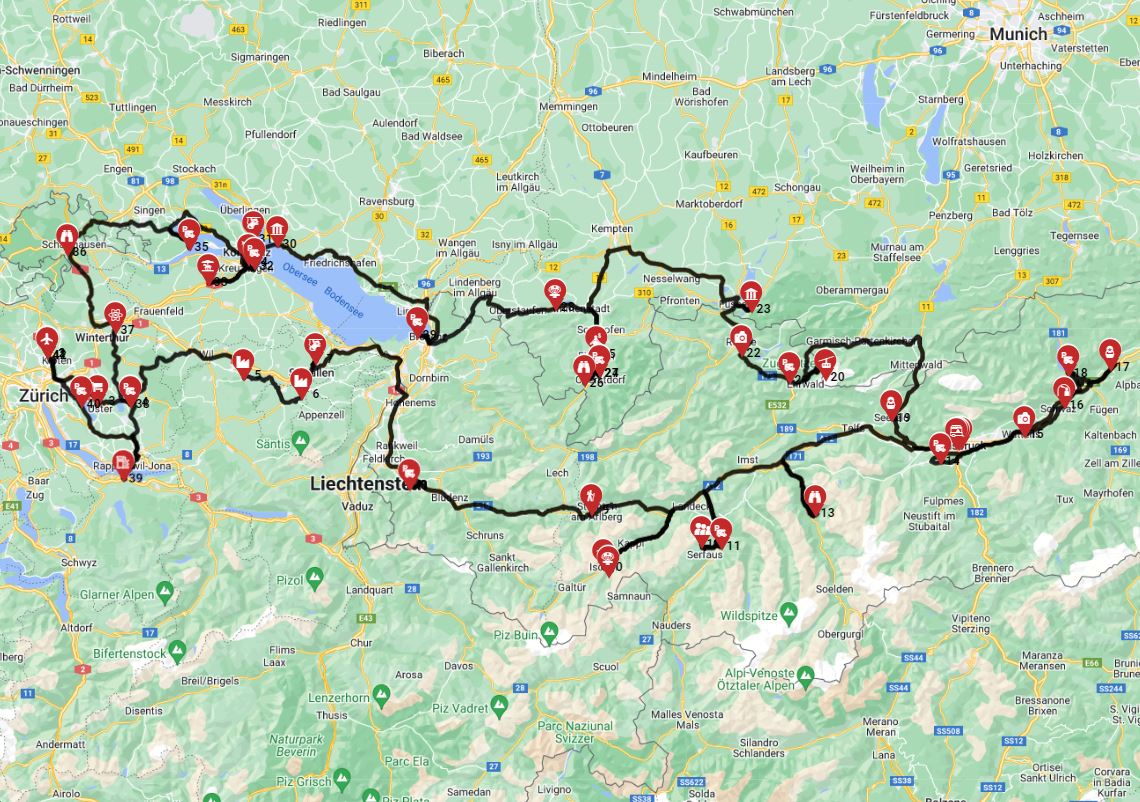
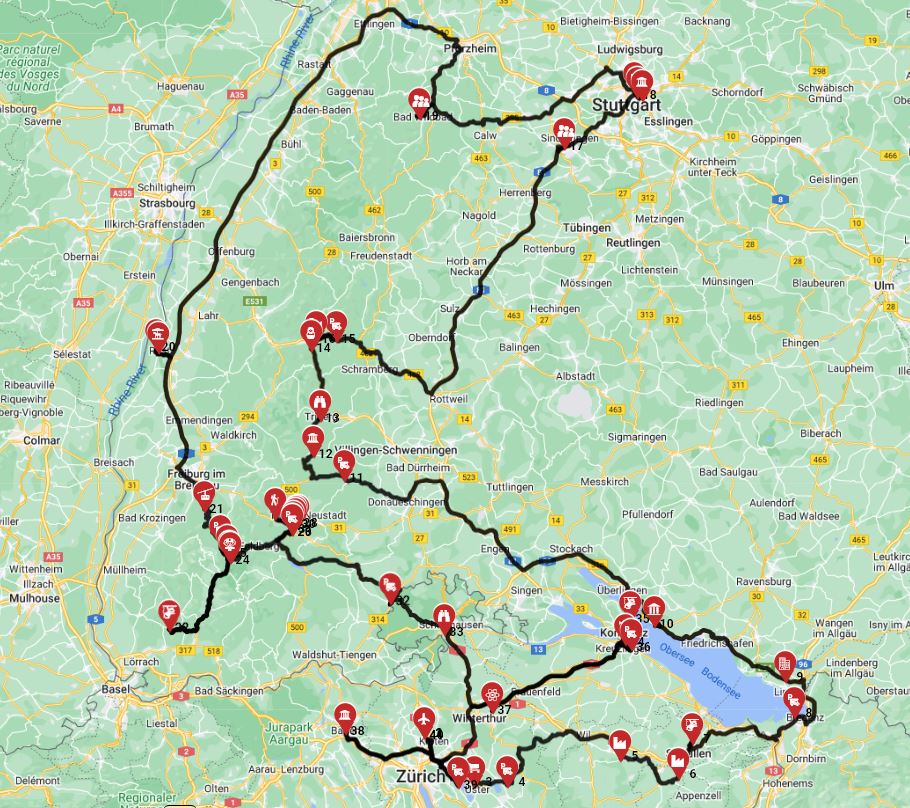
Integrate "micro-adventures" into your weekly itinerary, such as short hikes to mountain refuges, exploring lesser-known villages like Appenzell or Gruyères, or enjoying local culinary experiences like a cheese fondue. This kind of slow travel provides a richer experience without the pressure of constant movement. Our "RV Rental Europe - Complete Guide 2026" offers a broader perspective on European RV travel if you plan to extend your journey beyond Switzerland. Remember, with a 25% planning discount for using rvplan.net, you can easily access professionally crafted route plans, like the "Basel Roundtrip - Switzerland & Black Forest" which includes 16 days and 1233.4 km of travel with 14 points of interest, simplifying your trip preparation.
What Emergency Gear Do I Need for RVing in Swiss Mountains
Essential emergency gear for RVing in Swiss mountains includes a well-stocked first-aid kit for common injuries, the legally required reflective vests and warning triangles for roadside breakdowns, and a reliable GPS system with offline maps for navigation in areas with poor signal. Beyond these basics, consider a robust multi-tool for minor repairs, headlamps or flashlights for visibility in low light, and jumper cables for unexpected battery issues. In winter months, snow chains are often mandatory for higher mountain passes, so ensure your rented motorhome is equipped with them or rent them as an add-on.
Familiarize yourself with your RV's emergency heating and ensure your fuel and propane tanks are full, especially when traveling in cold weather or remote areas. Having a backup navigation plan, such as physical maps or a co-pilot with a smartphone GPS, is crucial alongside your primary RV-specific GPS, which can account for vehicle dimensions and avoid unsuitable roads. A strong cell signal booster or a satellite communication device can also provide a vital safety net in areas with limited mobile reception.
Always carry extra water and some non-perishable food supplies, especially if venturing into more remote alpine regions where services might be sparse. Knowing the emergency numbers (112 for general European emergency, 117 for police, 144 for ambulance, 1414 for helicopter rescue in Switzerland) is paramount. Being prepared ensures that any unexpected challenge becomes a manageable part of your adventure. We offer 24/7 support through real people behind you before, during and after your booking, to give you complete peace of mind.
🎬 Video coming soon
What You Shouldn't Miss
- **The Matterhorn in Zermatt:** While Zermatt itself is car-free, park your RV in nearby Täsch and take the scenic train up to witness the iconic Matterhorn, an unforgettable peak.
- **Interlaken's Adventure Hub:** Nestled between two stunning lakes, Interlaken is a paradise for adrenaline junkies and nature lovers alike, offering everything from paragliding to serene boat trips.
- **Jungfraujoch - Top of Europe:** Take a series of trains and cable cars to Europe's highest railway station at 3,454 meters, offering breathtaking views of glaciers and peaks.
- **Lake Geneva's Cultural Delights:** Explore the picturesque towns of Montreux and Lausanne, enjoy lakeside promenades, and visit Chillon Castle, a medieval fortress on the water.
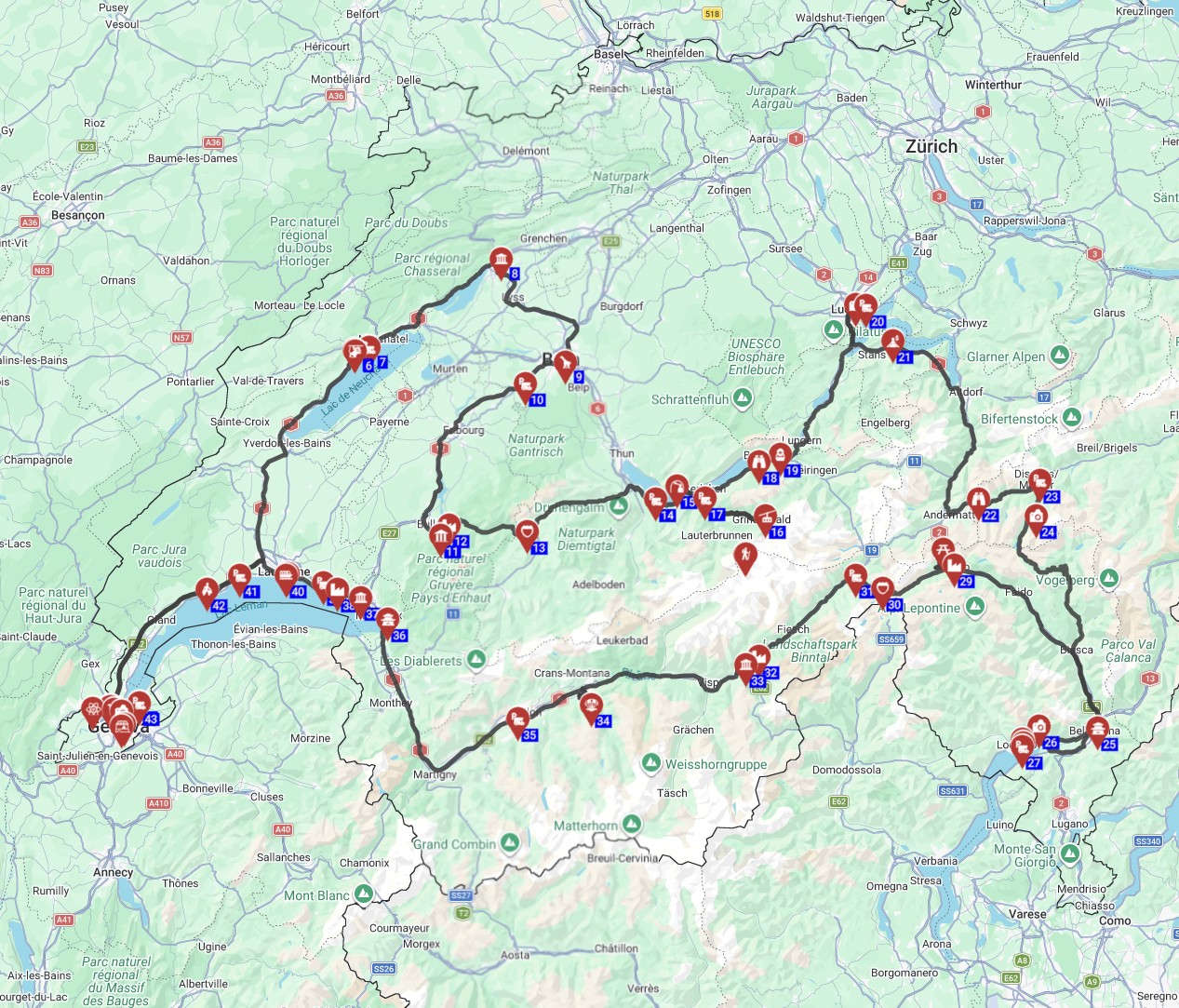
- **The Grand Tour of Switzerland:** If time allows (more than a week), drive portions of this well-signposted route, which strings together 22 lakes, 5 alpine passes, and 12 UNESCO World Heritage sites, showcasing the country’s diverse beauty.
- **Appenzell's Traditional Charm:** Visit the idyllic region of Appenzell, known for its unique culture, traditional farming, vibrant folk art, and rolling green hills.
Final Thoughts
A weekly RV rental in Switzerland offers an incredible opportunity to explore one of Europe's most beautiful countries at your own pace. With its stunning alpine scenery, charming towns, and world-class infrastructure, Switzerland is truly a motorhome traveler's paradise. By following these tips and taking advantage of the transparent booking process and dedicated support from Bandana Caravan, your Swiss adventure is sure to be smooth, memorable, and utterly inspiring.
Whether you dream of waking up to mountain vistas, exploring ancient castles, or simply enjoying the freedom of the open road, a rented campervan or motorhome provides the flexibility to craft your perfect journey. Remember to drive slowly and carefully, immerse yourself in the local culture, and let the breathtaking landscapes of Switzerland captivate your spirit. Get inspired for your next trip and discover top destinations, planning tips, all in one place!
Ready to begin your unforgettable Swiss RV adventure? We compare final prices across 50+ suppliers so you don't have to, making your booking seamless and stress-free. Plan a trip itinerary in advance with minimal effort and maximum enjoyment.