In This Guide
- What Weekly RV Rental Costs in Switzerland (2026)
- Seasonal Pricing - Peak vs. Shoulder vs. Off-Season in Switzerland
- What's Included vs. What's an Add-On
- Hidden Costs to Budget For in Switzerland
- How to Save on Weekly RV Rental in Switzerland
- Can You Wild Camp in Switzerland in an RV?
- Do You Need a Vignette for an RV in Switzerland?
- What is the Swiss Equivalent of an RV?
- Is it Easy to Drive an RV in Switzerland?
- Choosing the Right RV Size for Swiss Roads and Campsites
- How Much Does it Cost to Travel Switzerland by Motorhome?
- Is an RV a Good Way to See Switzerland?
- RV Etiquette and Responsible Travel in Switzerland
- Essential Gear and Preparation for RVing in Switzerland
Imagine waking up to the sound of cowbells echoing through a pristine alpine valley, then enjoying your morning coffee with panoramic views of snow-capped peaks and crystal-clear lakes. This dream is entirely achievable with a rented RV in Switzerland. From the majestic Alps to charming medieval towns, RV travel offers unparalleled freedom and flexibility to explore this stunning country at your own pace. For live availability and current prices, start with our RV Rental Switzerland - Complete Guide 2026 guide.
What Weekly RV Rental Costs in Switzerland (2026)
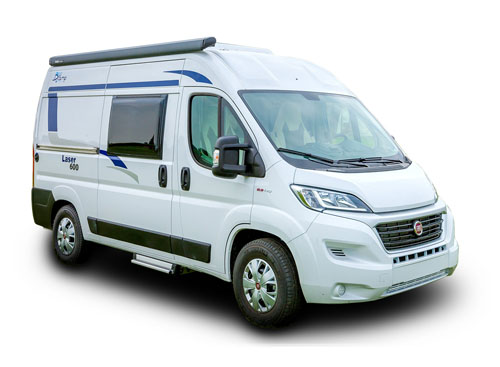
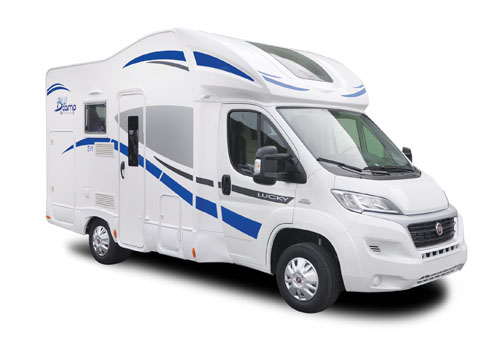
RV rental in Switzerland typically sees April as the most affordable month to secure a weekly rental, often presenting the best value for travelers. The pricing for weekly RV rentals varies significantly based on factors like the vehicle class (Class A, B, or C motorhome, or a campervan), the duration of your trip, and the seasonality of your travel dates, making live rate checks essential for accurate estimates. For instance, a compact campervan like the "Patagonia Camper 4x4 double cab" might average €90-€150 per day in shoulder season, while a spacious 6-berth "Euro Deluxe" Class C motorhome could range from €180-€350+ per day during peak times. Since prices are dynamic and change daily based on availability and supplier marketing decisions, we strongly recommend checking live prices for your specific dates using our comparison platform.
Seasonal Pricing - Peak vs. Shoulder vs. Off-Season in Switzerland
RV rental prices in Switzerland are highly influenced by the season, with peak periods seeing significant increases. Peak season, spanning July and August, consistently shows the highest prices due to optimal weather for alpine activities and coinciding with school holidays across Europe; prices can change significantly day-to-day, so always check specific dates. Shoulder seasons, typically May-June and September-October, offer a superb balance of pleasant weather and more moderate pricing, often with better availability of both vehicles and campsites. The off-season, from November to March (with April generally being a lower-priced month), presents the lowest rental rates, although some higher mountain passes and popular campsites may be closed due to snow. For instance, a Class C motorhome that costs around €250/day in August might be available for €150/day in May, highlighting the savings potential of off-peak travel.
What's Included vs. What's an Add-On
Basic insurance coverage is always included with every RV rental in Switzerland, providing fundamental protection, ensuring you travel with peace of mind. However, the precise list of inclusions and available add-ons can vary significantly by the specific rented RV model and the chosen rental station, so verification per booking is essential. Common add-ons, which can incur additional costs, include enhanced insurance tiers (though you can upgrade to a top-level deductible for extra peace of mind), specific mileage packages, generator usage, kitchen utensil kits, and bedding sets. Many rental platforms like Bandana RV offer a comparison toggle to clearly see if kitchen utensils, tableware, and bedding are included or are optional extras. Our commitment to full transparency means no hidden fees and no surprises at pickup, allowing you to compare final prices across suppliers seamlessly. We are true RV specialists, focused exclusively on RV travel, offering unmatched personal experience and attention to the smallest details. On the routes offered through RV PLANET routes, you can itemize and track every expense along the way for easy budgeting.
🎬 Video coming soon
Hidden Costs to Budget For in Switzerland
Mandatory Swiss motorway vignettes, usually purchased annually for 40 CHF, are required for all vehicles, including RVs up to 3.5 tonnes, using Swiss national motorways and expressways. Campsite fees constitute a significant daily expense, typically ranging from 30 CHF to 70 CHF per night, varying widely based on location, amenities, and the season. Fuel costs, particularly for larger motorhomes like a "MHC28" with its 208-liter fuel tank and 25 L/100 Km consumption, need to be rigorously budgeted, as Swiss fuel prices can be higher than in neighboring countries. Some dump stations may charge a small fee of around 5-10 CHF for greywater and blackwater disposal if you are not staying at a campsite. RV PLANET routes allow travelers to itemize and track every expense along the way for easy budgeting. Rent-motorhome sometimes offers perks like pre-purchasing toll-road usage to avoid surprise charges and fines, provides campground discount cards, or includes fuel discount cards; always inquire about these at pickup.
RV PLANET routesHow to Save on Weekly RV Rental in Switzerland
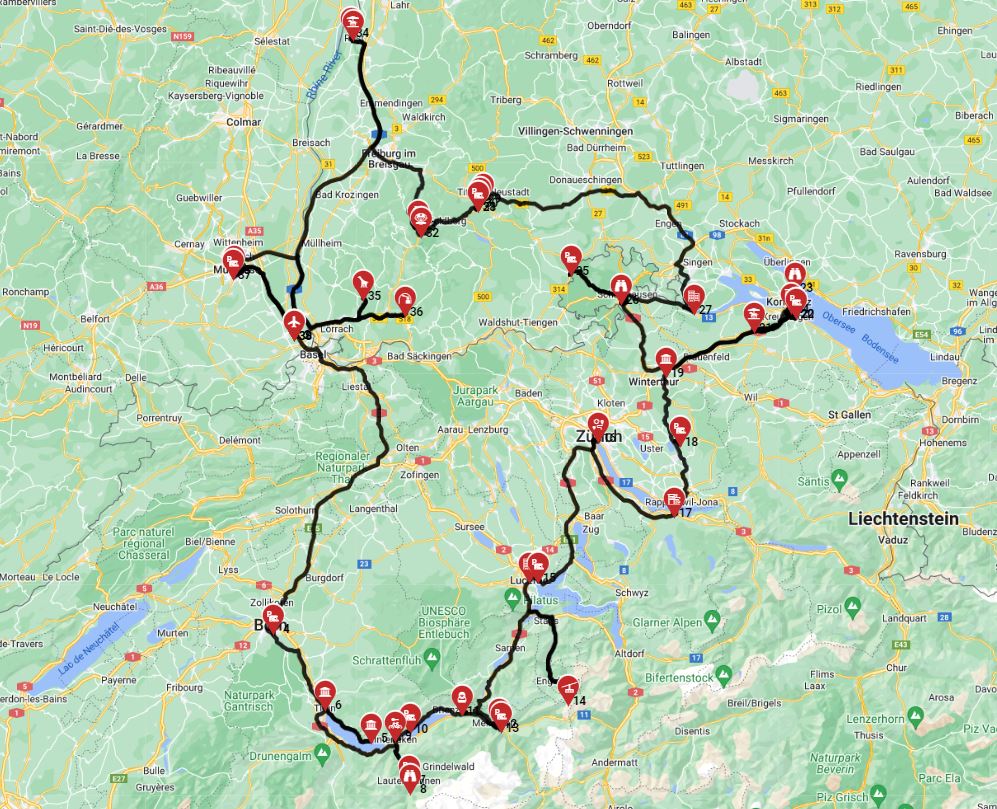
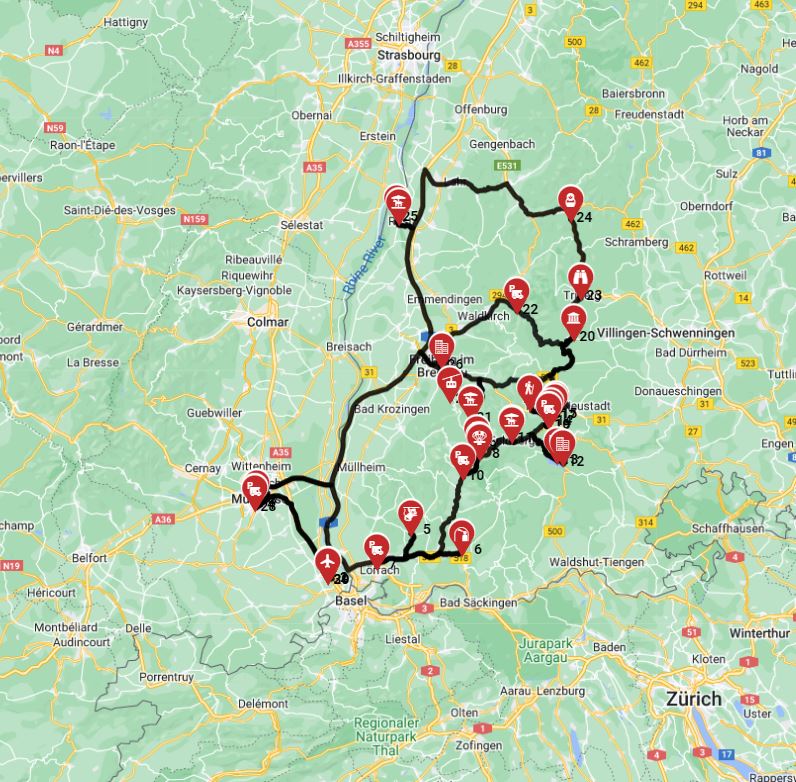
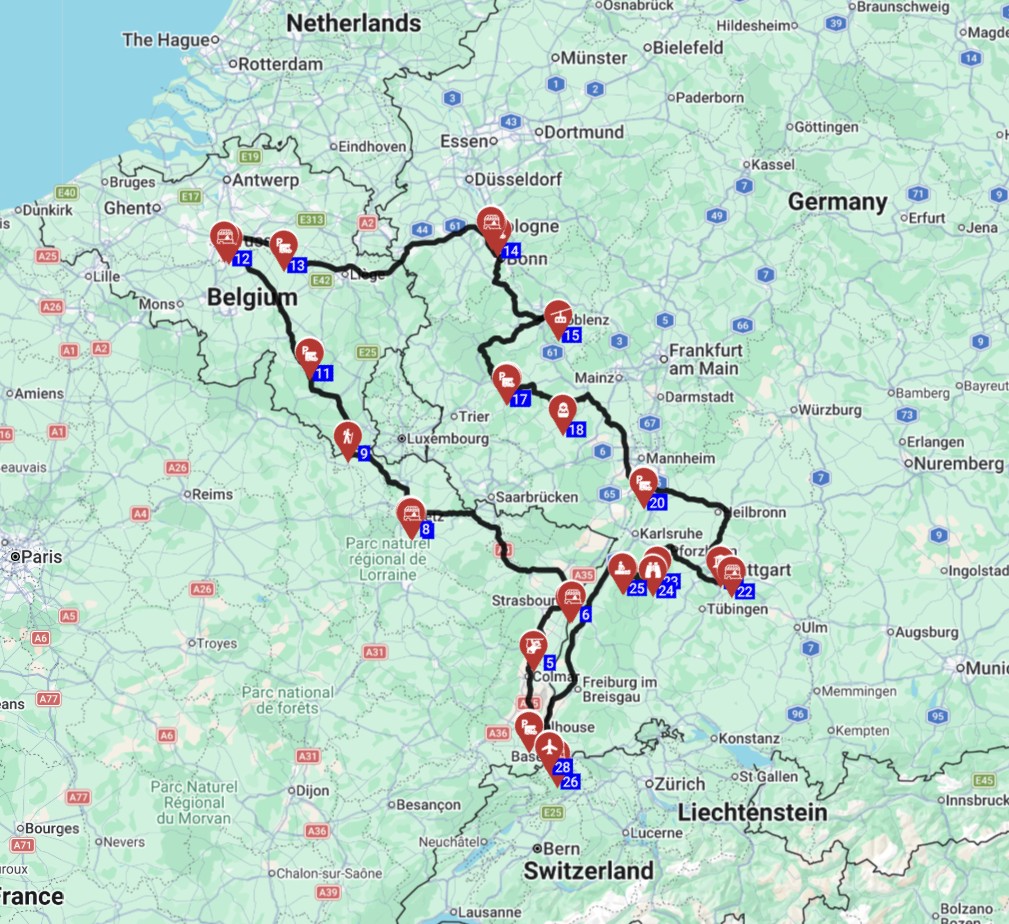
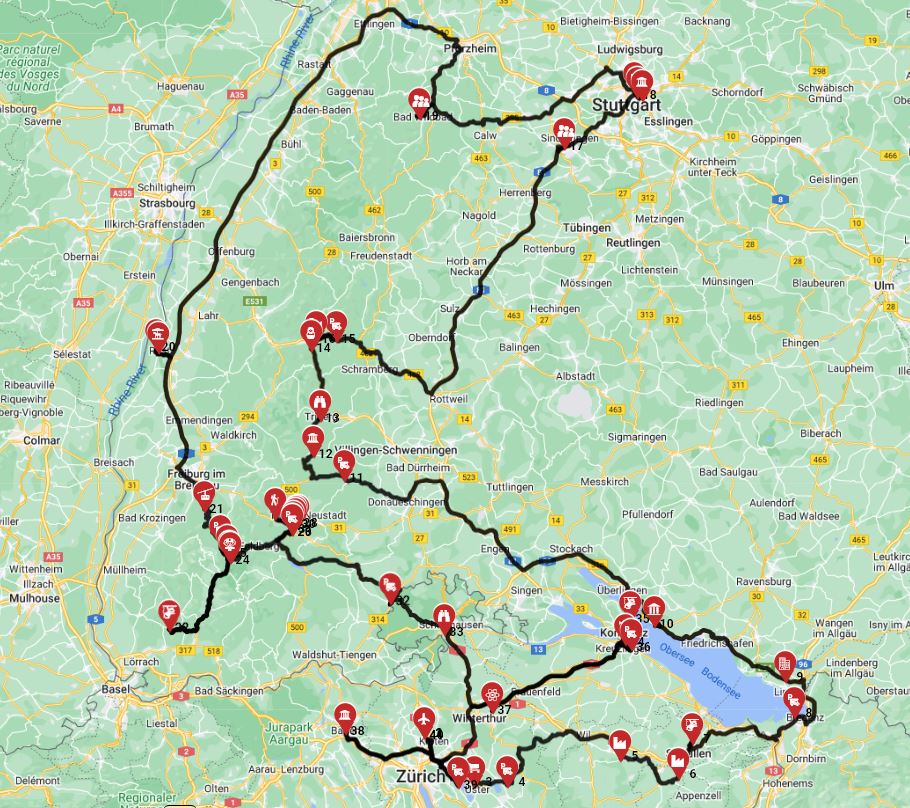
Booking your weekly RV rental during the shoulder season (May-June, September-October) often yields significantly lower daily rates compared to peak summer months, potentially saving you 20-30% on your rental. Pre-purchasing necessary tolls, such as the 40 CHF vignette, or leveraging available discount cards for campsites and fuel can lead to considerable savings on ancillary trip costs. Choosing a smaller RV class, like a compact "Active Pop Top" campervan, if it meets your group's needs, can result in lower rental costs and reduced fuel consumption (e.g., a campervan might get 10L/100km compared to a large motorhome's 25L/100km). Opting for longer rental durations, such as a two-week adventure instead of a standard weekly rental, often translates into a more favorable daily rate. Monitoring flex-rate drops and booking well in advance, especially for popular periods like the Basel Roundtrip - Switzerland & Black Forest itinerary which covers 1233.4 km over 16 days, helps secure the best possible price and availability.
Can You Wild Camp in Switzerland in an RV?
Wild camping in an RV is generally prohibited across Switzerland, with stringent regulations and potential fines that vary by canton and even local municipality. This is a critical point for any RV traveler to understand before embarking on a trip. While specific prohibitions are common, overnight parking is often tolerated in some public parking areas if no explicit "No Camping" sign is posted, but setting up camp by extending awnings, putting out chairs, or cooking outdoors is strictly forbidden. Designated 'Stellplätzen' (official RV parking spots, often with basic services) and private campgrounds are the only legal and recommended options for overnight stays. Always prioritize legal overnight spots and respect local directives to avoid penalties and ensure a responsible, enjoyable travel experience.
Do You Need a Vignette for an RV in Switzerland?
Yes, all vehicles, including RVs up to 3.5 tonnes, require a valid Swiss motorway vignette to use the country's national motorways and expressways. This annual sticker, valid for 14 months (from December 1st of the previous year to January 31st of the following year), costs 40 CHF. For larger RVs exceeding 3.5 tonnes, a heavy vehicle fee (LSVA) applies, which is calculated based on mileage and emissions, typically replacing the vignette for those specific routes. Vignettes can be purchased at border crossings, post offices, petrol stations, and online, and must be correctly affixed to the windscreen before entering a motorway. Driving on a Swiss motorway without a valid and properly affixed vignette can result in substantial fines, making it an essential pre-trip purchase for your rented motorhome adventure. Our "Driving an RV in Switzerland - Complete Guide 2026" offers more details on road rules.
What is the Swiss Equivalent of an RV?
In Switzerland, the most common German term for an RV or motorhome is 'Wohnmobil'. For instance, if you're looking for an "alaska rv rental example Category B" type vehicle, you'd ask for a Wohnmobil. Smaller recreational vehicles, such as campervans, are frequently referred to as 'Campingbus' or simply 'Campervan', especially when they are more compact like the "Category Van". In the French-speaking regions of Switzerland, the term 'camping-car' is widely used to describe motorhomes. For Italian-speaking areas, particularly in Ticino, 'camper' is the prevalent term. Familiarizing yourself with these local terms can be beneficial when seeking services, booking campsites, or communicating with locals during your journey with a rented RV.
Is it Easy to Drive an RV in Switzerland?
Driving an RV in Switzerland is generally manageable on main highways and well-maintained national roads, which boast excellent infrastructure. However, navigating can become quite challenging on narrow mountain roads, steep alpine passes with tight hairpin bends, and in the historic, often congested, centers of towns and villages. Drive slowly and carefully, and you can drive almost anywhere without issues. No need to stress-just use common sense and pay attention. Thorough route planning is crucial, utilizing RV-specific GPS or navigation apps that account for vehicle dimensions (height, weight, length) to avoid unsuitable roads. Be aware of local signage for vehicle restrictions, and always check road conditions, particularly during adverse weather or winter when snow chains may be mandatory. The experience varies significantly with the size of your rented RV; smaller campervans offer greater agility on challenging routes compared to larger Class A or C motorhomes.
Choosing the Right RV Size for Swiss Roads and Campsites
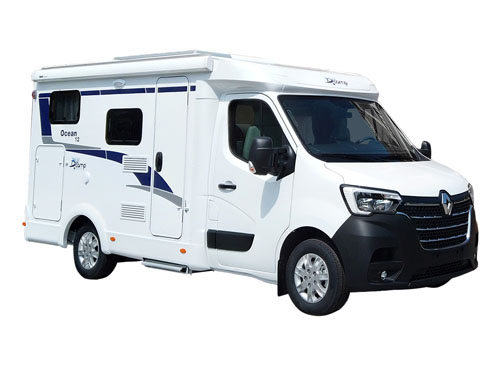
Selecting the right RV size is critical for a smooth trip in Switzerland. Small campervans, such as a "VW California Ocean" or a "Combi Van", offer superior maneuverability, making them ideal for navigating Switzerland's narrow mountain roads, charming village streets, and often easier parking in crowded areas. Larger motorhomes, including Class C (like a "24' Class C Motorhome" with a length of 7.46 meters) or Class A (like a "Class A - Thor ACE 30" at 9.37 meters), provide more living space and amenities but can face greater challenges on winding alpine passes and may have restricted access to some campsites and urban areas. It's important to consider the overall length, height, and weight of your rented RV, as certain tunnels, bridges, and mountain roads have strict limitations. Many picturesque Swiss campsites, particularly in popular tourist regions, have limited pitches suitable for very large RVs, making advance booking essential. You can easily compare various vehicle classes and sizes when you look for weekly RV rentals in Switzerland through Bandana RV, your true RV specialists since 2001.
How Much Does it Cost to Travel Switzerland by Motorhome?
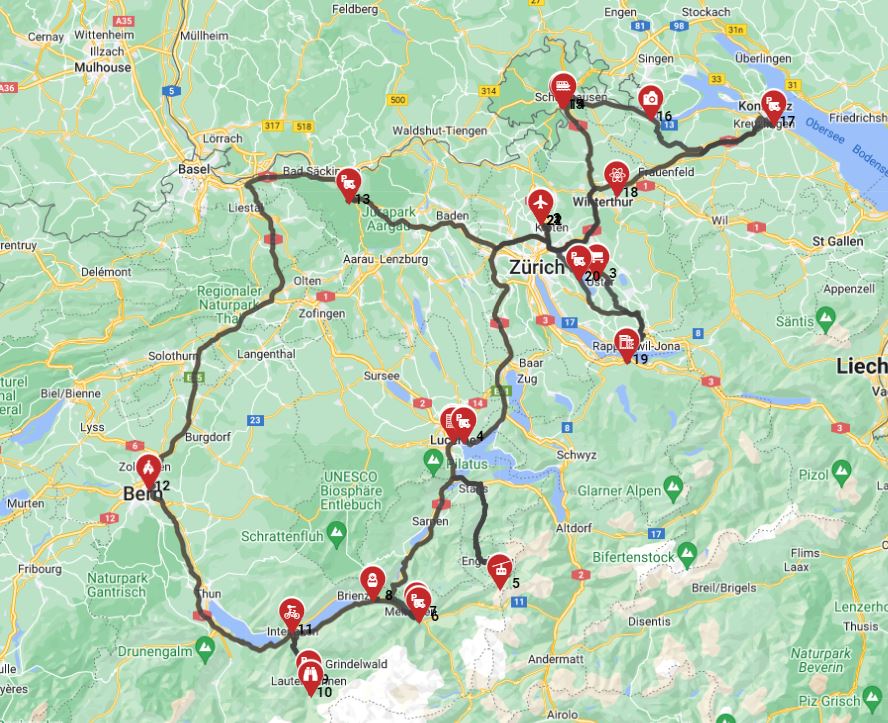
The total cost to travel Switzerland by motorhome extends beyond just the weekly rental fee, encompassing fuel, tolls (including the 40 CHF vignette), campsite fees, groceries, and activities. Fuel is a significant variable cost, with prices typically comparable to or higher than neighboring European countries; budgeting for an average consumption of 10-15 L/100 km for campervans and 18-25 L/100 km for larger motorhomes is wise. Campsite fees generally range from 30 CHF to 70 CHF per night, depending on the location, amenities offered, and the season. Budgeting for groceries and preparing meals in your rented RV's kitchen significantly reduces dining expenses, as eating out in Switzerland can be notably expensive. For fresh meal ideas, check out our RV-friendly recipes playlist. Allocate funds for various attractions, such as scenic train rides, cable cars, museum entries (like those found on the
Is an RV a Good Way to See Switzerland?
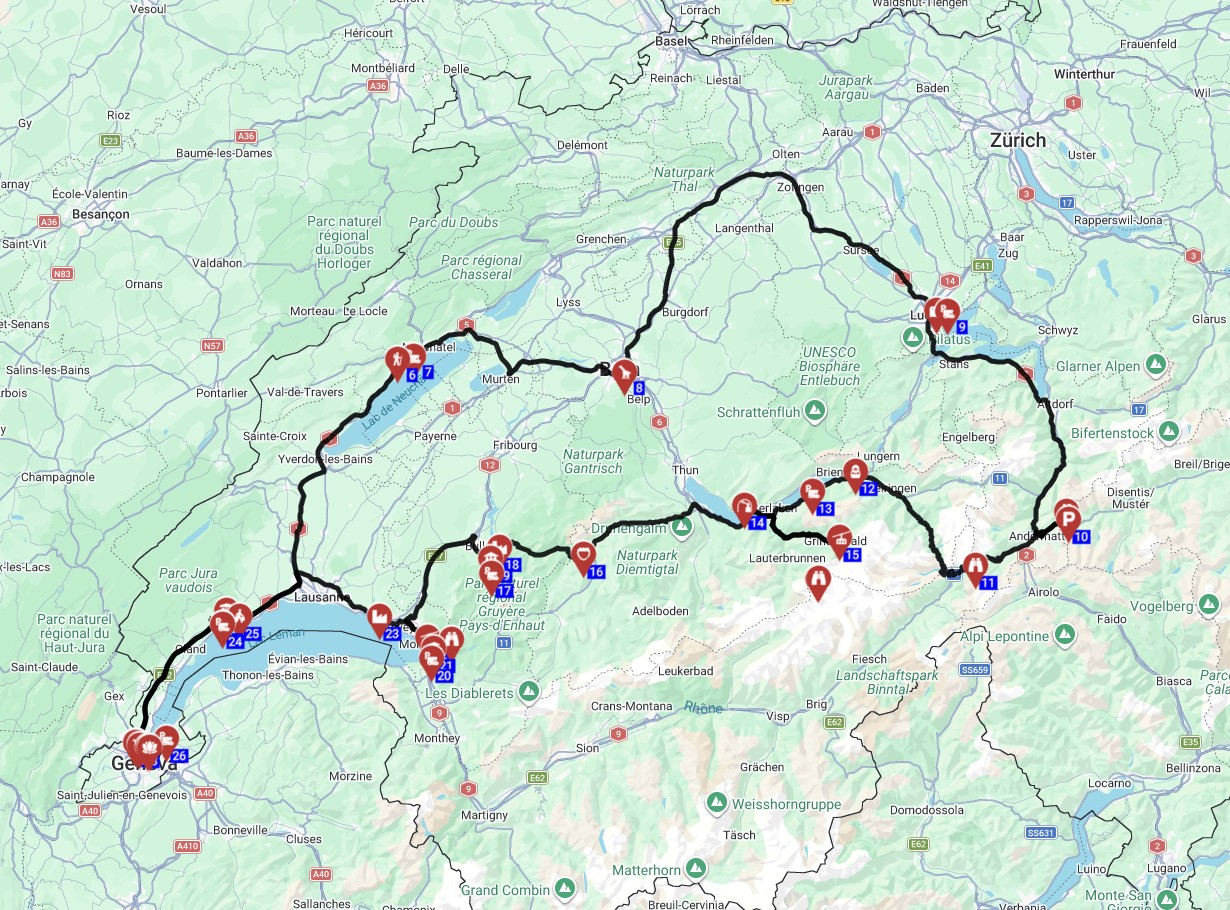
An RV is an excellent way to experience Switzerland, offering unparalleled flexibility to explore its diverse landscapes at your own pace and access scenic routes often missed by traditional travel. It provides the freedom to easily reach remote natural wonders, picturesque villages, and breathtaking viewpoints that are inaccessible by public transport or traditional hotel stays. For families (4-6 people) or groups, a rented motorhome can be a more cost-effective travel option compared to booking multiple hotel rooms and consistently eating out. While offering incredible independence, RV travel in Switzerland does require careful planning for routes, parking, and understanding local regulations. Ultimately, a rented RV provides a unique, immersive, and highly adaptable way to discover the beauty and culture of Switzerland, making your trip truly unforgettable. Consider a "Week-Long RV Driving Tour in Switzerland 2026" for a tailored experience.
RV Etiquette and Responsible Travel in Switzerland
Adhering to strict waste disposal regulations is crucial for responsible RV travel in Switzerland; always utilize designated greywater and blackwater dump stations, and diligently separate recycling. Maintaining respectful noise levels, especially during evening and morning hours, is expected at all campsites and permitted overnight parking areas to ensure a peaceful environment for everyone. Always obtain explicit permission before parking or staying overnight on private property, even for a brief stop, to avoid misunderstandings and respect local ownership. Practice water conservation, as while Switzerland is rich in water resources, responsible usage is always encouraged. Engage respectfully with local communities, support local businesses, and be mindful of cultural norms to enhance your travel experience and minimize your environmental impact. These practices contribute positively to your journey, reflecting the 'God is in the small details' philosophy we uphold at Bandana RV, ensuring your trip is harmonious with the local environment and culture.
Essential Gear and Preparation for RVing in Switzerland
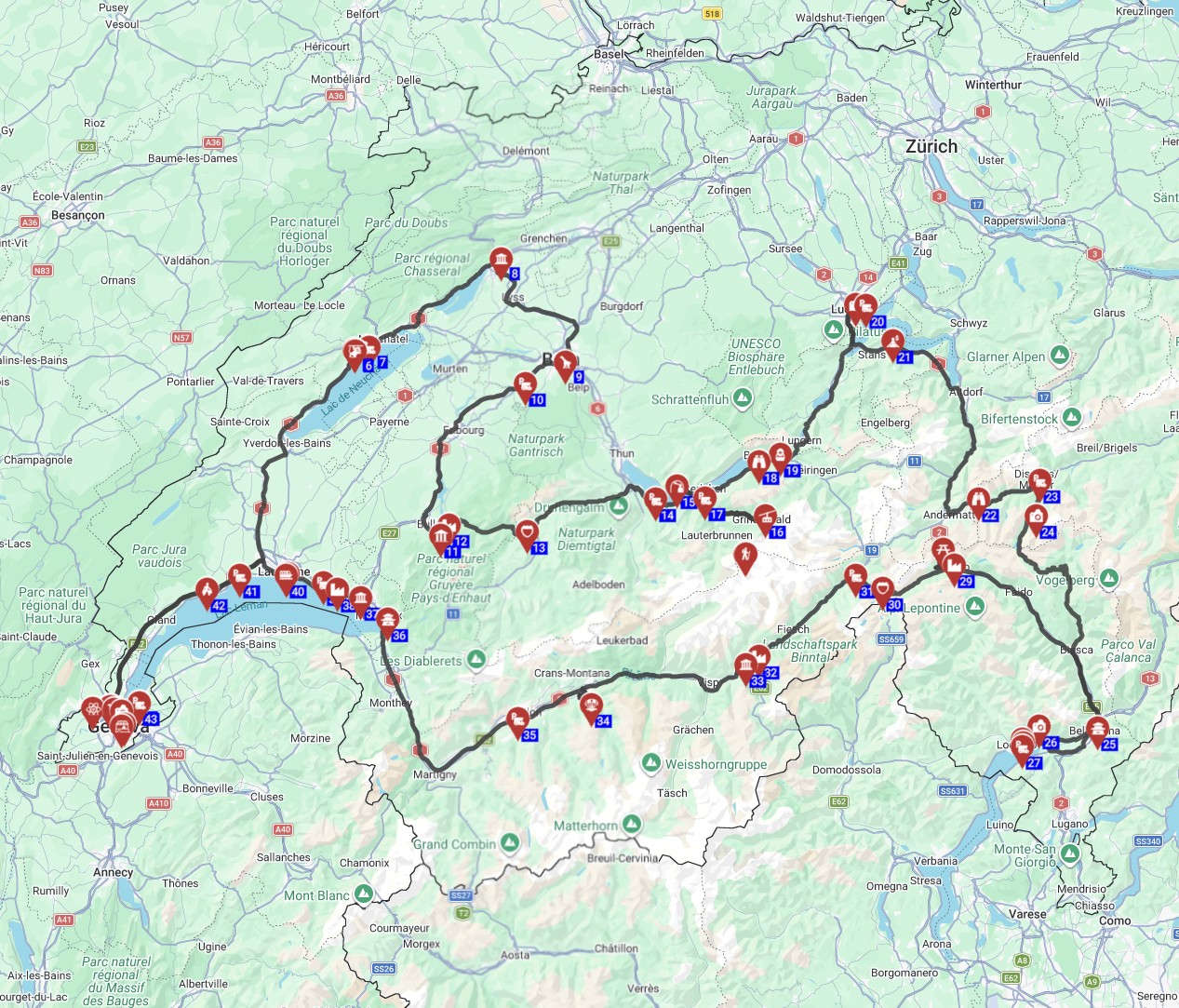
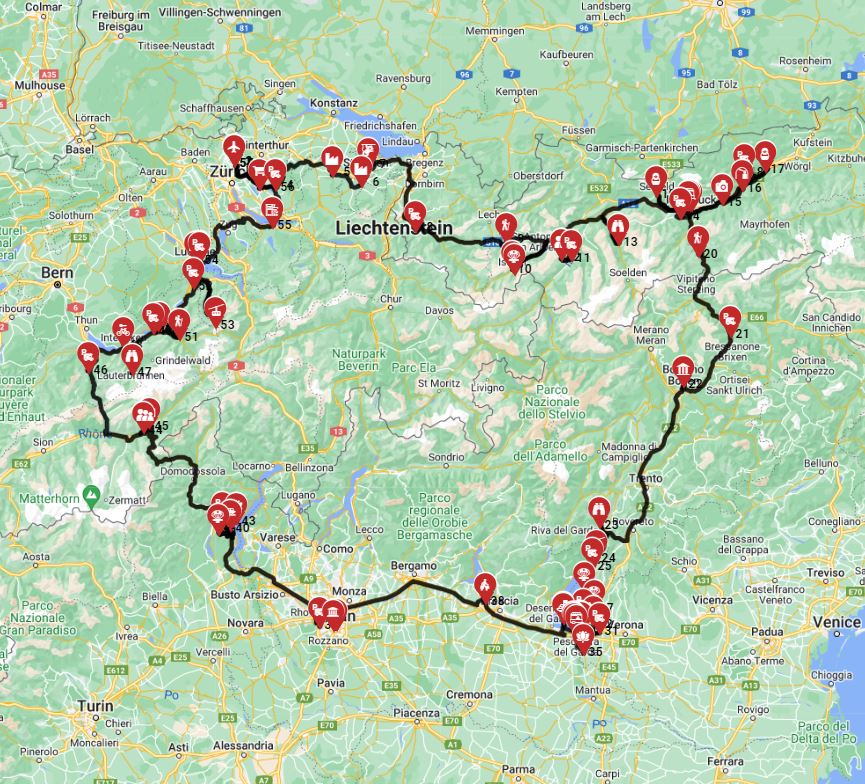
Ensuring you have the correct electrical adapters, typically the CEE 17 blue European standard (2-pin or 3-pin depending on hookup), is vital for campsite hook-ups in Switzerland. It is legally required in many European countries to carry essential safety equipment, including a reflective safety vest for each occupant, a warning triangle, and a first-aid kit in your rented RV. For travel during cooler months or over high mountain passes (such as those along the Nice Roundtrip - French Riviera toward North Italy, Switzerland, and the French Alps route, covering 1742.8 km over 15 days), ensure your RV is equipped with snow chains and winter tires, as they may be mandatory. Utilizing RV-specific navigation apps that account for vehicle dimensions and weight restrictions, alongside offline maps for areas with limited mobile signal, is highly recommended. Consider bringing a bike rack to take advantage of Switzerland's extensive cycling network, and ensure you have sufficient fresh water and waste tank capacity for your journey to support your adventures, including visits to multiple Natural Features and Historical Sites.
What You Shouldn't Miss
- **Explore the Jungfrau Region:** Drive your rented motorhome to Interlaken, then take a scenic train or cable car up to the Jungfraujoch, the "Top of Europe," for breathtaking glacier views and outdoor activities.
- **Cruise Lake Lucerne & Ascend Mount Pilatus:** Base your RV near Lucerne to enjoy a peaceful lake cruise before taking the world's steepest cogwheel railway up Mount Pilatus for stunning panoramic vistas.
- **Discover the Château de Chillon:** Park your campervan near Montreux and explore this iconic medieval castle on Lake Geneva, one of Switzerland's most visited historical sites.
- **Hike in the Engadin Valley:** Drive through the picturesque Engadin, home to St. Moritz, and immerse yourself in high-alpine hiking trails, pristine lakes, and charming villages with your mobile home.
- **Wander Bern's Old Town:** Park your RV at a nearby site and take public transport to explore the UNESCO-listed Old Town of Bern, famous for its medieval arcades, clock tower, and bear park.
- **Experience the Great St. Bernard Pass:** For an adventurous drive in your rented RV, traverse this historic alpine pass, home to the famous St. Bernard dogs, connecting Switzerland and Italy.
- **Looking for expert insights from Avi Bandana?** Top 5 Adventures - recommendations from Avi Bandana
Final Thoughts
Exploring Switzerland with a rented RV is an experience like no other, offering you the freedom to chase waterfalls, conquer mountain passes, and discover hidden gems at your own pace. From understanding the nuanced costs to navigating alpine roads and respecting local customs, we've covered the essential information to make your weekly RV rental in Switzerland a resounding success. Remember, a little planning goes a long way, but the adventure truly begins when you hit the open road.
We're here to support you every step of the way, from comparing prices and finding the perfect motorhome or campervan to coordinating your booking. With our commitment to full transparency and our team of true RV specialists, you can embark on your Swiss adventure with complete confidence. Get inspired for your next trip and plan an itinerary in advance with minimal effort and maximum enjoyment!
Compare weekly RV rental prices for Switzerland now and let your Swiss adventure begin!