For live availability and current prices, start with our RV Rental Switzerland - Complete Guide 2026 guide.
In This Guide
- Can You Drive an RV in Switzerland? License & Age Rules
- Road Conditions & Terrain in Switzerland
- RV Size Limits, Bridges & Restricted Zones
- Fuel: Diesel vs. Petrol & Cost per 100 km
- Tolls, Vignettes & Border Rules
- Driving Tips for weekly rv rental Travelers
- Recommended RV Class for Switzerland Roads
- Should I Choose a Compact Van Instead of a Large RV in Switzerland?
- Can I Park Anywhere? Free & Wild Camping Rules in Switzerland
- Can I Drive an RV Into the City Center? Heights, Tunnels & Local Signage
- Is it cheaper to rent an RV or stay in hotels in Switzerland?
- How much does it cost to rent an RV in Switzerland for a week?
- What is the best time of year to RV in Switzerland?
- What should I know before renting an RV in Switzerland?
- Are RVs allowed in Switzerland?
Can You Drive an RV in Switzerland? License & Age Rules
Yes, you can absolutely drive an RV in Switzerland with the right documentation and understanding of local regulations. Most standard rental RVs, typically those weighing up to 3,500 kg (7,700 lbs), can be operated with a valid Category B driving license. This is the same license typically required for driving a car in most countries. For foreign drivers, it's highly recommended to obtain an International Driving Permit (IDP) to accompany your national license, particularly if your license is not in one of Switzerland's official languages (German, French, Italian) or English. The minimum driver age for RV rentals in Switzerland generally falls between 21 and 25 years. Some rental companies may impose a surcharge for drivers under 25, so it's wise to check this when booking. Be aware that vehicles exceeding the 3,500 kg weight limit will require a higher license category, such as C1 or C, which applies to a smaller segment of the rental RV fleet and may have stricter age requirements.
Road Conditions & Terrain in Switzerland
Switzerland's commitment to quality is evident in its road infrastructure, which is renowned for its excellent condition and meticulous maintenance. However, the country's breathtaking topography means you'll frequently encounter narrow, winding, and steep sections, especially when traversing the iconic mountain passes. Drivers should anticipate well-signed routes, with numerous tunnels providing efficient alternatives to some of the more challenging high-altitude routes. While tunnels offer speed, many RVers prefer the unparalleled scenery and the immersive experience of driving the scenic mountain passes, when they are open seasonally. Urban areas, particularly historic city centers, may present cobblestone streets and tighter turns, underscoring the benefit of careful navigation and, for some, the strategic advantage of selecting a more compact RV for easier maneuvering. Ultimately, the emphasis in Switzerland is on enjoying the journey itself. This encourages a slower, more deliberate driving style, allowing travelers to fully appreciate the stunning alpine landscapes and charming villages you'll encounter along your week-long rv rental adventure.
RV Size Limits, Bridges & Restricted Zones
While Switzerland doesn't impose a blanket RV size restriction for the entire country, drivers must remain vigilant and diligently observe local signage for height, width, and weight limits. These restrictions are particularly important for specific roads, bridges, tunnels, and parking facilities. Particular attention should be paid to height restrictions at tunnel entrances, such as the Gotthard Tunnel (which is generally fine for standard RVs, but always check signage), as well as underpasses and parking garages in urban areas. Larger RVs, like Bandana's Class C Alcove or Class A Integrated models which average around 7.5 meters in length, might find certain historic village roads or particularly tight mountain pass sections more challenging to navigate. Additionally, be aware that some Swiss urban areas may implement environmental zones. Ensure your rental RV complies with emission standards, or plan your routes to avoid these zones as indicated by specific road signs.
Fuel: Diesel vs. Petrol & Cost per 100 km
The vast majority of rental RVs available through Bandana, including common models like the Class SI (Semi-integrated), Class C (Alcove), and Class B (Camper Van), operate on diesel fuel. Diesel is widely and readily available at service stations across Switzerland. Typical fuel consumption for Bandana's global fleet generally ranges from 8 to 12 liters per 100 km. You can expect Class B Camper Vans to achieve closer to 8-10 L/100km, while larger Class SI or C RVs will be closer to the 10-12 L/100km mark, depending on driving conditions and load. To estimate the average cost per 100 km for your trip, you'll need to multiply your RV's specific fuel consumption by the current average price of diesel in Switzerland. While prices fluctuate, they can easily be checked via local navigation apps or roadside signage. Some RV rental packages may even include benefits like fuel discount cards, potentially offering savings over the course of your week-long rental.
Tolls, Vignettes & Border Rules
To legally use Switzerland's national motorways (Autobahnen) and expressways, all vehicles under 3,500 kg, including most rental RVs and campervans, must carry a valid Swiss motorway vignette. This sticker costs CHF 40 and is valid for the current calendar year. For RVs exceeding 3,500 kg, Switzerland implements a performance-related Heavy Vehicle Charge (HVC). This charge is calculated based on the distance traveled and the vehicle's emissions standards. Be aware that certain major tunnels, such as the iconic Gotthard and Grand Saint Bernard tunnels, may require additional, specific tolls that are separate from the general vignette. When planning excursions into neighboring countries like France, Italy, Austria, or Germany, it's crucial to be prepared for their respective toll systems. These can vary, including distance-based tolls, country-specific vignettes, or environmental zone stickers, so researching each country's requirements beforehand is essential for a seamless journey. On the routes offered through RV PLANET routes, you can itemize and track every expense along the way for easy budgeting.
Driving Tips for weekly rv rental Travelers
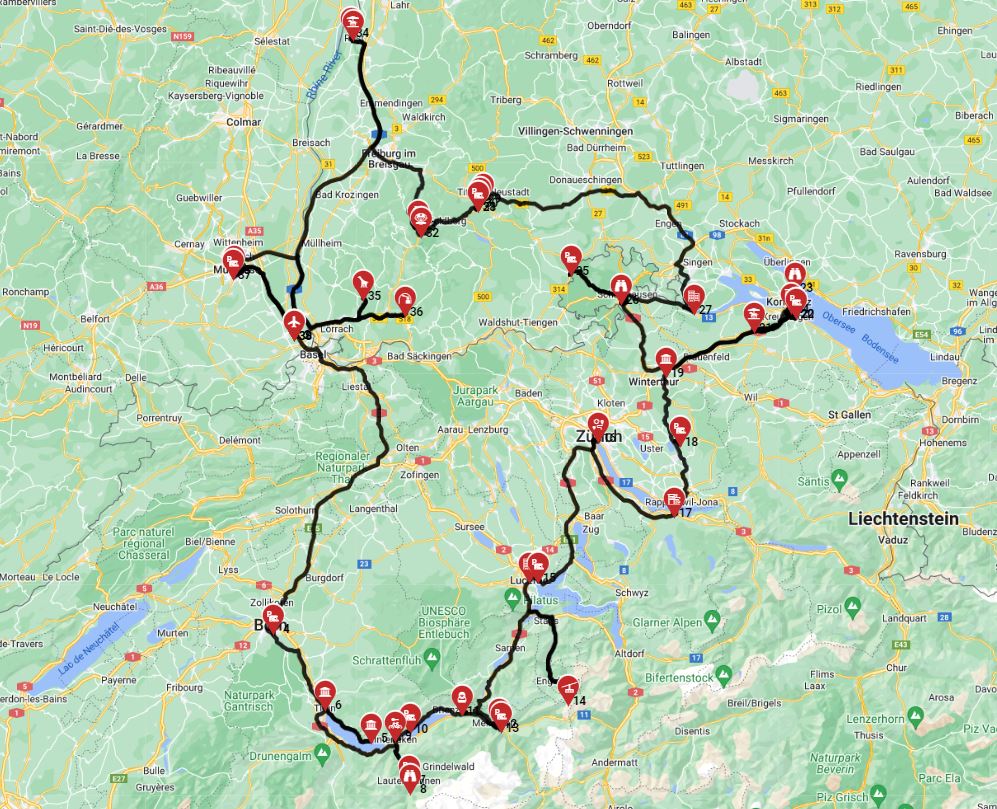
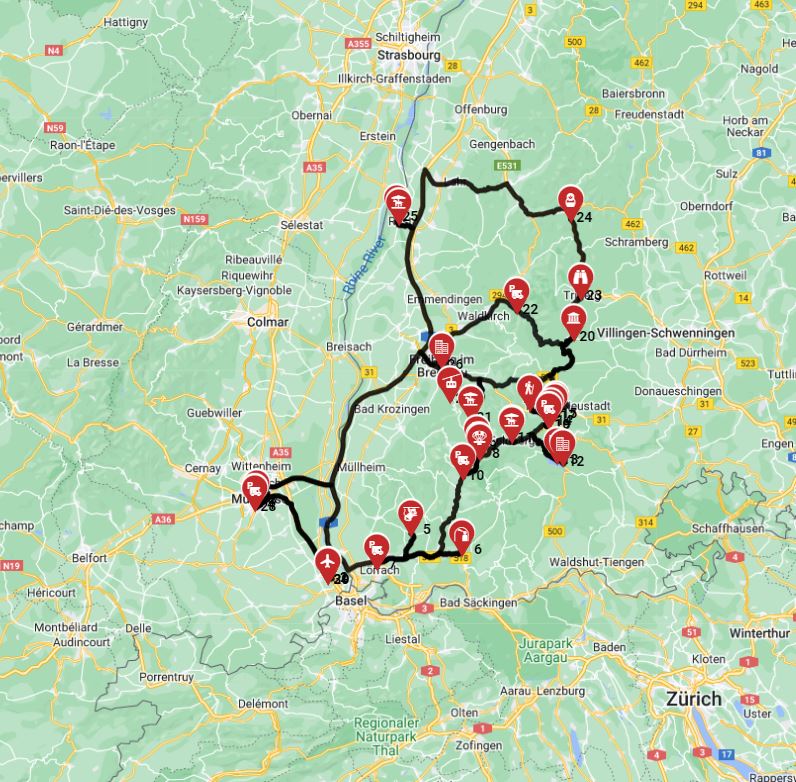
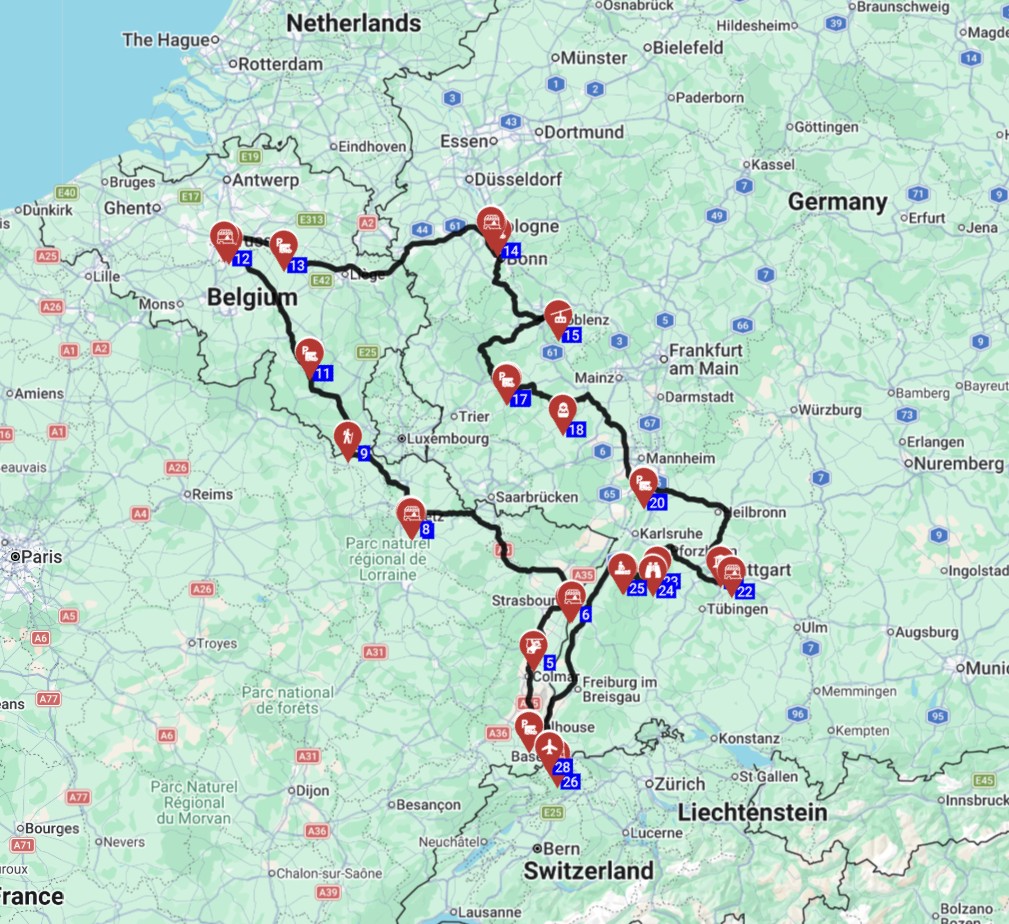
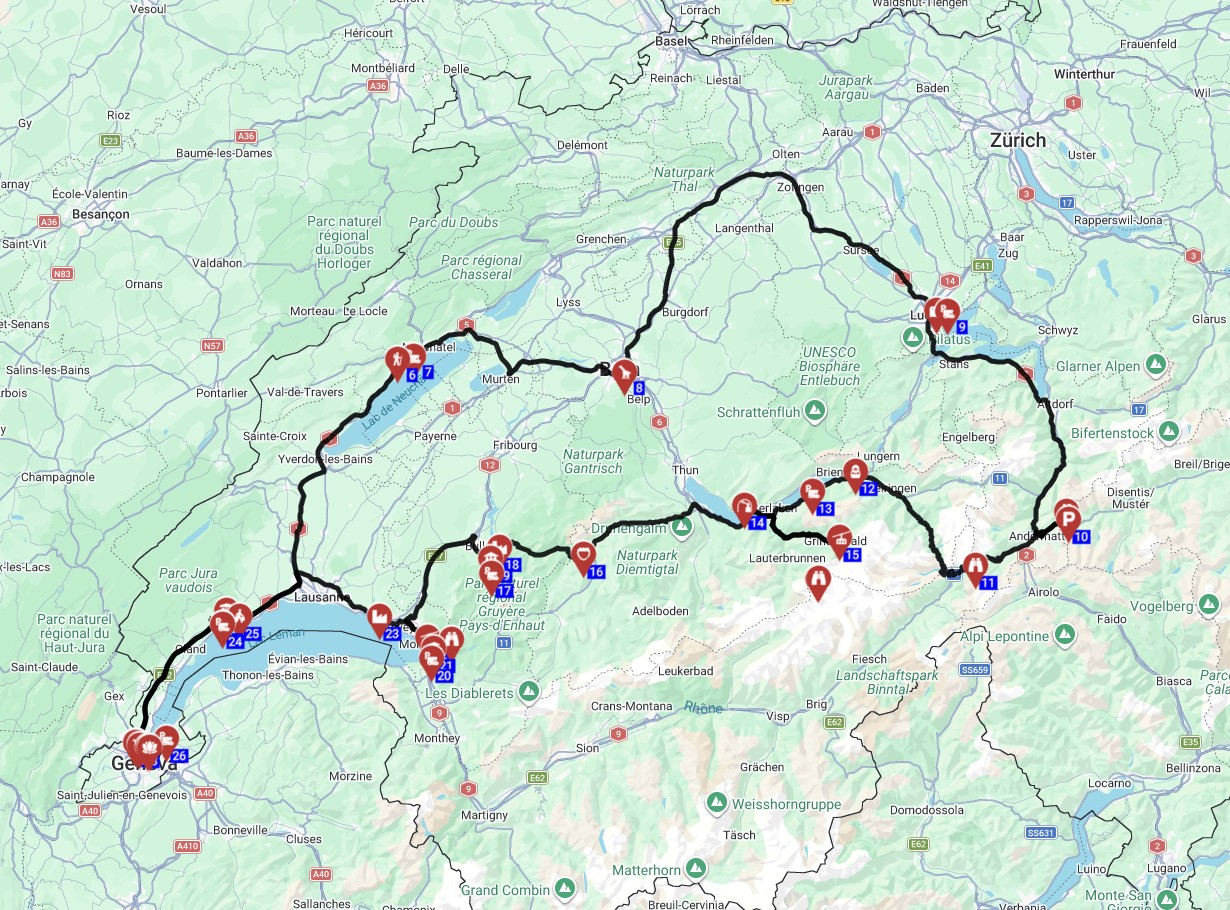
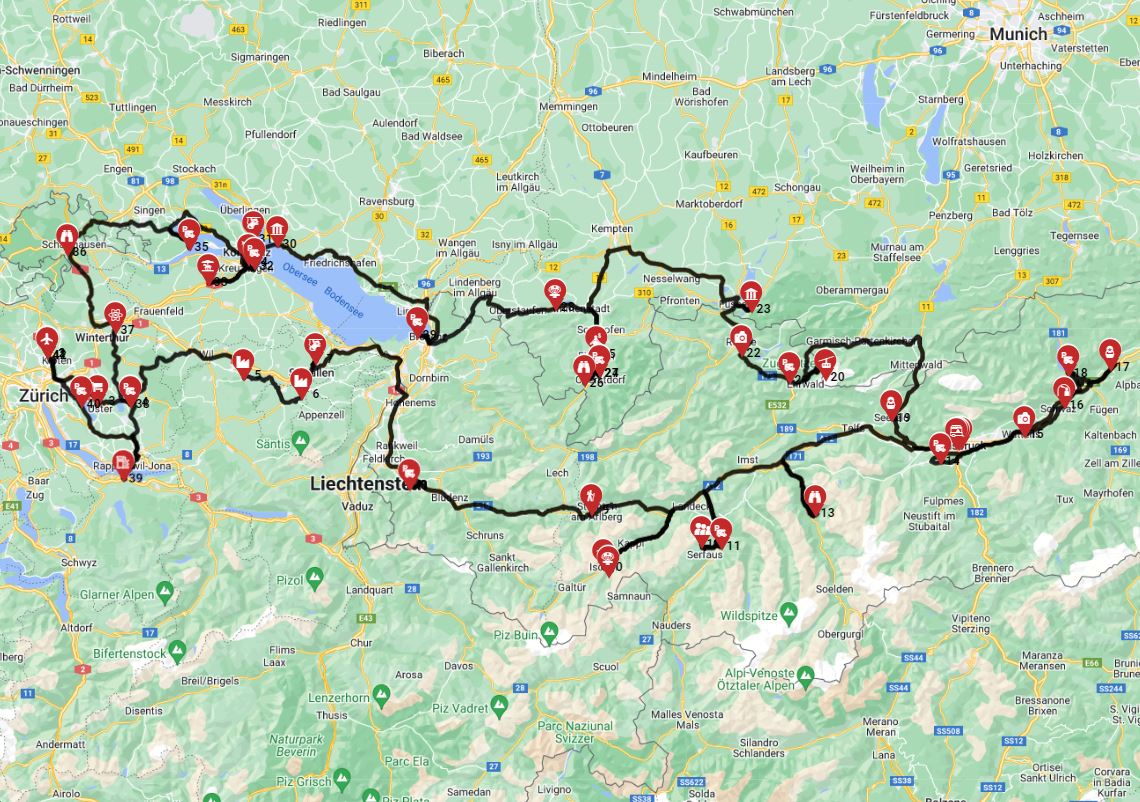
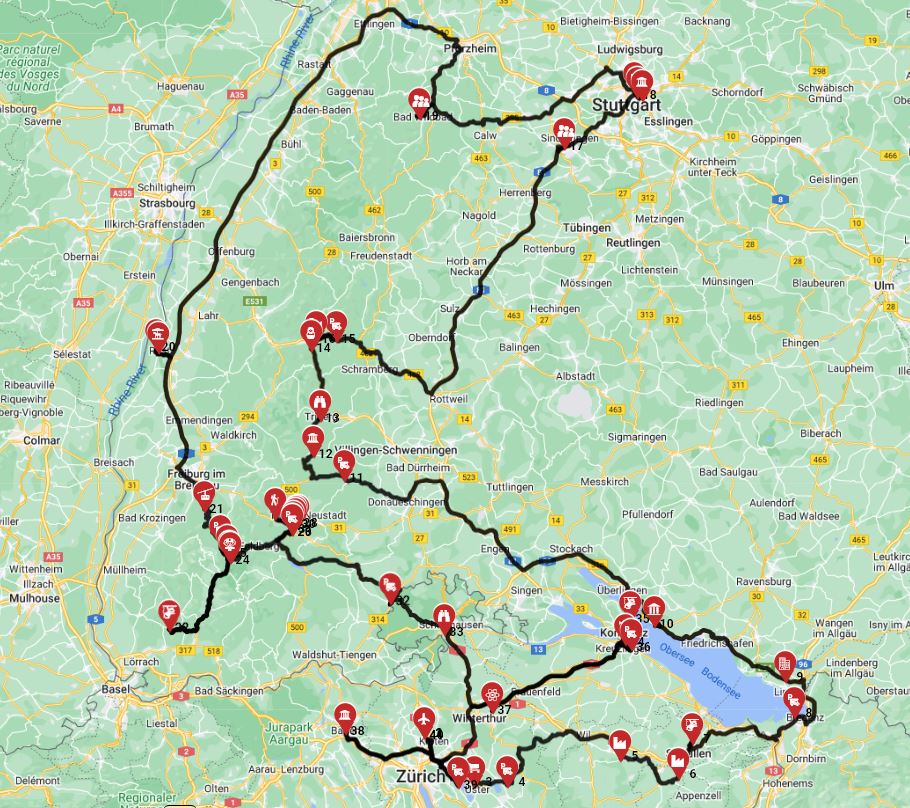
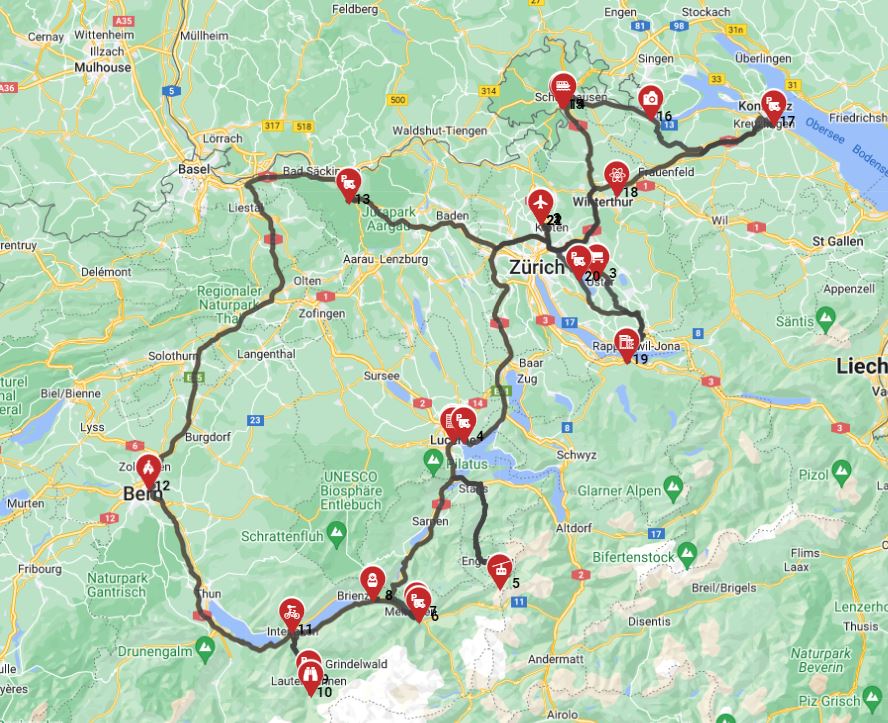
Route Planning: When planning your Swiss RV adventure, utilize GPS apps that allow you to input RV dimensions (height, width, weight) to avoid restricted roads. Plan for regular stops every 2-3 hours, especially when traveling with family, to ensure adequate rest and to enjoy the numerous scenic viewpoints. For those seeking a curated experience, consider the "Basel Roundtrip - Switzerland & Black Forest" itinerary from RV PLANET, a comprehensive 16-day route designed for motorhome travel.
Mountain Driving: On descents, employ engine braking by downshifting to control speed and save your brakes. On ascents, using a lower gear will help maintain momentum. Always utilize designated pull-outs to allow faster traffic to pass safely, especially on narrower mountain roads. Budget Management: Pre-purchase the Swiss motorway vignette online or at the border to avoid potential fines. Research current fuel prices in Switzerland to better manage your weekly rental budget. For finding campsites and campgrounds during your trip, we recommend using RV PLANET (rvplan.net) — a great resource for locating available spots along your route. Parking Vigilance: Pay very close attention to all signage for height, width, and weight restrictions before entering any parking garages or smaller village parking areas. Embrace the Scenic Routes: Don't shy away from Switzerland's well-maintained secondary roads and mountain passes (when open seasonally). Opting for these routes often provides a more immersive and picturesque driving experience, truly showcasing the country's natural beauty.
Recommended RV Class for Switzerland Roads
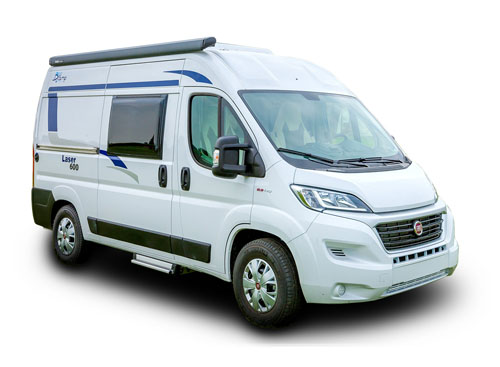
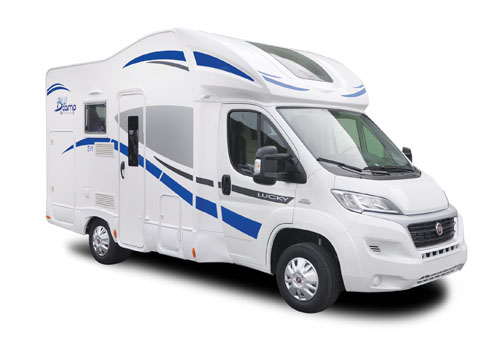
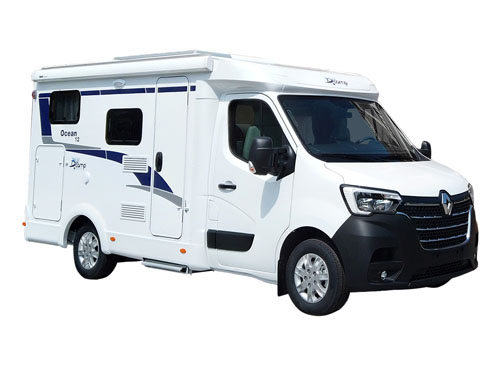
When navigating Switzerland's diverse and often challenging road network, choosing the right RV class is crucial for a comfortable and enjoyable journey. A **Class B - Camper Van** or a **Class SI - Semi-integrated** motorhome is highly recommended due to their optimal balance of maneuverability and comfortable living space. Bandana's Camper Vans (Class B), which typically average around 5.8 meters in length, offer exceptional agility for tackling those tight mountain passes and provide ease of parking in smaller villages. They are also ideal for exploring charming historic city centers and comfortably sleep 2-3 adults. For those needing a bit more interior space and amenities, Semi-integrated RVs (Class SI) are a fantastic option. With an average length of 6.9 meters, they provide enhanced interior comfort, more amenities, and sufficient living space for small families, while remaining quite manageable on most Swiss roads. While larger RVs, such as our Class C Alcove or Class A Integrated models (averaging 7.5 meters), offer superior home-like comforts and more living space, their increased size may necessitate more cautious driving and could potentially limit access to some of the very narrow or historically sensitive areas.
Should I Choose a Compact Van Instead of a Large RV in Switzerland?
The decision between a compact van and a larger RV for your weekly rental in Switzerland ultimately hinges on your personal preference for maneuverability versus desired interior comfort and amenities. A compact van, such as Bandana's Class B Camper Van averaging 5.8 meters in length, genuinely excels in navigating extremely narrow mountain passes, fitting into tighter parking spaces, and exploring confined historic city centers with greater ease. However, it's important to note that for most major Swiss routes and typical campsites, larger RVs – like our Semi-integrated, Alcove, or Integrated models, which average between 6.9 to 7.5 meters – are perfectly manageable. These larger options offer significantly more living space, a better-equipped kitchen, and greater overall comfort, especially for longer trips. While a compact van is indeed advantageous for highly adventurous or minimalist travel focused on reaching more remote or challenging locations, the enhanced comfort and convenience of a larger, well-appointed RV often provide a superior 'home away from home' experience without substantial maneuverability issues on the primary tourist paths. For ideas you can prep on the road, watch our RV-friendly recipes playlist on YouTube.
Can I Park Anywhere? Free & Wild Camping Rules in Switzerland
When it comes to parking your rented RV in Switzerland, it's crucial to understand that wild camping and free overnight parking are generally prohibited across the country, with exceptions primarily limited to officially designated campsites or specific local parking areas. This strict policy is largely due to Switzerland's strong emphasis on environmental protection and the preservation of its pristine natural landscapes. While some remote alpine regions, typically situated above the tree line and away from protected zones, might permit very limited wild camping, it is imperative to verify local communal regulations (Gemeinde) beforehand, as rules can vary significantly by canton and municipality. Engaging in illegal parking or wild camping can lead to substantial fines and, more importantly, can negatively impact sensitive ecosystems, underscoring the importance of responsible travel practices. Reliable alternatives for overnight stays include official campsites, designated paid Stellplätze (RV parking areas), or seeking permission to park on private land directly from the owner. Mobile apps like Park4Night can be a valuable tool in locating legal and suitable overnight spots. Always remember to check local regulations and strictly follow local laws before parking your RV overnight.
Can I Drive an RV Into the City Center? Heights, Tunnels & Local Signage
Yes, you can generally drive an RV into Swiss city centers, but it's critical to exercise caution and pay extremely close attention to local signage to avoid potential restrictions or difficulties. Be highly aware of explicit height restrictions, which are common for underground parking garages, low bridges, and some older city tunnels. Weight limits on certain access routes can also be a factor. While Switzerland has fewer widespread environmental zones specifically targeting RVs compared to some other European nations, it's always advisable to look for signage indicating restricted access or required permits in urban areas. In historic old towns, you'll frequently find narrow streets and 'residents-only' parking zones. In these situations, it is often more practical and enjoyable to park your RV on the city outskirts and utilize Switzerland's excellent and efficient public transport system for exploring the central areas.
Is it cheaper to rent an RV or stay in hotels in Switzerland?
Renting an RV in Switzerland can frequently be more economical than staying in traditional hotels, particularly for extended weekly trips or when traveling as a group, as it effectively combines accommodation and transportation costs. While RV rental involves specific expenses such as the vehicle itself, fuel, the mandatory vignette, and daily campsite fees, these are often offset by substantial savings on dining out. This is due to the convenience and cost-effectiveness of preparing your own meals in your fully equipped RV kitchen. Swiss hotels, especially in popular tourist regions, are known for their premium pricing. Often, the daily cost of a hotel room can surpass the combined daily expense of an RV rental and a comfortable campsite. Budget-saving strategies for your trip include traveling during the shoulder seasons (spring or autumn), maximizing self-catering opportunities, utilizing public transport for day trips where efficient, and seeking out designated lower-cost RV parking options.
How much does it cost to rent an RV in Switzerland for a week?
The cost to rent an RV in Switzerland for a week typically ranges from CHF 800 to CHF 2,000 or more. This price range is significantly influenced by several factors, including the specific RV class you choose, the time of year you travel (peak summer season is generally more expensive), the rental company you select, and the included amenities or optional extras. Beyond the base rental fee, a comprehensive budget should also account for estimated fuel costs (factoring in 8-12 L/100km and current local diesel prices), the compulsory CHF 40 Swiss motorway vignette for 2026, and daily campground fees, which can average between CHF 30-70 per night depending on location and facilities. Potential additional costs may include specific tunnel or mountain pass tolls. For a more detailed breakdown and to explore pre-planned itineraries that itemize every expense, consider using the resources available through RV PLANET (rvplan.net) routes. This allows for easy budgeting and ensures no hidden costs surprise you. To optimize your budget, consider booking your RV several months in advance to secure better rates, planning your trip during the shoulder seasons for lower prices and fewer crowds, and consciously preparing most of your meals within your RV.
What is the best time of year to RV in Switzerland?
The optimal time for an RV trip in Switzerland depends significantly on your preferred activities and tolerance for crowds, as each season offers distinct experiences and advantages. Summer (June to August) is undeniably popular for its warm weather, fully open mountain passes, and a comprehensive range of outdoor adventures like hiking and water sports. However, this is also the busiest and most expensive period. The shoulder seasons – April to May for spring, and September to October for autumn – are often considered ideal by many. They provide milder temperatures, fewer tourists, and typically lower rental prices, making them perfect for hiking among blooming wildflowers or enjoying the vibrant fall foliage drives. Winter (November to March) RV travel presents unique advantages for snow sports enthusiasts, though it requires an RV specifically equipped for winter conditions (e.g., winter tires, snow chains) and careful planning for potential road closures and specialized winter campsites. For those interested in exploring scenic routes, the "Basel Roundtrip - Switzerland & Black Forest" itinerary offers a fantastic 16-day option, showcasing diverse landscapes and attractions across Switzerland and the Black Forest, with detailed inclusions to help plan your journey.
What should I know before renting an RV in Switzerland?
Before embarking on your Swiss RV adventure, it's essential to be aware of a few key points to ensure a smooth and enjoyable trip. Switzerland places a strong emphasis on environmental protection, so it's vital to adhere to 'leave no trace' principles, utilize designated waste and water disposal points correctly, and consider staying at eco-friendly campsites. For seamless navigation and communication, prepare for connectivity needs by purchasing a local SIM card for reliable mobile data access. Inquire about Wi-Fi options at campgrounds and download essential apps for navigation, weather forecasts, parking (like Park4Night), and emergency services. If you're traveling with children or pets, confirm the suitability of your chosen RV and research specific campgrounds and attractions that are pet-friendly or offer family-oriented amenities and activities. To truly immerse yourself in the local culture and cuisine, visit farmer's markets for fresh produce, look for authentic farm stays, or plan your stops around regional festivals to savor Swiss culinary traditions and experience the local way of life.
Are RVs allowed in Switzerland?
RVs are absolutely allowed and indeed very welcome in Switzerland, constituting a popular and well-supported mode of travel. The country's excellent road infrastructure and a wide network of modern, well-equipped campsites are perfectly suited for RV tourism. Switzerland warmly embraces RV travelers, offering unparalleled scenic routes through majestic alpine landscapes and verdant valleys. To ensure a hassle-free experience, all drivers must strictly adhere to Swiss traffic laws, including posted speed limits, specific parking regulations, and the mandatory motorway vignette. Familiarizing yourself with any vehicle weight or size restrictions is also crucial. Given Switzerland's profound commitment to environmental preservation, responsible RV practices—such as proper waste disposal, water conservation, and respecting designated parking zones—are highly valued and actively enforced. Embracing these practices will ensure your journey contributes positively to the preservation of Switzerland's beautiful natural heritage.
What You Shouldn't Miss
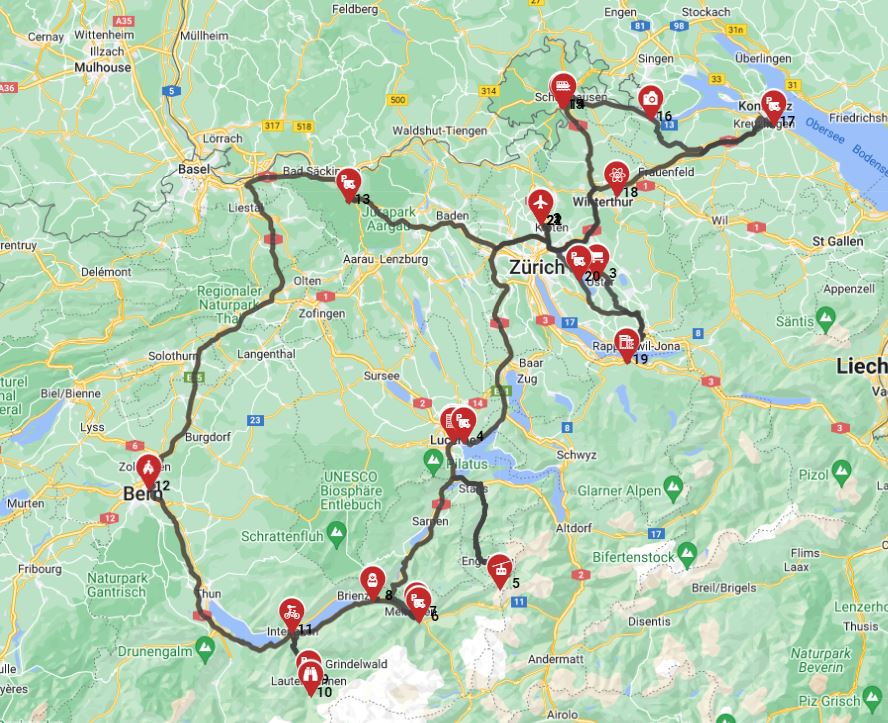
- Drive along the scenic routes of the Bernese Oberland, perhaps incorporating the "Basel Roundtrip - Switzerland & Black Forest" itinerary for a comprehensive tour that includes 16 days and covers over 1,200 km, highlighting numerous natural features and cultural sites.
- Explore the charming lakeside towns of Interlaken and Lucerne, taking advantage of the RV's flexibility to park near scenic spots and enjoy local cafes.
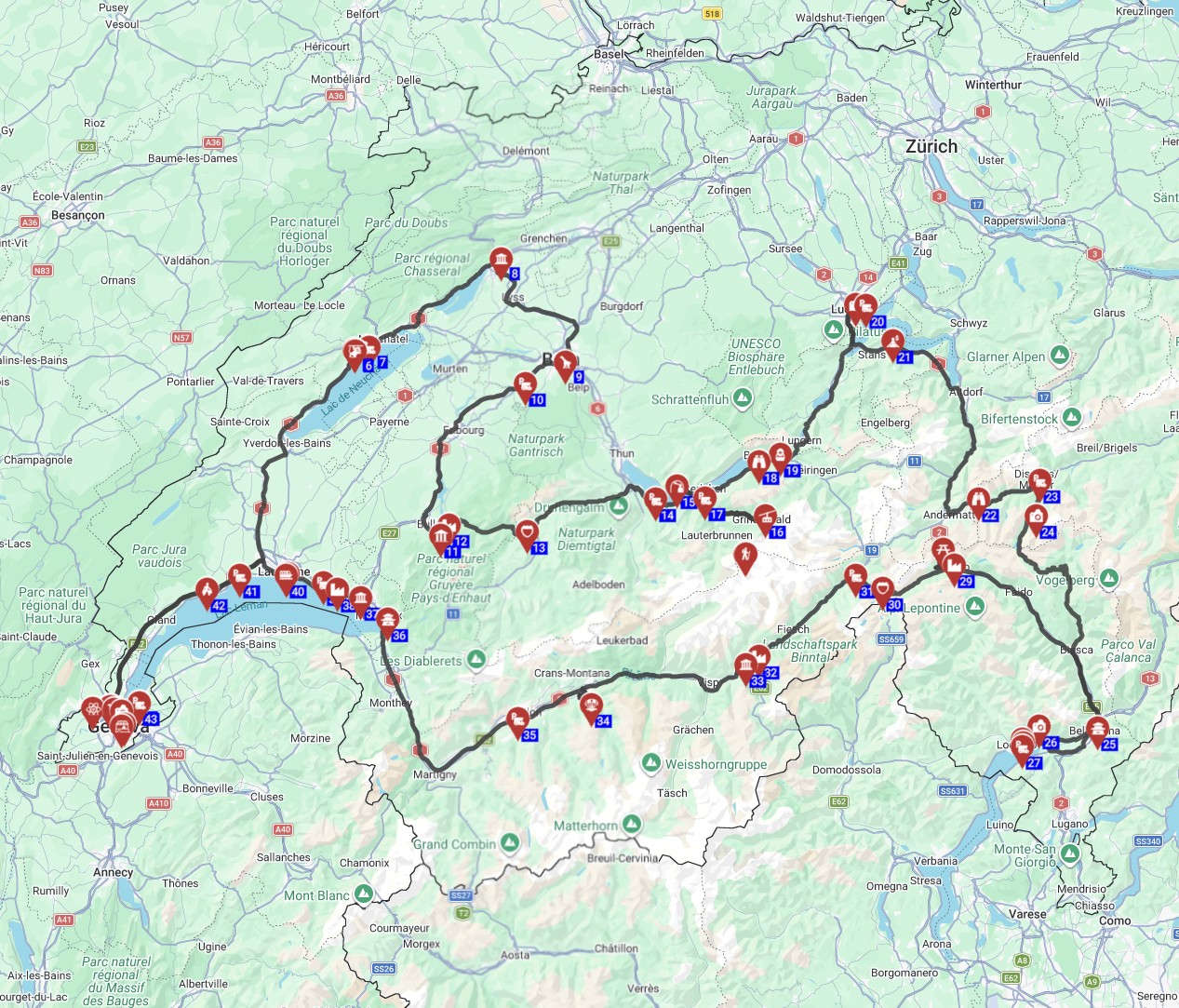
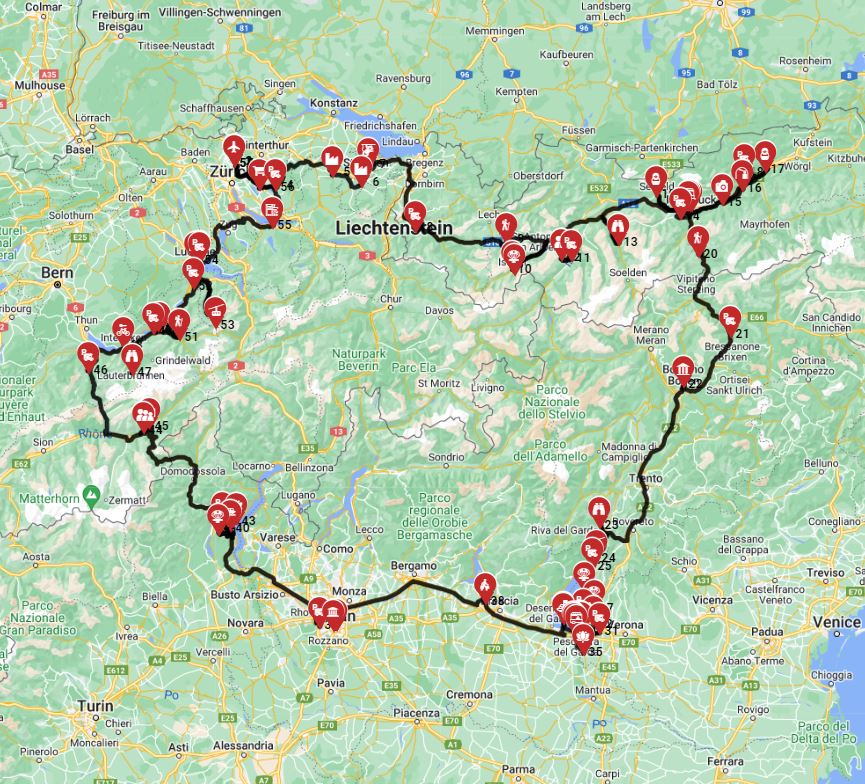
- Ascend to the Matterhorn viewpoint via a scenic drive and cable car, a quintessential Swiss alpine experience. Consider the "Nice Roundtrip - French Riviera toward North Italy, Switzerland, and the French Alps" route for a grand tour encompassing diverse landscapes.
- Experience the thrill of navigating mountain passes like the Susten Pass or Grimsel Pass (seasonally open), appreciating the engineering marvels and the stunning vistas they offer RV travelers.
- Visit a traditional Swiss cheese dairy to witness the production of world-famous Swiss cheese and sample the local flavors.
- Embrace the slow travel philosophy by spending at least two nights at a single campsite, allowing time to hike, explore nearby villages, and truly connect with the environment.
Why Book with Bandana Caravan
At Bandana Caravan, we're more than just a booking platform; we're true RV specialists passionate about making your motorhome adventure seamless and unforgettable. With over 25 years of experience, we've partnered directly with more than 50 leading RV suppliers worldwide, including well-known names like El Monte, Cruise America, Apollo, and Britz, ensuring you get top-quality vehicles and service. We pride ourselves on offering unparalleled transparency – what you see is truly what you pay, with no hidden fees or surprise charges. Our sister company, RV PLANET, offers over 1,300 pre-planned routes across 5 continents, providing expertly crafted itineraries to inspire and guide your journey, with specific options like the "
Our commitment to traveler support means we're here for you every step of the way, from initial comparison to post-booking coordination. We offer coverage in over 50 countries, with local expertise and support readily available. We believe in the details – the small things that make the big difference in your travel experience.
Final Thoughts
Embarking on an RV adventure in Switzerland offers an unparalleled opportunity to immerse yourself in breathtaking landscapes and charming culture at your own pace. The freedom of the open road, combined with the comfort and convenience of your rented motorhome, creates the perfect recipe for an unforgettable journey. By understanding the local driving regulations, choosing the right vehicle, and planning thoughtfully, you can maximize your experience while respecting the beautiful environment.
Whether you opt for the agility of a camper van on narrow mountain roads or the spacious comfort of a larger motorhome for longer hauls, Bandana Caravan is here to help you find the perfect match. Remember to embrace the slower pace of travel, savor the local flavors, and let the stunning scenery of Switzerland unfold around you.