In This Guide
- Top 5 Tips for weekly rv rental RV Rental in North Canada
- Before You Book - Class, Dates, Insurance
- Pre-Trip Prep - Packing Checklist for North Canada
- On the Road - Driving, Fueling, Navigation
- At the Campground - Setup, Hookups and Etiquette
- Weekly RV Rental-Specific Tips for North Canada
- Common Mistakes to Avoid in North Canada
- How much does it cost to rent an RV in Canada for a week?
- Is RVing cheaper than hotels?
- What is the 3-3-3 rule for RV travel?
- What is the best RV route planner in Canada?
Embarking on a weekly RV rental adventure in North Canada offers an unparalleled opportunity to explore some of the world's most pristine wilderness. Imagine driving along vast, scenic highways under the midnight sun, spotting wildlife, and discovering remote communities. For live availability and current prices, start with our RV Rental North Canada - Complete Guide 2026 guide.
North Canada, encompassing the Yukon, Northwest Territories, and Nunavut, along with the northern reaches of provinces like British Columbia and Alberta, presents a unique and rewarding experience for those who love to travel by rented motorhome. This region is a true specialist's destination, where planning and preparation are key to a memorable trip. As true RV Specialists, we are here to support you every step of the way, ensuring full transparency with no hidden fees and real people behind you with 24/7 pre-booking and post-booking support.
Top 5 Tips for weekly rv rental RV Rental in North Canada
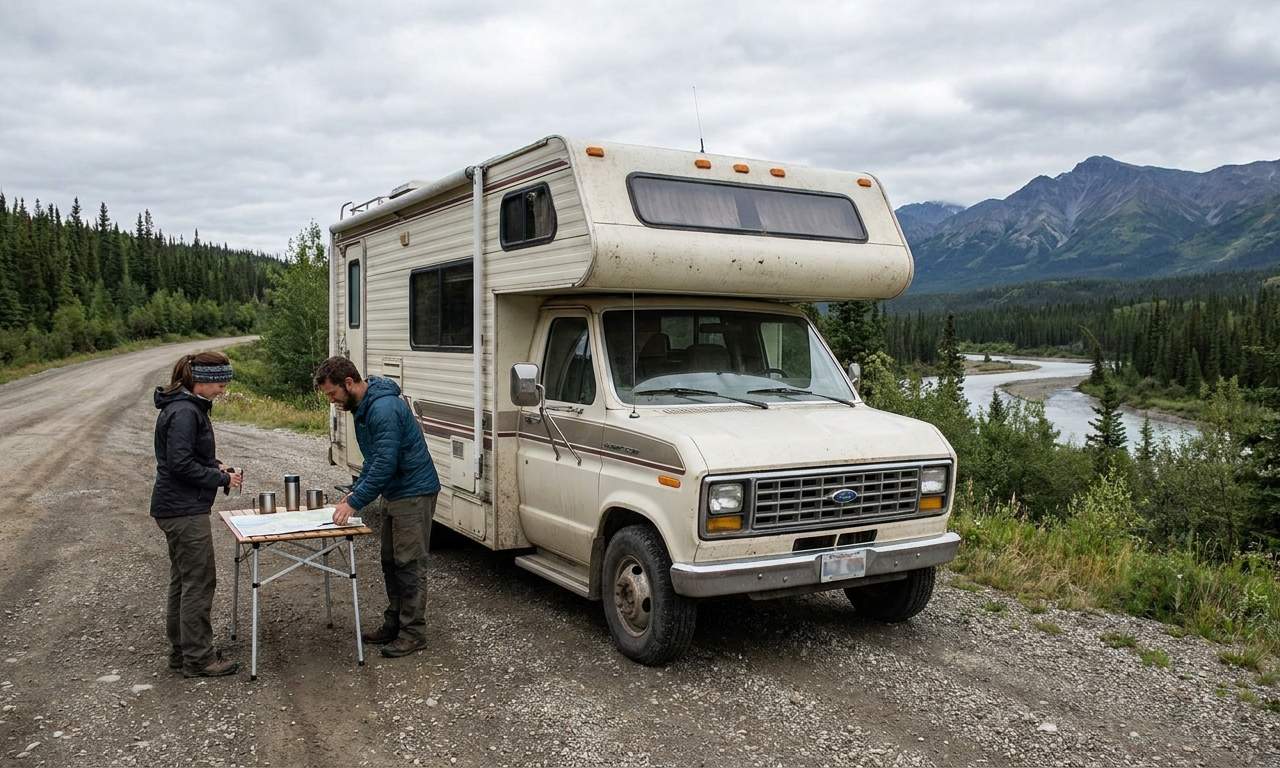
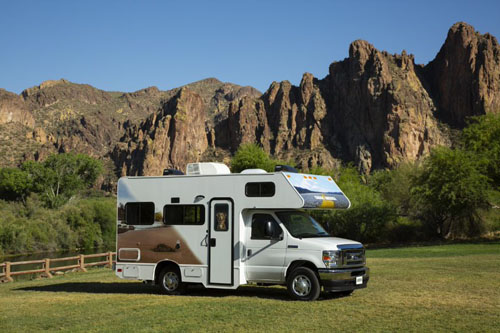
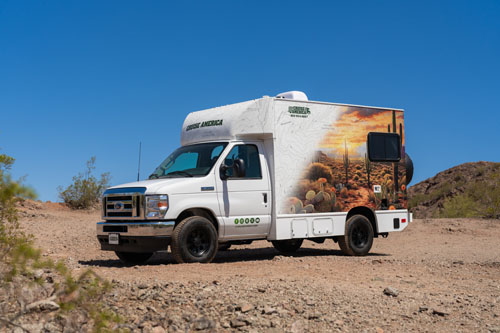
Successful weekly RV rental in North Canada requires careful planning and adherence to specific regional considerations to ensure safety and enjoyment. Prioritize booking well in advance, especially for the peak summer season (June-August), to secure your preferred campervan or motorhome. Choosing an RV class suitable for variable Northern road conditions, such as a Class C motorhome like the "Explorer" or even a 4x4 truck camper like the "Patagonia Camper 4x4 double cab", is crucial for navigating potential gravel stretches and uneven terrain. Always include a comprehensive emergency kit, with a satellite communication device, due to limited cell service across vast stretches of the North. Detailed route planning, accounting for infrequent fuel stops and amenities, will prevent unexpected delays and ensure a smooth journey. Finally, familiarize yourself with wildlife safety protocols, especially for bears and large animals like bison, which are common roadside encounters.
Remember that traveling slowly, at a maximum of 100-150 km per day on average, allows you to truly feel the place, connect to the culture, the food, and the scenery. For instance, planning a trip to see the Northern Lights often involves driving to remote areas with clear skies, making efficient yet unhurried travel essential.
Before You Book - Class, Dates, Insurance
Selecting the right RV class, confirming booking dates, and understanding insurance options are critical steps before renting a motorhome in North Canada. Choose an RV class that balances comfort, fuel efficiency, and suitability for potential gravel roads in North Canada, with Class C motorhomes or truck campers often offering a good balance of maneuverability and robustness.
For example, a Class C motorhome (e.g., a "Patagonia Camper 4x4 double cab" for a couple, or a "Motorhome Travel MHC24" for a family) offers amenities like a shower, toilet, and kitchen with 2-3 burners, making it ideal for self-sufficient travel. While larger Class A models like the "MHLUX" offer extensive amenities, their size might be less suitable for some of the narrower, unpaved roads found off major highways in the North. Remember, driving slowly and carefully allows you to drive almost anywhere without issues; no need to stress, just use common sense and pay attention.
Secure your weekly RV rental dates well in advance, particularly for the brief summer season (June-August) when demand for North Canada travel is highest. It's not about booking 6-12 months out, but being aware that popular times fill up faster. Many national and territorial parks, for instance, reserve only 25-30% of spots online; the remaining 70-75% are often available on a first-come, first-serve basis. This means spontaneous travel is possible, but a little planning goes a long way for popular campgrounds. If you are seeking RV Rental Deals in North Canada - Latest Offers 2026, being flexible with your dates can often lead to better availability and pricing.
Basic insurance is always included with your rental. To see prices including the most comprehensive coverage, select that option during your search; then all relevant insurance options will be shown. We recommend upgrading to a top-level deductible reimbursement for extra peace of mind, especially when venturing into remote regions where incidents can be more challenging. Our commitment to full transparency means no hidden fees and no surprises regarding your insurance choices.
Pre-Trip Prep - Packing Checklist for North Canada
A thorough packing checklist is essential for any weekly RV adventure in North Canada, preparing you for its variable weather and remote conditions. Pack layers of clothing: thermal base layers, a warm fleece, and a waterproof/windproof outer shell are indispensable, even in summer, as temperatures can change rapidly. Don't forget a warm hat, gloves, and sturdy waterproof hiking boots for exploring the wilderness. Insect repellent (with DEET or Picaridin) is vital due to active mosquito populations, and sunscreen and sunglasses are needed for extended daylight hours under the midnight sun.
For your rented motorhome's kitchen, bring non-perishable food items and plenty of water, as grocery stores are sparse and expensive in remote Northern communities. A portable water filter or purifier can be a lifesaver, and a cooler for extra food or drinks is always a good idea. Looking for tasty meals you can prepare on the road? Check out our RV-friendly recipes playlist for inspiration. Ensure your documents are in order, including your standard driver's license (which is sufficient for all motorhome classes; no special license or CDL is required), your RV rental agreement, and proof of insurance.
Safety and emergency preparedness are paramount. A satellite communication device (e.g., InReach, Spot) is highly recommended due to limited to non-existent cell service outside of major towns. Carry a comprehensive first-aid kit, including bear spray, and ensure you know how to use it safely. A roadside emergency kit with jumper cables, a tow strap, extra fluids, and a tire repair kit can be invaluable. Always have paper maps and offline digital maps as a backup to your GPS, along with headlamps or flashlights and extra batteries. Extra fuel and water containers are also wise additions for long stretches between services. For couples planning their trip, our RV Rental in North Canada for Couples - Pricing 2026 offers more specific guidance.
On the Road - Driving, Fueling, Navigation
Driving a rented motorhome in North Canada demands adaptability to varied and often challenging road conditions. Anticipate diverse surfaces, including long stretches of gravel (e.g., sections of the Dempster Highway or Canol Road) and potential permafrost impacts, which can create frost heaves - dramatic bumps and dips in the road. Drive defensively and be constantly aware of wildlife, including bison, moose, caribou, and bears, which are common along Northern routes. Remember, drive slowly and carefully, and you can drive almost anywhere without issues. No need to stress - just use common sense and pay attention.
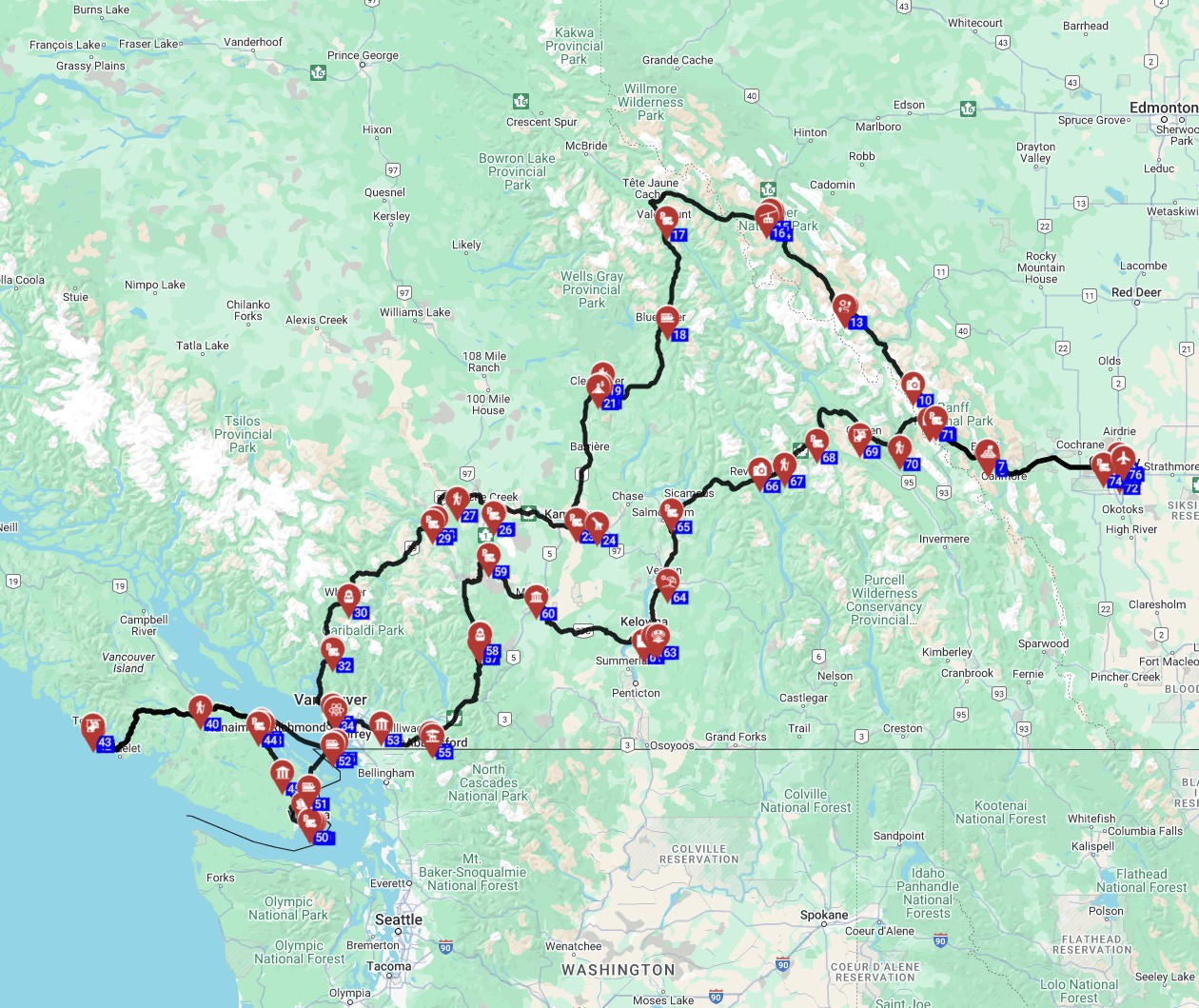
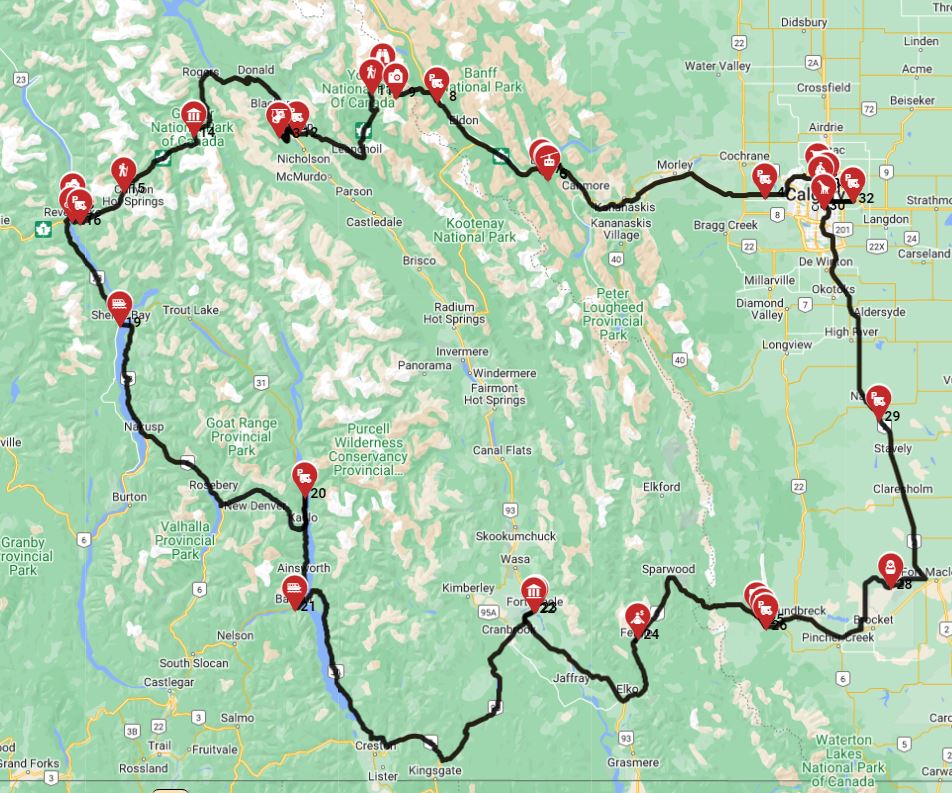
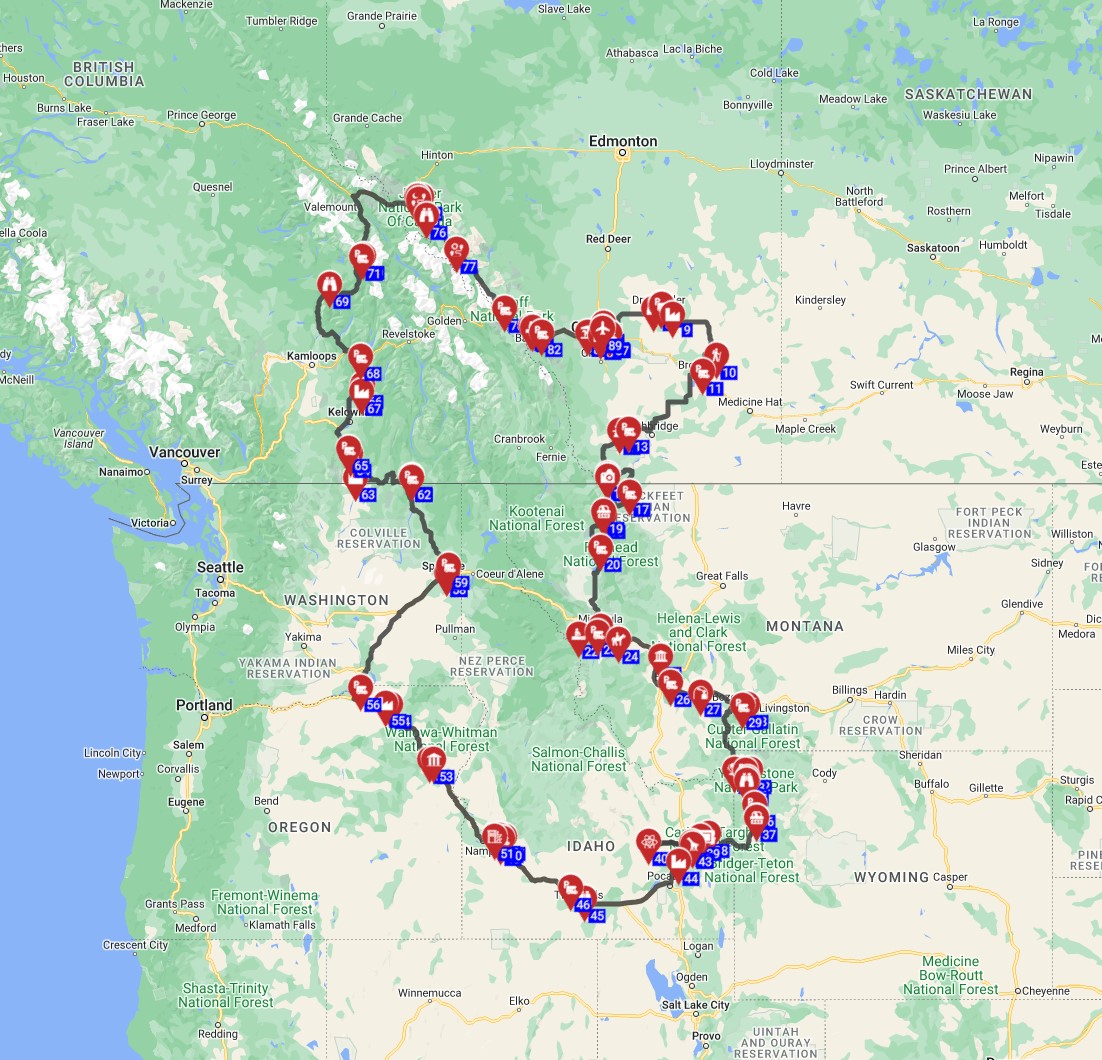
Fueling your camper or RV requires meticulous planning, as services are extremely limited and spaced far apart in many Northern regions. It's always wise to top up your fuel tank whenever possible and carry extra fuel if venturing into very remote areas. Fuel types are standard unleaded gasoline and diesel. Unlike some areas with complex toll systems, there are generally no toll roads specific to RVs in North Canada. On the routes offered through RV PLANET routes, you can itemize and track every expense along the way for easy budgeting.
For navigation, robust GPS systems with offline map capabilities are essential due to unreliable cellular coverage across vast territories. Always carry up-to-date physical maps as a crucial backup. Checking official territorial highway reports from resources like Yukon 511 or NWT Highway Conditions before and during your trip provides real-time information on road closures, construction, and weather, which are critical for safe Northern travel. Our RV Travel Guide to North Canada - Tips and Top Spots 2026 offers more insights.
At the Campground - Setup, Hookups and Etiquette
Setting up your rented RV at a North Canadian campground involves standard procedures, but always be mindful of local conditions and etiquette. Upon arrival, the first step is to level your RV to ensure appliances function correctly and for comfortable sleeping. Next, connect to shore power if available, then hook up your fresh water line (using a pressure regulator to protect your RV's plumbing), and finally, connect the sewer line with proper seals. Check for any local regulations regarding water usage or generator hours. For finding campsites and campgrounds during your trip, we recommend using RV PLANET (rvplan.net) - a great resource for locating available spots along your route.
Campground etiquette is especially important in shared wilderness spaces. Observe quiet hours, typically from 10 PM to 7 AM, to respect fellow campers and the surrounding wildlife. Always properly dispose of waste, and adhere strictly to 'Leave No Trace' principles. This is paramount, especially when utilizing dispersed camping options on Crown land, which are abundant and often free in the North. Dispersed camping requires full self-sufficiency; you must carry out everything you pack in, including human waste. Familiarize yourself with emergency numbers: 911 for all emergencies. For broader planning, consider exploring RV Rental USA - Complete Guide 2026.
Weekly RV Rental-Specific Tips for North Canada
🎬 Video coming soon
Maximizing a weekly RV rental in North Canada means focusing on depth over distance, given the vastness of the region. For a 7-day trip, concentrate on one specific Northern region, such as the Yukon's Whitehorse to Dawson City loop, rather than attempting to cover multiple territories. This slower pace, adhering to our recommendation of max 100-150 km per day, allows you to fully experience the area without feeling rushed.
Prioritize unique Northern experiences like Northern Lights viewing (best in late August/September), wildlife photography, or hiking in specific national or territorial parks. Popular sites, such as Kluane National Park or Tombstone Territorial Park, often have limited camping availability, so securing campground reservations in advance, even if only for a few nights, is advisable. Alternatively, utilize the numerous first-come, first-serve sites or explore Crown land for dispersed camping. For more detailed insights on maximizing your short trip, explore Winter RV Driving in North Canada - Safety Guide 2026 for colder season tips, though summer is often preferred for weekly trips.
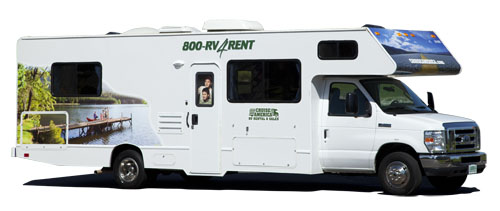
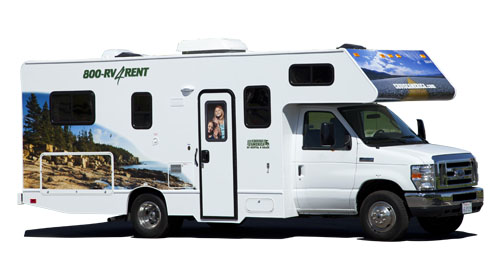
Budgeting for mileage is also key, as shorter weekly trips can sometimes incur higher per-day mileage costs compared to longer rentals. Factor this into your overall trip cost, especially if your chosen route involves significant distances. Our 25% planning discount for using rvplan.net can help offset some costs when planning your route and finding campsites. Whether you're looking for a "Patagonia Camper 4x4 double cab" for a rugged adventure or a more comfortable Class C "Cruise America Explorer", ensure your vehicle choice aligns with your weekly itinerary and budget. For deeper understanding of costs, check out RV Rental in North Canada - Prices and Best Deals 2026.
Common Mistakes to Avoid in North Canada
Avoiding common pitfalls ensures a smooth and enjoyable weekly RV rental in North Canada. A primary mistake is underestimating the vast distances and travel times; instead, research average driving speeds on gravel roads and factor in frequent stops for wildlife viewing or photography. Another common error is ignoring wildlife safety protocols; instead, carry bear spray (and know how to use it), store food properly to avoid attracting animals, and understand how to react to encounters with wildlife like bison, moose, or bears. Being prepared can make all the difference, as Bandana RV is with you before, during, and after your booking, providing support and information.
Lack of emergency preparedness is also a significant concern in remote Northern regions; instead, equip your rented motorhome with a comprehensive emergency kit, including a satellite communication device, and enough supplies for unexpected delays. Not booking your RV and popular campgrounds several months ahead, especially for prime summer dates, can lead to disappointment; secure your reservations in advance where possible, but also be prepared for first-come, first-serve options at many national and territorial parks. Finally, relying solely on cell service for navigation is a mistake; instead, download offline maps and carry physical maps, as cellular coverage is extremely sparse outside of major communities. With Bandana RV, you're getting honest and transparent advice to help you navigate these unique challenges.
How much does it cost to rent an RV in Canada for a week?
Renting an RV for a week in North Canada can range from approximately CAD $1,500 to over CAD $3,500, depending on various factors such as the RV class, the season, the rental company, included mileage, and additional amenities or insurance. For example, a compact campervan like the "rv rental denver example Category Van" might fall on the lower end, while a spacious Class C motorhome like the "Adak Argonaut 23 - Gold" with a generator could be in the mid-range. Luxury models like the "luxury rv rentals example Carthago Malibu 600" would command higher rates.
Peak summer months (July-August) typically see the highest prices due to demand for North Canada travel, while shoulder seasons (May-June, September) can offer slightly lower rates, potentially saving up to 20%. Rental agreements often include a set number of kilometers per day or week (e.g., 200 km/day), with additional mileage incurring extra charges; North Canadian trips tend to cover vast distances, so factor in potential mileage overages. Comprehensive insurance, roadside assistance, kitchen kits, and bedding packages will add to the total cost. Some suppliers may apply a Northern Surcharge for travel into the Yukon, Northwest Territories, or Nunavut, or have specific vehicle requirements for such travel. For easy budgeting and tracking all these potential costs, explore RV PLANET routes where you can itemize every expense along your planned itinerary.
Is RVing cheaper than hotels?
RVing can be cheaper than hotels, especially for families or longer trips in North Canada, but this depends heavily on your travel style, fuel consumption, and how you manage other expenses like food and campsites. The cost breakdown for RVing includes rental fees, fuel (which can be substantial in the North due to long distances and higher prices, often CAD $1.70 to $2.20 per liter for gasoline), campsite fees (ranging from free dispersed camping on Crown land to paid campgrounds with hookups typically CAD $30-70 per night), propane, and groceries.
Conversely, hotel costs involve accommodation, often higher-priced restaurant meals, and transportation (rental car or other transit). In North Canada, hotel options in smaller Northern communities are often limited and can be significantly more expensive than in southern Canada, with average hotel nights often exceeding CAD $200-$300. This makes RVing a potentially more economical choice, particularly if you utilize free or low-cost Crown land camping spots and cook most of your meals in your rented motorhome. While fuel costs in remote areas can offset some savings, the flexibility of preparing your own RV-friendly recipes playlist and choosing diverse camping options often results in overall savings compared to traditional hotel travel for extended trips. Keep in mind that prices are dynamic, much like flight tickets, changing daily based on availability and seasonality.
What is the 3-3-3 rule for RV travel?
The 3-3-3 rule for RV travel is a widely recommended guideline for safe and enjoyable trips, suggesting you aim to drive no more than 300 miles (approximately 480 km) in a day, stop driving by 3 PM, and stay for at least 3 nights at each campsite. This rule helps prevent driver fatigue, which is particularly important on the long, often remote, and sometimes challenging roads of North Canada where services are infrequent and wildlife encounters are common.
Stopping by 3 PM allows ample time to find a campsite, set up your rented RV (whether it's a campervan or a large motorhome), and relax before dusk, which is crucial for safety and preventing late-night arrivals in unfamiliar or isolated areas. Staying 3 nights encourages a slower pace, reducing the stress of constant packing and unpacking, and provides valuable opportunities to deeply explore the local area, which is ideal for experiencing the unique Northern wilderness. Other variations include the '4-4-4 rule' (400 miles, stop by 4 PM, stay 4 nights) or the more conservative '2-2-2 rule' (200 miles, stop by 2 PM, stay 2 nights), which can be highly beneficial when navigating challenging Northern terrain or exploring specific sites like national parks in depth. Our philosophy at Bandana RV is to travel slowly, at a maximum of 100-150 km per day on average, aligning perfectly with the spirit of these rules to truly immerse yourself in the destination.
What is the best RV route planner in Canada?
The best RV route planner in Canada for North Canada travel often combines dedicated RV navigation apps with offline mapping capabilities and current road condition resources. RV LIFE Trip Wizard is excellent for planning routes specific to rented RVs, factoring in vehicle dimensions (like a 7.1m long "Cruise America Explorer" or a 9.1m "C-30"), weight, and available campgrounds, often with user reviews. iOverlander is an indispensable tool for finding established campgrounds, as well as more remote or dispersed camping (Crown land camping) spots, fuel stations, and water points, which is particularly useful in areas with limited services.
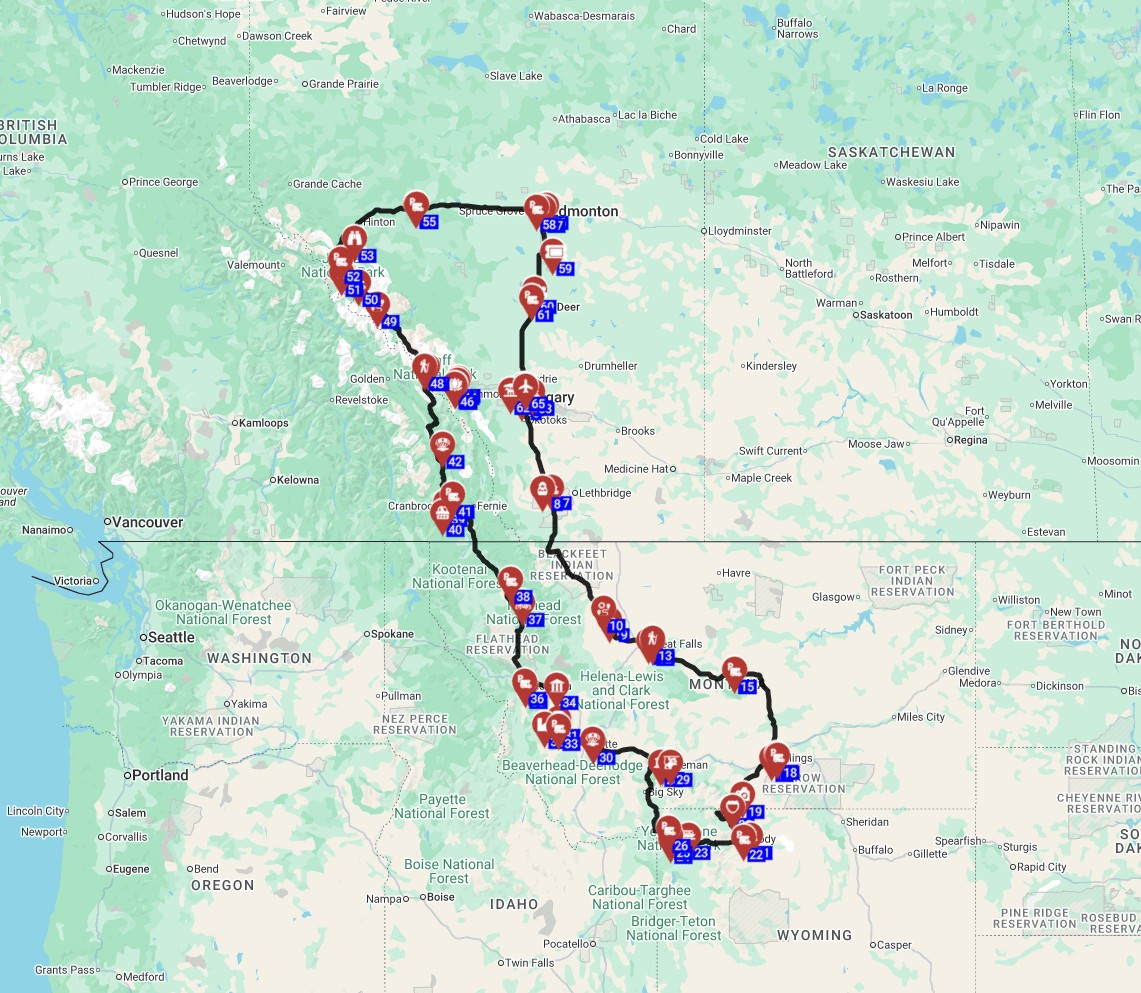
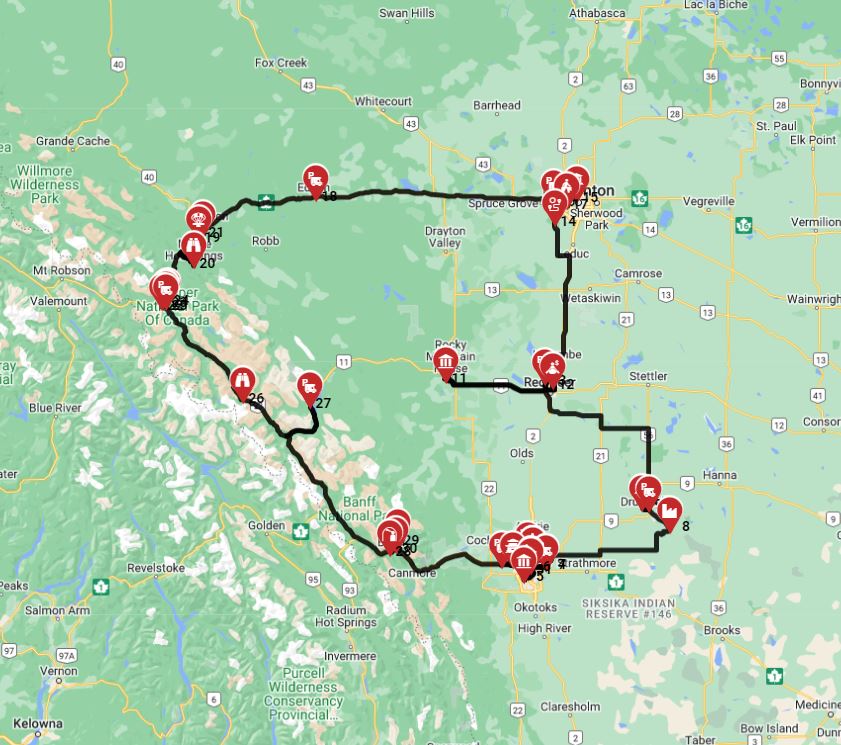
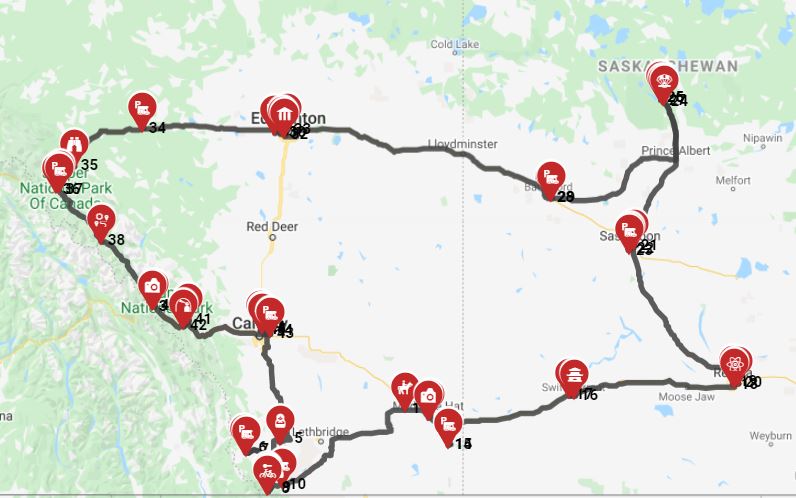
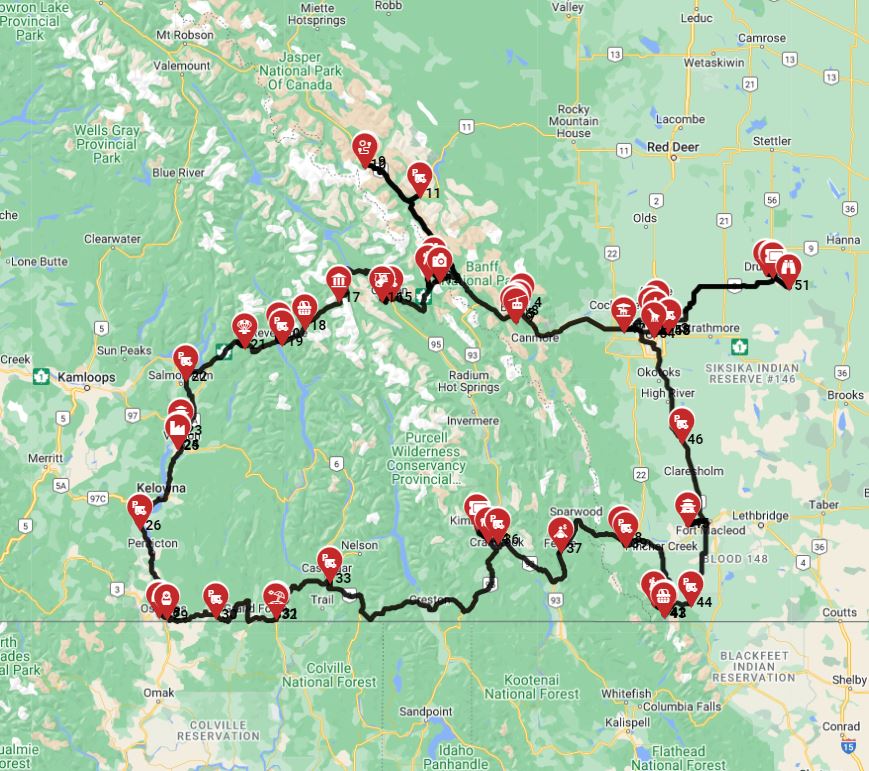
Google Maps and Apple Maps, with their crucial offline mode functionality, are useful for general navigation but should always be backed up by physical paper maps for areas with no cell service. For real-time information on road closures, construction, and weather, which are critical for safe and efficient Northern travel, regularly check official territorial highway reports from websites like Yukon 511, NWT Highway Conditions, or Drive BC. These resources provide up-to-the-minute details that can significantly impact your route. We also highly recommend our sister company's RV PLANET routes, which offer 1,300+ pre-planned routes across 5 continents, including many tailored for the unique challenges and beauty of North Canada, complete with detailed itineraries and expense tracking. You can even enjoy a 25% planning discount when you use rvplan.net to craft your perfect itinerary.
What You Shouldn't Miss
- Driving a section of the legendary Dempster Highway, Canada's only public road to cross the Arctic Circle, offering incredible tundra landscapes.
- Experiencing the magic of the Midnight Sun in summer, allowing for extended explorations of Yukon towns like Dawson City, where gold rush history comes alive.
- Spotting the world's largest free-roaming herd of wood bison in Wood Buffalo National Park, a UNESCO World Heritage Site straddling the NWT-Alberta border.
- Exploring Kluane National Park and Reserve in Yukon, home to Canada's highest peak, Mount Logan, and offering spectacular hiking and glacier viewing.
- Visiting the vibrant capital of the Northwest Territories, Yellowknife, for its unique houseboats, Indigenous culture, and prime Northern Lights viewing opportunities (late August to September).
- Taking a scenic flight over the stunning Nahanni National Park Reserve in the NWT, famous for its deep canyons, hot springs, and Virginia Falls (twice the height of Niagara Falls).
Looking for expert insights from Avi Bandana? Top 5 Adventures - recommendations from Avi Bandana.
Final Thoughts
A weekly RV rental in North Canada promises an unforgettable journey into a realm of breathtaking natural beauty and unique cultural experiences. By following these practical tips and embracing a spirit of adventure, you'll be well-prepared to navigate the distinct challenges and wonders of this incredible destination. Remember to plan slowly, savor each moment, and let the vast wilderness inspire you.
Whether you're chasing the Northern Lights or exploring the gold rush trails, your rented motorhome or campervan provides the perfect base for immersion. We're here to help you compare Motorhome Prices for North Canada and guide you through the booking process with confidence. Discover top destinations, planning tips, all in one place, and prepare for the road trip of a lifetime!
Ready to start your Northern adventure? Check North Canada RV Rental Prices Now and begin planning your extraordinary escape today.