In This Guide
- Top 5 Tips for weekly rv rental RV Rental in Ireland
- Before You Book — Class, Dates, Insurance
- Pre-Trip Prep — Packing Checklist for Ireland
- On the Road — Driving, Fueling, Navigation
- At the Campground — Setup, Hookups & Etiquette
- weekly rv rental-Specific Tips for Ireland
- Common Mistakes to Avoid in Ireland
- Is it worth renting an RV in Ireland?
- Are motorhomes popular in Ireland?
- How much does it cost to rent an RV in Ireland for a week?
- How much is a motorhome pitch in Ireland?
- What do I need to know about driving a motorhome in Ireland?
- What side of the road do you drive in Ireland?
- Can you wild camp in an RV in Ireland?
- Where can I empty my chemical toilet in Ireland?
Top 5 Tips for weekly rv rental RV Rental in Ireland
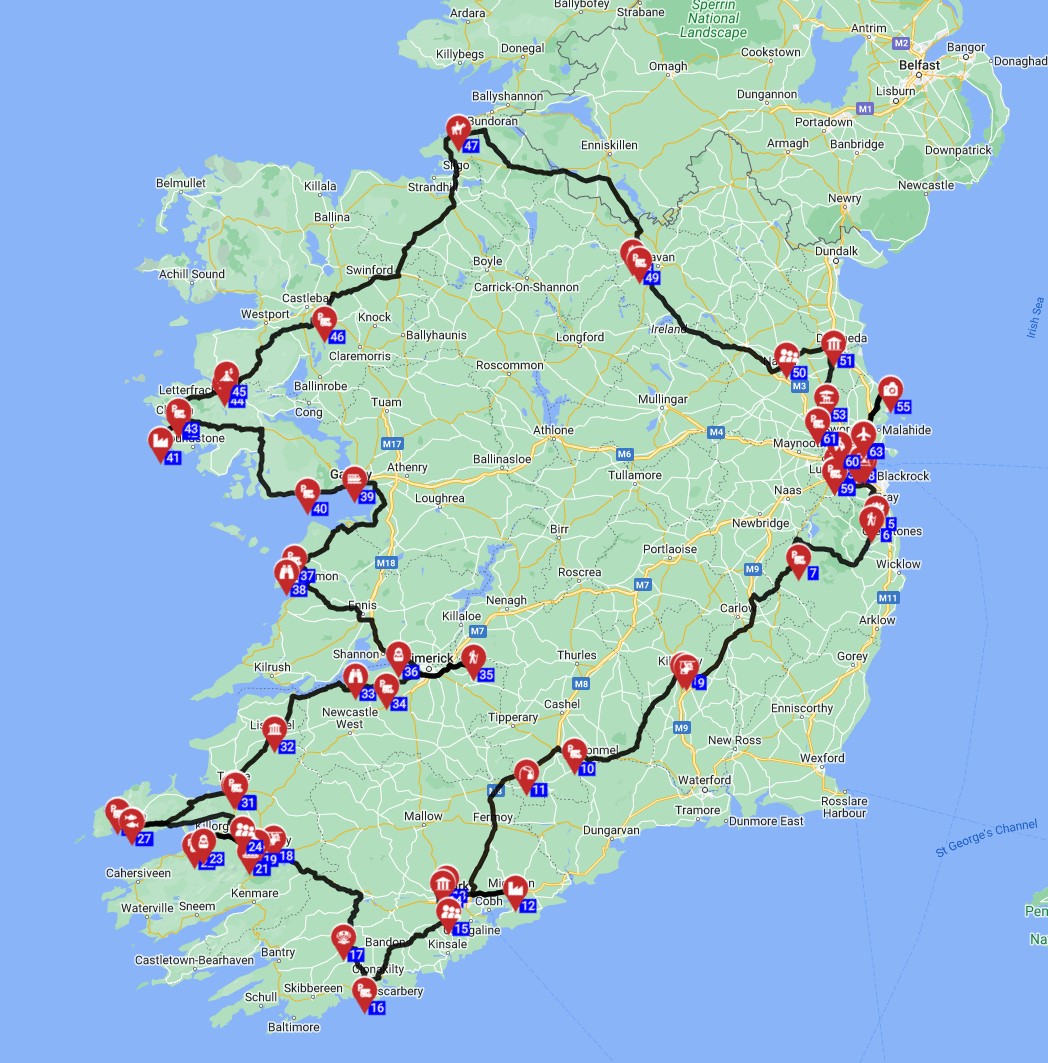
Book your RV rental well in advance, especially for peak season (June-August), to secure availability and better rates. Familiarize yourself with Ireland's unique road network, particularly narrow regional (R) and local (L) roads, which require careful driving. Budget comprehensively for all expenses, including rental fees, fuel, tolls, and varying campsite costs, to avoid surprises. Pack versatile layers and waterproof gear; Ireland's weather can be unpredictable, making preparedness key to comfort. Understand your chosen RV's dimensions – length, width, and height – for safe navigation and adherence to clearance limits. On the routes offered through RV PLANET routes, you can itemize and track every expense along the way for easy budgeting.
Before You Book — Class, Dates, Insurance
Choosing an RV class for weekly rental involves balancing comfort with maneuverability; smaller classes are often better suited for Ireland's narrow roads and easier parking. Booking dates far in advance, particularly 6–12 months for peak season (June–August), secures better rates and availability for your desired RV class. Insurance options typically include basic coverage, with comprehensive policies offering greater peace of mind for weekly RV rentals by reducing excess liabilities. Basic insurance is always included; to see prices including the most comprehensive coverage, select that option during your search, and all relevant insurance options will be shown.
Pre-Trip Prep — Packing Checklist for Ireland
A well-prepared packing list for an RV trip in Ireland includes clothing for all weather, essential kitchen items, safety gear, and important documents to ensure a comfortable and hassle-free journey. Consider packing a waterproof jacket and trousers, warm layers like fleece or wool, comfortable walking shoes or boots, and quick-dry towels. Don't forget an adapter for Irish/UK sockets, a reliable GPS with offline maps, a first-aid kit, and a headlamp or flashlight. Reusable water bottles, laundry detergent pods, dish soap, a sponge, and bin bags are also essential for managing your supplies efficiently. For ideas you can prep on the road, watch our RV-friendly recipes playlist on YouTube.
- Waterproof jacket & trousers
- Warm layers (fleece, wool)
- Comfortable walking shoes/boots
- Quick-dry towels
- Adapter for Irish/UK sockets
- GPS with offline maps
- First-aid kit
- Headlamp/flashlight
- Reusable water bottle
- Laundry detergent pods
- Dish soap & sponge
- Bin bags for waste
- Passport/ID
- Driving license (both parts for UK)
- RV rental documents
- Travel insurance details
On the Road — Driving, Fueling, Navigation
Driving an RV in Ireland requires careful attention to narrow roads, particularly rural R and L routes, and a confident approach to left-hand traffic, which is standard. Fueling up is straightforward, with diesel (often called 'diesel' or 'gas oil') widely available at petrol stations across the country. Navigation often benefits from a reliable GPS system set for RV dimensions, avoiding unsuitable routes, in addition to physical maps for backup in signal-limited areas. Observe specific speed limits for motorhomes, which are typically lower than cars on national roads and motorways.
Be cautious on winding coastal routes like the Wild Atlantic Way, especially with larger vehicles, due to steep inclines, sharp bends, and unpredictable weather. Avoid driving larger RVs into small village centers or tight city streets; look for park-and-ride options or designated RV parking on the outskirts.
At the Campground — Setup, Hookups & Etiquette
Setting up an RV at an Irish campground typically involves carefully positioning the vehicle, connecting to available utilities, and observing site etiquette to ensure a pleasant stay for all. Hookup order generally starts with securing the electrical connection, followed by fresh water hose attachment, and finally, positioning for wastewater disposal (grey and black water) at designated points. Campsite etiquette includes respecting quiet hours (usually 10 PM to 8 AM), maintaining a clean and tidy pitch, and ensuring responsible waste management and recycling. Familiarize yourself with the location of water taps, waste disposal points, and general recycling facilities upon arrival to ensure smooth operations throughout your stay.
weekly rv rental-Specific Tips for Ireland
For a weekly rental, prioritize a manageable route that allows deep exploration of 2–3 key regions rather than rushing through the entire country, maximizing your time and minimizing driving stress. Consider the RV size carefully; a smaller RV, such as a campervan, can offer significantly easier navigation on Ireland's scenic but often narrow roads, enhancing the weekly experience. Budget for a mix of paid campsites with full amenities for comfort and responsible wild camping opportunities to experience diverse overnight stays and reduce costs.
Prepare for Ireland's variable weather by packing versatile clothing layers and having curated indoor activity plans, such as museums or sheltered attractions, for less-than-ideal weather days. Utilize local visitor centers and online resources for real-time weather updates and alternative activity suggestions to make the most of your weekly trip, regardless of the forecast.
Common Mistakes to Avoid in Ireland
Instead of overpacking with unnecessary items, focus on versatile layers and waterproof gear; RV storage is finite, and laundry facilities are readily available at many Irish campsites. Rather than solely relying on satellite navigation, cross-reference routes with a physical map or local advice, especially when navigating narrow regional roads or approaching small towns. Avoid underestimating driving times; allow generous extra time for winding roads, frequent photo stops, and unexpected detours, as journeys often take longer than anticipated.
Don't neglect securing your RV and valuables; always lock doors, close windows, and use any provided security features, particularly in urban areas or popular tourist spots. Instead of ignoring local etiquette for wild camping, always seek permission if on private land, arrive late, leave early, and meticulously adhere to 'leave no trace' principles, packing out all waste.
Is it worth renting an RV in Ireland?
Renting an RV in Ireland is highly worthwhile for travelers seeking unparalleled flexibility, immersive experiences in nature, and the freedom to explore diverse landscapes at their own pace. It offers the freedom to create a personalized itinerary, reaching remote locations and charming villages that might be inaccessible by public transport. An RV can be a cost-effective option for accommodation and transport, especially for families or groups, combining two major travel expenses. The ability to move your 'home' with you eliminates the need for daily packing and unpacking, enhancing travel convenience. Engaging with Ireland's growing RV culture provides a unique way to connect with local communities and other travelers.
Are motorhomes popular in Ireland?
Motorhomes are indeed popular and increasingly common in Ireland, reflecting a growing appreciation for domestic tourism, outdoor adventure, and the flexibility they offer among both locals and international visitors. The popularity is evident in the increasing number of dedicated motorhome-friendly campsites, service points, and local events. There is a strong and welcoming community among motorhome owners in Ireland, often sharing tips and camaraderie. Ireland's stunning natural landscapes, from rugged coastlines to rolling green hills, are perfectly suited for motorhome exploration, driving their popularity. The ability to explore independently and connect with nature resonates well with the Irish travel ethos.
How much does it cost to rent an RV in Ireland for a week?
The cost to rent an RV in Ireland for a week typically ranges from €800 to €1,800, influenced by the RV class, rental season (low, mid, high), specific features, and booking lead time. A comprehensive, itemized budget for a weekly RV rental should include: the base rental fee (€800–€1800), estimated fuel costs (€150–€300+ based on mileage and diesel at €1.70–€2.00/liter for typical RV consumption of 8–12 L/100km), tolls (€10–€30, including the M50 barrier-free toll), average campsite fees (€25–€45 per night), and potential insurance add-ons (€100–€300 for full coverage). Additional expenses might include ferry fees (if arriving from outside Ireland), LPG refills, and provisions. Booking during the shoulder seasons (spring/autumn) or well in advance for peak season can help manage costs.
The final price is set at the actual booking time, and Bandana Caravan offers full price transparency with no hidden fees.How much is a motorhome pitch in Ireland?
A motorhome pitch at a dedicated campsite in Ireland generally costs between €25 to €45 per night, with prices varying based on the campsite's location, the range of amenities offered, and the seasonality of your visit. Factors influencing the price include location (coastal, popular tourist areas, or proximity to cities are often pricier), amenities (full hookups for electricity, water, waste vs. basic non-serviced pitches), seasonality (peak summer months like July and August are most expensive), and on-site facilities (showers, laundries, play areas, Wi-Fi). Many campsites offer discounts for longer stays or specific motorhome club memberships, which can be beneficial for a weekly rental.
This cost is a significant part of your overall budget and should be factored in when planning your trip. For finding campsites and campgrounds during your trip, we recommend using RV PLANET (rvplan.net) — a great resource for locating available spots along your route.What do I need to know about driving a motorhome in Ireland?
Driving a motorhome in Ireland requires familiarity with left-hand traffic, adept navigation of extremely narrow rural roads (R & L roads), and careful attention to vehicle dimensions, particularly when navigating turns and urban areas. Always drive on the left side of the road, which may require adjustment for drivers from right-hand traffic countries. Expect narrow regional (R) and local (L) roads, often single-track with passing places; be prepared to pull in to allow oncoming traffic to pass, utilizing full mirror adjustments.
Set your GPS to avoid unpaved or excessively narrow routes; input your RV's dimensions if the system allows, and consider using satellite view to preview challenging roads. Observe specific speed limits for motorhomes, which are typically lower than cars on national roads and motorways. Be cautious on winding coastal routes like the Wild Atlantic Way, especially with larger vehicles, due to steep inclines and sharp bends.
What side of the road do you drive in Ireland?
In Ireland, all vehicles drive on the **left side of the road**, and the steering wheel in most cars and rental RVs is situated on the right side of the vehicle. This is a fundamental rule for anyone planning to drive in Ireland and impacts everything from road positioning to understanding traffic flow at roundabouts. Always give way to traffic coming from your right when approaching a roundabout. It's advisable to take extra caution when starting your journey to adjust to the left-hand traffic system, especially when making turns or entering motorways.
Can you wild camp in an RV in Ireland?
Wild camping in an RV is generally tolerated in many remote parts of Ireland, provided you adhere strictly to 'leave no trace' principles, respect private land, and exercise discretion to maintain good relations with locals. While not explicitly illegal in most areas, there isn't a blanket legal right to wild camp; it's often based on implied permission or the absence of clear prohibition. Always heed 'No Overnight Parking' or 'No Motorhomes' signs. Look for discreet lay-bys, quiet coastal car parks, or remote beauty spots, ideally arriving late and leaving early to minimize impact and visibility.
Always seek explicit permission if you suspect the land is private; a polite inquiry often goes a long way. Do not block access, obstruct views, or cause any nuisance. Crucially, manage all waste—grey water, black water, and rubbish—responsibly; never dump it. Use public bins, dedicated chemical disposal points, or pack it out with you. Ensure you are self-sufficient with water and toilet facilities, as wild camping spots rarely offer hookups or amenities. Prioritize safety: choose well-lit or visible spots if possible, trust your instincts about a location's security, and be aware of local conditions.
Where can I empty my chemical toilet in Ireland?
You can typically empty your chemical toilet (black water) at designated 'chemical disposal points' or 'dump stations' found at most Irish campsites and a limited number of public service areas specifically for motorhomes. Campsites are the most reliable and readily available option; even if you are not staying overnight, many campsites will allow non-guests to use their chemical disposal facilities for a small fee. Dedicated service points, some larger fuel stations, or specific motorhome service areas may offer disposal facilities, though these are less common as standalone sites in Ireland. Grey water (from sinks and showers) can often be emptied at the same points as black water or, if it's environmentally friendly and away from water sources, sometimes onto grassy areas.
It is highly advisable to plan your route to include scheduled stops at campsites or known service points to effectively manage waste disposal throughout your weekly rental, especially when wild camping. Utilizing apps like 'Park4Night' or local tourist information websites often lists these facilities.What You Shouldn't Miss
- Drive the stunning Wild Atlantic Way, experiencing breathtaking coastal scenery and charming villages.
- Explore the ancient history and vibrant culture of cities like Dublin, Galway, and Cork.
- Visit the iconic Cliffs of Moher for dramatic coastal views that will leave you speechless.
- Discover the mystical landscape of the Giant's Causeway in Northern Ireland.
- Experience traditional Irish music sessions in a cozy pub after a day of exploring.
- Take a scenic drive through the Wicklow Mountains National Park for lush landscapes and historic monastic sites.
Final Thoughts
Renting an RV in Ireland offers an unparalleled way to explore the Emerald Isle at your own pace, from the rugged coastlines to the charming villages. By planning ahead, packing wisely, and embracing the adventure, you're set for an unforgettable journey.
We're here to help you navigate every step, from choosing the right vehicle to understanding local driving customs. Let Bandana Caravan help you discover the magic of Ireland on wheels.
Ready to start planning your dream RV trip to Ireland? Compare vehicle options and prices easily on our platform.
Get inspired for your next trip! Discover top destinations, planning tips, all in one place!