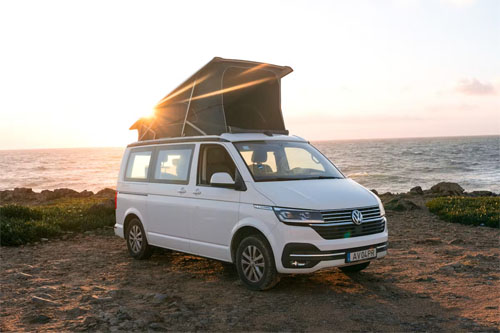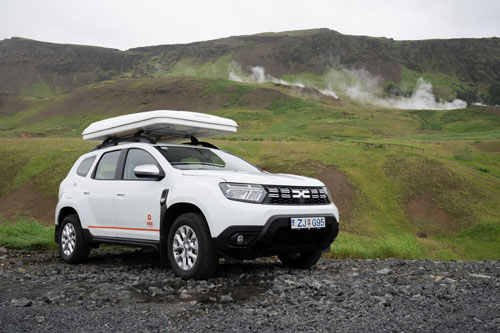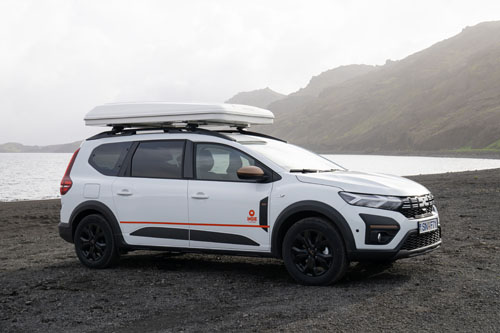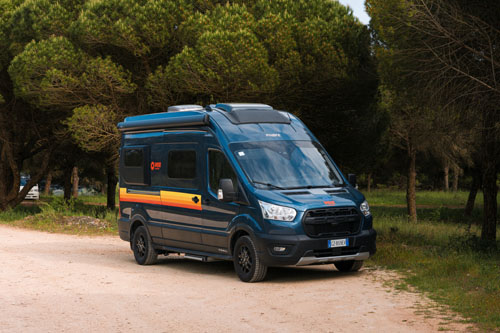
In This Guide
- Top 5 Tips for weekly rv rental RV Rental in Europe
- Before You Book - Class, Dates, Insurance
- Pre-Trip Prep - Packing Checklist for Europe
- On the Road - Driving, Fueling, Navigation
- At the Campground - Setup, Hookups & Etiquette
- weekly rv rental-Specific Tips for Europe
- Common Mistakes to Avoid in Europe
- How much is a 1 week RV rental?
- How much does it cost to rent an RV in Europe?
- Is Europe RV friendly?
- Is it cheaper to rent an RV or stay in hotels?
- What is the 3-3-3 rule for RV travel?
- How easy is it to travel around Europe in a motorhome?
- What is the 4-4-4 rule for RV travel?
- How much money will I need for 2 weeks in Europe?
- What do I need to know before renting an RV?
Top 5 Tips for weekly rv rental RV Rental in Europe
Booking your weekly RV rental for Europe well in advance is crucial, especially if you plan to travel during peak seasons like summer or major holidays, where popular models and better rates can be secured up to 6 months ahead. To navigate charming European village centers and city streets, remember that you can drive almost anywhere without issues by simply moving slowly and carefully, using common sense and paying attention. Don't stress about the size of your rented motorhome; what truly matters is your driving approach. Factor in all trip costs beyond the base rental fee, such as fuel, tolls, campsite fees, and potential low emission zone charges. Familiarize yourself with basic European road rules and any required safety equipment for the countries you'll visit, such as high-visibility vests or warning triangles. Finally, enhance your adventure by planning a route that balances pre-booked campsites with flexible stops, offering a mix of experiences from historical sites to natural wonders. For live availability and current prices, start with our RV Rental Europe - Complete Guide 2026 guide.Before You Book - Class, Dates, Insurance
Choosing the right RV class for a weekly rental in Europe involves balancing comfort, maneuverability, and budget, with smaller campervans (Class B) often preferred for their agility on narrower roads, while larger Class C or Class A motorhomes offer more spacious living for families. For optimal selection and pricing, it is advisable to lock in your rental dates several months in advance, particularly if traveling during Europe's high season (June-August), as this can often save you up to 25% on rates. Understanding insurance options is crucial for European RV rentals; basic third-party liability insurance is always included in the rental price, providing peace of mind. You can typically upgrade to a top-level deductible for extra peace of mind, ensuring you're well-covered. To compare final prices across suppliers and see all relevant insurance options, simply select comprehensive coverage during your search. Bandana Caravan, your true RV specialists, compares options from 50+ leading RV suppliers worldwide, including trusted names like El Monte and Apollo, ensuring you get full transparency with no hidden fees or surprises at pickup.Pre-Trip Prep - Packing Checklist for Europe
A tailored packing checklist for a weekly RV rental in Europe helps ensure you have all essentials, from practical clothing layers for varying climates to necessary international documents and safety gear, allowing you to focus on the adventure. Remember to account for smaller living spaces and specific European electrical standards when packing, ensuring all your gadgets can be charged.- International Driving Permit (IDP) or certified translation of license
- Valid Passport & Visa (if required for your nationality)
- Vehicle Rental Documents
- Travel Insurance details
- High-visibility vests (one per passenger)
- Warning triangle
- First-aid kit
- Breathalyzer (required in France)
- European electrical adapter (Type F/E)
- Multi-USB charger
- Portable Wi-Fi hotspot or local SIM card
- Layered clothing for various temperatures
- Comfortable walking shoes
- Reusable shopping bags
- Basic cooking essentials (e.g., olive oil, salt, pepper, coffee)
- RV-friendly recipes playlist
- Compact cookware and utensils
- Water bottles/thermos
- Navigation app with offline maps (e.g., Google Maps, Maps.me, Waze)
- RV-specific GPS (optional, often helpful)
- Headlamps/flashlights
- Small towel & toiletries
- Entertainment (books, games)
On the Road - Driving, Fueling, Navigation
Navigating Europe in a rented RV requires an understanding of local driving laws, fuel types, and effective navigation strategies, including awareness of speed limits, road signs, and low emission zones (LEZs). Remember, driving slowly and carefully allows you to navigate almost anywhere without issues, even in cities, so there's no need to stress. European fuel stations typically offer Diesel (Gasoil) and Petrol (Essence), and it's vital to know your motorhome's specific fuel type before you begin filling up. When navigating, consider using a GPS system with RV-specific routing features or apps like Waze for real-time traffic and speed camera alerts, particularly when planning route plans through cities to avoid restricted areas or very narrow streets. Be prepared for tolls, which are common across Europe and can be paid with cash, card, or via electronic vignettes; these ancillary costs are detailed on RV PLANET routes, where you can itemize and track every expense. Our "One-Way RV Rental in Europe - Price Guide 2026" offers useful tips on long-distance routes.At the Campground - Setup, Hookups & Etiquette
Proper campground setup and understanding utility hookups are essential for a comfortable RV experience in Europe, along with observing local etiquette to ensure a harmonious stay for everyone. Upon arrival at your pitch, it is generally recommended to back your rented RV into the spot, ensuring easy access to utility pedestals for convenient connections. The standard hookup order is: first connect electricity, then fresh water, and finally, prepare your waste disposal (grey and black water) connection if available or needed, ensuring tanks are emptied responsibly at designated dump stations. Always respect quiet hours, usually enforced from late evening to early morning, and manage waste disposal responsibly at designated dump stations, separating recycling where possible, in line with European cultural norms. For finding campsites and campgrounds during your trip, we recommend using RV PLANET (rvplan.net) - a great resource for locating available spots along your route. You'll find a spot; if not at the first campground, then the next one. Just call ahead before driving.weekly rv rental-Specific Tips for Europe
For a weekly RV rental in Europe, consider choosing a compact campervan to maximize maneuverability and access to charming village centers and scenic routes, as these often prove more flexible for varied European landscapes. Prioritize planning 2-3 key destinations rather than attempting to cover too much ground, allowing for more relaxed exploration at an average of 100-150 km per day. Allocate a portion of your budget for dining out occasionally to experience local cuisine, balancing it with cooking in your rented RV to save costs. Research local markets for fresh groceries to enhance your onboard cooking experience and embrace the cultural aspects of each region. Here's our RV-friendly recipes playlist for inspiration. Ensure your chosen rental motorhome includes essential amenities like a small kitchen and a compact bathroom, especially for shorter trips where convenience is key. Our "RV Rental in Europe - Prices and Best Deals 2026" guide can help you find suitable options.Common Mistakes to Avoid in Europe
A common mistake when renting an RV in Europe is underestimating driving times due to variable road conditions and speed limits; instead, plan realistic daily mileage and allow for spontaneous stops. Neglecting to research specific country regulations, such as mandatory safety equipment (e.g., high-vis vests, warning triangles, breathalyzers in France), can lead to fines; instead, create a checklist of required items for each country on your itinerary. Overpacking can clutter a small RV space and impact fuel efficiency; instead, pack light, utilizing modular clothing and prioritizing multi-use items for your week-long trip. Failing to understand local parking rules, especially in cities or popular tourist areas, can result in penalties; instead, research RV-friendly parking in advance or utilize peripheral campsites with public transport links into city centers. Drive slowly and carefully, and you can drive almost anywhere without issues. No need to stress - just use common sense and pay attention. Ignoring the importance of breakdown coverage and emergency contact information can cause significant stress; instead, ensure you have comprehensive international breakdown assistance and know who to call in an emergency. Not considering internet connectivity options can leave you without navigation or communication; instead, plan for a local SIM card, an international e-SIM, or a portable Wi-Fi hotspot.How much is a 1 week RV rental?
A 1-week RV rental in Europe typically ranges from €500 to €1500, varying significantly based on the season, vehicle size, specific country, and booking lead time. During peak season (June-August), prices for a rented campervan or motorhome can be at the higher end or exceed this range, while off-peak travel often presents more affordable options, potentially saving you 15-20%. For a compact campervan like a "V3" or "Active Standard", expect to pay between €700-€1200 per week in summer, whereas a larger family motorhome such as a "Glamys 265" could be €1000-€1800+. You can find current prices in our "Cheap RV Rental in Europe - Budget Guide 2026".How much does it cost to rent an RV in Europe?
The total cost to rent an RV in Europe extends beyond the base rental fee, encompassing fuel, tolls, campsites, insurance upgrades, and daily living expenses, all of which should be factored into your travel budget. Fuel costs can be substantial, with diesel and petrol prices varying by country; budget approximately €150-€300+ per week depending on your mileage and the fuel efficiency of your rented caravan (e.g. a "cruise america example Explorer" has a fuel consumption of 11 Liters / 100 Km). Tolls, including motorway charges, bridge fees, and mandatory vignettes for countries like Switzerland or Austria, can add €50-€150 per week to your expenses. Campsite fees range from €15-€50 per night for a standard pitch with electricity, totaling €105-€350 for a week. Additionally, budget for groceries (€70-€150/week if you plan to cook many of your meals in your mobile home), dining out, and tourist activities. Consider additional costs like an International Driving Permit (€20-€30), potential low emission zone passes, and comprehensive breakdown coverage (often included but worth confirming). All these costs can be itemized and tracked easily on RV PLANET routes.Is Europe RV friendly?
Europe is generally very RV friendly, offering a vast network of well-maintained campsites, dedicated service areas, and picturesque routes across its diverse landscapes, though specific regulations and road conditions vary by country. Many European countries boast excellent infrastructure for rented motorhomes, including dedicated service areas for waste disposal and fresh water refills, often available even outside formal campgrounds. Be aware that city centers often have restricted access or low emission zones, making smaller campervans like a "Duo" or "Active Small" more suitable for urban exploration, although with careful driving, larger RVs can also navigate. Roads can be narrower and winding in older towns or mountainous regions, requiring careful driving and attention to road signs. Cultural nuances regarding wild camping and parking vary significantly; always research local rules to avoid issues and respect local communities. Our "RV Rental Deals in Europe - Latest Offers 2026" showcases options for many RV-friendly regions.Is it cheaper to rent an RV or stay in hotels?
Renting an RV can be more cost-effective than staying in hotels for a week-long trip in Europe, especially for families or groups of 4-6 people, due to significant savings on accommodation and dining. While the upfront RV rental cost might seem comparable to or even slightly higher than budget hotels, a rented motorhome allows for substantial savings on meals by enabling self-catering, especially when cooking with fresh local produce. A typical 4-berth campervan, such as an "EcoLine 4", provides both sleeping and kitchen facilities, drastically reducing daily food expenses. RV travel also eliminates the need for daily car rental and often offers greater flexibility to explore remote areas where hotels might be scarce or expensive, creating a unique value proposition for an adventurous family trip.What is the 3-3-3 rule for RV travel?
The 3-3-3 rule for RV travel is a widely adopted guideline suggesting travelers drive no more than 300 miles (approximately 480 km) a day, arrive at their destination by 3 PM, and stay for at least 3 nights, promoting a relaxed journey. This rule is designed to reduce driver fatigue, allow ample time to explore each location without feeling rushed, and ensure you secure a campsite before it gets dark. Adhering to the 3-3-3 rule can significantly enhance the overall enjoyment of a weekly RV rental in Europe, fostering deeper engagement with destinations and reducing the stress of constant movement, perfectly aligning with our slow travel philosophy. For inspiration on longer, leisurely routes, check out Explore the Rovaniemi Roundtrip - End of Europe scenic roads Route.How easy is it to travel around Europe in a motorhome?
Traveling around Europe in a rented motorhome is generally quite easy and enjoyable, offering unparalleled flexibility to explore diverse landscapes and cultures at your own pace with a mobile home-base. The ease of travel is enhanced by a well-developed road network, numerous dedicated campsites, and increasing availability of RV-friendly services, making navigation straightforward. However, ease can vary depending on the motorhome's size (smaller vehicles like a "rent rv example MiniVan" are easier to navigate in older towns), your comfort with manual transmissions (common in Europe, such as in a "Class III PT"), and your preparedness for border crossings (requiring passports, vehicle documents, and sometimes specific pet travel paperwork). It's crucial to be aware of safety and security, such as securing belongings and being mindful of your surroundings, though major incidents are rare. You can find comprehensive route plans on RV PLANET (rvplan.net) to simplify your travel.What is the 4-4-4 rule for RV travel?
The 4-4-4 rule for RV travel, a variation of other travel pacing guidelines, typically suggests driving no more than 4 hours a day, covering a maximum of 400 kilometers, and staying at least 4 nights in each location, promoting an even more relaxed pace. This rule emphasizes a more leisurely travel style than the 3-3-3 rule, allowing for extensive relaxation and deeper exploration of fewer destinations. The 4-4-4 rule is particularly suitable for those with longer travel periods or those prioritizing immersion over covering vast distances, making it ideal for a relaxed week-long or extended European RV trip, especially when exploring multiple countries.How much money will I need for 2 weeks in Europe?
For a 2-week RV trip in Europe, a reasonable budget including rental, fuel, campsites, food, and activities typically ranges from €2000 to €4500, depending on your travel style and chosen itinerary. Rental costs for two weeks could be €1000-€3000 for a comfortable 4-berth motorhome, while fuel might amount to €300-€600+ if you cover an average of 150 km per day. Campsite fees would be approximately €210-€700 for 14 nights, with food and groceries potentially costing €150-€300 if you primarily cook in your rented mobile home. Allocate an additional €200-€500 for tolls, tourist attractions, unforeseen expenses, and specific visas or international driving permits, ensuring comprehensive coverage for a comfortable journey. Our "Luxury RV Rental in Europe - Premium Prices 2026" guide provides insights into higher-end options.What do I need to know before renting an RV?
Before renting an RV for a weekly trip in Europe, it is crucial to understand vehicle specifications, driving requirements, and practical living logistics to ensure a smooth and enjoyable journey. Key considerations include the rented RV's dimensions (height, length, weight) for navigating narrow roads and tunnels, understanding vehicle features like automatic vs. manual transmission, and confirming insurance coverage and breakdown assistance. Bandana Caravan, founded in 2001, has over 23 years of experience helping tens of thousands of travelers, offering pre-booking comparison and post-booking coordination. Familiarize yourself with utility management, including how to dispose of grey and black water, refill fresh water tanks, and connect to electrical hook-ups, which are vital for comfortable camping. Plan for internet connectivity using local SIM cards, roaming data packages, or portable Wi-Fi devices, as campsite Wi-Fi can be unreliable, and download essential navigation apps that work offline.🎬 Video coming soon
What You Shouldn't Miss
- **The French Riviera Coastline:** Drive the stunning coastal roads between Nice and Monaco in your rented campervan, enjoying breathtaking views and charming towns like Eze.
- **The Dolomites, Italy:** Explore the majestic peaks and picturesque valleys of the Italian Dolomites in your rented motorhome, stopping for hikes and sampling local Alpine cuisine.
- **Norwegian Fjords Road Trip:** Experience the epic beauty of Western Norway's fjords, like Geirangerfjord, navigating scenic routes and pulling over at incredible viewpoints.
- **Bavarian Romantic Road, Germany:** Traverse Germany's Romantic Road, a 460 km route connecting historical towns and castles, including the iconic Neuschwanstein Castle, perfect for a leisurely RV trip.
- **Scottish Highlands & Isle of Skye:** Discover the dramatic landscapes, ancient castles, and mystical lochs of the Scottish Highlands with your mobile home, taking your time to soak in the wild beauty.
- Looking for expert insights from Avi Bandana? Top 5 Adventures - recommendations from Avi Bandana.