In This Guide
- Top 5 Tips for RV Rental in California
- Before You Book - Class, Dates, Insurance
- Pre-Trip Prep - Packing Checklist for California
- On the Road - Driving, Fueling, Navigation
- At the Campground - Setup, Hookups & Etiquette
- RV Rental-Specific Tips for California
- Common Mistakes to Avoid in California
- What do I need to know before renting an RV in California?
- How much does it cost to rent an RV in California?
- What is the best time of year to RV in California?
- Is it cheaper to rent an RV or stay in a hotel in California?
- Where can I park an RV for free in California?
- What is the average RV rental price in California?
- What are the best RV routes in California?
- Do you need a special license to drive an RV in California?
- How much does it cost to camp in an RV in California?
- Can you RV camp on the beach in California?
California, a state defined by its incredible diversity, from sun-drenched beaches and towering redwood forests to dramatic deserts and majestic mountain ranges, is truly best explored with the freedom of a rented motorhome or campervan. Imagine waking up to the sound of crashing waves on the Pacific Coast Highway, or stepping out directly into the crisp mountain air of Yosemite, all from your private mobile home. This comprehensive guide, "Weekly RV Tips for California - 7-Day Travel Advice 2026," is designed to equip you with the insights you need to plan an unforgettable RV adventure across the Golden State. For live availability and current prices, start with our RV Rental California - Complete Guide 2026 guide.
Top 5 Tips for RV Rental in California
Navigating an RV rental adventure in California requires careful planning to maximize your experience, and these top five tips will set you on the right path. First, booking your desired campervan or motorhome early is crucial, especially for peak seasons (summer and holidays) and popular RV classes like the family-friendly "rv rentals example Comfort Class," which offers spacious layouts for up to six people. Second, selecting the right RV size for your travel group and planned routes in California is essential; a compact "hire campervan example Paradise S/T" might be perfect for a couple navigating coastal towns, while a larger Class C is ideal for families.
Third, understanding your insurance options beyond basic coverage is vital for peace of mind, and you can always upgrade to a top-level deductible for extra protection. Fourth, planning your itinerary and booking campgrounds in advance, particularly for popular national and state parks, is a smart move, though many parks also offer first-come-first-serve spots. Finally, familiarizing yourself with California's driving regulations for RVs, such as specific speed limits for larger vehicles on certain highways, will ensure a smooth and safe journey. Remember, we are true RV Specialists who genuinely know RV travel and love helping people discover it, offering support before, during, and after your booking.
Before You Book - Class, Dates, Insurance
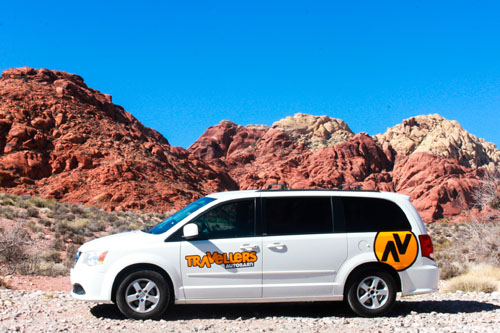
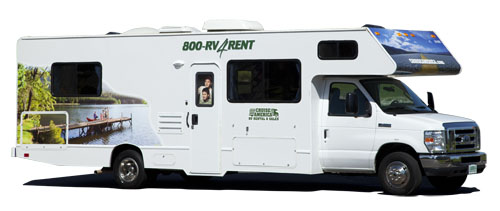
Before confirming your RV rental in California, it's essential to consider the type of motorhome, your travel dates, and insurance coverage. You should select an RV class-Class A, Class B, or Class C-based on your group size, comfort needs, and driving experience, as each offers a different travel feel. Class B campervans, for instance, are nimble for couples, while Class C motorhomes, like the "rv rentals example Comfort Class" with its three double beds, provide more space for families of four or more.
Regarding dates, locking in your rental dates 3-6 months in advance is highly recommended for summer and holiday travel, which can often lead to significant savings; however, spontaneous travelers can still find day-to-day availability. Basic insurance is always included with your rental, but for the most comprehensive coverage and extra peace of mind, you can opt to upgrade to a top-level deductible. Our platform allows you to compare final prices across 50+ suppliers, including renowned names like El Monte and Cruise America, ensuring full transparency with no hidden fees or surprises.
Pre-Trip Prep - Packing Checklist for California
A well-prepared packing list ensures a comfortable and stress-free RV adventure across California's diverse landscapes. For clothing, layers are key due to varied climates found along the coast, in the mountains, and across the desert, so include swimwear, comfortable walking shoes, and a rain jacket or umbrella. For your RV kitchen, which often includes a gas stove and refrigerator, essential items are basic cooking utensils, cutlery, dish soap, sponges, reusable bags, a cooler, and coffee or tea supplies; discover inspiring meal ideas with our RV-friendly recipes playlist.
Safety should always be a priority, so remember a first-aid kit, roadside assistance contact information, a flashlight with extra batteries, and an emergency water supply. While a fire extinguisher is typically included with your rental motorhome, it's always good to confirm. Lastly, keep your documents organized: your standard car driver's license (an International Driving Permit is recommended for non-English speakers but not mandatory), rental agreement and insurance details, campground reservations, and both digital and physical maps. Take a moment to familiarize yourself with the RV manual before setting off.
🎬 Video coming soon
On the Road - Driving, Fueling, Navigation
Driving a rented motorhome or campervan in California is an exciting part of the adventure, but it does require a mindful approach. Always practice wide turns, allow extra braking distance, and be mindful of slightly lower speed limits for larger vehicles, which are typically posted. Drive slowly and carefully, and you can drive almost anywhere without issues; there's no need to stress, just use common sense and pay attention to your surroundings.
Planning your fuel stops carefully is also important, as not all gas stations can easily accommodate larger RVs. Consider the fuel type of your rental-gas versus diesel-and ensure you fill up before heading into remote areas where stations may be scarce. For navigation, utilize RV-specific GPS or navigation apps to avoid low clearances, steep grades, and weight-restricted roads that might not be suitable for your vehicle. Be aware of California's diverse terrain, which ranges from winding mountain passes like I-5's Grapevine to scenic coastal highways and expansive desert routes, each requiring different driving considerations.
At the Campground - Setup, Hookups & Etiquette
Setting up your rented RV at a California campground is a straightforward process that becomes second nature with practice. Upon arrival, the first step is to level your RV using blocks, then extend any slide-outs if your model has them, to maximize interior space. Next, connect your shore power, water, and finally the sewer hose, ensuring all connections are secure to avoid any issues.
Proper connections for electricity (whether 30 or 50 amp), a freshwater supply (using a pressure regulator to protect your RV's plumbing), and sewage disposal (emptying the black tank first, then the grey) are crucial for a comfortable stay. Remember that campground etiquette includes observing quiet hours, respecting your neighbors' privacy and space, keeping your campsite tidy, and managing waste responsibly by using designated dump stations. For finding campsites and campgrounds during your trip, we recommend using rvplan.net, a great resource for locating available spots along your route and for exploring various RV PLANET routes to easily itemize and track every expense along the way for easy budgeting. On the routes offered through RV PLANET routes, you can itemize and track every expense along the way for easy budgeting.
RV Rental-Specific Tips for California
Tailoring your RV rental choice and travel style to your group's needs ensures the best possible California experience. For families traveling with kids, consider motorhomes with multiple sleeping areas or kid-friendly layouts, like those with bunk beds. Planning drives around nap schedules and incorporating stops at playgrounds or family attractions will make the journey more enjoyable for everyone.
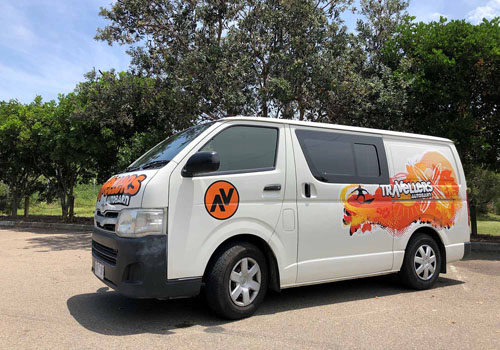
Senior travelers might prefer Class B campervans or smaller Class C motorhomes, such as a "hire campervan example Paradise S/T" or an "rv rental denver example Category Van," for easier driving and maneuverability, prioritizing campgrounds with accessible features and amenities. Budget travelers can save significantly by exploring dispersed camping on Bureau of Land Management (BLM) or National Forest lands, cooking most meals in their RV's kitchen, and seeking out California's many free attractions. Luxury seekers, on the other hand, might opt for spacious Class A motorhomes with premium amenities like full kitchens, larger refrigerators, and potentially multiple bathrooms, often inquiring about concierge services for unique experiences in California's wine country or along its exclusive coasts.
Common Mistakes to Avoid in California
Avoiding common pitfalls can significantly enhance your California RV rental experience. A frequent mistake is not booking ahead, as securing your chosen RV rental and campsites, especially during peak season, is essential to avoid disappointment; many popular spots fill up months in advance. Another error is underestimating the vast distances within California, so factor in slower RV travel speeds and plan realistic daily mileage, ideally around 100-150 km per day on average, to truly enjoy each destination.
Ignoring RV dimensions can lead to clearance issues or difficult maneuvers, so always be aware of your rented motorhome's height, width, and length, especially when navigating gas stations, older tunnels, or tight city streets. Overpacking is another common mistake; pack efficiently, as storage space is finite and too much weight impacts fuel efficiency and handling. Finally, neglecting waste tanks can lead to unpleasant issues at campsites, so learn proper black and grey water tank management and use designated dump stations regularly. Our over 23 years of experience in RV travel means we help you think of these small details that make a big difference.
What do I need to know before renting an RV in California?
Before renting an RV in California, understanding state-specific driving regulations, insurance requirements, peak travel seasons, and the diverse geography influencing route planning are crucial. Most rental RVs, including Class B campervans and Class C motorhomes, under 26,000 lbs Gross Vehicle Weight Rating (GVWR) only require a standard Class C driver's license in California, making it accessible for most drivers. Be aware of local ordinances regarding overnight parking or camping, especially in coastal towns or urban areas, as these vary significantly and can lead to unexpected fines if not researched.
California's weather varies dramatically across its regions-from the temperate coast to the snowy mountains and hot deserts-impacting the best time and gear for your trip. For example, a "24' Class C Motorhome" with heating and air conditioning might be versatile, but understanding specific regional climates is key. Engaging with the robust California RV community, through online forums or local visitor centers, can provide unique insights and localized tips for your journey. We're here to help guide you through the process, offering unmatched personal experience and attention to the smallest details, so you can explore all that California has to offer.
How much does it cost to rent an RV in California?
The cost to rent an RV in California varies significantly based on factors such as RV class, rental duration, season, included mileage packages, and chosen insurance options. Smaller Class B campervans or compact Class C rigs typically start around $100-$250 per night, while larger Class A models or premium "Luxury RV Rental in California - Premium Prices 2026" options can range from $300-$600+ per night. Peak summer and holiday periods often see rental rates increase by 20-50% due to high demand, making flexible travel dates a great way to find RV PLANET routes with better pricing.
Factor in additional costs like mileage fees (often $0.25-$0.75 per mile beyond an included allowance), generator usage fees, cleaning fees, and pet fees if applicable. Ancillary costs like fuel, propane, campground fees, and tolls also contribute to the overall trip expense, and you can itemize and track every expense on rvplan.net for easy budgeting. Budgeting tips include renting during off-peak seasons, cooking most meals in your RV's kitchen to save on dining, and utilizing free or low-cost camping options on public lands to reduce overall expenses. For more detailed pricing, explore our "RV Rental in California - Prices and Best Deals 2026" guide.
What is the best time of year to RV in California?
The best time of year to explore California in a rented RV generally depends on your desired destinations and activities, with spring and fall often offering the most pleasant weather and fewer crowds for diverse regions. Spring (April-May) provides mild temperatures statewide, which is ideal for desert and southern coast exploration, with wildflowers blooming beautifully in areas like Anza-Borrego Desert State Park. Summer (June-August) is undeniably peak season, best for high mountain national parks like Yosemite and Tahoe; however, it can be very hot in inland and desert areas, and reservations for campsites are absolutely essential.
Fall (September-October) is ideal for visiting California's renowned wine country (Napa/Sonoma), experiencing national parks with fewer crowds and pleasant temperatures, and exploring the northern coast. Winter (November-March) remains suitable for desert camping (e.g., Anza-Borrego) and the mild southern coast, though mountain passes may close due to snow, requiring careful route planning. Regardless of the season, California's diverse climate ensures there's always a region perfect for a motorhome adventure. Consider exploring our "RV Rental Deals in California - Latest Offers 2026" for seasonal promotions.
Is it cheaper to rent an RV or stay in a hotel in California?
Whether renting an RV is cheaper than staying in a hotel in California depends heavily on your trip duration, group size, travel style, and specific costs associated with each option. For families or larger groups of 4-6 people, a rented motorhome or campervan can often be more cost-effective by combining accommodation and transportation costs into one. RV trip costs include rental fees, fuel, mileage, campground fees, and insurance, which can average $250-$550 per day for a mid-size Class C, while hotel costs typically involve room rates, dining out, separate car rental, and parking, which can easily exceed $400-$800 per day for a family in popular areas.
The ability to cook your own meals in an RV significantly reduces dining expenses compared to frequent restaurant meals when staying in hotels, potentially saving hundreds over a week-long trip. For longer trips or those utilizing free or low-cost dispersed camping, a rented RV often provides greater overall value and flexibility than a series of hotel stays. Plus, with a rented RV, you have a mobile headquarters to venture out to national parks and hidden gems at your own pace, truly living the "Life is now!" philosophy.
Where can I park an RV for free in California?
In California, free RV parking and overnight camping are primarily available on designated public lands managed by the Bureau of Land Management (BLM) and National Forests, as well as at some truck stops or retail parking lots (with permission). Extensive opportunities for dispersed camping, often referred to as boondocking, exist on BLM and National Forest lands in areas like the Mojave Desert, Sierra Nevada foothills, and parts of Northern California, but always check for specific local regulations and fire restrictions before setting up camp.
Overnight parking at rest stops is generally permitted for up to 8 hours for weary travelers, but active camping with awnings extended or slide-outs deployed is typically prohibited. Some large retail stores, such as Walmart or Lowe's, may allow overnight parking in their lots; it is crucial to always call ahead or check for posted signage to confirm. Always be mindful of 'no overnight parking' signs or local ordinances that prohibit RV parking on city streets or undesignated areas. Even in cities, remember: drive slowly and carefully, and you can drive almost anywhere without issues.
What is the average RV rental price in California?
The average RV rental price in California typically ranges from approximately $150 to $400 per night in 2026, varying based on the RV class, rental duration, season, and specific inclusions. Budget-friendly options like Class B campervans or smaller Class C motorhomes often fall in the $100-$250 per night range, perfect for couples or small families. Mid-range Class C RVs, which are most common for families (like an "rv rentals utah example Sunrise Escape" sleeping 5), usually cost between $180-$350 per night. Luxury Class A motorhomes, offering more space and amenities, can range from $300 to over $600 per night, depending on features like slide-outs and vehicle age (e.g., "Up to 3 years on the road" models vs. older ones).
Prices surge significantly during peak travel seasons, holidays, and major events such as Coachella, so flexibility with dates can significantly impact your average cost. Our platform provides full price transparency, comparing final prices across numerous suppliers so what you see is what you pay, with no surprise fees at pickup. For detailed insights, explore our "Weekly RV Rental in California - Pricing 2026" guide.
What are the best RV routes in California?
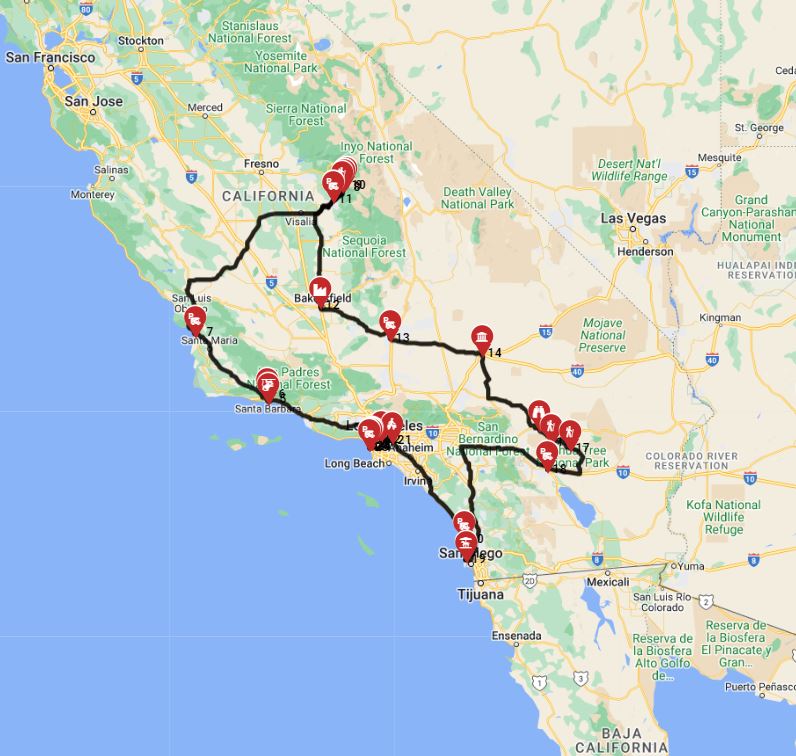
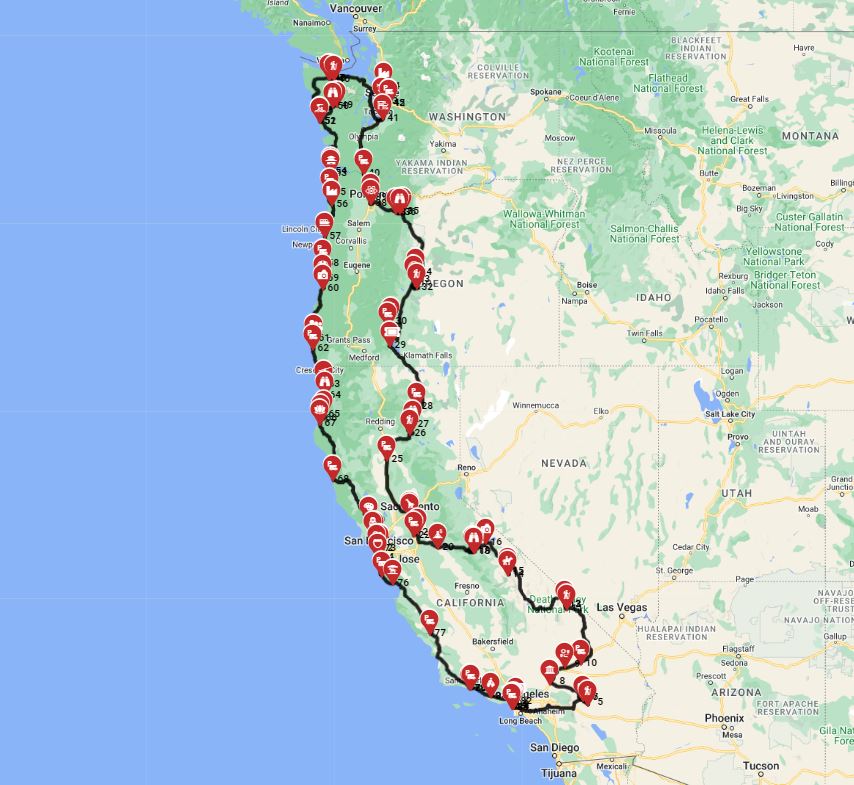
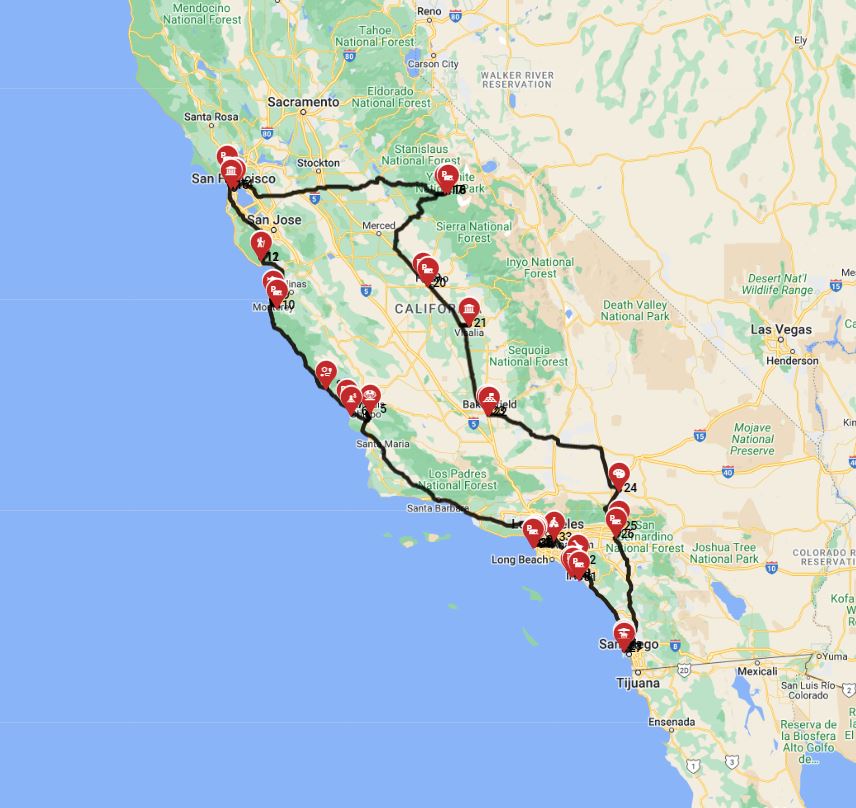
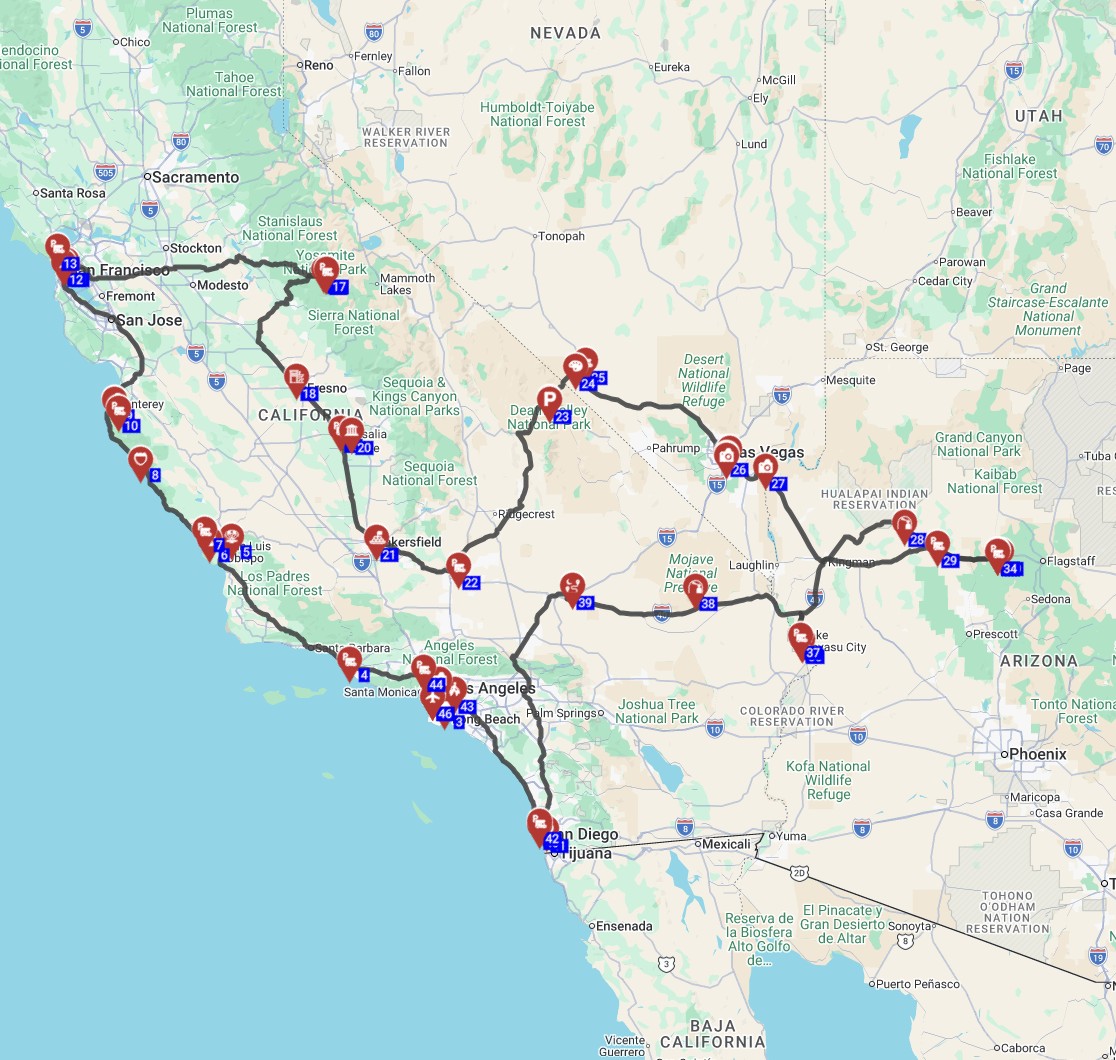
California offers diverse and scenic RV routes, with popular options including coastal drives like Highway 1, national park tours through Yosemite or Sequoia, and desert explorations in Joshua Tree or Death Valley. The iconic Pacific Coast Highway (Highway 1) offers breathtaking ocean views from destinations like San Francisco, though some sections may have RV length restrictions or closures, requiring careful planning for larger vehicles like a "29′ Class C Motorhome." A National Parks loop combining Yosemite, Sequoia, and Kings Canyon provides stunning mountain scenery; always check for tunnel clearances and current road conditions, especially for larger RVs and during snowy seasons.
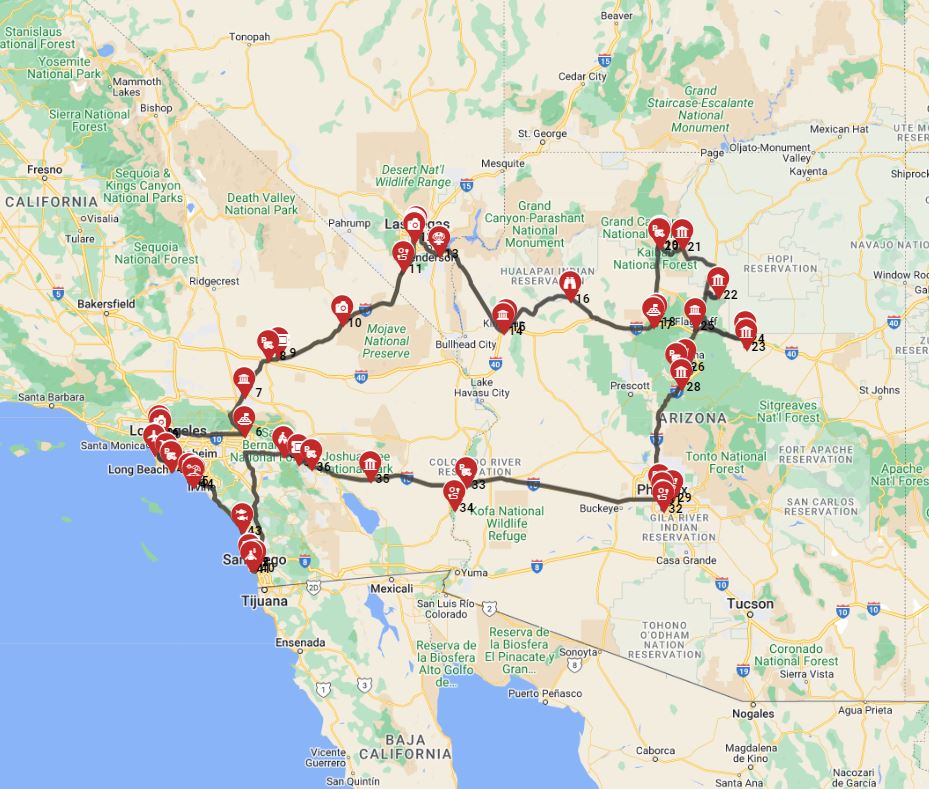
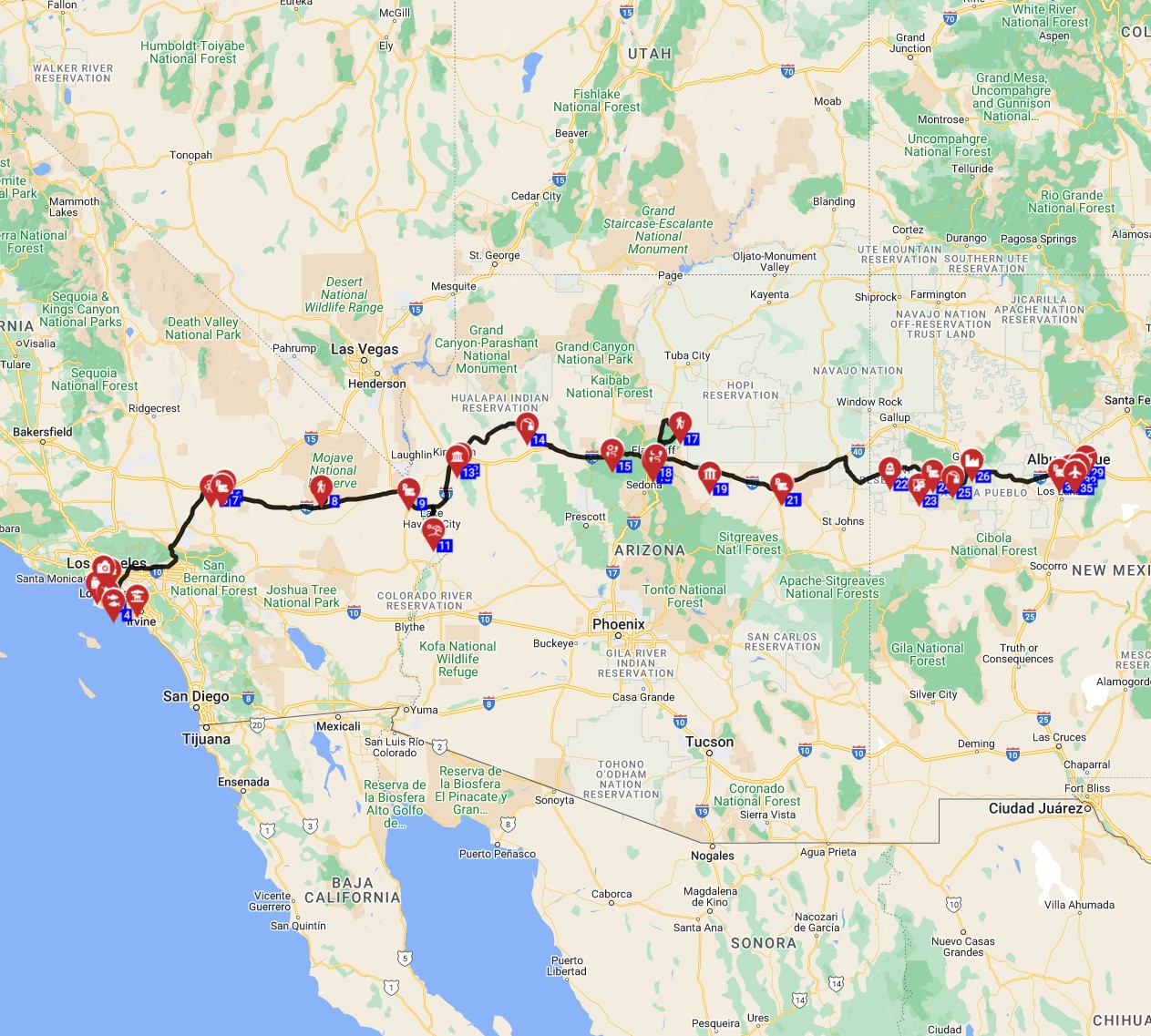
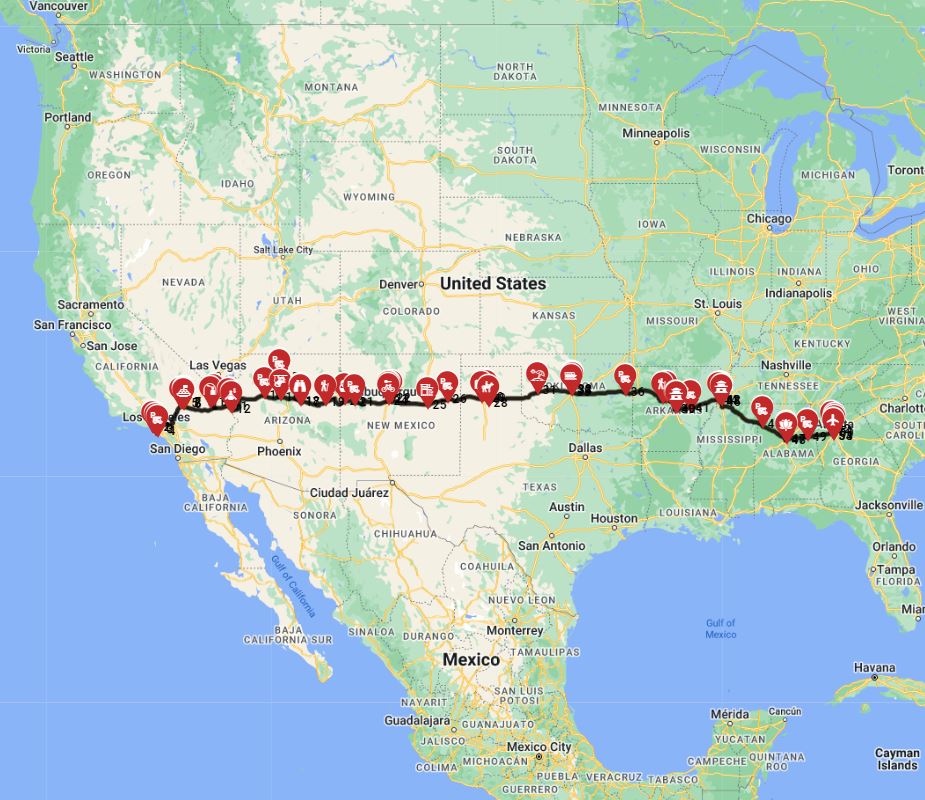
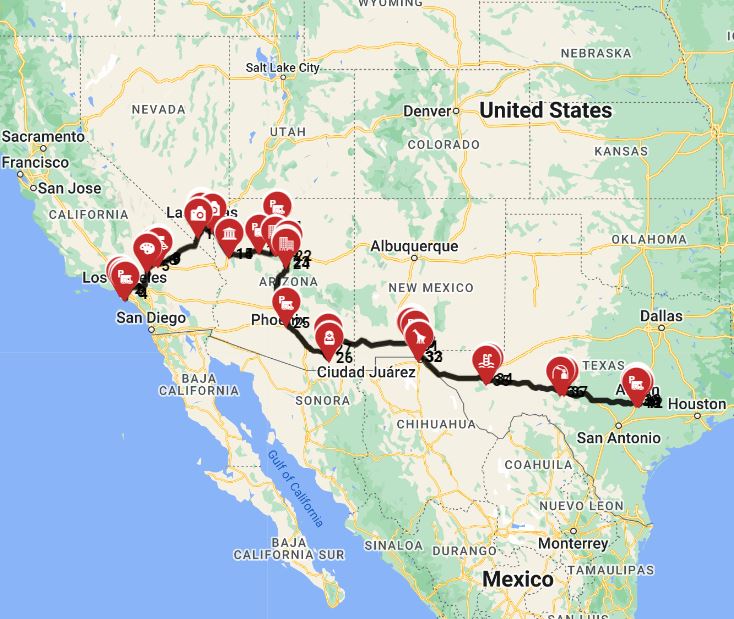
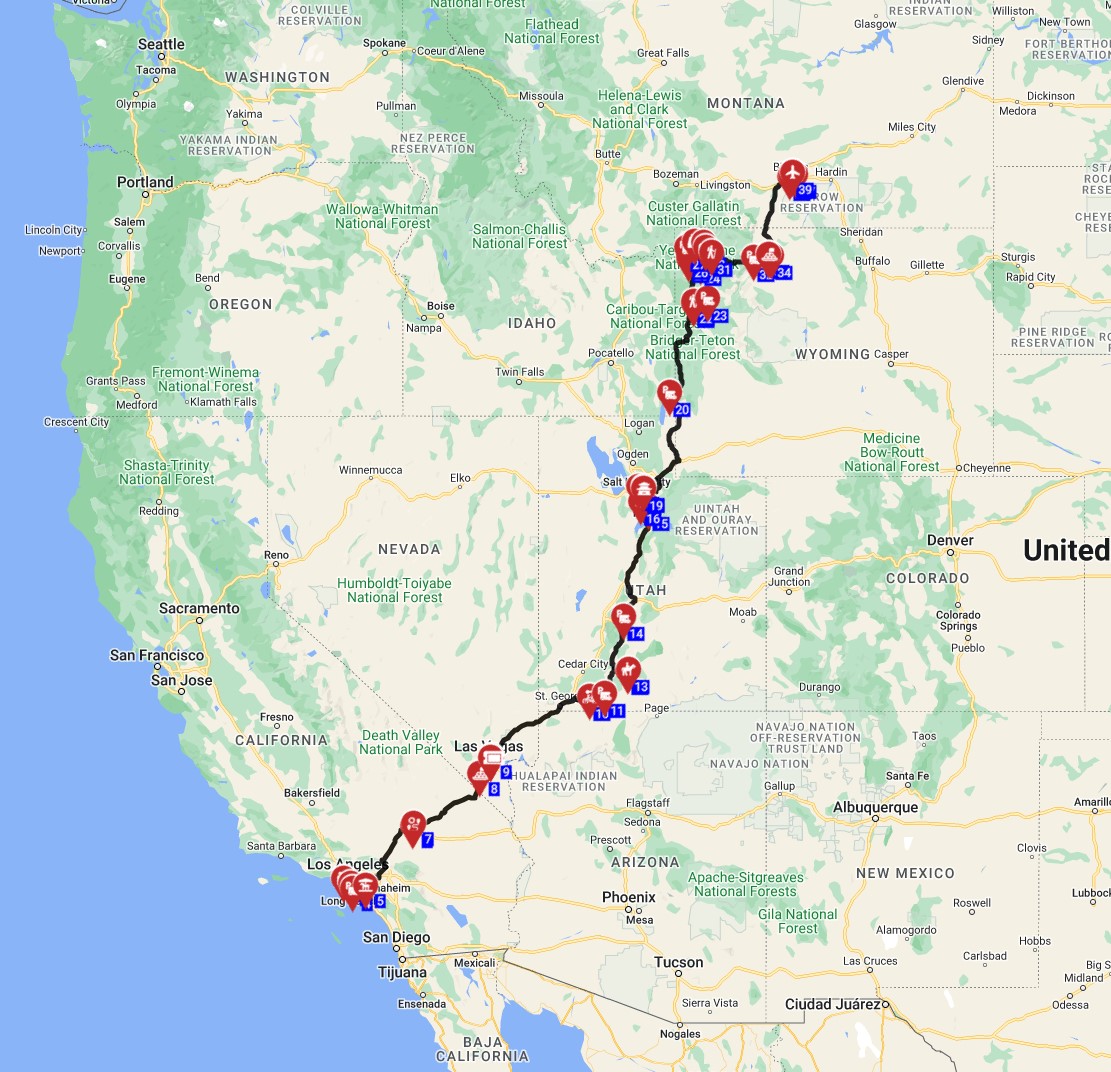
Desert adventures to Joshua Tree National Park and Death Valley offer unique landscapes, demanding careful planning for fuel, water, and heat management in remote areas, particularly during warmer months. For northern California, consider routes through Wine Country (Napa/Sonoma) or the majestic Redwood Forests along the Avenue of the Giants, always checking for any vehicle restrictions. Remember to travel slowly, max 100-150 km per day on average, to truly take time to feel the place, connect to the culture, the food, and the scenery. RV PLANET (rvplan.net) offers professional pre-planned routes to help you discover the best of California.
Consider the "
Do you need a special license to drive an RV in California?
In California, a standard Class C driver's license is sufficient for driving most RVs, specifically those weighing less than 26,000 pounds Gross Vehicle Weight Rating (GVWR) or towing a single vehicle under 10,000 pounds GVWR. The vast majority of rental motorhomes, including all Class B campervans, Class C motorhomes, and many smaller Class A motorhomes, fall well within the limits for a standard Class C license, making RV travel accessible to most licensed drivers. No special license, Commercial Driver's License (CDL), or additional permits are required for any rental motorhome.
A non-commercial Class B license is only required for driving single vehicles (like a very large Class A motorhome) over 26,000 lbs GVWR, which are less common in rental fleets. For visitors from non-English speaking countries, an International Driving Permit (IDP) is recommended to supplement your national license but is not mandatory in most cases. Always verify the GVWR of your specific rental RV with the supplier to ensure you meet the correct licensing requirements, though rest assured, Bandana RV specializes in rentals that are compliant with standard driver's licenses for your convenience.
How much does it cost to camp in an RV in California?
The cost to camp in a rented RV in California varies widely, ranging from free dispersed camping on public lands to over $100 per night for premium private RV resorts with full hookups and extensive amenities. California State Parks and National Parks typically charge $35-$75 per night, often including water and electric hookups, though some sites may be dry camping (boondocking) with no services. Private RV resorts and campgrounds, particularly those in popular tourist destinations or near major attractions like Disneyland, can cost anywhere from $50-$150+ per night, offering full hookups, pools, Wi-Fi, laundry facilities, and other amenities.
Dispersed camping on Bureau of Land Management (BLM) or National Forest lands is mostly free but offers no amenities, requiring self-sufficiency for water, waste, and power. Costs can also include additional fees such as day-use passes for parks, pet fees (if traveling with your furry friends), extra vehicle fees if you're towing a car, and premium site charges for waterfront or oversized spots. Prices for camping can increase during peak seasons and holidays, so booking ahead can be financially advantageous. To help plan your budget, remember that our RV PLANET routes allow travelers to itemize and track every expense along the way.
Can you RV camp on the beach in California?
Legal RV beach camping in California is indeed possible but is limited to specific state parks and county campgrounds that offer designated beachfront or near-beach sites, often requiring advance reservations due to extremely high demand. Notable locations for legal beach or coastal RV camping include Doheny State Beach, San Clemente State Beach, and Jalama Beach County Park, all offering stunning ocean views. Most designated beach campgrounds are highly popular and often require reservations months in advance, especially for weekends, holidays, and the peak summer season, due to limited availability.
When planning for beachfront camping, observe specific restrictions at beach sites, which may include rules regarding campfires, generator hours, and whether full hookups are available or if it's dry camping. Full hookups are less common directly on the beach, so be prepared for potential boondocking setups. Generally, overnight parking or camping on undesignated public beaches or in unpermitted coastal areas is prohibited by local ordinances across California, so always stick to official campgrounds to avoid fines. Utilize resources like rvplan.net to check specific campground availability and rules before you travel.
What You Shouldn't Miss
- **Drive the Pacific Coast Highway (Highway 1):** Experience the iconic drive from Big Sur's dramatic cliffs to the charming seaside towns. Allow several days to truly savor this route, stopping at viewpoints, beaches, and hidden coves.
- **Explore Yosemite National Park:** Witness the grandeur of El Capitan, Half Dome, and Yosemite Falls. Book your RV campsite in advance, especially during warmer months, or check for first-come-first-serve options early in the morning.
- **Discover the Redwoods:** Immerse yourself in the ancient majesty of Redwood National and State Parks. Drive through monumental trees and hike among the giants, feeling truly tiny beside these natural wonders.
- **Experience Southern California's Beaches and Theme Parks:** Park your motorhome near San Diego or Los Angeles and spend days enjoying world-class beaches like Malibu, or thrilling attractions like Disneyland and Universal Studios.
- **Venture into the Deserts:** Explore the unique Joshua Tree National Park with its distinctive trees and rock formations, or marvel at the stark beauty and extreme temperatures of Death Valley National Park.
Final Thoughts
A motorhome or campervan rental in California truly offers an unparalleled way to experience the Golden State's majestic beauty and diverse attractions. From the iconic coastline to the serene national parks and vibrant cities, the freedom of having your accommodation and transport in one provides a sense of adventure that traditional travel simply can't match. Whether you're a seasoned RVer or planning your very first week-long trip, California welcomes you with open roads and endless possibilities.
Remember that the key to a successful journey lies in good planning and an open mind. Embrace the unexpected, travel slowly, and allow yourself to truly connect with the stunning scenery, rich culture, and delicious food that California has to offer. With Bandana Caravan, you're supported every step of the way, ensuring a smooth and memorable vacation. So, what are you waiting for? Your California RV adventure begins now!
Get inspired for your next trip! Discover top destinations, planning tips, all in one place!
Compare Motorhome Prices for California