In This Guide
- The 5 RV Families Compared for West Canada
- Class A (Integrated) — Best For
- Price Comparison by RV Class in West Canada
- Class SI (Semi-Integrated) — Best For
- Class C (Alcove) — Best For
- Class B (Campervan) — Best For
- Class TC (Truck Camper) — Best For
- Side-by-Side Comparison Table
- Our Recommendation for weekly rv rental Travelers in West Canada
- How much does it cost to rent an RV for a week in West Canada and what are hidden expenses?
- What are the best strategies for booking RV campsites in popular Western Canada National Parks?
- Where can I find unique, off-the-beaten-path RV destinations in West Canada?
- What essential driving tips and safety precautions should I know for RVing in Western Canada's mountains?
- How can I ensure reliable cell service and Wi-Fi connectivity during my RV trip in remote West Canada?
- What are the rules and best practices for traveling with pets in an RV rental in Western Canada?
The 5 RV Families Compared for West Canada
Selecting the ideal RV family is crucial for a weekly rental in West Canada, directly impacting comfort, maneuverability across diverse terrains, and overall trip budget. West Canada's landscape—from rugged mountain passes to coastal highways—demands an RV choice that aligns with your group size, desired amenities, and adventure style. This guide comprehensively compares Class A, SI, C, B, and TC motorhomes to help weekly renters find their perfect mobile base for exploring the region.
With Bandana Caravan, you can easily compare rental prices and features across various RV classes from leading suppliers, ensuring you find a vehicle that perfectly matches your West Canada adventure. Our platform provides detailed specifications and pricing to make your decision straightforward. For those planning an extensive exploration, consider our comprehensive guide: RV Rental West Canada - Complete Guide 2026, which offers broader insights into planning your journey.
Class A (Integrated) — Best For
Class A integrated motorhomes, which typically average 7.5 meters in length according to Bandana's global fleet data, are best suited for larger groups or families (averaging 4 adults) seeking maximum luxury, spacious living areas, and extensive amenities for their weekly West Canada journey. These vehicles offer considerable comfort and often feel like a home on wheels, ideal for extended stays in established campgrounds and traveling primarily on major paved highways.
Bandana's fleet commonly shows a fuel consumption rate of 11-12 Liters/100 km and a high average load capacity of 209.5 kg, accommodating plenty of gear for a comfortable trip. While offering unparalleled comfort, their large size can present challenges for navigating narrow mountain roads, parking in smaller towns, or accessing certain national and provincial park campgrounds. If you're seeking a premium experience and primarily sticking to well-maintained routes, a Class A could be your perfect choice.
Price Comparison by RV Class in West Canada
Because RV rental pricing is dynamic and flex-rate, the table below pulls real example prices from Bandana's live search, allowing you to compare costs across various RV classes for a weekly rental in West Canada. For the most current rates, always check our real-time search tool.
| Family | Avg Length (m) | Sleeps (persons) | Fuel Use (L/100 km) | Best Use Case in West Canada |
|---|---|---|---|---|
| Class A (Integrated) | 7.5 | 4.4 | 11-12 | Luxury, large groups, paved highways |
| Class SI (Semi-integrated) | 6.9 | 3.8 | 10-11 | Couples/small families, balanced comfort/maneuverability |
| Class C (Alcove) | 7.5 | 5.8 | 10-12 | Families, extra sleeping, varied road conditions |
| Class B (Campervan) | 5.8 | 3.2 | 8-10 | Solo/couples, maneuverability, fuel economy, urban & quick stops |
| Class TC (Truck Camper) | 5.5 | 2.4 | 12-17 | Off-grid, off-road access, remote wilderness exploration |
These prices are real-time estimates and can change daily based on demand and availability; for the most current rates specific to your travel dates, please use the search box at the top of the page.
Class SI (Semi-Integrated) — Best For
Class SI semi-integrated motorhomes, with an average length of 6.9 meters from Bandana's global fleet, represent a balanced choice for weekly RV renters in West Canada, offering enhanced maneuverability without significantly sacrificing comfort. Typically sleeping 3-4 people (averaging 3.4 adults), these RVs are ideal for couples or small families who desire more space and amenities than a campervan but prefer a more compact vehicle for easier driving and parking than larger Class A or C models.
Bandana's fleet commonly shows a fuel consumption of 10-11 Liters/100 km, providing a good balance of efficiency for West Canada's diverse routes, and an average load capacity of 72.2 kg for travel essentials. They are particularly well-suited for exploring both major highways and winding scenic routes, making them versatile for accessing a wider range of provincial parks and charming small towns. If you're looking for a great all-around option, the SI class is a superb choice for your West Canada adventure.
For those considering a longer West Canada itinerary, reviewing the RV Rental in West Canada - Prices and Best Deals 2026 guide can offer further insights into managing your budget.
Class C (Alcove) — Best For
Class C alcove motorhomes, averaging 7.5 meters in length according to Bandana's global fleet data, are an excellent choice for families or larger groups up to 6 people (averaging 4.4 adults) seeking ample sleeping capacity and a familiar driving experience for their weekly West Canada adventure. Their distinctive over-cab sleeping area allows them to comfortably sleep 5-6 individuals, making them a cost-effective solution for accommodating more travelers without needing multiple vehicles.
Bandana's fleet commonly indicates a fuel consumption of 10-12 Liters/100 km, offering a practical blend of interior space and fuel efficiency, with an average load capacity of 42.4 kg for luggage and supplies. These sturdy RVs are well-equipped to handle Western Canada's varied road conditions, from bustling highways to the access roads of provincial parks, prioritizing family comfort and practicality. For comprehensive comparisons, check out the Family RV Rental in West Canada - Pricing Guide 2026.
Class B (Campervan) — Best For
Class B campervans, the most compact option with an average length of 5.8 meters from Bandana's global fleet, are optimally suited for solo travelers, couples, or small groups of up to 3 (averaging 2.7 adults) prioritizing maneuverability, fuel economy, and a flexible travel style for a weekly RV rental in West Canada. These vans offer essential amenities in a condensed space, allowing for easy navigation through urban areas, quick stops at attractions, and effortless parking in smaller lots or tighter campsites.
Bandana's fleet shows strong fuel economy, commonly ranging from 8-10 Liters/100 km, making them the most cost-efficient choice for extensive touring, though with a smaller average load capacity of 37 kg. Campervans are ideal for adventurous weekly renters who value spontaneity, easy access to diverse locations, and a more intimate connection with the outdoors, resembling a 'tent-on-wheels' experience. For those focused on exploring cities and national parks with ease, the campervan is an excellent West Canada choice.
Class TC (Truck Camper) — Best For
Class TC truck campers, typically averaging 5.5 meters in length from Bandana's global fleet data, are the premier choice for weekly RV renters in West Canada seeking unparalleled off-grid capabilities, robust off-road access, and the unique flexibility of a detachable living unit. These units, which comfortably sleep 2-3 people (averaging 2.1 adults), are mounted on a pickup truck chassis, combining the rugged utility of a truck for exploring remote terrain with a compact, self-contained living space.
Bandana's fleet commonly shows a fuel consumption of 12-17 Liters/100 km, reflecting their powerful engines necessary for tackling varied landscapes and challenging access roads. Truck campers are perfect for adventurers aiming to reach secluded trailheads, pristine fishing spots, or less-developed wilderness campsites in Western Canada, offering maximum versatility for truly immersive outdoor exploration. If your West Canada itinerary includes venturing off the beaten path, consider the capabilities of a truck camper.
Side-by-Side Comparison Table
To help you make an informed decision for your weekly RV rental in West Canada, here’s a quick side-by-side comparison of the different RV classes available through Bandana Caravan.
| Family | Avg Length (m) | Sleeps (persons) | Fuel Use (L/100 km) | Best Use Case in West Canada |
|---|---|---|---|---|
| Class A (Integrated) | 7.5 | 4.4 | 11-12 | Luxury, large groups, paved highways |
| Class SI (Semi-integrated) | 6.9 | 3.8 | 10-11 | Couples/small families, balanced comfort/maneuverability |
| Class C (Alcove) | 7.5 | 5.8 | 10-12 | Families, extra sleeping, varied road conditions |
| Class B (Campervan) | 5.8 | 3.2 | 8-10 | Solo/couples, maneuverability, fuel economy, urban & quick stops |
| Class TC (Truck Camper) | 5.5 | 2.4 | 12-17 | Off-grid, off-road access, remote wilderness exploration |
Our Recommendation for weekly rv rental Travelers in West Canada
For most weekly RV rental travelers in West Canada seeking a versatile and comfortable experience across diverse landscapes, the Class SI (Semi-integrated) motorhome is our top recommendation. Its average length of 6.9 meters strikes an excellent balance between interior space for 3-4 people and superior maneuverability, making it ideal for navigating both mountain passes and accessing smaller provincial park campgrounds with good fuel efficiency.
As a strong runner-up, especially for families or groups of 4-6, the Class C (Alcove) motorhome is highly recommended; its ample sleeping capacity (averaging 5.8 people) and robust design are well-suited for Western Canada's roads, providing a practical, spacious, and comfortable option for extended family adventures. Remember, our goal at Bandana Caravan is to help you find the perfect RV for your unique West Canada trip, so explore all options!
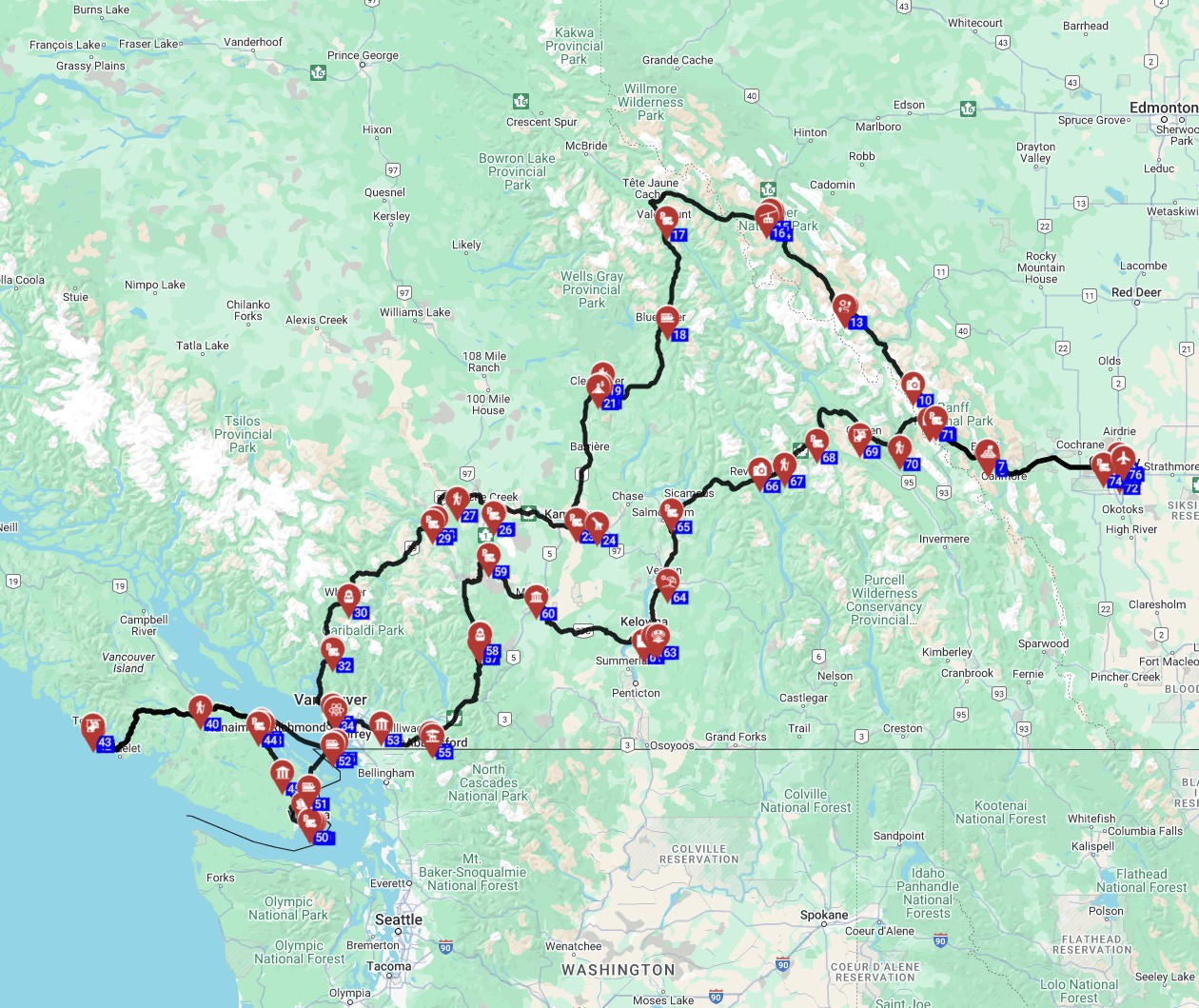
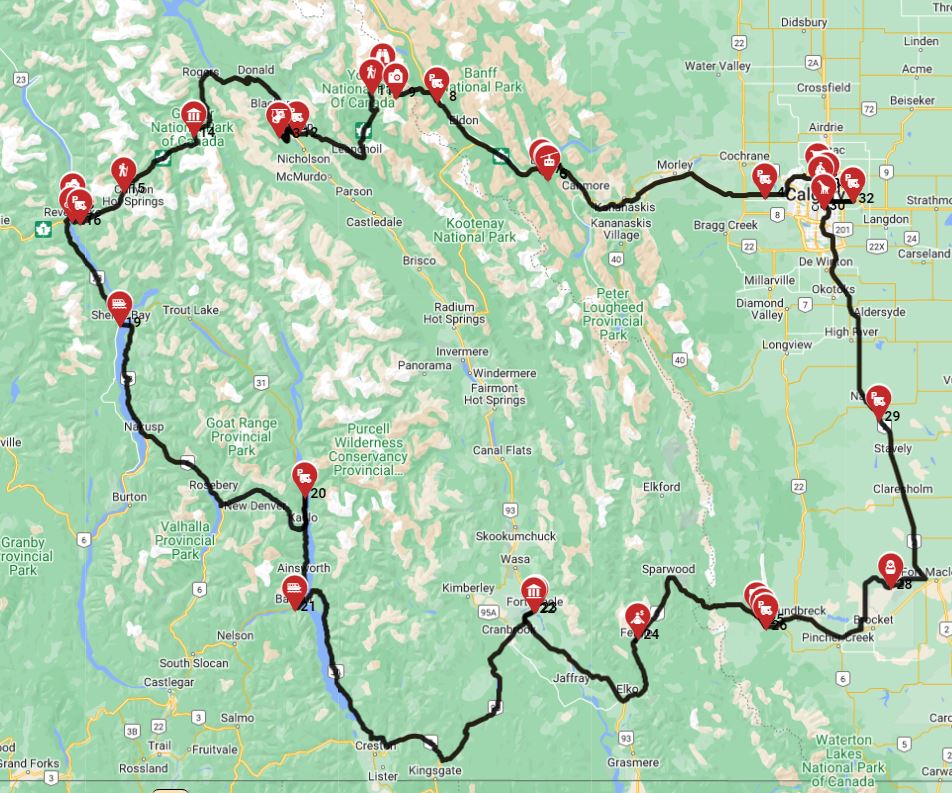
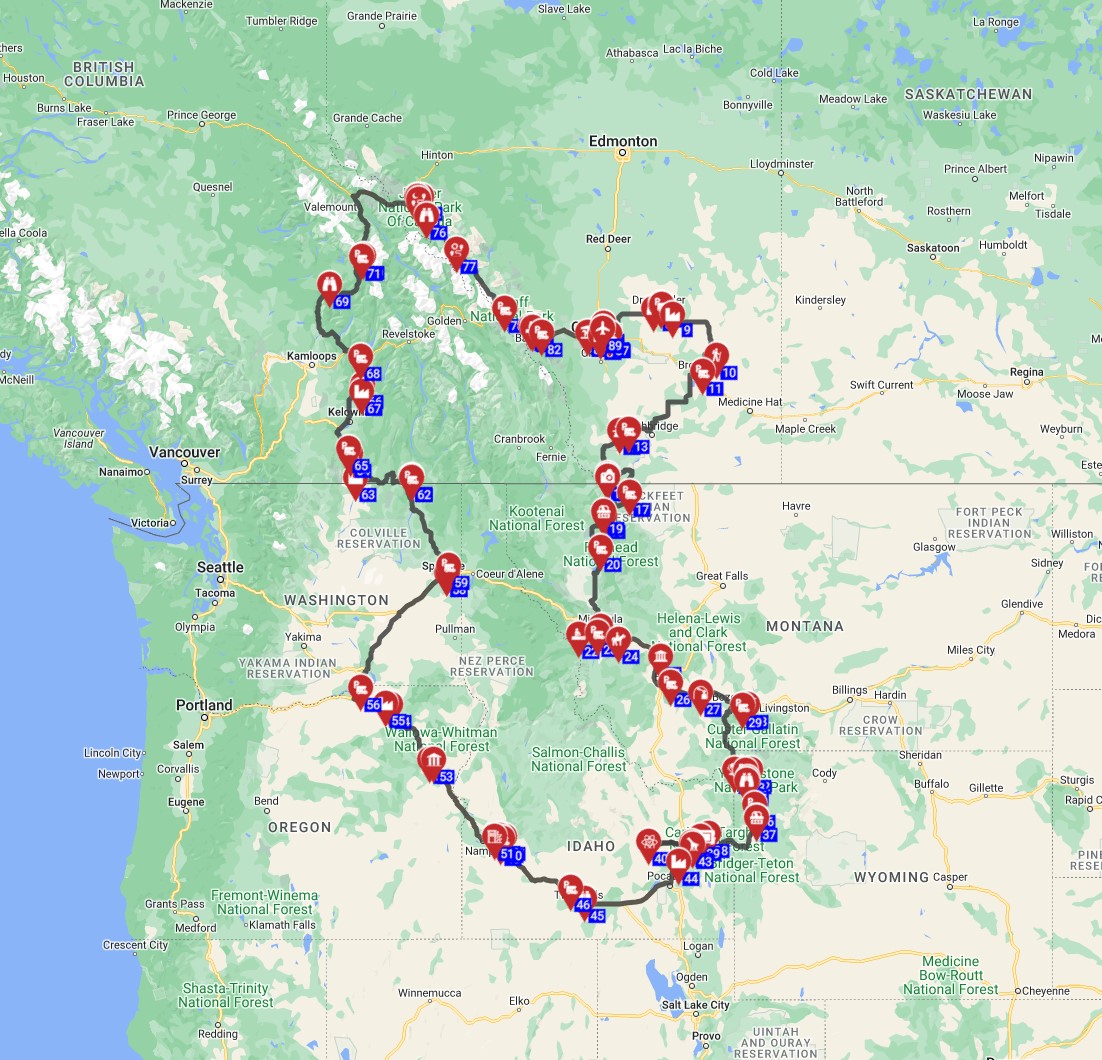
Discovering your ideal vehicle is easier with our pricing tools. For a detailed cost breakdown, consult the Weekly RV Rental in West Canada - Pricing 2026 guide. On the routes offered through RV PLANET routes, you can itemize and track every expense along the way for easy budgeting.
How much does it cost to rent an RV for a week in West Canada and what are hidden expenses?
A weekly RV rental in West Canada typically ranges from $800 to $2,500+ CAD, depending on the RV class, season, and booking lead time, with hidden expenses often including fuel, campground fees, insurance deductibles, and necessary park passes. Beyond the base rental rate, factors such as mandatory vehicle preparation fees, mileage packages (some rentals include limited kilometers, while others charge per km), and convenience kits for kitchenware or linens can significantly increase the total cost.
Cost-Saving Tips: To minimize expenses, consider booking during the shoulder season (late spring or early fall) for potentially lower rates and fewer crowds, grocery shopping and cooking in your RV to save on dining out, and exploring more affordable provincial or private campgrounds instead of national park sites. Always inquire about the RV's specific fuel type (gasoline vs. diesel), its average consumption for your chosen class, and the need for a Parks Canada Discovery Pass (currently around $145 for a family annual pass), which grants unlimited entry to all national parks. For ideas you can prep on the road, watch our RV-friendly recipes playlist on YouTube.
For a comprehensive look at budgeting for your trip, refer to the RV Rental Deals in West Canada - Latest Offers 2026, which can provide cost-saving strategies.
What are the best strategies for booking RV campsites in popular Western Canada National Parks?
Securing highly sought-after RV campsites in Western Canada's National Parks, such as Banff, Jasper, or Yoho, requires strategic planning and prompt action, often involving booking precisely when reservations open up to a year in advance. Parks Canada campgrounds typically open reservations in January for the entire upcoming season; popular sites, especially in Banff and Jasper, can be fully booked within minutes or hours, so check specific opening dates on the Parks Canada website and be ready online right at launch time.
Alternative Options: If national park sites are full, explore nearby provincial parks (e.g., Kootenay National Park for Banff alternatives), private RV parks, or Recreation Sites/Crown Land for more primitive camping options, often available on a first-come, first-served basis. Consider using campground cancellation watch services, checking daily for last-minute availability, and being flexible with your travel dates or opting for less popular weekdays to increase your chances of finding a spot. For assistance with finding available sites, remember to explore RV PLANET routes, a great tool for locating available spots along your journey.
Where can I find unique, off-the-beaten-path RV destinations in West Canada?
For an authentic West Canada experience beyond the well-trodden paths of Banff and Jasper, consider exploring lesser-known provincial parks, small-town cultural sites, and remote wilderness areas like the Cariboo Chilcotin region in BC or the Crowsnest Pass in Alberta. Provincial Park Gems: Discover British Columbia's diverse provincial parks such as Wells Gray (renowned for waterfalls), Kootenay National Park (often less crowded than Banff), or Strathcona Provincial Park on Vancouver Island for stunning scenery and fewer crowds.
Local Immersion: Seek out charming small towns like Valemount, BC, or Nordegg, AB, which offer unique local eateries, artisan shops, and access to trails without the typical tourist bustle; look for local farmers' markets and cultural events for an authentic taste of Western Canadian life. Explore destinations beyond the main Icefields Parkway corridor by diverging onto less-traveled side roads, or venture to areas like the Alaska Highway in Northern BC for vast wilderness and historical sites, ensuring your RV type is suitable for potentially unpaved or gravel roads.
For travelers inspired by unique routes, our RV Travel Guide to West Canada - Tips and Top Spots 2026 offers more off-the-beaten-path inspiration.
What essential driving tips and safety precautions should I know for RVing in Western Canada's mountains?
Navigating Western Canada's mountainous terrain in an RV requires specific driving techniques and rigorous safety precautions, including managing ascents and descents, being acutely aware of wildlife, and preparing for rapidly changing weather conditions. Driving Tips: Use lower gears for both climbing steep mountain passes to prevent engine strain and for descending to prevent brake overheating; maintain a safe following distance, especially on winding roads, and be mindful of weight limits on smaller bridges or unpaved roads.
Wildlife Safety: Always store food securely in bear-resistant containers to prevent attracting animals, carry bear spray (and know how to use it) in wilderness areas, and maintain a safe, respectful distance from all wildlife; be especially vigilant at dawn and dusk when animals are most active on roads. Wilderness Preparedness: Carry a comprehensive emergency kit with extra food, water, blankets, a well-stocked first-aid kit, and consider a satellite communication device for areas with no cell service; be aware of avalanche risks in winter/spring, check road conditions via DriveBC or 511 Alberta, and always inform someone of your itinerary.
For a more detailed look at trip planning, check out the One-Way RV Rental in West Canada - Price Guide 2026, which includes practical considerations for diverse routes.
How can I ensure reliable cell service and Wi-Fi connectivity during my RV trip in remote West Canada?
Maintaining reliable cell service and Wi-Fi connectivity during an RV trip in remote West Canada can be challenging but is achievable by understanding network coverage, utilizing mobile hotspots, and considering satellite communication options for truly isolated areas. Cell Service: Major Canadian carriers like Telus, Bell, and Rogers offer the most extensive coverage in Western Canada, particularly along main highways and within populated areas, but service will be intermittent or non-existent in deep valleys, large national parks, and remote wilderness regions.
Wi-Fi Hotspots: Many provincial and private campgrounds, as well as cafes and visitor centers in larger towns, provide Wi-Fi access, though its speed and reliability may vary; consider using a portable Wi-Fi hotspot device with a dedicated data plan from a major carrier for improved connectivity where a cell signal is available. Satellite Communication: For essential communication or emergencies in areas completely devoid of cell signal, a satellite messenger (such as a Garmin InReach or Spot device) is highly recommended, offering two-way messaging and SOS capabilities regardless of terrestrial network availability.
What are the rules and best practices for traveling with pets in an RV rental in Western Canada?
Traveling with pets in a weekly RV rental in Western Canada requires adherence to specific rules and best practices, including securing pet-friendly rentals, understanding campground regulations, and ensuring pet safety in wilderness areas. Pet-Friendly Rentals: Always confirm with your rental provider that your chosen RV allows pets, as policies vary and may incur additional cleaning fees or require specific arrangements.
Campground Regulations: Many national and provincial parks permit pets on leashes (typically a 2-meter maximum length) in designated areas, but they are often restricted from beaches, swimming areas, and sensitive wildlife habitats; always check specific park rules before arrival and display pet tags. Pet Safety: Protect your pets from wildlife encounters by keeping them leashed and supervised, especially in bear country; never leave pets unattended in the RV during extreme temperatures, and ensure they have access to fresh water and shade at all times.
Remember to carry proof of vaccination, pet first-aid supplies, and waste bags, and respect local bylaws regarding pet waste and noise to ensure a pleasant experience for both your pet and fellow travelers. For travel inspiration that includes your furry friends, consider our RV Rental USA - Complete Guide 2026 for ideas that might extend to pet-friendly options.
What You Shouldn't Miss
- Drive the iconic Icefields Parkway, stopping at viewpoints like Peyto Lake and Bow Lake, and consider a guided glacier walk at the Columbia Icefield.
- Explore the vibrant city of Vancouver, from Stanley Park's seawall to Granville Island's market, and take a ferry to Victoria for a charming British colonial experience.
- Hike in the Canadian Rockies: choose trails like Lake Agnes Teahouse in Banff for stunning alpine scenery or Maligne Canyon in Jasper for dramatic gorges.
- Visit the Okanagan Valley in British Columbia for wine tasting and fruit picking, experiencing a different, warmer climate within West Canada.
- Discover the historic gold rush towns along the Klondike Highway in the Yukon, like Dawson City, for a glimpse into Canada's frontier past.
- Camp near Jasper National Park for incredible stargazing opportunities at the Maligne Lake Dark Sky Preserve, one of the world's largest accessible dark sky preserves.
Final Thoughts
Embarking on an RV adventure in West Canada offers an unparalleled opportunity to immerse yourself in breathtaking landscapes and create lasting memories. By understanding the different RV classes, planning your route, and booking strategically, you're set for an incredible journey.
Whether you're drawn to the majestic Rockies, the rugged coastlines, or the serene lakes, a rented RV provides the freedom and flexibility to explore at your own pace. Don't forget to leverage resources like RV PLANET (rvplan.net) for curated routes and insights, and always remember that Bandana Caravan is here to help you compare options and secure the perfect vehicle for your West Canada exploration.
Get inspired for your next trip! Discover top destinations, planning tips, all in one place! Plan a trip itinerary in advance with minimal effort and maximum enjoyment, and start dreaming of your West Canada adventure today!