In This Guide
- The 5 RV Families Compared for Ireland
- Class A (Integrated) — Best For
- Price Comparison by RV Class in Ireland
- Class SI (Semi-Integrated) — Best For
- Class C (Alcove) — Best For
- Class B (Campervan) — Best For
- Class TC (Truck Camper) — Best For
- Side-by-Side Comparison Table
- Our Recommendation for weekly rv rental Travelers in Ireland
- What are the rules for wild camping in an RV in Ireland?
- What type of RV is best for Ireland?
- Is it difficult to drive an RV in Ireland?
- How many days do you need to RV around Ireland?
- What do you need to rent an RV in Ireland?
- Where can you park an RV overnight in Ireland?
The 5 RV Families Compared for Ireland
Choosing the right RV for your Irish adventure is key to a seamless and enjoyable journey. Ireland's diverse terrain, from the winding coastal roads of the Wild Atlantic Way to the historic city centers, means that maneuverability and size are crucial considerations. For a weekly RV rental in Ireland, understanding the nuances of each RV class will help you select a vehicle that perfectly matches your travel style, group size, and itinerary.
Each RV family offers a unique set of features, from the luxurious space of a Class A to the agile nimbleness of a Class B campervan. We'll explore how these differences translate to the Irish driving experience, helping you balance comfort, amenities, and practicality for an unforgettable road trip.
Class A (Integrated) — Best For
Class A motorhomes are the largest and most luxurious RVs available, often resembling a comfortable home on wheels. Bandana's fleet typically features Class A RVs with an average length of 7.5 meters and sleeping capacity for around 4.4 people, providing ample space and high-end amenities. These integrated motorhomes are ideal for larger groups or families who prioritize maximum comfort, extensive living space, and a full suite of home-like amenities. While they offer unparalleled comfort, their significant dimensions can present challenges when navigating Ireland's notoriously narrow roads and finding suitable parking in smaller towns or historic city centers. Common fuel consumption is around 11-12 Liters/100 km, meaning their larger size translates to higher fuel expenditure compared to smaller classes.
Price Comparison by RV Class in Ireland
Prices for a weekly RV rental in Ireland are dynamic and flex-rate, much like airline tickets. The table below pulls real example prices from Bandana's live search for various RV classes and rental durations, offering a snapshot of typical costs. Generally, smaller, more fuel-efficient models like campervans (Class B) tend to be more budget-friendly than larger integrated (Class A) or alcove (Class C) motorhomes. Factors such as the vehicle class, the seasonality of your trip, and how far in advance you book significantly influence the final rental price.
| Family | Avg Length | Sleeps | Fuel Use | Best Use Case in Ireland |
|---|---|---|---|---|
| Class A (Integrated) | 7.5m | 4.4 | 11-12 Liter/100 km | Luxury, large groups, extensive amenities (less ideal for narrow roads) |
| Class SI (Semi-Integrated) | 6.9m | 3.8 | 10-11 Liter/100 km | Balanced comfort & maneuverability, couples/small families |
| Class C (Alcove) | 7.5m | 5.8 | 10-12 Liter/100 km | Families with children, cost-efficient for groups |
| Class B (Campervan) | 5.8m | 3.2 | 10 Liter/100 km | Solo/couples, maneuverability, narrow roads, city parking |
| Class TC (Truck Camper) | 5.5m | 2.4 | 12-17 Liter/100 km | Off-grid adventure, rugged terrain, flexible exploration |
Please note that prices are estimates based on a specific date range, are subject to flex-rate changes, and update daily. For the most current availability and exact pricing for your travel dates, use the search box at the top of the page.
Class SI (Semi-Integrated) — Best For
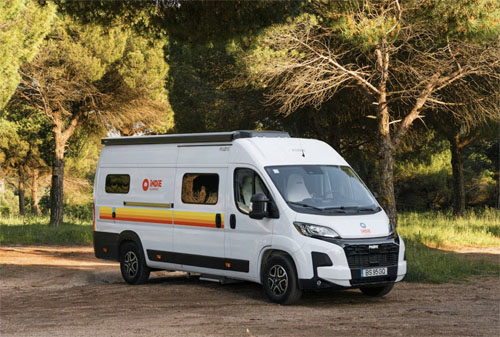
The Class SI, or semi-integrated, motorhome strikes an excellent balance for exploring Ireland. Bandana's fleet typically shows Class SI RVs averaging 6.9 meters in length, accommodating about 3.8 people, making them a versatile choice for weekly rentals. These vehicles offer more interior living space and amenities than a campervan while maintaining better maneuverability than larger integrated motorhomes. With common fuel consumption around 10-11 Liters/100 km, they strike a good balance between size, comfort, and fuel efficiency. Semi-integrated RVs are well-suited for couples or small families looking to comfortably explore Ireland's regional roads and scenic routes without feeling overwhelmed by vehicle size.
Class C (Alcove) — Best For
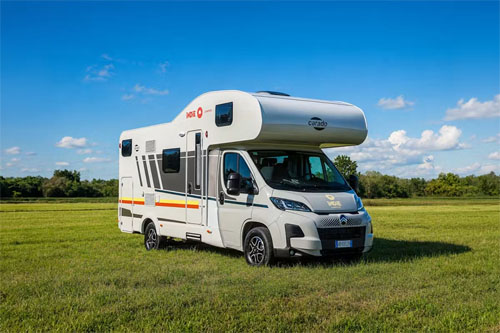
Class C motorhomes are often a popular choice for families due to their spacious design and additional sleeping areas. Bandana's fleet typically offers Class C alcove motorhomes with an average length of 7.5 meters and a sleeping capacity for about 5.8 people, positioning them as an excellent choice for families. The distinctive alcove design over the cab provides extra sleeping space, making these RVs particularly appealing for families with children or larger groups seeking cost-efficient accommodation. Fuel consumption for these models typically ranges from 10-12 Liters/100 km, which is reasonable given their capacity and amenities. Their popularity for weekly rentals in Ireland stems from their blend of spaciousness, family-friendliness, and manageable driving characteristics on the country's varied road network.
Class B (Campervan) — Best For
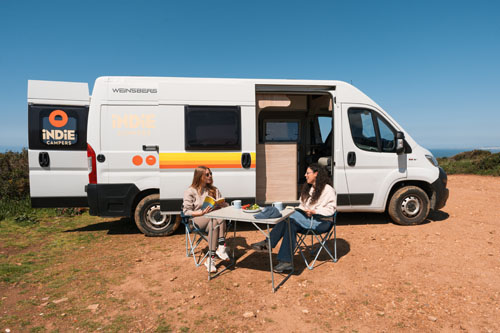
For travelers who prioritize agility and access to the most scenic and tucked-away spots, the Class B campervan is an exceptional choice. Bandana's fleet of Class B campervans typically measures around 5.8 meters in length, accommodating an average of 3.2 sleepers, making them the most compact RV option. These agile vehicles excel in maneuverability, fuel economy (around 10 Liters/100 km), and ease of parking, which are invaluable assets for navigating Ireland's narrower roads and charming, often compact, village centers. Campervans are ideal for solo travelers, couples, or small groups who prioritize flexibility, spontaneous exploration, and accessing 'hidden gems' that larger vehicles cannot reach. For a weekly RV rental in Ireland, a Class B offers a practical and immersive way to experience the countryside, balancing basic comforts with maximum mobility.
Class TC (Truck Camper) — Best For
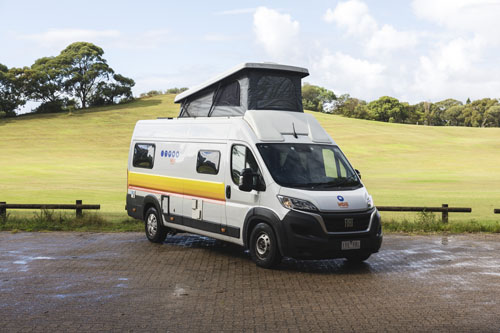
The Class TC, or Truck Camper, offers a unique blend of ruggedness and flexibility for the adventurous RVer. Bandana's fleet typically includes Class TC truck campers with an average length of 5.5 meters and sleeping for about 2.4 people. These unique RVs are designed for adventure, often featuring enhanced off-road capabilities when mounted on a truck chassis, providing unparalleled access to remote and off-the-beaten-path locations. Fuel consumption averages 12-17 Liters/100 km, reflecting their robust build and suitability for varied terrain and driving conditions. Ideal for couples or solo adventurers seeking off-grid experiences and maximum flexibility for a weekly rental in Ireland's more rugged landscapes, the living unit can often be detached from the truck base, adding another layer of versatility.
Side-by-Side Comparison Table
To help you visualize the differences between the RV classes for your Irish road trip, here’s a comparative overview based on typical specifications. This table highlights key features to consider when selecting the best motorhome for your needs:
| Family | Avg Length | Sleeps | Fuel Use | Best Use Case in Ireland |
|---|---|---|---|---|
| Class A (Integrated) | 7.5m | 4.4 | 11-12 Liter/100 km | Luxury, large groups, extensive amenities (less ideal for narrow roads) |
| Class SI (Semi-Integrated) | 6.9m | 3.8 | 10-11 Liter/100 km | Balanced comfort & maneuverability, couples/small families |
| Class C (Alcove) | 7.5m | 5.8 | 10-12 Liter/100 km | Families with children, cost-efficient for groups |
| Class B (Campervan) | 5.8m | 3.2 | 10 Liter/100 km | Solo/couples, maneuverability, narrow roads, city parking |
| Class TC (Truck Camper) | 5.5m | 2.4 | 12-17 Liter/100 km | Off-grid adventure, rugged terrain, flexible exploration |
Our Recommendation for weekly rv rental Travelers in Ireland
For most weekly RV rental travelers in Ireland, a Class SI (Semi-integrated) motorhome is our top recommendation. It offers the optimal balance of comfortable living space for 2-4 people and sufficient maneuverability to handle Ireland's diverse road network, including many regional R roads, making it ideal for a balanced Irish adventure. A strong runner-up, particularly for couples or solo adventurers, is a Class B (Campervan). Its compact size and superior fuel economy make it exceptionally well-suited for navigating very narrow country lanes and finding parking in smaller towns, allowing for greater spontaneity and access to remote 'hidden gems' without compromising too much on basic comforts.
What are the rules for wild camping in an RV in Ireland?
While not explicitly illegal, wild camping in an RV in Ireland is generally discouraged on private land without explicit permission. It requires strict adherence to 'Leave No Trace' principles to preserve natural beauty and ensure positive local interactions. Always seek permission from landowners before parking overnight on private property, including pub car parks or farm stays, as this demonstrates respect and can lead to unique cultural immersion opportunities. Avoid parking in designated scenic spots, protected areas, or national parks unless a specific, permitted overnight area is clearly provided, respecting environmental regulations. Practice responsible waste disposal, leave no rubbish behind, and avoid disturbing local communities or wildlife, reflecting good camping etiquette and respect for Ireland's pristine landscapes.
What type of RV is best for Ireland?
For a weekly RV rental in Ireland, a Class SI (Semi-integrated) motorhome or a Class B (Campervan) is often considered ideal due to Ireland's narrow roads and varied terrain, offering tailored recommendations for different itineraries and traveler comfort levels. Class B Campervans are superior for navigating very narrow country roads (especially regional R and local L roads) and finding parking in small towns or 'hidden gem' locations, prioritizing maneuverability. Class SI Semi-integrated RVs provide more interior space and amenities, making them suitable for longer trips or small families who still want manageable driving dimensions on secondary roads. It's advisable to avoid excessively large RVs (like many Class A models) if your itinerary includes significant exploration off major motorways, as their size can pose a significant driving challenge and limit accessibility to certain areas.
Is it difficult to drive an RV in Ireland?
Driving an RV in Ireland can present challenges due to prevalent narrow regional R and local L roads, left-hand driving, and a high incidence of manual transmissions. However, it is entirely manageable with careful planning and cautious driving, offering practical solutions for a stress-free experience. Be prepared for winding, single-lane roads, often bordered by stone walls or hedges, requiring slow speeds, frequent yielding, and active communication (e.g., pulling over) with oncoming traffic. You must adapt to driving on the left side of the road and navigating roundabouts clockwise, which requires initial concentration and practice. As many rental RVs in Ireland are manual, ensure you are comfortable driving one, or specifically request an automatic transmission if available, to mitigate driving difficulties. Finding suitable parking for larger RVs, especially in town centers or popular tourist spots, can be challenging; utilize designated RV parks or larger car parks on the outskirts. Embrace local driving etiquette by acknowledging other drivers with a friendly wave, especially when yielding on narrow roads, fostering positive interactions and cultural immersion.
How many days do you need to RV around Ireland?
A minimum of 7-10 days is recommended for a weekly RV trip around Ireland to comfortably explore a specific region or experience key highlights without feeling rushed, allowing for detailed, niche itineraries. A 7-Day Itinerary (Focused) is ideal for exploring a single iconic region, such as a '7-day Wild Atlantic Way for Foodies' focusing on local seafood and culinary stops, or an 'Ancient East History Trail' for historical sites. A 10-14 Day Itinerary (Comprehensive) allows for a more expansive journey, perhaps combining a section of the Wild Atlantic Way with a visit to the Ring of Kerry or a delve into Northern Ireland's attractions, ensuring a relaxed pace. Pace is crucial; avoid over-scheduling to allow time for spontaneous stops, including unique activities and 'hidden gems' accessible by RV, enriching your travel experience beyond typical tourist itineraries.
What do you need to rent an RV in Ireland?
To rent an RV in Ireland, travelers typically need a valid driver's license, an International Driving Permit (highly recommended or required for non-EU licenses), a credit card for the security deposit, and generally must be at least 21 years old (though age limits can vary by provider, with some requiring 25 for larger Class A motorhomes). Ensure your driving license is valid for the specific RV class you intend to rent; a standard B license usually suffices for vehicles under 3,500 kg. Booking well in advance, especially for weekly rentals during peak season, is crucial to secure your preferred RV type and potentially better rates. Review insurance options thoroughly, understanding coverage and any excess amounts, and clarify emergency preparedness and breakdown assistance details tailored for foreign travelers in Ireland.
Where can you park an RV overnight in Ireland?
Overnight RV parking in Ireland is primarily available at designated campsites, private motorhome parks, and in some instances, informal pub stopovers or farm stays with prior permission, offering various alternative overnight options. Campsites are the most reliable and safest option, offering essential amenities like electricity, water, and waste disposal; booking in advance is highly recommended during peak season. Many rural pubs may allow RVers to park overnight in their car parks, often in exchange for patronizing the establishment; always ask permission first, adhering to local etiquette. A growing number of farms offer overnight parking for RVs, sometimes with basic services, providing a unique and tranquil alternative to traditional campsites. While less common than in mainland Europe, some local councils are developing specific 'Aires' for motorhomes, often for a small fee, offering a structured informal option. Avoid parking overnight in public car parks or on roadside lay-bys in sensitive or urban areas, as this can lead to fines or unwelcome attention; always prioritize permitted and respectful parking choices.
What You Shouldn't Miss
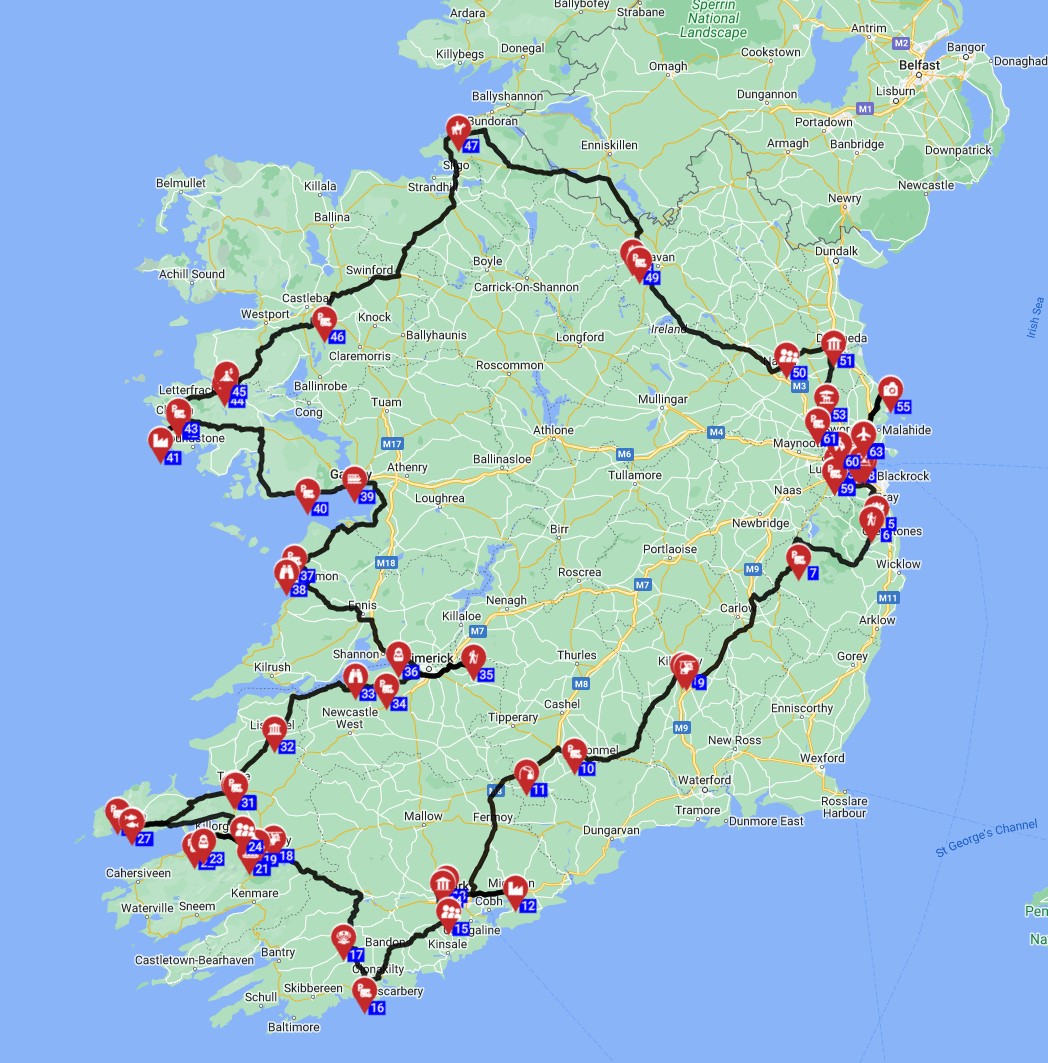
- Drive the Ring of Kerry in a well-chosen RV (like a Class SI or B) for breathtaking coastal scenery and charming villages, allowing ample time to stop and soak in the views.
- Explore the iconic Cliffs of Moher and pair it with a visit to the nearby Burren National Park, which offers unique karst landscapes perfect for a more intimate exploration.
- Experience Dublin's historic charm; with careful driving and parking, most RV sizes can navigate the city, allowing you to park near attractions or use public transport to explore freely.
- Discover the Giant's Causeway in Northern Ireland, a geological wonder accessible via scenic coastal routes that showcase the dramatic beauty of the island.
- Immerse yourself in local culture by visiting traditional pubs in smaller towns, where you might find opportunities for informal RV stopovers and genuine Irish hospitality.
- Seek out lesser-known historical sites like Newgrange or the megalithic passage tombs of the Boyne Valley, often found down quiet lanes perfect for RV exploration.
Final Thoughts
Renting an RV in Ireland offers a unique and flexible way to explore the Emerald Isle, allowing you to traverse its stunning landscapes at your own pace. From the vibrant cities to the rugged coastlines and serene countryside, the freedom of an RV lets you uncover hidden gems and truly immerse yourself in the local culture.
By carefully considering the RV class that best suits your travel needs and planning your itinerary with our resources, you're set for an incredible Irish adventure. Remember to book in advance, especially for peak seasons, and embrace the journey – the winding roads and welcoming communities of Ireland await!
For ideas you can prep on the road, watch our RV-friendly recipes playlist on YouTube.
On the routes offered through RV PLANET routes, you can itemize and track every expense along the way for easy budgeting.