In This Guide
- The RV Families Compared for Germany
- Class A (Integrated) - Best For
- Price Comparison by RV Class in Germany
- Class SI (Semi-Integrated) - Best For
- Class C (Alcove) - Best For
- Class B (Campervan) - Best For
- Side-by-Side Comparison Table
- Our Recommendation for weekly rv rental Travelers in Germany
- Is it worth renting an RV in Germany?
- What are the rules for RV in Germany?
- Can you camp anywhere in Germany in an RV?
- How much is a campsite in Germany per night?
- Do you need an international driver's license to rent an RV in Germany?
- What are the speed limits for RVs in Germany?
- What You Shouldn't Miss
Embarking on a weekly RV rental in Germany offers unparalleled freedom to explore its picturesque landscapes, historic cities, and charming villages at your own pace. Discovering Germany with a rented motorhome means waking up to different views each day, from the majestic Bavarian Alps to the tranquil Rhine Valley, all while enjoying the comforts of home on wheels. For live availability and current prices, start with our RV Rental Germany - Complete Guide 2026 guide.
The RV Families Compared for Germany
Choosing the right RV for your weekly rental in Germany is crucial for a seamless and enjoyable travel experience, considering group size, comfort, budget, and planned activities. Germany's diverse terrain, from autobahns to narrow village streets, means your vehicle choice significantly impacts your journey. Bandana offers a wide array of motorhomes and campervans to suit every adventurer, ensuring you find the perfect fit for your German road trip.
When selecting your ideal vehicle for a weekly rv trip to Germany, think about how much space you'll need and how much maneuverability you desire. From compact campervans to spacious Class A motorhomes, each type offers a unique way to experience Germany's rich culture and stunning scenery.
Class A (Integrated) - Best For
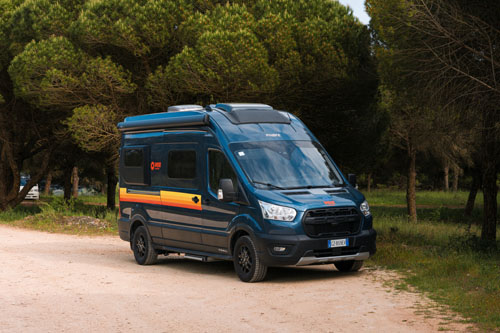
Class A motorhomes, averaging 7.5 meters in length and typically sleeping 4 to 6 people, are best suited for large groups or families seeking a luxurious and spacious weekly rental experience in Germany. These integrated RVs offer extensive living areas, large kitchens, and ample storage, making them perfect for longer stays at well-equipped campgrounds or cruising major highways. Fuel consumption for a Class A motorhome, like the `MH4-5 - HEL`, is approximately 11-12 liters/100 km on average within Bandana's fleet, with a load capacity around 209.5 kg.
While offering ultimate comfort, Class A vehicles can be more challenging to navigate on Germany's narrower rural roads and may require more careful planning for city parking. However, with a bit of common sense and a careful driving approach, you can drive almost anywhere without issues, even in urban areas. These RVs excel when your itinerary focuses on scenic routes between larger towns and national parks, providing a true home-away-from-home feel.
Price Comparison by RV Class in Germany
RV rental prices in Germany, much like airline tickets, are dynamic and change daily based on factors such as availability, seasonality, and supplier promotions. The final price for your weekly rv rental is set at the actual booking time, so it's always best to check current rates directly through Bandana's search platform.
Generally, smaller campervans offer the most budget-friendly options, with prices increasing for larger, more luxurious motorhomes. Peak travel seasons, typically summer months (June-August) and major holidays, will naturally see higher prices. Booking in advance or being flexible with your travel dates can often secure more favorable rates for your weekly rv adventure in Germany.
Class SI (Semi-Integrated) - Best For
Class SI (Semi-Integrated) motorhomes, averaging 6.9 meters in length and comfortably sleeping 2 to 4 people, offer an excellent balance of living space and maneuverability, making them highly versatile for diverse German routes. These models, such as the `2 Berth Tamar`, feature a streamlined design with the cab integrated into the living area, providing more interior space than a campervan while remaining easier to drive than a full-sized Class A. Fuel consumption is typically 10-11 liters/100 km (Bandana's fleet average), with a load capacity of around 72.2 kg.
They are ideal for couples or small families exploring a mix of scenic countryside, charming towns, and even larger cities, as their moderate size allows for easier parking and navigation. The generous living area, often including a fixed bed, a compact kitchen perfect for preparing RV-friendly recipes playlist, and a dinette, provides a comfortable base for your weekly rv adventure in Germany.
Class C (Alcove) - Best For
Class C (Alcove) motorhomes, typically around 7.5 meters long and sleeping up to 6 people (like the `cruise america rv rental example Explorer` with sleeping places for 4 and seat belts for 4), are perfect for families with children or larger groups traveling together in Germany. Characterized by the distinctive "alcove" above the driver's cab that houses an extra bed, these RVs maximize sleeping capacity and offer a familiar driving experience akin to a large van. Fuel consumption usually ranges from 10-12 liters/100 km (Bandana's fleet average), with a load capacity of approximately 42.4 kg.
Their robust design and spacious interiors are well-suited for German road conditions and extended stays at family-friendly campgrounds. While larger, driving a Class C in cities is manageable; simply drive slowly and carefully, and you can navigate almost anywhere without issues. No need to stress - just use common sense and pay attention. These vehicles are a cost-efficient choice for groups requiring multiple sleeping areas without compromising on comfort.
Class B (Campervan) - Best For
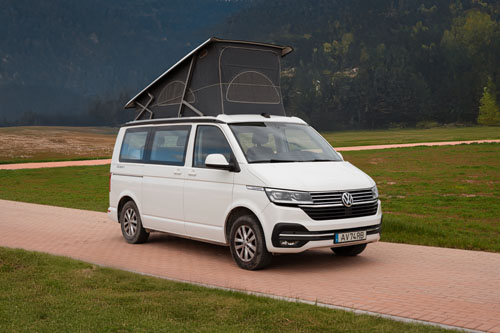
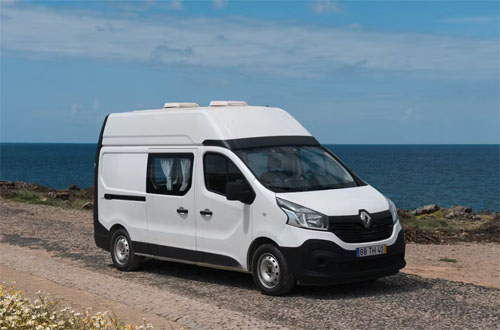
Class B campervans, averaging a compact 5.8 meters in length and typically sleeping 2 to 3 people (for example, the `K125` model which sleeps 3 with seatbelts for 4), are the ideal choice for solo adventurers, couples, or small groups prioritizing agility, fuel economy, and ease of parking in Germany. These converted vans blend seamlessly into urban environments and are perfect for exploring off-the-beaten-path villages and narrow mountain roads.
With a fuel consumption of 8-10 liters/100 km (Bandana's fleet average) and a load capacity of around 37 kg, campervans offer exceptional maneuverability. Their compact size makes them less intimidating to drive than larger motorhomes, providing the freedom to pull over for impromptu stops or park easily in city centers. Imagine enjoying a scenic breakfast overlooking a river, or parking just steps from a historic German market. These are the advantages a rented campervan offers for a flexible weekly rv itinerary.
Side-by-Side Comparison Table
To help you decide which RV class is right for your weekly rental in Germany, here's a comparative overview of key features. This data is derived from Bandana's extensive fleet averages and provides a snapshot of what to expect from each motorhome type.
| RV Class | Average Length (meters) | Sleeping Capacity (people) | Typical Fuel Consumption (L/100 km) | Best Use Cases in Germany |
|---|---|---|---|---|
| Class A (Integrated) | 7.5 | 4-6 | 11-12 | Luxury, large groups, highways, major campgrounds |
| Class SI (Semi-Integrated) | 6.9 | 2-4 | 10-11 | Couples/small families, mixed routes, balanced comfort |
| Class C (Alcove) | 7.5 | 4-6 | 10-12 | Families with kids, groups, familiar driving experience |
| Class B (Campervan) | 5.8 | 2-3 | 8-10 | Solo/couples, urban exploration, agile travel, off-the-beaten-path |
This comparison highlights that each RV class in Germany caters to different travel preferences, balancing space, comfort, and ease of driving for your unique adventure.
Our Recommendation for weekly rv rental Travelers in Germany
For most weekly RV rental travelers in Germany, Bandana recommends a Class SI (Semi-Integrated) motorhome for its optimal balance of comfort, living space, and maneuverability. This class offers enough room for small families or couples, including a functional kitchen and bathroom, without being overly cumbersome to drive through Germany's diverse road network, from scenic routes to bustling town outskirts.
A strong runner-up is the Class B (Campervan), especially for those seeking maximum agility and fuel efficiency to fully immerse themselves in Germany's urban centers and charming, narrow village streets. Remember, you'll want to travel slowly, averaging a maximum of 100-150 km per day, to truly feel the place, connect to the culture, the food, and the scenery Germany has to offer.
Is it worth renting an RV in Germany?
Renting an RV in Germany is absolutely worth it, as it offers unparalleled flexibility to craft custom multi-day itineraries and explore diverse regions like the Black Forest, the Romantic Road, or the Bavarian Alps. An RV provides a mobile headquarters, allowing you to chase local festivals, uncover hidden gems, and experience Germany's rich cultural tapestry at your own pace.
For families, an RV trip can be more cost-effective than booking multiple hotel rooms and restaurant meals, especially when considering the ability to prepare your own food and stay at budget-friendly Stellplatz or campgrounds. This approach facilitates deeper cultural immersion, allowing travelers to savor local markets and interact with communities in a way traditional tourism often doesn't. Germany's RV-friendly infrastructure makes it an ideal destination for adventurers, couples, and families alike.
🎬 Video coming soon
What are the rules for RV in Germany?
Driving an RV in Germany requires adherence to specific regulations, including speed limits, environmental zone requirements, and parking rules. For RVs under 3.5 tons, a standard car driver's license (Category B/Class 3) is sufficient, but larger vehicles over 3.5 tons may necessitate a Category C1 license, although this is rare for typical rental motorhomes. An International Driving Permit (IDP) is highly recommended for non-EU citizens as a supplementary translation, though not always legally mandatory.
Crucially, many German cities, including Berlin, Munich, and Cologne, enforce "Umweltzonen" (environmental zones) which require an "Umweltplakette" (environmental sticker) for entry. This green sticker, indicating your vehicle's emission class, must be purchased in advance and displayed on your windshield to avoid fines ranging from €80 to €100. Always check if your rented motorhome includes this sticker or plan to purchase one before entering urban areas. You can research these rules further in our "Family RV Driving in Germany - Safe Routes 2026" guide.
Can you camp anywhere in Germany in an RV?
No, wild camping or "free camping" is generally prohibited in Germany outside of designated sites, and fines can be imposed for violations. However, Germany is a paradise for RVers thanks to its extensive network of "Stellplatz" (motorhome parking spots), which offer legal overnight stays.
Stellplatz are specific parking areas, often located in scenic spots or near town centers, providing basic amenities like water, waste disposal, and sometimes electricity. They differ from traditional campgrounds by offering fewer facilities but typically come at a lower cost, sometimes even free. While a single overnight rest in public parking to restore driving fitness is often tolerated, it must not resemble extended camping (e.g., setting up awnings, chairs). Always look for clear signage or consult resources like rvplan.net to locate authorized Stellplatz and campgrounds along your route. For finding campsites and campgrounds during your trip, we recommend using RV PLANET (rvplan.net) - a great resource for locating available spots along your route.
How much is a campsite in Germany per night?
Campsite fees in Germany vary significantly based on location, season, and amenities, but you can expect to pay anywhere from €0 to €35+ per night for an RV. Stellplatz, designed specifically for motorhomes and often offering just basic services like fresh water and waste disposal, typically range from free to €15 per night. On the routes offered through RV PLANET routes, you can itemize and track every expense along the way for easy budgeting.
Full-service campgrounds, offering more extensive facilities such as showers, toilets, laundry, and recreational activities, generally cost €20-€35 per night for a family of four during peak season. When budgeting for your weekly rv rental, remember to factor in additional ancillary costs such as fuel (estimated €150-€250 per week for average travel), environmental stickers, tolls, groceries, and activity fees. On RV PLANET routes, travelers can itemize and track every expense along the way for easy budgeting, ensuring full transparency in your trip planning.
Do you need an international driver's license to rent an RV in Germany?
A valid national driver's license (e.g., from EU, USA, Canada, Australia) is typically sufficient for short-term RV rentals in Germany for vehicles up to 3.5 tons. Most Bandana motorhomes and campervans fall within this weight class, meaning no special license or Commercial Driver's License (CDL) is required.
However, an International Driving Permit (IDP) is highly recommended for non-EU citizens, especially if your national license is not in English or does not include a photograph. The IDP serves as an official translation of your license, which can be invaluable for police checks, rental company verification, or in the event of an accident. Always confirm specific driver's license requirements with your RV rental company, like Bandana, to ensure a smooth pickup process.
What are the speed limits for RVs in Germany?
RV speed limits in Germany depend on the vehicle's weight, with stricter regulations for heavier motorhomes than for standard cars, especially on the famous Autobahn. For rented RVs (motorhomes and campervans) up to 3.5 tons, the speed limits are generally 50 km/h in urban areas, 100 km/h on rural roads, and a recommended (but not legally enforced) speed of 130 km/h on unrestricted sections of the Autobahn.
For RVs over 3.5 tons, the limits are 50 km/h in urban areas, 80 km/h on rural roads, and a strict 100 km/h on the Autobahn. Always adhere to posted speed limits, as they take precedence over general rules. Driving at a comfortable, slightly lower speed not only enhances safety but also improves fuel economy for your weekly rv trip through Germany.
What You Shouldn't Miss
Germany offers an incredible tapestry of experiences for RV travelers, blending stunning natural beauty with ancient history and vibrant culture. Here are some must-do adventures that you shouldn't miss on your weekly rv rental:
- Romantic Road: Drive through charming medieval towns like Rothenburg ob der Tauber, Dinkelsbühl, and Füssen, culminating at the fairytale Neuschwanstein Castle. This 460 km route is perfect for slow travel and immersing yourself in historic Germany.
- Black Forest Scenic Route: Explore the dense, evergreen forests, picturesque villages, and cuckoo clock traditions. The Schwarzwaldhochstraße (B500) offers breathtaking views and numerous hiking opportunities.
- Rhine Valley Castles: Cruise along the Rhine River in your RV, stopping at numerous vineyards and over 40 medieval castles and fortresses perched on hillsides. Many offer RV-friendly parking and tours.
- Bavarian Alps: Head south for dramatic mountain landscapes, pristine lakes like Eibsee, and opportunities for hiking, biking, or simply enjoying the alpine views from your motorhome.
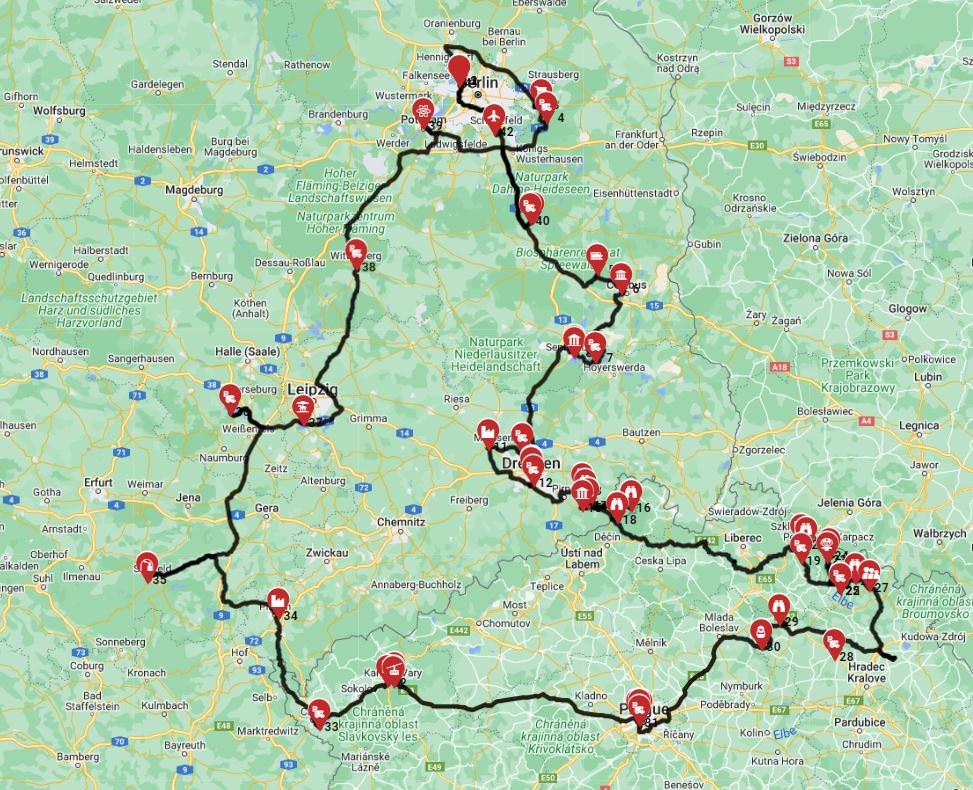
- Berlin's Historic Sites: While a large city, driving a rented motorhome to the outskirts and using public transport to explore sites like the Brandenburg Gate, Reichstag, and Berlin Wall Memorial is entirely feasible.
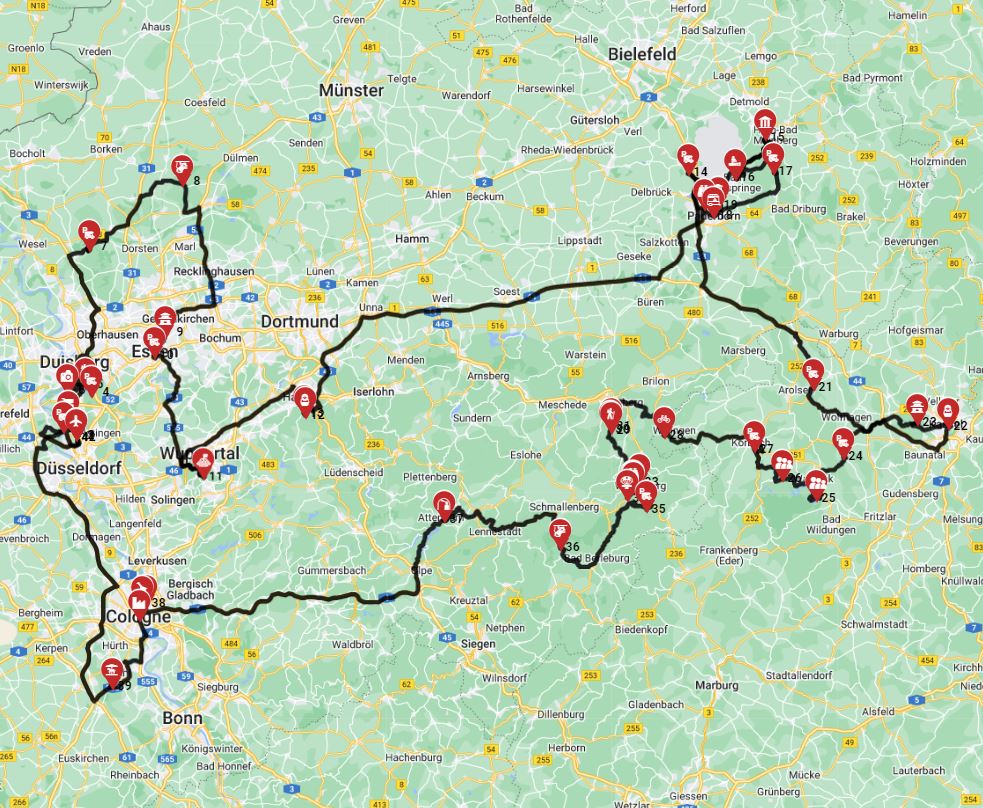
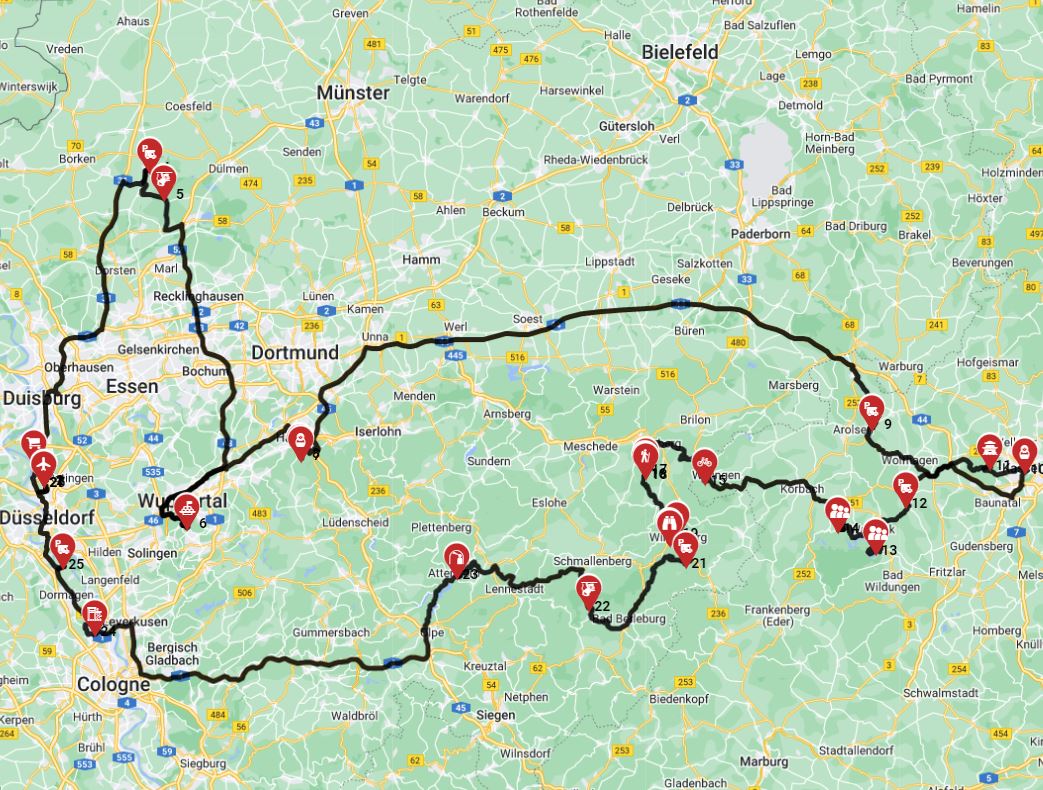
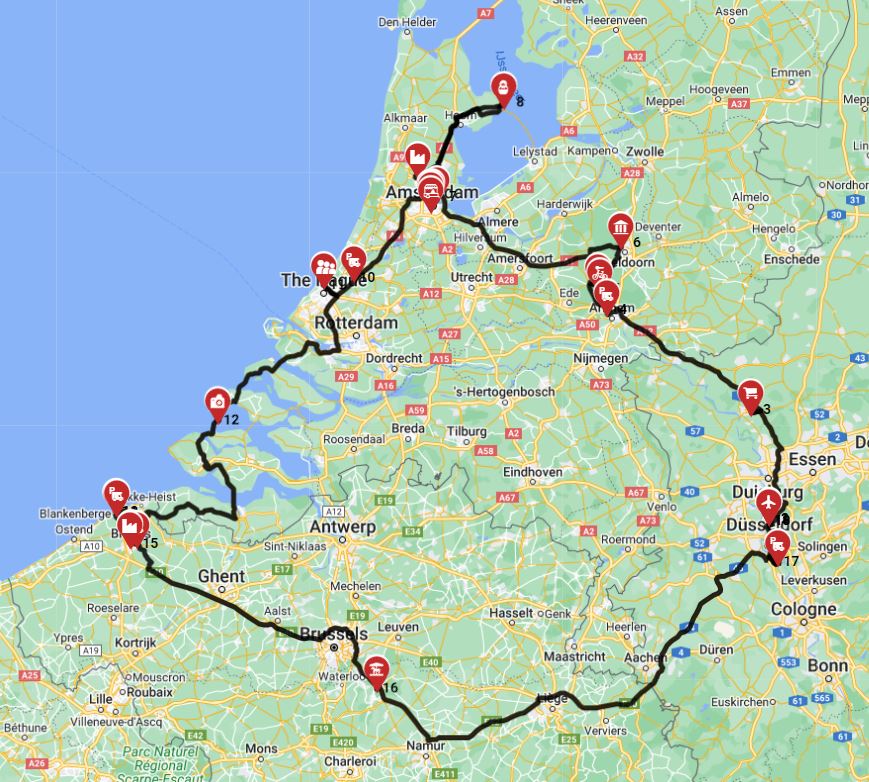
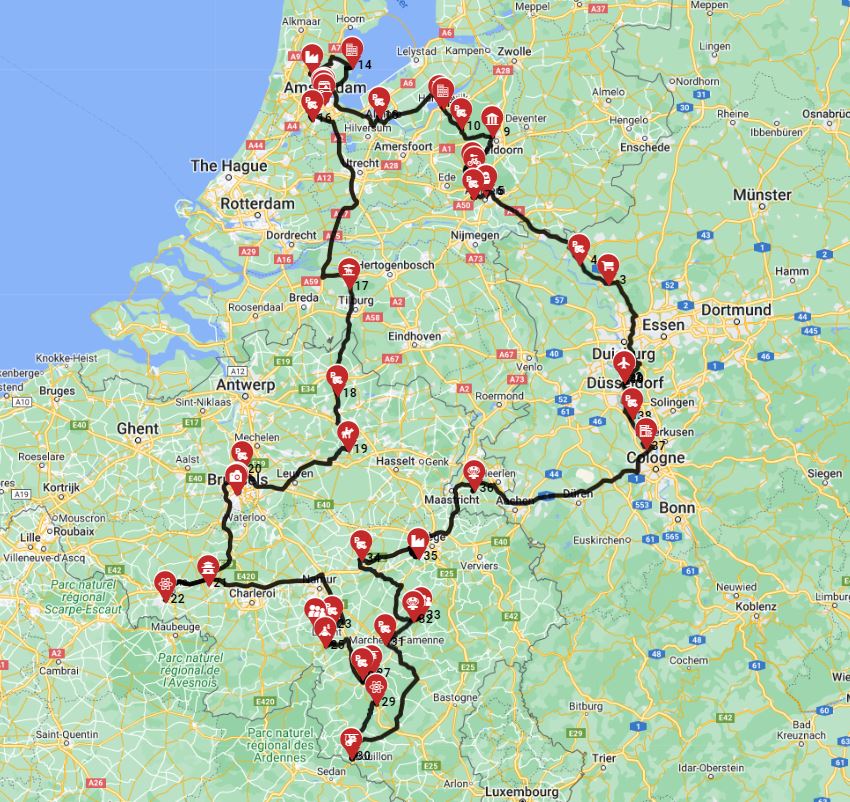
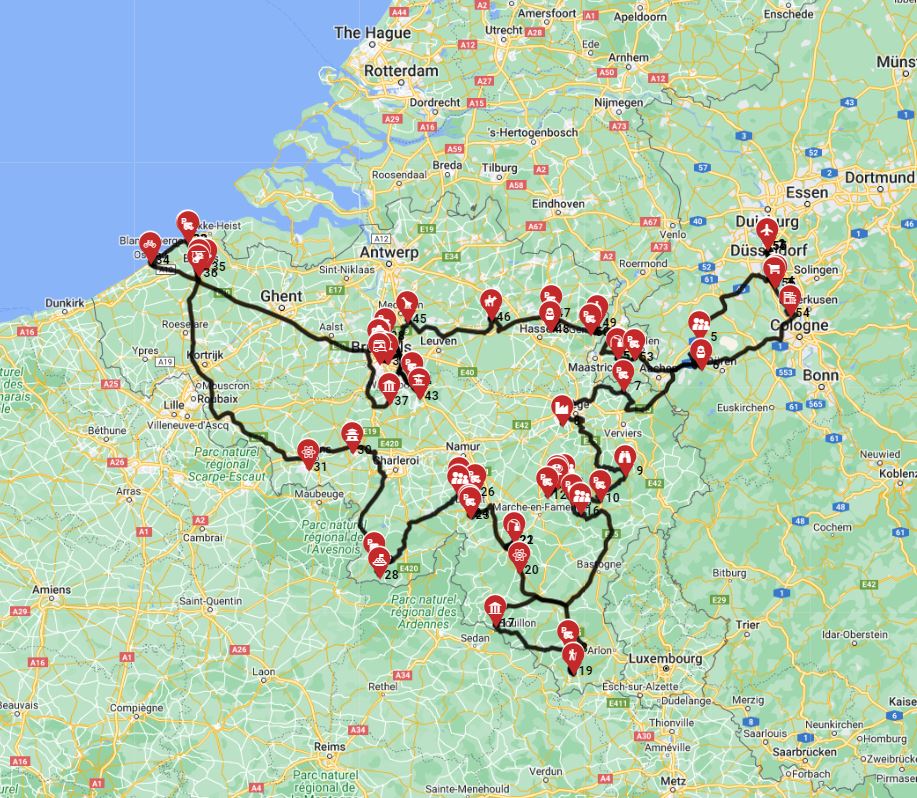
- Düsseldorf Roundtrip - Germany / Netherlands / Belgium: Consider a multi-country adventure. Our pre-planned 8-day, 1076.2 km route from Düsseldorf includes 1 amusement park, 1 aquarium, 1 bike rental, 2 cruise terminals, 2 family activities, 1 historical site, 3 local industries, 1 museum, 1 point of interest, 1 traditional market, 1 traditional restaurant, and 1 traditional visit.
Looking for expert insights from Avi Bandana? Top 5 Adventures - recommendations from Avi Bandana
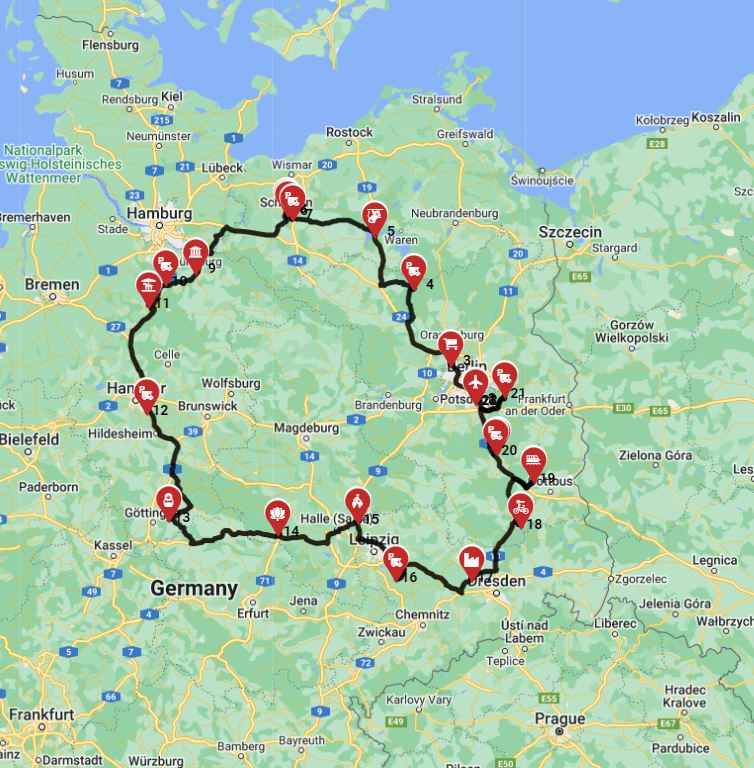
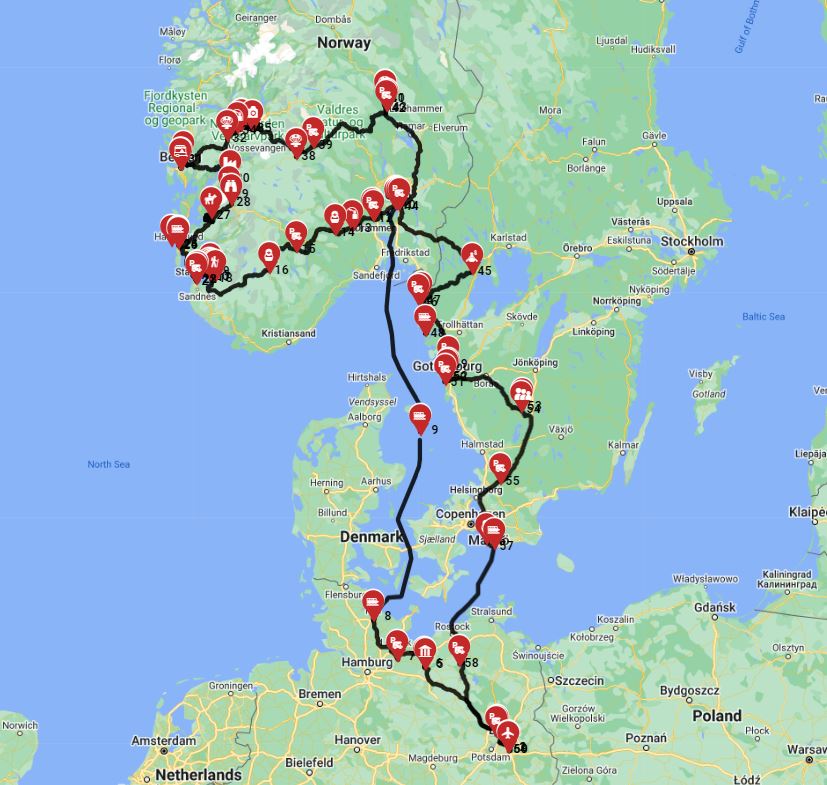
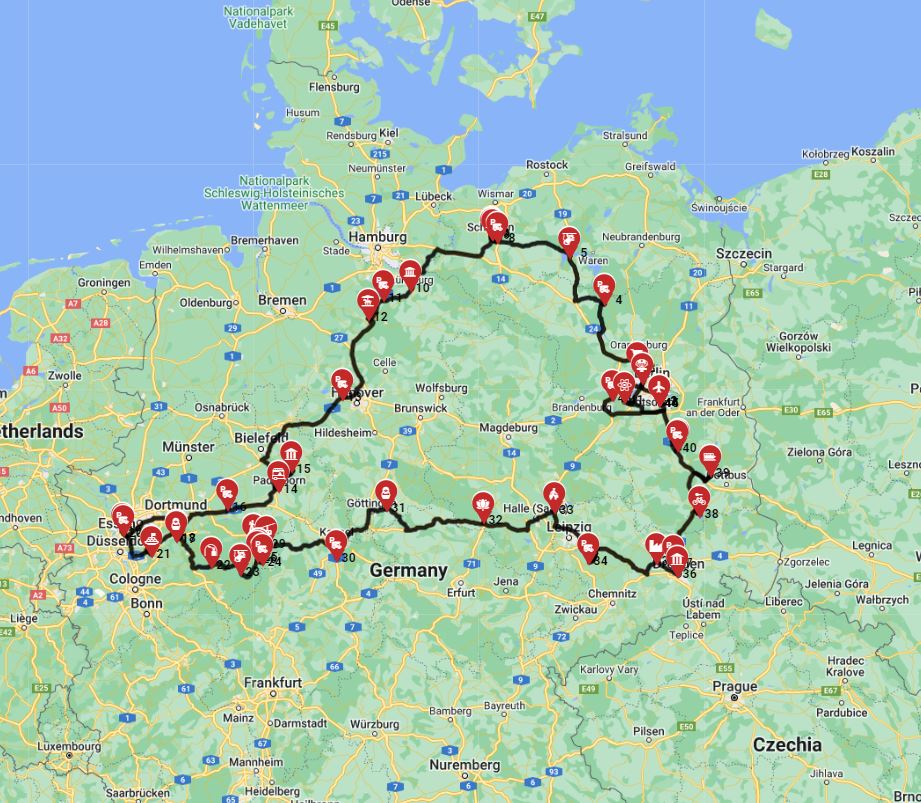
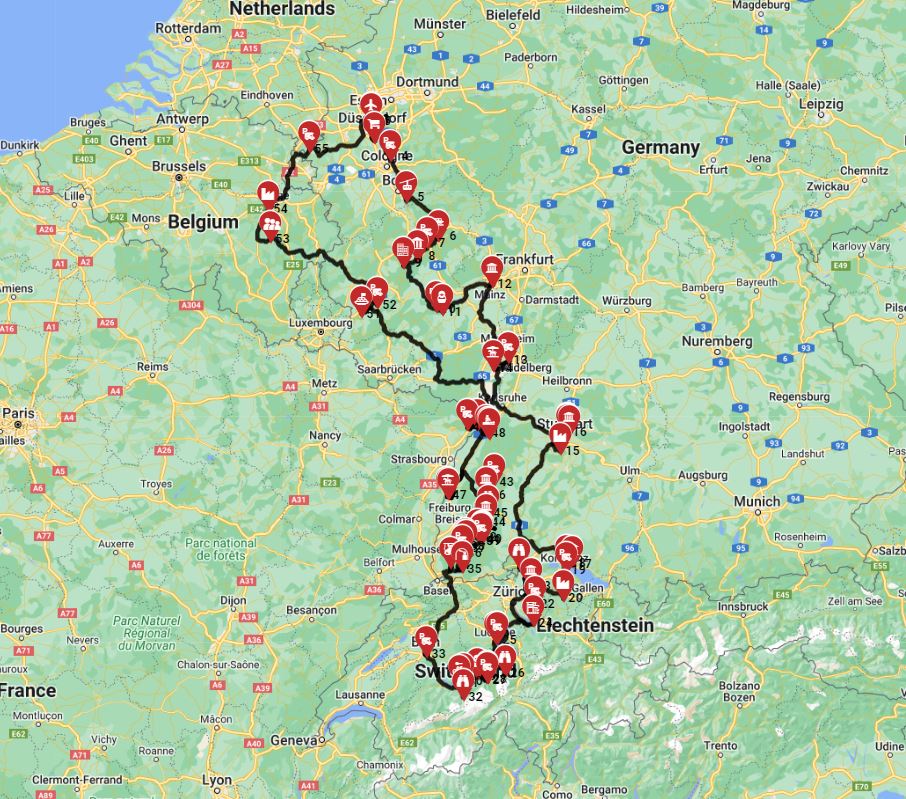
Avi Bandana, our founder, is passionate about discovering unique corners of the world by RV. For his top recommendations on unforgettable German adventures, covering everything from hidden scenic drives to authentic culinary stops, check out his personal travel itineraries and tips. These curated route plans go beyond the usual tourist traps to truly connect you with the heart of Germany. To dive deeper into planning, explore additional route plans like the "Frankfurt Roundtrip - North Germany - Including Hamburg & Berlin". This 15-day, 2230.1 km adventure is perfect for those seeking a comprehensive exploration of North Germany, featuring 1 amusement park, 1 wildlife watch, 1 botanical garden, 1 cave, 1 extreme activity, 2 hiking areas, and 2 museums, among its 20 points of interest.
Final Thoughts
A weekly RV rental in Germany offers an extraordinary way to immerse yourself in this diverse and enchanting country. From the convenience of having your accommodation and kitchen always with you to the flexibility of crafting your own itinerary, RV travel here promises a blend of adventure and comfort. Whether you're drawn to historic castles, lush forests, or vibrant city life, there's a perfect motorhome or campervan waiting to be your companion.
With Bandana Caravan, you're supported every step of the way, benefiting from our transparent pricing, expert knowledge, and dedication to your journey. We handle the details, so you can truly live the adventure. So, pack your bags, choose your ideal RV, and get ready to create unforgettable memories on the open roads of Germany.
Discover top destinations and planning tips to inspire your next trip! Find your ideal weekly RV rental in Germany today and embark on a memorable journey through Europe.