In This Guide
- Best West Canada RV Itinerary for weekly rv rental - Overview
- 7-Day Classic Route in West Canada
- 14-Day Extended Journey in West Canada
- Recommended RVPlan Trip for West Canada
- Must-See Stops Along the Way (Avi Bandana Picks)
- Daily Driving Distances & Drive Times in West Canada
- Best RV Class for This Itinerary - Couple & Family Picks
- How much does it cost to rent an RV for a week in West Canada?
- What should I know about RV driving and logistics in the Canadian Rockies?
- What is the best time of year for an RV trip in West Canada?
- Are there specific regulations for RV camping in West Canada's National Parks and Crown Land?
- What are some unique, off-the-beaten-path experiences for an RV rental in West Canada?
Best West Canada RV Itinerary for weekly rv rental - Overview
Exploring West Canada's breathtaking landscapes by a rented RV over a minimum of 7 days offers unparalleled freedom and immersion in nature. A typical weekly RV adventure in West Canada can cover a total trip distance ranging from 700-1050 km, allowing ample time for scenic drives and unforgettable stops. For live availability and current prices, start with our RV Rental West Canada - Complete Guide 2026 guide. The ideal seasons for RV travel in this region are late spring, summer, and early autumn (May to October), when most attractions and campgrounds are fully accessible and the weather is generally pleasant. This comprehensive guide will equip you with knowledge on optimal routes, suitable vehicle choices, and essential planning tips to make your weekly RV rental in West Canada a seamless and memorable experience. Bandana Caravan, founded in 2001, has over 20 years of experience helping tens of thousands of travelers discover the world by RV, ensuring you benefit from unparalleled personal experience and attention to the smallest details. We are true RV specialists, not just a side department of a general travel agency.7-Day Classic Route in West Canada
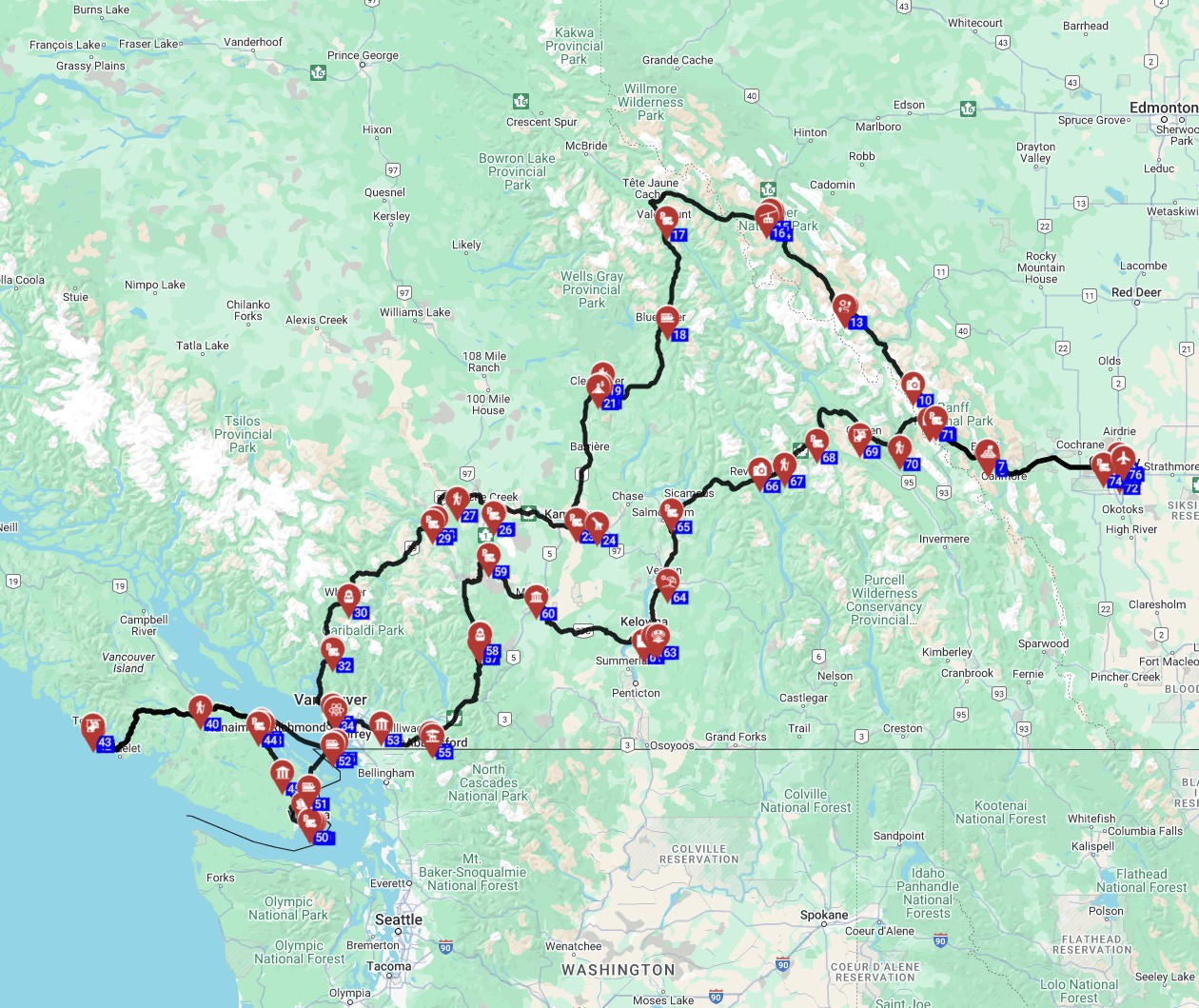
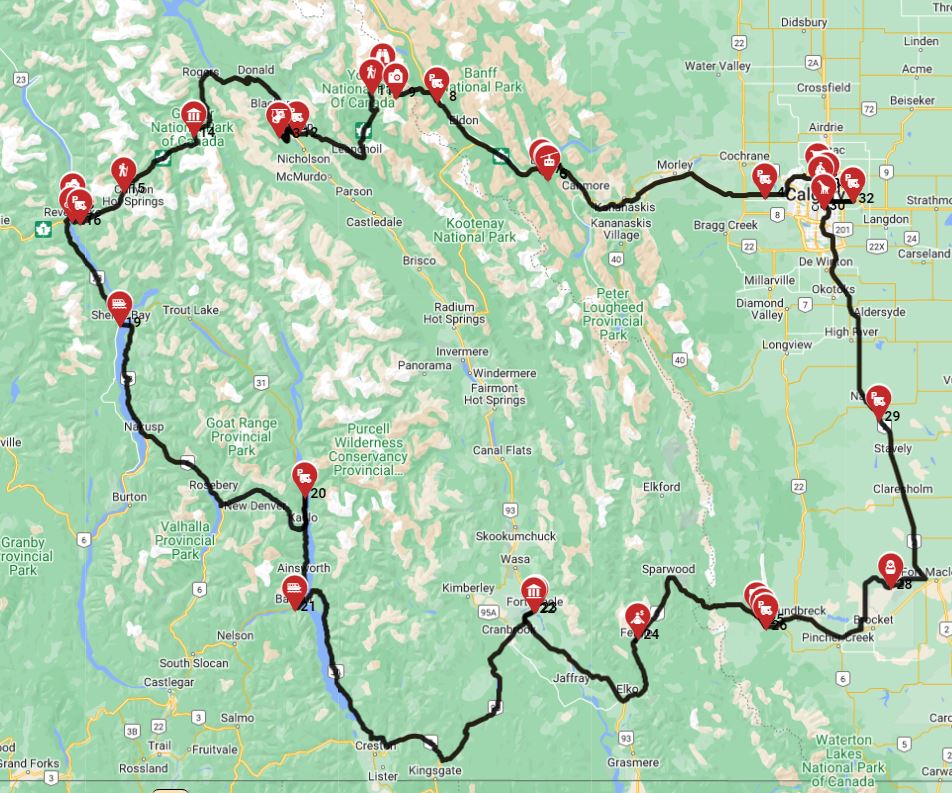
A classic 7-day RV route in West Canada often focuses on the iconic Canadian Rockies and British Columbia's coastal wonders, starting from Vancouver. On Day 1, drive from Vancouver to Whistler (approximately 120 km / 75 miles) along the stunning Sea-to-Sky Highway, enjoying highlights like Shannon Falls, and sleeping at Whistler RV Park & Campground. Day 2 takes you from Whistler to Kamloops (approximately 300 km / 186 miles); while this exceeds the recommended daily distance for slow travel, it is a necessary stretch between major hubs, but you could consider an overnight stop in Fraser Canyon to reduce driving if preferred, adjusting subsequent days. Enjoy the transition from coastal mountains to interior desert before resting at Kamloops RV Park. Day 3 involves a scenic drive from Kamloops to Revelstoke (approximately 210 km / 130 miles), with opportunities to explore Shuswap Lake and Mount Revelstoke National Park before settling in at Williamson Lake Campground. On Day 4, journey from Revelstoke to Banff (approximately 280 km / 174 miles), marveling at Rogers Pass and enjoying a partial drive along the Icefields Parkway to Lake Louise, then staying at Tunnel Mountain Village II Campground in Banff National Park. Day 5 is dedicated to exploring Banff National Park, with highlights including the Banff Gondola, Lake Minnewanka, and Johnston Canyon, returning to Tunnel Mountain Village II Campground. Day 6 offers a shorter drive from Banff to Golden (approximately 85 km / 53 miles), allowing time to experience Kicking Horse Pass and Yoho National Park's Emerald Lake and Takakkaw Falls, with an overnight stay at Golden Municipal Campground. Finally, Day 7 is a substantial travel day back towards Vancouver (approximately 700 km / 435 miles) through the Okanagan Valley; consider extending your trip or flying out from Calgary if time permits, or plan an additional overnight stop in Kelowna or Hope on the return leg.14-Day Extended Journey in West Canada
An extended 14-day RV journey allows for a more in-depth exploration of West Canada's diverse provinces. You can begin in Vancouver (Days 1-3), spending time exploring Stanley Park and Granville Island before driving the picturesque Sea-to-Sky Highway to Squamish and Whistler for hiking, gondola rides, and local cuisine. The journey then heads into Interior BC (Days 4-6), traversing the Fraser Canyon to Kamloops, known for its arid landscapes and excellent biking trails. Continue to the Okanagan Valley, home to Kelowna, famous for its vineyards and abundant lake activities. The next leg takes you through the Kootenay Rockies (Days 7-9), driving through the stunning Monashee Mountains to Revelstoke, then across Rogers Pass into Glacier National Park. Reach Golden, often called the 'adventure capital,' where you can enjoy rafting or hiking. The grand finale of this route focuses on Banff & Jasper National Parks (Days 10-14), starting with Yoho National Park and its majestic Emerald Lake before entering Banff National Park. Dedicate several days to hiking, wildlife viewing, and visiting iconic lakes like Lake Louise and Moraine Lake. The breathtaking Icefields Parkway connects Banff to Jasper, offering spectacular glaciers and waterfalls along the way. Conclude your adventure in Jasper, with options to either loop back to Vancouver or arrange a one-way RV rental to continue your journey eastward. Booking a weekly RV trip provides ample flexibility, allowing both pre-planners and spontaneous travelers to enjoy the breathtaking scenery.Recommended RVPlan Trip for West Canada
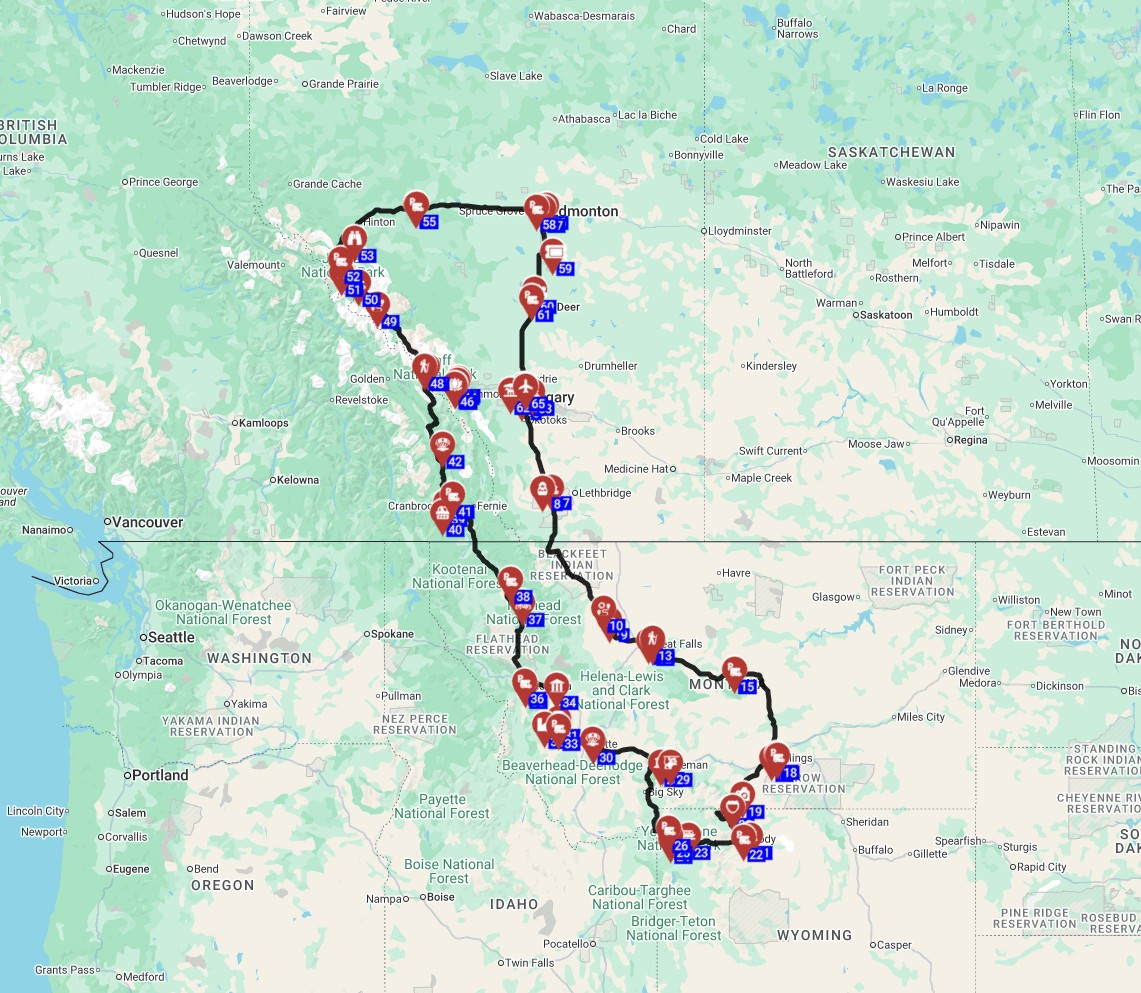
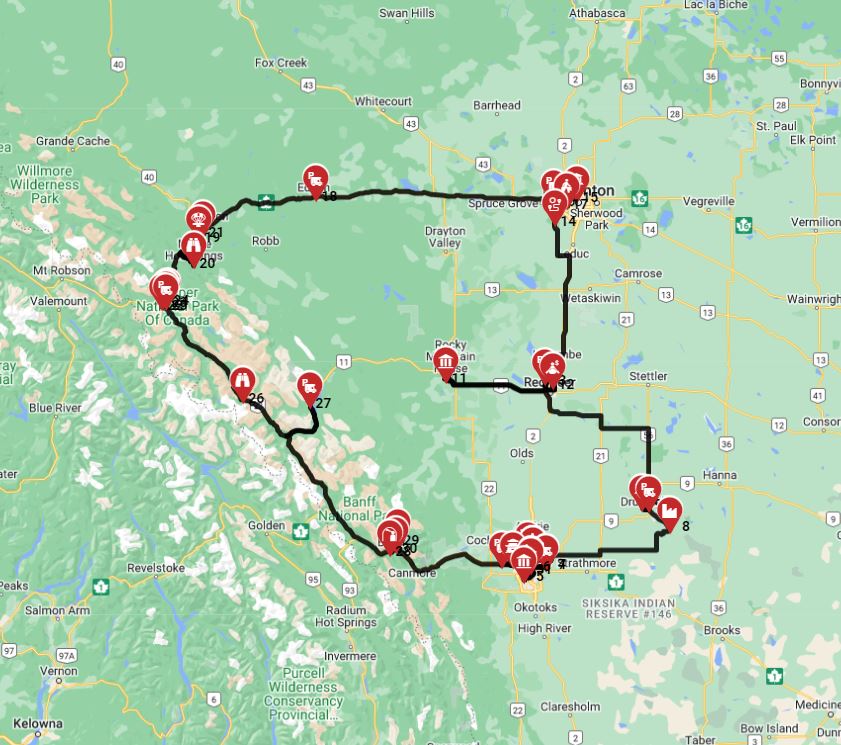
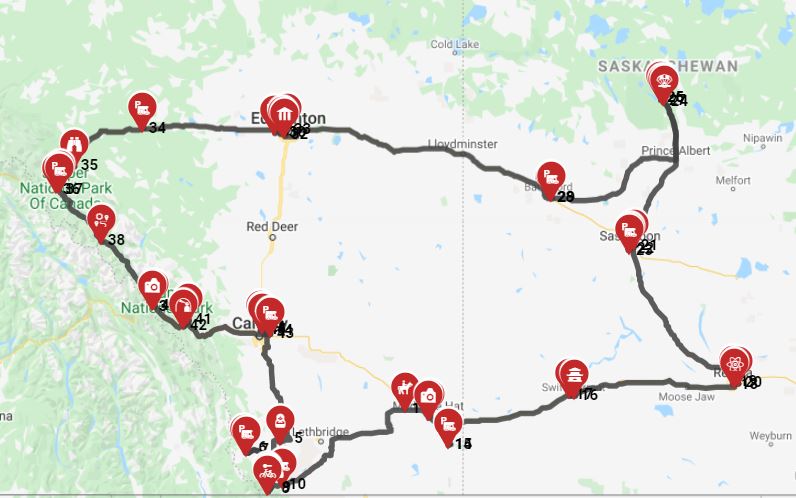
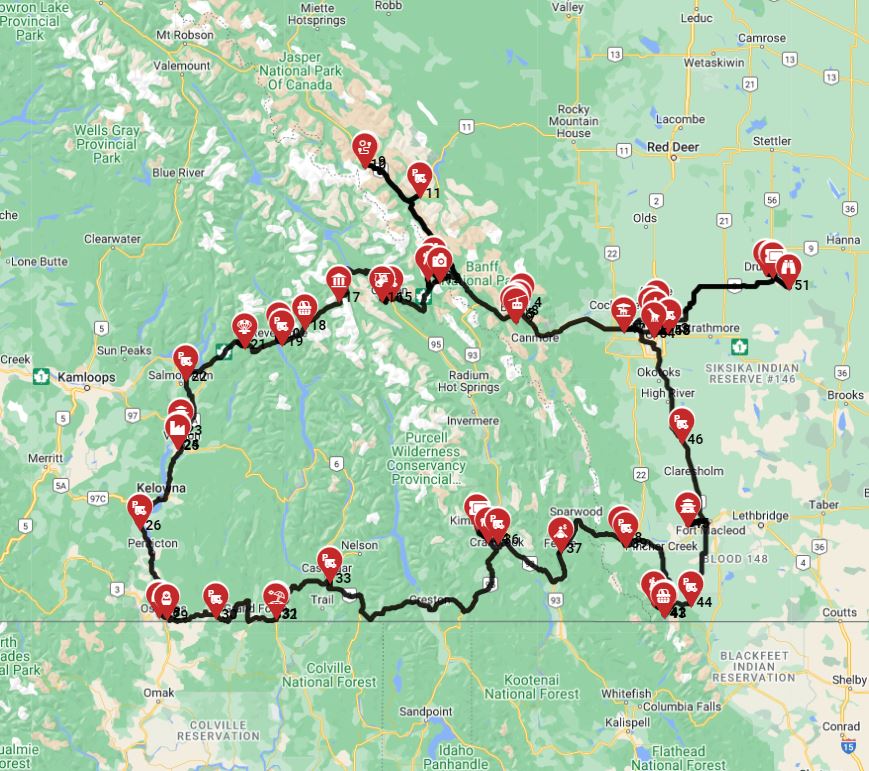
For a truly comprehensive West Canada experience, consider leveraging the "
Vancouver Round Trip - West Canada Cycling Adventure
Must-See Stops Along the Way (Avi Bandana Picks)
When embarking on your weekly RV itinerary in West Canada, certain stops truly capture the essence of the region. Looking for expert insights from Avi Bandana? Top 5 Adventures - recommendations from Avi Bandana:- **Local Industry Visit:** Take the opportunity to visit a local industry unique to Western Canada, such as a craft brewery in the Okanagan Valley to sample regional beverages, or a salmon cannery along the coast for an inside look at sustainable fishing practices. These experiences offer a deeper understanding of the local economy and culture.
- **Traditional Market Exploration:** Avi Bandana recommends seeking out a traditional market like a farmer's market in a charming small town. These are excellent places to find fresh, local produce, artisan goods, and connect with community members. Preparing meals with fresh, local ingredients from markets is one of the joys of RV cooking. Don't forget to check out our RV-friendly recipes playlist for inspiration!
- **Traditional Restaurant / Fine Dining Experience:** Indulge in a traditional restaurant or fine dining experience. Perhaps savor Pacific Northwest seafood in a vibrant city like Vancouver or enjoy a hearty, Rocky Mountain-inspired meal in Banff, immersing yourself in the local culinary scene.
- **Traditional Visit:** Engage in a traditional visit to historical sites such as Fort Langley National Historic Site in British Columbia, which offers fascinating insights into Canadian history and the fur trade, providing a rich cultural counterpoint to the natural wonders you'll encounter.
- **Hiking in Johnston Canyon:** This iconic trail in Banff National Park features stunning waterfalls and catwalks bolted to the canyon walls, offering a unique perspective on the area's geological formations.
Daily Driving Distances & Drive Times in West Canada
Avi Bandana consistently recommends a maximum of 100 miles or 150 km per day on average to truly immerse yourself in the journey. This philosophy allows ample time for exploration, relaxation, and spontaneous stops, which often become the most cherished memories of an RV trip. Traveling slowly enables you to discover hidden viewpoints, explore charming small towns, and embark on impromptu hikes at various trailheads along your route. For example, driving from Vancouver to Whistler, approximately 120 km, typically takes about 2 hours, leaving the rest of your day free for sightseeing along the Sea-to-Sky Highway and enjoying Whistler's alpine activities. A shorter route like Golden to Lake Louise, roughly 60 km, can be completed in about 1 hour, providing significant time for exploring the wonders of Yoho and Banff National Parks, including iconic spots like Emerald Lake. For longer stretches, such as the 210 km drive from Kamloops to Revelstoke, anticipate approximately 2.5 to 3 hours of driving, allowing for comfortable breaks and opportunities to enjoy the scenic Shuswap region. This mindful pace ensures your RV adventure is about the journey, not just the destination.Best RV Class for This Itinerary - Couple & Family Picks
Choosing the right RV for your weekly rental in West Canada depends on your travel companions and preferences. For couples seeking agility and fuel efficiency, the Class B - Camper Van is an excellent choice. These nimble campervans, like the "2 Berth Hi Top" or "Category Van", typically average 5.8 meters in length, comfortably accommodating an average of 2.7 adults, making them perfect for navigating winding mountain roads and fitting into smaller, more intimate campsites. They offer features such as a compact kitchen, sleeping areas, and often a shower and toilet, ensuring comfort without sacrificing maneuverability. For families or larger groups, the Class C - Alcove RV provides significantly more space and comfort for an extended road trip. Models such as the "24' Class C Motorhome" or "Euro Deluxe" typically average 7.5 meters in length and offer an average of 5.8 sleeping places, easily accommodating around 4.4 adults. These motorhomes often include multiple beds, a larger kitchen, and more spacious living areas, ideal for families with children. No matter your group size, driving these motorhomes in cities is manageable; simply drive slowly and carefully, and you can navigate almost anywhere without issues. No need to stress - just use common sense and pay attention. To remove the planning headache and ensure a perfect fit, consider Bandana's 'Rent&Plan' service, which combines your RV rental with a ready-made itinerary crafted by travel experts, offering full access to specialized trip-planning software at a 25% planning discount.How much does it cost to rent an RV for a week in West Canada?
The cost to rent an RV for a week in West Canada typically ranges from CAD $1,200 to $3,000, but prices are dynamic and fluctuate daily based on availability, seasonality, and supplier marketing decisions, similar to flight tickets. The final price is always set at the actual booking time. Budgeting for your trip is crucial, as the base rental fee is just one part of the total expense. For detailed pricing insights, explore "RV Rental in West Canada - Prices and Best Deals 2026". You'll need to account for additional expenses including fuel, which for RVs in Western Canada averages 10-12 Liters/100 km, leading to significant costs over 700-1050 km. Campground fees typically range from CAD $30-70 per night, and National Park passes, such as the Parks Canada Discovery Pass (CAD $145.25 annually per vehicle), are mandatory for entry into the national parks along popular routes. Other potential costs include activity fees for attractions like gondola rides or rafting, provisioning for groceries, and miscellaneous expenses like propane refills or dump fees. For transparent cost tracking and easy budgeting of every expense along the way, we recommend exploring RV PLANET routes. Booking during shoulder seasons (May-June or September-October) often provides lower rental rates and fewer crowds compared to the peak summer months of July-August. While finding last-minute deals on weekly RV rentals in West Canada is possible due to dynamic pricing, booking in advance usually secures better options and prices.What should I know about RV driving and logistics in the Canadian Rockies?
Navigating the Canadian Rockies by a rented RV demands specific driving techniques and logistical planning. When driving a motorhome, including Class SI and Class C RVs (averaging 6.9m and 7.5m in length, respectively) through mountainous terrain, it is crucial to use lower gears on descents to control speed and prevent brake overheating, and be mindful of steep ascents that may reduce your speed. These robust vehicles are well-suited for varied Canadian terrain. Drive slowly and carefully, and you can drive almost anywhere without issues. No need to stress - just use common sense and pay attention. Regarding electrical compatibility, Canadian campgrounds typically offer 15, 30, or 50 amp hookups (120V); ensure you carry the correct adapters for various connections. For remote travel, especially in areas with intermittent or non-existent cell service, it's wise to carry extra water, ensure a full tank of fuel, and consider a satellite communication device for emergencies. Regular vehicle maintenance checks, including tire pressure and fluid levels, are crucial before and during your journey through potentially isolated regions of the Rockies. For those seeking luxury, "Luxury RV Rental in West Canada - Premium Prices 2026" might be of interest.What is the best time of year for an RV trip in West Canada?
The best time of year for an RV trip in West Canada is generally late spring (May-June) to early fall (September-October), offering a sweet spot of pleasant weather and full access to most attractions and services. During these shoulder seasons, temperatures are comfortable, crowds are typically thinner than mid-summer, and you may find more competitive rental rates. Fall travel, in particular, showcases stunning autumn foliage, especially in the interior and mountain regions. Summer (July-August) provides the warmest temperatures and guarantees full access to all national parks, provincial parks, and tourist services. However, this peak season also brings higher prices, significantly more crowds, and necessitates booking campgrounds and popular activities far in advance – often 6-12 months out for prime spots in National Parks. While many national and provincial parks reserve only 25-30% of their spots, leaving the rest for first-come-first-serve, it’s still wise to call ahead before driving if you're traveling spontaneously. You'll find a spot; if not at the first campground, then the next one. Winter RVing (November-April) is feasible but requires a winterized motorhome and specialized gear. It offers unique opportunities for skiing, snowshoeing, and witnessing snow-covered landscapes, but road access can be limited by snow, and many campgrounds close for the season.Are there specific regulations for RV camping in West Canada's National Parks and Crown Land?
RV camping in West Canada's National Parks is subject to specific regulations and often requires advanced reservations, especially during the peak summer season. You must adhere to park-specific rules regarding fire bans, secure food storage to prevent wildlife encounters, and quiet hours. Always check the Parks Canada website for current conditions and regulations before your trip. For broader travel insights, "RV Rental USA - Complete Guide 2026" offers useful information applicable to North American regulations. Camping on Crown Land, also known as 'random camping' or 'boondocking,' is generally permissible in many areas of British Columbia and Alberta, often without a fee. However, it requires a thorough understanding of specific regulations, such as minimum distances from roadways and strict adherence to Leave No Trace principles. Some regions, like Kananaskis Country in Alberta, now require a 'Kananaskis Conservation Pass' for all vehicle use, even for unserviced public land use zones, so what appears "free" may incur a small fee. Advanced wildlife safety protocols are crucial, especially in bear country; carry bear spray, know how to store all food and scented items in bear-proof containers, and maintain a safe distance from all animals. For areas with no cell service, communication strategies such as carrying satellite phones or emergency beacons are highly recommended to ensure safety in remote locations.What are some unique, off-the-beaten-path experiences for an RV rental in West Canada?
Beyond the well-trodden paths of Banff and Jasper, West Canada offers a wealth of unique, off-the-beaten-path experiences perfect for a rented RV adventure. For alternative natural wonders, explore lesser-known provincial parks such as Wells Gray Provincial Park in British Columbia, renowned for its numerous waterfalls including Helmcken Falls, or Dinosaur Provincial Park in Alberta, a UNESCO World Heritage Site boasting unique badlands formations and significant fossil discoveries. Discover unique local communities by visiting historic towns like Nelson, BC, celebrated for its vibrant arts scene and well-preserved heritage buildings, or venture along Alberta's Cowboy Trail (Highway 22) to experience quirky small towns with rich Western heritage. Beyond hiking, specific adventure sports accessible by RV include world-class mountain biking trails in Squamish or Revelstoke, paddleboarding on the pristine, tranquil lakes of the Okanagan Valley, or even guided caving systems in the Kootenays. Seek out authentic local food experiences away from major tourist hubs, such as farm-to-table restaurants in rural BC, U-pick fruit orchards in the Fraser Valley, or small-batch cheese makers in the Cariboo region, preparing delicious meals back in your motorhome. Consider incorporating unique cultural experiences like visiting First Nations interpretive centers or attending local festivals that celebrate the rich heritage and natural bounty of Western Canada. For details on one-way rentals to help you tailor such unique routes, consult "One-Way RV Rental in West Canada - Price Guide 2026".What You Shouldn't Miss
- Explore Vancouver's vibrant city life and drive the scenic Sea-to-Sky Highway to Whistler, experiencing coastal beauty and mountain charm.
- Discover the stunning blue waters of Lake Louise and Moraine Lake in Banff National Park, perfect for iconic photos and serene walks.
- Drive the Icefields Parkway between Banff and Jasper National Parks, stopping at glaciers, waterfalls, and wildlife viewing points along the 232 km route.
- Hike or bike through Yoho National Park, visiting Emerald Lake and the powerful Takakkaw Falls.
- Immerse yourself in the Okanagan Valley's wine country, exploring vineyards and enjoying lakeside activities near Kelowna.
- Experience the unique badlands and dinosaur fossils at Dinosaur Provincial Park in Alberta for an unexpected geological adventure.
Final Thoughts
A weekly RV itinerary in West Canada promises an exhilarating and unforgettable adventure, blending majestic mountain vistas with vibrant city experiences. Whether you choose a compact campervan for two or a spacious motorhome for the family, the freedom of the open road allows you to set your own pace, linger in places you love, and truly connect with the stunning scenery, culture, and food of this incredible region. Remember to travel slowly, aiming for no more than 100-150 km per day on average, to truly feel the place. Planning ahead for your RV rental in West Canada ensures you get the best vehicle and secure those popular campsites, but remember that many parks also offer first-come-first-serve spots, so a bit of spontaneity can also lead to wonderful discoveries. With Bandana Caravan's transparent pricing, expert support before and after booking, and the invaluable resources of RV PLANET, you have everything you need for a smooth and joyous journey. So, pack your bags, choose your route, and prepare to embark on the RV trip of a lifetime. Discover top destinations, planning tips, all in one place!On the routes offered through RV PLANET routes, you can itemize and track every expense along the way for easy budgeting.