In This Guide
- Best Ireland RV Itinerary for Weekly RV Rental - Overview
- 7-Day Classic Route in Ireland
- 14-Day Extended Journey in Ireland
- Recommended RVPlan Trip for Ireland
- Must-See Stops Along the Way (Avi Bandana Picks)
- Daily Driving Distances & Drive Times in Ireland
- Best RV Class for This Itinerary - Couple & Family Picks
- What is the best time of year to RV in Ireland?
- What are the roads like in Ireland for an RV?
- How much does it cost to rent an RV in Ireland for a week?
- Can you wild camp with an RV in Ireland?
- Is it easy to drive an RV in Ireland?
- What documents do I need to rent an RV in Ireland?
- Is there a speed limit for RVs in Ireland?
- How do you dispose of waste in an RV in Ireland?
- Why Book with Bandana Caravan
- Final Thoughts
- Frequently Asked Questions
Best Ireland RV Itinerary for Weekly RV Rental - Overview
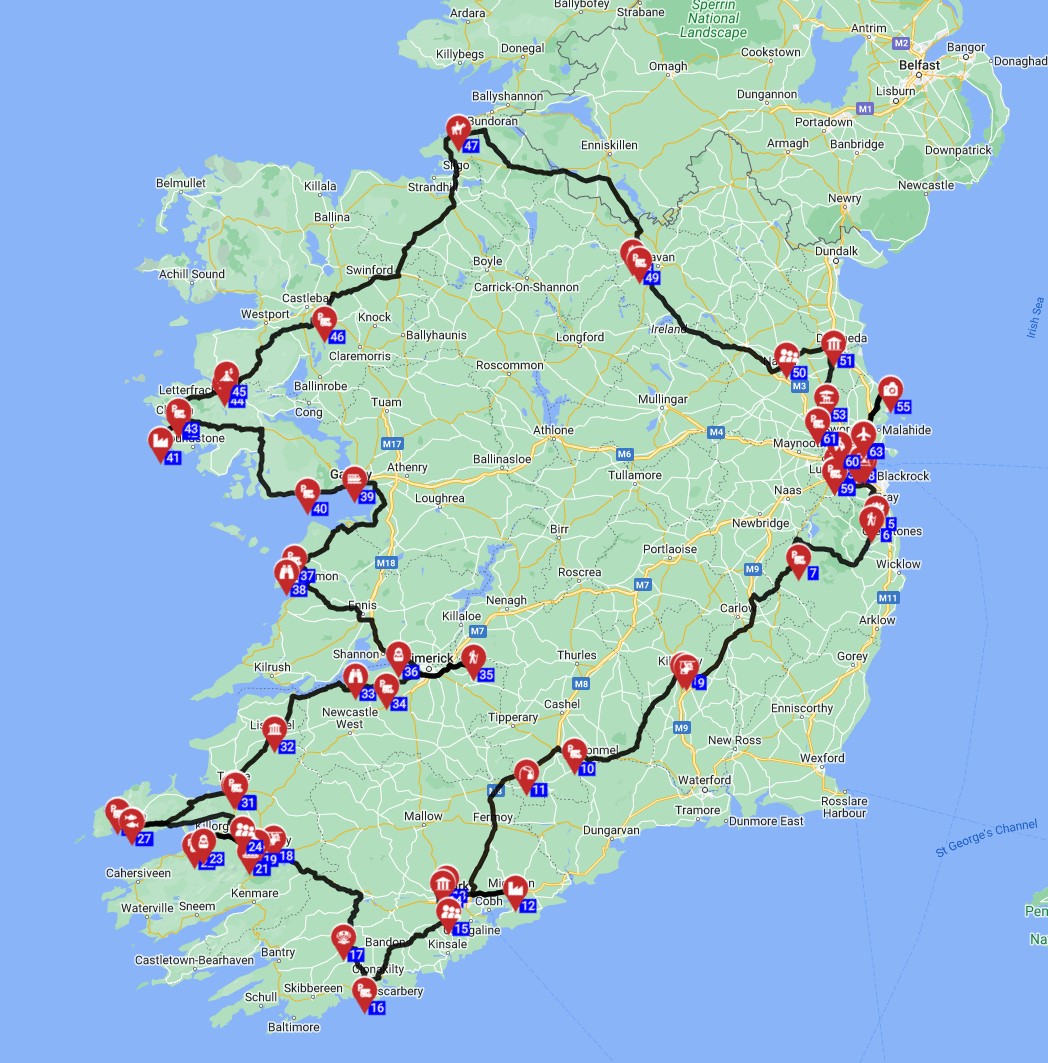
A weekly RV rental in Ireland offers an immersive journey through diverse landscapes and cultural highlights, providing the flexibility to explore at your own pace. A minimum duration of 7 days is recommended for a comprehensive experience, ideally extending to 10-14 days to fully embrace the Emerald Isle. This type of adventure is best enjoyed during the shoulder seasons (April-May, September-October) or peak summer (June-August) for optimal weather conditions and longer daylight hours. A typical 7-day itinerary covers approximately 600-800 km, focusing on a specific region like the South or West to ensure a leisurely pace. Remember, traveling slowly, ideally a maximum of 100-150 km per day on average, allows you to truly feel the place, connect to the culture, the food, and the scenery. For live availability and current prices, start with our RV Rental Ireland - Complete Guide 2026 guide, where you'll find everything needed to begin your journey.7-Day Classic Route in Ireland
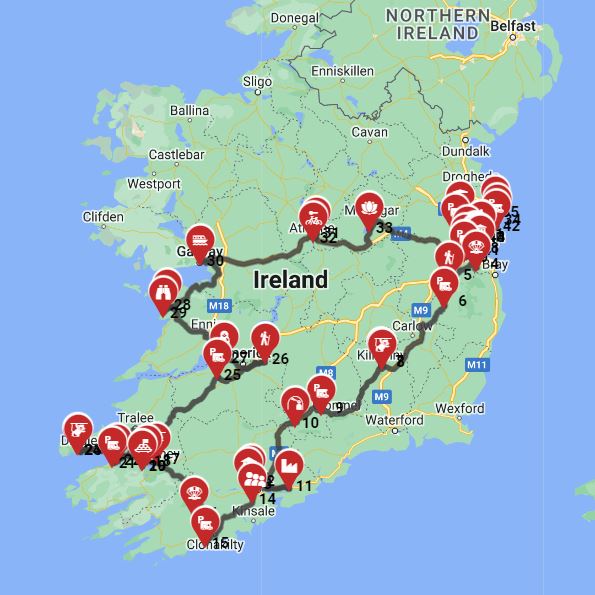
A classic 7-day RV route in Ireland allows you to discover some of the country's most iconic sites, starting and ending in Dublin.- Day 1: Dublin to Kilkenny (approx. 120 km) - Begin your adventure by driving to Kilkenny, a vibrant medieval city. Explore the historic Kilkenny Castle, wander through the winding medieval streets, and visit St. Canice's Cathedral. Overnight at Kilkenny Tourist Hostel & Campsite.
- Day 2: Kilkenny to Kinsale (approx. 100 km) - Head south to Kinsale, a charming harbor town known for its gourmet food scene and colorful streets. Explore Charles Fort and enjoy a meal at one of its many acclaimed restaurants. Overnight at Kinsale Camping.
- Day 3: Kinsale to Killarney (approx. 85 km) - Drive to Killarney, the bustling gateway to the famous Ring of Kerry. Settle into your campsite and perhaps enjoy a short walk or explore Killarney town center. Overnight at Fossa Caravan & Camping Park.
- Day 4: Ring of Kerry Scenic Drive (local driving) - Dedicate a full day to driving the breathtaking Ring of Kerry. This 179 km loop offers stunning coastal views, charming villages, and panoramic stops. Remember to take your time and pull over often to soak in the scenery. Return to Fossa Caravan & Camping Park for the night.
- Day 5: Killarney to Cashel (approx. 150 km) - Journey eastward to Cashel, home to the iconic Rock of Cashel, a spectacular collection of medieval buildings on a limestone outcrop. Explore the cathedral, chapel, and round tower. Overnight at Cashel Motorhome Park.
- Day 6: Cashel to Glendalough, Wicklow Mountains (approx. 130 km) - Drive into the scenic Wicklow Mountains National Park to reach Glendalough. Explore the ancient monastic settlement founded by St. Kevin in the 6th century, and enjoy walks around the serene upper and lower lakes. Overnight at Wicklow Glamping & Caravan Park.
- Day 7: Glendalough to Dublin (approx. 60 km) - Enjoy a final scenic drive back to Dublin for your RV drop-off, allowing ample time for any last-minute city exploration before departing.
14-Day Extended Journey in Ireland
For those with more time, a 14-day RV rental in Ireland allows for a deeper exploration, including a visit to Northern Ireland's captivating landscapes and history.- Days 1-7: Follow the '7-Day Classic Route' - Start your journey with the classic itinerary from Dublin, through Kilkenny, Kinsale, Killarney and the Ring of Kerry, Cashel, and Glendalough, ending back near Dublin.
- Day 8: Dublin to Enniskillen, Northern Ireland (approx. 160 km) - Cross the border into Northern Ireland, heading to Enniskillen. Explore the Fermanagh Lakelands and historic sites like Enniskillen Castle. Overnight at Castle Archdale Caravan Park, which often has waterfront pitches.
- Day 9: Enniskillen to Donegal Town (approx. 70 km) - Drive back into the Republic of Ireland to charming Donegal Town. Visit Donegal Castle, explore the town square, and enjoy the local hospitality. Overnight at Donegal Town Caravan & Camping Park.
- Day 10: Donegal Town to Derry/Londonderry (approx. 60 km) - Travel to the historic Walled City of Derry/Londonderry. Walk the ancient city walls, visit the Tower Museum, and learn about its rich, complex history. Overnight at Foyle Valley Caravan Park.
- Day 11: Derry/Londonderry to Giant's Causeway & Antrim Coast (approx. 100 km) - Journey along the stunning Antrim Coast Road, a designated Area of Outstanding Natural Beauty. Marvel at the hexagonal basalt columns of the Giant's Causeway, a UNESCO World Heritage site, and explore Carrick-a-Rede Rope Bridge. Overnight at Causeway Coast Holiday Park.
- Day 12: Antrim Coast to Belfast (approx. 90 km) - Drive to Belfast, the capital of Northern Ireland. Explore the Titanic Quarter, visit the Ulster Museum, or take a Black Cab tour. Consider staying at Dundonald Caravan Park for easy access to the city.
- Day 13: Belfast to Newgrange, Boyne Valley (approx. 120 km) - Head south back into the Republic of Ireland to the Boyne Valley. Visit Newgrange, a magnificent Stone Age passage tomb, part of the Brú na Bóinne UNESCO World Heritage site, which predates Stonehenge and the Egyptian pyramids. Overnight at Boyne Valley Caravan & Camping Park.
- Day 14: Newgrange to Dublin (approx. 50 km) - A short final drive back to Dublin to drop off your rental motorhome, concluding a comprehensive and memorable two-week tour of Ireland.
Recommended RVPlan Trip for Ireland
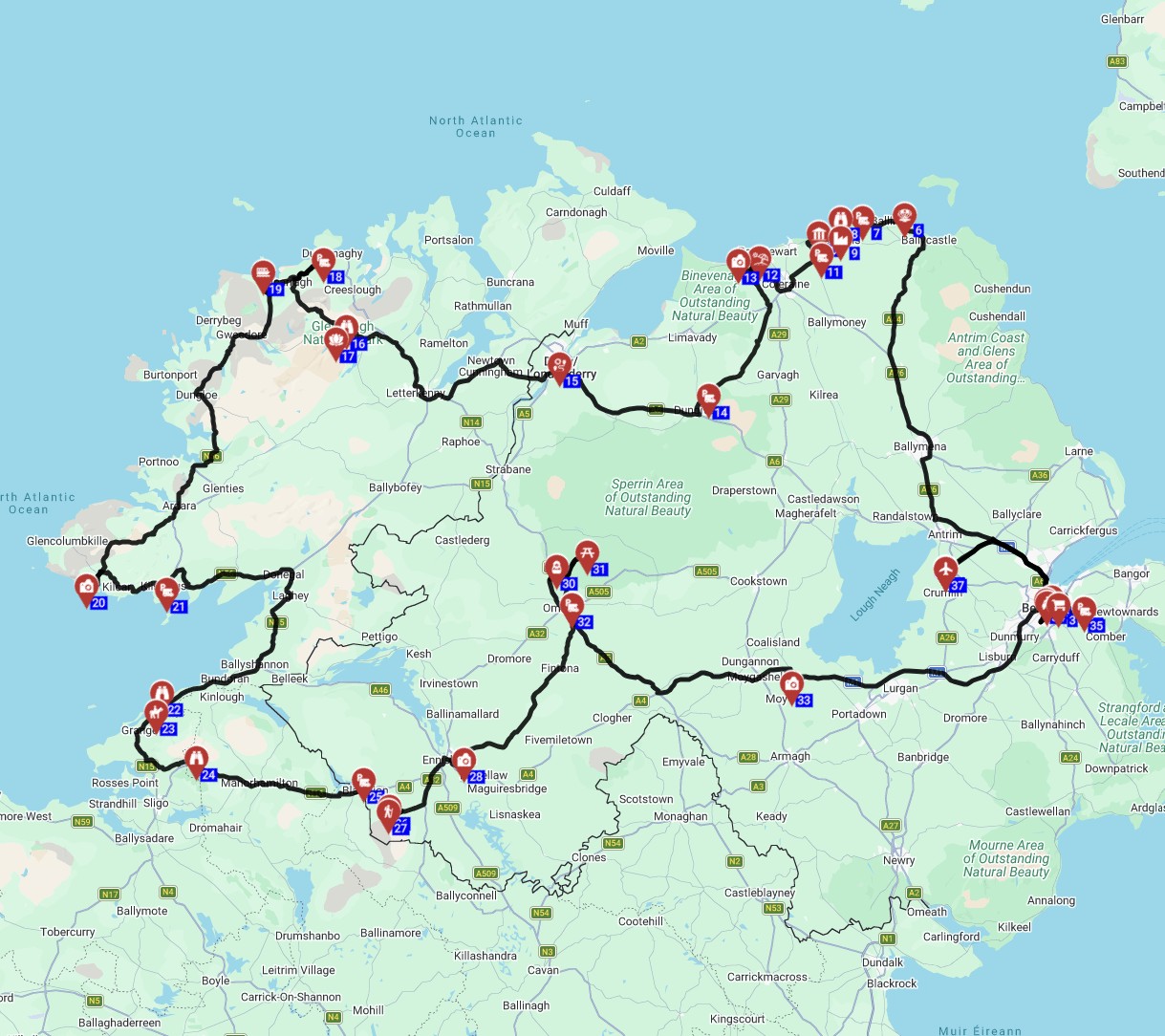
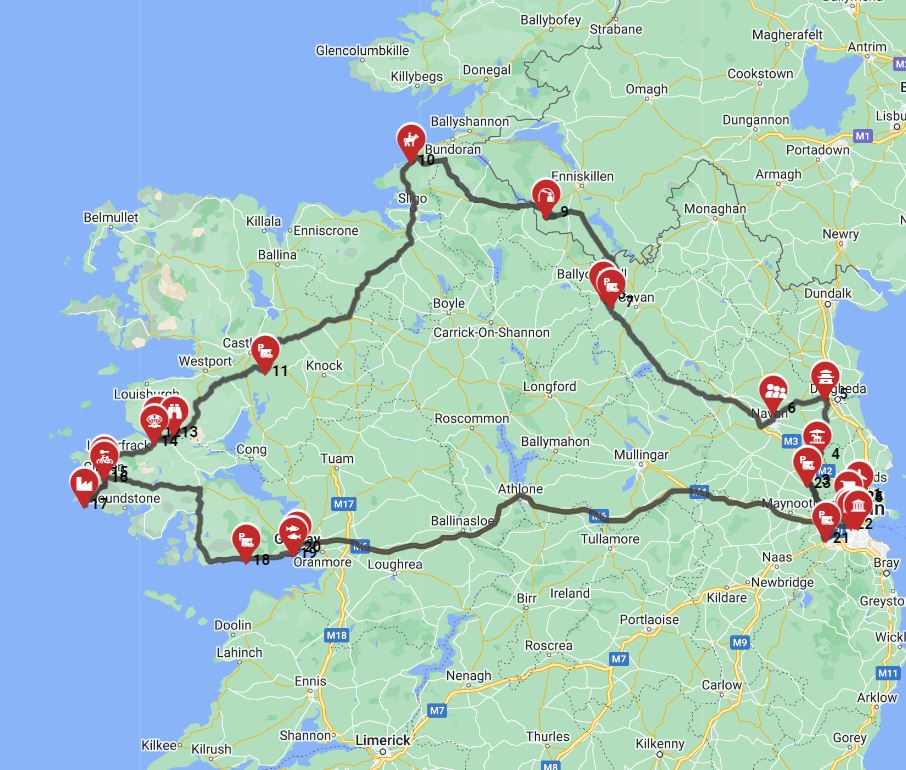
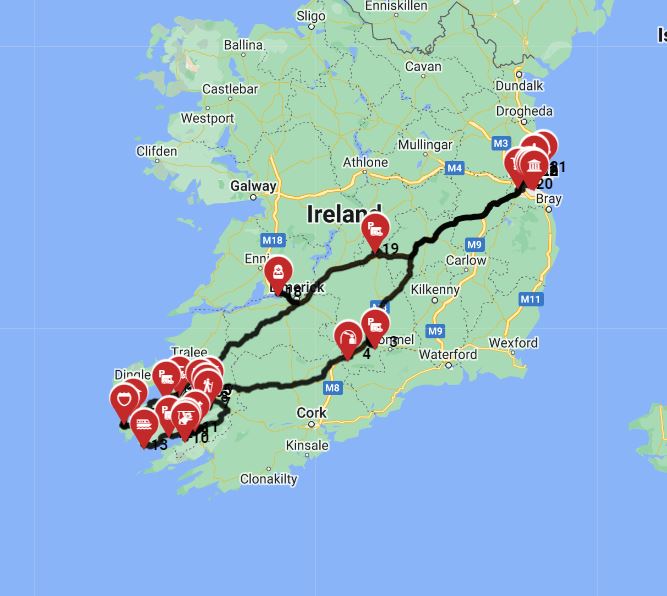
For a truly well-structured adventure through Ireland, especially for families or groups who prefer a professional hand in planning, consider utilizing the detailed itineraries available through RVPLANET (rvplan.net). For example, the '
Belfast Round Trip - Family Motorhome Journey Across Northern Ireland
🎬 Video coming soon
Must-See Stops Along the Way (Avi Bandana Picks)
Avi Bandana, our founder and a seasoned RV traveler, recommends focusing on stops that offer a genuine taste of Irish culture and unique experiences, beyond just the postcard views.- Local Industry Visits: Seek out opportunities to visit local craftspeople or food producers. Imagine touring a small distillery in Cork, a cheese maker in Braughan, or a woollen mill near a coastal town. These offer a deeper cultural immersion and a chance to interact directly with locals.
- Traditional Cultural Centers: Don't miss a 'Traditional Visit' to historical sites or cultural centers, which often provide engaging stories and local perspectives. Think beyond just the grand castles and explore smaller heritage centers.
- Ancient Sites Exploration: Explore a 'cave' or 'Historical Site' like the Neolithic passage tombs in the Boyne Valley, or the ancient monastic settlement of Glendalough, to connect with Ireland's ancient past. The Ring of Kerry also offers numerous historical markers and stone circles.
- Dramatic Natural Features & Hiking Areas: Prioritize 'Natural Feature' locations and 'hiking areas' to truly appreciate Ireland's dramatic and varied landscapes. The Cliffs of Moher, the Wicklow Mountains, and the stunning Antrim Coast near Coleraine are prime examples. Embrace the fresh air and breathtaking vistas.
- Local Pub Experiences: As mentioned in our fun facts, many rural pubs offer an unofficial welcome to campervans. Enjoy a traditional Irish meal and a pint, listening to live music, and soaking in the community spirit. You might even find yourself at a truly authentic pub near Derry City Airport or Belfast - Harbour.
Daily Driving Distances & Drive Times in Ireland
Avi Bandana recommends a maximum of 100-150 km (approximately 60-90 miles) per day on average when RVing in Ireland to allow ample time for exploration and unexpected discoveries. Traveling slowly ensures you can fully immerse yourself in the journey, stopping at local villages, chatting with locals, and enjoying scenic overlooks. For instance, driving from Dublin to Galway typically takes around 2.5-3 hours for approximately 210 km, but for a rented RV, allow closer to 3.5-4 hours of dedicated driving, plus stops. The journey from Killarney to the Cliffs of Moher (Doolin) covers about 150 km and can take 2.5-3 hours of dedicated driving, not including stops at charming towns like Limerick along the way. Remember that Ireland's roads vary, and scenic routes often mean slower speeds.Best RV Class for This Itinerary - Couple & Family Picks
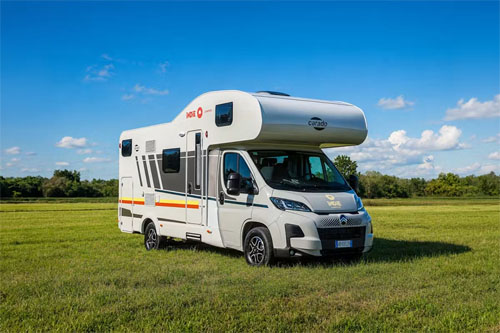
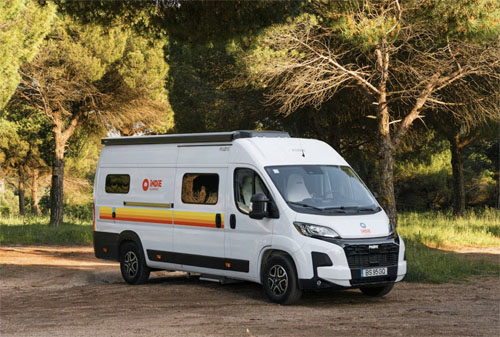
Selecting the right camper or motorhome size is key to enjoying your weekly RV itinerary in Ireland. For couples, the Class B - Camper Van is often ideal for navigating Ireland's smaller roads with ease and finding parking in quaint villages. Bandana's fleet typically offers Class B campervans with an average length of 5.8 meters and sleeping places for 3.2, comfortably accommodating 2.7 adults, making them agile and efficient for two travelers. These models, similar to a "rent rv example A1" or "luxury rv rentals example Carthago Malibu 600", provide essential amenities without the bulk. For families or larger groups of 4-6 people, a Class C - Alcove motorhome provides ample space and comfort for longer trips. These vehicles often feature several sleeping areas, including a bed over the cab and convertible dinettes. Bandana's Class C vehicles average 7.5 meters in length, with 5.8 sleeping places and accommodation for 4.4 adults, offering separate sleeping areas for families, such as a "cruise america rv rental example Explorer". These larger rental motorhomes provide more storage, a more spacious kitchen for preparing meals (check out our RV-friendly recipes playlist!), and a more comfortable living area for extended stays. Consider Bandana's 'Rent & Plan' service, which combines your motorhome rental with a ready-made itinerary crafted by travel experts, granting full access to trip-planning software and removing the planning headache.What is the best time of year to RV in Ireland?
The best time of year to RV in Ireland is generally during the shoulder seasons (April-May and September-October) or peak summer (June-August) for optimal weather. These periods offer the most favorable weather conditions with milder temperatures, ranging from 10°C to 20°C, and longer daylight hours, ideal for outdoor activities and maximizing sightseeing time. Traveling during these months also means most attractions and campsites are fully open. Be prepared for Ireland's famously changeable weather, even in summer, by packing layers, waterproof gear, and being flexible with your itinerary. Traveling outside of peak summer can offer a more secluded experience, addressing the potential for crowds at popular spots like the Cliffs of Moher or the Ring of Kerry. For those seeking fewer tourists and potentially lower weekly rv rental prices, late spring or early autumn can be particularly rewarding.What are the roads like in Ireland for an RV?
Roads in Ireland for an RV vary significantly, from well-maintained motorways (M-roads) connecting major cities like Dublin and Belfast, to national roads (N-roads), and then increasingly narrow, winding rural lanes, often called "boreens," particularly in scenic coastal or mountainous areas. While main routes are generally good and well-signed, be prepared for specific road types, including single-lane roads with designated passing places. Navigating small villages with a larger rental motorhome requires extra caution and patience due to tight turns, parked cars, and limited parking. Drive slowly and carefully, and you can drive almost anywhere without issues. No need to stress - just use common sense and pay attention. Many roads, especially in the more rugged west or around smaller towns such as Braughan or Coleraine, are not designed for large vehicles, making a smaller or medium-sized RV (like a Class B campervan or a compact semi-integrated motorhome) often more suitable for adventurous routes.How much does it cost to rent an RV in Ireland for a week?
The cost to rent an RV in Ireland for a week typically ranges from €800 to €2000+, depending on the season, the chosen RV class, and how far in advance you book your rental. Peak season (July-August) commands the highest prices, with weekly rates for a family-sized Class C motorhome potentially reaching €1800-€2500. Shoulder seasons (April-May, September-October) generally offer better value, with weekly rates around €1000-€1500. Smaller, more fuel-efficient campervans are generally less expensive than larger, luxury motorhomes or Class A vehicles. Prices also fluctuate based on the specific rental company, the inclusion of insurance deductibles (Bandana offers top-level deductible reimbursement as an optional upgrade), mileage limits, and additional amenities or services. Keep in mind that prices are dynamic, similar to flight tickets, changing daily based on availability and supplier marketing decisions. Always compare final prices across multiple suppliers for the best deals, and remember Bandana provides full price transparency with no hidden fees or surprises. For a detailed breakdown of costs, refer to our "RV Rental in Ireland - Prices and Best Deals 2026" or "Cheap RV Rental in Ireland - Budget Guide 2026" resources.Can you wild camp with an RV in Ireland?
Wild camping with an RV in Ireland is generally tolerated in many remote areas, especially in the Republic of Ireland, but it requires discretion, respect for local property, and strict adherence to 'leave no trace' principles. While not explicitly illegal in all areas, it is advisable to seek permission from landowners if camping on private land and to avoid overnighting in residential areas or protected natural sites like National Parks. Comprehensive ethical guidance for wild camping includes proper waste disposal into designated facilities at campsites, minimizing noise, and leaving no visible signs of your stay. Specific safety considerations include choosing well-lit or visible spots, securing your vehicle, and being aware of local nuances regarding access rights. Always prioritize safety and respect for the environment and local communities. For finding campsites and campgrounds during your trip, we recommend using RV PLANET (rvplan.net) - a great resource for locating available spots along your route.Is it easy to drive an RV in Ireland?
Driving an RV in Ireland is manageable for most experienced drivers, though it requires awareness of left-hand driving, narrower roads, and specific local road hazards. The challenge of navigating winding "boreens" (small rural roads) and single-lane roads with occasional passing places is part of the adventurous RVing experience and contributes to slow travel. Drive slowly and carefully, and you can drive almost anywhere without issues. No need to stress - just use common sense and pay attention. Key tips include planning routes carefully, allowing extra travel time, using a co-pilot for navigation, and being prepared for unexpected encounters like sheep on rural roads or strong coastal winds along the Wild Atlantic Way. Selecting a smaller RV class, such as a Class B campervan, can significantly enhance ease of driving and maneuverability on rural Irish roads and in cities like Cork or Belfast. Always be mindful of local driving customs and speed limits to ensure a smooth and enjoyable journey.What documents do I need to rent an RV in Ireland?
To rent an RV in Ireland, you typically need a valid driving license, which must have been held for at least 2-3 years, depending on the rental supplier's specific requirements. A standard car driver's license is sufficient for driving all motorhome classes (Class A, Class B, and Class C) in Ireland; no special license, CDL, or additional permits are required for any rental motorhome. Additionally, you will need a form of photo identification, such as a passport, and a major credit card for the security deposit. For visitors from non-English-speaking countries, an International Driving Permit (IDP) is strongly recommended to accompany your national license, although it is not mandatory in most cases for rental motorhomes. Most rental companies have a minimum age restriction, which is typically 21 years old (not 25 as some might mistakenly assume), with no young driver surcharges or vehicle class restrictions based on age through Bandana.Is there a speed limit for RVs in Ireland?
Yes, specific speed limits apply to RVs (referred to as motor caravans) in Ireland, which differ from those for cars and other vehicles to ensure safety on varied road conditions. For motorhomes, the general speed limits are 100 km/h (62 mph) on motorways, 80 km/h (50 mph) on national roads (N-roads), and 50 km/h (31 mph) in urban areas. Always observe posted speed limit signs, as they may vary depending on local conditions, road works, or specific vehicle classifications. Adhering to these limits is crucial for safety and navigating Ireland's varied road conditions responsibly. Driving slower than the posted limit is often recommended, especially on narrow rural roads or when encountering adverse weather.How do you dispose of waste in an RV in Ireland?
Responsible waste disposal in a rented RV in Ireland involves utilizing designated facilities found at campsites, motorhome parks, and some service stations. These facilities typically provide specific points for emptying greywater (water from sinks and showers), blackwater (toilet waste from your enclosed chemical toilet), and general refuse. It is absolutely crucial to never dispose of waste in undesignated areas, as this harms the environment and can lead to significant fines. For adventurous RVers exploring off-the-beaten-path areas, pre-planning your waste disposal stops is essential, as facilities might be less frequent. Many organized campgrounds, such as those found on RV PLANET (rvplan.net), will clearly mark their dump stations and fresh water refill points. Always ensure your tanks are empty and clean before returning your vehicle to avoid any additional cleaning fees.What You Shouldn't Miss
- Driving the Wild Atlantic Way: Experience parts of the world's longest defined coastal touring route, stretching over 2,500 km. Even a segment, like from Cork to Killarney, offers incredible vistas.
- Visiting a Traditional Irish Pub: Immerse yourself in local culture with live music, great food, and warm hospitality. Many rural pubs offer unofficial overnight parking for campervans.
- Exploring Killarney National Park: Hike or bike through ancient woodlands, past sparkling lakes, and visit historic sites like Muckross House and Ross Castle.
- Marveling at the Giant's Causeway: Witness the awe-inspiring basalt columns, a UNESCO World Heritage site, and explore the dramatic Antrim Coast.
- Discovering Medieval Kilkenny: Walk the atmospheric streets of Kilkenny, explore its iconic castle, and soak in the rich history of this vibrant city.
- Stepping Back in Time at Newgrange: Visit the ancient megalithic passage tomb, older than the pyramids, located in the Boyne Valley.
Final Thoughts
An RV rental in Ireland is more than just a trip; it's an invitation to immerse yourself in the emerald landscapes, rich history, and warm culture of this incredible island. Whether you choose a week-long dash to iconic landmarks or an extended two-week odyssey into hidden gems, the freedom of a rented motorhome offers unparalleled flexibility and memorable moments. Imagine waking up to a different breathtaking view each day, preparing a delicious breakfast in your mobile kitchen, and setting off on new adventures. We're here to support you every step of the way, from comparing prices and booking your ideal vehicle to ensuring you have peace of mind with our transparent policies. So, gather your loved ones, choose your route, and get ready for an unforgettable journey through Ireland. Discover top destinations, planning tips, all in one place! Compare Campervan Prices for Ireland Now!On the routes offered through RV PLANET routes, you can itemize and track every expense along the way for easy budgeting.