In This Guide
- Where to Camp in Texas - Top Options
- Campground Types in Texas (National, Private, Wild)
- Featured RV Park or Campground in Texas
- Hookups & Amenities - What to Expect
- Booking Windows & Reservations in Texas
- Nearby Supermarkets & Resupply Points
- Best RV Class for Camping in Texas
- How to Save on Campgrounds in Texas
- Can you just pull over and sleep anywhere in an RV in Texas?
- What is the most beautiful part of Texas to RV?
- What is the best month to RV in Texas?
- Is it illegal to RV in Texas?
- How much does it cost to rent an RV for a week in Texas?
- Where is RV camping free in Texas?
- How long can you stay at an RV park in Texas?
- What You Shouldn't Miss
Texas, the Lone Star State, offers an unparalleled adventure for anyone embarking on a weekly RV camping trip, promising diverse landscapes and vibrant culture. Imagine waking up to the serene sounds of nature, brewing your morning coffee in your rented motorhome kitchen, and stepping out to a breathtaking Texan sunrise. With Bandana Caravan, you're not just renting a vehicle; you're unlocking a flexible and transparent way to explore this massive state. For live availability and current prices, start with our RV Rental Texas - Complete Guide 2026 guide.
Where to Camp in Texas - Top Options
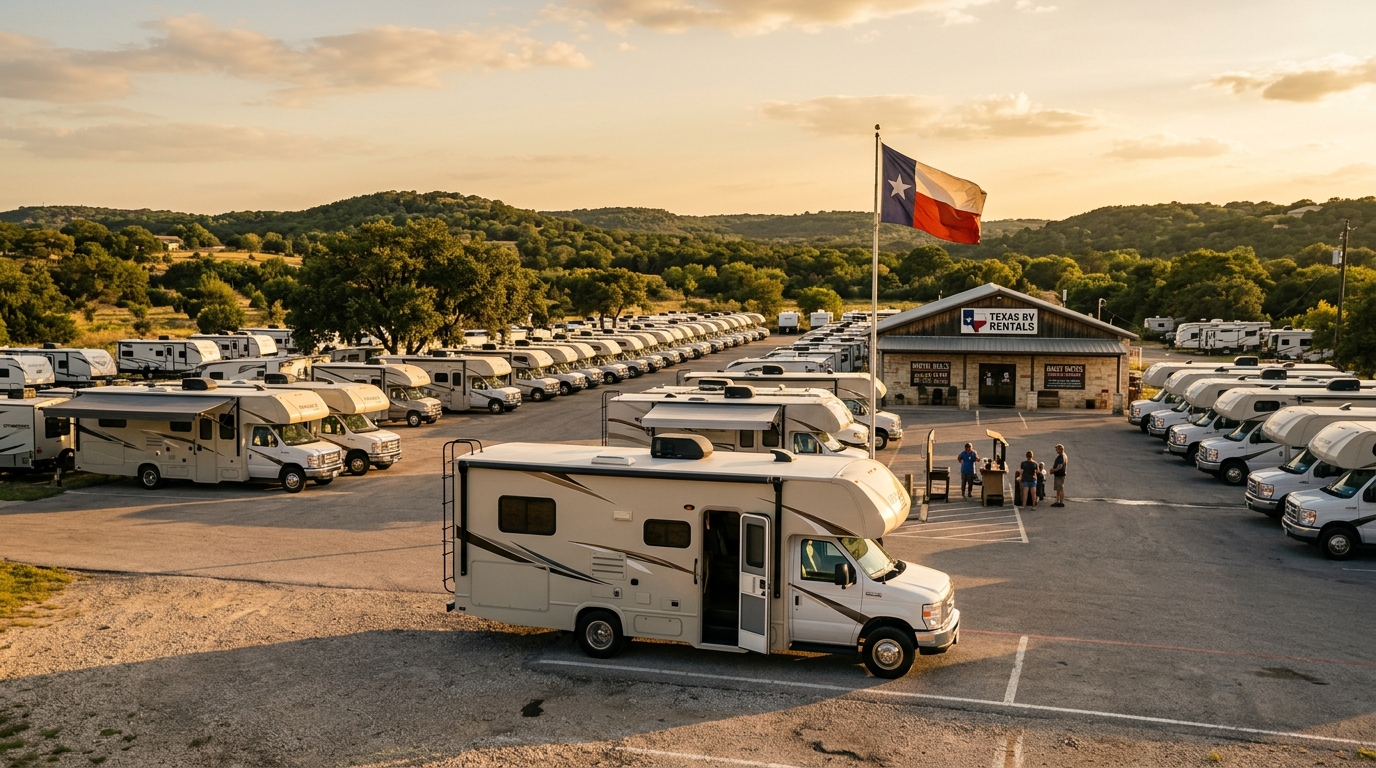
Texas offers diverse RV camping experiences across its vast regions, with popular options including the scenic Hill Country, the historic Gulf Coast, and the rugged expanse of Big Bend Country. The Texas Hill Country, known for its rolling hills, spring-fed rivers, and numerous vineyards, provides an idyllic escape with access to charming small towns like Fredericksburg and Boerne. Along the Gulf Coast, travelers can enjoy pristine beaches, excellent fishing, and fresh seafood, with destinations like Padre Island National Seashore offering miles of undeveloped shoreline perfect for a rented campervan. For those seeking solitude and dramatic vistas, Big Bend Country in West Texas delivers a remote desert and mountain experience, characterized by stunning geological formations and incredible stargazing opportunities, making it a premier destination for adventurous RVers.
Exploring these varied regions with a rented motorhome allows you the freedom to set your own pace and truly immerse yourself in the local atmosphere. Whether you prefer the lively atmosphere of a private RV resort or the quiet serenity of a state park, Texas has a spot for every travel style. Remember to travel slowly, averaging a maximum of 100-150 km per day, to truly connect with the culture, food, and scenery Texas has to offer.
Campground Types in Texas (National, Private, Wild)
Texas provides a range of campground types, from well-equipped private RV resorts to state parks and national sites with varying amenities, alongside limited options for permitted dispersed camping. Private RV resorts such as Jellystone Park Guadalupe River or North Texas Jellystone Park often feature full hookups (30-amp or 50-amp electric, water, sewer), swimming pools, clubhouses, and other luxuries, appealing to those seeking comfort and community during their week-long RV trip. Texas State Parks, like Garner State Park or Palo Duro Canyon State Park, focus on natural beauty, typically offering electric and water hookups, central dump stations, and essential facilities for a more rustic yet comfortable experience. On the routes offered through RV PLANET routes, you can itemize and track every expense along the way for easy budgeting.
National park campgrounds, such as those within Big Bend National Park, often release only 25-30% of spots for advance reservations, with the remainder frequently available on a first-come, first-served basis, especially for last-minute weekly stays. Dispersed camping, sometimes referred to as wild camping, is legally possible on certain public lands like the National Grasslands in Texas, but requires full self-sufficiency and adherence to strict Leave No Trace principles. It offers an authentic off-grid experience for those with a fully equipped rented campervan. Always call ahead before driving to confirm availability, as you will almost certainly find a place-if not at the first campground, then the next one.
Featured RV Park or Campground in Texas
When selecting an RV park in Texas for a weekly rental, prioritize establishments that offer a blend of essential amenities, spacious sites, and convenient access to local attractions. Look for full hookups including 30-amp or 50-amp electric, fresh water connections, and sewage dump stations, which are crucial for a comfortable week-long stay in your rented motorhome. Clean bathhouses, laundry facilities, and reliable Wi-Fi are also highly desirable for added convenience. Pet-friendly policies are often a plus, ensuring your furry companions can join in the adventure. Ideal parks provide proximity to natural wonders like state parks, scenic lakes, cultural sites in vibrant towns like Austin or San Antonio, or renowned BBQ trails for daily excursions and authentic local experiences. A stay at a well-chosen campground can serve as an excellent base for exploring the diverse offerings of Texas, allowing you to return to comfort after a day of adventure.
🎬 Video coming soon
Hookups & Amenities - What to Expect
Most developed RV campgrounds in Texas offer essential hookups including 30-amp or 50-amp electric service, fresh water connections, and sewage dump stations for your rented RV. Standard electrical service is typically 30-amp, suitable for most Class B campervans and smaller Class C motorhomes, with 50-amp connections available for larger Class A motorhomes or those with higher power demands. Water hookups use standard garden hose connections, providing a continuous supply of fresh water directly to your vehicle's tank. Sewer hookups are often available at individual sites, allowing for direct waste disposal, or a central dump station is provided within the park for convenient waste management. Other common amenities at Texas campgrounds include Wi-Fi, although quality can vary widely, laundry facilities, private showers, and sometimes cable TV or recreational areas like playgrounds and picnic spots. When you're comparing a "rent a motorhome example CA-25" or a "rent a motorhome example MH23 Medium - Economy", checking these specifics ensures your weekly stay is comfortable.
Booking Windows & Reservations in Texas
Securing an RV spot in Texas often requires advance reservations, particularly for popular state parks and private resorts during peak seasons, though spontaneous travelers can sometimes find first-come, first-served options or call ahead. For peak seasons such as spring break (March), summer holidays (June-August), and major holiday weekends (e.g., Thanksgiving, Christmas), it is advisable to book 3-6 months in advance for popular state parks like Big Bend Ranch State Park or private RV resorts in the Hill Country. Many national park campgrounds, including those in Big Bend National Park, only release 25-30% of spots for reservations, with the remaining spaces often available on a first-come, first-served basis, particularly catering to last-minute weekly stays. Spontaneous travelers are encouraged to call campgrounds directly ahead of time to check for current availability, as you will almost certainly find a place-if not at the first campground, then the next one. This flexible approach ensures that even without extensive pre-planning, your RV adventure in Texas can still unfold beautifully.
Nearby Supermarkets & Resupply Points
RVers embarking on a weekly RV rental in Texas can easily resupply at major supermarket chains like H-E-B, Walmart Supercenters, and Kroger, which are widely available in most towns and cities across the state. H-E-B is a dominant regional chain, particularly strong in Central and South Texas, known for its extensive selection of fresh produce, local Texan products, and prepared foods, making it an excellent stop for stocking your rented campervan kitchen. Walmart Supercenters are ubiquitous across the state, offering a vast array of groceries, camping supplies, and often fuel stations, providing a convenient one-stop shop for all your road trip needs. Kroger stores are also prevalent, especially in larger metropolitan areas like Houston and Dallas, providing another reliable option for fresh provisions and household essentials. When planning your route, consider stopping at these major retailers to ensure your pantry is always full, and remember that with RV PLANET routes, you can itemize and track every expense along the way for easy budgeting of your ancillary costs like groceries and fuel.
For those who love cooking on the road, having a well-stocked kitchen in your motorhome is key. From quick breakfasts to hearty dinners under the Texas stars, an RV kitchen offers endless possibilities. For inspiration and practical meal ideas that are easy to prepare in your rental, check out our RV-friendly recipes playlist.
Best RV Class for Camping in Texas
The best RV class for a weekly rental in Texas largely depends on your travel style and group size, with Class B Camper Vans ideal for agile exploration and boondocking, while Class C Alcoves offer more space for families in developed campgrounds. Class B Camper Vans, such as the "rv rental denver example Category Van" or "Active Standard Auto", averaging 5.8 meters in length and comfortably sleeping 2-3 people with a typical fuel consumption of 8-10 Liters/100 km, offer excellent maneuverability for navigating smaller roads, state park loops, and even urban areas like Austin or San Antonio. They are perfect for adventurous couples or small families interested in frequent stops, boondocking, or exploring diverse terrains where a compact size is an advantage. You can drive slowly and carefully, and you can drive almost anywhere without issues. No need to stress - just use common sense and pay attention.
Class C Alcove RVs, like the "24' Class C Motorhome" or "MHC28", averaging 7.5 meters in length and sleeping 4-6 people, provide more living space, storage, and amenities with a typical fuel consumption of 10-12 Liters/100 km. These are ideal for families with kids or groups of friends planning a week-long trip, offering separate sleeping areas and often a larger kitchen and bathroom. They are perfectly suited for stays at developed RV parks with full hookups, offering a comfortable and spacious home base. For even greater luxury and space, Class A Integrated motorhomes (e.g., "how much does it cost to rent a rv example E3"), averaging 9-10 meters in length and sleeping 4-7 people, are excellent for covering Texas's vast distances in style, though they are best suited for larger, well-maintained RV parks. Considering a "Weekly RV Rental in Texas - Pricing 2026" guide can help you compare options.
How to Save on Campgrounds in Texas
Saving money on Texas campgrounds is achievable by utilizing discount cards, booking during shoulder seasons, opting for municipal or county parks, and staying for a full week to potentially secure better rates. Many RVers significantly reduce their nightly expenses by using discount programs such as Good Sam Club or Passport America, which offer 10-50% reductions at thousands of participating parks across the state. Traveling during the shoulder seasons (spring from March to May and fall from September to November) often results in lower rates and fewer crowds compared to the peak summer or holiday periods, providing a more economical and enjoyable experience. Consider exploring municipal, county, or regional parks, which typically offer more affordable rates than high-end private luxury resorts while still providing essential amenities. Always inquire about weekly rates when you book, as many campgrounds offer discounted prices for extended stays of seven nights or more, making a weekly RV rental even more budget-friendly. Planning your "Cheap RV Rental in Texas - Budget Guide 2026" in advance can also reveal hidden gems and cost-effective solutions.
Can you just pull over and sleep anywhere in an RV in Texas?
No, you generally cannot just pull over and sleep anywhere in a rented RV in Texas; overnight parking is restricted on most public roads, private property without explicit permission, and within city limits unless specified. It is illegal to sleep overnight on highway shoulders or most public roads, and designated rest areas are typically intended for short-term stops to combat driver fatigue, not for overnight camping. Parking on private property requires explicit permission from the owner for overnight stays, otherwise, it constitutes trespassing. Many cities across Texas also have specific ordinances prohibiting RV parking or sleeping on city streets, so always check local regulations. While some retail chains like Walmart Supercenters or Cracker Barrel may tolerate overnight RV parking in their lots, it is essential to always ask permission inside the store first to avoid any issues or unwanted surprises. Always plan your overnight stops at designated campgrounds or approved locations to ensure a safe and legal RV trip.
What is the most beautiful part of Texas to RV?
The 'most beautiful' part of Texas to experience with a rented RV often depends on personal preference, but popular choices include the rugged landscapes of Big Bend National Park, the serene waterways and rolling hills of the Texas Hill Country, and the expansive coastal beauty of Padre Island National Seashore. Big Bend National Park in West Texas offers breathtaking desert and mountain scenery, including the Chisos Mountains and the Rio Grande, with incredible stargazing opportunities and remote hiking trails. The Texas Hill Country, encompassing towns like Fredericksburg and Wimberley, is renowned for its spring-fed rivers, stunning limestone bluffs, and vibrant wildflowers in spring, making it ideal for scenic drives, water activities, and wine tasting tours. Padre Island National Seashore provides over 110 miles of undeveloped coastline, perfect for beach camping, birdwatching, and fishing directly from your rented motorhome.
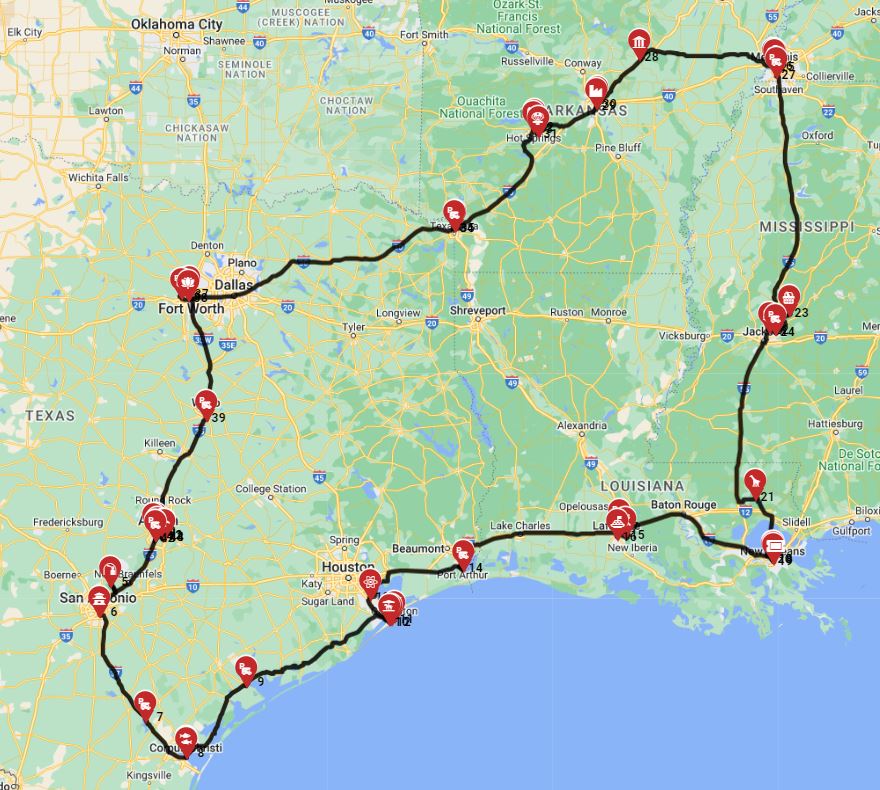
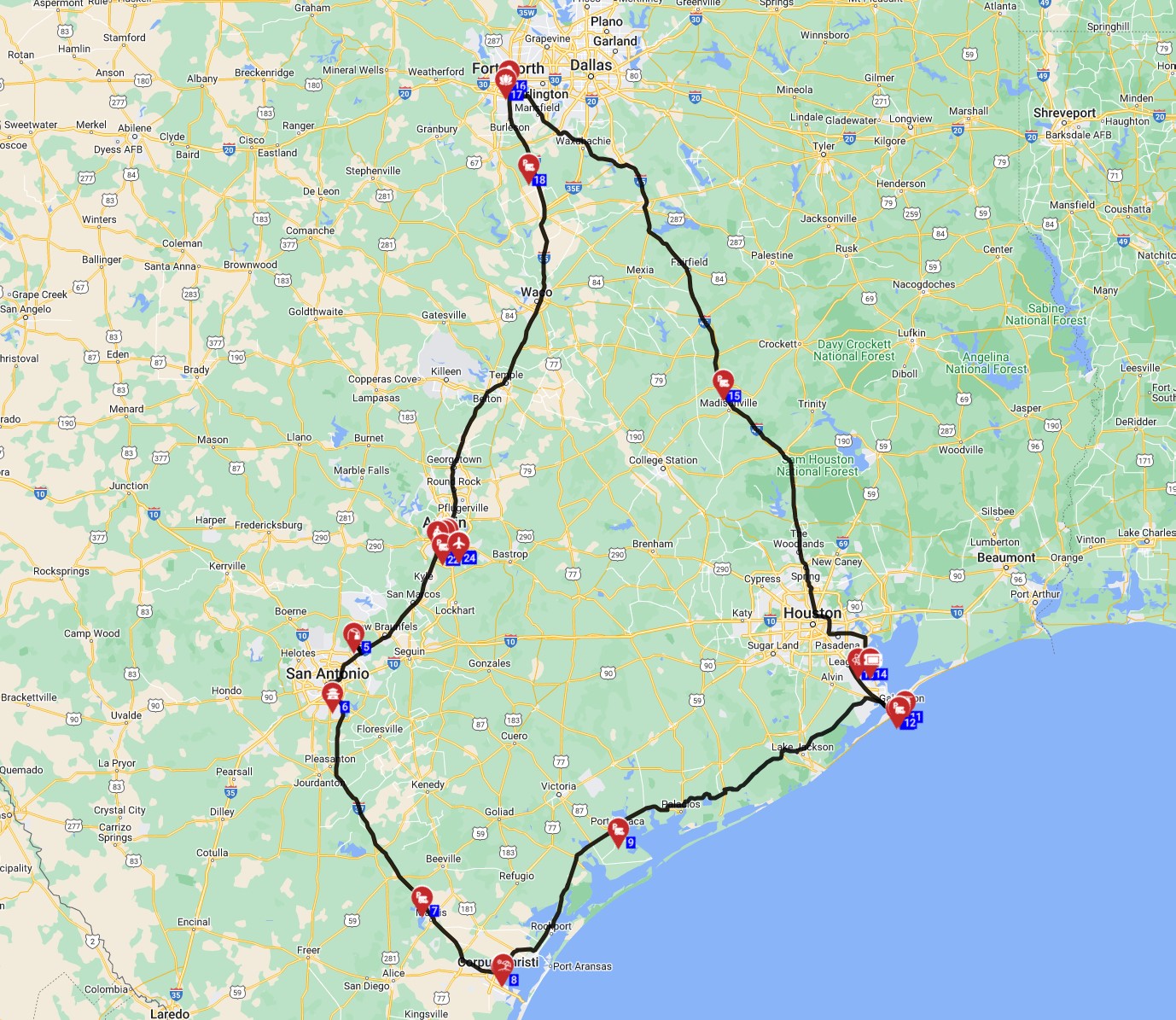
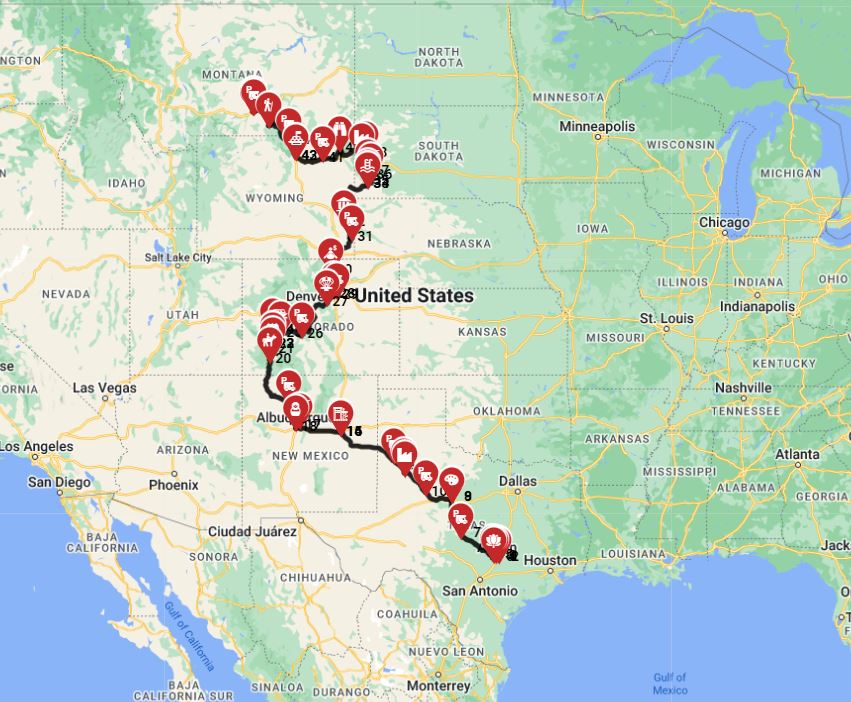
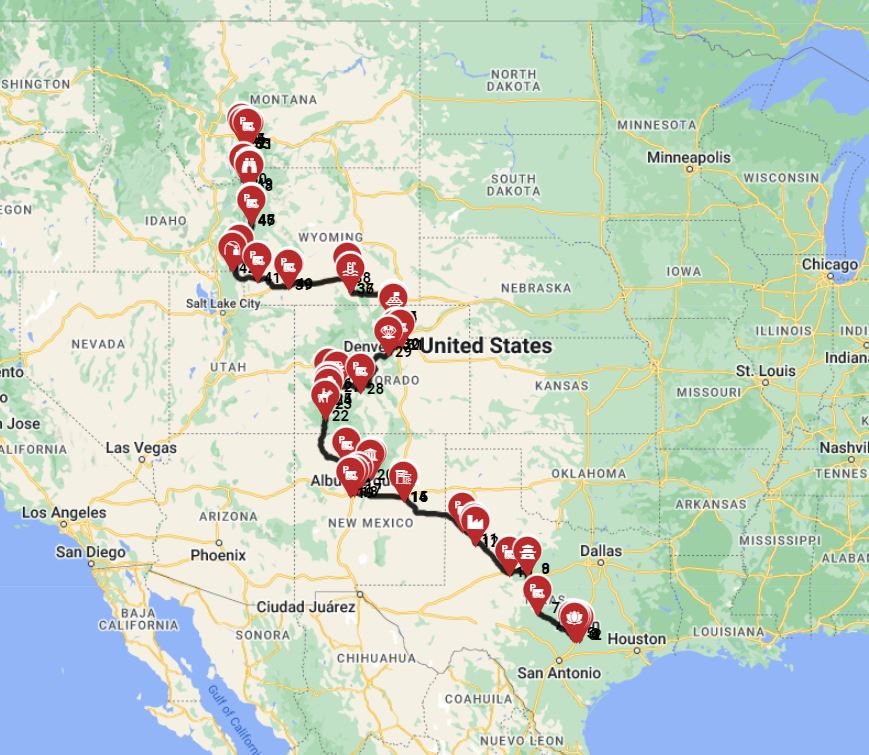
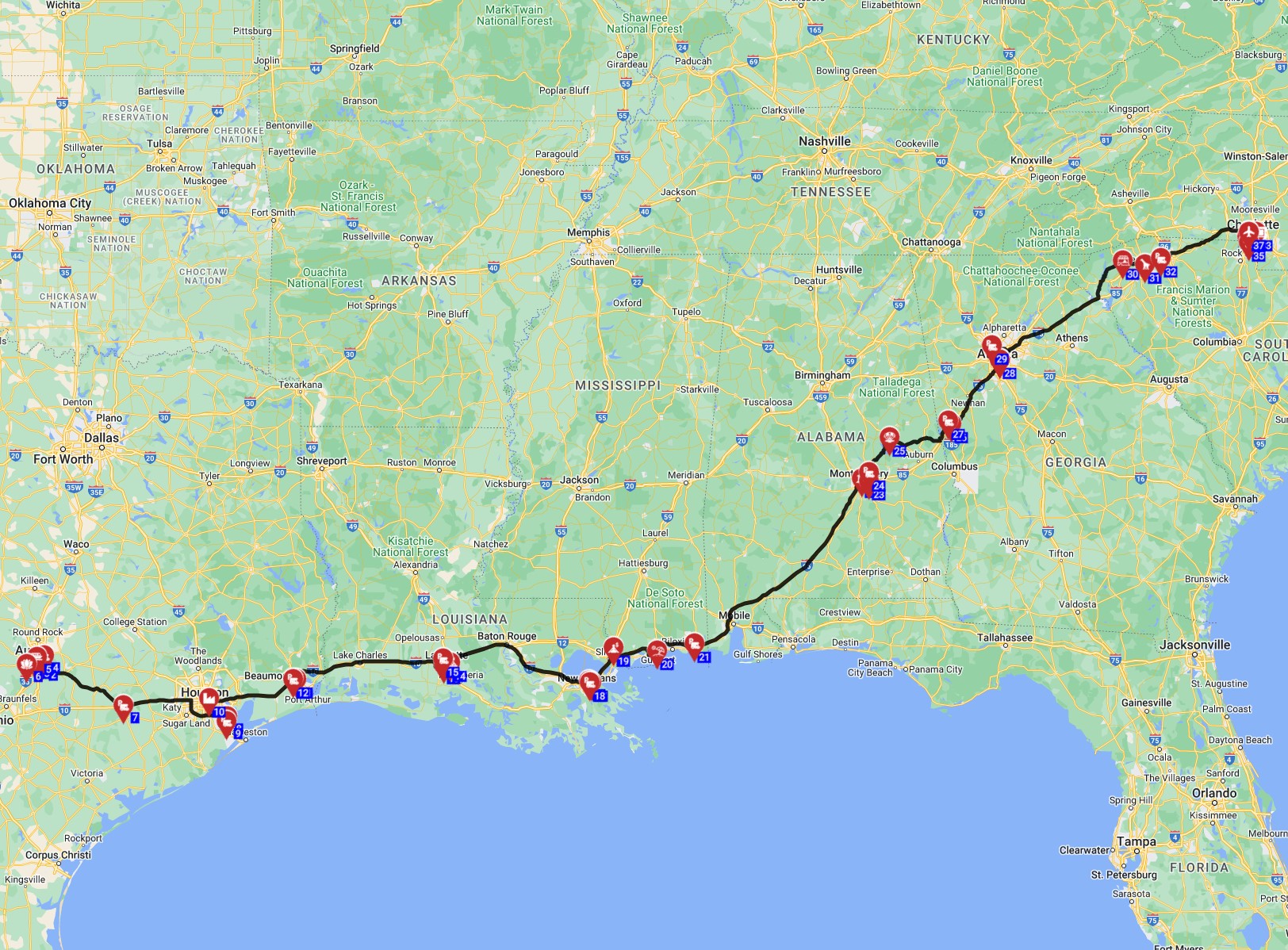
For those seeking a comprehensive adventure that touches on many unique Texan offerings, consider an itinerary like the
What is the best month to RV in Texas?
The best months to enjoy a weekly RV camping trip in Texas are generally spring (March to May) and fall (September to November) due to milder temperatures, fewer crowds, and vibrant natural beauty like wildflowers or fall foliage. During spring, most of the state experiences pleasant temperatures, making it ideal for hiking in state parks, exploring cities like Austin, Dallas, Denton, Houston, Kingwood, or McKinney, and witnessing the famous Texas wildflowers in full bloom, particularly in the Hill Country. Fall offers cooler, drier weather perfect for outdoor activities such as exploring Big Bend National Park, and often coincides with local festivals and events across the state. Summers in Texas, especially inland, are extremely hot, with temperatures often exceeding 100°F (38°C), making coastal areas or destinations with ample water activities more popular, though it's also hurricane season along the Gulf Coast, which requires monitoring. Winters are generally mild in Southern Texas, but can bring cold snaps further north, so always check the local forecast for your specific route.
Is it illegal to RV in Texas?
RVing itself is not illegal in Texas; however, specific state and local laws and regulations govern where you can legally park, camp, and dispose of waste, making it crucial for every renter to understand these ordinances and property rights. It is entirely legal to operate a rented motorhome or campervan and camp in Texas within designated RV parks, state parks, national parks, and on private land with the explicit permission of the owner. Illegal activities typically involve unauthorized overnight parking on public streets, highway shoulders, or private property without consent, which can lead to fines or trespassing charges. Additionally, improper disposal of gray water (from sinks and showers) and black water (from toilets) is strictly prohibited and can result in significant penalties. Always research specific park rules and local municipal codes regarding RV parking and camping to ensure full compliance and a hassle-free trip. Being a true RV specialist, Bandana always advises customers to be informed and prepared for their journey.
How much does it cost to rent an RV for a week in Texas?
The cost to rent an RV for a week in Texas typically ranges from $700 to $2,000+, varying significantly based on the RV class, rental season, mileage packages, and insurance options. Smaller Class B Camper Vans, ideal for couples or solo travelers, generally represent the most affordable weekly options, often starting around $700-$1,200. Mid-sized Class C Alcove motorhomes, perfect for families (e.g., a "cruise america rv rental example Explorer" with 82 Liter fresh water tank and 75 Liter fuel tank), usually fall into the $1,200-$1,800 range for a week. Larger Class A Integrated RVs, offering more luxurious amenities and space, can cost $1,800-$2,500+ per week. Prices are dynamic, similar to flight tickets, changing daily based on availability, seasonality, and supplier marketing decisions, with peak season rentals (summer and holidays) commanding higher rates. Additional costs to budget for include fuel (e.g., a typical Class C averages 10-12 Liters/100 km, or about 14-18 miles/gallon as seen in the "MHC28"), campground fees (which can vary from $20-$100+ per night), propane, dump fees, tolls, and groceries. When comparing options for "RV Rental in Texas - Prices and Best Deals 2026", remember to factor in these variables. Bandana offers full transparency, ensuring no hidden fees or surprises.
Where is RV camping free in Texas?
Free RV camping in Texas is primarily found on designated public lands managed by agencies like the National Forest Service, such as the Caddo and Lyndon B. Johnson National Grasslands, as well as some tribal lands and certain retail parking lots that explicitly permit overnight stays. The Caddo and Lyndon B. Johnson National Grasslands in North Texas are notable examples of federal lands where dispersed camping is generally permitted, offering an authentic boondocking experience for those who are fully self-sufficient with their rented motorhome. These areas require adherence to Leave No Trace principles, meaning you must pack out everything you pack in. Some retail establishments across Texas, such as most Walmart Supercenters, Cracker Barrel restaurants, and certain casinos, may allow free overnight RV parking if you always ask permission from management first. Boondocking on undesignated public land or private property without prior consent is illegal and can lead to trespassing charges, so always ensure you are in an approved location to avoid issues during your weekly RV rental. For more remote and off-grid experiences, a compact campervan like the "hire campervan example Paradise S/T" is ideal.
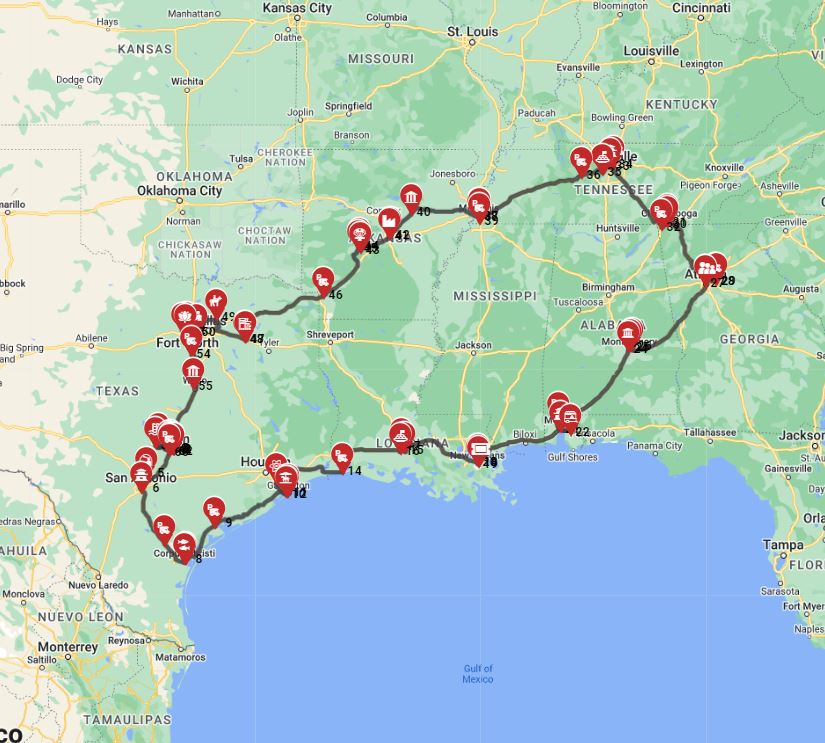
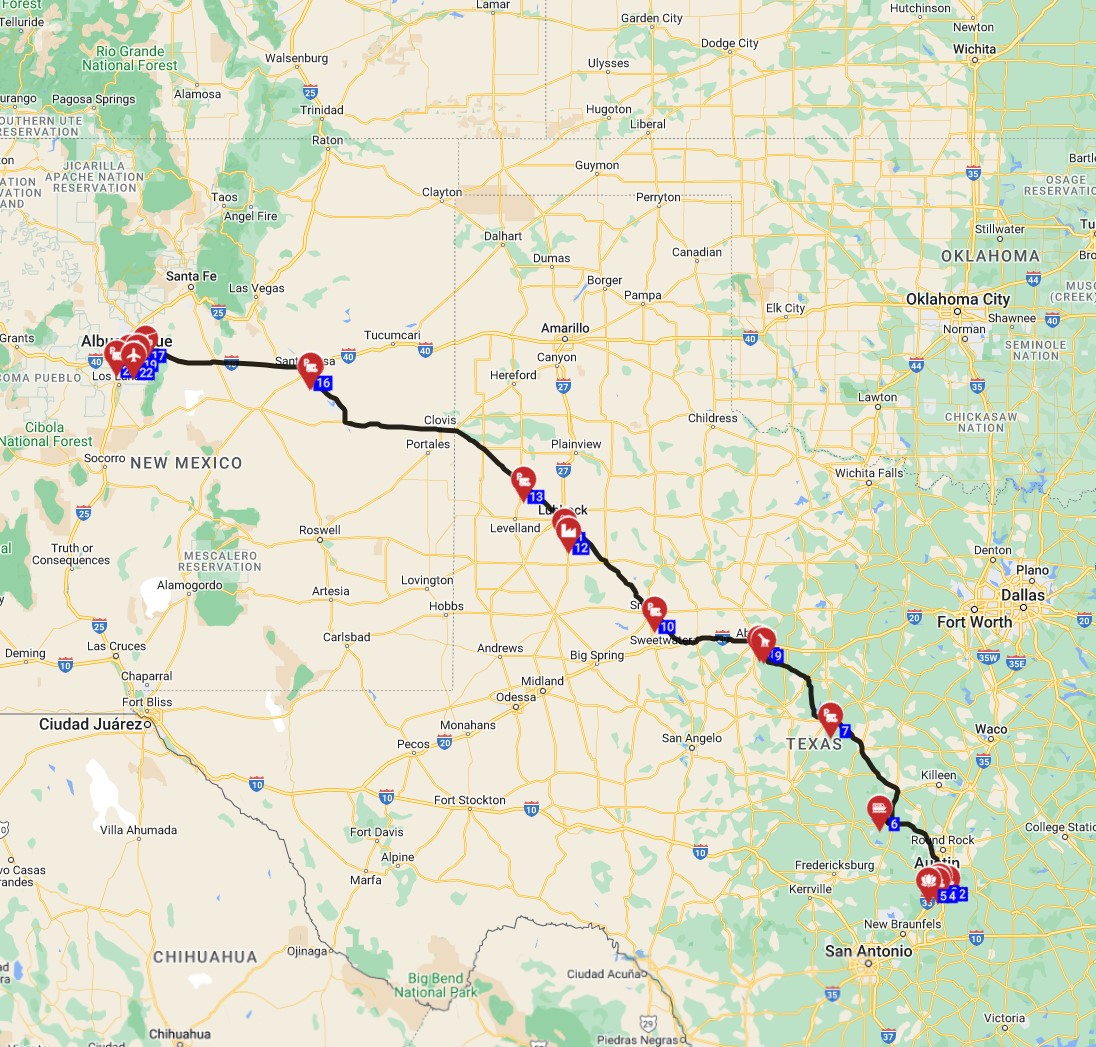
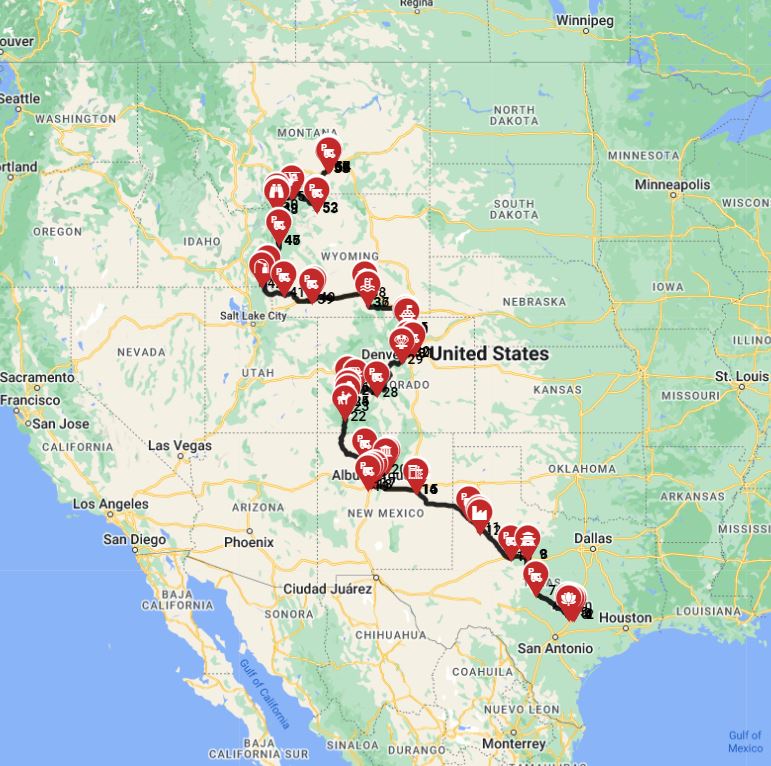
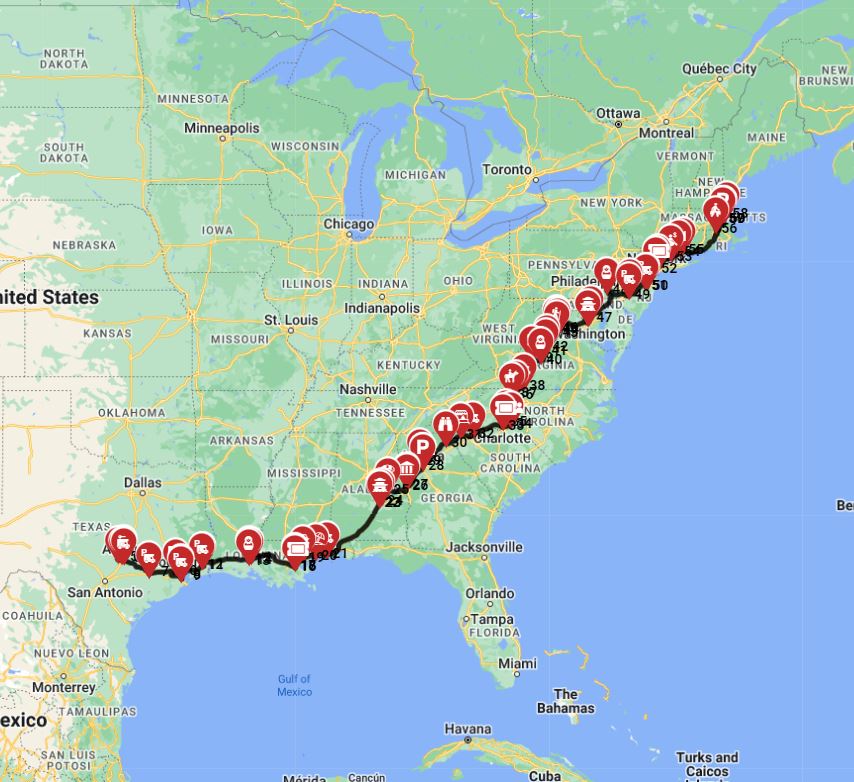
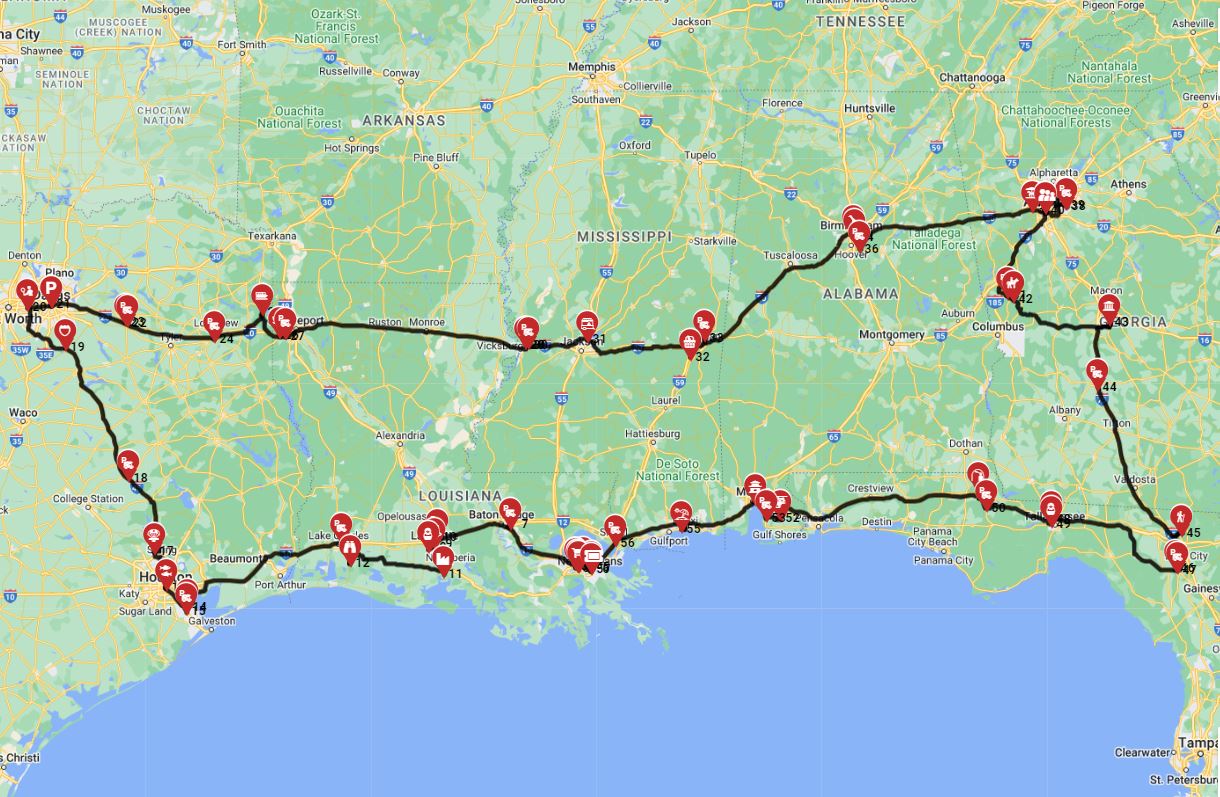
For a truly epic journey through diverse landscapes, consider the

How long can you stay at an RV park in Texas?
The maximum stay duration at RV parks in Texas typically ranges from 14 to 30 days, although many private parks offer long-term monthly rates, and state parks often have specific limits to ensure turnover. Texas State Parks generally limit stays to a maximum of 14 consecutive days within any 30-day period, a policy designed to allow more visitors to experience the parks throughout the year. Private RV resorts and commercial campgrounds often accommodate longer stays, with many offering discounted weekly or monthly rates for those planning extended trips beyond a single week. For example, some private parks may allow stays up to 30 days, while others might offer seasonal rates for several months. Always check the specific park's policies and reservation terms when booking your weekly RV rental to understand any stay limitations or extended stay options, ensuring your travel plans align with campground regulations.
What You Shouldn't Miss
- **Explore Big Bend National Park:** Dive into the remote desert wilderness, hike diverse trails, and stargaze under one of the darkest skies in the lower 48 states.
- **Drive the Texas Hill Country Loop:** Discover charming towns, picturesque vineyards, and refreshing swimming holes like Jacob's Well or Hamilton Pool Preserve with your rented campervan.
- **Visit the Alamo in San Antonio:** Immerse yourself in Texas history at this iconic landmark and stroll along the famous Riverwalk.
- **Experience Live Music in Austin:** Park your motorhome nearby and enjoy the vibrant live music scene, from blues to country, in the "Live Music Capital of the World."
- **Enjoy Beach Camping on Padre Island National Seashore:** Find a spot along the undeveloped coastline for a unique, self-contained camping experience right on the sand.
- **Indulge in Texas BBQ:** Follow a BBQ trail to sample authentic slow-smoked brisket and ribs from legendary smokehouses across the state.
Looking for expert insights from Avi Bandana? Top 5 Adventures - recommendations from Avi Bandana.
Final Thoughts
A weekly RV camping trip in Texas is more than just a vacation; it's an opportunity to create lasting memories, explore diverse landscapes, and truly immerse yourself in the rich culture of the Lone Star State. From the rugged mountains of Big Bend to the serene beaches of the Gulf Coast and the vibrant cities in between, a rented motorhome offers the ultimate freedom and flexibility. Whether you're a meticulous pre-planner or a spontaneous adventurer, Texas welcomes you with open roads and endless possibilities.
With Bandana Caravan, you gain a trusted partner who understands RV travel inside and out. Our commitment to full transparency, 24/7 support for pre-booking and booking needs, and top-level deductible reimbursement means you can focus purely on the joy of discovery. So, pack your bags, plan a week-long route, and get ready to experience the unmatched beauty and hospitality of Texas.
Discover top destinations and planning tips, all in one place! Plan a trip itinerary in advance with minimal effort and maximum enjoyment. Your Texan adventure awaits!