In This Guide
- Where to Camp in South East US - Top Options
- Campground Types in South East US (National, Private, Wild)
- Featured RV Park or Campground in South East US
- Hookups & Amenities - What to Expect
- Booking Windows & Reservations in South East US
- Nearby Supermarkets & Resupply Points
- Best RV Class for Camping in South East US
- How to Save on Campgrounds in South East US
- What is the best month to RV in the Southeast US?
- Is the Southeast US hot in April?
- What is the average price of an RV rental per week in the Southeast US?
- What is the cheapest way to rent an RV in the Southeast US?
- What are the best places to RV in Florida?
- Can you just park an RV anywhere in Florida?
- What is the best RV for camping?
- Is RVing cheaper than hotels?
- How much money do you need to travel the US in an RV?
- What is the best RV for two people?
- What are the disadvantages of RVing?
Exploring the South East US in a rented RV opens up a world of diverse landscapes, from sun-drenched beaches to majestic mountains and historic towns. Imagine the freedom of waking up to a different scenic view each day, preparing your favorite meals in your mobile kitchen, and truly connecting with the vibrant culture of this incredible region. For live availability and current prices, start with our RV Rental South East US - Complete Guide 2026 guide.
Where to Camp in South East US - Top Options
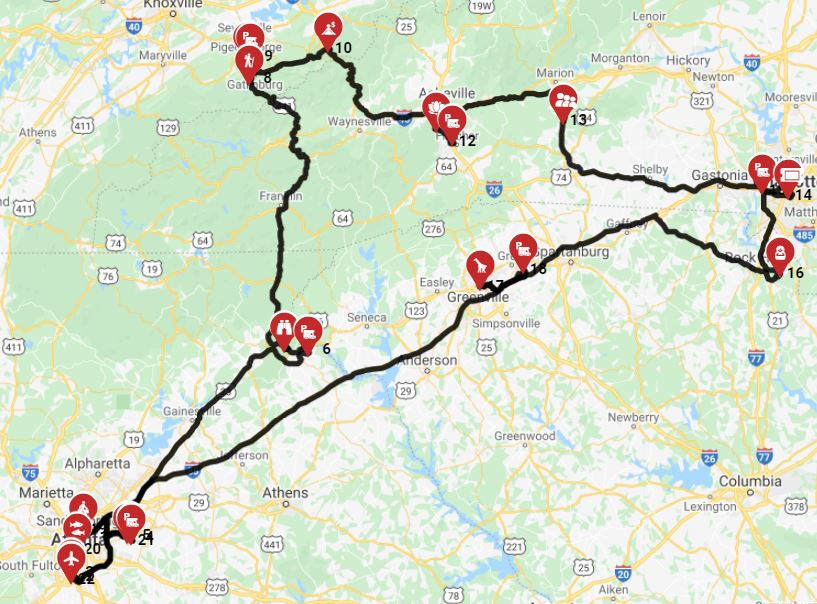
The Southeast US offers diverse camping experiences for your weekly RV rental, ranging from pristine coastal beaches to serene mountain retreats and rich historical sites. You can immerse yourself in nature and culture with ease and flexibility. Consider starting your adventure along Florida's Gulf Coast, renowned for its white-sand beaches and abundant state parks such as Henderson Beach State Park near Destin, which offers well-maintained campgrounds with easy beach access. For a mountainous escape, the Great Smoky Mountains National Park, straddling North Carolina and Tennessee, provides stunning scenic beauty, extensive hiking trails, and numerous RV-friendly campgrounds. Alternatively, for a unique coastal experience, explore the Outer Banks of North Carolina, where some areas even permit driving a 4x4 camper or motorhome directly onto the beach with a permit. The Lowcountry of South Carolina, including places like Charleston and Hilton Head, offers a captivating blend of history, unique culture, and lush natural beauty, often featuring top-rated private and state campgrounds with a mix of full hookups and rustic options. Remember to travel slowly, averaging no more than 100-150 km per day, to truly savor each destination.
Campground Types in South East US (National, Private, Wild)
In the Southeast US, RV travelers choosing a weekly rental have several campground options, including National Park/Forest campgrounds, private RV resorts, and limited opportunities for dispersed or "wild" camping. National Park and Forest campgrounds typically offer a more rustic experience with fewer amenities, emphasizing natural beauty and often requiring reservations well in advance, though many also operate on a first-come, first-served basis for 25-30% of their spots. For example, some sites in the Ocala National Forest in Florida offer a more primitive setting. Private RV parks and resorts, which you might find yourself comparing while looking for a "Luxury RV Rental in South East US - Premium Prices 2026", commonly provide extensive amenities like full hookups (electric, water, sewer), Wi-Fi, swimming pools, and various recreational activities, albeit at a higher nightly cost. While dispersed camping (often called boondocking) is legally permitted in some National Forests and Bureau of Land Management (BLM) areas, it is generally less common and often more restricted in the denser Southeast compared to western states; always check local regulations as tolerated practices can vary significantly. For instance, specific rules apply in places like the Appalachian National Forest for backcountry camping. Before you hit the road, ensure you call ahead to confirm availability, especially for longer weekly stays.
Featured RV Park or Campground in South East US
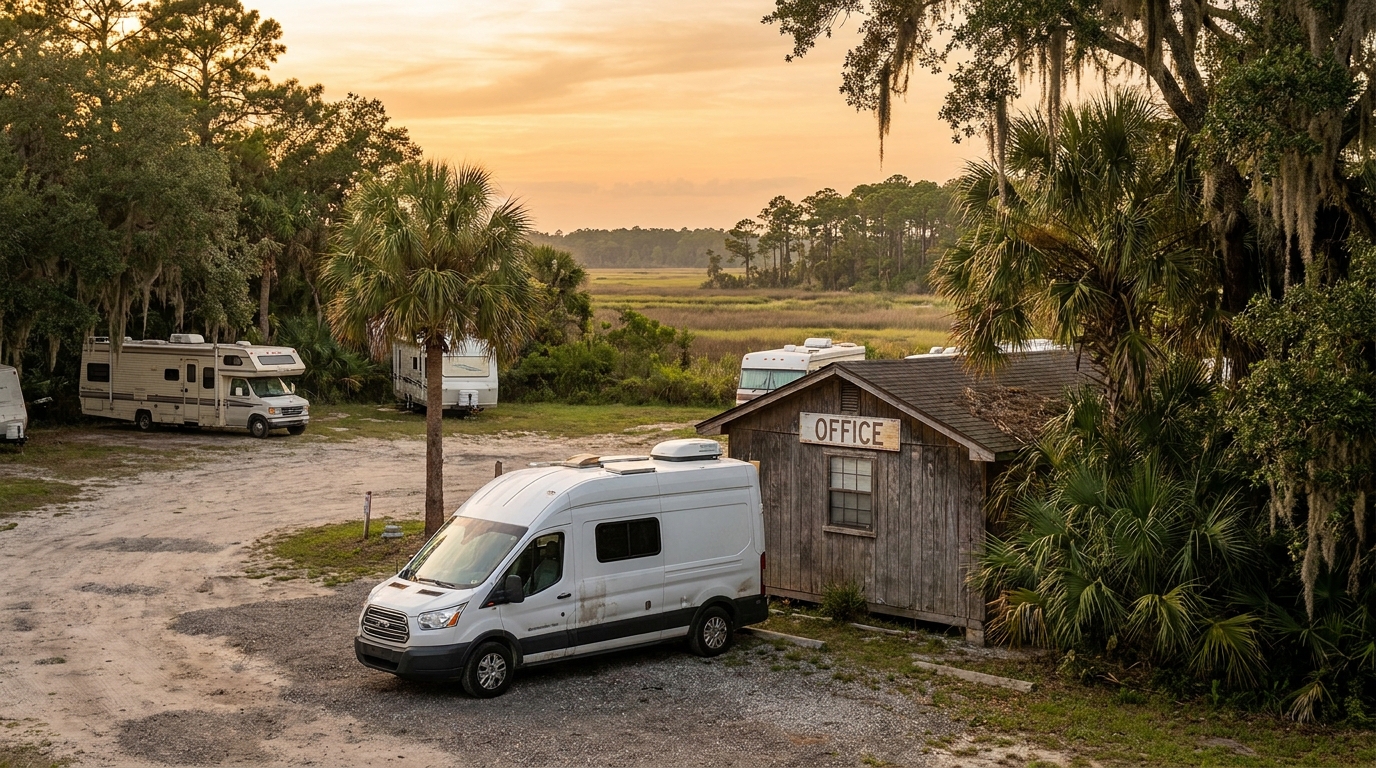
When selecting a featured RV park in the Southeast US for a weekly rental, it's wise to look for locations that expertly balance natural access with essential amenities and consistent positive reviews. Prioritize parks known for their cleanliness, friendly staff, and convenient proximity to the attractions you plan to visit, such as the historic sites in St. Augustine or the beaches of the Florida Keys. Highly rated examples often include private resorts that offer a mix of full hookup sites (e.g., 30 or 50 amp electric, water, sewer), strong cell service for reliable connectivity, and dedicated pet-friendly areas to accommodate travelers with animals. For instance, many state parks in Florida, like Bahia Honda State Park in the Florida Keys, are highly sought after for their scenic beauty and offer decent facilities, though larger Class A or Class C motorhomes may find some sites a bit tighter. Always review recent visitor comments on sites like rvplan.net to ensure the amenities and atmosphere align with your expectations for an extended stay.
Hookups & Amenities - What to Expect
Most RV campgrounds in the South East US offer a comprehensive range of hookups, ensuring a comfortable weekly rental experience, with full hookups (30 or 50 amp electric, water, and sewer) being standard in private resorts and frequently available in state and national parks. You can generally expect 30-amp hookups as a minimum for a rented motorhome or campervan, with many larger RVs designed to utilize 50-amp service. Water hookups typically provide potable water for your freshwater tank, and sewer connections allow for direct disposal of waste, making extended stays much more convenient. Beyond basic hookups, private RV parks often boast amenities such as Wi-Fi (though its reliability can vary, so consider a personal hotspot for critical connectivity), laundry facilities, clean bathhouses with hot showers, and recreational areas like swimming pools or clubhouses. Less common in more remote or national park campgrounds are consistent Wi-Fi or extensive laundry facilities, so plan for intermittent connectivity and alternative laundry solutions on your week-long trip. Having a well-stocked kitchen, featuring a refrigerator and stove, is key for preparing RV-friendly recipes playlist throughout your stay.
Booking Windows & Reservations in South East US
For a weekly RV rental in the South East US, pre-planners should book campground reservations several months in advance, especially for popular destinations, holiday weekends, and during peak seasons, to secure preferred spots. While it’s true that many national park campgrounds, like those in the Great Smoky Mountains, only release a portion (around 25%-30%) of their spots for advance reservations, the remainder is often available on a first-come, first-served basis, providing opportunities for spontaneous travelers. This means you will almost certainly find a place to stay—if not at your first choice campground, then at a nearby alternative. However, it is highly recommended to call ahead before driving long distances to confirm availability, particularly for weekly stays. Private RV resorts usually allow bookings up to a year in advance and are essential for securing specific sites or amenities for longer weekly durations, especially if you're looking for a "Luxury RV Rental in South East US - Premium Prices 2026".
Nearby Supermarkets & Resupply Points
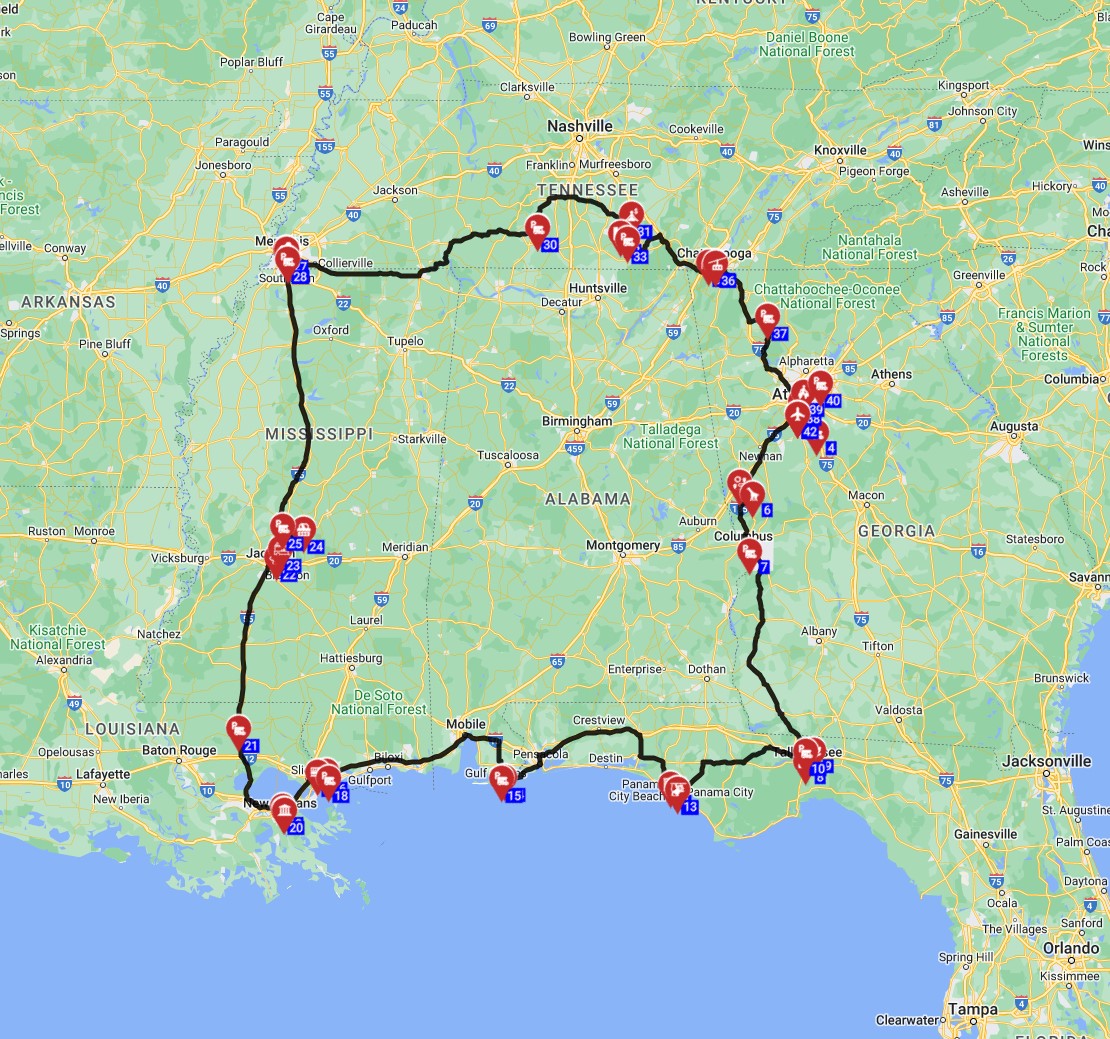
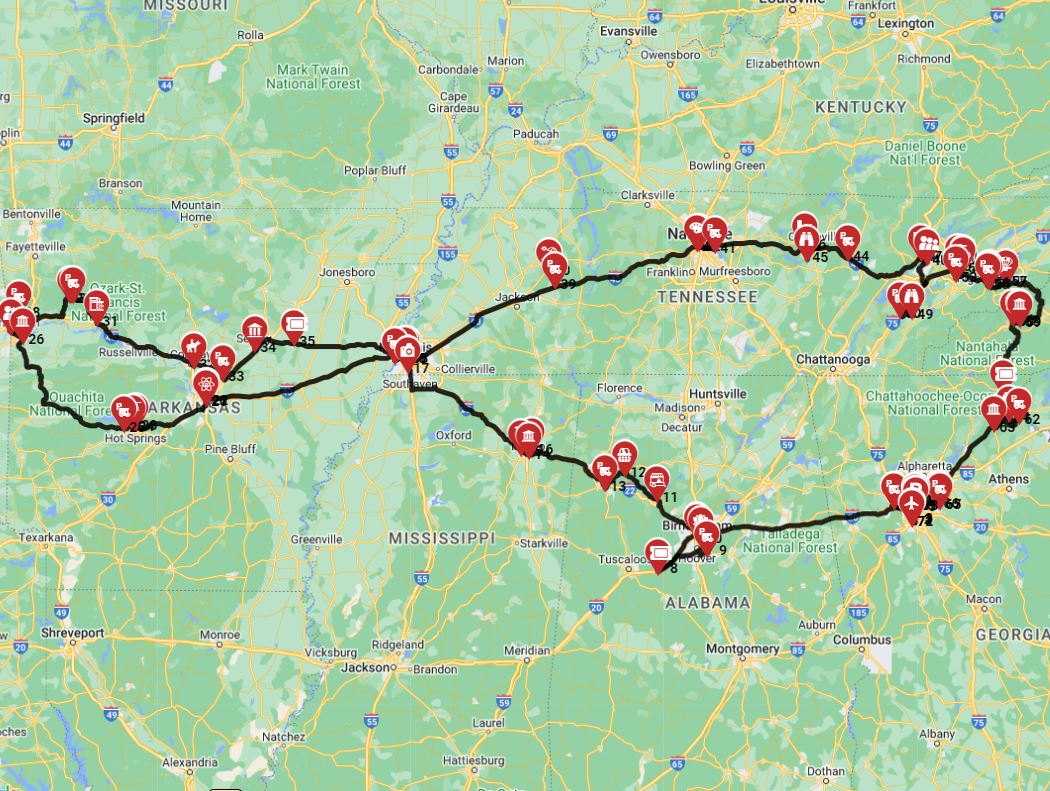
When RVing for a week in the South East US, resupply points are generally very accessible, with major supermarket chains like Publix, Walmart, Kroger, and Food Lion commonly found near most popular RV destinations. These stores provide comprehensive grocery options, ranging from fresh produce and pantry staples to household items and RV-specific supplies, making it easy to keep your rental motorhome well-stocked. For instance, in Florida, Publix stores are ubiquitous and known for their quality. Travelers on an extended road trip should plan larger resupply stops in urban or suburban centers, as smaller towns and more rural areas may have local grocery stores with more limited selections. Always check opening hours, especially when traveling through less populated areas or on holidays, to ensure smooth provisioning for your weekly rental. For detailed route plans that include resupply stops, consider using RV PLANET routes, which allow you to itemize and track every expense, including groceries, along the way for easy budgeting. On the routes offered through RV PLANET routes, you can itemize and track every expense along the way for easy budgeting.
Best RV Class for Camping in South East US
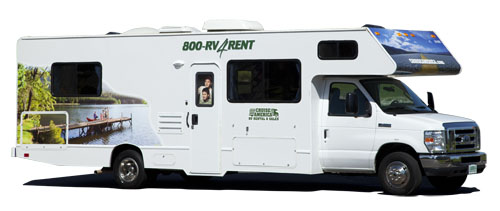
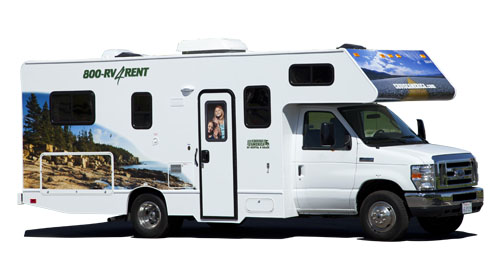
The best RV class for camping in the South East US depends largely on your travel style, group size, and desired destinations, with Class B Camper Vans and Class C Alcove motorhomes often offering an excellent balance for weekly rentals. Class B Camper Vans, like the "rv rental denver example Category Van" ideal for a couple, are highly maneuverable for navigating narrow mountain roads or busy coastal towns, offering fuel efficiency around 8-10 Liters/100 km; they are ideal for solo travelers or couples seeking flexibility and ease of parking, averaging 5.8 meters in length. Class C Alcove RVs, such as the "cruise america rv rental example Explorer" (7.1m long, sleeping 4, 11 Liter / 100 Km. fuel consumption), provide more living space and amenities like full kitchens and bathrooms, consuming around 10-12 Liters/100 km; they are suitable for families or groups of 4-5 adults planning longer stays with more gear, especially where full hookups are available. While Class A Integrated RVs (averaging 7.5 meters, like a "Class A - Thor ACE 30", sleeping 6) offer luxury and ample space, their larger size can be challenging for navigating some tighter Southeast roads or smaller state park campsites, consuming 20-25 Liters/100 km. Drive slowly and carefully, and you can drive almost anywhere without issues. No need to stress - just use common sense and pay attention.
How to Save on Campgrounds in South East US
To save on campgrounds during your weekly RV rental in the South East US, leveraging discount cards, booking during shoulder seasons, and opting for municipal or regional parks are key strategies that can significantly reduce your total trip cost. Bandana Caravan often provides campground discount cards, which can offer significant savings on nightly rates at participating private RV parks across the region. Booking your campervan or motorhome during the shoulder seasons (April-May and September-October), excluding major holidays, typically presents lower rates compared to peak summer or the popular winter "snowbird" seasons in Florida. Choosing municipal, county, or regional campgrounds over more elaborate private resorts can also result in substantial savings, as they frequently provide essential hookups at a lower price point. Additionally, many campgrounds offer economical weekly rates that are more advantageous than booking seven individual nights, so always inquire about extended stay discounts; if traveling in a group, sharing a single site (if permitted and adequately equipped for your chosen RV rental) can also help split costs.
What is the best month to RV in the Southeast US?
The best months to RV in the Southeast US are generally April-May and September-October, as these shoulder seasons offer pleasant temperatures, lower humidity, and fewer crowds, avoiding the extremes of summer heat and hurricane season. During these months, the weather is typically mild across diverse sub-regions, perfect for outdoor activities like hiking in the Great Smoky Mountains or enjoying coastal areas like the Outer Banks or the Florida Panhandle without the intense summer heat and humidity. It's crucial to consider regional variations: while northern parts of the Southeast cool down pleasantly in the fall, southern Florida remains warm, extending the comfortable RV season for those seeking sunshine in late fall and early spring. Travelers should also be mindful of hurricane season, which officially runs from June 1st to November 30th, and check forecasts if planning trips during these times, especially along the coast, requiring preparedness for sudden weather changes.
Is the Southeast US hot in April?
While April in the Southeast US can bring warm temperatures, especially in the southern parts, it is generally considered one of the most pleasant months for RV travel, though humidity can begin to rise. In northern Southeast states like Tennessee or North Carolina, April typically sees comfortable highs in the 60s and 70s Fahrenheit (15-25°C), while southern states like Florida can experience highs in the 80s Fahrenheit (27-30°C), making it warm but usually not excessively hot. RVers should be prepared for potential afternoon thunderstorms, a common occurrence as spring progresses, and ensure their rented RV's air conditioning system is in good working order to manage increasing humidity, which is a key consideration in the Southeast climate. Early mornings and evenings in April remain relatively cool and enjoyable, making it ideal for outdoor activities before the intense summer heat sets in.
What is the average price of an RV rental per week in the Southeast US?
The average price of an RV rental per week in the Southeast US typically ranges from $700 to $2,000, heavily depending on the RV class, rental season, and specific amenities chosen. Smaller RVs like Class B Camper Vans (e.g. a "2 Berth Hi Top") or Class C Alcove models (e.g. "Adak Argonaut 21 - Bronze") usually fall on the lower end, while larger Class A Integrated motorhomes (such as "Class A - Thor ACE 30") command higher weekly rates. Beyond the base rental fee, travelers must budget for significant additional costs including fuel (given average consumption like 10-12 Liters/100 km for a Class C), campground fees ($30-$80+ per night), insurance, mileage charges, and potential add-ons. Pricing for an RV Rental in South East US - Prices and Best Deals 2026 can fluctuate daily, similar to flight tickets, based on availability and demand. Factoring in these variables, a realistic weekly budget for a full RV experience, including rental, fuel, and campgrounds, can easily exceed $1,500, especially during peak seasons or with larger rigs.
What is the cheapest way to rent an RV in the Southeast US?
The cheapest way to rent an RV in the Southeast US involves booking well in advance during off-peak seasons, opting for smaller, older models, and utilizing comparison platforms like Bandana Caravan. Renting a Class B Camper Van, like an "Active Compact Select" or a smaller Class C motorhome often has a lower base cost and better fuel efficiency (e.g., 8-10 Liters/100 km for a Class B) compared to larger Class A or C models, significantly reducing overall weekly expenses. Consider booking during the "shoulder seasons" (early spring or late fall) when demand and rental prices are lower, and look for weekly rental packages, as these often provide a discount over daily rates. Additionally, seeking out promotional deals, taking advantage of last-minute availability, and inquiring about all-inclusive pricing can help minimize unexpected costs. For those seeking "Cheap RV Rental in South East US - Budget Guide 2026", being flexible with your travel dates and RV model can lead to considerable savings. Remember, the minimum rental age is 21, and there are no young driver surcharges or vehicle class restrictions based on age, making RVing accessible for younger adults too.
What are the best places to RV in Florida?
Florida offers an abundance of excellent RV destinations for a week-long trip, with top choices including the state parks along the Gulf Coast, the iconic Florida Keys, and the areas surrounding major attractions like Orlando, catering to diverse interests. For stunning coastal beauty and diverse wildlife, consider Florida State Parks such as Bahia Honda State Park in the Keys, or Henderson Beach State Park near Destin. The Ocala National Forest provides a different experience with numerous springs and more rustic camping suitable for those seeking off-the-beaten-path adventures and potential boondocking (always check specific rules for dispersed camping). Beyond the popular spots, explore lesser-known areas like Cedar Key for a quaint coastal town feel, or Highlands Hammock State Park for old-growth forests and hiking, allowing RVers to delve into local culture and authentic experiences beyond typical tourist traps. Our "RV Travel Guide to South East US - Tips and Top Spots 2026" offers even more insights for your Florida journey.
Can you just park an RV anywhere in Florida?
No, you cannot just park an RV anywhere in Florida; state and local regulations strictly govern where RVs can be parked, especially for overnight stays, generally requiring designated campgrounds or private property with permission. Florida has strict ordinances against overnight parking or "boondocking" in most public areas, including beaches, roadsides, and retail parking lots, making it illegal to simply pull over and camp without authorization. While some Walmarts or truck stops might unofficially permit overnight parking, it's never guaranteed and policies vary by location; always ask management first to avoid fines or towing. For legitimate overnight stays, RVers must utilize established RV parks, state parks, national forests (where dispersed camping might be allowed in very specific, limited areas), or private land with explicit owner permission. This ensures compliance with local laws and provides access to necessary amenities for a comfortable weekly RV rental.
What is the best RV for camping?
The best RV for camping ultimately depends on your specific camping style, group size, and desired amenities, but a versatile Class C Alcove RV often strikes an excellent balance for many campers. Class C Alcove RVs, like a "24' Class C Motorhome" (7.46m long, sleeping 5-6 people, with a 166L fresh water tank), provide comfortable living space, often including a full kitchen, bathroom with shower, and dedicated sleeping areas, making them suitable for families or groups who desire home comforts while camping. For those seeking more agility and a minimalist experience, Class B Camper Vans (averaging 5.8 meters, like a "2 Berth Hi Top", sleeping 2-3 adults) are ideal for easier navigation into smaller campsites or urban areas, offering basic amenities with enhanced fuel efficiency (8-10 Liters/100 km). If you plan to primarily stay at full-service RV resorts and prioritize luxury and space for a group up to 6 or 7, a Class A Integrated motorhome (like a "Class A - Thor ACE 30", sleeping 6-7, 9.37m long) can be an excellent choice, though its size may limit access to some national park campgrounds or remote locations. Always consider the vehicle's features, like roof air conditioning and generators, for comfort in varying climates.
Is RVing cheaper than hotels?
RVing can be cheaper than hotels, especially for families or longer weekly trips in the South East US, but this depends heavily on factors like the cost of the RV rental, fuel prices, and campground fees. While a weekly RV rental might cost $700-$2,000, and campgrounds typically run $30-$80+ per night, this can be more economical than booking multiple hotel rooms for a family each night, particularly when considering the added benefit of self-catering to save on restaurant meals with your RV's kitchen facilities. For example, a 7-day trip might have total accommodation costs ranging from $210 to $560+ in campground fees. However, when factoring in fuel consumption (e.g., a Class C motorhome might consume 10-12 Liters/100 km), potential mileage charges, insurance, and the occasional add-on fees (like generator usage or propane refills), the cost can quickly add up. For solo travelers or couples staying only a few nights in a city, a budget hotel might still prove cheaper, making RVing's cost-effectiveness most apparent on longer, family-oriented trips where cooking and shared living spaces offer significant value. Using platforms like rvplan.net can help track all ancillary costs for accurate budgeting.
How much money do you need to travel the US in an RV?
To travel the US in an RV for a weekly rental in South East US, a budget typically ranges from $1,000 to $2,500+, encompassing RV rental costs, fuel, campground fees, food, and activities, acknowledging significant variability. For a weekly RV rental specifically in the Southeast US, expect to allocate $700-$2,000 for the rental itself, depending on the RV class (e.g., a Class B at the lower end, a Class C or A at the higher end) and season. Fuel will be a substantial expense; for a week of moderate travel, estimate $200-$500, considering common fuel consumption rates (e.g., 10-12 Liters/100 km for many RVs) and fluctuating gas prices. Campground fees for seven nights could total $210-$560+, while food and activity budgets depend heavily on personal choices, making a comprehensive weekly budget easily exceed $1,500 for a comfortable experience. You can manage your finances efficiently by using RV PLANET routes to itemize and track every expense. For instance, booking a "Category Medium AT" motorhome for a week in the shoulder season might be around $1,000, while a larger "Denali Searcher 30 - Gold" in peak season could reach $2,500+ for the rental alone.
What is the best RV for two people?
For two people, the best RV typically offers a balance of comfort, maneuverability, and cost-efficiency, making Class B Camper Vans or smaller Class SI Semi-integrated RVs excellent choices for a weekly rental in the Southeast US. Class B Camper Vans, like a "Campervan for 2 - Automatic" (often around 6 meters in length and sleeping 2-3 adults), provide easy driving and parking, good fuel economy (around 8-10 Liters/100 km), and essential amenities without the bulk of larger vehicles. These are perfect for couples who want to explore cities like Charleston or traverse scenic coastal highways with ease. Smaller Class SI Semi-integrated RVs, such as the "Active Standard Select" (typically around 6.5-7 meters, sleeping 2-4 adults), offer a bit more living space and a dedicated bed compared to a Class B, while still remaining manageable for two people, often consuming 10-11 Liters/100 km. These smaller classes are ideal for navigating scenic routes, fitting into tighter state park campsites, and generally offer a more intimate and less cumbersome travel experience for a couple, providing sufficient space without excess. Consider the "rv rental denver example Category Van", often chosen by couples for its compact size and features like a shower and toilet.
What are the disadvantages of RVing?
Despite its many advantages, RVing comes with several disadvantages, including potentially high costs, occasional maintenance needs, and challenges with connectivity and safety in certain areas. The overall cost can be significant, encompassing not just the rental fee (which averages $700-$2,000 per week in South East US) but also substantial fuel expenses (e.g., a Class C motorhome consuming 10-12 Liters/100 km), fluctuating campground fees, and potential hidden charges for mileage or extra amenities, frequently exceeding initial budget expectations. RVing can present challenges with connectivity as cell service and campground Wi-Fi can be unreliable, especially in more remote parts of the Southeast, making remote work or staying in touch difficult. Maneuverability can also be an issue, particularly with larger RV classes (like Class A or C, such as a 9.1m long "C-30" motorhome) on narrow roads, in dense urban areas, or when parking, requiring careful planning. Additionally, safety and preparedness are ongoing concerns, including navigating severe weather (thunderstorms, hurricanes common in the Southeast), potential wildlife encounters (alligators, bears in places like the Okefenokee Swamp), and the need for regular RV maintenance, especially for AC in the region's humid climate, which can be time-consuming and costly. Thankfully, Bandana's 24/7 support is available for pre-booking, booking, and post-booking coordination to help you navigate these aspects.
What You Shouldn't Miss
- **Explore the Blue Ridge Parkway:** Wind your way through the Appalachian Mountains of Virginia and North Carolina, stopping at numerous overlooks and hiking trails.
- **Relax on Florida's Emerald Coast:** Park your rented motorhome near the stunning white sands and clear waters of Destin or Panama City Beach.
- **Discover Historic Charleston, South Carolina:** Wander charming cobblestone streets, take a carriage tour, and savor authentic Lowcountry cuisine.
- **Hike in the Great Smoky Mountains:** Immerse yourself in the most visited national park, with miles of trails and abundant wildlife viewing.
- **Visit the Kennedy Space Center Visitor Complex:** Witness the marvels of space exploration from Florida's Space Coast, an unforgettable experience for all ages.
- **Taste True Southern BBQ:** Seek out local, authentic BBQ joints off the main highways for a genuine culinary experience in states like North Carolina or Tennessee.
Looking for expert insights from Avi Bandana? Top 5 Adventures - recommendations from Avi Bandana
🎬 Video coming soon
Final Thoughts
A weekly RV camping trip through the South East US promises an unparalleled adventure, offering the freedom to explore its diverse landscapes and rich culture at your own pace. From the sandy shores of Florida to the majestic peaks of the Smoky Mountains, a rented motorhome or campervan serves as your comfortable, mobile home base, allowing you to truly immerse yourself in every experience.
We understand that planning an extended road trip can seem daunting, but with Bandana Caravan, you’re never alone. Our commitment to full transparency, unmatched experience, and dedicated support ensures that every detail, big or small, is handled with care. Get inspired for your next trip and discover top destinations, planning tips, all in one place!
So, pack your bags, choose your ideal RV from our extensive fleet, and get ready to create lasting memories. The open roads of the South East US are calling for your week-long adventure!
Compare Motorhome Prices for South East US