In This Guide
- What cheap rv rental RV Rental Costs in South East US (2026)
- Seasonal Pricing — Peak vs. Shoulder vs. Off-Season in South East US
- What's Included vs. What's an Add-On
- Hidden Costs to Budget For in South East US
- How to Save on cheap rv rental RV Rental in South East US
- What RV size is best for navigating the South East US roads and campsites?
- Are State Parks cheaper than private RV resorts in the South East US?
- How can I find cheap boondocking or dispersed camping spots in the Southeast US?
- Is off-season RV travel cheaper and better in the South East US?
- Where can I find unique, local experiences with an RV in the South East US?
- What safety tips do I need for RV travel in the South East US?
What cheap rv rental RV Rental Costs in South East US (2026)
April is typically the cheapest month for RV rental in South East US, offering significant savings compared to peak season. Rental prices are flex-rate and change daily; for the most accurate and up-to-date costs, readers should check live prices directly via the search box at the top of the page.
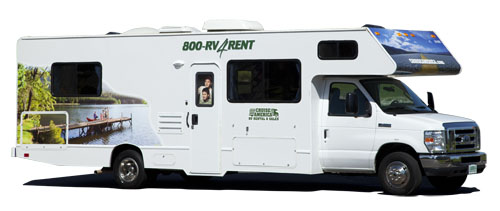
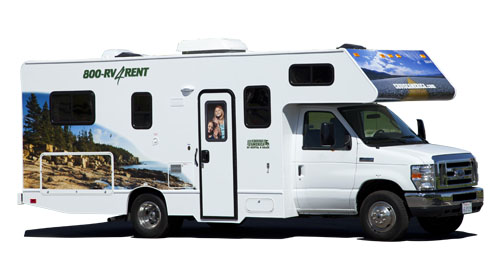
RV rental costs in the South East US can vary significantly based on the RV class, rental duration, and time of year. While April is often the most budget-friendly month, expect prices to fluctuate daily due to flex-rate pricing models. For example, a Class C motorhome rental might range from $80 to $200 per day, whereas a smaller Class B campervan could be more affordable, starting from around $76 per day. Larger Class A motorhomes offering more amenities might command higher rates, potentially exceeding $190 per day during peak demand periods. When planning your trip, using the search tool on Bandana RV will provide the most accurate and live pricing for your specific travel dates and chosen vehicle type.
Seasonal Pricing — Peak vs. Shoulder vs. Off-Season in South East US
RV rental prices in the South East US fluctuate significantly by season, with peak demand driving up costs during popular travel periods like summer. Shoulder seasons offer a balance, while the off-season provides the lowest rates.
Peak Season: Generally runs from July through August, coinciding with school summer breaks, and also includes major holidays like Memorial Day, Labor Day, and Thanksgiving. During these times, demand surges, leading to the highest rental prices. Many families choose these periods for their vacations, contributing to the increased costs. It's important to note that even within peak season, daily rates can change significantly, so checking specific dates is crucial.
Shoulder Season: This period, typically spanning Spring (March-May, with April often being an exception for lower prices) and Fall (September-November), offers a sweet spot for RV travelers. You'll find more moderate pricing and pleasant weather, ideal for exploring the diverse landscapes of the Southeast. These months generally see fewer crowds at popular attractions, allowing for a more relaxed experience.
Off-Season: The most budget-friendly rates are usually available during the true off-season, which includes April (as mentioned, can be cheaper than other spring months) and the winter months from December through February, excluding the Christmas and New Year’s holidays. While weather can be cooler, especially in the northern parts of the Southeast, southern states like Florida and along the Gulf Coast often enjoy mild winters, making it an attractive time for those seeking to avoid crowds and enjoy milder climates at a lower cost.
What's Included vs. What's an Add-On
Basic insurance and essential vehicle functions are typically included with an RV rental, while items like comprehensive insurance, mileage packages, and convenience kits are often add-ons.
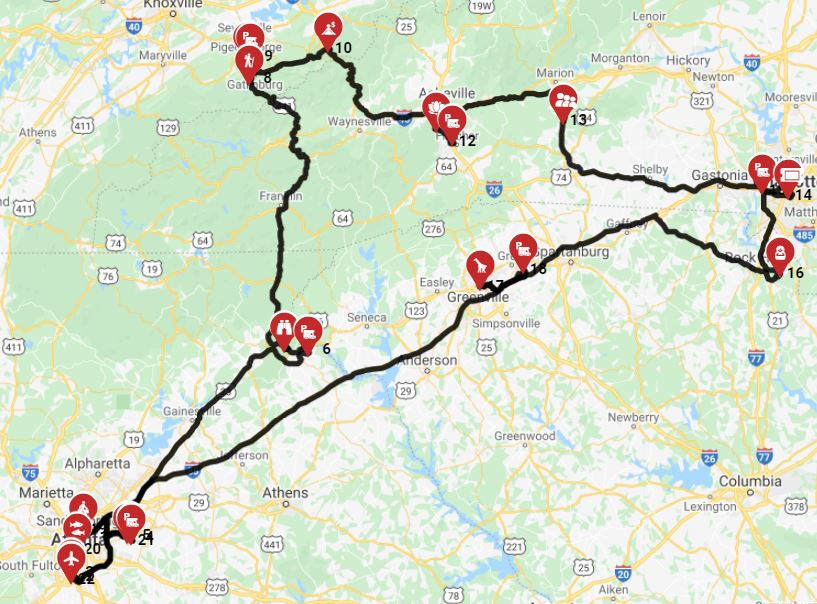
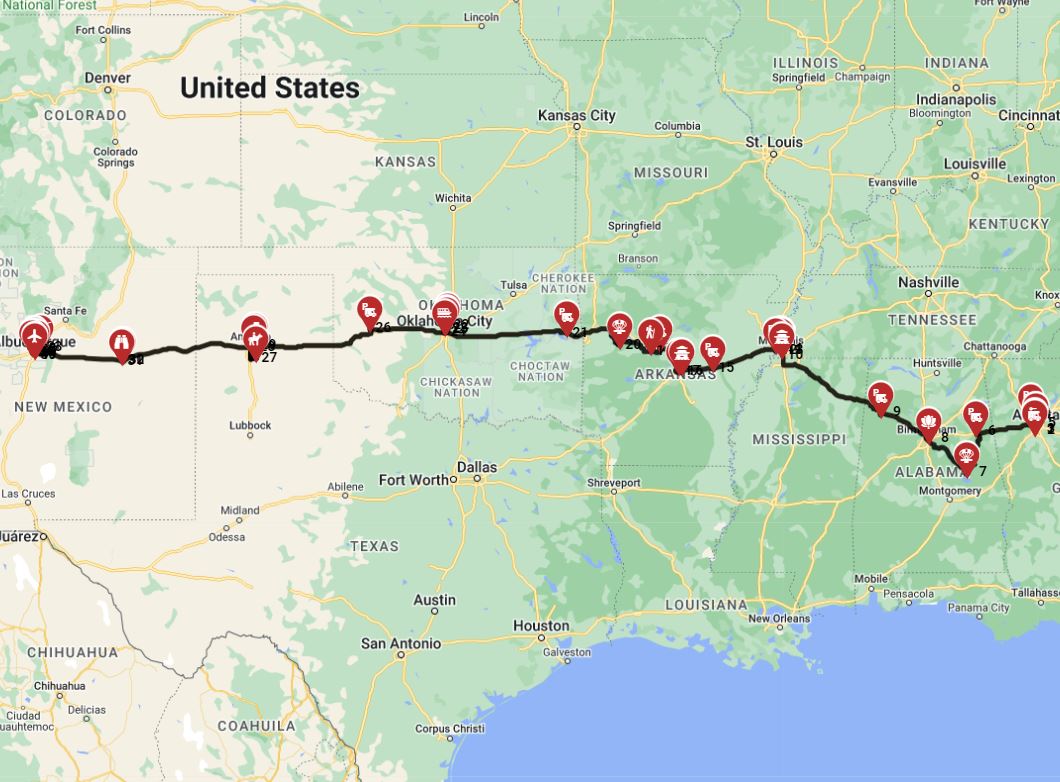
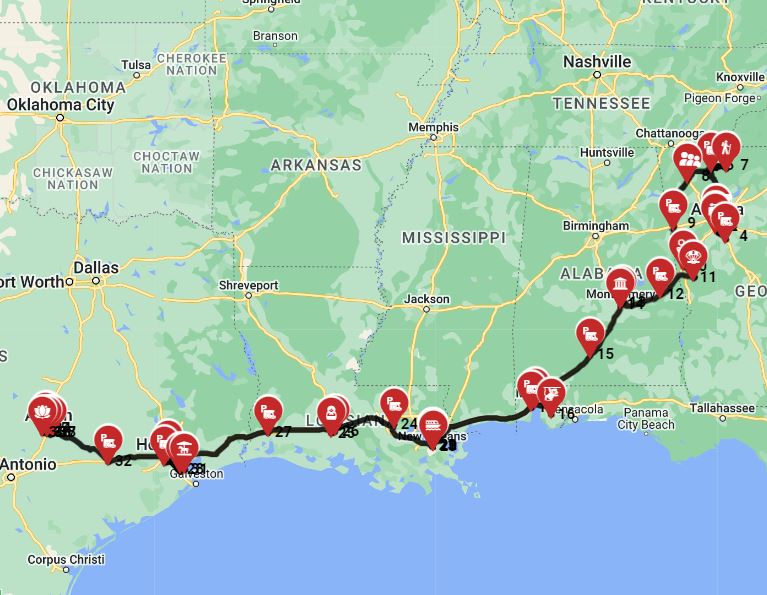
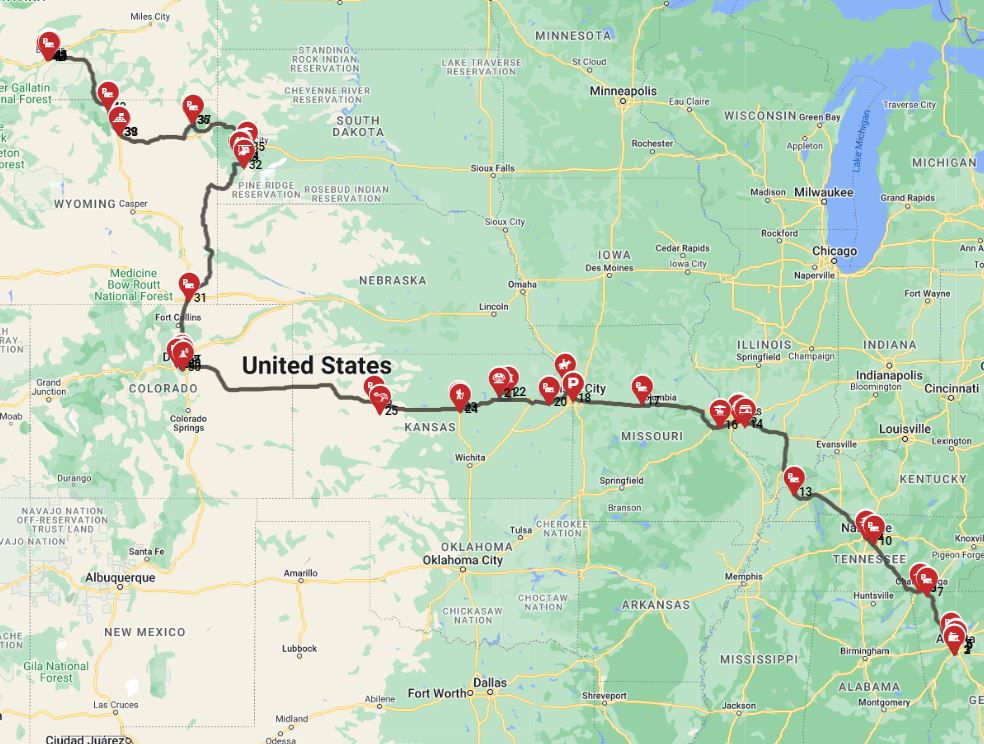
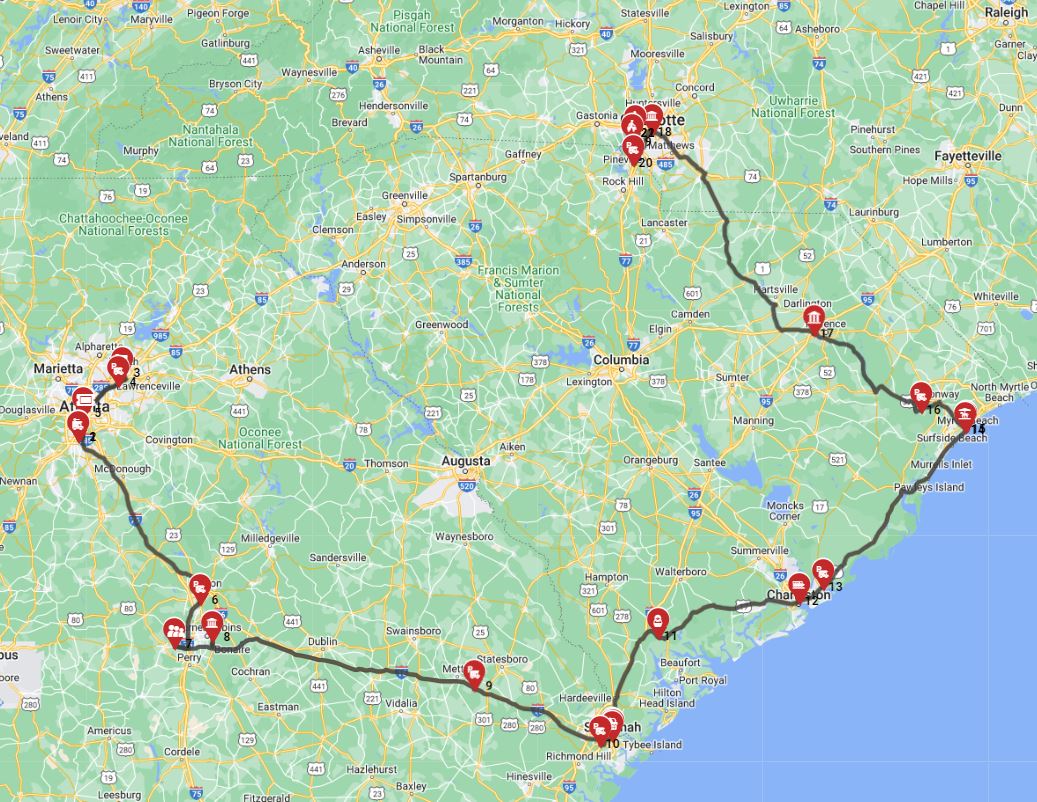
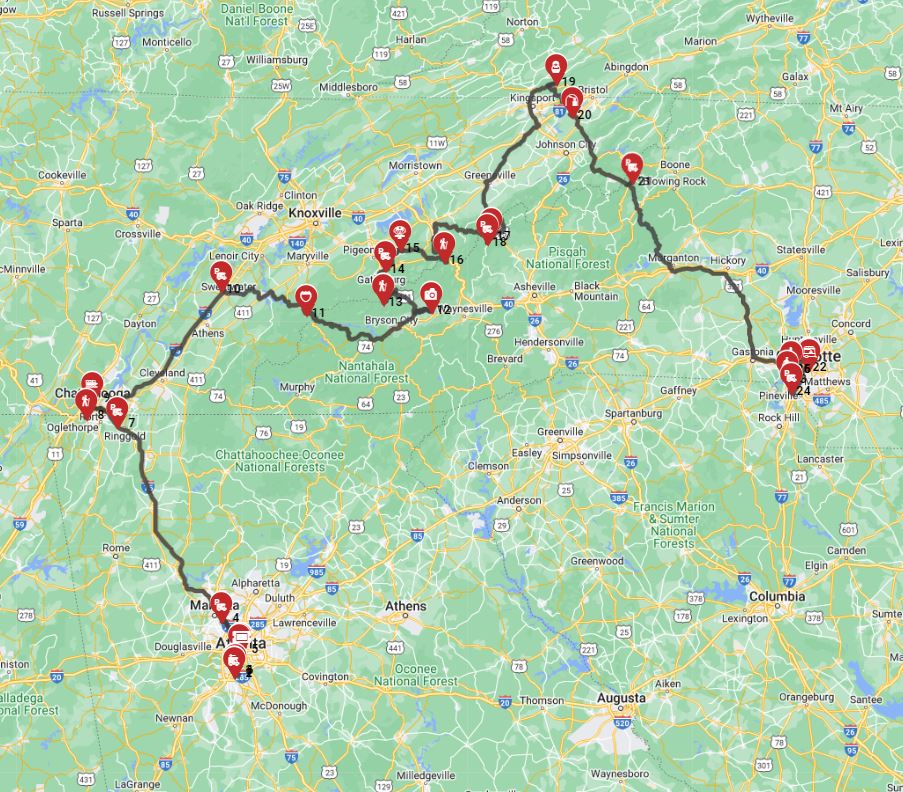
The specifics of what's included versus what's considered an add-on can vary considerably between different RV models and rental locations. However, as a general rule, the rental price covers the RV itself and the mandatory basic liability insurance. For enhanced peace of mind, comprehensive insurance is often an optional upgrade; you can view its cost by selecting that option during your search. Be aware of common add-ons that can influence your total cost: additional mileage packages (as a basic daily mileage allowance is often included), generator usage fees, kitchen utensil kits, and bedding/linen packages. To get a clear picture of all potential costs, it’s always best to verify the specific inclusions and add-ons directly with each RV rental provider before finalizing your booking. On the routes offered through RV PLANET routes, you can itemize and track every expense along the way for easy budgeting.
Want to check exactly what's included? Click here.
Hidden Costs to Budget For in South East US
Beyond the rental fee, travelers to the South East US should budget for potential hidden costs such as tolls, campsite fees, fuel, and dump-station charges. These expenses are essential to consider for a comprehensive budget and are great things to ask about at pickup.
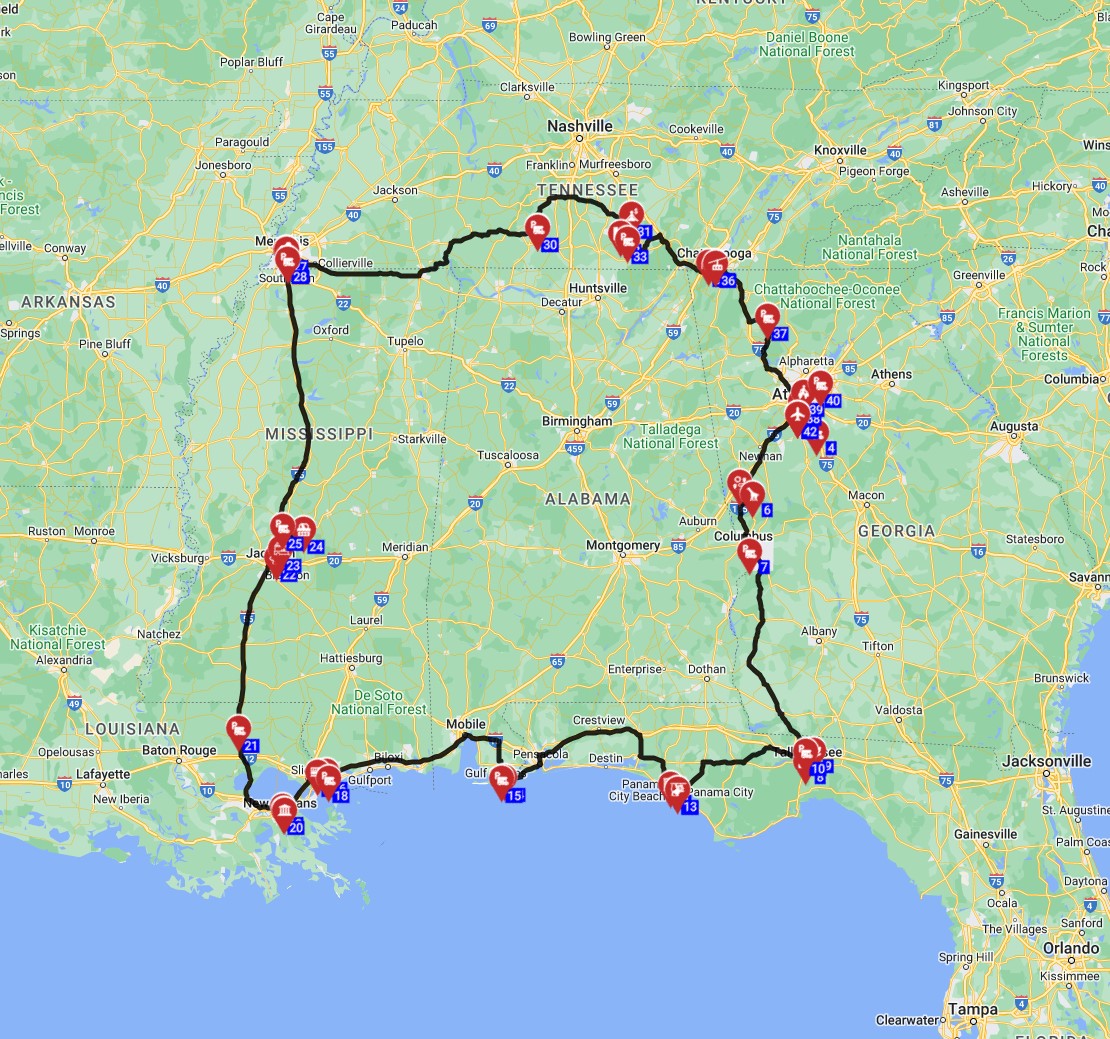
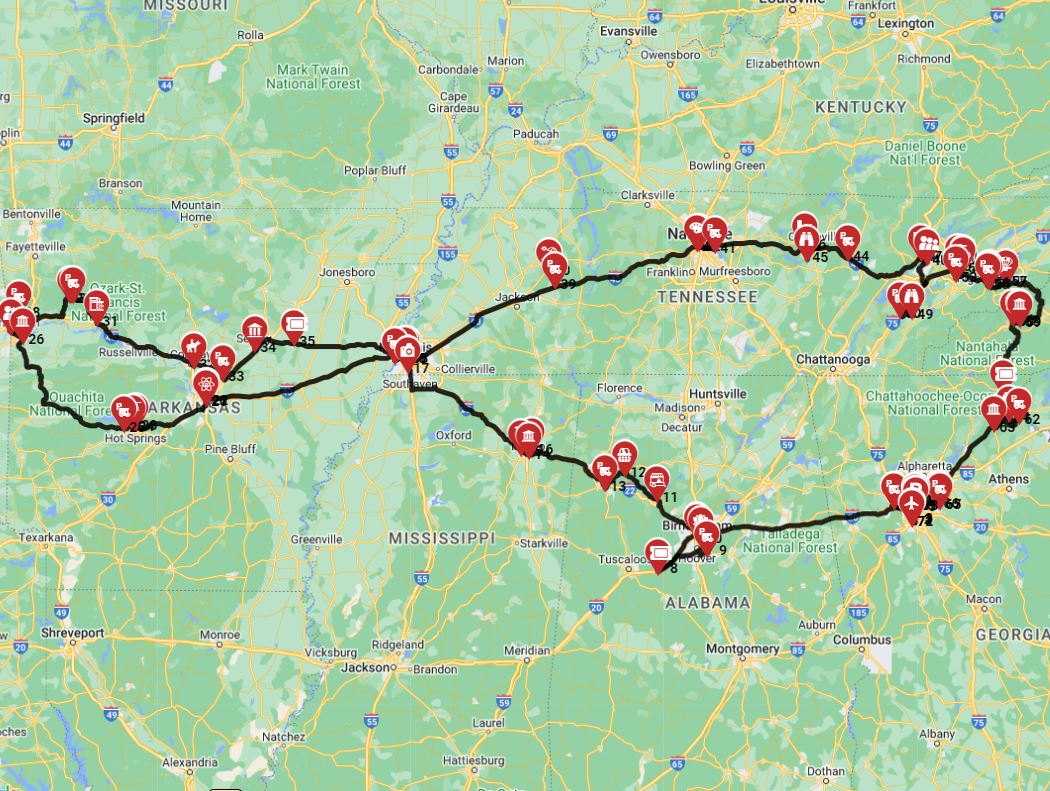
When planning your RV adventure through the South East US, it’s crucial to account for expenses beyond the daily rental rate. Many states in the region, particularly Florida and around major metropolitan areas, have extensive toll road networks. Some rental providers offer options to pre-purchase toll-road usage, which can help avoid unexpected fines. Campsite fees are another variable; while State Parks generally offer lower rates than private RV resorts, booking well in advance is often necessary, especially for popular locations or during peak seasons. Fuel will undoubtedly be a significant expense, as RVs consume more gas than standard vehicles. Some rental companies might even provide fuel discount cards. Additionally, while many campgrounds include dump station access, some private facilities or public rest stops may charge a small fee for waste disposal. Remember to factor in costs for food, activities, and potential unexpected maintenance or travel delays specific to the diverse conditions of the Southeast, from mountain passes to coastal highways. For detailed budgeting and expense tracking along your chosen routes, consider using the planning tools available through RV PLANET routes.
How to Save on cheap rv rental RV Rental in South East US
To save on RV rental in the South East US, strategies include booking during shoulder or off-peak seasons, utilizing discount cards, choosing a smaller RV class, and opting for longer rental durations.
Maximizing your budget for an RV rental in the South East US involves smart planning and leveraging various cost-saving opportunities. Here are some effective strategies:
- Book During Off-Peak or Shoulder Seasons: As detailed in our seasonal pricing guide, renting an RV in the spring (avoiding holidays) or fall can lead to significant savings compared to peak summer rates. April, in particular, is often quite inexpensive. You’ll also benefit from fewer crowds.
- Pre-Pay Tolls and Use Discount Cards: Inquire about options for pre-purchasing toll-road passes to avoid higher administrative fees. Also, ask if your rental includes campground discount cards or fuel discount cards, which can reduce your overall trip expenses.
- Choose a Smaller RV Class: If your group size and needs permit, opting for a Class B campervan or a more compact Class C motorhome can lower both the rental rate and fuel consumption. These vehicles are often easier to maneuver and may access more campsites.
- Opt for Longer Rental Durations: Many rental companies offer reduced daily rates for extended bookings. Renting for two weeks instead of one, or even a full month, can significantly decrease the average daily cost.
- Monitor Flex-Rate Drops: RV rental prices can fluctuate daily, especially those on a flex-rate system. If your travel dates are flexible, keep an eye on prices for potential drops, particularly during quieter periods.
- Cook Your Own Meals: Budgeting for groceries and preparing most of your meals in the RV kitchen can lead to substantial savings compared to frequent dining out, especially on longer trips within the Southeast. For inspiration, explore our RV-friendly recipes playlist.
By implementing these tips, you can make your South East US RV adventure more affordable and enjoyable.
What RV size is best for navigating the South East US roads and campsites?
For navigating the diverse roads and campsites of the South East US, a Class B van conversion or a smaller Class C RV often offers the best balance of maneuverability and amenities.
The South East US presents a variety of driving conditions, from the winding mountain roads of the Appalachians to the potentially narrow coastal routes and the bustling streets of major cities like Atlanta or Miami. Therefore, choosing the right RV size is crucial for a smooth experience. Class B van conversions and smaller Class C motorhomes are highly recommended for their superior maneuverability. These vehicles are generally easier to drive, fit into a wider range of campsites (including many state and national parks that have size restrictions for larger rigs), and tend to be more fuel-efficient. Their compact nature also makes navigating historic small towns and finding parking in urban centers considerably simpler. While larger Class A RVs offer more living space and amenities, they can present challenges on tight turns, narrow backroads, and in congested city environments. Additionally, if you plan to tow a vehicle, remember to consider how that will affect your overall maneuverability and fuel consumption.
Are State Parks cheaper than private RV resorts in the South East US?
Yes, State Parks in the South East US are generally significantly cheaper than private RV resorts, offering a focus on nature and basic amenities at a lower nightly rate.
When budgeting for your RV trip in the South East US, opting for State Parks can offer substantial savings compared to private RV resorts. State Parks typically prioritize access to nature, with sites often nestled among trees or near water features, and they usually provide essential hookups like electricity and water. The nightly fees reflect this focus on natural experiences rather than luxury amenities. Private RV resorts, on the other hand, often function more like full-service vacation destinations, boasting extensive facilities such as swimming pools, clubhouses, robust Wi-Fi, cable TV, and organized activities. These added comforts come at a higher price point. However, it's important to remember that due to their affordability and natural beauty, campsites in many popular Southeast State Parks can book up months in advance, especially during peak seasons. Therefore, planning and booking ahead is crucial if you aim for a more budget-friendly experience.
How can I find cheap boondocking or dispersed camping spots in the Southeast US?
To find cheap boondocking or dispersed camping in the South East US, focus on national forests, Bureau of Land Management (BLM) lands, and specific Wildlife Management Areas (WMAs) which may allow primitive camping with permits.
For RV travelers seeking free or low-cost camping, the South East US offers opportunities for boondocking and dispersed camping primarily within National Forests and some Wildlife Management Areas (WMAs). National Forests, such as those in North Carolina, Georgia, and Alabama, are excellent places to look for dispersed camping. These areas often allow camping outside of designated campgrounds, typically requiring you to be self-sufficient. While BLM lands are less prevalent in the Southeast compared to the western US, some pockets do exist, particularly in Florida. It’s essential to consult U.S. Forest Service maps and websites, as well as state DNR (Department of Natural Resources) sites, for specific regulations and designated dispersed camping areas, as rules can vary significantly by forest and even by district. RV community apps like iOverlander and Campendium are also invaluable resources for finding user-submitted dispersed camping locations, often including reviews and coordinates. Always practice Leave No Trace principles rigorously to preserve these natural areas, ensuring they remain available for future travelers.
Is off-season RV travel cheaper and better in the South East US?
Off-season RV travel in the South East US is generally cheaper due to lower demand for rentals and campsites, and it offers the advantage of fewer crowds at popular attractions.
Traveling in the South East US during the off-season, typically from late fall through winter (excluding major holidays), is indeed both cheaper and often more enjoyable for many travelers. Lower demand for RV rentals and campsites translates to significantly lower prices. You’ll find fewer crowds at major attractions, leading to shorter wait times and a more relaxed experience at popular destinations like national parks or historic sites. The fall season, in particular, offers stunning foliage in the Appalachian regions of states like North Carolina and Tennessee. Winter travel along the Gulf Coast and in Florida provides a pleasant escape from colder climates, with mild temperatures ideal for outdoor activities without the intense summer heat and humidity. However, be prepared for variable weather, as early fall can still see hurricane season activity, and winter can bring cold snaps, especially in the northern parts of the Southeast. Always check weather forecasts and be aware that some attractions or campgrounds may have reduced hours or be closed during the slowest months.
Where can I find unique, local experiences with an RV in the South East US?
For unique, local RV experiences in the South East US, explore small towns, regional festivals, farmers markets, and lesser-known state parks or historic sites beyond major tourist hubs.
To truly discover the unique character of the South East US with your rented RV, venture off the typical tourist trails. Seek out charming small towns that offer a glimpse into local life, such as those along the historic Natchez Trace Parkway or the Gullah Geechee Cultural Heritage Corridor. Participating in regional festivals, from music and food celebrations to historical reenactments, provides an authentic cultural immersion. Local farmers' markets are not only great for sourcing fresh, regional produce but also offer a chance to connect with local artisans and producers. Many smaller state parks and natural preserves, often overlooked in favor of national parks, offer stunning scenery and fewer crowds. Engaging with locals at campgrounds or in small communities can lead to fantastic recommendations for authentic eateries or off-the-beaten-path attractions. Consider planning themed routes, like exploring the various ‘BBQ Trails’ that crisscross the region, to dive deep into specific cultural and culinary traditions.
What safety tips do I need for RV travel in the South East US?
RV travel in the South East US requires preparedness for sudden severe thunderstorms, potential hurricane season impacts, wildlife encounters, and navigating diverse road conditions common to the region.
Ensuring a safe RV journey through the South East US involves being aware of specific regional factors. The Southeast is prone to sudden, intense thunderstorms, which can create hazardous driving conditions with heavy rain and high winds. Additionally, the Atlantic hurricane season, running from June 1 to November 30, can impact coastal and even inland areas, so diligent monitoring of weather forecasts and having an evacuation plan are crucial. Be prepared for encounters with regional wildlife, such as black bears in the mountainous areas and alligators in wetland regions like the Everglades; always store food securely and maintain a safe distance. Navigating the diverse terrain is also key: be mindful of winding mountain roads, potentially narrow coastal routes, and the heavily congested urban centers unique to the Southeast. Familiarize yourself with local toll systems, particularly in Florida, and check for any low clearance or weight restrictions on bridges or park roads. Understanding these elements will help ensure a secure and enjoyable trip.
What You Shouldn't Miss
- Blue Ridge Parkway: For stunning autumn foliage and a leisurely drive, the Blue Ridge Parkway, accessible from multiple points in the Southeast, offers unparalleled scenic vistas with numerous RV-friendly overlooks and campgrounds.
- Great Smoky Mountains National Park: Explore diverse hiking trails, historical structures, and abundant wildlife. Its free entrance and numerous RV-accessible campgrounds make it a prime destination.
- Historic Charleston, SC: Wander through cobblestone streets, visit historic homes, and enjoy the unique Gullah Geechee culture. Many RV parks are located just outside the city center, offering easy access.
- Savannah, Georgia's Historic District: Experience its Spanish moss-draped squares and rich history. RV parking solutions are available, allowing for exploration of this charming city.
- Florida's Everglades National Park: Discover unique ecosystems via airboat tours or self-guided RV excursions, keeping an eye out for alligators and diverse birdlife. Plan for specific RV parking and access points.
- The Outer Banks, North Carolina: Enjoy coastal beauty, wild horses, and historic lighthouses. Many beachfront towns offer RV accommodations and scenic drives, some requiring 4x4 access for the most pristine spots.
Final Thoughts
Renting an RV for your South East US adventure offers unparalleled freedom to explore at your own pace. From the rolling Appalachian hills to the sun-drenched coastlines, the region is a treasure trove of diverse landscapes and rich cultural experiences.
By considering factors like seasonal pricing, understanding what's included in your rental, and budgeting for ancillary costs, you can ensure a smooth and affordable journey. Remember to choose an RV size that best suits the roads you plan to travel and take advantage of the many unique local experiences waiting to be discovered. Planning ahead, especially for popular State Parks or during peak seasons, will make your trip even more seamless.
Embrace the slow travel ethos, take your time to connect with the places you visit, and enjoy the incredible adventure that RVing in the South East US promises. Get inspired for your next trip and start planning today!