In This Guide
- Where to Camp in North East US - Top Options
- Campground Types in North East US (National, Private, Wild)
- Featured RV Park or Campground in North East US
- Hookups & Amenities - What to Expect
- Booking Windows & Reservations in North East US
- Nearby Supermarkets & Resupply Points
- Best RV Class for Camping in North East US
- How to Save on Campgrounds in North East US
- What is the 3-3-3 rule for RVs?
- How much does it cost to park a camper for a week?
- What is the best campground in the northeast?
- What is the 4-4-4 rule for RV travel?
- What is the 3-3-3 rule for RV camping?
- What are some of the best RV trips in the Northeast?
- What are the best RV parks on the East Coast?
- What is the 200 rule for camping?
- What is the 4 4 4 rule for RV?
- What does FF mean in camping?
The North East US offers an incredibly diverse and rewarding experience for a weekly RV camping adventure, providing everything from stunning coastal vistas to majestic mountain retreats and historical sites. Imagine yourself navigating charming small towns, hiking through vibrant fall foliage, or relaxing by a serene lakeside, all from the comfort of your rented motorhome or campervan. Our RV Rental North East US - Complete Guide 2026 provides an excellent starting point for planning your adventure. As true RV specialists, we at Bandana are passionate about making your RV rental journey as seamless and enjoyable as possible, offering full transparency with no hidden fees and dedicated support before, during, and after your booking.
Where to Camp in North East US - Top Options
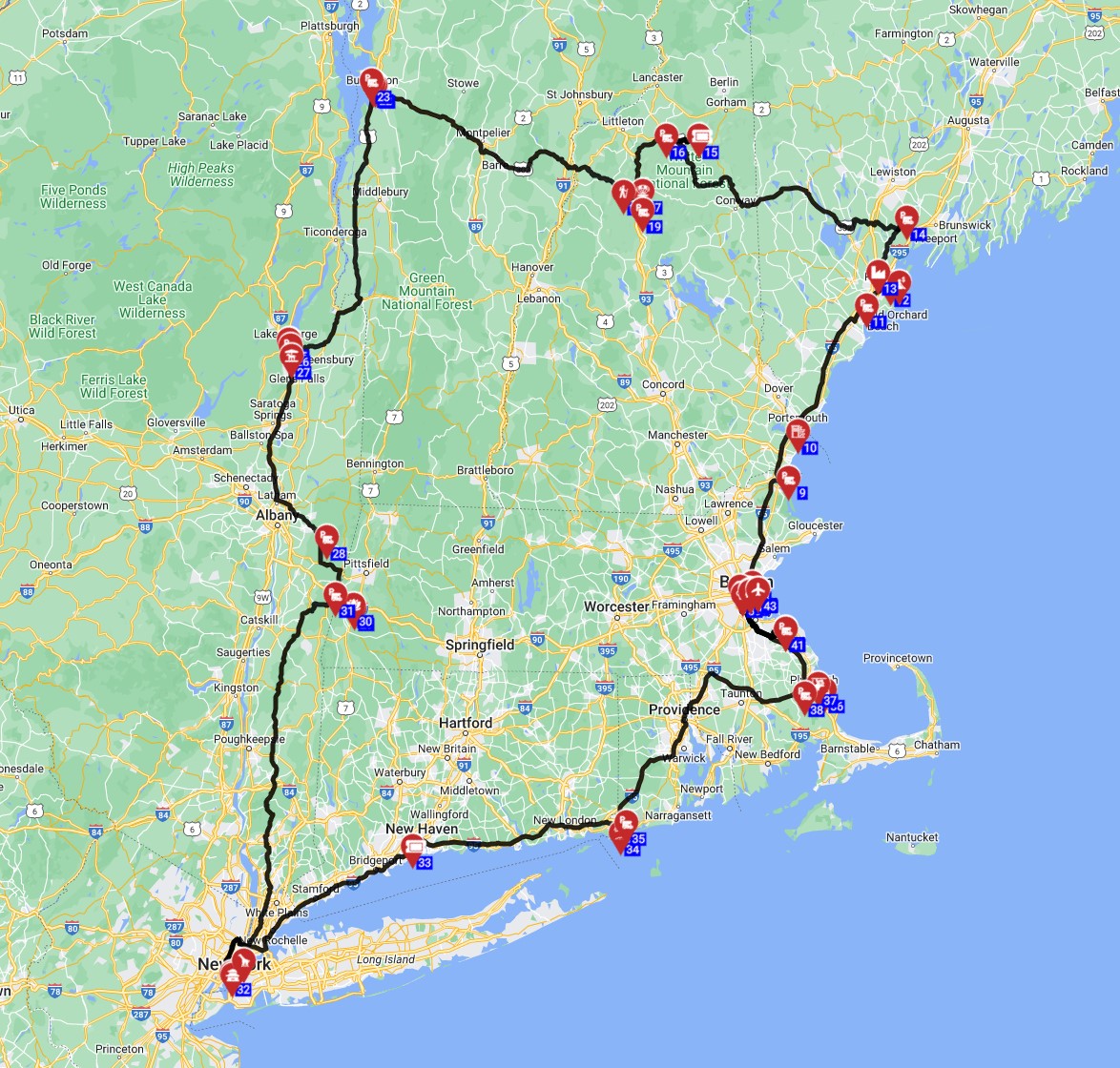
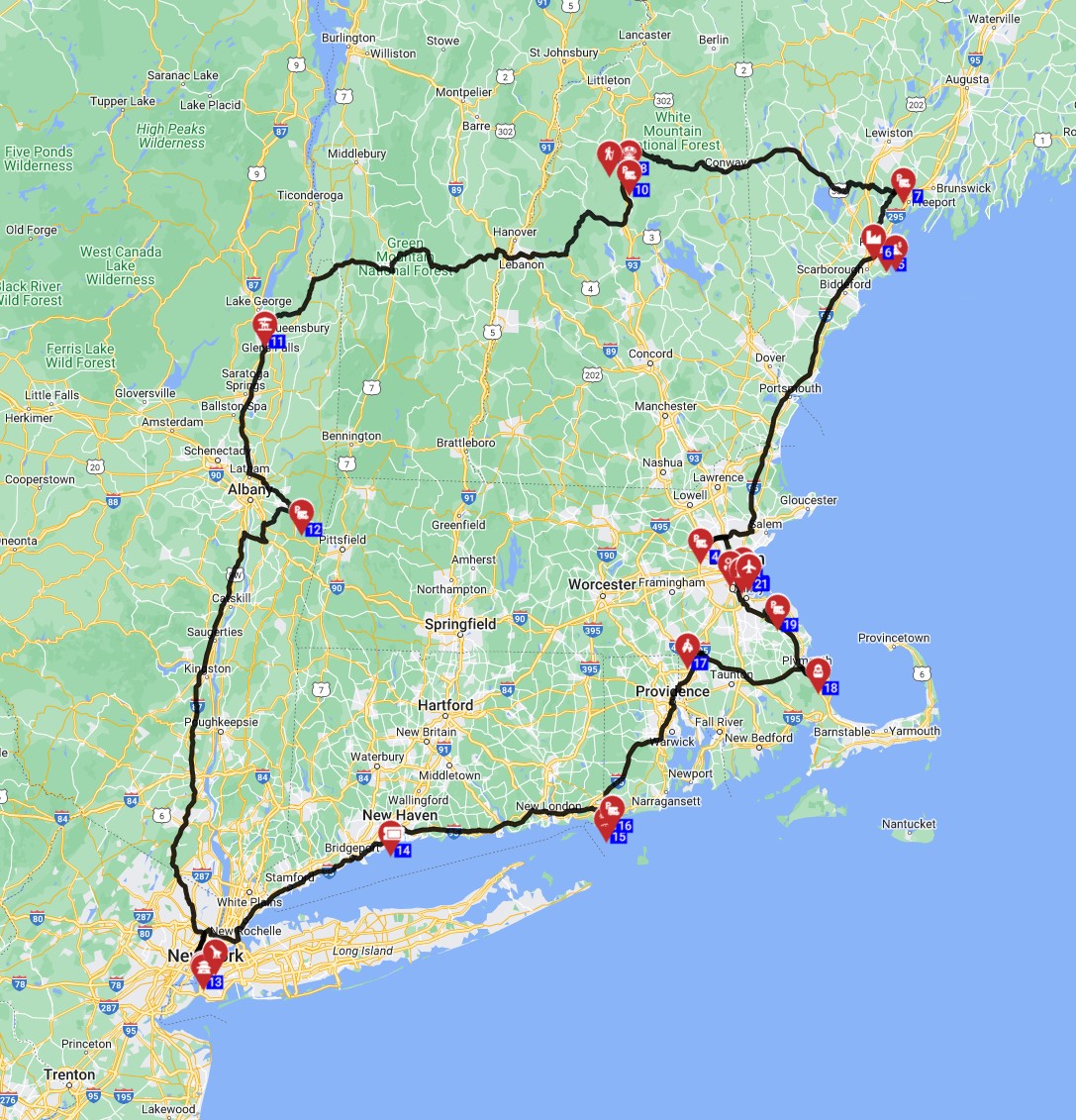
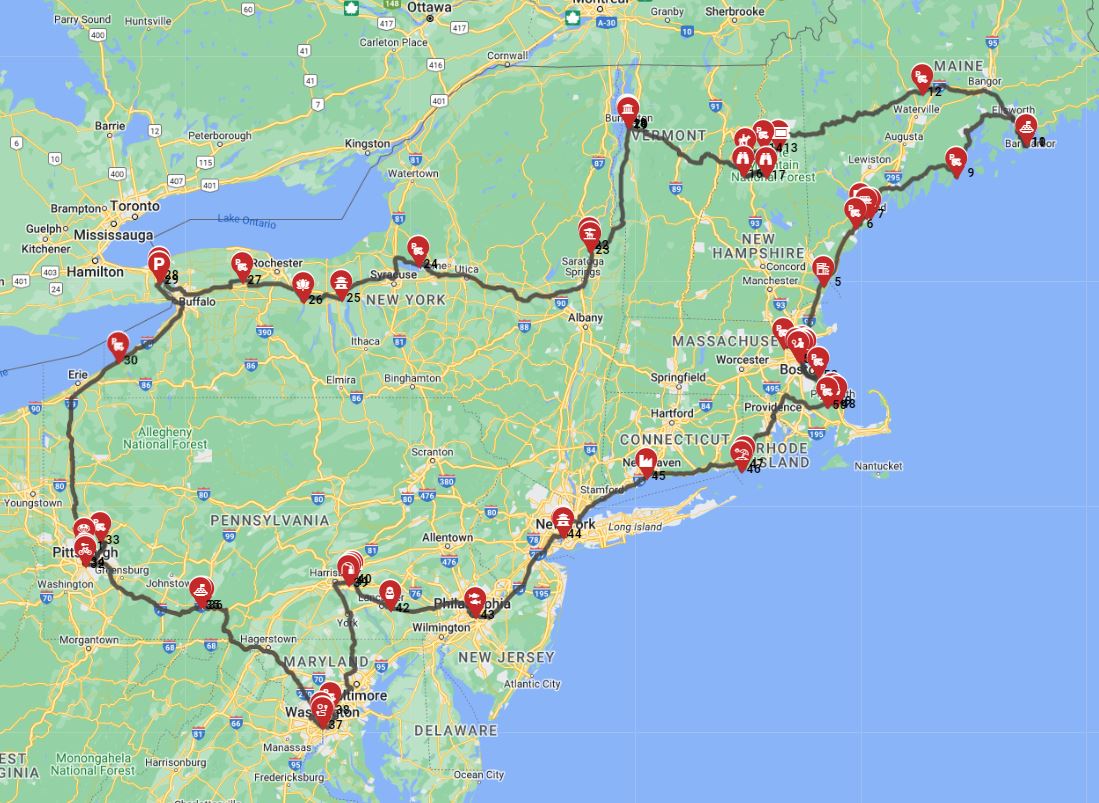
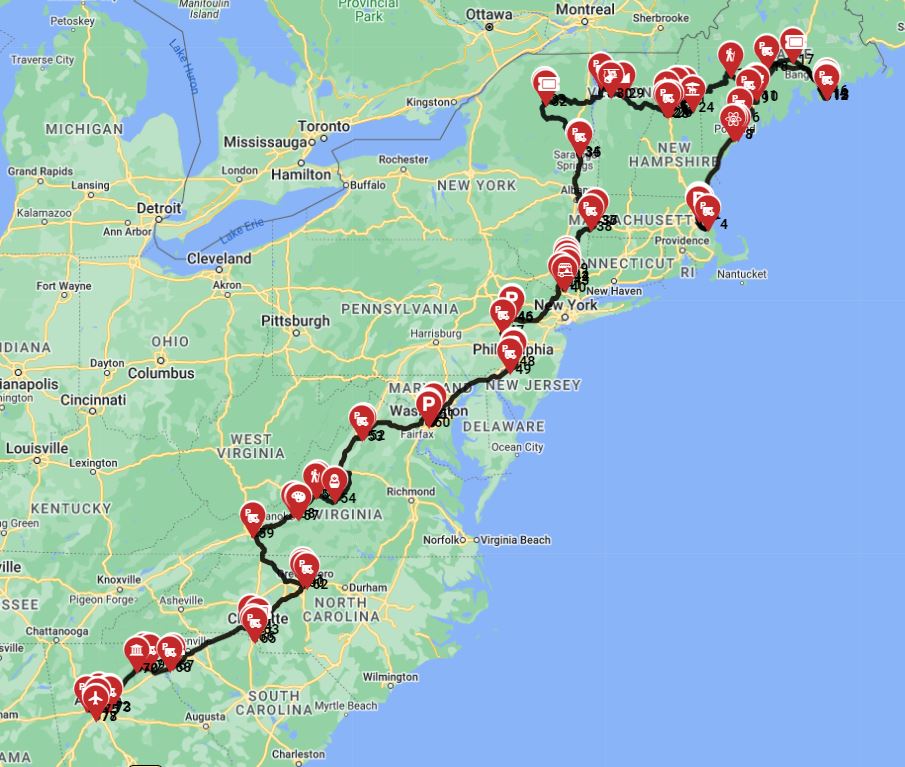
The North East US offers diverse camping experiences, from coastal parks to mountain retreats, with popular areas including Acadia National Park in Maine, Vermont State Parks, and numerous state and private campgrounds across New Hampshire and Massachusetts. You can explore the dramatic coastline of Maine with a rented motorhome, venture into the scenic beauty of the White Mountains of New Hampshire, or relax on the sandy shores of Cape Cod, Massachusetts. For wilderness adventures and expansive natural beauty, consider the vast Adirondacks in New York. Always research specific campground rules regarding RV length, pet policies, and hookup availability before booking, especially in popular destinations or if you are interested in a Family RV Rental in North East US - Pricing Guide 2026 for specific dates.
Campground Types in North East US (National, Private, Wild)
Understanding the different types of campgrounds in the North East US will help you plan your ideal weekly RV trip. National and State Parks typically offer scenic beauty, hiking trails, and often more rustic sites; while some provide electric or water hookups, many do not, and advance reservations are highly recommended, especially during peak season. Private Campgrounds and RV Resorts, on the other hand, provide a wider range of amenities, including full hookups, swimming pools, Wi-Fi, laundry facilities, and planned activities, usually at a higher price point. Wild or Dispersed Camping (often called boondocking) opportunities are limited and highly regulated in the densely populated Northeast; they are typically found in designated state forests or wilderness areas, such as within New York's Adirondack Park, and require self-sufficiency without amenities and strict adherence to Leave No Trace principles. Always check local regulations, as much land in the Northeast is privately owned or heavily restricted for camping. For finding campsites and campgrounds during your trip, we recommend using RV PLANET (rvplan.net) - a great resource for locating available spots along your route.
Featured RV Park or Campground in North East US
When choosing a featured RV park in the North East US, look for key factors such as its location relative to your desired attractions, specific amenities like full hookups and pet-friendly facilities, positive guest reviews, and accessibility for your particular rented RV size. Many top Northeast RV parks offer a blend of natural beauty and convenience, such as lakeside resorts in Maine offering stunning views and easy water access, or family-friendly parks near historical sites in Pennsylvania, ensuring a comfortable base for your weekly explorations. For example, Acadia National Park in Maine features popular campgrounds like Blackwoods and Seawall, offering immediate access to the park's iconic trails and ocean vistas, though they book up very quickly. Verifying services like Wi-Fi reliability and cell service coverage is also important if you plan to work remotely, as connectivity can vary widely, especially in more remote areas of the Northeast.
Hookups & Amenities - What to Expect
When planning your weekly RV rental trip in the North East US, it's helpful to know what to expect regarding hookups and amenities at campgrounds. Most developed campgrounds offer 30-amp or 50-amp electrical service, so ensure your rental RV is compatible and bring any necessary adapters. Potable water connections are standard at most developed sites, providing fresh water directly to your motorhome. Full hookup sites provide direct sewer connections for convenient wastewater disposal; otherwise, dump stations are readily available at most campgrounds for emptying your black and grey water tanks. Beyond essential utilities, you can typically expect coin-operated laundry facilities, clean showers and restrooms, picnic tables, and fire rings for evening enjoyment. For connectivity, while many private campgrounds offer Wi-Fi, its speed and reliability can vary significantly, and cellular service can be spotty in more remote areas of the Northeast, making a signal booster or portable hotspot a wise investment for critical communication or remote work needs. On the routes offered through RV PLANET routes, you can itemize and track every expense along the way for easy budgeting.
Booking Windows & Reservations in North East US
For weekly RV rentals in the North East US, especially during peak seasons like summer and the spectacular fall foliage period, planning ahead is crucial; popular campgrounds often require reservations 6-12 months in advance to secure a spot. However, don't despair if you're a spontaneous traveler, as many national and state park campgrounds release a portion of sites (around 25%-30%) for advance reservations, with the remaining spots often available on a first-come, first-served (FCFS) basis. If you're traveling spontaneously, calling ahead to inquire about FCFS availability or last-minute cancellations can be very effective; you will almost certainly find a place-if not at the first campground, then at the next-but it may require some flexibility on location and amenities. Consider booking your weekly RV rental and campsite during shoulder seasons, such as late spring (May-June) or early fall (late August-early September, outside of peak foliage), for greater availability and potentially lower rates, allowing you to avoid the intense competition of the busiest periods.
Nearby Supermarkets & Resupply Points
Maintaining your pantry is a breeze during a weekly RV rental in the North East US, as you'll find major supermarket chains along popular RV routes, especially near towns and cities. Stores like Hannaford, ShopRite, Market Basket, and Stop & Shop are common and well-stocked. It's a smart strategy to plan your resupply stops in advance, as grocery options can become sparser in more rural or mountainous regions, such such as central Vermont or the Adirondacks, where smaller general stores might be your only choice. For fresh, seasonal produce and delightful regional specialties, don't miss the opportunity to visit local farmers' markets, which are abundant in quaint New England towns during warmer months. Cooking in your rented motorhome is a fantastic way to enjoy delicious meals and save money; check out our RV-friendly recipes playlist for inspiration. When budgeting for your trip, remember to account for ancillary costs like groceries, fuel, and campground fees; RV PLANET routes allow travelers to itemize and track every expense along the way for easy budgeting.
Best RV Class for Camping in North East US
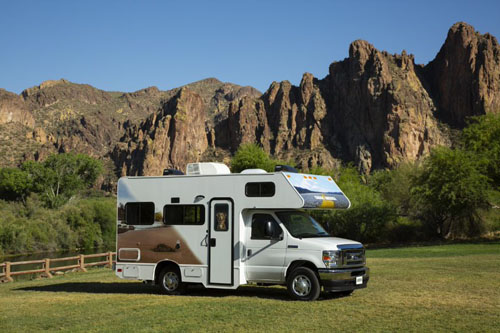
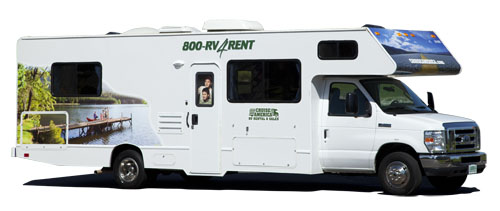
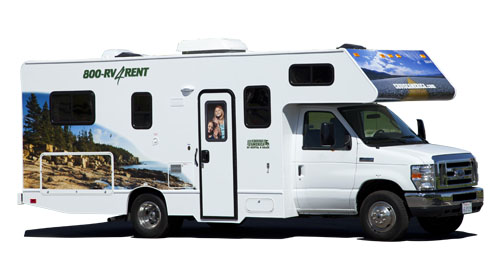
For navigating the often narrower roads, charming small towns, and tighter campground spaces of the North East US, a Class B Camper Van or a smaller Class SI (Semi-integrated) RV is often the most ideal choice. Bandana's Class B Camper Vans, for example, typically average around 5.8 meters in length and comfortably sleep 2-3 adults. These smaller motorhomes offer excellent maneuverability, making them suitable for both urban excursions into cities like Boston or Burlington and more remote natural areas, while also providing good fuel efficiency, often around 8-10 Liters/100 km. Class C - Alcove RVs, averaging about 7.5 meters in length and sleeping 4-5 adults, provide more living space and amenities for families, offering a great balance for comfortable weekly rentals, though they do require a bit more care on smaller roads and when parking. Drive slowly and carefully, and you can drive almost anywhere without issues. No need to stress - just use common sense and pay attention. While larger Class A - Integrated RVs (also averaging around 7.5 meters) are available, consider their size for low bridge clearances and parking challenges prevalent in some parts of the Northeast. For a wide selection of vehicles, compare Class A, B, and C RV rental options in North East US to find the perfect fit.
How to Save on Campgrounds in North East US
Saving money on campgrounds during your weekly RV rental in North East US is entirely achievable with a few smart strategies. One effective method is to utilize campground discount cards and memberships, such as Good Sam or Passport America, which are often promoted by RV rental providers and can significantly reduce your weekly site fees. Another great way to save is by opting for state, municipal, or regional campgrounds over private RV resorts, as they generally offer lower rates while still providing essential amenities like electric and water hookups. Traveling during the shoulder seasons (late spring or early fall, specifically avoiding peak fall foliage weeks) will often yield reduced rates and fewer crowds across the Northeast. Many campgrounds also offer weekly rates that provide a better per-night value than daily bookings, aligning perfectly with a week-long RV rental. Finally, if traveling with friends, consider sharing larger, multi-hookup sites if allowed, splitting the cost for even greater savings on your overall Weekly RV Rental in North East US - Pricing 2026.
What is the 3-3-3 rule for RVs?
The 3-3-3 rule for RVs is a popular guideline designed to ensure a safe and enjoyable travel pace, recommending that you drive no more than 300 miles a day, arrive at your destination by 3 PM, and stay for a minimum of 3 nights. Driving no more than 300 miles (approximately 5-6 hours) helps prevent driver fatigue, which is particularly crucial on the varied terrains and sometimes congested roads found throughout the North East US. Arriving by 3 PM allows ample daylight to comfortably set up your camp, familiarize yourself with the campground's facilities, and relax before dusk. Staying for at least 3 nights enables a more immersive experience at each location, reducing the stress of constant packing and unpacking, and providing sufficient time to explore the local area, connect with the culture, and savor the scenery, aligning perfectly with our recommendation for slow travel.
How much does it cost to park a camper for a week?
The cost to park a rented camper for a week in the North East US can vary significantly, ranging from approximately $150 for basic state park sites to over $700 for full-hookup private RV resorts, with an average often falling between $300-$500 depending on location, amenities, and season. State and National Park campgrounds typically charge $25-$50 per night (approximately $175-$350 weekly) for sites that may include electric and water, but often lack sewer hookups. Private RV parks and resorts, especially near popular tourist destinations like coastal Maine or Cape Cod, can cost $50-$100+ per night (approximately $350-$700+ weekly) for full hookups and amenities such as pools, Wi-Fi, and recreational facilities. Peak season (summer and fall foliage in specific areas) will always command higher prices, while traveling in shoulder seasons can offer significant savings. Beyond site fees, remember to budget for additional weekly expenses like fuel (a Class B Camper Van typically consumes 8-10 Liters/100 km, while a larger Class C may be 15-20 Liters/100km), tolls common in the Northeast, food, activities, and potential dump station fees if you don't have full hookups. For comprehensive budgeting, explore RV PLANET routes where you can itemize and track every expense.
What is the best campground in the northeast?
The "best" campground in the North East US is subjective and truly depends on your personal preferences for your weekly RV trip. However, highly-rated options often include those located near iconic scenic attractions, offering a blend of natural beauty and desirable amenities. For nature lovers seeking unparalleled access to hiking and ocean views, campgrounds within Acadia National Park in Maine, such as Blackwoods or Seawall, are consistently top choices, though they book up extremely fast. Coastal options like Nickerson State Park on Cape Cod, Massachusetts, provide direct beach access, freshwater ponds, and excellent cycling trails. For a blend of extensive amenities and picturesque surroundings, private RV resorts in the White Mountains of New Hampshire or near Lake George in New York are popular choices, offering full hookups, swimming pools, and family activities. Consider what defines "best" for your weekly rental: proximity to specific attractions, the level of amenities you desire, quiet solitude, or a vibrant, family-friendly atmosphere. For more options, explore "RV Camping in North East US - Long-Stay Sites 2026" to tailor your search.
What is the 4-4-4 rule for RV travel?
The 4-4-4 rule for RV travel is a planning guideline suggesting you drive no more than 400 miles in a day, stop driving by 4 PM, and ideally stay for at least 4 nights at your destination, aiming for a slightly more relaxed pace than the 3-3-3 rule. Limiting daily travel to 400 miles allows for longer stretches between destinations while still maintaining a manageable driving schedule, which can be beneficial for covering more ground in the North East US if your itinerary is extensive. Stopping by 4 PM provides ample time to navigate to your campsite, set up your rented motorhome, and relax before dinner, maximizing your enjoyment of each location. Staying for at least 4 nights at each stop encourages deeper exploration of the surrounding area and reduces the effort involved in frequent packing and unpacking, contributing to a more leisurely and immersive weekly RV trip. This flexibility can be particularly useful when exploring diverse regions like the North East, where each state offers unique attractions.
What is the 3-3-3 rule for RV camping?
The 3-3-3 rule for RV camping is a straightforward guideline for trip planning, advising travelers to drive no more than 300 miles in a single day, arrive at their chosen campground by 3 PM, and commit to staying for a minimum of 3 nights. This rule is particularly pertinent for weekly RV rentals in the North East US, as it promotes a sustainable and enjoyable pace, allowing travelers to truly immerse themselves in each location rather than rushing through the region's diverse landscapes. By adhering to the 3-3-3 rule, campers can minimize driver fatigue, efficiently manage campsite setup without feeling rushed in the dark, and dedicate more time to local activities like hiking, exploring charming towns, or simply relaxing at their chosen site. This approach ensures you experience the beauty of the North East US, whether you're camping by a lake or nestled in a mountain forest, maximizing the value of your week-long adventure.
What are some of the best RV trips in the Northeast?
Some of the best RV trips in the North East US include spectacular scenic drives through New England's fall foliage, picturesque coastal tours along Maine or Massachusetts, and adventurous explorations of the Adirondacks or White Mountains. A Fall Foliage Tour through Vermont, New Hampshire, and Maine is world-renowned for its vibrant autumn colors, with routes like Vermont's Route 100 or New Hampshire's Kancamagus Highway offering breathtaking views, though be aware these areas can be extremely crowded from mid-September to mid-October, requiring early bookings. For a taste of the coast, the Maine Coastal Drive explores Acadia National Park, charming fishing villages like Kennebunkport, and historic lighthouses along scenic Route 1, ideal for a weekly rental with plenty of opportunities for fresh lobster rolls. The vast Adirondack Mountains in New York offer unparalleled wilderness, stunning lakes such as Lake Placid and Lake George, hiking, and a mix of primitive and full-service campgrounds; consider navigation challenges with larger RVs on some mountain roads. Lastly, Cape Cod and its nearby islands in Massachusetts are perfect for beach lovers, historic sites, and cycling, but be mindful of bridge clearances and ferry restrictions for RVs if planning to visit Martha's Vineyard or Nantucket. Be aware of 'mud season' in early spring (typically March-April) in northern New England, which can affect unpaved roads and trail access. For route ideas, check out the "RV Travel Guide to North East US - Tips and Top Spots 2026".
What are the best RV parks on the East Coast?
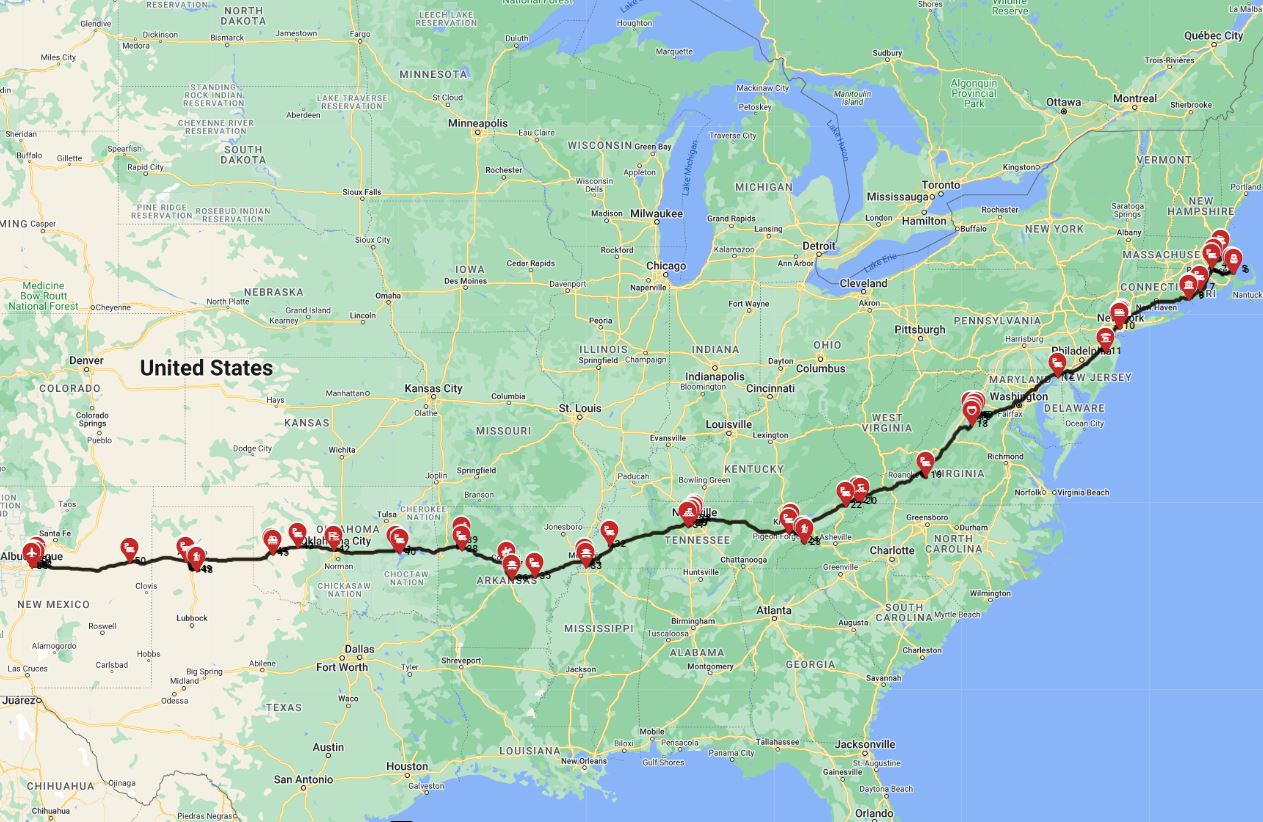
The "best" RV parks on the East Coast of the US cater to a wide range of preferences, spanning from resort-style parks with extensive amenities in places like Ocean City, Maryland, or Myrtle Beach, South Carolina, to more rustic and nature-focused options found in the national and state parks of the North East, such as those in Maine or the Outer Banks of North Carolina. Within the North East, top picks often include parks near Acadia National Park (Maine) for breathtaking oceanfront camping, coastal Massachusetts (Cape Cod) for beach access and charming towns, the White Mountains (New Hampshire) for hiking and scenic drives, and the Finger Lakes region (New York) for vineyards and lake activities. As you head south, destinations like Coastal Virginia, the Outer Banks (North Carolina), and various Florida locations are renowned for large, amenity-rich resorts offering direct beach access, extensive facilities, and warmer climates. When choosing a park for your weekly RV rental, prioritize those that align with your specific needs: consider desired amenities like full hookups, pet-friendly policies, on-site activities, reliable Wi-Fi for remote work, and proximity to your desired attractions. For a more luxurious experience, you might explore "Luxury RV Rental in North East US - Premium Prices 2026".
What is the 200 rule for camping?
The '200 rule for camping' is a lesser-known guideline that suggests campers aim to spend roughly $200 per person per week on camping expenses, which includes campsite fees, fuel, food, and activities, to help budget for their trip. This rule serves as a general budgeting framework, encouraging travelers to estimate their total weekly costs and manage spending across various categories. While a useful starting point, actual costs can vary significantly in the North East US; higher campsite fees, tolls (which are common in states like Massachusetts and New York), and specific activities in popular areas may push this budget higher, especially during peak season. To stay within this guideline for a weekly RV rental, consider cooking most of your meals in your rented RV, utilizing free outdoor activities like hiking and beach access, and choosing more affordable state or municipal campgrounds over pricier private resorts. Remember, the key is mindful planning for all aspects of your journey.
What is the 4 4 4 rule for RV?
The '4 4 4 rule for RV' is a practical variant of common RV travel guidelines, advising travelers to drive no more than 400 miles, stop by 4 PM, and ideally stay for a minimum of 4 nights at each location, promoting a leisurely travel pace. This rule allows for a slightly longer daily travel distance than the 3-3-3 rule, which can be beneficial for covering more ground in the diverse North East US if your itinerary is extensive and includes distant attractions. The later stop time of 4 PM still provides ample opportunity for campsite setup and relaxation before dinner, maximizing your enjoyment of each location. Furthermore, staying for at least 4 nights at each stop encourages deeper exploration of the surrounding area and reduces the effort involved in frequent packing and unpacking, making it an ideal approach for a weekly RV rental focused on comprehensive exploration rather than rushing. It's a flexible guideline that can be adapted based on personal preference, road conditions, and the specific attractions you plan to visit.
What does FF mean in camping?
In camping terminology, 'FF' typically stands for 'Full Hookups,' which indicates a campsite provides electric, water, and sewer connections directly at the site, offering the highest level of convenience for RVers. A 'Full Hookup' site allows for continuous use of all onboard facilities in your rented motorhome without needing to move the RV to a communal dump station to empty wastewater tanks. Other common camping abbreviations you might encounter in the North East US include 'E/W' for electric and water hookups only, 'No Hookups' or 'Primitive' for sites without any utilities, and 'Boondocking' or 'Dry Camping' for camping without any services in undeveloped areas. Understanding these terms is crucial when booking weekly RV rentals in the Northeast, as the availability and pricing of campsites vary significantly based on the type of hookups offered, directly impacting your comfort and convenience.
What You Shouldn't Miss
Looking for expert insights from Avi Bandana? Top 5 Adventures - recommendations from Avi Bandana:
- Drive Coastal Route 1 in Maine: Experience the rugged beauty of the Atlantic coastline, stopping at charming towns like Kennebunkport, Boothbay Harbor, and Bar Harbor, with Acadia National Park as a crowning jewel.
- Explore Vermont's Scenic Route 100: Particularly breathtaking during fall foliage season (late September to mid-October), this route winds through picturesque villages, past stunning mountain views, and offers access to numerous state parks and local food experiences.
- Hike in the White Mountains of New Hampshire: Conquer a section of the Appalachian Trail, drive the Kancamagus Highway for incredible vistas, and discover waterfalls and covered bridges.
- Visit Historic Boston and Cape Cod, Massachusetts: Immerse yourself in revolutionary history in Boston, then head to Cape Cod for beautiful beaches, lighthouses, and fresh seafood; remember to plan parking carefully for your RV in urban areas.
- Discover the Adirondack Park in New York: Explore vast wilderness, tranquil lakes, and endless hiking opportunities, with some unique options for dispersed camping for the truly adventurous.
Final Thoughts
A weekly RV camping trip in the North East US offers an unparalleled blend of natural beauty, rich history, and charming culture, making it an ideal destination for an extended road trip. From the rugged coastlines of Maine to the majestic peaks of the White Mountains and the historic streets of Boston, a rented motorhome provides the freedom and flexibility to explore at your own pace. Remember our advice: travel slowly, aiming for no more than 100-150 km per day on average, to truly connect with the unique character of each place you visit.
With careful planning for campgrounds, understanding local driving conditions, and utilizing resources like RV PLANET, your weekly RV adventure in the Northeast will be filled with unforgettable moments. Embrace the journey, savor the local flavors, and let the open road lead you to discovery. Your next great adventure in a rented camper is waiting!
Compare weekly RV rental deals in North East US now to start planning your perfect long-stay site adventure.