For live availability and current prices, start with our RV Rental North East US - Complete Guide 2026 guide.
In This Guide
- What family rv rental RV Rental Costs in North East US (2024)
- Seasonal Pricing - Peak vs. Shoulder vs. Off-Season in North East US
- What's Included vs. What's an Add-On
- Hidden Costs to Budget For in North East US
- How to Save on family rv rental RV Rental in North East US
- How much does a family size RV cost?
- Is it cheaper to rent an RV or stay in hotels?
- How much does it cost to rent an RV to travel across the US?
- What is the cheapest way to rent an RV?
- How much does it cost to rent an RV in the USA?
- How much does a camper van cost for a week?
- How much to rent an RV in Colorado?
- What is the best RV rental company in the US?
- What is the 3-3-3 rule for RVs?
- Are RV prices dropping in 2026?
- Top Cities for Family RV Rental in North East US
- North East US Road Rules & Practical Info for RVers
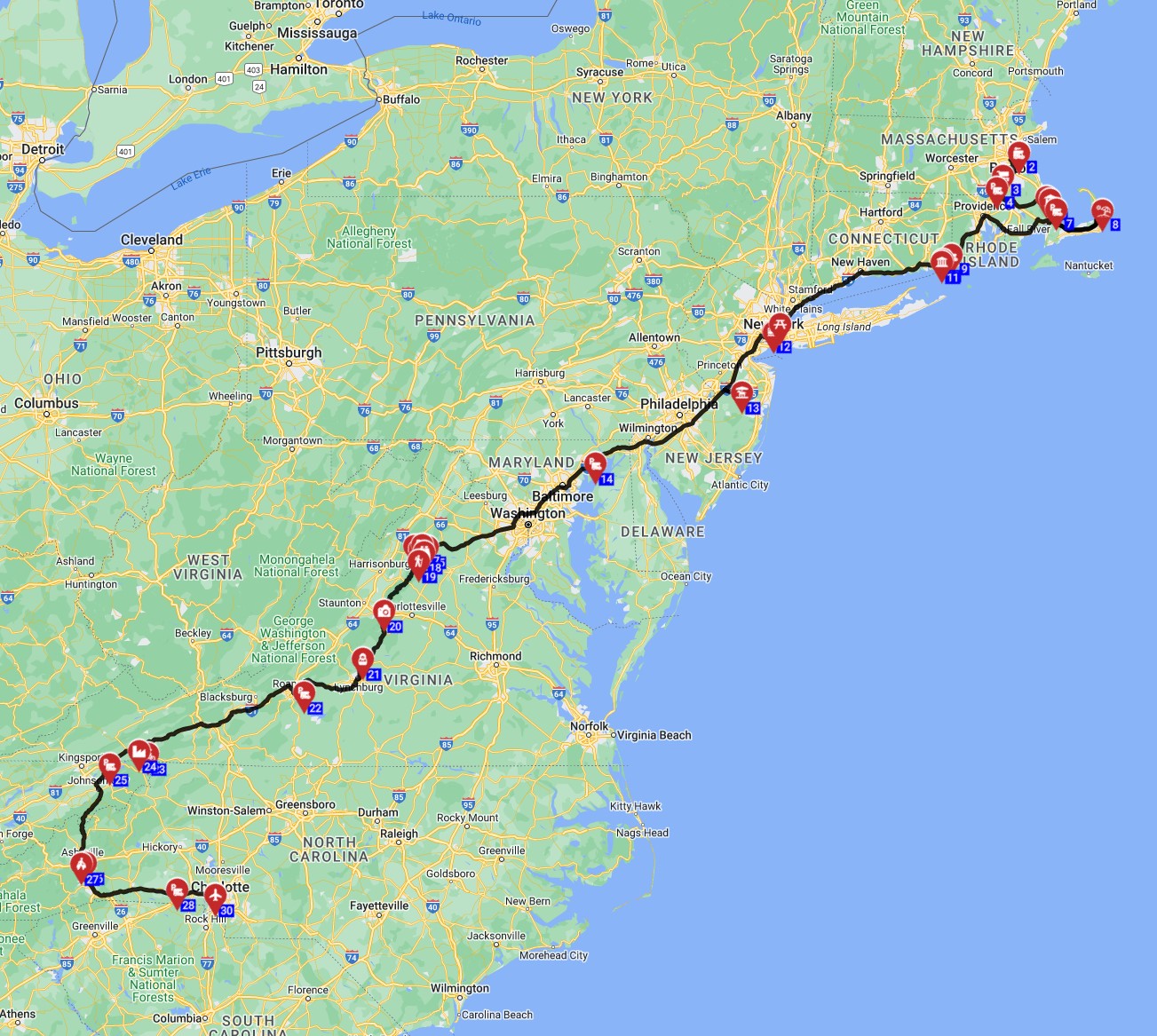
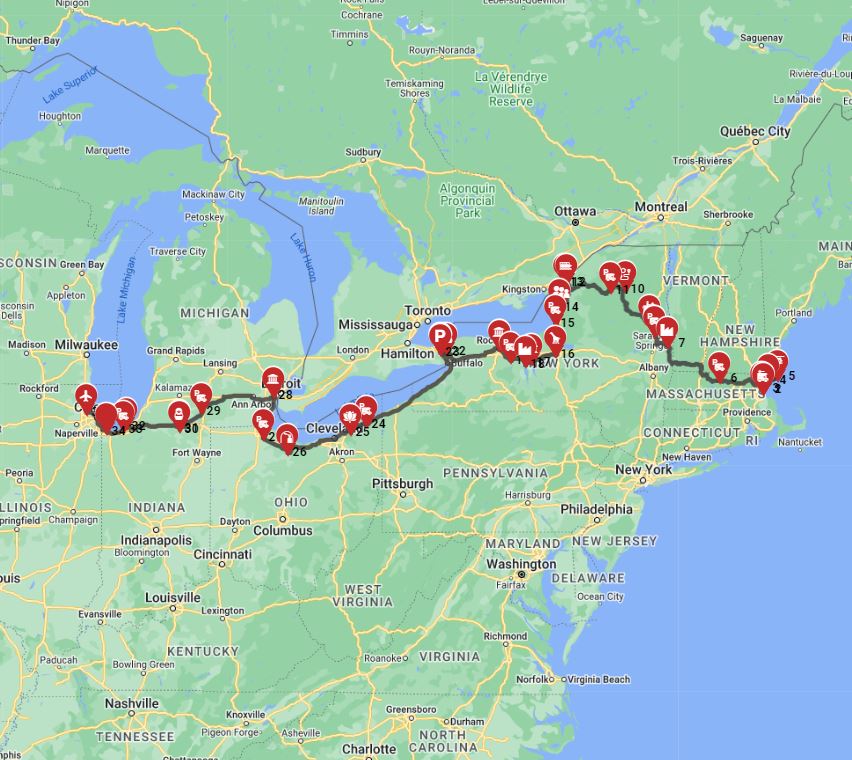
The North East US offers an incredible backdrop for a family RV adventure, with its blend of historic cities, stunning coastlines, and majestic mountains. Whether you're dreaming of leaf-peeping in Vermont, exploring the coastal charm of Maine, or delving into the rich history of Massachusetts, a rented motorhome or campervan gives your family the freedom and flexibility to truly immerse yourselves in the journey. For live availability and current prices, start with our RV Rental North East US - Complete Guide 2024 guide, which provides all the essential information to kickstart your planning.
What family rv rental RV Rental Costs in North East US (2024)
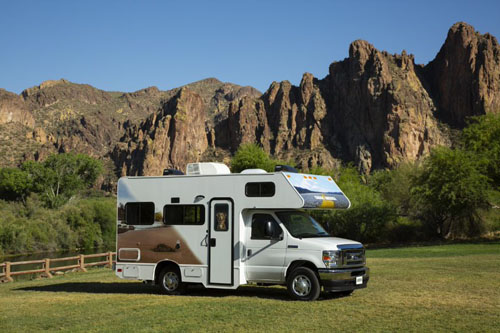
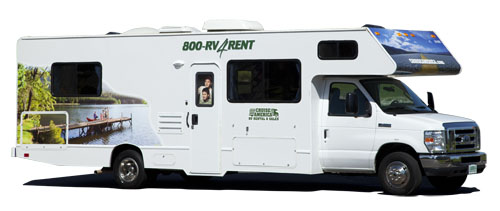
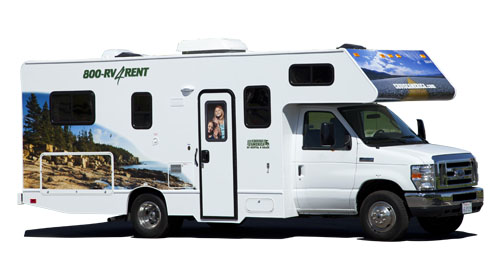
April is typically the cheapest month for RV rental in the North East US, offering significant savings before the summer rush. Family-size RV rental costs in the North East US vary significantly based on vehicle class, rental duration, and seasonality, similar to how airline tickets fluctuate daily. For instance, a compact Class B campervan, perfect for a couple or small family, might average $100-$200 per night, while a larger Class C motorhome for 4-6 people could range from $150-$400 per night. Luxury Class A motorhomes, offering spacious living for bigger families, can exceed $500 per night. Prices are dynamic and change daily, reflecting demand and availability across suppliers like El Monte and Cruise America, making real-time comparison essential. To see prices including the most comprehensive coverage, select that option during your search; then all relevant insurance options will be shown for full transparency. Always check live prices for your specific dates and desired RV type through the search functionality.
Live April Price Comparison — RV Class × Trip Length
Trip length Class A Class B Class C Class SI Class TC 1 week
15/04 → 22/04 Check prices 607.16 $ AU 1,638.00 $ AU 1,749.60 $ AU 2,064.96 $ AU 2 weeks
15/04 → 29/04 Check prices 962.36 $ AU 2,804.42 $ AU 3,137.45 $ AU 3,871.80 $ AU 1 month
01/04 → 30/04 Check prices 1,673.37 $ AU 5,905.76 $ AU 6,408.72 $ AU 6,977.99 $ AU
Estimates only — flex-rate prices change daily based on availability and season.
Live April Price Comparison — RV Class × Trip Length
| Trip length | Class A | Class B | Class C | Class SI | Class TC |
|---|---|---|---|---|---|
| 1 week 15/04 → 22/04 | Check prices | 607.16 $ AU | 1,638.00 $ AU | 1,749.60 $ AU | 2,064.96 $ AU |
| 2 weeks 15/04 → 29/04 | Check prices | 962.36 $ AU | 2,804.42 $ AU | 3,137.45 $ AU | 3,871.80 $ AU |
| 1 month 01/04 → 30/04 | Check prices | 1,673.37 $ AU | 5,905.76 $ AU | 6,408.72 $ AU | 6,977.99 $ AU |
Estimates only — flex-rate prices change daily based on availability and season.
Seasonal Pricing - Peak vs. Shoulder vs. Off-Season in North East US
RV rental prices in the North East US are heavily influenced by seasonal demand, with distinct peak, shoulder, and off-seasons. The peak season typically runs from July through August, coinciding with summer holidays, school breaks, and prime weather for coastal and mountain activities, leading to the highest daily rates and fastest booking. During this time, prices can change significantly day-to-day, necessitating checking specific dates for accurate quotes. Shoulder seasons, spanning May-June and September-October, often offer a perfect balance of good weather, vibrant fall foliage, and more moderate pricing, presenting excellent value. The off-season, from November through April, generally presents the lowest rental rates, with April specifically noted as a more affordable month before the spring surge. This is an ideal time for travelers seeking quiet getaways and significant savings.What's Included vs. What's an Add-On
What's included in an RV rental versus what constitutes an add-on varies significantly by RV and rental station, requiring careful verification for each booking. Basic insurance is always included in every rental, providing fundamental coverage, but you can upgrade to a top-level deductible for extra peace of mind. Many suppliers offer various deductible reimbursement options. Common add-ons can include additional mileage packages, generator usage hours, kitchen kits, bedding, and specialized equipment like bike racks. For example, a 6-berth Class C motorhome like the `MH-C` might include a gas stove and refrigerator, but kitchen utensils or bedding for 4-6 people might be an extra fee. Many rental listings allow you to use comparison toggles to easily see if kitchen utensils, tableware, and bedding are included, which helps ensure full transparency with no surprises.Hidden Costs to Budget For in North East US
When planning an RV trip in the North East US, it's crucial to budget for several hidden costs beyond the base rental fee, specific to the region's unique infrastructure. Tolls are a significant consideration in many North Eastern states like New York, New Jersey, and Massachusetts; some RVs offer options to pre-purchase toll-road usage to avoid surprise charges and fines. Campsite fees vary widely, from budget-friendly state parks (e.g., $20-$40/night) to more luxurious private campgrounds (e.g., $50-$100+/night), with costs fluctuating seasonally, especially in popular coastal or mountainous areas. Fuel costs, which can fluctuate regionally across the dense North East corridor, will be a major expense, especially for larger motorhomes with a 208-liter fuel tank like the `C-30`. Propane refills, dump station charges, and potential ferry costs for island destinations like Martha's Vineyard or Block Island should also be factored into your North East US RV budget. For detailed financial planning, RV PLANET routes allow travelers to itemize and track every expense along the way for easy budgeting. Imagine yourself preparing delicious meals in your rented motorhome's kitchen, saving significantly on restaurant bills. For inspiration, check out our RV-friendly recipes playlist!How to Save on family rv rental RV Rental in North East US
Saving on a family RV rental in the North East US involves strategic planning and utilizing available discounts and booking advantages. Booking during the shoulder season (May-June, September-October) or off-season (November-April) can significantly reduce daily rental rates compared to peak summer months. Opting for a longer rental duration, such as a two-week adventure rather than shorter trips, often results in a lower daily rate, providing better value. Pre-purchasing toll usage through your rental provider, if available, can often be cheaper than paying at the booth or incurring fines later for missed tolls in the dense NE corridor. Additionally, utilizing campground discount cards, often offered by Bandana's network of suppliers like Cruise America and El Monte, can further reduce overnight camping fees at participating North East campgrounds. Choosing a smaller RV class, if it comfortably fits your family (e.g., a Class C `CA-25` for 5 people or a nimble campervan like `luxury rv rentals example Carthago Malibu 600`), can save money on both the rental rate and fuel costs, which is particularly beneficial on the North East's narrower roads. Remember, Bandana RV offers a 25% planning discount when you use rvplan.net to organize your journey, rewarding pre-planners.How much does a family size RV cost?
A family-size RV rental in the North East US typically costs between $150 and $400 per night, depending on the RV class, specific amenities, duration of the rental, and booking season. Class C RVs, with an average length of 7-9 meters and sleeping capacity for 4-7 people, are often considered ideal for families due to their balance of size, amenities, and maneuverability. Weekly rates for these generally range from $1,000 to $2,500 during peak season in the North East, with models like the `MHC28` offering amenities for 7 people. Larger Class A motorhomes, offering more space and luxury for bigger families, can command higher prices, potentially exceeding $3,000 per week. The most accurate cost for a family-size RV will be determined by your specific travel dates and the type of RV chosen, as demonstrated in the pricing table above. Beyond the daily rate, factor in costs for mileage, insurance, and potential add-ons that contribute to the overall family RV trip budget.Is it cheaper to rent an RV or stay in hotels?
For families traveling in the North East US, renting an RV can often be cheaper than staying in hotels, especially for longer trips or when visiting multiple destinations. The comparison heavily depends on the number of travelers, the type of RV or hotel, and the specific locations in the North East, where hotel prices can skyrocket in popular coastal towns like Cape Cod or Bar Harbor during peak season. With a rented RV, you save on multiple hotel room bookings for a family of four or more, and often on dining out by preparing meals in the RV's kitchen. However, RVs have their own associated costs like rental fees, fuel (a Class A motorhome like `Class A - Thor ACE 30` can consume 25-35 liters per 100 km), campground fees, and insurance, which need to be weighed against hotel costs, restaurant meals, and potential transport expenses. For a family exploring multiple North East states like Maine, Vermont, and New York, the consolidated lodging and dining costs of an RV can present significant savings compared to booking several hotel rooms.How much does it cost to rent an RV to travel across the US?
Renting an RV to travel across the US, while not strictly focused on the North East, typically involves costs ranging from $2,000 to $10,000 or more for a multi-week journey, excluding fuel and other expenses. Factors like the RV class, rental duration (longer trips often have lower daily rates), season, and whether it's a one-way trip (which often incurs a substantial drop-off fee from $300-$1500 depending on distance) significantly impact the total cost. Long-distance travel across the US will also incur considerable fuel costs, potentially thousands of dollars, depending on the RV's fuel efficiency and current gas prices. Mileage limits are common with many suppliers (e.g., 100-150 miles/day included, with extra miles costing $0.35-$0.75/mile), and exceeding them will result in additional per-mile charges, which quickly add up over cross-country distances. Consider an average daily rental rate of $150-$300, multiplied by the number of travel days, then add a robust budget for fuel, food, and campground fees across various regions. For travelers considering such an epic journey, our "RV Rental USA - Complete Guide 2024" offers an excellent starting point.What is the cheapest way to rent an RV?
The cheapest way to rent an RV often involves selecting a smaller, more fuel-efficient model, booking during the off-season, and opting for longer rental periods to secure better daily rates. Renting a Class B campervan, such as the `luxury rv rentals example Carthago Malibu 600` (5.99 meters long with a 2.3 L engine) or a smaller Class C RV can significantly reduce costs compared to larger Class A motorhomes, especially beneficial for navigating the North East's winding roads and smaller towns. Booking several months in advance, particularly for popular North East destinations during shoulder seasons, can lock in lower rates before demand drives them up. Seeking out rental companies or listings that include generous mileage allowances or basic amenity kits can also reduce overall expenditure. Travelers can also take advantage of Bandana's 25% planning discount when using rvplan.net to organize their trip.How much does it cost to rent an RV in the USA?
The cost to rent an RV in the USA broadly ranges from approximately $100 per night for smaller campervans during the off-season to over $500 per night for luxury Class A motorhomes in peak periods. National averages encompass a wide spectrum, but most family-size Class C RVs, with capacities for 4-7 sleepers like the `MHC24`, typically fall into a range of $150-$300 per night, depending on location, season, and amenities. While this article focuses on the North East US, prices can vary regionally across the USA, influenced by local demand, climate, and the availability of rental fleets. Factors such as insurance, mileage packages, cleaning fees, and generator use are almost always additional and contribute to the final rental cost. Many rental providers, including Bandana's direct partners, offer discounts for extended rentals, making longer trips more cost-effective on a per-day basis.How much does a camper van cost for a week?
A campervan (typically a Class B or Class B+ RV) rental for a week in the North East US generally costs between $800 and $1,800, depending on the season, specific model, and included features. These compact and nimble vehicles, often under 6.5 meters in length with 2-4 berths, are increasingly popular for North East travel due to their ease of driving on narrower roads and parking in quaint towns. During the peak summer months (July-August) in popular North East destinations like coastal Maine or the Adirondacks, weekly campervan rates will be at the higher end of this spectrum. For shoulder seasons (May-June, September-October), you can expect rates closer to the mid-range, offering good value and less crowded attractions. Our "RV Travel Guide to North East US - Tips and Top Spots 2024" highlights many excellent destinations perfect for a campervan adventure.How much to rent an RV in Colorado?
While this article focuses on family RV rental in the North East US, renting an RV in Colorado typically ranges from $120 to $350 per night, varying significantly by season and RV class. Colorado's peak season for RV rentals is during the summer (June-August) for mountain adventures and sometimes during ski season for specialized winterized units. Factors influencing Colorado RV rental costs include the specific city of pickup (e.g., Denver), the type of RV (Class C being popular), and the rental duration. Generally, prices can be comparable to the North East for similar RV types and seasons, but local demand for mountain access and national parks can drive prices up. Always check specific Colorado-based rental providers for accurate pricing and availability for your desired travel dates, or explore our `rv rental denver example Category Van` options for a local flavor.What is the best RV rental company in the US?
Determining the 'best' RV rental company in the US is subjective, as it depends on individual needs regarding budget, RV type, pick-up locations, and customer service priorities. Major national companies like Cruise America and El Monte RV offer extensive fleets of Class C and Class A motorhomes and multiple locations across the US, including key North East hubs. Bandana RV partners directly with over 50 leading global RV suppliers, including these, to offer a wide selection and competitive pricing with full transparency. The best company for a family RV rental in the North East US will be one that offers convenient pick-up/drop-off points within the region (e.g., Boston, New York, Philadelphia), a fleet suited to North East roads (e.g., smaller, more nimble RVs are great, but larger ones can navigate just fine with careful driving), and comprehensive insurance options. Our customers benefit from 24/7 support for pre-booking inquiries and post-booking coordination.What is the 3-3-3 rule for RVs?
The 3-3-3 rule for RVs is a popular guideline for safe and enjoyable road trips, especially useful when navigating the diverse landscapes and potential traffic of the North East US. This rule suggests driving no more than 300 miles (approximately 480 km) per day, stopping every 3 hours for a break, and arriving at your campground by 3 PM. Adhering to the '3 hours' part helps prevent driver fatigue, which is crucial on the North East's often winding and sometimes congested roads. The '300 miles' guideline encourages a relaxed pace, allowing families to enjoy scenic routes and avoid rushing, particularly important when exploring charming North East towns and national parks like Acadia or the White Mountains. Arriving by '3 PM' ensures ample time to set up camp, explore the campground, and relax before dark, which can be particularly advantageous in popular North East campgrounds where prime spots fill quickly. Our "First-Time RV Driving in North East US - Beginners Guide 2024" expands on more practical driving tips for the region.Are RV prices dropping in 2026?
Predicting whether RV prices will definitively drop in 2026 is challenging, as market trends are influenced by a complex interplay of economic factors, consumer demand, and supply chain dynamics. RV prices were historically elevated post-pandemic due to increased demand for outdoor travel and supply chain disruptions, but recent years have seen some stabilization. Factors that could lead to dropping prices in 2026 include a potential softening of consumer demand for recreational vehicles, increased inventory from manufacturers, or a general economic downturn. Conversely, sustained interest in RV travel, rising fuel costs impacting operational expenses, or ongoing inflation could keep prices stable or even see modest increases. For those planning a North East US RV rental in 2026, monitoring economic forecasts, industry reports, and booking early during shoulder seasons will remain the best strategies to secure favorable rates. Bandana RV, founded in 2001, has over 23 years of experience navigating these market fluctuations, providing authoritative insights.Top Cities for Family RV Rental in North East US
The North East US boasts several excellent cities for starting your family RV adventure, offering convenient pick-up locations and access to diverse landscapes.- Boston, Massachusetts: A hub for history and culture, Boston provides easy access to coastal New England, the mountains of New Hampshire and Vermont, and is often a starting point for exploring the "Luxury RV Driving in North East US - Scenic Routes 2024."
- New York City (nearby hubs), New York: While driving a rented RV in the city itself requires careful attention, nearby rental stations offer a gateway to the Finger Lakes, Adirondacks, or even southward towards Philadelphia and Washington D.C. Drive slowly and carefully, and you can drive almost anywhere without issues. No need to stress - just use common sense and pay attention.
- Philadelphia, Pennsylvania: Rich in American history, Philadelphia serves as a fantastic base for exploring Pennsylvania's Dutch Country, the Jersey Shore, or heading north to the Poconos.
- Portland, Maine: For those seeking a quintessential New England coastal experience, Portland is an ideal pick-up spot, leading to Acadia National Park and picturesque lighthouses.
- Burlington, Vermont: Nestled by Lake Champlain and surrounded by the Green Mountains, Burlington offers a perfect starting point for nature-focused trips, especially for smaller campervans.
- Baltimore, Maryland: Though slightly south, Baltimore provides access to the Chesapeake Bay, nearby historical sites, and routes connecting to the broader mid-Atlantic.
North East US Road Rules & Practical Info for RVers
Navigating the North East US in a rented motorhome requires understanding a few key regional specifics. Speed limits generally range from 55-65 mph (approximately 88-105 km/h) on interstates and highways, reducing to 25-45 mph (40-72 km/h) on secondary roads and in urban areas. All driving is on the right-hand side of the road. While a standard car driver's license is sufficient for all motorhome classes, an International Driving Permit (IDP) is recommended for international visitors. Emergency services can be reached by dialing 911. For connectivity, local SIM cards are widely available from providers like AT&T or Verizon at most grocery stores or dedicated stores, ensuring reliable mobile data coverage for navigation and communication. Many states in the North East have numerous toll roads, some of which are cashless, requiring electronic transponders or online payment post-travel; researching E-ZPass options or asking your rental supplier about toll solutions is advisable. Remember to travel slowly, aiming for a maximum of 100-150 km per day on average, to truly take time to feel the place, connect to the culture, the food, and the scenery. Our "Budget RV Driving in North East US - Save on Fuel 2024" guide offers valuable insights into managing expenses on the road.🎬 Video coming soon
What You Shouldn't Miss
- **Acadia National Park, Maine:** Drive the scenic Park Loop Road, hike rugged coastal trails, and enjoy fresh lobster rolls in Bar Harbor from your rented RV.
- **The Freedom Trail, Boston, Massachusetts:** Walk through 250 years of American history on this 2.5-mile urban trail, exploring iconic landmarks like Paul Revere's House and Faneuil Hall.
- **Niagara Falls, New York:** Experience the breathtaking power of one of the world's most famous waterfalls, easily accessible with a rented motorhome, offering nearby camping options.
- **The Adirondacks, New York:** Explore over 6 million acres of pristine wilderness, from tranquil lakes to challenging hiking peaks, perfect for a week-long or extended road trip.
- **Covered Bridges of Vermont:** Embark on a charming route to discover some of Vermont's more than 100 historic covered bridges, keeping an eye on posted height and weight limits for your RV.
- **Coastal Driving on Route 1, Maine:** Drive a portion of this iconic route, stopping at charming fishing villages, enjoying ocean views, and indulging in fresh seafood.