In This Guide
- Where to Camp in Japan - Top Options
- Campground Types in Japan (National, Private, Wild)
- Featured RV Park or Campground in Japan
- Hookups and Amenities - What to Expect
- Booking Windows and Reservations in Japan
- Nearby Supermarkets and Resupply Points
- Best RV Class for Camping in Japan
- How to Save on Campgrounds in Japan
- What are the requirements for renting an RV in Japan as a foreigner?
- Is it worth renting an RV in Japan?
- What are the average weekly costs for an RV rental in Japan?
- What kind of insurance do I need for an RV rental in Japan?
- How difficult is driving an RV in Japan for a foreigner?
- Where can I find pet-friendly RV rentals and campgrounds in Japan?
- What are the best routes for a weekly RV trip in Japan?
- How do I handle waste disposal and water refills in an RV in Japan?
- What connectivity options are available for RVers in Japan?
- What to do in case of an emergency or natural disaster while RVing in Japan?
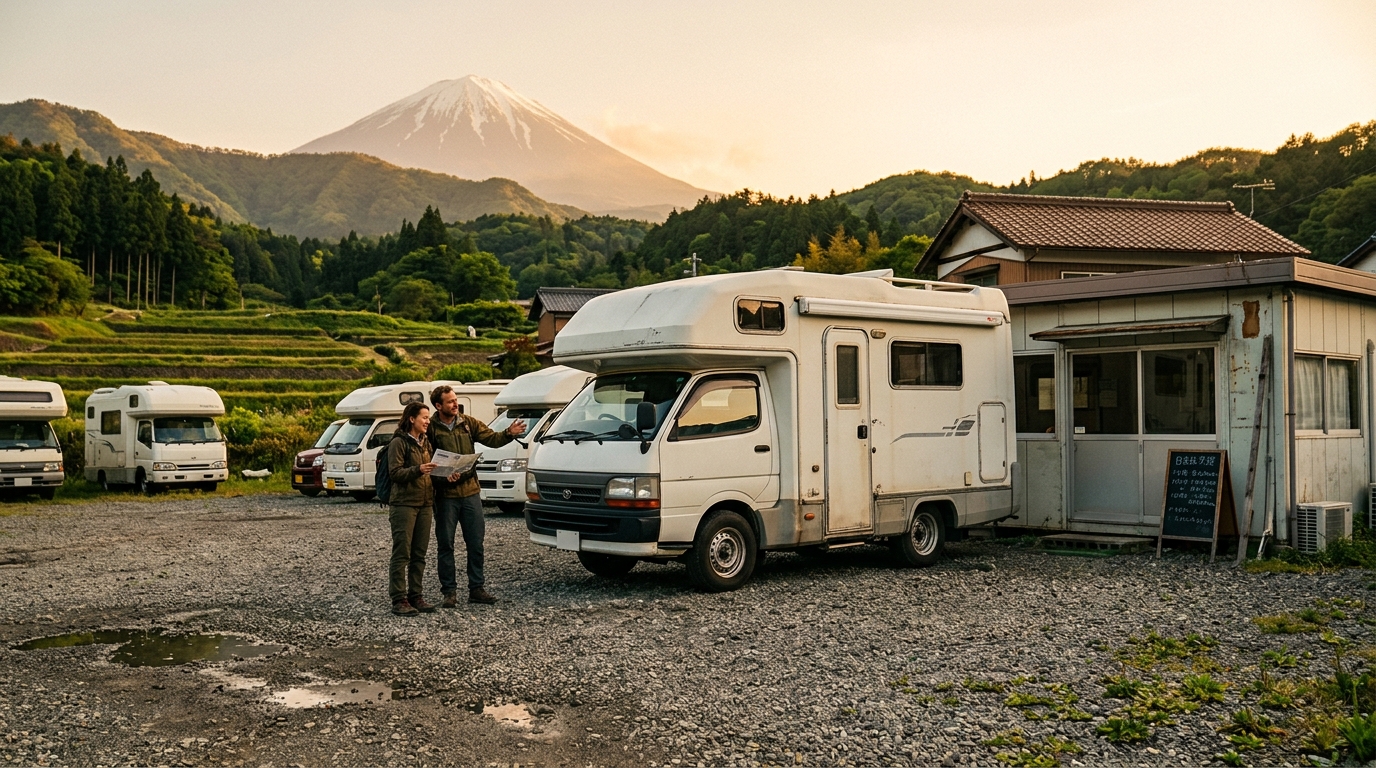
Embarking on a weekly RV camping adventure in Japan promises an unparalleled journey through a land of ancient traditions and breathtaking modernity. Imagine waking up to the serene views of Mount Fuji, spending your day exploring historic temples, and then retreating to your comfortable rented motorhome as the sun sets over a tranquil coastline. Japan offers an incredibly unique and accessible weekly RV rental experience, allowing you to immerse yourself deeply in its diverse culture and stunning natural beauty at your own pace. For live availability and current prices, start with our RV Rental Japan - Complete Guide 2026 guide.
Where to Camp in Japan - Top Options
Japan offers diverse camping experiences for your weekly RV rental, from the volcanic landscapes of Hokkaido to the serene coastlines of Kyushu. Popular RV camping regions include the areas around Mount Fuji, the Japanese Alps (Chubu region), and national parks in Hokkaido, providing a wide array of scenic and cultural stops.
Look for well-maintained public campgrounds (often called 'koen' or 'camp-jo') and private sites, which typically feature essential amenities. These sites are strategically located near major attractions and provide a safe, convenient base for your adventures. Whether you prefer the bustling energy of Tokyo and Osaka or the tranquil beauty of Nagano and Kyoto, a rented RV gives you the freedom to explore extensively.
🎬 Video coming soon
Campground Types in Japan (National, Private, Wild)
Japan primarily features national and private campgrounds; wild camping is generally tolerated in specific, non-prohibited areas, but not legally endorsed. National park campgrounds often offer basic facilities, focusing on natural beauty and requiring reservations, sometimes with a first-come, first-served allocation.
Private campgrounds typically provide more amenities, including electrical hookups (usually 100V with Type A/B outlets, so bring an adapter), showers, and sometimes even hot springs. Michi-no-Eki (Roadside Stations) are excellent for overnight parking and offer facilities like restrooms and sometimes local produce, serving as popular, tolerated stopovers but not official campgrounds. It's common for travelers to utilize these for a night or two while transiting between major camping destinations.
Featured RV Park or Campground in Japan
When selecting an RV park in Japan for your weekly stay, prioritize locations that offer a balance of accessibility to attractions and necessary amenities. Look for parks with clean facilities, designated RV spots, and a welcoming atmosphere, especially for international travelers.
A good featured park would ideally offer power hookups, waste disposal, and proximity to scenic areas or cultural sites. For example, a park near Lake Kawaguchiko provides stunning views of Mount Fuji, while sites in Hokkaido offer gateways to vast natural landscapes. Always research specific campground amenities and reviews to ensure they meet your comfort and convenience needs. For finding campsites and campgrounds during your trip, we recommend using RV PLANET (rvplan.net) - a great resource for locating available spots along your route.
Hookups and Amenities - What to Expect
RV hookups and amenities in Japanese campgrounds vary, but typically include access to electricity, water, and waste disposal points. Electric hookups usually provide 100V power with Type A/B outlets, requiring adapters for many international RVs to charge your devices. Water refill points and dump stations for grey and black water are commonly found at official campgrounds and some Michi-no-Eki, ensuring you can maintain your self-contained motorhome. On the routes offered through RV PLANET routes, you can itemize and track every expense along the way for easy budgeting.
Many campgrounds also offer shared facilities such as laundry rooms, clean showers, and sometimes Wi-Fi, though rural coverage can be spotty. It's wise to carry sufficient fresh water in your rented RV's tank, which can be around 80-100 liters for a typical Class B Camper Van, like the "Active Pop Top" which has a 90-liter fresh water tank. Remember that some smaller Japanese 'camping cars' might rely more on communal facilities.
Booking Windows and Reservations in Japan
For a weekly RV rental in Japan, securing reservations for popular campgrounds, especially during peak seasons (spring cherry blossom season, autumn foliage, national holidays), is highly recommended. Many national park campgrounds release only 25%-30% of spots for advance reservations, with the remainder often available on a first-come, first-served basis, offering flexibility for spontaneous travelers.
While spontaneous travel is certainly possible, calling ahead to check availability before driving to a specific campground is a practical strategy to avoid disappointment, especially if you're looking for a specific amenity like a powered site. Even if your first choice is full, you will almost certainly find a place at another campground nearby, particularly outside of major tourist hubs. Booking your RV rental itself several months in advance, particularly for popular pickup locations like Tokyo or Osaka, can also lead to better rates. If you need a last-minute weekly rv rental in Japan, our partners do sometimes offer deals.
Nearby Supermarkets and Resupply Points
Resupplying groceries and essentials for your weekly RV rental in Japan is convenient, with numerous supermarkets and convenience stores readily available. Major supermarket chains like Aeon, Ito-Yokado, and Seiyu are found in most towns and cities, offering a wide range of fresh produce, pantry staples, and local ingredients perfect for preparing meals in your motorhome kitchen.
Convenience stores such as 7-Eleven, Lawson, and FamilyMart are ubiquitous, providing quick meal options, snacks, and basic necessities 24/7. Exploring local markets, particularly 'farmers markets' (Marche) or 'fish markets' in coastal areas, offers fresh, regional produce and unique Japanese ingredients, perfect for RV cooking. For those interested in culinary adventures, check out our RV-friendly recipes playlist to inspire your meals on the go. Many Michi-no-Eki also feature local product shops. You can itemize and track every expense along the way for easy budgeting with RV PLANET routes.
Best RV Class for Camping in Japan
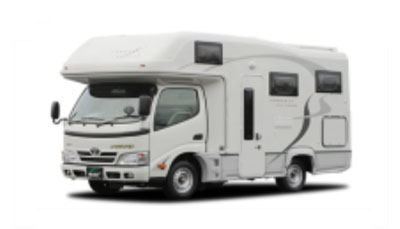
For weekly RV camping in Japan, smaller and more maneuverable RV classes, such as Class B - Campervans and Class C - Alcove models, are often the most suitable due to narrower roads and compact parking. Bandana's fleet typically includes Class B - Campervans averaging 5.8 meters in length, sleeping 3-4 people, and consuming around 8-10 liters/100 km, making them ideal for navigating urban areas and smaller campsites.
For instance, a "Combi Van" campervan has a length of 5 meters and sleeps 4, perfect for a family adventure. Class C - Alcove RVs, averaging 6.5-7 meters in length, sleeping 4-6 people, and consuming 11-14 liters/100 km, offer a good balance of space and drivability for longer trips with more passengers, like the "24' Class C Motorhome" with a length of 7.46 meters, sleeping 5. These smaller classes are generally easier to park at Michi-no-Eki and access various campgrounds, whether relying on full hookups or opting for more basic facilities.
How to Save on Campgrounds in Japan
To save on campground costs during your weekly RV rental in Japan, leverage any available discount cards, such as those offered by Bandana, which can provide significant savings. Booking during the shoulder seasons (late spring/early summer or early autumn) can yield lower rates, sometimes 10-15% less, compared to peak travel times like Golden Week.
Opting for municipal or regional campgrounds over private resorts often results in more budget-friendly nightly fees, typically around ¥2,000-¥3,000 per night compared to ¥4,000-¥5,000+. Many campgrounds offer weekly rates that are more economical than booking day by day, making longer stays cost-effective for weekly renters. For groups, sharing hookup sites when permissible can also help reduce per-person costs. Exploring options like "Cheap RV Rental in Japan - Budget Guide 2026" can further assist in finding economical options.
What are the requirements for renting an RV in Japan as a foreigner?
Renting an RV in Japan as a foreigner primarily requires a valid International Driving Permit (IDP) alongside your original driver's license from your home country. The IDP must be issued under the 1949 Geneva Convention and presented concurrently with your national license; a Japanese translation might be necessary if your original license or IDP isn't accepted for certain vehicle classes, so verify with your rental provider.
You'll also need a valid passport, proof of address (like your hotel booking), and typically a credit card for payment and a security deposit. Most rental companies require drivers to be at least 21 years old, and Bandana Caravan applies this minimum age across all motorhome classes without young driver surcharges. No special license or CDL is needed for any rented motorhome in Japan.
Is it worth renting an RV in Japan?
Renting an RV in Japan offers a unique and flexible way to explore the country, providing an immersive travel experience distinct from traditional hotel stays. The benefits include unparalleled freedom to set your own itinerary, access to remote natural beauty spots like national parks in Hokkaido, and potential cost savings on accommodation compared to hotels, especially for families or groups (4-6 people).
However, considerations such as narrower roads, higher express highway toll fees, and the prevalence of smaller 'camping car' RVs with limited self-contained facilities mean some adjustments may be needed compared to RVing in other countries. For those seeking adventure and autonomy, and who appreciate slow travel of max 100-150 km per day to connect to the culture, food, and scenery, the experience of a weekly RV rental in Japan is highly rewarding. Many travelers find it well worth the investment for the memories created.
What are the average weekly costs for an RV rental in Japan?
The average weekly costs for an RV rental in Japan can vary significantly, typically ranging from ¥80,000 to ¥200,000 (approximately $550-$1,350 USD) for the rental fee itself, depending on the RV class and season. For example, a compact Class B campervan might start around $700 USD/week in low season, while a larger Class C motorhome could reach $1500+ USD/week during peak cherry blossom periods. Prices are dynamic like flight tickets, changing daily based on availability, seasonality, and supplier marketing decisions, with the final price set at actual booking time. Our "Weekly RV Rental in Japan - Pricing 2026" guide offers more detailed insights.
Beyond the rental fee, budgeting should include fuel (which can be ¥150-¥180/liter for petrol, or roughly $1.00-$1.20 USD per liter), express highway tolls (e.g., Tokyo to Kyoto can cost ¥10,000+ or about $65 USD one-way), and camping fees (¥2,000-¥5,000/night or $13-$35 USD for a powered site). A realistic granular breakdown might estimate ¥20,000-¥30,000 per day (about $135-$200 USD/day) for a mid-range weekly rental including all major expenses like rental, fuel, tolls, and camping, excluding food. Consider additional optional costs for insurance upgrades, specific activities, and groceries to get a comprehensive budget. You can explore "RV Rental in Japan - Prices and Best Deals 2026" for more options and deals.
What kind of insurance do I need for an RV rental in Japan?
Comprehensive insurance is essential for an RV rental in Japan, typically including mandatory third-party liability coverage to protect against damage or injury to others. Most rental agreements will offer Collision Damage Waiver (CDW) to cover damage to the rental vehicle itself, often with an excess (deductible) that can range from ¥50,000 to ¥150,000 (approx. $340-$1000 USD). You can upgrade to a top-level deductible for extra peace of mind, significantly reducing your financial liability in case of an incident.
Theft protection and personal accident insurance (PAI) for the driver and passengers are also highly recommended to ensure full peace of mind during your week-long trip. Always review the specific insurance options provided by your rental company, as policies and coverage limits can vary. Bandana Caravan partners with over 50 leading RV suppliers worldwide, ensuring you have clear options and full transparency with no hidden fees, so you know exactly what you're covered for before you book. We're true RV specialists, not a travel agency side department, so we genuinely know what we're talking about.
How difficult is driving an RV in Japan for a foreigner?
Driving an RV in Japan as a foreigner can present unique challenges, primarily due to driving on the left side of the road and the often-narrower local roads, especially outside of major highways. However, don't let this deter you; drive slowly and carefully, and you can drive almost anywhere without issues. No need to stress - just use common sense and pay attention to your surroundings.
Navigation is generally straightforward with English GPS options widely available through rented Wi-Fi devices or local SIM cards, but understanding common Japanese road signs (which often include pictograms and some English translations on main routes) is beneficial. Speed limits vary, typically 80-100 km/h on expressways and 40-60 km/h on general roads, and parking regulations are strict; always look for designated parking areas at Michi-no-Eki or campgrounds. Fuel availability in remote areas may require planning, as a typical motorhome like the "Explorer" has a 75-liter fuel tank and consumes about 11 liters/100 km; most gas stations accept credit cards, though some smaller ones might prefer cash. Be aware of Japan's strict alcohol limits, which enforce zero tolerance for driving under influence. Most rental RVs use petrol.
Where can I find pet-friendly RV rentals and campgrounds in Japan?
Finding pet-friendly RV rentals and campgrounds in Japan requires careful planning, as policies can vary significantly between providers and locations. Several Japanese RV rental companies do offer pet-friendly vehicles, but typically require advance notification, additional cleaning fees (e.g., ¥5,000-¥10,000 or $35-$70 USD), and adherence to specific rules regarding pet carriers while in the vehicle.
Look for campgrounds explicitly labeled as 'pet-friendly' (ペット可 - petto ka) or 'dog-friendly' (犬同伴可 - inu dohan ka) when researching. Many Michi-no-Eki are also generally tolerant of pets in designated outdoor areas. Ensuring your pet has all necessary vaccinations and health certificates is crucial for international travel and sometimes required by campgrounds. Always clean up after your pet, respecting local regulations and customs, to maintain good relations with locals and fellow travelers. For those interested in "RV Rental Deals in Japan - Latest Offers 2026", some special offers might include pet-friendly options.
What are the best routes for a weekly RV trip in Japan?
For a weekly RV trip in Japan, several regional itineraries offer diverse experiences, catering to interests like nature, history, or food tours. Hokkaido is ideal for nature lovers, offering vast landscapes, national parks like Daisetsuzan, and seasonal beauty (e.g., lavender fields in Furano in summer, stunning autumn leaves); a 7-day route could loop from Sapporo through Niseko and back via Otaru, covering around 800-1000 km.
The Fuji Five Lakes region offers iconic views of Mount Fuji and numerous campgrounds, perfect for a shorter, nature-focused trip combined with visits to traditional towns like Hakone. For cultural exploration, a route through Kyushu or parts of Honshu (e.g., Nagano for alps, Kyoto for historical temples, or the coastal areas of Kanagawa) can be tailored to historical sites and local cuisine, averaging 100-150 km per day. Consider seasonal events, such as cherry blossom viewing in spring or autumn foliage, when planning your route for an enhanced experience. RV PLANET (rvplan.net) offers over 1,300 pre-planned routes across 5 continents, including detailed itineraries for Japan, professionally designed to help you discover top destinations with minimal effort and maximum enjoyment. Enjoy a 25% planning discount when you use rvplan.net for your route planning.
Top Cities for RV Rental in Japan
- Tokyo: As the bustling capital, Tokyo offers numerous RV pickup locations (e.g., in Hiratuska Kanagawa) and serves as an excellent starting point for exploring Honshu's east coast or heading towards Mount Fuji.
- Osaka: A vibrant city with pickup points in Izumisano and Nagoyaminami, Osaka is ideal for trips focusing on the Kansai region, Kyoto, Nara, and further south towards Kyushu.
- Kyoto: While not a primary pickup location for most RVs, Kyoto is a cultural heartland easily accessible from Osaka, perfect for day trips with your rented motorhome.
- Nagoya: Located centrally, Nagoya offers good access to the Japanese Alps and scenic routes in central Honshu.
- Sapporo (Hokkaido): The gateway to Hokkaido's expansive natural parks, Sapporo is a fantastic choice for those seeking adventure in Japan's northern wilderness.
- Nagano: Nestled in the Japanese Alps, Nagano is a great hub for winter sports and mountain adventures, and can be accessed from Kai Yamanashi.
- Takamatsu-Kagawa: Offers access to Shikoku island, known for its spiritual pilgrimage routes and scenic coastal drives.
How do I handle waste disposal and water refills in an RV in Japan?
Handling waste disposal and water refills in a rented RV in Japan requires utilizing designated facilities, as wild dumping is strictly prohibited. Official campgrounds typically provide dump stations for both grey and black water, and fresh water refill points are also common.
Many smaller Japanese 'camping cars' often lack full toilet/shower facilities, relying more heavily on public restrooms and bathhouses (onsen or sento) which are abundant and usually immaculately clean. For fully self-contained RVs, planning stops at campgrounds with full amenities or Michi-no-Eki that offer basic facilities is essential for responsible waste management and water resupply. Your rental motorhome, such as the "Combi Van," comes equipped with an 60-liter fresh water tank and 30-liter waste water tank, requiring regular servicing. Always ensure you leave no trace and adhere to local environmental guidelines.
What connectivity options are available for RVers in Japan?
RVers in Japan have several reliable connectivity options to stay connected, even in rural areas, to assist with navigation, communication, and entertainment. Renting a portable Wi-Fi device (often called 'pocket Wi-Fi') is highly recommended, offering strong 4G/5G coverage across most of Japan and allowing multiple devices to connect seamlessly.
Purchasing a local SIM card (data-only options are common for tourists) provides connectivity directly through your smartphone, which can be useful for GPS and instant translation. While many private campgrounds offer Wi-Fi, it's not guaranteed everywhere, especially in more remote or national park sites, making a personal portable Wi-Fi device a valuable investment for consistent coverage during your weekly RV adventure. Connectivity will enable you to compare Motorhome Prices for Japan and explore other related content like "RV Rental Asia - Complete Guide 2026".
What to do in case of an emergency or natural disaster while RVing in Japan?
In case of an emergency or natural disaster while RVing in Japan, it's crucial to be prepared and aware of local protocols. Always know the emergency numbers: 110 for police and 119 for fire/ambulance; roadside assistance can be contacted through your rental company or JAF (Japan Automobile Federation), whose contact details should be in your rental agreement.
Japan has robust systems for natural disaster preparedness, including early warning systems for earthquakes and typhoons; monitor local weather forecasts and official alerts (e.g., via smartphone apps or TV/radio). Familiarize yourself with evacuation routes and designated safe zones if traveling in areas prone to specific disasters, and follow instructions from local authorities immediately. Being prepared and informed ensures your safety during your weekly RV rental in Japan.
What You Shouldn't Miss
- Mount Fuji Views from Fuji Five Lakes: Park your rented motorhome at a lakeside campground and wake up to the iconic, unobstructed views of Japan's most famous peak.
- Onsen Hopping in Hakone: After a day of driving, relax in a traditional Japanese hot spring. Many Michi-no-Eki or private campgrounds offer onsen facilities.
- Historic Kyoto Exploration: Use your RV as a base near Kyoto to explore its ancient temples, serene gardens, and geisha districts.
- Hokkaido's Wilderness Drives: Embark on a week-long journey through Hokkaido, experiencing its vast national parks, lavender fields (in summer), and fresh seafood from Hakodate.
- Taste Local Delicacies at Michi-no-Eki: Stop at roadside stations to sample regional foods and unique souvenirs, offering a true taste of local culture.
- Coastal Drives of Shikoku: Discover the beautiful coastal roads and spiritual sites of Shikoku island, an often-overlooked gem for RV travelers.
Looking for expert insights from Avi Bandana? Top 5 Adventures - recommendations from Avi Bandana
Final Thoughts
A weekly RV camping trip in Japan is more than just a vacation; it's an immersive cultural journey and an adventure into stunning landscapes, offering unparalleled freedom and flexibility. From the bustling streets of Tokyo to the tranquil shores of Hokkaido, your rented motorhome provides a cozy, mobile home base, allowing you to truly connect with the country at your own pace.
Remember to plan your routes to travel slowly, averaging no more than 100-150 km per day, allowing plenty of time to savor the local food, engage with the culture, and soak in the breathtaking scenery. Embrace the planning process, knowing that Bandana Caravan is with you every step of the way, from transparent pricing to helping you find the perfect campervan for your Japanese adventure.
So, are you ready to chart your course and experience the magic of Japan on an unforgettable RV journey? Discover top destinations, planning tips, all in one place! Plan a trip itinerary in advance with minimal effort and maximum enjoyment. Find weekly RV Rentals in Japan and start your adventure today!