In This Guide
- Where to Camp in California - Top Options
- Campground Types in California (National, Private, Wild)
- Featured RV Park or Campground in California
- Hookups & Amenities - What to Expect
- Booking Windows & Reservations in California
- Nearby Supermarkets & Resupply Points
- Best RV Class for Camping in California
- How to Save on Campgrounds in California
- How much does it cost to rent an RV in California?
- What is the best time of year to RV in California?
- Are there specific RV regulations in California I should know?
- Can I boondock or wild camp with an RV in California?
- What are the best RV routes in California?
- How do I find pet-friendly RV parks in California?
- What are common RV challenges in California and how can I solve them?
- Are there accessible RV parks for travelers with disabilities in California?
- Where can I find unique, lesser-known campgrounds in California?
- What permits or special reservations are needed for RV camping in California?
California, a vast and diverse state, offers an incredible array of landscapes for a memorable RV camping adventure. From the towering redwoods of the north to the sun-drenched beaches of the Pacific Coast and the mystical deserts, there’s a perfect long-stay site waiting for every kind of explorer. Imagine waking up to the sound of crashing waves, or brewing your morning coffee surrounded by ancient trees- with a rented motorhome or campervan, these dreams become your daily reality. To truly unlock all the Golden State has to offer, a full week or even longer allows you to embrace the joy of slow travel, averaging 100-150 km per day, giving you time to immerse yourself in the culture, savor local foods, and soak in the breathtaking scenery.
Planning your extended stay can feel like a big task, but with the right guidance, it’s an exciting part of the journey. For live availability and current prices, start with our RV Rental California - Complete Guide 2026 guide. We're here to help you navigate everything from finding the perfect campervan to understanding local camping regulations, ensuring your California road trip is seamless and unforgettable. Remember, we sell the way we'd like to buy - with honesty, meaning no hidden fees, no surprises, and no tricks or gimmicks. What you see is what you pay.
Where to Camp in California - Top Options
California offers diverse RV camping experiences across its stunning landscapes, ranging from the redwood forests of Northern California to the pristine beaches along the coast and the unique deserts of the south. RV travelers can find exceptional long-stay sites throughout the state, catering to various preferences and trip styles. Consider coastal campgrounds in regions like Big Sur for unparalleled ocean views and dramatic cliffside settings, though these spots often book up well in advance. For iconic natural beauty, popular National Parks such as Yosemite, Joshua Tree, and Sequoia provide world-class camping, offering access to majestic waterfalls, unique rock formations, and giant sequoia groves. State Parks, particularly those around areas like Lake Tahoe, offer beautiful lakeside or mountain settings with a mix of amenities. Additionally, numerous desert retreats in places like Death Valley National Park or Anza-Borrego Desert State Park offer unique geological formations and exceptional stargazing opportunities, especially during the cooler months. Many of these parks are perfect for a Weekly RV Rental in California - Pricing 2026 provides more details on longer stays.Campground Types in California (National, Private, Wild)
RVers in California can choose between well-equipped private campgrounds, scenic national/state park sites, and designated dispersed camping (boondocking) on public lands. Private campgrounds typically offer full hookups, abundant amenities like pools, clubhouses, and often come at a higher price point, making them ideal for those seeking comfort and convenience during an extended road trip. National and State Park sites are renowned for their scenic beauty and proximity to natural attractions but may have limited hookups (often only water and electricity) and require competitive reservations due to high demand. For those looking for ultimate solitude and a budget-friendly option, wild or dispersed camping (boondocking) is free and available on designated Bureau of Land Management (BLM) and National Forest lands, requiring complete self-sufficiency but offering unparalleled immersion in nature. It's a great option for a cheap rv rentals in California experience. Regardless of your choice, each type provides a distinct experience for your weekly RV camping in California adventure.Featured RV Park or Campground in California
When selecting an RV park in California for your long-stay adventure, look for locations that offer a balance of essential amenities, proximity to attractions, and positive traveler reviews, whether you prioritize full hookups or natural surroundings. A prime example, without naming a specific park, would be a well-regarded resort-style campground near a major attraction like the Pacific Coast Highway, offering an average of 150-200 full hookup sites. Key features to seek include full hookups (electric, water, sewer) to support longer stays, on-site amenities like clean restrooms, hot showers, laundry facilities, and sometimes even pools, recreation halls, or Wi-Fi. A convenient location that provides easy access to California's diverse attractions such as beaches, national parks, wine regions, or top cities like San Francisco or San Diego, is also essential. Pet-friendly policies are a significant factor for many travelers with a rented campervan, ensuring furry family members can join the fun.Hookups & Amenities - What to Expect
In California, RV campgrounds typically offer a range of essential hookups and amenities to make your long-stay comfortable. You can expect 30-amp electrical hookups as standard across most parks, with 50-amp available for larger RVs or motorhomes like the "rv rentals utah example Sunrise Escape" which is 7.6m long and designed for extended stays. Potable water hookups are common at developed sites, and many offer sewer hookups for full convenience. If your site doesn't have a direct sewer connection, centralized dump stations are almost always available for waste disposal. Additional amenities frequently include clean restrooms with flush toilets and hot showers- perfect for refreshing after a day of exploring. Many campgrounds also provide Wi-Fi, though quality can vary, and on-site laundry facilities, which are incredibly useful for weekly RV camping in California. Some premium RV resorts even offer swimming pools, general stores, and recreational areas, enhancing your rental motorhome experience.Booking Windows & Reservations in California
Securing an RV campsite in California, particularly at popular national and state parks, often requires booking 6-12 months in advance due to high demand. For example, reservations for sites in Yosemite or along the Big Sur coast through Recreation.gov or ReserveCalifornia typically open in 6-month blocks and are snapped up quickly, especially for peak season (June-August) or holiday weekends. However, spontaneous travelers can frequently find first-come, first-served (FCFS) spots, as many national park campgrounds reserve 25-30% of their sites for daily arrivals. Private campgrounds generally offer more flexibility, but popular spots, especially those with full hookups, still book up. For last-minute trips or off-peak travel (spring or fall), calling ahead to smaller private parks or utilizing FCFS sites is often successful. You'll find a spot; if not at the first campground, then the next one. Just use common sense and call ahead before driving.Nearby Supermarkets & Resupply Points
RV travelers in California can easily resupply at major supermarket chains, which are widely available near popular RV routes and destinations. Look for prominent chains such as Safeway, Vons (often dominant in Southern California), Ralphs (a Kroger affiliate, strong in Southern California), Albertsons, and Sprouts Farmers Market for fresh produce and groceries. Walmart Supercenters and Target stores also offer extensive grocery sections and RV-friendly parking in many locations. For specialty items or organic options, Trader Joe's is a popular choice, though their parking lots can sometimes be tighter for larger motorhomes. Planning your resupply stops along your route helps you maintain your pantry for cooking meals in your rented motorhome's kitchen. To help manage your trip budget, remember that RV PLANET routes allow you to itemize and track every expense, including groceries, along the way.Best RV Class for Camping in California
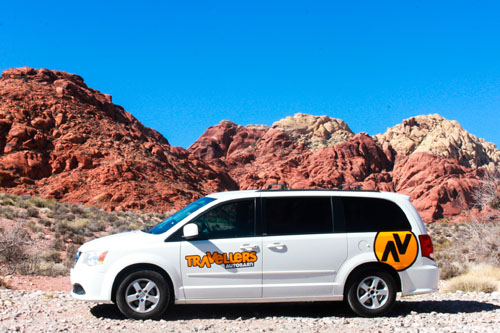
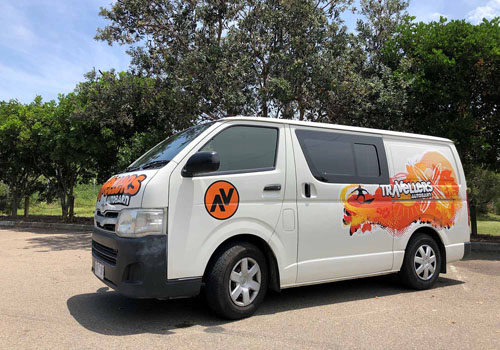
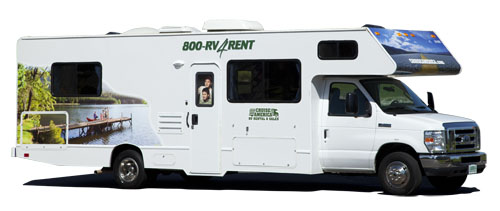
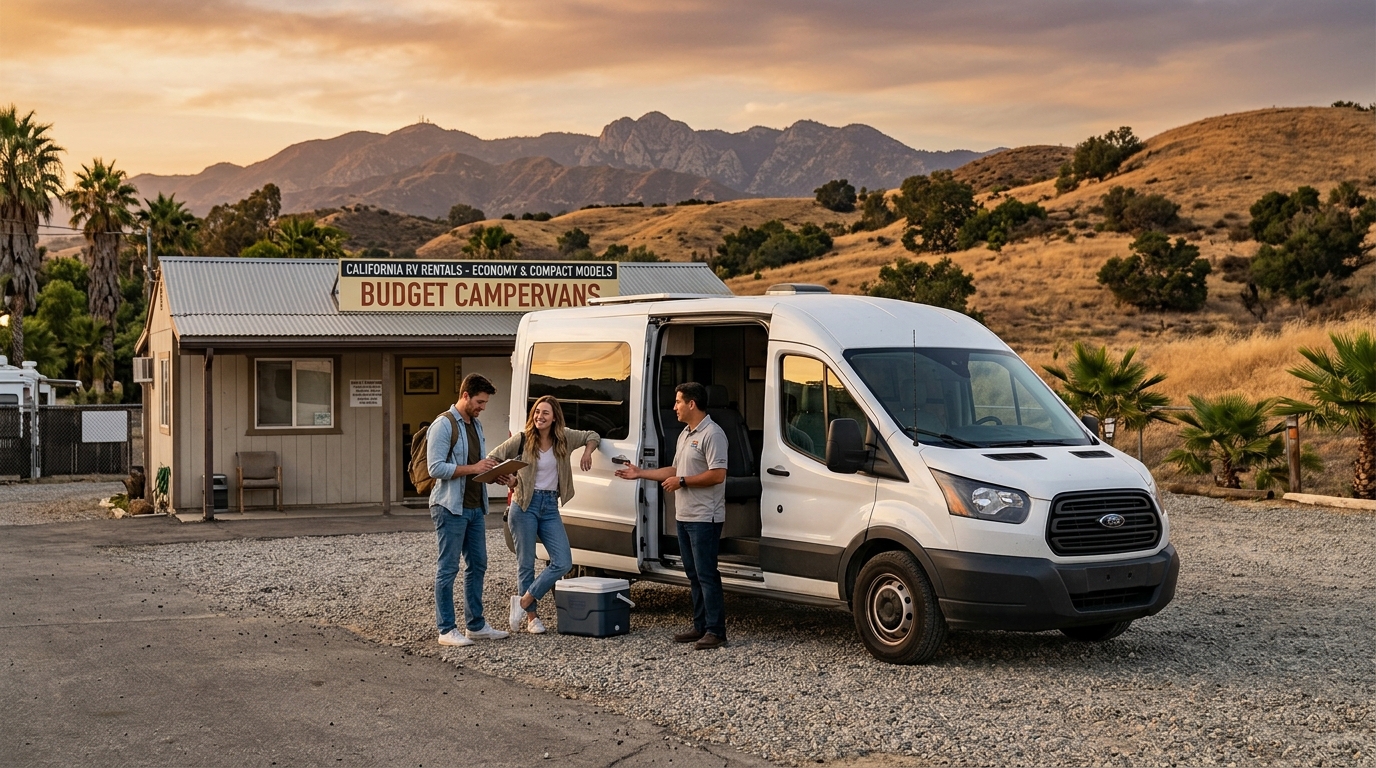
The best RV class for camping in California depends on your trip style and the number of travelers, with various options providing different levels of comfort and maneuverability. For couples or solo adventurers exploring winding coastal roads like Highway 1 or seeking discreet boondocking spots, Class B Camper Vans are an excellent choice. These compact units, with Bandana's fleet typically averaging 5.8 meters length and offering 3.2 sleeping places, are easy to drive and park, often achieving a common fuel consumption of 8-10 Liters/100 km. Examples include models similar to the "rv rental denver example Category Van."For families or groups of 4-6 seeking more living space and amenities, Class C Alcove RVs are a popular and versatile option. These motorhomes, like the "cruise america rv rental example Explorer" at 7.1 meters long with 4 sleeping places and a fuel consumption of 11 Liters/100 km, or a "24 Class C Motorhome" at 7.46 meters with 5 sleeping places, provide comfortable sleeping arrangements, full kitchens, and bathrooms. Their size is suitable for most campgrounds in California, offering a great balance for exploration.
Alternatively, Class SI Semi-integrated RVs, with Bandana's fleet typically averaging 6.9 meters length and 3.8 sleeping places, offer a sleek design and often slightly better fuel efficiency (10-11 Liters/100 km) compared to Class C. Models like the "2 Berth Tamar" provide a good balance of comfort and a more streamlined profile, perfect for couples or small families on a weekly RV rental in California. Larger Class A motorhomes, such as the "Class A - Thor ACE 30" at 9.37 meters with 6 sleeping places, offer the most luxury and space, ideal for larger groups or those seeking a premium experience, though they may face some access restrictions in smaller parks or on very narrow roads. Drive slowly and carefully, and you can drive almost anywhere without issues. No need to stress - just use common sense and pay attention.
How to Save on Campgrounds in California
To save money on campgrounds in California, utilizing discount programs and strategic planning are key. Consider using campground discount cards or memberships often offered through Bandana's partners, which can reduce nightly rates by 10-20% at participating private parks. Traveling during the shoulder season (April-May or September-October) often results in significantly lower prices and fewer crowds compared to peak summer rates, potentially saving you 20-30% on average. Choosing state, county, or municipal parks is generally less expensive than private RV resorts, with basic sites sometimes starting from $20-$40 per night. Always inquire about weekly or monthly rates if your stay is extended, as these can offer substantial savings over daily bookings. Additionally, exploring dispersed camping options on public lands, such as Bureau of Land Management (BLM) or National Forest areas, allows for free overnight stays, requiring only self-sufficiency. Our RV Rental in California - Prices and Best Deals 2026 provides more budgeting tips.How much does it cost to rent an RV in California?
The cost to rent an RV in California varies significantly based on factors such as RV class, rental duration, season, and included amenities, typically ranging from $100-$300 per night for smaller models like a campervan to $300-$500+ for larger luxury motorhomes. Prices are dynamic, similar to flight tickets, changing daily based on availability and seasonality. For example, a week-long rental of a Class C motorhome during peak summer can be considerably more expensive than a smaller Class B during the spring shoulder season. Beyond the rental rate, ancillary costs include fuel expenses, which can be significant given that many Bandana fleet vehicles average 10-12 Liters/100 km. Campground fees can range from $20 for basic dry camping sites to $80+ for full-hookup resorts, while insurance and provisions like food and activities also add to the total trip cost. Renting a motorhome with full transparency means there are no hidden fees or surprises when you book with us; what you see is what you pay.What is the best time of year to RV in California?
The best time of year to RV in California largely depends on your desired destination and activities, with spring (March-May) and fall (September-November) generally offering the most pleasant weather, fewer crowds, and moderate temperatures across diverse regions. Spring is ideal for wildflowers, especially in deserts and the southern coast, and offers comfortable temperatures before the intense summer heat sets in. Summer (June-August) is peak season, excellent for higher elevations like the Sierra Nevada mountains, but expect inland heat, significant crowds, and higher prices for campgrounds and attractions. Fall brings vibrant foliage to mountain and wine country regions, along with comfortable temperatures, perfect for exploring. Winter (December-February) is mild on the coast and in deserts, providing a quieter experience, but brings snow and potential road closures to mountainous areas, making some routes inaccessible for RVs.Are there specific RV regulations in California I should know?
California has specific RV regulations covering various aspects such as fire restrictions, boondocking rules, generator hours, and vehicle length/weight limits, which are crucial for a safe and legal trip. Firstly, strict fire restrictions are common, especially during the dry season (typically May-October), often prohibiting campfires or requiring specific camp stoves in certain areas; always check current local fire bans. Boondocking is generally legal on designated Bureau of Land Management (BLM) and National Forest lands but is largely prohibited in most other areas, including city streets and private property without permission. Generator hours in developed campgrounds are typically restricted, often between 8 AM and 8 PM, to minimize noise disturbance. While a standard car driver's license is sufficient for all motorhome classes, be aware of vehicle length and weight limits on certain scenic routes, such as sections of the Pacific Coast Highway, or in some national parks. Drive slowly and carefully, and you can drive almost anywhere without issues. No need to stress - just use common sense and pay attention. Proper etiquette for dump stations and waste disposal is also strictly enforced to protect California's natural environment.Can I boondock or wild camp with an RV in California?
Yes, boondocking (also known as dispersed camping or wild camping) with an RV is legal and common on designated Bureau of Land Management (BLM) and National Forest lands in California, provided you adhere to specific local regulations and Leave No Trace principles. Travelers can typically boondock for up to 14 days within a 28-day period on most BLM and National Forest lands within a given area. It is generally not permitted in California State or National Parks (except in designated campgrounds), on private property without permission, or in urban areas. Boondocking requires full self-sufficiency, meaning you must carry in all your water and supplies, and carry out all waste, including grey and black water, to a designated dump station. Always check the specific district's website or visitor center for current rules, fire restrictions, and road accessibility before planning to boondock, as conditions can change rapidly.What are the best RV routes in California?
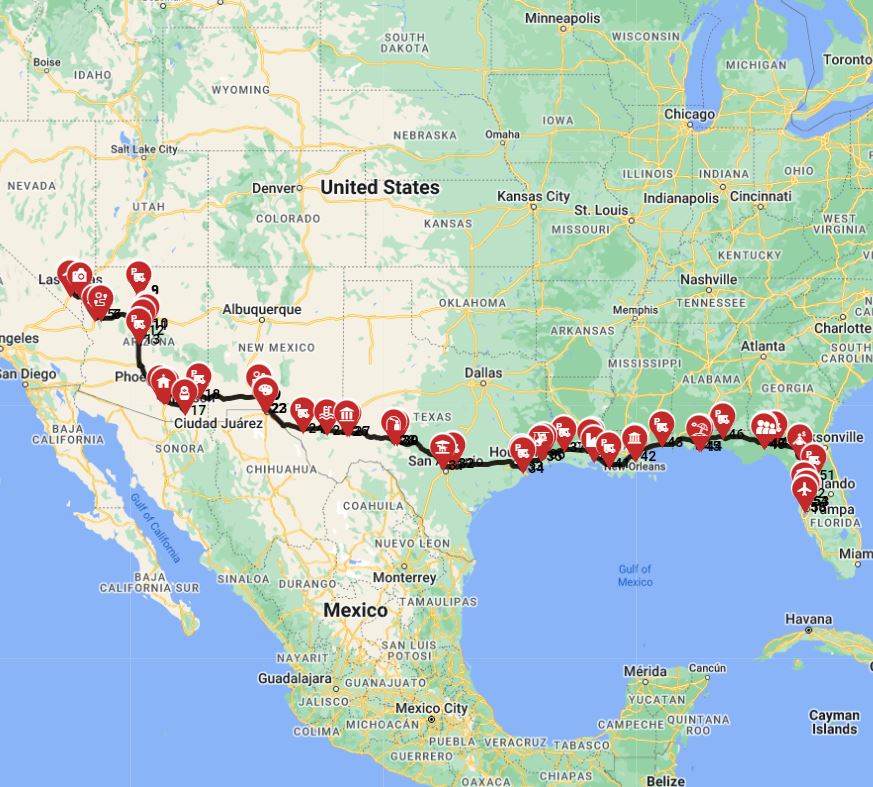
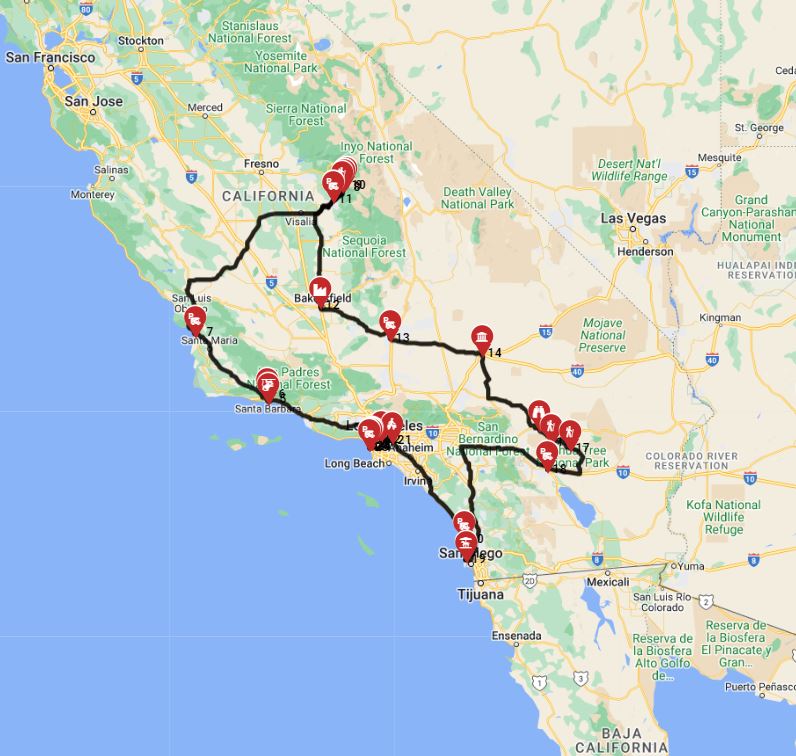
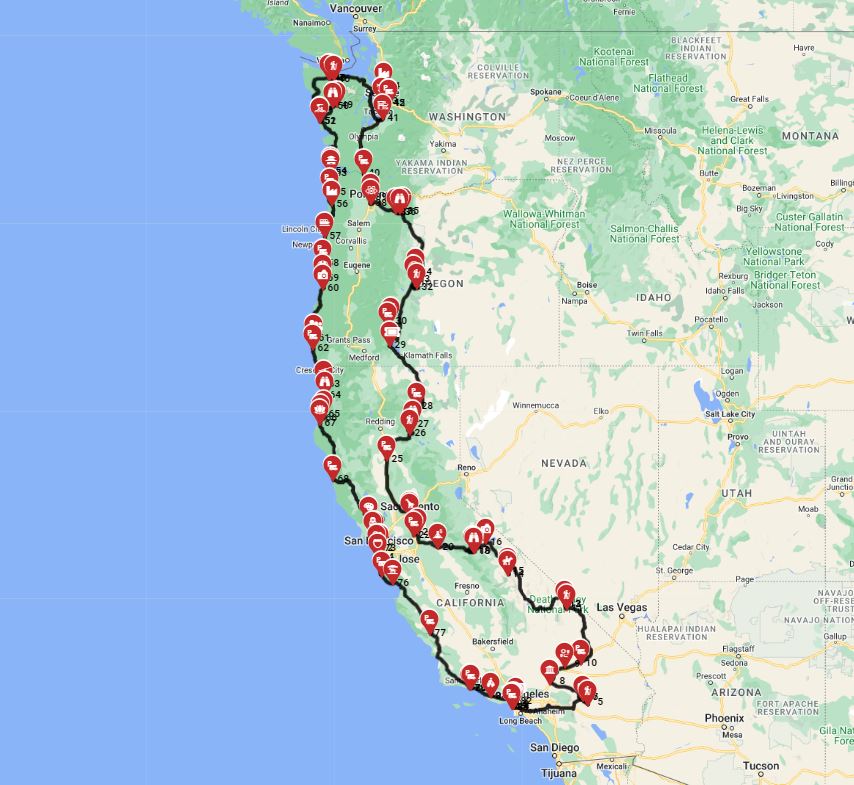
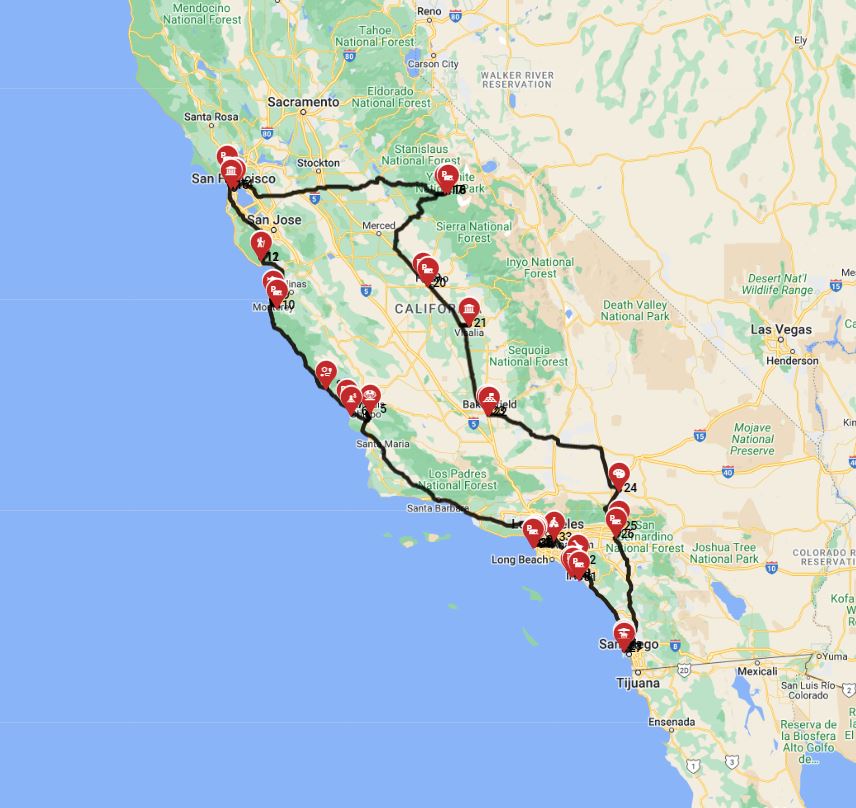
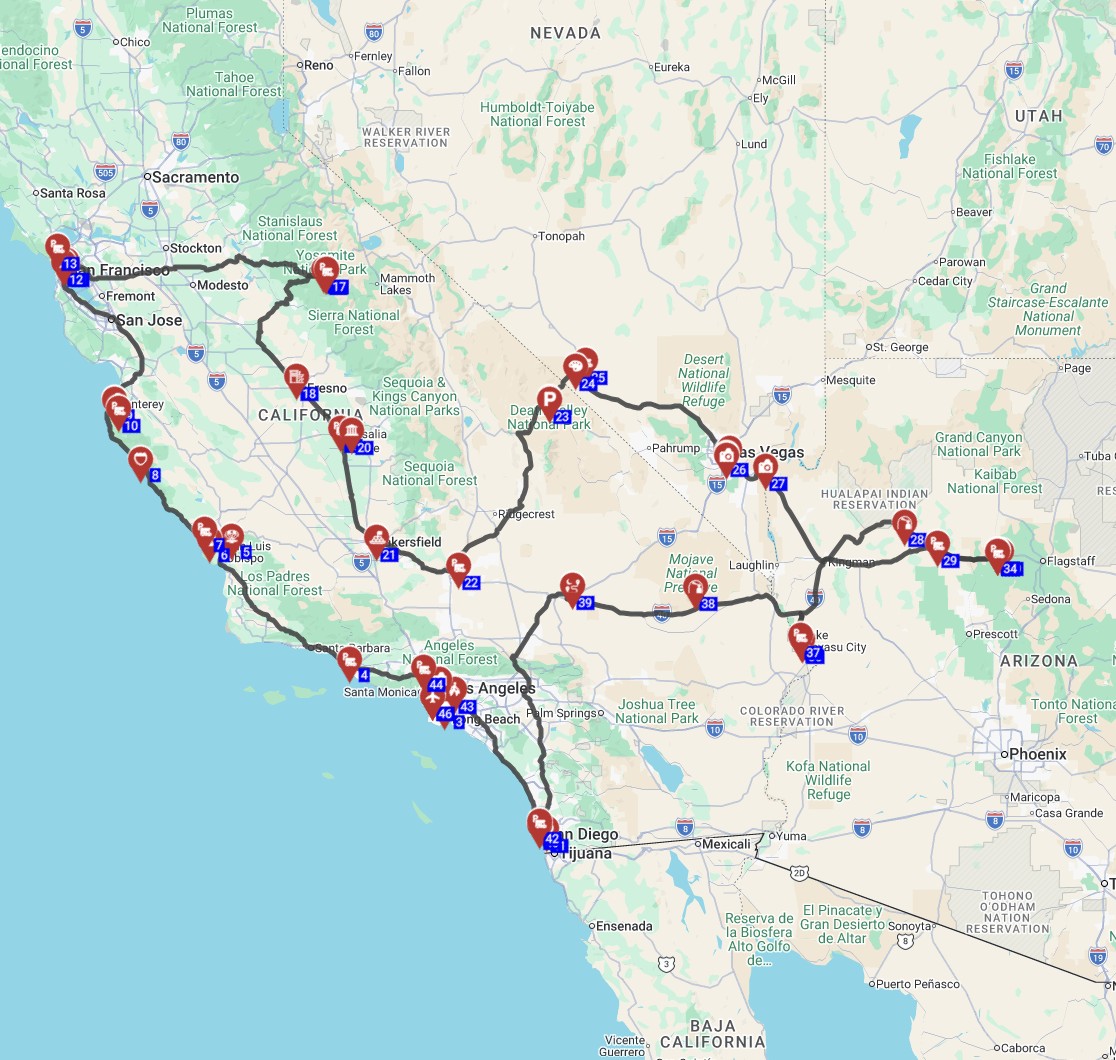
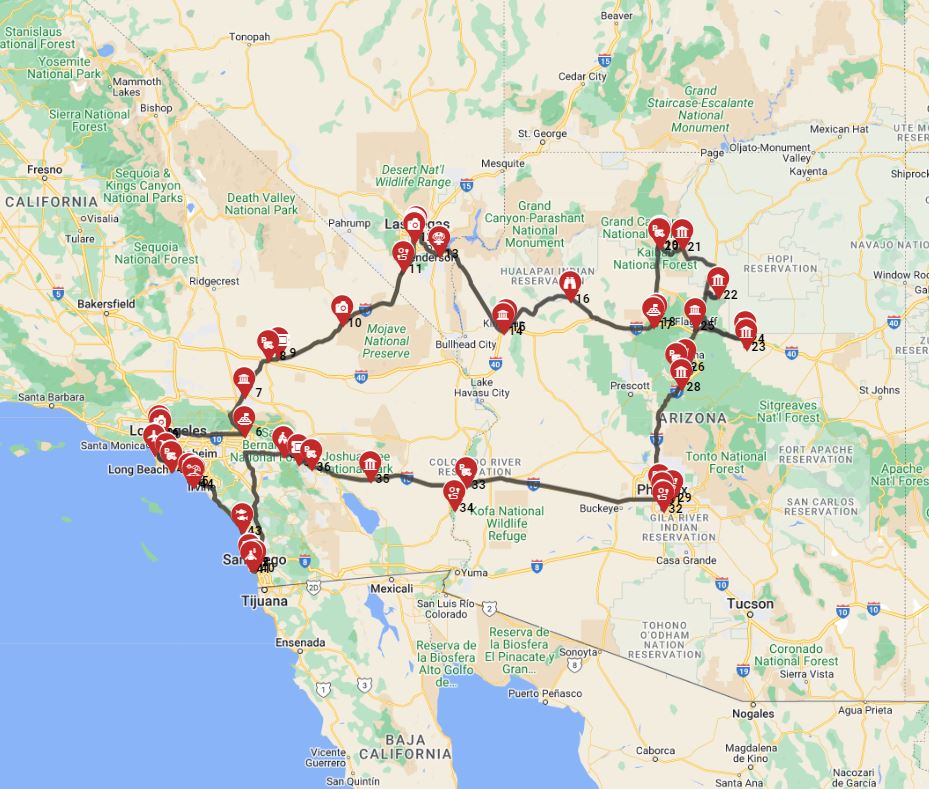
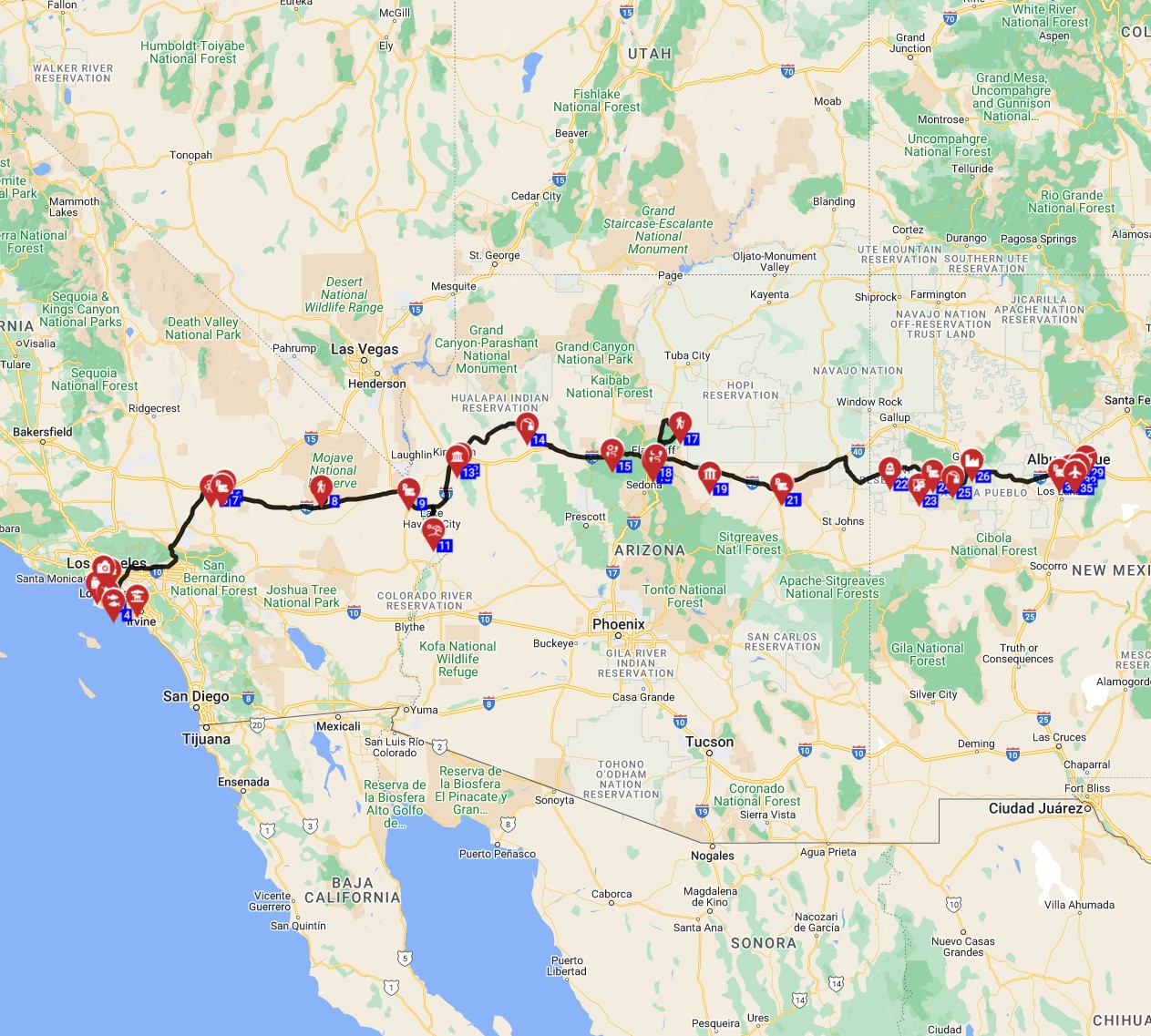
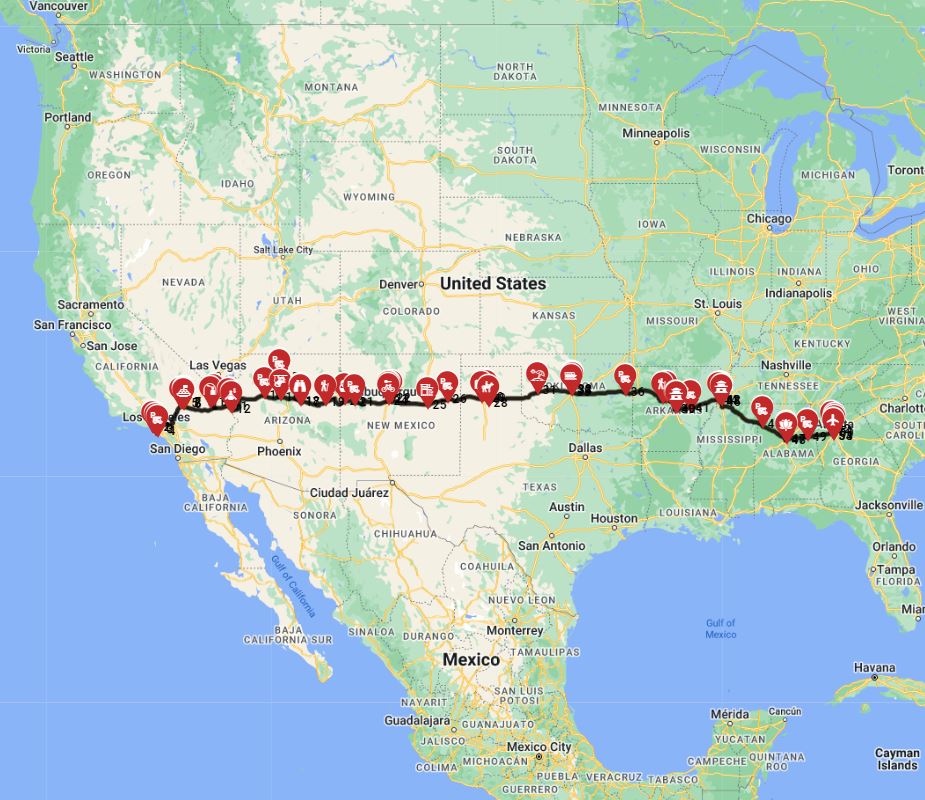
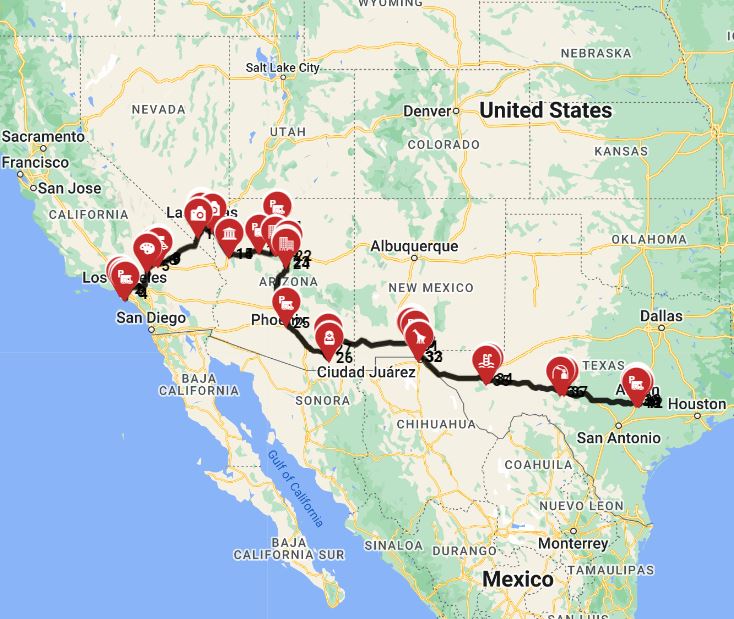
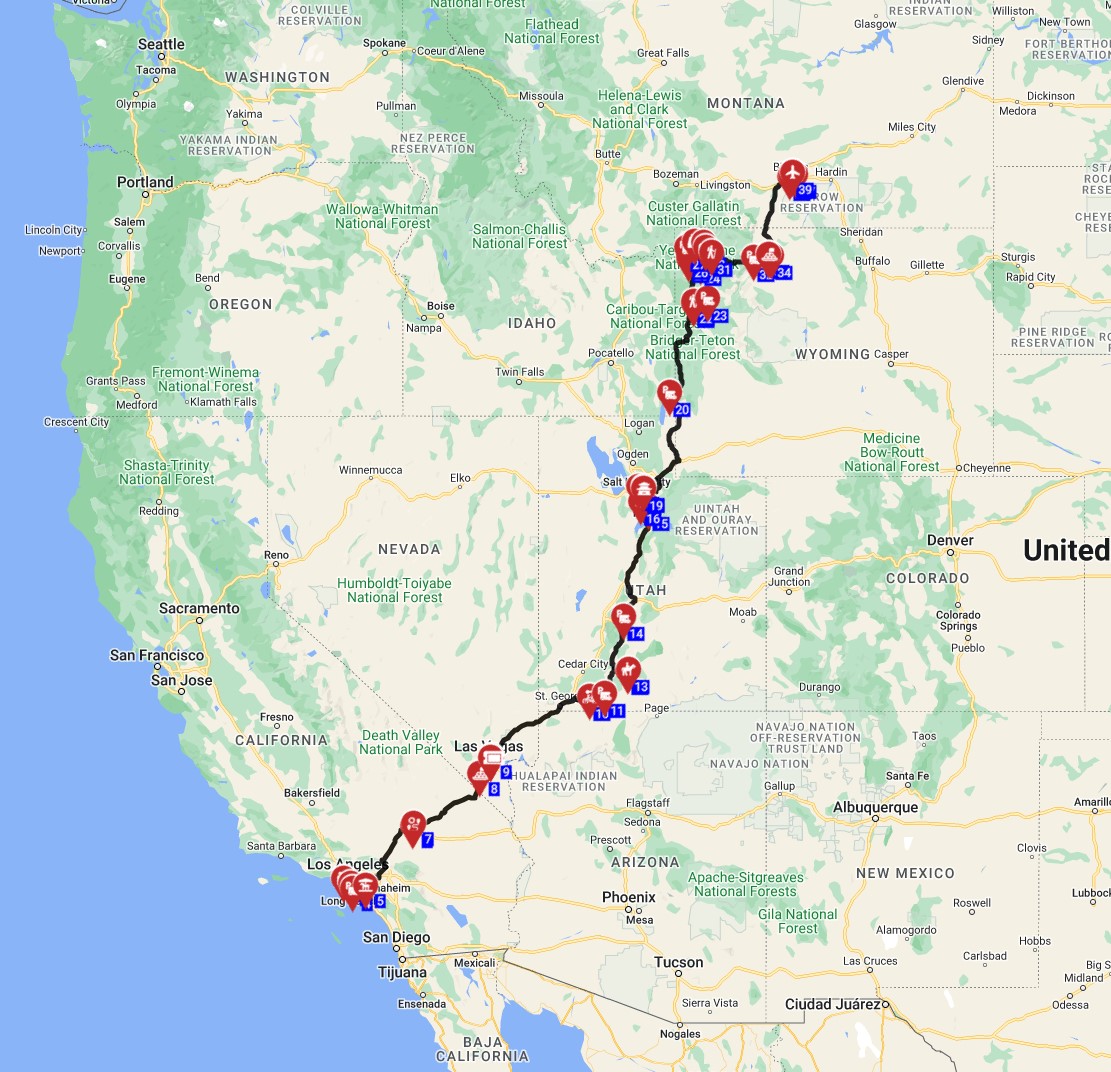
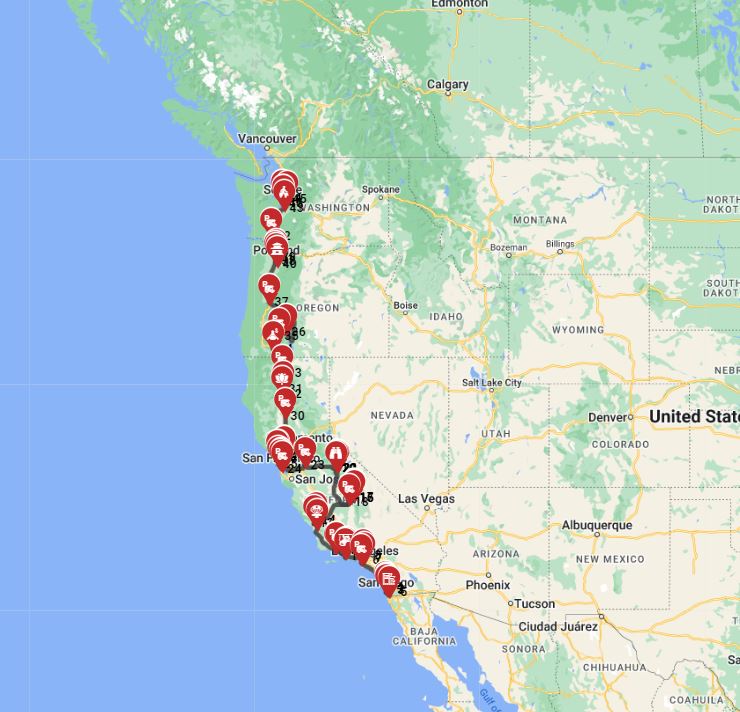
California offers numerous iconic RV routes that showcase its diverse landscapes, with popular choices including the scenic Pacific Coast Highway (Highway 1), majestic National Parks loops, and desert adventures. The Pacific Coast Highway (Highway 1) provides breathtaking coastal views from Leggett to Dana Point, though some winding sections may be restricted for larger motorhomes. A classic National Parks Loop can take you through the diverse landscapes of Yosemite, Sequoia, and Kings Canyon, requiring advanced campground reservations for a seamless experience. For a unique desert adventure, explore Joshua Tree and Death Valley during the cooler months (October-April). Another fantastic option is an Eastern Sierra route, offering stunning mountain vistas and access to popular areas like Mammoth Lakes and Lake Tahoe. For example, consider a route like "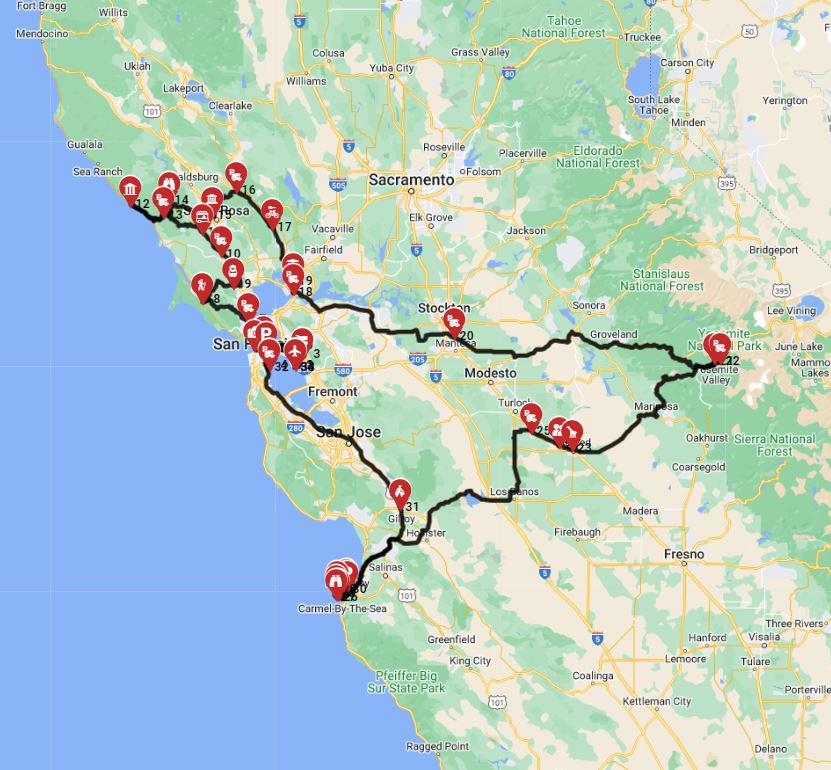
How do I find pet-friendly RV parks in California?
To find pet-friendly RV parks in California for your motorhome rental, utilize online search filters on campground booking platforms, check individual park websites for specific pet policies, and look for dedicated pet amenities. Many popular campground booking websites and apps like ReserveAmerica, Campendium, and AllStays offer filters for 'pet-friendly' properties, making your search easier. Always confirm specific pet policies directly with the campground, as rules can vary regarding leash requirements, designated pet areas, breed restrictions, and the number of pets allowed. Look for parks that offer amenities such as dog runs, pet washing stations, or nearby pet-friendly trails. Remember that while many RV parks welcome pets, National Parks often have strict regulations, usually limiting pets to paved roads, campgrounds, and specific short trails, prohibiting them from wilderness areas to protect wildlife. For example, some Class C motorhomes, like the "24' Class C Motorhome," explicitly list 'Pet Friendly' as a feature, which can simplify your selection.What are common RV challenges in California and how can I solve them?
Common RV challenges in California include navigating crowded areas, managing limited hookups, conserving water and waste in remote spots, and adhering to fire season restrictions, all of which can be mitigated with proper planning and flexibility. To avoid crowds, plan your trip during the shoulder season (spring or fall) or explore lesser-known regional and county parks instead of solely focusing on popular National Parks. For limited hookups, prioritize renting a motorhome or campervan with a robust battery bank or a solar setup, and learn energy conservation techniques for your appliances. Manage water and waste by planning dump stations strategically, carrying extra fresh water, and using low-flow fixtures for showers and sinks. During fire season (typically summer and fall), check CalFire and local park alerts frequently, have alternative routes planned, and understand burn ban restrictions. For last-minute spots in high-demand areas, utilize camping apps like Campendium and iOverlander, or call private parks directly for availability, and always have a backup plan in mind. Drive slowly and carefully, and you can drive almost anywhere without issues. No need to stress - just use common sense and pay attention.Are there accessible RV parks for travelers with disabilities in California?
Yes, many RV parks and campgrounds in California offer accessible features for travelers with disabilities, including ADA-compliant restrooms, paved paths, and accessible campsites. When searching for suitable locations for your rented RV, look for 'ADA accessible' filters on major campground booking sites like Recreation.gov or ReserveCalifornia. Specifically check the websites of California State Parks and the National Park Service, as they often provide detailed information on accessible trails, visitor centers, restrooms, and showers. Many private RV resorts also pride themselves on offering accessible facilities. Inquire about specific campsite features such such as paved, level pads, wider access paths, and proximity to accessible facilities to ensure they meet your individual needs. Planning ahead and contacting campgrounds directly can help confirm accessibility details for a comfortable and inclusive RV experience in California.Where can I find unique, lesser-known campgrounds in California?
Beyond the popular destinations, unique and lesser-known campgrounds in California can be discovered in regional parks, smaller state park units, Bureau of Land Management (BLM) sites, and through specialized camping apps and forums. To find these hidden gems for your motorhome adventure, explore county and regional parks, which often feature charming and less-crowded campgrounds with unique local character. Seek out smaller, often overlooked California State Park units, such as lesser-known state beaches or historical parks, that might not require reservations as far in advance. Utilize BLM dispersed camping for truly remote and free experiences, particularly in the vast desert regions like Anza-Borrego or parts of the Mojave, offering unparalleled solitude. Camping apps like Campendium, iOverlander, and The Dyrt are excellent resources for user-generated reviews and recommendations on off-the-beaten-path spots, as are various online RV and camping forums where experienced travelers share their discoveries.What permits or special reservations are needed for RV camping in California?
For RV camping in California, permits and reservations are typically required for developed campgrounds in state and national parks, while dispersed camping on public lands usually only requires adherence to local regulations without a specific permit. National Park campgrounds, especially in high-demand areas like Yosemite Valley or coastal Big Sur, require reservations often made 6 months in advance via Recreation.gov. California State Parks similarly operate on a 6-month rolling window for reservations through ReserveCalifornia. Specific permits may be necessary for wilderness access, backcountry camping, or campfires in certain forested areas, which can be obtained from local Forest Service or park offices. For extended stays in certain desert regions managed by the BLM, a Long-Term Visitor Area (LTVA) permit might be required, allowing for multiple months of camping. Advanced planning for popular destinations is paramount due to high demand, but remember that many parks reserve 25-30% of sites for first-come, first-served arrivals.🎬 Video coming soon
What You Shouldn't Miss
- **Drive a section of the Pacific Coast Highway (Highway 1):** Experience breathtaking ocean views and dramatic cliffs. Even a portion of this 655-mile route offers unforgettable scenery.
- **Explore Yosemite National Park:** Witness the grandeur of El Capitan, Half Dome, and Yosemite Falls. Plan ahead for permits and campground reservations, especially during peak season.
- **Discover the unique landscapes of Joshua Tree National Park:** Hike among the iconic Joshua trees and otherworldly rock formations. Visit during cooler months for comfortable exploration.
- **Stargaze in Death Valley National Park:** As one of the darkest places in the US, Death Valley offers unparalleled night sky viewing, a truly magical experience from your rented motorhome.
- **Visit a California Redwood Forest:** Drive through (check size restrictions!) or hike among the ancient giants in parks like Redwood National and State Parks in Northern California.
Looking for expert insights from Avi Bandana? Top 5 Adventures - recommendations from Avi Bandana
Final Thoughts
California is more than just a destination; it's an experience waiting to unfold from the comfort of your own rented motorhome or campervan. With its diverse landscapes, endless attractions, and welcoming RV culture, it's truly an ideal place for an extended road trip. Whether you're chasing the sun on a week-long coastal journey, exploring towering forests, or discovering hidden desert oases, California offers something truly special for every traveler. At Bandana RV, we're dedicated to making your adventure planning as easy and enjoyable as the trip itself. From providing full transparency on pricing to offering 24/7 support and pre-planned routes through RV PLANET (rvplan.net), we're with you every step of the way. So, pack your bags, choose your perfect mobile home, and get ready to create lasting memories on the open roads of California.For ideas you can prep on the road, watch our RV-friendly recipes playlist on YouTube.
On the routes offered through RV PLANET routes, you can itemize and track every expense along the way for easy budgeting.