In This Guide
- Top 5 Tips for RV Rental in Vienna
- Before You Book - Class, Dates, Insurance
- Pre-Trip Prep - Packing Checklist for Vienna
- On the Road - Driving, Fueling, Navigation
- At the Campground - Setup, Hookups & Etiquette
- RV Rental-Specific Tips for Vienna
- Common Mistakes to Avoid in Vienna
- What is the 3-3-3 rule for RVs and campers?
- Is it cheaper to rent an RV or stay in a hotel?
- How much does it cost to rent an RV for 1 week?
- What do I need to know before renting an RV?
- What are the drawbacks of renting an RV?
- When renting an RV, what feature is the most important?
Exploring Vienna and its stunning surroundings with a rented RV offers unparalleled freedom and flexibility, allowing you to immerse yourself in Austria's rich culture and breathtaking landscapes at your own pace. With Bandana RV, you get the confidence of full transparency and no hidden fees, ensuring a smooth start to your adventure. For live availability and current prices, start with our RV Rental Vienna - Complete Guide 2026 guide.
Top 5 Tips for RV Rental in Vienna
Securing your preferred RV type and dates for a Vienna adventure often requires booking 3-6 months in advance, especially for popular seasons like summer and holidays when rates can be more competitive. Familiarizing yourself with Austrian road rules is crucial, including the mandatory safety vests and first-aid kits that must be readily accessible in your vehicle, and always purchase a digital 'vignette' for highway travel before setting off to avoid fines. Choosing an RV size that balances comfort with maneuverability is key for European roads, with smaller campervans or Class B motorhomes (like the agile "Class 0" or the compact "Combi Van") being excellent choices for navigating areas around Vienna. Researching Vienna-area campsites with excellent public transport connections, such as Camping Wien Neue Donau, allows for convenient city sightseeing without the stress of driving your RV into the urban core or finding parking. Finally, factor in all costs beyond the rental fee, including fuel (which averages 8-12 liters per 100 km for most diesel RVs), campsite fees (typically €25-€50+ per night), tolls (the digital 'vignette' at approximately €10 for 10 days), and potential parking, for a realistic and comprehensive budget. On the routes offered through RV PLANET routes, you can itemize and track every expense along the way for easy budgeting.
Before You Book - Class, Dates, Insurance
Selecting the right RV class for your Vienna trip is about balancing comfort with maneuverability on potentially narrower European roads, with smaller campervans or Class B RVs (like the "Active Bunk" or "Camper Van Plus - V600") often offering easier navigation for an optimal experience. Booking dates for an RV rental in Vienna should ideally be done 3-6 months in advance, particularly for the high season (May to September) or holiday periods, to ensure the best availability and pricing across a range of motorhomes. Insurance options are crucial for peace of mind, and while basic insurance is always included, you can easily upgrade to a top-level deductible reimbursement for extra peace of mind by selecting the comprehensive coverage option during your search on Bandana, which will then display relevant insurance choices tailored to your needs. This transparent approach, a core part of our philosophy, means no surprises when you arrive.
Pre-Trip Prep - Packing Checklist for Vienna
A thorough packing checklist for an RV trip to Vienna includes essentials for varying weather, cooking, safety, and necessary documents to ensure a smooth journey. For clothing, consider versatile layers as Vienna's weather can be unpredictable, ranging from warm summer days to cooler evenings, along with comfortable walking shoes for exploring the city's historic streets like Graben and Kärntner Straße. Essential kitchen items, such as basic cooking utensils and pots/pans, will help maximize the cost-saving benefits of your rented RV, allowing you to prepare delicious meals right on board. For inspiration, check out our RV-friendly recipes playlist. Safety equipment is legally mandatory in Austria, so ensure you have a high-visibility safety vest (required for each occupant in an emergency), a first-aid kit, and a warning triangle easily accessible. Documents like your valid driver's license (an International Driving Permit is recommended for non-EU drivers but not mandatory) and a digital 'vignette' confirmation for Austrian highways are critical for legal and smooth travel. Our guide, First-Time RV Driving in Vienna - Beginners Guide 2026, offers more specific insights.
Vienna RV Packing Checklist:
Clothing & Personal Items
- Rain jacket and umbrella
- Comfortable walking shoes for city exploration
- Layers of clothing for varied temperatures
- European electrical adapters (Type F typically)
Kitchen & Food Essentials
- Basic cooking utensils and pots/pans
- Reusable water bottles and coffee cups
- Dish soap and sponge
- Non-perishable food items for initial meals
Safety & Emergency Gear
- High-visibility safety vest (mandatory in Austria for each person)
- First-aid kit (mandatory in Austria, easily accessible)
- Warning triangle
- Headlamp or flashlight
- Fire extinguisher (often included with rental, confirm)
Important Documents
- Valid driver's license (and International Driving Permit if applicable)
- Passport/ID cards
- RV rental agreement and contact information
- Travel insurance documents
- Digital 'vignette' confirmation for Austrian highways
On the Road - Driving, Fueling, Navigation
Driving a rented RV in and around Vienna requires familiarity with Austrian road rules, including speed limits (typically 130 km/h on motorways, 100 km/h on expressways, and 50 km/h in urban areas), right-hand traffic, and mandatory safety equipment. Drive slowly and carefully, and you can drive almost anywhere without issues. No need to stress - just use common sense and pay attention. Fueling an RV in Austria involves understanding available fuel types; Diesel is common for most motorhomes (like the "cruise america example Explorer" with its 2.5 Liter Turbo diesel engine) and service stations are plentiful along motorways and major routes connecting to Vienna. Effective navigation is crucial to avoid driving larger RVs directly into Vienna's congested city center, which has numerous pedestrian zones and restricted access areas; using a GPS with RV-specific settings that account for vehicle dimensions can be highly beneficial, and remember to purchase an Austrian 'vignette' for highway use (e.g., at a petrol station near the border or online) to avoid fines. Our "Driving an RV in Vienna - Complete Guide 2026" offers more detailed local driving advice.
At the Campground - Setup, Hookups & Etiquette
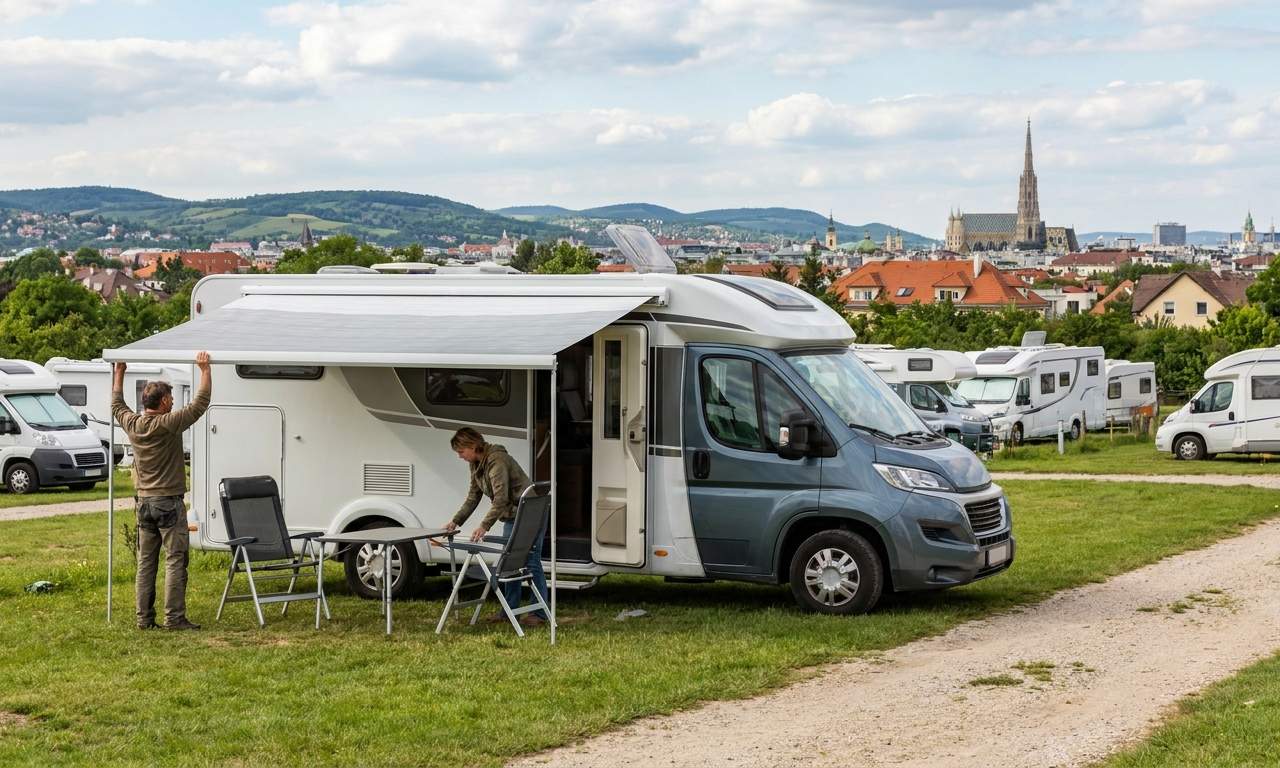
Setting up an RV at a Vienna-area campground, such as Camping Wien Donau or Camping Klosterneuburg, typically involves parking on your designated pitch, carefully leveling the vehicle using blocks, and then connecting to available utilities. The hookup order usually starts with electricity (ensuring the power is off before connecting to the 220V/240V socket), followed by attaching the freshwater hose, and finally, managing wastewater disposal, which involves emptying grey and black water tanks at designated dump stations. Campground etiquette includes observing quiet hours (typically 10 PM to 7 AM), respecting fellow campers' privacy and space, keeping your pitch tidy, and properly disposing of all waste, including separated recycling, to maintain a pleasant environment for everyone. Many campgrounds near Vienna also offer amenities like fresh bread services, bike rentals, and public transport links to attractions like Schönbrunn Palace.
RV Rental-Specific Tips for Vienna
For families traveling to Vienna, consider a Class C motorhome like the "Group E" model, which offers multiple sleeping areas including bunk beds and a functional kitchen for preparing kid-friendly meals, and choose campgrounds near Vienna with playgrounds or easy access to outdoor activities like the Prater amusement park. Seniors might prioritize a campervan with easier accessibility and automated leveling systems, focusing on a relaxed travel pace to comfortably enjoy Vienna's cultural attractions such as the Spanish Riding School or Belvedere Palace. Budget travelers can maximize savings by opting for smaller, more fuel-efficient campervans (like the "Category Van"), cooking most meals using the RV's stove and refrigerator, and utilizing Vienna's extensive public transport system (U-Bahn, tram) from campgrounds like Camping Wien West for city exploration. Luxury travelers might appreciate premium Class A RVs or large Class C motorhomes with integrated navigation and larger living spaces, seeking out campgrounds that offer exclusive services or are conveniently located for specific 'Heuriger' (wine taverns) tours around the Vienna Woods in Grinzing or Nussdorf.
Common Mistakes to Avoid in Vienna
A common mistake is forgetting to purchase a digital 'vignette' for Austrian highways; instead, ensure you buy it online via ASFINAG or at a border crossing petrol station before driving on motorways around Vienna, like the A2 or A4. Attempting to drive a large rented RV directly into Vienna's historic city center can lead to difficult navigation on narrow streets, encounter environmental zones, and result in limited, expensive parking; instead, park at a peripheral campground like Camping Wien Neue Donau and utilize Vienna's excellent public transport (U-Bahn, tram) for stress-free city exploration. Underestimating campsite booking needs, especially during Vienna's peak tourist seasons (July and August), can leave you without a suitable overnight spot; instead, reserve your preferred Vienna-area campgrounds well in advance, even several weeks ahead. Failing to pack mandatory safety items like a high-visibility vest and first-aid kit can result in fines from Austrian authorities; ensure these are readily accessible in your RV before starting your journey, and make sure your rental "cruise america example Explorer" comes equipped.
What is the 3-3-3 rule for RVs and campers?
The 3-3-3 rule for RVs and campers is a widely adopted guideline suggesting that travelers drive no more than 300 miles (approximately 480 km) a day, arrive at their destination by 3 PM, and stay for at least 3 days. This rule is designed to promote a more relaxed and enjoyable RV travel experience by preventing driver fatigue, allowing ample time for campsite setup and settling in, and providing sufficient opportunity to explore each location rather than constantly being on the move. Following the 3-3-3 rule can be particularly beneficial when visiting a culturally rich region like Vienna, as it encourages slower travel (like Bandana's recommendation to average 100-150 km per day), minimizes stress, and offers more chances to immerse yourself in local experiences and attractions without feeling rushed.
Is it cheaper to rent an RV or stay in a hotel?
Whether renting an RV is cheaper than staying in a hotel largely depends on trip length, the number of travelers, and travel style, with RV travel often being more cost-effective for longer trips or larger groups due to significant savings on accommodation and the flexibility to prepare your own food. An RV rental in Vienna involves costs such as the daily rental rate (ranging from €100-€250 for a Class C motorhome), substantial fuel expenses (especially if covering long distances, with an average RV consuming 8-15 liters per 100 km), campsite fees (which vary by location and amenities, ranging from €25-€50+ per night near Vienna), and additional expenses like the mandatory Austrian 'vignette' for highway use (€10 for 10 days). Conversely, hotel stays in Vienna typically involve daily room rates, dining out (which can be expensive in the city center), and often public transport costs to reach attractions, whereas RVs offer the flexibility of cooking your own meals, direct access to nature, and many campgrounds near Vienna provide convenient public transport links to the city center. For tracking and itemizing every expense along the way, RV PLANET routes are a great resource for easy budgeting.
How much does it cost to rent an RV for 1 week?
The cost to rent an RV for 1 week in the Vienna area can range significantly, typically from €700 to €2000 or more, depending on factors such as the RV's size and class (a compact campervan like the "Active Standard" will be less than a larger Class C motorhome like the "F4"), the season (peak season in July-August is more expensive), the rental company, and included amenities. Basic rental prices often cover the vehicle and standard insurance, but additional costs like mileage fees, preparation fees (e.g., up to €150-€200), comprehensive insurance upgrades (which offer top-level deductible reimbursement), and specific equipment rentals (e.g., kitchenware, linens at €25-€50 per person) should be factored into your total budget. Beyond the rental fee, a comprehensive 1-week RV trip budget for Vienna should also account for approximately €200-€400+ in fuel (assuming 1,000-2,000 km of travel), €150-€350+ in campsite fees (for 7 nights near Vienna at €25-€50 per night), and the mandatory Austrian 'vignette' cost (around €10 for 10 days) to get a realistic understanding of the total expense. For detailed pricing, consult our One-Way RV Rental in Vienna - Price Guide 2026 and Weekly RV Rental in Vienna - Pricing 2026 articles.
What do I need to know before renting an RV?
Before renting an RV for a trip to Vienna, it is essential to understand your driver's license requirements; a standard B car license is usually sufficient for RVs up to 3.5 tons, but an International Driving Permit (IDP) is recommended for visitors from non-English-speaking countries, although not mandatory in most cases. Familiarize yourself with the specific vehicle dimensions of your chosen motorhome (e.g., a "Class I Van" is 5.99m long), and thoroughly read the rental agreement's terms and conditions, paying close attention to mileage limits, cleaning fees, and fuel policies. Crucially for Austria, research local traffic laws, mandatory safety equipment such as high-visibility vests and a first-aid kit (which must be readily accessible in your RV), and the necessity of purchasing a digital 'vignette' for highway travel to avoid potential fines, especially when navigating around Vienna and other Austrian regions. We at Bandana provide clear information on these points to ensure full transparency.
What are the drawbacks of renting an RV?
The drawbacks of renting an RV for a trip, particularly around a major European city like Vienna, can include higher fuel consumption compared to a small car (e.g., a "MH-A" Class C motorhome uses 25 liters per 100km), potential challenges with driving a larger vehicle on potentially narrower European roads, and difficulties finding suitable parking, especially in urban areas like Innere Stadt or popular tourist spots. RV rentals also often involve more pre-trip planning for routes, booking campsites, and locating waste disposal points for grey and black water tanks, and can present unexpected maintenance or troubleshooting issues on the road that wouldn't arise with a traditional hotel stay. Specifically for Vienna, navigating the city center with an RV is often impractical due to size restrictions, environmental zones (which can require special badges), and limited parking; instead, RV travelers typically rely on public transport from suburban campgrounds like Camping Wien West or Camping Klosterneuburg, which adds a layer of transit planning to city exploration.
When renting an RV, what feature is the most important?
When renting an RV for a trip to Vienna, the most important feature is highly subjective and depends entirely on your travel priorities, group size, and planned activities, though maneuverability and appropriate sleeping capacity are frequently cited as crucial for European travel. For a Vienna-centric trip, an RV's overall size and ease of driving are often paramount, as smaller, more compact models (e.g., campervans or Class B RVs like the "V2L" with a length of 5.99m) are better suited for navigating narrower European roads and offer more flexibility when parking near attractions or accessing smaller, often charming, campgrounds outside the city. Other critical features to consider include the availability of a functional kitchen for cost savings and convenience (e.g., a "Class III PT" has a very practical kitchen with separate freezer), a comfortable bathroom and shower for personal privacy, ample storage space for luggage and gear, and efficient heating or air conditioning depending on the season of your visit to Vienna to ensure comfort. Our Luxury RV Rental in Vienna - Premium Prices 2026 guide highlights models with top-tier amenities.
What You Shouldn't Miss
Vienna offers an incredible blend of imperial grandeur, artistic masterpieces, and vibrant modern life. When you visit with your rented motorhome, you're not just seeing the city, you're experiencing a journey through time and culture. Here are a few expert recommendations to ensure your RV adventure in Vienna is truly special:
- Explore the Wachau Valley: Just a short drive from Vienna, this UNESCO World Heritage site along the Danube is famed for its vineyards, apricot orchards, and medieval castles. It's perfectly suited for slow travel, allowing you to stop at charming villages like Dürnstein and Melk Abbey at your leisure.
- Visit a Traditional 'Heuriger' in Grinzing: Take your campervan to the outskirts of Vienna, perhaps to the 19th district of Grinzing, which is famous for its traditional wine taverns. Enjoy local wine directly from the grower, paired with classic Austrian dishes, and then head back to a nearby campground.
- Wander Through Schönbrunn Palace Gardens: Park your RV at a nearby campground and take public transport to this magnificent imperial summer residence. The palace itself is stunning, but the vast gardens, Gloriette, and the world's oldest zoo are perfect for an entire day of exploration.
- Cycle the Danube Cycle Path: With your RV, you can easily access sections of the Donauradweg. Park at a riverside campground, rent bikes, and enjoy picturesque rides along the Danube, through vineyards, and even into parts of Vienna, blending nature with urban exploration.
- Discover the Prater Amusement Park: For a dose of fun, especially if you're traveling with family, head to the Prater. Ride the iconic Giant Ferris Wheel for panoramic views of Vienna, enjoy classic fairground attractions, and sample traditional Austrian snacks.
🎬 Video coming soon
Looking for expert insights from Avi Bandana? Top 5 Adventures - recommendations from Avi Bandana
Avi Bandana, our founder, is passionate about helping travelers craft unforgettable RV journeys. His recommendations often blend iconic sights with unique local experiences.
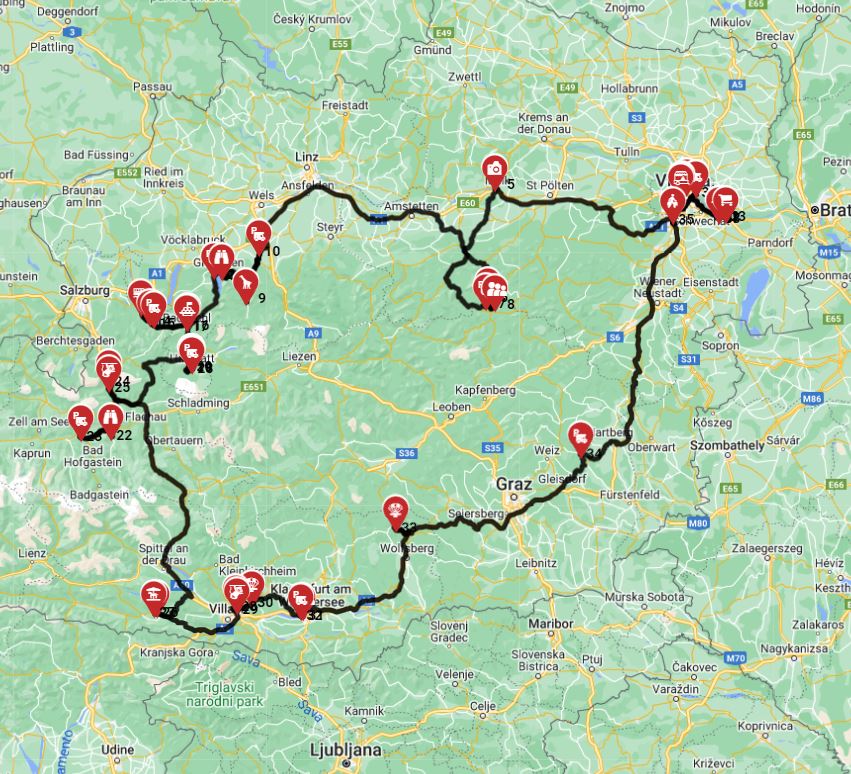
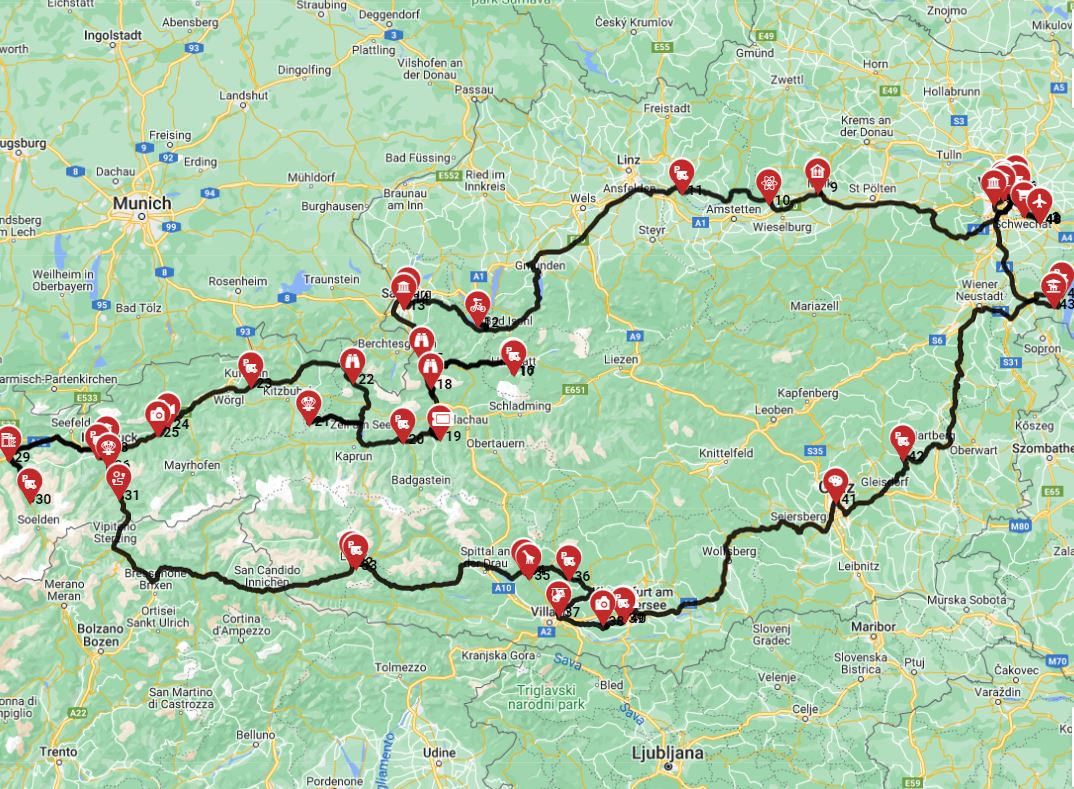
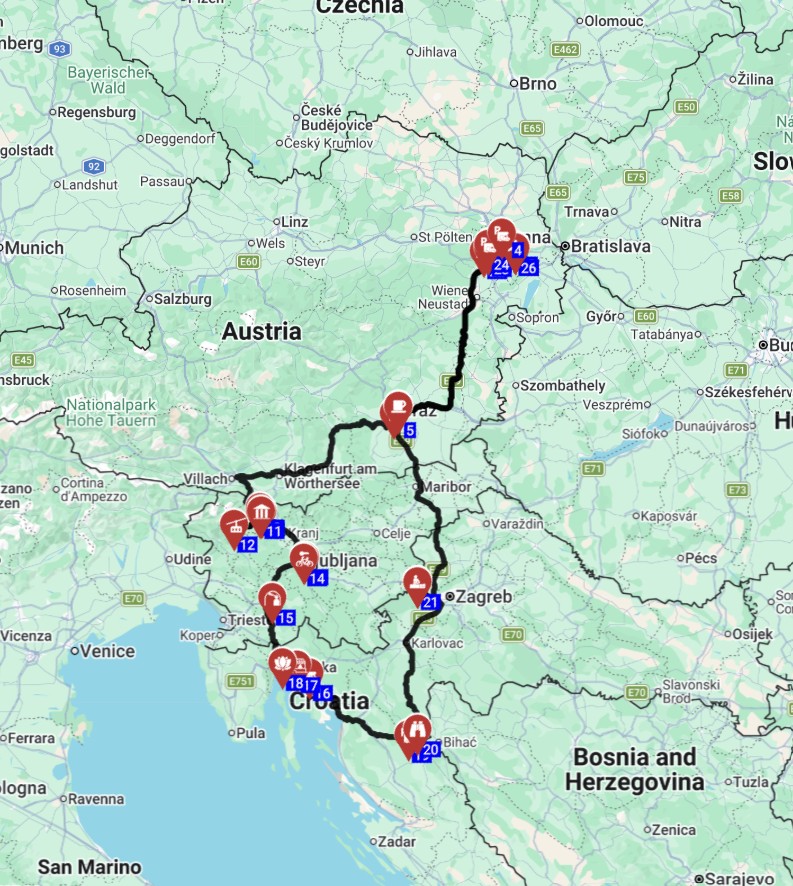
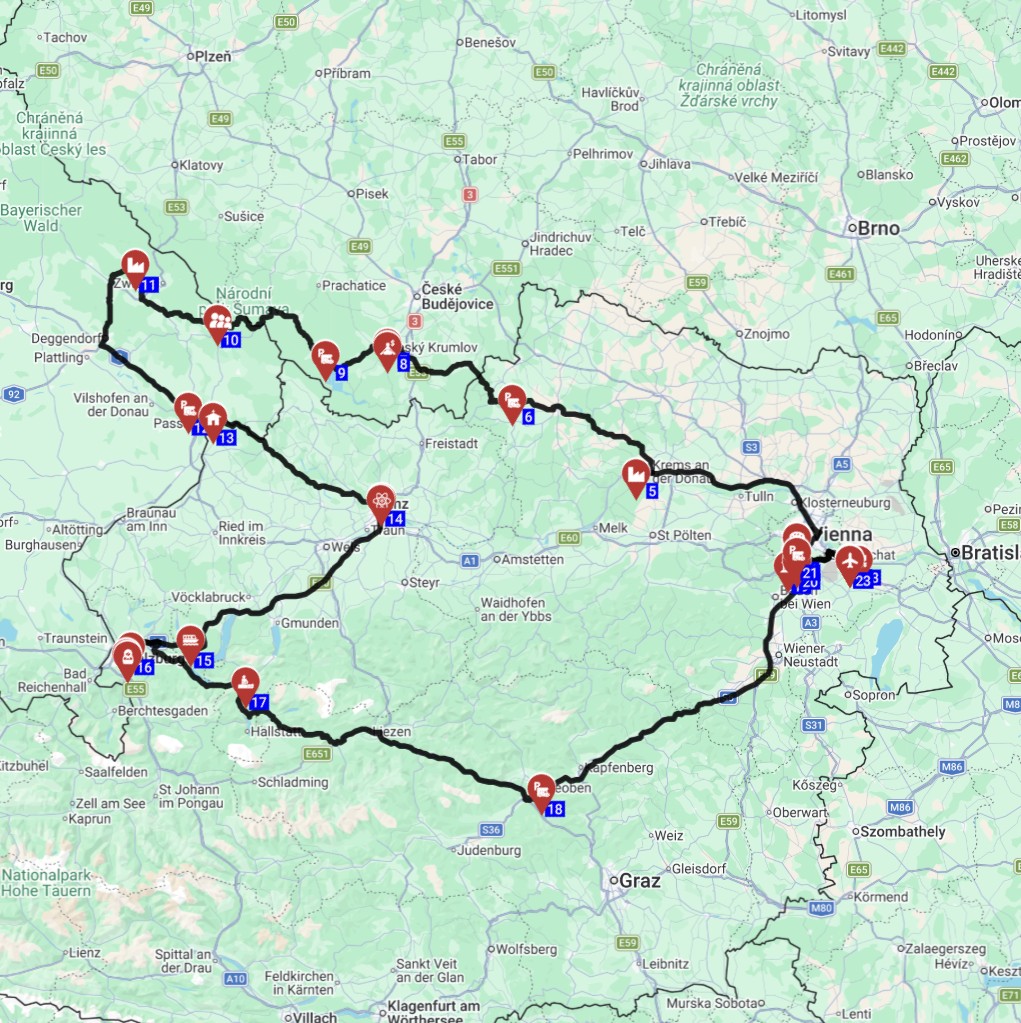
Curated RV Itineraries around Vienna:
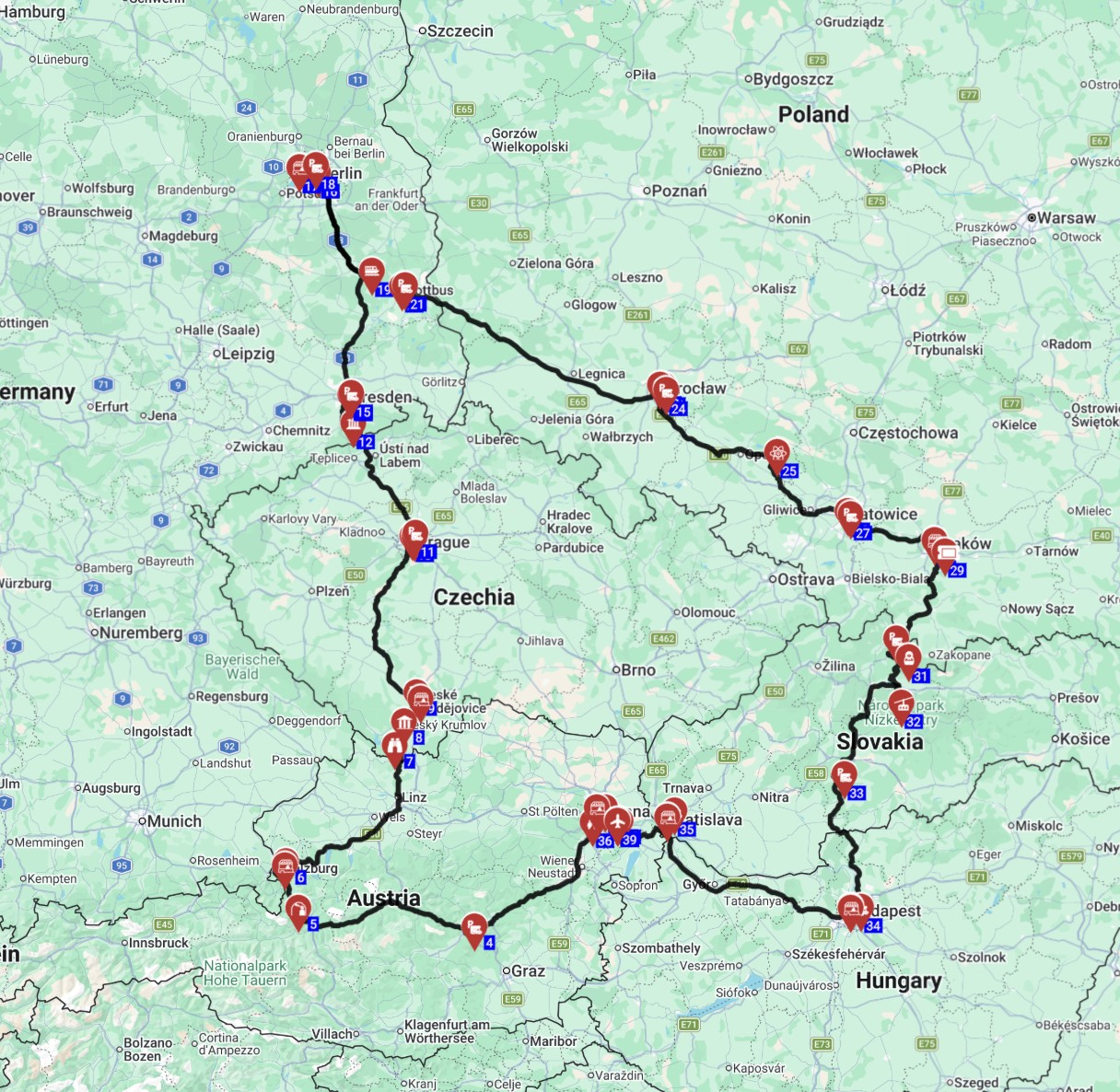
For those who love pre-planned adventures, RV PLANET offers meticulously crafted route plans, ensuring you don't miss a thing. Plus, as a Bandana customer, you get a 25% planning discount when using rvplan.net!
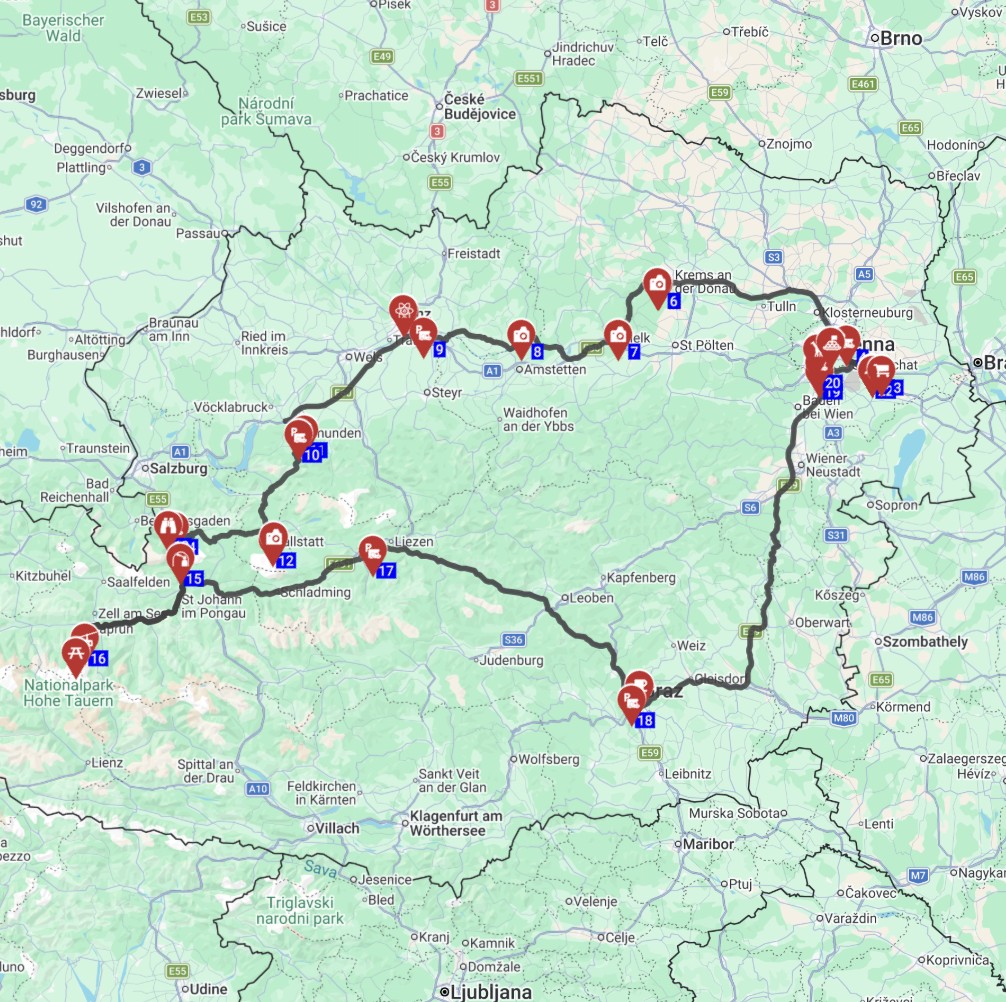
The "Vienna Roundtrip - West" is a 16-day adventure covering 1888.6 km. It includes 1 Amusement Park, 1 Animals Show / Wildlife watch, 2 Art Gallery, 1 Bike Rental, 3 Day Tour, 2 Extreme Activity, 1 Historical Site, 1 Local Industry, 4 Museum, 3 Natural Feature, 2 Point Of Interest, 1 Science Site, 3 Tourist Attraction, 1 Water Park, and 1 Zoo, offering a diverse exploration of Western Austria.
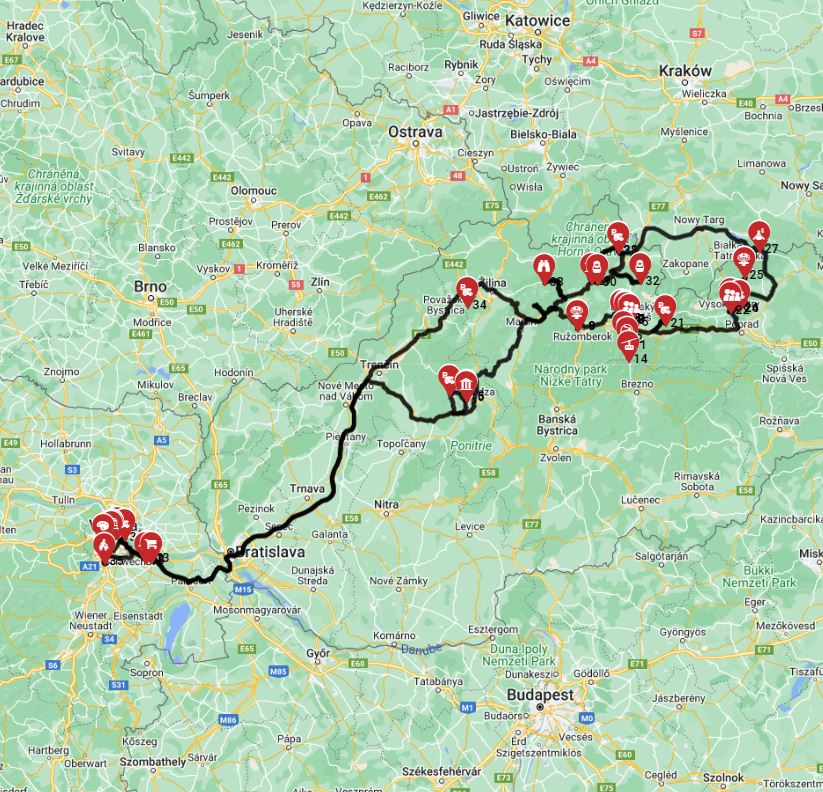
The "Vienna Roundtrip - East to Slovakia" is another fantastic 16-day journey, spanning 1334.3 km, taking you from Vienna to Vienna with a detour to Slovakia. This route plan boasts 1 Amusement Park, 1 Animals Show / Wildlife watch, 1 Art Gallery, 1 Cable Railway, 1 Canoe / Kayak / Rafting experience, 1 cave, 4 Extreme Activity options, 3 Family Activity opportunities, 1 hiking area, 2 Historical Site visits, 1 Museum, 2 Natural Feature explorations, 1 Point Of Interest, 1 Traditional Market, 1 Traditional Restaurant / Fine Dining experience, 2 Traditional Visits, 1 Water Park, and 1 Zoo, perfect for those seeking diverse experiences.
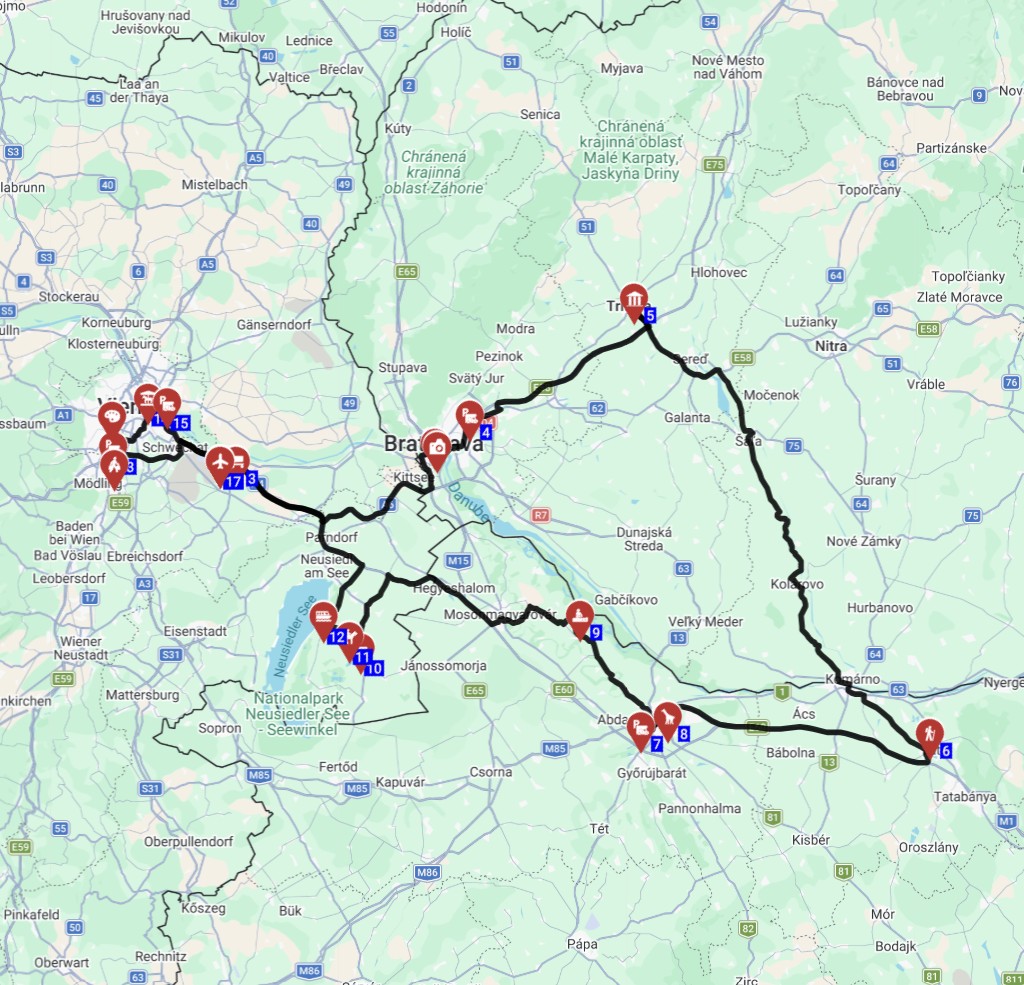
For a 15-day exploration, the "Vienna Roundtrip - East of Austria" route covers 1377.7 km and includes 3 Amusement Parks, 2 Animals Show / Wildlife watch experiences, 1 Bike Rental, 2 cave visits, 1 Cruise Terminal / Sailing opportunity, 3 Extreme Activities, 2 Family Activities, 2 Historical Sites, 3 Natural Features, 1 Point Of Interest, 1 Spa / Terme, 1 Traditional Market, 2 Traditional Restaurants / Fine Dining spots, and 1 Zoo.
Final Thoughts
Renting an RV for your Vienna adventure opens up a world of possibilities, allowing you to blend city exploration with the tranquility of the Austrian countryside. From the imperial grandeur of Schönbrunn Palace to the charming wine taverns of Grinzing, having your own mobile home base provides the freedom to truly connect with the culture, food, and scenery at your own pace. Remember to travel slowly, averaging a maximum of 100-150 km per day, allowing ample time to savor every moment.
At Bandana, we're dedicated to making your RV rental experience in Vienna seamless and enjoyable. We handle the details, so you can live the journey, supported by our personal service from day one until your booking is confirmed. Imagine the memories you'll create, waking up to fresh Austrian air and enjoying breakfast in your own rented camper, ready for a new day of discovery.
Ready to plan your unforgettable motorhome trip to Vienna? Discover top destinations and planning tips all in one place, or simply find your perfect vehicle. We compare prices across 50+ suppliers to ensure you get the best deal, with no hidden fees.
Find Motorhome Rentals in Vienna