For live availability and current prices, start with our RV Rental Vienna - Complete Guide 2026 guide.
In This Guide
- Can You Drive an RV in Vienna? License & Age Rules
- Road Conditions & Terrain in Vienna
- RV Size Limits, Bridges & Restricted Zones
- Fuel: Diesel vs. Petrol & Cost per 100 km
- Tolls, Vignettes & Border Rules
- Driving Tips for rv rental Travelers
- Recommended RV Class for Vienna Roads
- Should I Choose a Compact Van Instead of a Large RV in Vienna?
- Can I Park Anywhere? Free & Wild Camping Rules in Vienna
- Can I Drive an RV Into the City Center? Heights, Tunnels & Local Signage
Can You Drive an RV in Vienna? License & Age Rules
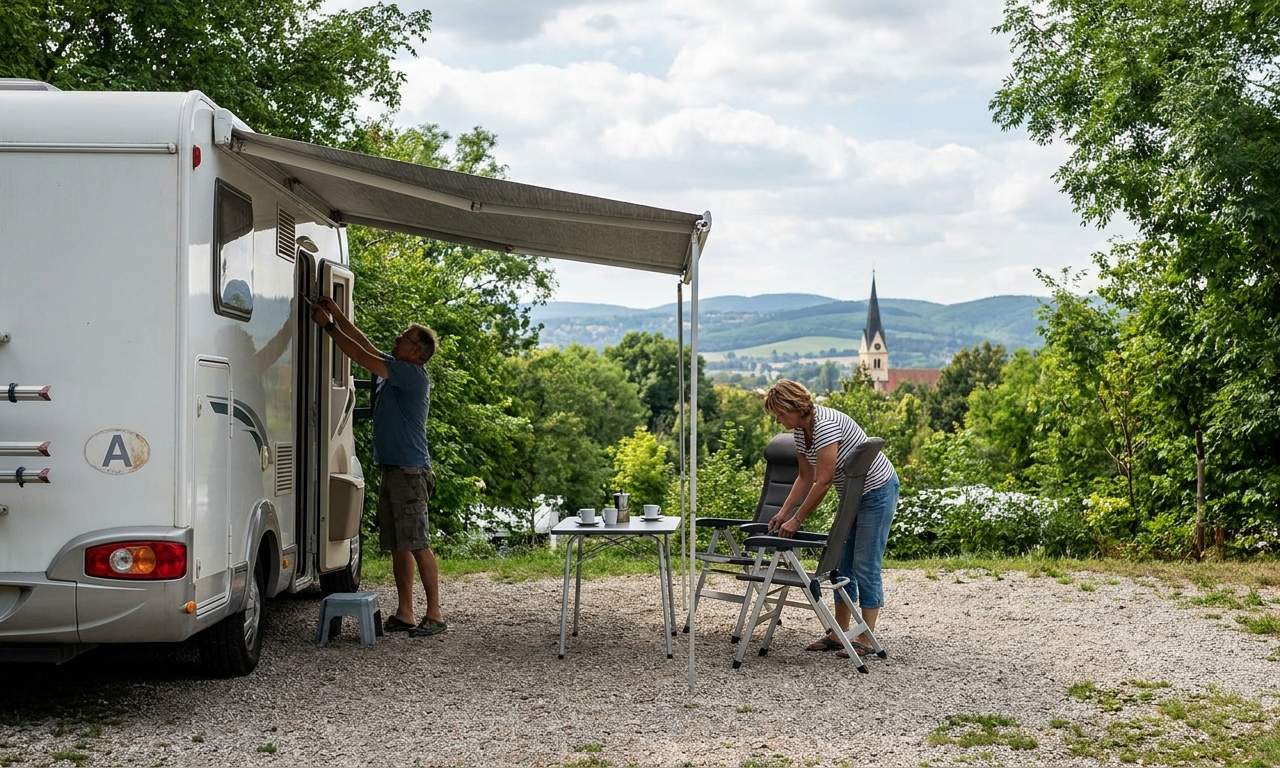
Individuals with a standard B-category driver's license can typically drive RVs up to 3,500 kg (7,700 lbs) in Vienna and across Austria, provided they meet specific age and experience requirements. For Bandana's fleet, this generally covers Class B Camper Vans, Class SI Semi-integrated, and Class C Alcove models, as they typically fall under this weight limit. Should you opt for a larger RV exceeding 3,500 kg, a C1 or C license might be necessary; always confirm the vehicle's exact weight with your rental provider. Rental companies in Vienna commonly require drivers to be at least 21 to 23 years old, with a minimum of 1-3 years of driving experience. While drivers with a US license are usually permitted to drive in Austria for up to six months, an International Driving Permit (IDP) is strongly recommended by authorities and frequently a mandatory part of rental agreements, serving as an official translation.
Road Conditions & Terrain in Vienna
Vienna and its surrounding regions boast excellent road conditions, transitioning smoothly from well-paved urban streets to high-quality highways and scenic, sometimes winding, country roads. Within Vienna's city limits, roads are generally well-maintained, though historic centers might feature narrower streets and occasional cobblestone sections. Austria's autobahns (highways) are modern and multi-lane, making RV travel straightforward, while rural routes leading to areas like the Vienna Woods or the Alps can become steeper and more curvaceous. While most roads are paved, be prepared for potential gravel surfaces on very minor rural or forest tracks. During winter months (typically November to April), winter tires are legally mandated under specific conditions, and carrying snow chains is advisable or even compulsory for certain alpine routes.
RV Size Limits, Bridges & Restricted Zones
When navigating Vienna with an RV, it's essential to pay close attention to posted height and weight restrictions, especially around urban infrastructure and designated environmental zones. Always observe signs indicating explicit height limits, particularly when approaching older city bridges, underpasses, tunnels, and parking garages. While less common for typical rental RVs, larger vehicles should be mindful of weight limits in specific industrial areas or on older bridges. Vienna's environmental zone primarily affects commercial vehicles, but it's wise to check current regulations for any potential 'Umwelt-Pickerl' (emissions sticker) requirements for private RVs entering certain city areas. Be aware of restricted access zones, such as pedestrian areas or 'residents only' streets, which are prevalent in Vienna's historic city center and are generally unsuitable for RVs.
Fuel: Diesel vs. Petrol & Cost per 100 km
Most RV rentals in Vienna, including the Class SI, Class C, and Class B models offered by Bandana, exclusively use diesel fuel, which is readily available at service stations throughout Austria. For instance, Bandana's Class SI Semi-integrated RVs, averaging 7 meters in length, typically consume between 10–11 Liters/100 km. Class C Alcove RVs, averaging 7.1 meters in length, have a similar common fuel consumption of 10–12 Liters/100 km. While specific data for Class B Camper Vans isn't provided here, they generally offer better fuel efficiency and also typically run on diesel. Fuel prices in Austria can fluctuate, so it's advisable to check current local rates. Based on average diesel prices and consumption figures, budget approximately EUR 1.70-2.00 per liter, translating to roughly EUR 17-20 per 100 km. Inquire with your rental provider about any fuel discount cards or perks that might be included with your RV rental.
Tolls, Vignettes & Border Rules
Driving an RV on Austria's extensive highway network requires the purchase of a 'Vignette,' a toll sticker or digital pass, with additional 'section tolls' often applying to specific tunnels and mountain passes. The Vignette is compulsory for all vehicles up to 3.5 tonnes on motorways and expressways and can be obtained for 10 days, 2 months, or annually at border crossings, gas stations, or online. Beyond the Vignette, separate section tolls are necessary for high-cost infrastructure like the Arlberg, Brenner, Tauern, and Karawanken tunnels, among other specific alpine routes. RV rentals exceeding 3.5 tonnes (less common but possible) necessitate an electronic GO-Box device instead of a Vignette for toll collection. As Austria is part of the Schengen Area, border checks with neighboring Schengen countries are minimal, but it's crucial to always carry your valid passport/ID, driver's license, and RV rental documents. Some rental services, including Bandana, may offer the convenience of pre-purchasing vignettes or toll passes, which can save valuable time and help you avoid potential fines. On the routes offered through RV PLANET routes, you can itemize and track every expense along the way for easy budgeting.
Driving Tips for rv rental Travelers
To ensure a smooth RV journey in and around Vienna, always prioritize a relaxed pace, pre-plan your parking, and be mindful of local traffic laws. Driving no more than 300 miles (approximately 480 km) per day helps prevent driver fatigue and allows for spontaneous scenic stops, aligning with the popular '3-3-3 rule' which suggests driving no more than 300 miles, arriving by 3 PM, and staying at least 3 nights in one location. For families, scheduling breaks every 2-3 hours is recommended for essential rest and sightseeing. When it comes to parking, research RV-friendly campgrounds or Stellplätze outside Vienna's city center and utilize the city's excellent public transport to reach attractions. Stick to speed limits, as enforcement is strict: observe 50 km/h in urban areas, 100 km/h on rural roads, and 130 km/h on highways unless otherwise indicated. Familiarize yourself with Austrian road signs, especially those indicating height/weight restrictions, no-entry zones, and environmental regulations. If traveling between November and April, ensure your RV is equipped with appropriate winter tires, and carry snow chains if your route involves mountain passes.
Recommended RV Class for Vienna Roads
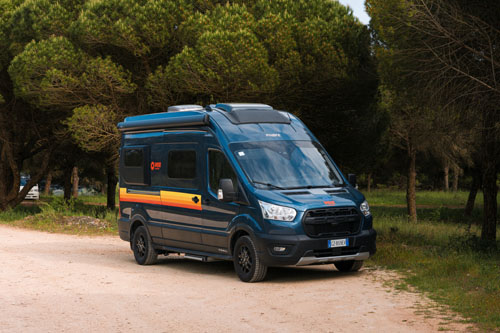
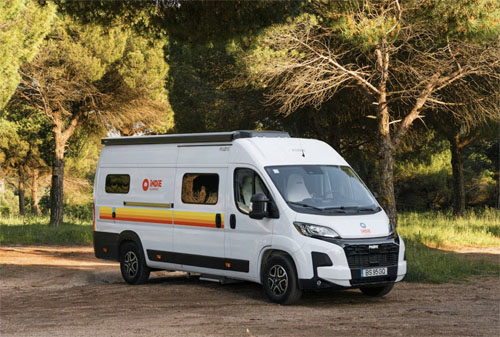
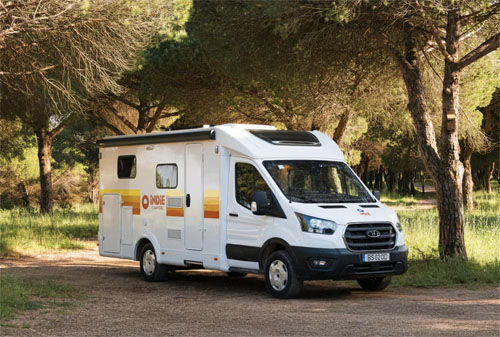
For a balanced experience of navigating Vienna and exploring the wider Austrian landscape, a Class B Camper Van or a Class SI Semi-integrated RV is generally recommended due to their versatility and manageable size. Class B Camper Vans, which in Bandana's fleet average 5.8 meters in length, are the most compact. They offer excellent maneuverability for urban streets and easier parking, making them ideal for couples or small families, typically accommodating up to 3 sleeping places and 3 adults. Class SI Semi-integrated RVs, averaging 7 meters in length in Bandana's fleet, provide a comfortable upgrade with more interior space and amenities while remaining relatively easy to drive on Austrian roads, suitable for families (averaging 4.4 sleeping places and 4.1 adults). While Class C Alcove RVs, averaging 7.1 meters in length in Bandana's fleet, offer the most sleeping capacity (averaging 6 places and 4.9 adults), their slightly larger size might present more parking challenges in dense areas compared to Class B or SI models. Ultimately, your choice should primarily depend on your group size, desired level of comfort, and the extent of urban versus rural exploration planned for your Vienna RV adventure.
Should I Choose a Compact Van Instead of a Large RV in Vienna?
While a compact camper van (Class B) offers superior agility for navigating Vienna's narrower streets and finding parking, a larger RV, such as a Class SI or C model, provides significantly more living space and comfort for extended travel without being overly difficult on most Austrian roads. Compact vans truly excel in urban environments due to their smaller footprint, making city parking and driving through historic areas more manageable. However, larger RVs like Bandana's Semi-integrated (Class SI) or Alcove (Class C) models offer comprehensive amenities, spacious interiors, and separate sleeping areas, which are invaluable for longer trips or for families. Most main roads and highways in Austria are well-suited for medium to large RVs, so the decision often hinges on your priority: maximum city maneuverability versus on-board living comfort and space. It's worth noting that regardless of RV size, parking directly in Vienna's historic center is challenging, often expensive, and generally impractical; most RV travelers opt to stay at peripheral campgrounds and utilize public transport for city access.
Can I Park Anywhere? Free & Wild Camping Rules in Vienna
Free camping or "wild camping" with an RV is generally prohibited throughout Austria, and specifically within Vienna's city limits and surrounding areas. Overnight stays must typically occur in designated campgrounds or approved Stellplätze (motorhome parking areas). Austrian federal states have varying, but generally strict, laws against wild camping with motorhomes outside of official, licensed locations. Within Vienna and its immediate vicinity, these regulations are strictly enforced, making it illegal to park overnight outside of official campsites or Stellplätze. These designated areas are crucial as they provide essential facilities like fresh water, waste disposal, and electricity. While camping on private land is permissible with explicit landowner consent, it's not a substitute for official sites. Violations of wild camping rules can lead to substantial fines, so always prioritize designated locations and respect local regulations.
Can I Drive an RV Into the City Center? Heights, Tunnels & Local Signage
Yes, it is generally possible to drive an RV into Vienna's broader city center areas, but drivers must exercise extreme caution and pay close attention to specific local signage regarding height limits, restricted zones, and parking options. While main arterial roads are accessible for RVs, navigating the dense, historic parts of Vienna can be challenging due to narrow streets, one-way systems, and limited space. Always observe road signs for height restrictions, particularly when approaching underpasses, tunnels, and especially parking garages, and be aware of potential environmental zones that might require a specific emissions sticker. Pay close attention to local signage indicating pedestrian zones, residents-only streets, or areas with specific vehicle access times that may apply. As mentioned, finding suitable parking for an RV directly within Vienna's historic city center is extremely difficult, often expensive, and generally impractical. Therefore, it is highly recommended to park at RV-friendly campgrounds located on the outskirts of the city and then use Vienna's efficient public transport system (U-Bahn, Strassenbahn, Bus) to explore the attractions.
What You Shouldn't Miss
-
Experience Vienna's Vineyards:
Leverage the convenience of RV parking on the city's outskirts and use public transport to reach Vienna's unique urban vineyards in areas like Grinzing. Enjoy a traditional 'Heuriger' experience, a quintessential Viennese wine tavern, offering local wines and hearty Austrian cuisine.
-
Explore the Donauinsel (Danube Island):
This expansive artificial island offers a fantastic recreational escape. Cycle along its paths, swim in the Danube, or simply relax amidst nature, showcasing Vienna's ability to blend urban excitement with accessible green spaces. It's an ideal day trip accessible from RV-friendly locations near the city.
-
Navigate the City Center via Public Transport:
Acknowledge the parking challenges for RVs in Vienna's historic heart. Opt for campgrounds with excellent public transport links, allowing you to effortlessly reach attractions like St. Stephen's Cathedral or Schönbrunn Palace without RV-driving stress.
-
Consider an RV-Friendly Itinerary:
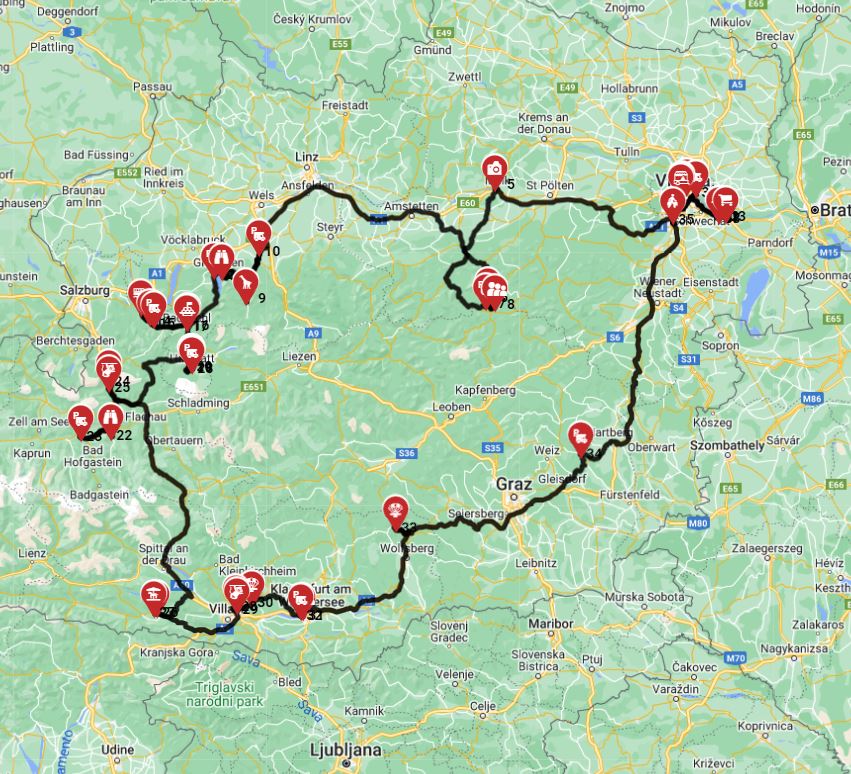
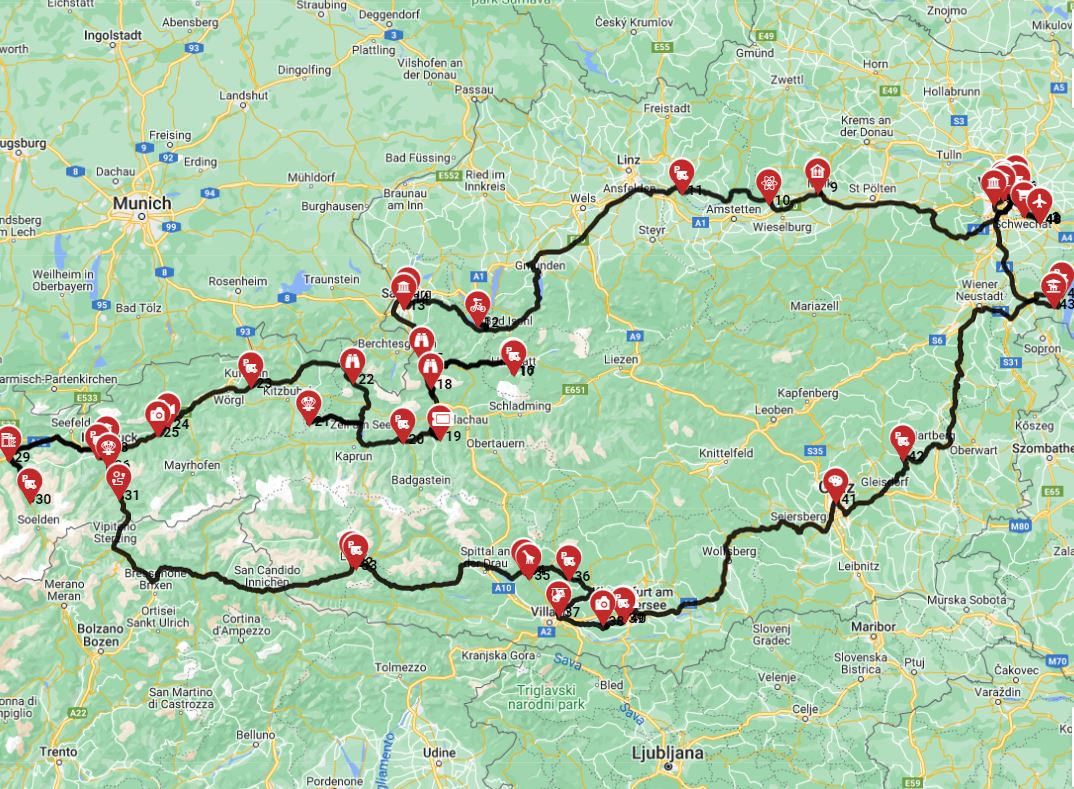
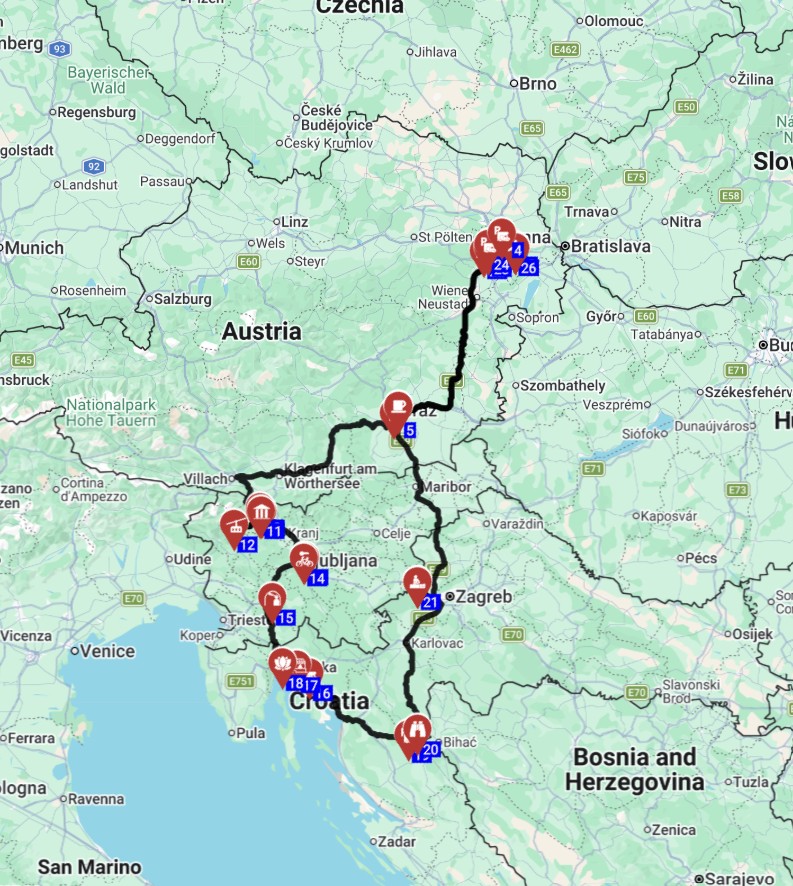
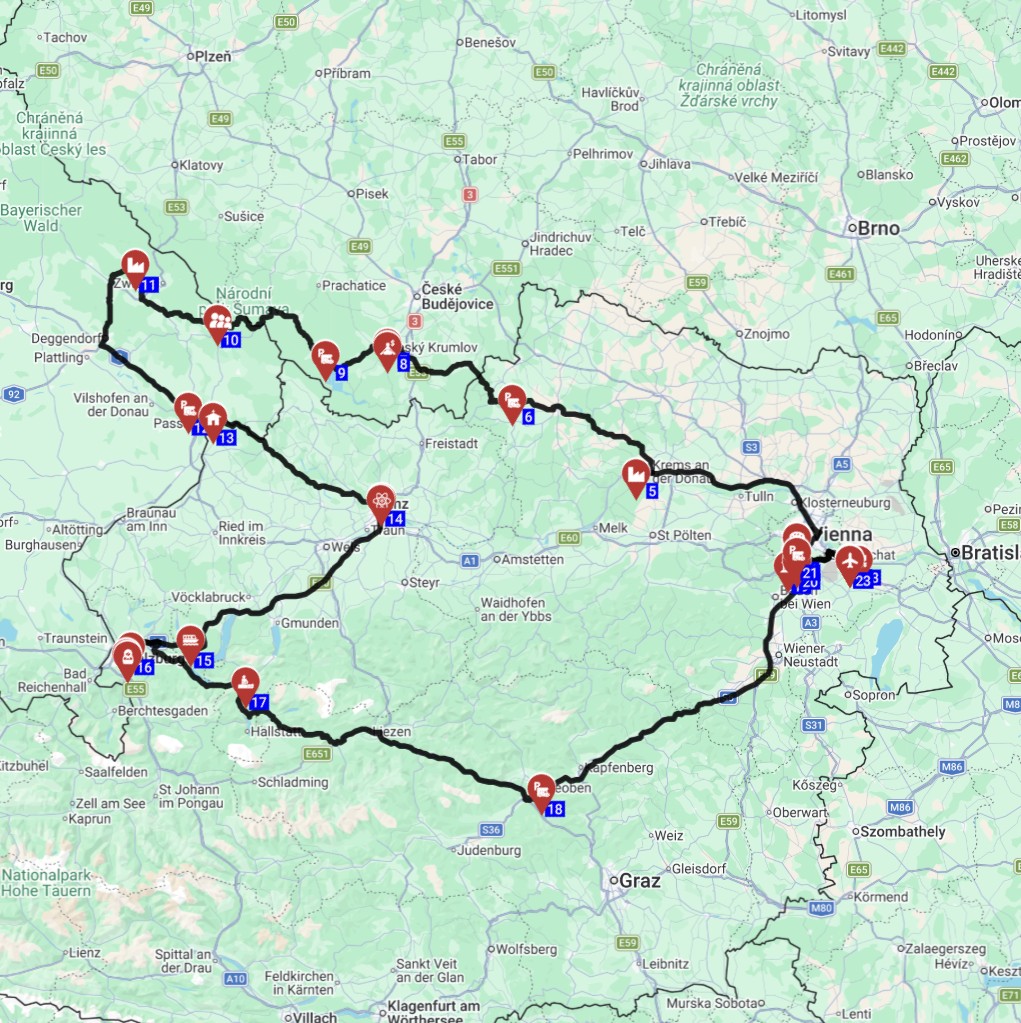
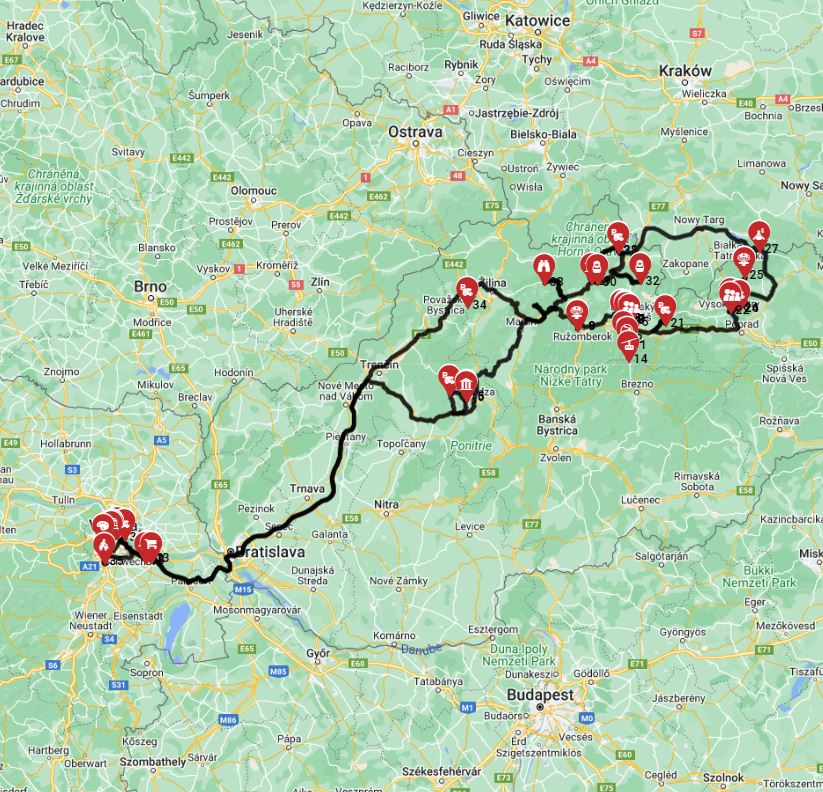
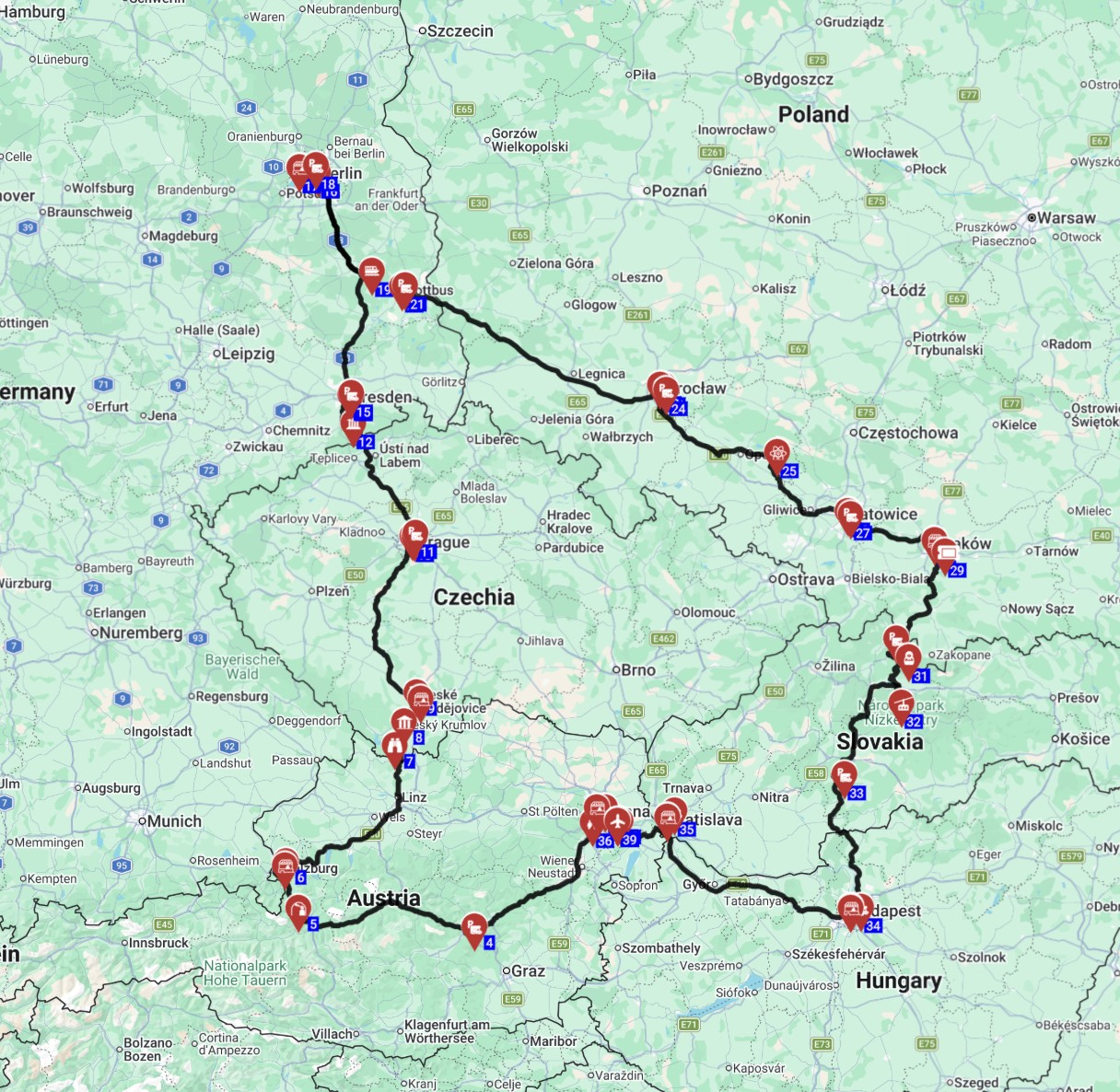
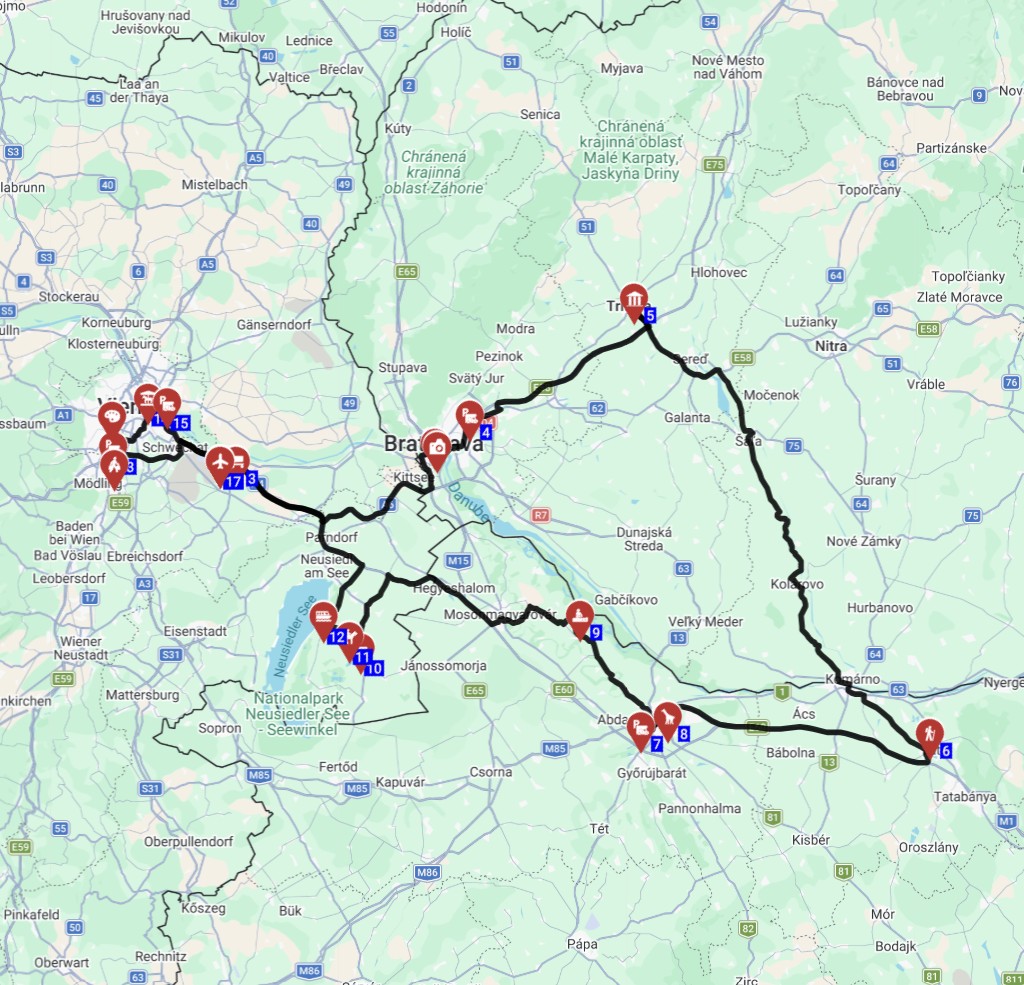
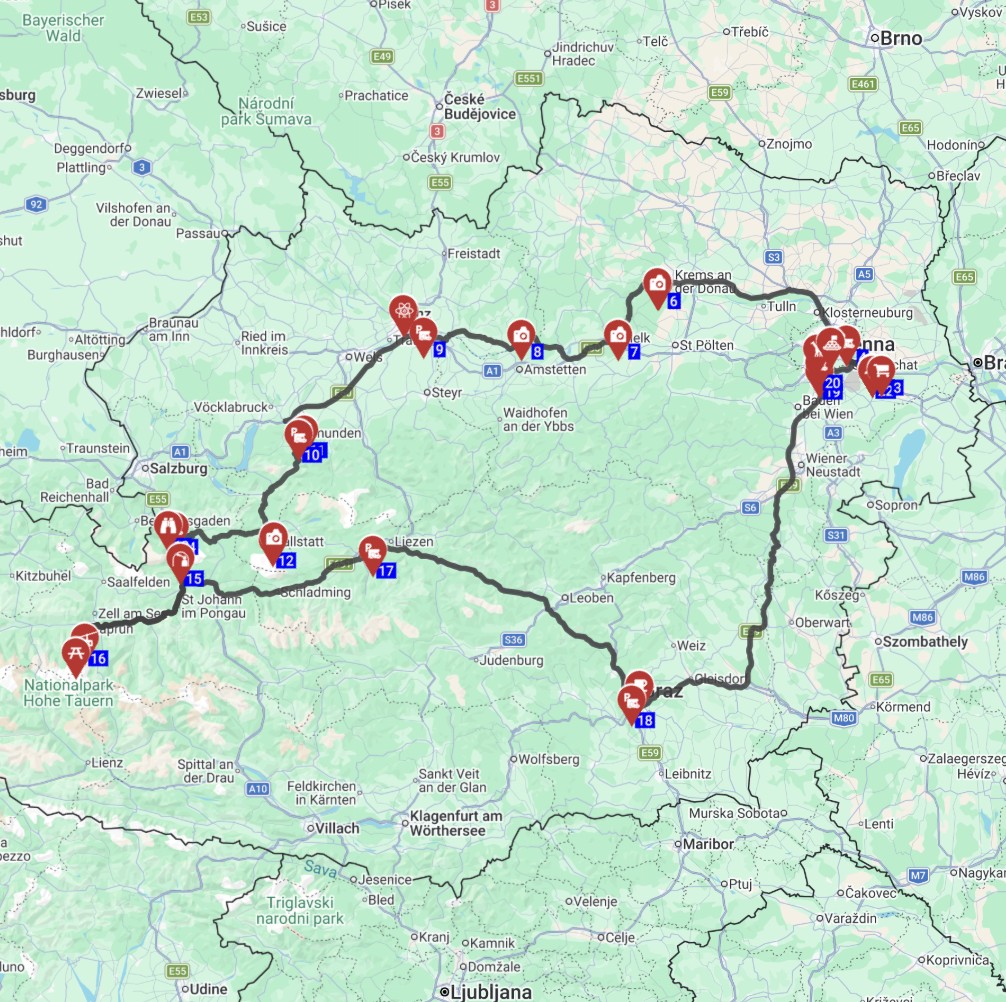
Explore pre-planned routes like the "Vienna Roundtrip - West" (16 days, 1888 km) which includes a variety of attractions, or the "Vienna Roundtrip - East to Slovakia" (16 days, 1334 km) for a broader Central European adventure. These routes are expertly crafted to maximize your RV experience.
Final Thoughts
Renting an RV in Vienna offers a unique perspective on exploring Austria, blending city exploration with the freedom of the open road. By understanding the driving regulations, road conditions, and toll systems, you can ensure a smooth and enjoyable journey. Remember to plan your routes and book your preferred RV class in advance, especially during peak seasons, to make the most of your adventure.
Whether you opt for a nimble Class B camper van for urban agility or a more spacious Class SI for extended comfort, Bandana Caravan is here to help you find the perfect motorhome for your Viennese escape. Start comparing prices and availability today to embark on your unforgettable RV adventure!
Find Motorhome Rentals in Vienna