In This Guide
- Can You Drive an RV in Vienna? License & Age Rules
- Road Conditions & Terrain in Vienna
- RV Size Limits, Bridges & Restricted Zones
- Fuel: Diesel vs. Petrol & Cost per 100 km
- Tolls, Vignettes & Border Rules
- Driving Tips for RV Rental Travelers
- Recommended RV Class for Vienna Roads
- Should I Choose a Compact Van Instead of a Large RV in Vienna?
- Can I Park Anywhere? Free & Wild Camping Rules in Vienna
- Can I Drive an RV Into the City Center? Heights, Tunnels & Local Signage
- What do I need to drive a motorhome in Austria?
- What is the 3-3-3 rule for RV?
- What requirements do you need to drive an RV?
- Can I drive in Austria with a US driver's license?
- Is Austria motorhome friendly?
- Is renting a car in Vienna worth it?
- How big of an RV can you drive without a special license?
- Who makes the Renegade Vienna?
- What category is a VW camper van?
- How much does the average RV insurance cost?
Embarking on your first motorhome adventure in a new city like Vienna is an exciting prospect! Imagine the freedom of waking up to views of rolling vineyards or historical landscapes, all from your comfortable rolling home. At Bandana RV, we believe that RV travel offers an unparalleled sense of discovery, and we're here to ensure your first-time driving experience in Vienna is smooth, enjoyable, and completely stress-free. For live availability and current prices, start with our RV Rental Vienna - Complete Guide 2026 guide.
Can You Drive an RV in Vienna? License & Age Rules
Yes, driving a rented RV in Vienna is absolutely possible, but specific license categories and age requirements apply based on the vehicle's weight. A standard Class B driver's license is sufficient for motorhomes up to 3,500 kg (3.5 tons), which covers many nimble campervans and smaller semi-integrated models, perfect for couples or small families. For larger RVs between 3,500 kg and 7,500 kg, a Class C1 license is required, which you'll need to obtain in your home country before your trip if your chosen vehicle falls into this category. The minimum legal driving age for a Class B license in Austria is 18, and for a Class C1 it is 21; however, Bandana RV requires drivers to be at least 21 years old for all our rentals, with no young driver surcharges. Non-EU drivers, including those from the US, must possess an International Driving Permit (IDP) alongside their valid national driver's license, acting as an official translation of your license, which is a legal requirement in Austria.
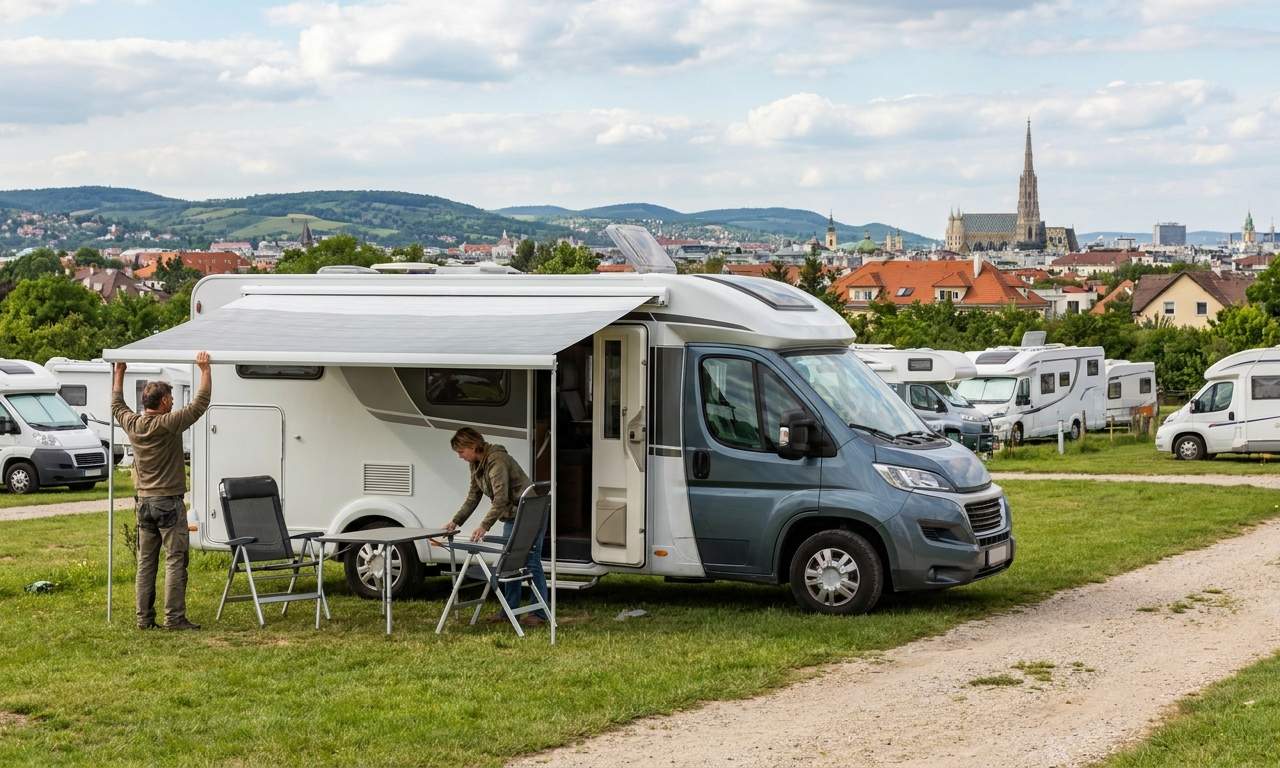
Understanding these licensing details is part of our full transparency promise, ensuring no surprises when you pick up your rental. We partner with over 50 leading RV suppliers worldwide, including trusted names like El Monte and Apollo, to offer a diverse fleet that caters to various license types. We aim to help you rent a motorhome or campervan that perfectly fits your travel needs and legal requirements for your Vienna adventure.
Road Conditions & Terrain in Vienna
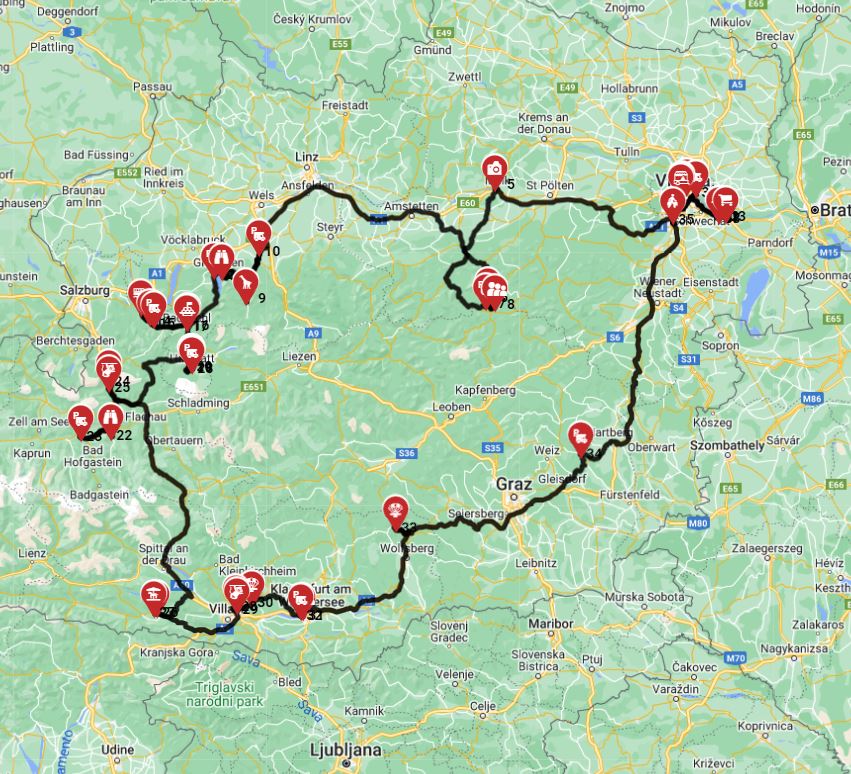
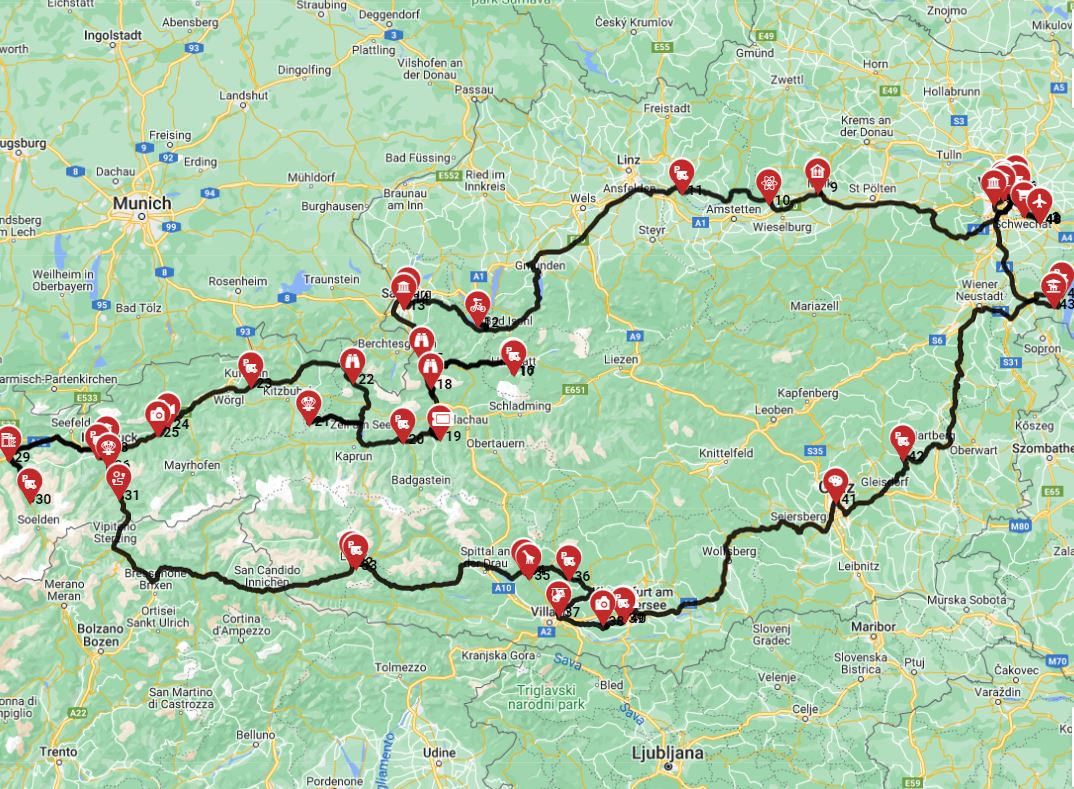
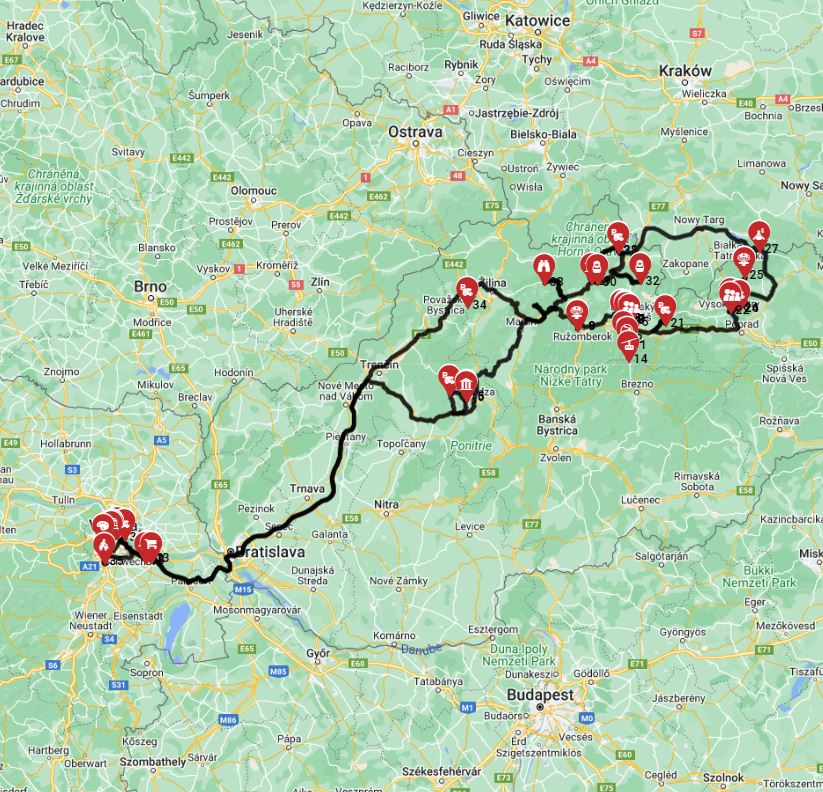
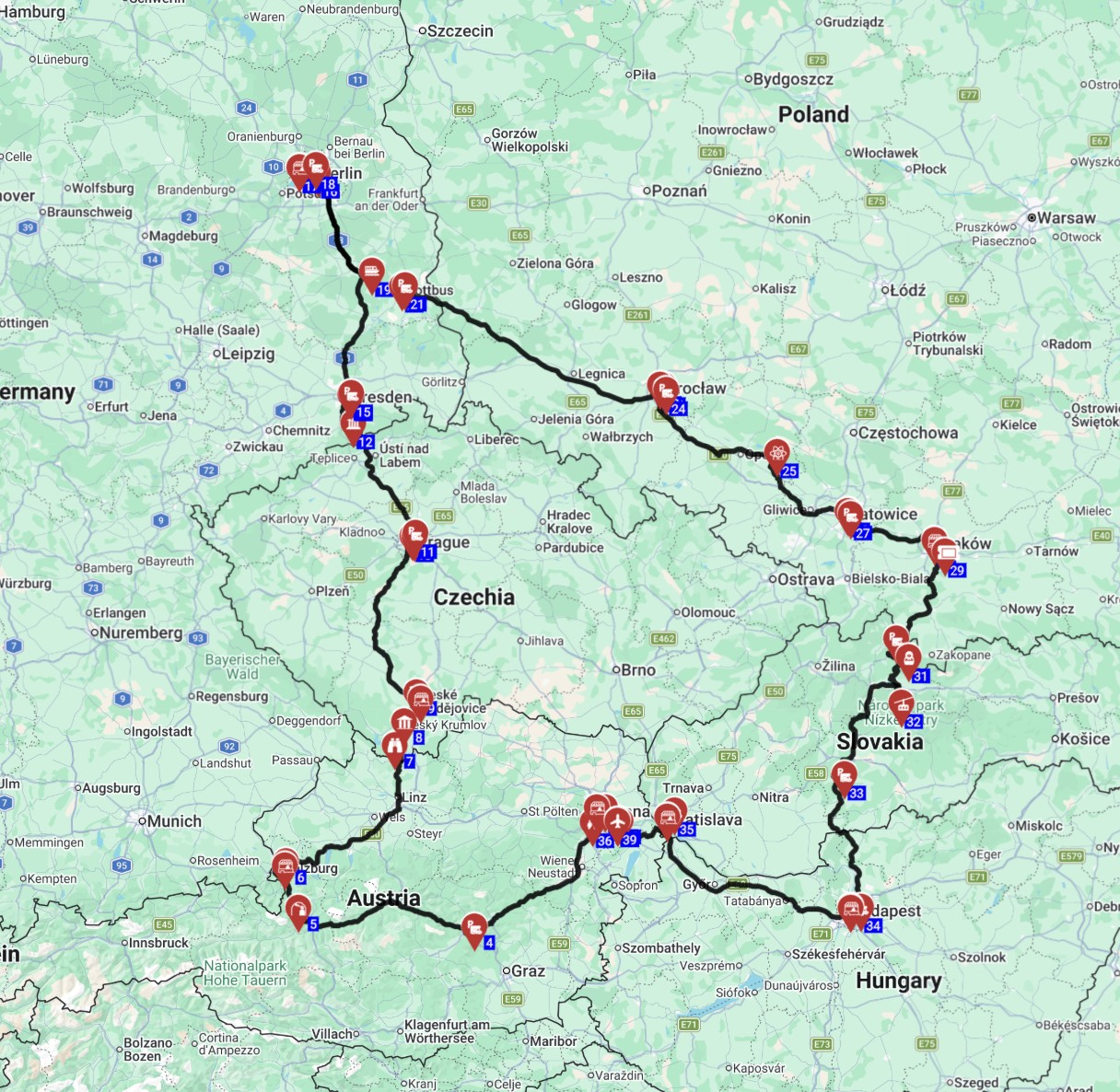
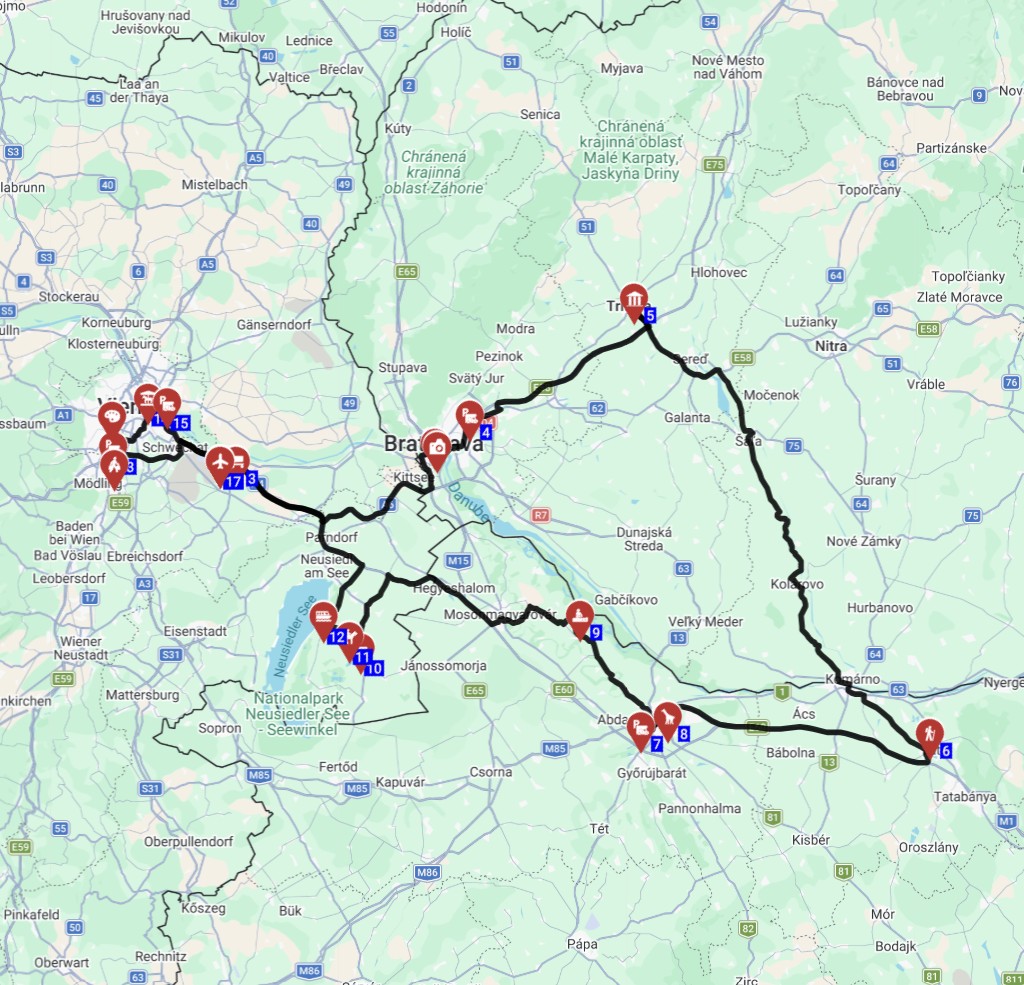
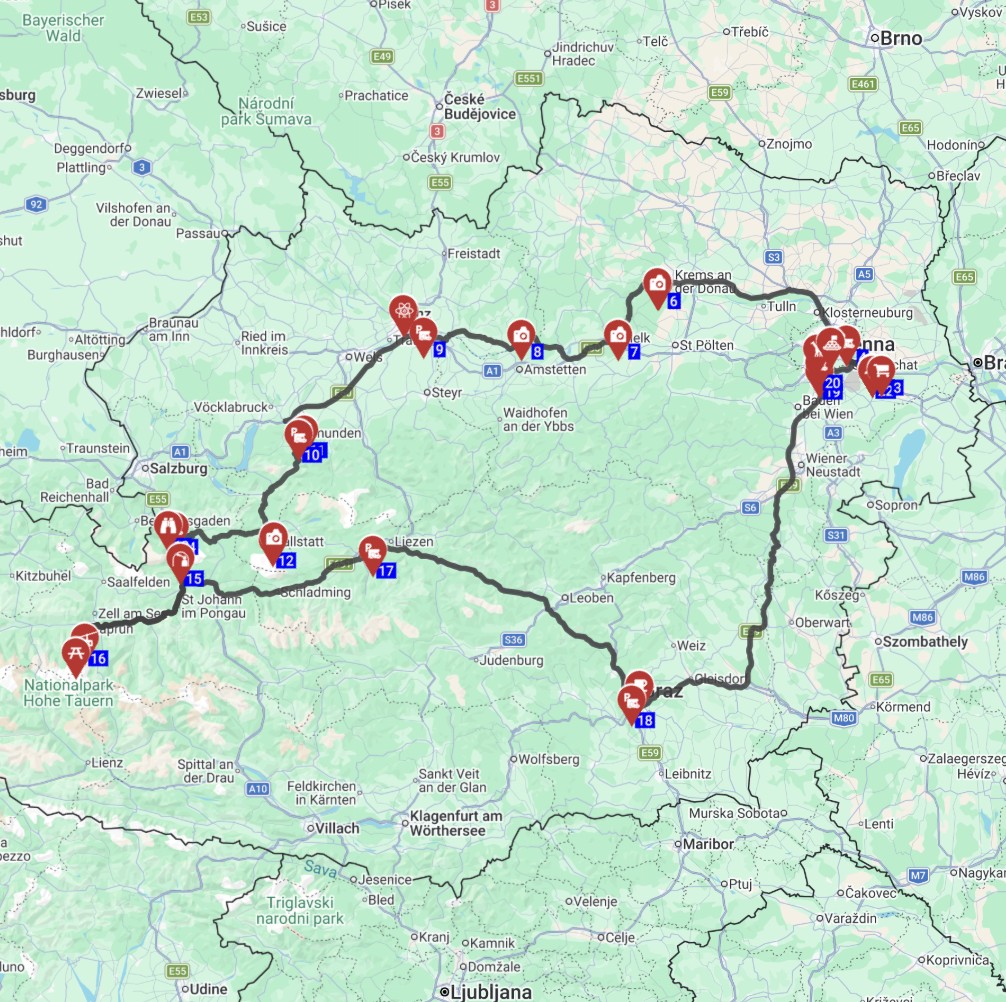
Vienna's road conditions are generally excellent, featuring well-maintained surfaces that make for comfortable RV travel, though urban areas present denser traffic and potential for narrow streets, while surrounding regions offer varied terrain including rolling hills and scenic country roads. Most major roads and highways in Austria, suchadesignated as the A1 (West Autobahn) leading into Vienna, are of high quality and suitable for all motorhome sizes. Within Vienna's urban core, especially in historic districts like the Innere Stadt, drivers can expect denser traffic, numerous tram lines, and some narrower streets, necessitating careful navigation. Drive slowly and carefully, and you can drive almost anywhere without issues. No need to stress - just use common sense and pay attention. The areas immediately surrounding Vienna, such as the picturesque Vienna Woods (Wienerwald) to the west or the Wachau Valley along the Danube, feature rolling hills and winding country roads, perfect for a slower, scenic rented RV drive, averaging a relaxed 100-150 km per day to truly absorb the beauty of the region. Many of our pre-planned routes from RV PLANET, such as "Vienna Roundtrip - West" (16 days, 1888.6 km), are designed to embrace these varied terrains.
🎬 Video coming soon
RV Size Limits, Bridges & Restricted Zones
While there are no blanket maximum rented RV size limits for general driving in Vienna, drivers must be highly aware of specific height and weight restrictions for tunnels, bridges, and environmental zones, particularly within historic or urban areas. Always observe road signs indicating height restrictions for underpasses, tunnels, and bridges; for instance, some historic underpasses in central Vienna or smaller towns in the Wachau Valley might have limits as low as 3.2 meters. Vienna does not currently impose a permanent low emission zone (Umweltzone) for private motorhomes; however, it is crucial to verify the latest regulations, especially if the RV is registered as a commercial vehicle or if driving through other Austrian cities like Linz or Graz, which may have their own requirements. Navigating Vienna's historic city center with a large Class A or Class C RV can be challenging due to narrow streets, limited turning radii, and pedestrian zones, making careful route planning essential. Consider renting a nimble Class B - Camper Van for maximum flexibility, with an average length of 5.8 meters across Bandana's fleet. For comprehensive route planning, including these details, consider using RV PLANET routes to map out every expense along the way.
Fuel: Diesel vs. Petrol & Cost per 100 km
Most rented RVs in Bandana's fleet operate on Diesel, which is widely available across Austria, and travelers can expect average fuel consumption ranging from 8-12 liters per 100 km depending on the RV class. Diesel fuel is the prevalent choice for motorhomes and is readily accessible at service stations throughout Vienna and across Austria, with most major fuel stops along highways and in suburban areas offering it. Bandana's Class B - Camper Vans typically achieve 8-10 Liters/100 km, while Class SI - Semi-integrated models average 10-11 Liters/100 km. Larger Class C - Alcove and Class A - Integrated RVs generally consume 10-12 Liters/100 km, with a 75 Liter fuel tank being common for many models. Current fuel prices should always be checked locally as they fluctuate, and some rental providers may offer fuel discount cards or specific fuel-efficient models. For accurately tracking fuel and other ancillary costs on your adventure, RV PLANET routes allow you to itemize and track every expense along the way for easy budgeting. On the routes offered through RV PLANET routes, you can itemize and track every expense along the way for easy budgeting.
Tolls, Vignettes & Border Rules
Driving a rented RV in Austria requires either a 'Vignette' for vehicles up to 3.5 tons on motorways and expressways, or a GO-Box system for RVs over 3.5 tons, with additional tolls for specific routes. A digital or physical Vignette is mandatory for all vehicles up to 3.5 tons, including most campervans and many Class SI models, using Austrian motorways and expressways; this can be purchased online, at border crossings, or at many petrol stations and tobacconists. For larger RVs exceeding 3.5 tons, such as some Class C and Class A motorhomes, a GO-Box electronic toll device is required for all toll roads, which charges based on distance traveled and axle count. In addition to the Vignette/GO-Box, certain special routes, such as the Brenner Pass, Arlberg Tunnel, or Tauern Tunnel, have separate distance-based tolls. While inside the Schengen Area, border crossings with neighboring countries like Slovakia, Hungary, or the Czech Republic are typically seamless, but be prepared for different toll and vignette systems in each country. Some RV rental vehicles may offer pre-purchased toll passes or GO-Boxes to simplify your journey and help avoid potential fines, a key aspect of our full transparency commitment.
Driving Tips for RV Rental Travelers
To ensure a smooth RV trip in and around Vienna, travelers should familiarize themselves with local speed limits, carry required safety equipment, and plan routes to account for vehicle size and potential urban restrictions. Adhere strictly to Austrian speed limits: 50 km/h in urban areas, 100 km/h on rural roads, and 130 km/h on motorways (reduced to 100 km/h for RVs over 3.5 tons and 80 km/h on rural roads for vehicles over 3.5 tons). Mandatory safety equipment for your rented RV includes a reflective safety vest for all occupants, a warning triangle, and a first-aid kit, which must be carried in the vehicle and easily accessible. From November 1 to April 15, winter tires are mandatory for vehicles up to 3.5 tons if winter conditions prevail, and for vehicles over 3.5 tons on at least one driving axle regardless of conditions; snow chains may also be required in designated mountainous areas. Maintain a blood alcohol content of no more than 0.05% while driving, as Austria has strict drink-driving laws. For family travelers, plan stops every 2 hours to avoid fatigue; for budget-conscious trips, consider pre-paying tolls via a Vignette or GO-Box; and for luxury comfort, inquire about RVs with automatic transmission options. Remember to travel slowly, averaging max 100-150 km per day, to truly immerse yourself in the culture and scenery.
Recommended RV Class for Vienna Roads
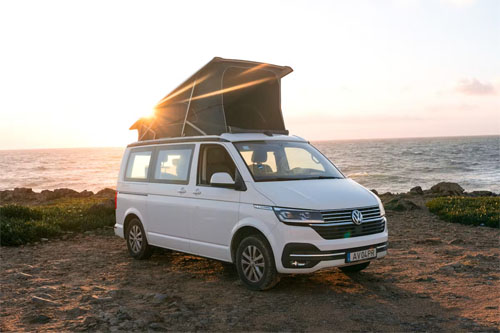
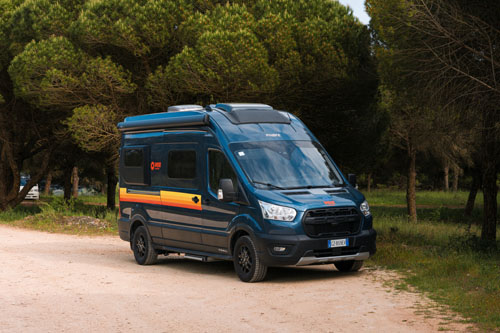
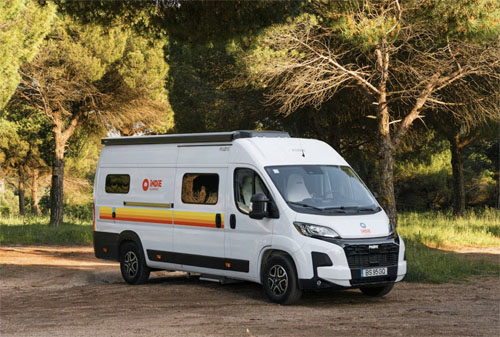
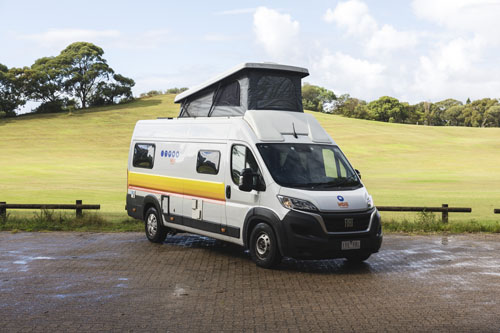
For navigating Vienna's roads and the surrounding Austrian countryside, Class SI (Semi-integrated) and Class B (Camper Van) RVs are highly recommended due to their balanced size and maneuverability. Class B - Camper Vans, with an average length of 5.8 meters across Bandana's fleet, offer excellent agility, making them ideal for navigating tighter country roads, charming village lanes, and city outskirts. These smaller campervans, like the VW California Ocean or similar models, are perfect for couples or small groups of 2-3 adults. Class SI - Semi-integrated RVs, averaging 6.9 meters in length, provide a good balance of living space and handling, suitable for touring beyond the city center with enhanced comfort for small families, often accommodating 2-4 people. While larger Class C - Alcove (avg. 7.5m) and Class A - Integrated (avg. 7.5m) models offer more interior space and amenities, their increased length and width may require more careful navigation in dense urban environments or on very narrow country lanes. We have a wide range, from the compact rent motorhome example A1 to larger family options like Group G, all available through our full transparency platform.
Should I Choose a Compact Van Instead of a Large RV in Vienna?
While a compact van (like a Class B Camper Van) offers superior maneuverability for tight city streets and historic centers, larger RVs often provide significantly more comfort and indoor space, which might be a preferred trade-off for a multi-day trip around Vienna and its surroundings. Compact vans, such as Bandana's Class B Camper Vans (e.g., a Combi Van or a M2 model, averaging length 5.8m), are easier to park and navigate through narrow streets, making them slightly more practical for day trips to bustling towns. Larger RVs (Class SI, C, A) offer more spacious living areas, dedicated bathrooms, and greater storage, enhancing comfort for longer journeys and families, providing amenities like a gas stove with 3 burners and a 140-liter refrigerator. For accessing Vienna's city center, both compact vans and larger RVs face similar challenges with parking and restricted zones; utilizing well-connected park-and-ride facilities on the city's outskirts largely mitigates the maneuverability advantage of smaller vehicles within the immediate core. The choice ultimately depends on your priority: maximum agility and basic amenities (compact van) versus enhanced comfort, space, and amenities (larger motorhome), especially if you plan to enjoy cooking in your rental, which you can learn more about in our RV-friendly recipes playlist.
Can I Park Anywhere? Free & Wild Camping Rules in Vienna
Wild camping and free overnight parking are generally prohibited in Vienna and most of Austria outside of designated campsites or private land with explicit permission. Austria has strict regulations against wild camping, and offenders can face substantial fines if caught, potentially ranging from €50 to €500 or more depending on the municipality and severity. Travelers should plan to stay at official campsites or dedicated motorhome parking areas ('Stellplätze') which offer facilities such as fresh water (100-150 Liters capacity for many RVs) and legal overnight parking. While some municipalities might have specific areas allowing limited overnight parking, these are rare in Vienna and require prior verification. Rules vary by region, so always check local regulations and follow local law before parking overnight to avoid penalties. For finding reliable campsites and campgrounds during your trip, we recommend using RV PLANET (rvplan.net) - a great resource for locating available spots along your route and planning your overnight stops, particularly for extended trips like "Weekly RV Rental in Vienna - Pricing 2026" or "Long-Term RV Rental in Vienna - Monthly Rates 2026."
Can I Drive an RV Into the City Center? Heights, Tunnels & Local Signage
While it is generally possible to drive a rented RV towards the periphery of Vienna's city center, direct entry into the innermost historic core is often impractical or prohibited due to pedestrian zones, restricted traffic areas, narrow streets, and limited parking, making park-and-ride facilities the most sensible option. Vienna's city center features numerous pedestrian zones (e.g., Graben, Kärntner Straße) and restricted traffic areas where RV access is either impossible or heavily restricted to local traffic only. Drivers must pay close attention to local signage, which will clearly indicate height limits for tunnels and low bridges (some as low as 3.0-3.5 meters), as well as environmental zones and streets reserved for residents only. Parking an RV directly within the city center is exceptionally difficult and expensive, with hourly rates easily reaching €5 or more; therefore, utilizing Vienna's well-connected Park & Ride facilities (e.g., P+R Erdberg, Siebenhirten, Leopoldau) on the outskirts is highly recommended. From these Park & Ride locations, excellent public transport links (metro, tram, bus) provide convenient access to all major city attractions, usually within a 15-30 minute ride. Our partner suppliers like Cruise America and Britz will provide clear instructions upon pickup.
What do I need to drive a motorhome in Austria?
To drive a motorhome in Austria, you will generally need a valid national driver's license corresponding to the vehicle's weight (Class B for under 3.5 tons, Class C1 for 3.5-7.5 tons), and for non-EU licenses like a US one, an International Driving Permit (IDP) is mandatory. A standard Class B license is adequate for rented RVs with a maximum authorized mass (MAM) up to 3,500 kg, which includes most campervans (like a VW California Ocean) and many semi-integrated models such as a EcoLine 2, which typically have lengths between 5.5 and 7 meters. If your motorhome's MAM exceeds 3,500 kg but is under 7,500 kg, a Class C1 license is legally required. Drivers must carry mandatory safety equipment including a reflective safety vest for each occupant, a warning triangle, and a first-aid kit, all of which are usually provided by your Bandana RV rental supplier. All vehicles using Austrian motorways and expressways require a 'Vignette' (for under 3.5 tons) or a GO-Box (for over 3.5 tons) for toll payment, which should be acquired before entering these roads. Remember, our 24/7 support ensures you have peace of mind throughout your booking process, from comparing motorhome prices to understanding these essential requirements.
What is the 3-3-3 rule for RV?
The '3-3-3 rule' for RV travel is a widely adopted guideline recommending that RVers travel no more than 300 miles (approximately 480 km) a day, arrive at their destination by 3 PM, and stay for a minimum of 3 nights, promoting a relaxed and sustainable pace of travel. Traveling no more than 300 miles daily helps prevent driver fatigue and allows more time for spontaneous stops and scenic enjoyment, perfectly aligning with our recommendation to travel slowly, averaging 100-150 km per day. Arriving at your campsite or Stellplatz by 3 PM provides ample daylight to set up, explore the immediate surroundings, and relax before dusk, ensuring you make the most of your stay in places like Camping Wien West. Staying for at least 3 nights at each location encourages deeper immersion in the local culture, enables exploring nearby attractions beyond Vienna, such as the Wachau Valley (an 80 km drive), and reduces the stress of constant packing and unpacking. Adhering to this rule can also lead to cost savings by allowing travelers to take advantage of longer-stay campsite discounts and to cook more meals at the RV, integrating well with a budget-conscious approach to renting an RV in Austria.
What requirements do you need to drive an RV?
Driving a rented RV in Austria requires a valid national driving license appropriate for the vehicle's gross weight, an International Driving Permit if your national license is not from an EU/EEA country, mandatory safety equipment within the vehicle, and adherence to Austrian road regulations including speed limits and toll payment systems. Ensure your driver's license covers the RV's maximum authorized mass (MAM); typically, a Class B is for vehicles up to 3.5 tons (e.g., a luxury rv rentals example Carthago Malibu 600 campervan) and Class C1 for 3.5 to 7.5 tons (such as a MH4-5 - SIF motorhome). An International Driving Permit (IDP) is legally required for drivers holding licenses issued outside the EU/EEA, serving as an official translation of your national license. You must carry specific safety gear: a reflective safety vest for all occupants, a warning triangle, and a first-aid kit, readily accessible in the rented RV. All RVs must display a valid Austrian Vignette (for under 3.5 tons) or be equipped with a GO-Box (for over 3.5 tons) for use on motorways and expressways. Familiarity with Austrian road signs, speed limits (50 urban, 100 rural, 130 motorway, with lower limits for heavy RVs), and winter driving requirements (winter tires, snow chains) is essential, especially when venturing towards the mountains.
Can I drive in Austria with a US driver's license?
Yes, you can drive a rented RV in Austria with a US driver's license, but it must always be accompanied by an International Driving Permit (IDP), which acts as an official translation and is legally required for non-EU/EEA licenses. The IDP must be obtained in your home country (e.g., through AAA or AATA in the US) before your departure for Vienna. Your US driver's license remains the primary document; the IDP supplements it and is typically valid for one year. Failure to carry an IDP alongside your US license can result in fines, difficulties with law enforcement, and potential issues with insurance coverage in the event of an accident. Ensure both your US license and IDP are valid for the entire duration of your RV rental period in Austria, particularly if you are considering a "Weekly RV Rental in Vienna - Pricing 2026" or longer. This is part of ensuring full transparency and peace of mind when you rent a motorhome or campervan through Bandana RV.
Is Austria motorhome friendly?
Austria is generally very motorhome friendly, offering excellent infrastructure with well-maintained roads, numerous scenic campsites, and a culture that embraces outdoor and nature-based tourism, though urban centers like Vienna require specific planning for parking and access. The country boasts a comprehensive network of well-maintained roads, including scenic routes through the Alps, the Danube Valley, and regions like Wachau, making RV travel enjoyable and accessible for all motorhome classes. Numerous high-quality campsites and dedicated Stellplätze (motorhome parking areas) are available across Austria, often equipped with modern facilities like electricity, fresh water, and waste disposal points. While wild camping is strictly prohibited, the abundance of official sites provides ample options for overnight stays. For cities like Vienna, while driving directly into the historic center is challenging, excellent Park & Ride facilities on the outskirts provide convenient public transport access, allowing RVers to explore urban culture easily. Austria’s landscapes, from the vineyards of Wachau to the picturesque Salzkammergut lakes and historic Burgenland, are highly accessible by a rented RV, providing ample opportunities to integrate local culture and experiences, such as those highlighted in the "RV Travel Guide to Vienna - Tips and Top Spots 2026".
Is renting a car in Vienna worth it?
Renting a car in Vienna itself is often not worth it for solely exploring the city center due to extensive public transport, pedestrian zones, high parking costs, and traffic, but an RV rental is highly recommended for exploring Vienna's surrounding regions and longer Austrian road trips. Vienna boasts an excellent, efficient, and affordable public transportation system (U-Bahn, tram, bus), making a private car unnecessary for sightseeing within the city, with a 24-hour public transport ticket costing around €8. The city center has numerous pedestrian zones and restricted traffic areas, making driving and parking a car (or RV) cumbersome and expensive, with limited street parking and underground garages costing upwards of €30-€40 per day. A rented RV, in contrast, offers the combined benefit of transport and accommodation, making it ideal for venturing beyond Vienna to experience the Austrian countryside, such as the Wachau Valley's vineyards or the Burgenland lakes, where you can find campsites with electrical hookups and fresh water access. For trips focused solely on Vienna, public transport is superior; for broader Austrian exploration with Vienna as a starting point, an RV offers unparalleled freedom and a cost-effective way to combine travel and lodging, often saving on hotel costs.
How big of an RV can you drive without a special license?
In Austria and most of Europe, you can typically drive a rented RV with a standard Class B driver's license as long as its maximum authorized mass (MAM) or gross vehicle weight rating (GVWR) does not exceed 3,500 kilograms (3.5 tons). The 3,500 kg limit is the critical threshold for standard passenger vehicle licenses (Class B) in Austria and across the EU, meaning no special license, CDL, or additional permits are required. Many popular RV models, including most Class B Camper Vans (Bandana's fleet avg. 5.8m length) and numerous Class SI Semi-integrated RVs (Bandana's fleet avg. 6.9m length), are designed to fall within this 3.5-ton limit, offering comfortable sleeping for 2-4 adults. RVs exceeding 3.5 tons but not more than 7.5 tons require a Class C1 license, while those over 7.5 tons demand a full Class C license. Always verify the specific MAM/GVWR listed on the RV's registration documents to ensure your license category matches the vehicle you intend to drive, which we transparently provide on our comparison platform for vehicles like the Cat B - Sky 25 or F2.
Who makes the Renegade Vienna?
The Renegade Vienna is a specific model of luxury Class C motorhome manufactured by Renegade RV, an American company, and while it is a popular model in North America, it is unlikely to be available for rental in European fleets like those operating in Vienna. Renegade RV is a well-known manufacturer based in the United States, specializing in high-end recreational vehicles and motor coaches, often built on a Mercedes-Benz Sprinter chassis. The Renegade Vienna is typically adapted for the North American market, with features and specifications catering to US standards. European RV rental fleets, including those serving Vienna, primarily feature models from European manufacturers such as Hymer, Dethleffs, Knaus, and Bürstner, which are designed to meet European road conditions and consumer preferences in terms of size, engine, and amenities. Travelers looking for similar compact, luxury Class C or B+ models in Vienna should inquire about comparable European brands available through local rental providers, which Bandana RV offers through its direct partnerships with over 50 leading suppliers worldwide.
What category is a VW camper van?
A VW camper van, such as the iconic California model, typically falls into the 'Class B - Camper Van' category of RVs, characterized by its compact size, integrated living and sleeping areas within a standard van chassis, and suitability for agile travel. Class B Camper Vans, like the VW California, are built on conventional van chassis, offering a more compact footprint than larger motorhomes, with an average length of around 4.9-6 meters. These vehicles are highly maneuverable, making them easier to navigate through urban areas and narrow European roads, and often fit into standard parking spaces. Bandana's Class B - Camper Vans average 5.8 meters in length and typically accommodate 2-3 adults, consuming around 8-10 Liters/100 km. They are favored for their versatility, combining daily driver functionality with basic overnight camping amenities like a 2-burner gas stove and a 40-80 liter refrigerator, ideal for couples or small families seeking agile exploration around Vienna and Austria. Consider a Condo or Chaser for similar experiences.
How much does the average RV insurance cost?
The cost of RV rental insurance is highly variable, depending on factors such as the RV's value, the rental duration, chosen coverage levels (basic vs. comprehensive), the driver's age and record, and the rental company's policy, but typically ranges from €20 to €50 per day for rental excess reduction. Basic third-party liability insurance is usually included in the rental price by law in Austria, covering damage to other vehicles or property. Most rental companies offer optional Collision Damage Waiver (CDW) with varying levels of 'excess' (deductible), which reduces your financial liability in case of damage to the rented RV. Reducing the excess, which costs extra and might add €20-€40 per day, is often advisable to limit out-of-pocket expenses in the event of an incident, providing top-level deductible reimbursement for extra peace of mind. Prices for additional coverage or excess reduction vary significantly between rental providers and depend on the specific RV model and the duration of your rental. It's crucial to review the insurance terms thoroughly with your RV rental provider and consider purchasing independent travel insurance that may cover rental vehicle excess, ensuring full transparency in your total trip cost for Vienna.
What You Shouldn't Miss
- Wander through Schönbrunn Palace Gardens: Spend a day exploring the majestic Schönbrunn Palace, a UNESCO World Heritage site. Park your RV at Camping Wien Neue Donau, and take a short public transport ride to this imperial gem. Don't miss the Gloriette and the stunning panoramic views of Vienna.
- Explore the Wachau Valley: Just an hour's drive west of Vienna, this UNESCO World Heritage region is perfect for a slow RV trip. Discover charming towns like Dürnstein and Melk Abbey, enjoy wine tastings at local vineyards, and cycle along the Danube River. Many campsites in the region welcome motorhomes, allowing you to easily prepare meals from your RV's kitchen.
- Experience a Viennese Heuriger: Head to a traditional wine tavern (Heuriger) in the vineyards of Grinzing or Nussdorf, located on the outskirts of Vienna. Enjoy local wine and traditional Austrian food, accessible by public transport from your campground. This is a truly unique Viennese cultural experience.
- Visit the Prater Amusement Park: For families, the Wiener Prater offers classic amusement park fun, including the iconic Giant Ferris Wheel. It's easily reachable from city campgrounds and provides a lively contrast to Vienna's historical sites.
- Stroll through the Wienerwald (Vienna Woods): Escape to nature in the UNESCO Biosphere Reserve of the Vienna Woods. Hike, cycle, or simply relax amidst the beautiful scenery, just minutes from the city. Consider packing an RV-friendly picnic with items from a local market, which you can learn to prepare with our RV-friendly recipes playlist.
Final Thoughts
Driving a rented RV for the first time in Vienna is an experience filled with discovery and unforgettable moments. From navigating the imperial city's outskirts to exploring the stunning Austrian countryside, your motorhome offers the ultimate freedom and flexibility. Remember our advice: drive slowly, embrace the local culture, and let the journey unfold at your own pace. Austria, with its excellent infrastructure and welcoming atmosphere, is truly motorhome friendly, offering a perfect blend of natural beauty and cultural richness.
At Bandana RV, we're your trusted partner in making these dreams a reality. With our commitment to full transparency, 24/7 support, and expert-curated routes from RV PLANET (rvplan.net), you have everything you need to plan an incredible adventure. Don't hesitate to reach out to our true RV specialists who are ready to help you every step of the way, ensuring your Vienna RV rental is as seamless as it is memorable.
Find Motorhome Rentals in Vienna