In This Guide
- Top 5 Tips for RV Rental in South West US
- Before You Book - Class, Dates, Insurance
- Pre-Trip Prep - Packing Checklist for South West US
- On the Road - Driving, Fueling, Navigation
- At the Campground - Setup, Hookups & Etiquette
- RV Rental-Specific Tips for South West US
- Common Mistakes to Avoid in South West US
- How much does it cost to rent an RV for a weekend?
- Is it worth renting an RV for 3 days?
- What is the best RV to rent for a beginner?
- What do I need to know before renting an RV for the first time?
- What can you do with an RV for a weekend?
- What are the best places to RV in the Southwest for a weekend?
- What should I pack for an RV trip to the Southwest?
- Can you boondock in the Southwest?
- Are RVs allowed on BLM land in Arizona?
- Do RVs have good cell service in the desert?
- How do you prepare for extreme heat in an RV Southwest?
- What is the best time to RV in the Southwest?
- What are some common mistakes when RVing in the Southwest?
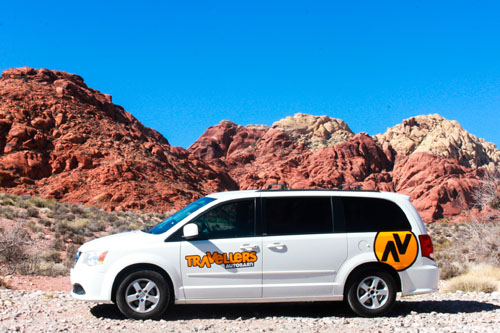
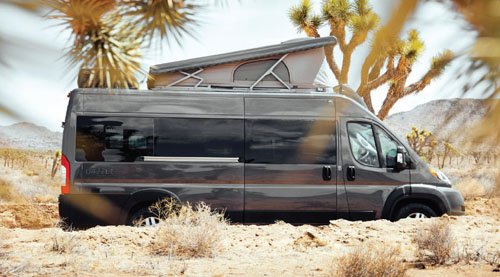
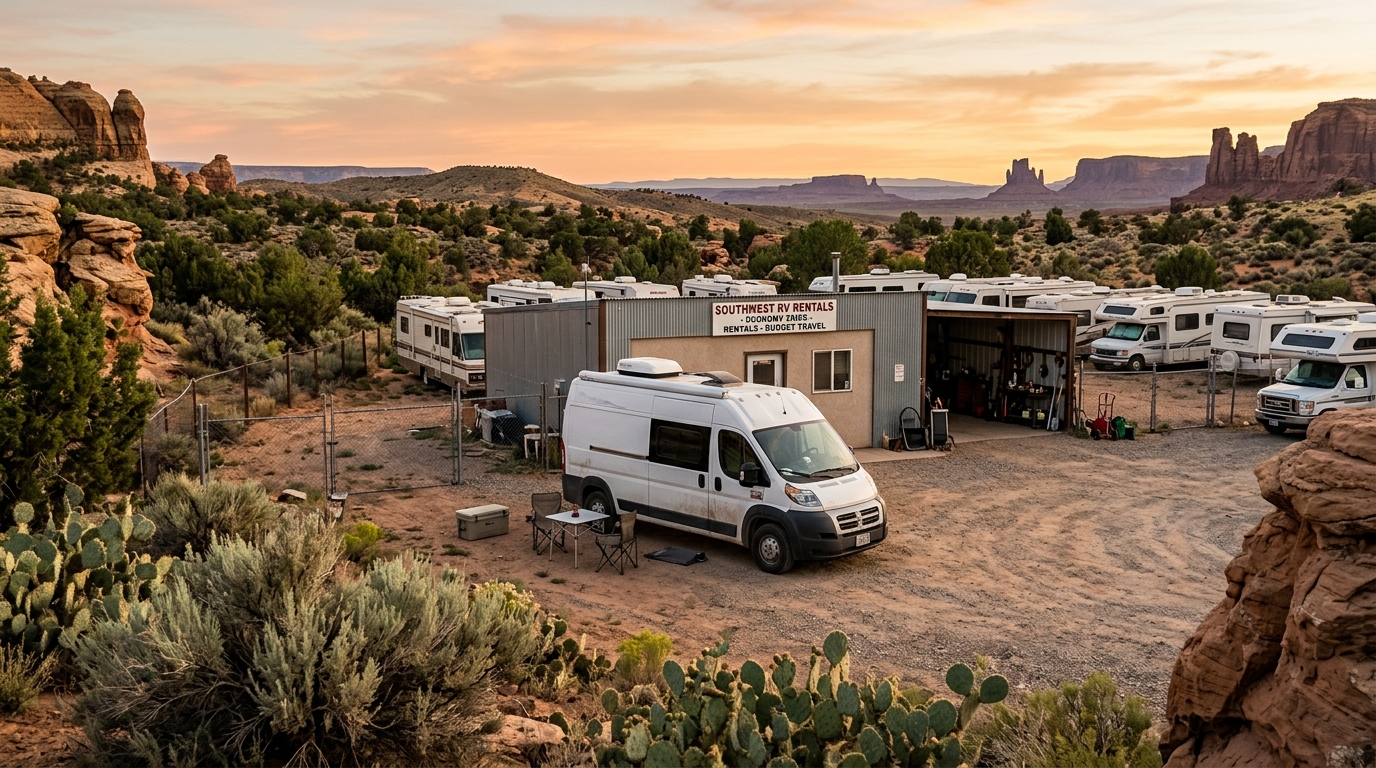
Exploring the majestic landscapes of the American South West US with a rented RV, campervan, or motorhome offers an unparalleled sense of freedom and adventure. Imagine waking up to a panoramic desert sunrise, brewing your coffee in your mobile kitchen, and setting off to discover ancient canyons, vibrant red rock formations, and starlit nights that stretch forever. Whether you're a seasoned RVer or embarking on your first motorhome journey, this guide provides essential tips to ensure your trip is smooth, memorable, and full of incredible discoveries. For live availability and current prices, start with our RV Rental South West US - Complete Guide 2026 guide.
Top 5 Tips for RV Rental in South West US
Successful RV travel in the South West US begins with proactive planning and informed decisions, ensuring a seamless adventure through its unique terrains. Our first tip is to book your RV rental and campsites early, especially for peak seasons (March-May and October-November) and popular destinations like national parks, which often require reservations months in advance and only reserve 25-30% of spots; the rest are first-come-first-serve. Secondly, choosing an RV class that perfectly matches your driving comfort, group size, and desired amenities is crucial; a smaller Class B campervan, like the "rv rental denver example Category Van" for two with front air conditioning and a toilet, offers maneuverability, while a larger Class C motorhome like the "MHC24" (sleeping up to 6 with slide-outs, generator, and air conditioning) provides more space for families. Thirdly, budget for all trip costs, including rental fees, fuel, mileage packages, and campsite charges, keeping in mind that prices are dynamic and change daily like flight tickets; RV PLANET routes allow you to itemize and track every expense for easy budgeting. Fourth, plan a flexible itinerary, allocating ample time for spontaneous stops and accounting for slower travel speeds, typically recommending max 100-150 km per day on average, to truly connect with the culture, food, and scenery. Lastly, prioritize water management, sun protection, and understanding remote area challenges, such as unreliable cell service and vast distances between services, which are inherent to the desert climate of the South West US. On the routes offered through RV PLANET routes, you can itemize and track every expense along the way for easy budgeting.
Before You Book - Class, Dates, Insurance
Selecting the right motorhome or campervan class for your South West US adventure is a foundational step in the booking process. Travelers can choose an RV class, such as a compact Class B campervan like the "V3" (sleeping 2, with single beds and a marine toilet, and typically around 6.36 meters long) for nimble travel, or a spacious Class C motorhome like the "rv rentals example Comfort Class" (offering three double beds and ideal for larger families or groups) for extended comfort, based on driving comfort, group size, and desired amenities. For larger vehicles, consider our Luxury RV Driving in South West US - Scenic Routes 2026 guide. Locking in your rental dates and campsite reservations well in advance is highly recommended, particularly for popular periods like spring break or national park visits, as many spots operate on a first-come, first-serve basis if not reserved. Understanding the insurance options available is also crucial; basic liability coverage is typically included with your rental, but you can upgrade to a top-level deductible reimbursement for extra peace of mind, protecting you from unexpected costs. Bandana Caravan prioritizes full transparency, ensuring what you see is what you pay, with no hidden fees or surprises at pickup.
Pre-Trip Prep - Packing Checklist for South West US
A well-prepared packing checklist is essential for a comfortable and safe RV rental trip through the South West US. Travelers should pack lightweight, breathable clothing, wide-brimmed hats, and UV-protective gear to combat the intense sun exposure and varying desert temperatures. Beyond personal items, include essential kitchen items like a portable grill, reusable water containers, and non-perishable food, as grocery stores can be far apart in remote regions; consider our RV-friendly recipes playlist for meal ideas. It's vital to prepare a comprehensive safety kit with first-aid supplies, emergency roadside tools, and ample emergency water, with at least 5 liters per person per day recommended for desert environments. Organize important documents such as your rental agreement, standard car driver's license (an International Driving Permit is recommended for non-English speakers), and downloaded offline maps, as cellular service can be intermittent. Lastly, consider connectivity solutions like a portable power bank or a satellite communication device for remote areas where cell signal is unreliable, especially if exploring extensive BLM lands.
On the Road - Driving, Fueling, Navigation
Driving a rented motorhome or campervan in the South West US requires a mindful approach to navigate diverse terrains and distances safely. You can drive slowly and carefully, and you can drive almost anywhere without issues, so there's no need to stress about RV size - just use common sense and pay attention. Refuel proactively; gas stations can be scarce in remote Southwest regions, so fill up your tank (often 70-208 liters for a Class C motorhome) when opportunities arise, especially before entering national parks or wilderness areas. Utilize RV-specific GPS or navigation apps that consider vehicle height (up to 3.66 meters for some Class A motorhomes) and weight, helping you avoid restricted routes and low clearances. Taking regular breaks every 2-3 hours helps prevent driver fatigue, which is crucial on long desert stretches, and allows you to stay alert for road hazards or unexpected wildlife crossings. For more tips on navigating larger vehicles, consult our Family RV Driving in South West US - Safe Routes 2026 guide.
At the Campground - Setup, Hookups & Etiquette
Setting up your rented RV or campervan at a campground in the South West US involves a few key steps to ensure comfort and compliance with local rules. You should level your RV upon arrival to ensure proper appliance function (like the refrigerator, often 90-190 liters) and comfortable living conditions, using leveling blocks as needed. Connect hookups in the correct sequence: sewer line first, then water (fresh water tanks vary from 80-260 liters), and finally electrical power, if available at your site. Adhere to campground quiet hours, typically from 10 PM to 6 AM, manage generator use responsibly, and always respect your neighbors' space. Practicing Leave No Trace principles is paramount in sensitive desert ecosystems; this means properly disposing of all waste, packing out everything you pack in, and minimizing your environmental impact, especially when using dump stations or propane refills. For finding campsites and campgrounds during your trip, we recommend using RV PLANET (rvplan.net) - a great resource for locating available spots along your route.
RV Rental-Specific Tips for South West US
Tailoring your RV rental experience to your group's needs is key for a successful South West US adventure. Families should select motorhomes with multiple sleeping zones, such as a "Glamys 265" Class C (with space for 5-6 people), and plan activities that accommodate children's schedules and nap times, ensuring everyone enjoys the trip. Retired couples or smaller groups might prefer smaller Class B or C RVs for easier handling, like an "rv rental denver example Category Van", and prioritize campgrounds with full hookups for maximum convenience. Budget travelers can save money by utilizing free dispersed camping opportunities on BLM lands and preparing most meals in their RV, making use of the onboard gas stove and refrigerator. Luxury seekers can opt for high-end Class A motorhomes, like the "Class A - Thor ACE 30" (with beds for 6 and a 302-liter fuel tank), equipped with premium amenities and considering add-ons like outdoor entertainment systems for enhanced comfort. For detailed pricing comparisons, check out our Luxury RV Rental in South West US - Premium Prices 2026 and Cheap RV Rental in South West US - Budget Guide 2026 resources.
Common Mistakes to Avoid in South West US
Many first-time RV renters in the South West US often make similar mistakes that can easily be avoided with proper preparation. A common pitfall is underestimating the vast distances and necessary travel times between attractions; instead, plan for slower travel, averaging 100-150 km per day, and build in buffer periods for unexpected stops or delays. Do not ignore local weather forecasts, especially for extreme summer heat or monsoon season flash flood risks; always check daily and prepare accordingly with appropriate gear and route adjustments. Running out of fresh water is another frequent issue; instead, always carry more water than you anticipate needing (e.g., 5-gallon jugs) for drinking, cooking, and emergencies, as water sources can be scarce. Avoid overlooking RV size restrictions on certain narrow park roads or in older town centers; instead, research routes suitable for your specific motorhome or campervan (e.g., a Class C motorhome like the "CA-25" is 7.6 meters long). Lastly, never neglect Leave No Trace principles; instead, pack out all trash, dispose of gray and black water at designated dump stations only, and respect the fragile desert ecosystems.
How much does it cost to rent an RV for a weekend?
Weekend RV rental costs in the South West US typically range from $150 to $400+ per night, varying significantly by RV class, age, features, and booking seasonality. A smaller campervan, such as the "Combi Van" for two people, might start around $150/night, while a larger Class C motorhome like the "24' Class C Motorhome" (sleeping up to 5) could easily exceed $300-$400/night during peak demand periods. Budget for significant fuel costs, especially with larger RVs covering longer distances in the Southwest, as average fuel consumption can be 20-25 liters per 100 km (8-11 miles/gallon). Factor in additional costs such as campsite fees (which vary greatly between private parks, averaging $30-$70/night, and public lands, which can be free for dispersed camping), propane refills (typically $20-$40), dump station fees ($10-$25), and any potential mileage overage charges if you exceed an included allowance. Consider additional expenses for insurance upgrades, convenience kits (e.g., kitchenware, linens), and any optional add-ons like a bicycle rack. Budget-conscious travelers can save by choosing older, smaller RV models and actively seeking out free dispersed camping opportunities on public lands. Remember, prices are dynamic and change daily based on availability, seasonality, and supplier marketing decisions; the final price is set at actual booking time.
Is it worth renting an RV for 3 days?
Renting an RV, motorhome, or campervan for a 3-day trip in the South West US is highly worthwhile, offering a convenient and immersive way to experience local destinations without extensive planning or packing. For short trips, consider a compact campervan like the "Active Pop Top" which is 5.99 meters long and sleeps 4, perfect for quick getaways. To maximize your time, focus on single-destination trips or short, manageable loops, ensuring you spend more time enjoying activities and less time driving. Choose destinations within a 2-3 hour radius of your pickup location, like Phoenix to Sedona, or Las Vegas to Valley of Fire State Park, to reduce travel fatigue and maximize your experience at the site. The inherent advantage of bringing your accommodation and kitchen along, complete with a refrigerator (often 80-190 liters) and a gas stove, significantly enhances efficiency and enjoyment for short, immersive getaways, allowing for fresh meals even in remote locations. For ideas on shorter journeys, look into "RV Rental in South West US for Couples - Pricing 2026".
What is the best RV to rent for a beginner?
For first-time RV renters in the South West US, a Class B campervan or a smaller Class C motorhome generally provides the easiest driving experience and sufficient amenities. Class B RVs, often resembling large SUVs, are typically 5-7 meters long, handle much like passenger vehicles, are easier to park in regular spots, and offer better fuel economy (around 10-14 liters/100km), making them ideal for navigating smaller roads and urban areas. A campervan model like the "Active Bunk Auto" (a Class B that seats and sleeps 4) is a great choice for maneuverability. Smaller Class C RVs, ranging from 6-8 meters in length, offer more living space and sleeping capacity than Class B models (often with a comfortable double bed like 163/210cm in the "cruise america rv rental example Explorer"), while still being relatively manageable for new drivers. Look for rental models equipped with automatic leveling systems and intuitive controls, which can significantly simplify the campsite setup process for beginners. Regardless of size, a standard car driver's license is sufficient for all motorhome classes in the US, and the minimum rental age is 21 with no young driver surcharges.
What do I need to know before renting an RV for the first time?
Before your first motorhome or campervan rental in the South West US, thorough preparation of both yourself and your vehicle knowledge is key. You should thoroughly familiarize yourself with the RV's systems during your rental orientation, including fresh water tanks (often 100-200 liters), electrical hookups, propane use (tanks are typically 9-46 kg), and waste disposal procedures. Practice driving and backing up the RV in an empty parking lot to gain confidence before heading onto public roads; remember, you can drive almost anywhere without issues, just take it slow and pay attention. Plan your route to include readily available propane refill stations and dump sites, especially in remote Southwest areas where services can be spread out. Develop a clear strategy for managing fresh water and power consumption, which is crucial for boondocking or dry camping scenarios, as sustained use can quickly deplete tanks or batteries. Always carry physical maps or download offline navigation apps, as cellular service is often unreliable in many remote parts of the Southwest. Remember, Bandana RV specializes in RV travel, offering expert advice and support before, during, and after your booking, making us true RV specialists, not just a travel agency side department.
What can you do with an RV for a weekend?
A weekend RV trip in the South West US allows for a diverse range of activities, providing an immersive experience even in a short timeframe. Imagine exploring iconic natural wonders like the red rock formations around Sedona, Arizona, or hiking scenic trails in a state park such as Valley of Fire State Park, Nevada. You can discover unique cultural experiences by visiting tribal lands, like the Navajo Nation, or local artisan markets beyond the most popular National Parks. Embark on short loops along picturesque scenic byways, stopping to enjoy regional cuisine or local festivals. Many short routes are available in "RV Travel Guide to South West US - Tips and Top Spots 2026". With a rented RV or campervan, you also gain the flexibility to enjoy unparalleled stargazing in dark sky areas, engage in nature photography, or simply unwind at unique private campgrounds offering various amenities. The average daily mileage for a short trip might be around 100-150 km per day, allowing ample time to feel the place and connect with the scenery.
What are the best places to RV in the Southwest for a weekend?
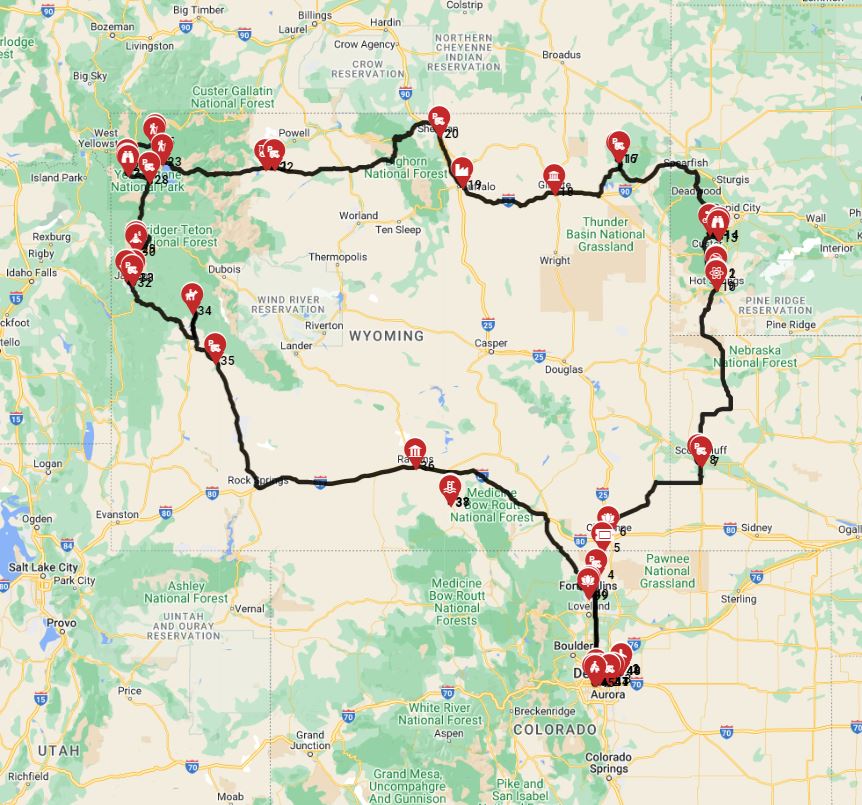
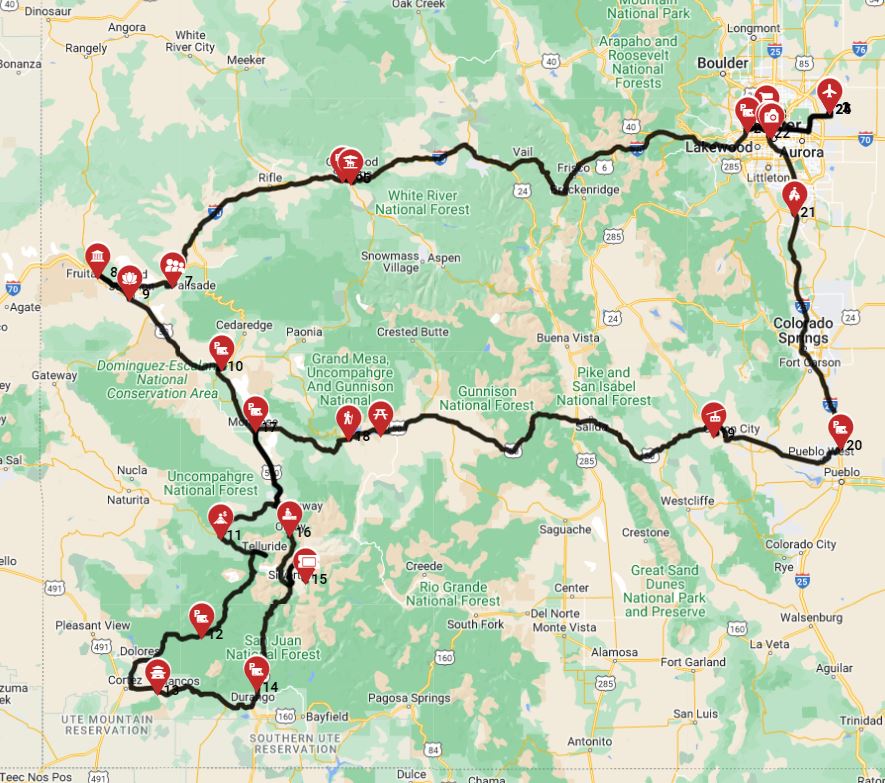
The South West US offers numerous outstanding destinations perfect for an extended weekend RV trip, each with unique appeal. Excellent weekend RV destinations include Sedona, Arizona, renowned for its stunning red rock formations and spiritual sites, and Valley of Fire State Park, Nevada, with its brilliant sandstone outcrops and ancient petroglyphs. Consider Joshua Tree National Park, California, for its unique flora, iconic Joshua trees, and excellent rock climbing opportunities, or Big Bend Ranch State Park, Texas, offering rugged beauty, dramatic canyons, and exceptional dark sky stargazing. Explore lesser-known state parks such as Goblin Valley State Park in Utah for its otherworldly hoodoo landscapes or Dead Horse Point State Park for iconic canyon views overlooking the Colorado River. Seek out unique private campgrounds that offer specific amenities or experiences, like glamping sites near vineyards or resorts with natural hot springs access. Remember to plan your routes effectively, aiming for slow travel at around 100-150 km per day to truly appreciate these magnificent locations. For detailed route plans, our Rent&Plan service offers pre-planned routes by professionals, often with a 25% planning discount when you use rvplan.net.
What should I pack for an RV trip to the Southwest?
Packing intelligently for an RV rental trip to the South West US is vital for comfort and safety in its diverse desert environments. Beyond basic clothing, pack layers, wide-brimmed hats, and UV-protective clothing to combat the intense Southwest sun and significant temperature swings, which can drop by 20-30 degrees Fahrenheit after sunset. Bring ample fresh water, a reliable water filtration system (such as a Sawyer filter) for refilling from approved sources, and electrolyte supplements to ensure proper hydration in the dry climate. Essential gear includes headlamps or flashlights for exploring at night, a high-quality cooler for extra food storage, recovery gear (e.g., traction boards) for any potential off-pavement excursions, and solar setups if you plan to boondock extensively and want to maintain power for amenities like a 170-liter refrigerator. For pet travel, pack extra water, collapsible bowls, current vaccination records, and always verify pet-friendly policies for all planned stops, including campgrounds and trails. Consider a "Pre-Trip Prep - Packing Checklist for South West US" to ensure nothing is forgotten.
Can you boondock in the Southwest?
Yes, boondocking (dispersed camping without hookups) is widely available and incredibly popular across vast tracts of public land in the South West US, particularly on Bureau of Land Management (BLM) and National Forest lands. These areas often offer stunning solitude and direct access to natural beauty, frequently requiring no fees. Always research specific regulations, stay limits (which are often 14 days within a 28-day period in a single location), and current fire restrictions for the particular area you plan to boondock in, as rules can vary by state and agency. Successful boondocking requires diligent water management, power conservation (solar panels are highly recommended for charging house batteries and running small appliances), and responsible waste disposal. Adhere strictly to Leave No Trace principles, ensuring all trash is packed out and gray/black water is disposed of at designated dump stations, not in natural areas, to preserve these pristine environments. Many RVs, like the "Paradise Camper 4x4 double cab" have a fresh water tank (e.g., 82 liters) and a waste water tank (e.g., 82 liters) for self-sufficiency.
Are RVs allowed on BLM land in Arizona?
RVs, motorhomes, and campervans are generally permitted for dispersed camping on most Bureau of Land Management (BLM) land in Arizona, offering abundant free and scenic camping opportunities. BLM lands in Arizona are managed for multiple uses, including recreation, and dispersed camping is a common activity. Typically, a 14-day stay limit within a 28-day period applies to dispersed camping on BLM lands in Arizona, designed to prevent long-term residency and ensure fair use. Always consult the specific BLM field office website or use trusted camping apps like iOverlander to confirm current regulations, road conditions, and any fire restrictions for your chosen area, as conditions can change. Be prepared for primitive conditions with no services, meaning you'll need to bring all necessary supplies, including water (fresh water tanks on a Class C motorhome can be 167 liters) and propane, and practice full self-sufficiency to minimize environmental impact. This resource is valuable for travelers interested in a "Cheap RV Rental in South West US - Budget Guide 2026".
Do RVs have good cell service in the desert?
Cell service in the South West US desert is often spotty and unreliable, especially in remote areas, many national parks (like Zion or Grand Canyon), and tribal lands. While major highways and towns usually have decent coverage, venturing off the beaten path will quickly lead to dead zones. Investing in a dedicated cell signal booster or a satellite internet system, such as Starlink RV, can significantly improve connectivity for remote work, navigation, and critical emergency communications. Always download offline maps, important documents, and entertainment (movies, music, podcasts) for offline use before entering areas with known poor service. While some private campgrounds offer Wi-Fi, it's often slow, bandwidth-limited, and not dependable for high-bandwidth activities or critical communications. Having a physical map as a backup is always a smart choice in the South West US, as is ensuring your RV, whether it's a campervan or a large motorhome, is self-sufficient for a few days off-grid.
How do you prepare for extreme heat in an RV Southwest?
Preparing for extreme heat during an RV rental trip in the South West US is essential for safety and comfort. The most effective way is to plan your trip during cooler months, generally from late fall through spring (October to May), or by seeking higher-elevation destinations like Flagstaff, Arizona, during summer. Ensure your RV's air conditioning system is fully serviced and operational before departure; be prepared to run your generator for extended periods to maintain comfortable cabin temperatures when not on shore power. Park in shaded areas whenever possible, use reflective sunscreens in windows, and consistently consume ample water and electrolytes to prevent dehydration. Closely monitor your RV's engine temperature, particularly when climbing steep grades or driving through mountain passes in high heat, and carry extra coolant as a precaution. Remember, a standard Class C motorhome like the "rv rentals utah example Sunrise Escape" has a 208-liter fuel tank, ensuring you can keep your generator running as needed for comfort. It's also wise to research "RV Rental USA - Complete Guide 2026" for broader travel insights.
What is the best time to RV in the Southwest?
The optimal time to explore the South West US in a rented RV, motorhome, or campervan generally spans from late fall through spring, specifically from October to May, to avoid the intense summer heat. Spring (March-May) offers particularly pleasant temperatures, blooming wildflowers, and vibrant landscapes, though it also marks the beginning of peak season, requiring earlier bookings for a "hire campervan example Paradise S/T" or other popular models. Fall (October-November) provides comfortable weather, breathtaking autumn foliage in higher elevations, and generally fewer crowds than spring. Winter (December-February) is ideal for exploring lower desert regions, such as Death Valley National Park or Tucson, Arizona, where daytime temperatures are mild, though higher elevations may experience snow and road closures. Summer RVing (June-September) requires careful planning, focusing on early morning activities and seeking destinations at higher altitudes to escape the scorching heat, which can exceed 100°F (38°C) in many areas. For planning during different seasons, explore RV Rental in South West US - Prices and Best Deals 2026.
What are some common mistakes when RVing in the Southwest?
Many common mistakes when RVing in the South West US stem from underestimating the region's unique challenges, but they are easily avoidable with good planning. A frequent error is underestimating the vastness and remoteness of the Southwest, leading to insufficient fuel, water, or provisions; always over-prepare by carrying extra supplies. Ignoring critical weather warnings, such as extreme heat advisories or monsoon flash flood risks, can be dangerous; monitor conditions closely using reliable weather apps and local forecasts. Failing to secure all interior items before driving is a common oversight, resulting in shifting contents or damage; ensure everything from kitchen items (like pots and pans from your RV-friendly recipes playlist) to outdoor gear is stowed away before hitting the road. Overlooking specific pet restrictions in national parks, state parks, or on certain trails can lead to disappointment; always research pet policies beforehand. Disregarding Leave No Trace principles, especially regarding waste disposal in sensitive desert ecosystems, is a major mistake; practice diligent waste management, ensuring gray and black water are only emptied at designated dump stations. Remember, Bandana Caravan offers 24/7 support before booking, guiding you through every detail.
What You Shouldn't Miss
- Hike The Narrows in Zion National Park, Utah: Navigate the Virgin River through towering canyon walls (permits often required, book far in advance).
- Explore Ancient Cliff Dwellings at Mesa Verde National Park, Colorado: Discover the incredible ancestral Puebloan architecture and rich history.
- Stargaze at an International Dark Sky Park: Immerse yourself in the cosmos at spots like Capitol Reef National Park, Utah, or Petrified Forest National Park, Arizona.
- Drive a Portion of Historic Route 66 in Arizona: Experience nostalgic roadside attractions, classic diners, and quirky towns like Seligman or Winslow.
- Discover the Vibrant Arts Scene and Red Rock Energy of Sedona, Arizona: Enjoy scenic drives, vortex hiking, and diverse art galleries.
- Visit Monument Valley Navajo Tribal Park, Arizona/Utah: Witness the iconic Mittens and other sandstone masterpieces in this sacred landscape.
Looking for expert insights from Avi Bandana? Top 5 Adventures - recommendations from Avi Bandana.
Final Thoughts
Embarking on an RV adventure through the South West US promises breathtaking landscapes and unforgettable experiences. With a rented motorhome or campervan, you truly hold the key to discovering hidden gems and iconic national treasures at your own pace. By following these expert tips, from diligent pre-trip planning to understanding local nuances, you're well-equipped to navigate the unique challenges and embrace the immense beauty of this incredible region.
Remember, we're here to support you every step of the way, ensuring full transparency in your booking and offering invaluable tools like RV PLANET for route planning. So, pack your bags, prepare for awe-inspiring vistas, and get ready for the road trip of a lifetime. The South West US is waiting for you to explore its vast horizons!
Discover top destinations, planning tips, all in one place! Plan a trip itinerary in advance with minimal effort and maximum enjoyment. Compare Motorhome Prices for South West US and start your journey today!