In This Guide
- Top 5 Tips for RV Rental in North Canada
- Before You Book - Class, Dates, Insurance
- Pre-Trip Prep - Packing Checklist for North Canada
- On the Road - Driving, Fueling, Navigation
- At the Campground - Setup, Hookups & Etiquette
- RV-Specific Tips for North Canada
- Common Mistakes to Avoid in North Canada
- What is the 3-3-3 rule for RV travel?
- What is the 4-4-4 rule for RV travel?
- What is the 2 2 2 rule for RV travel?
- Which RV rental company in Canada is the best?
- How much is it to rent an RV for a week in Canada?
- Can Americans RV in Canada?
- What should Americans know before visiting Canada?
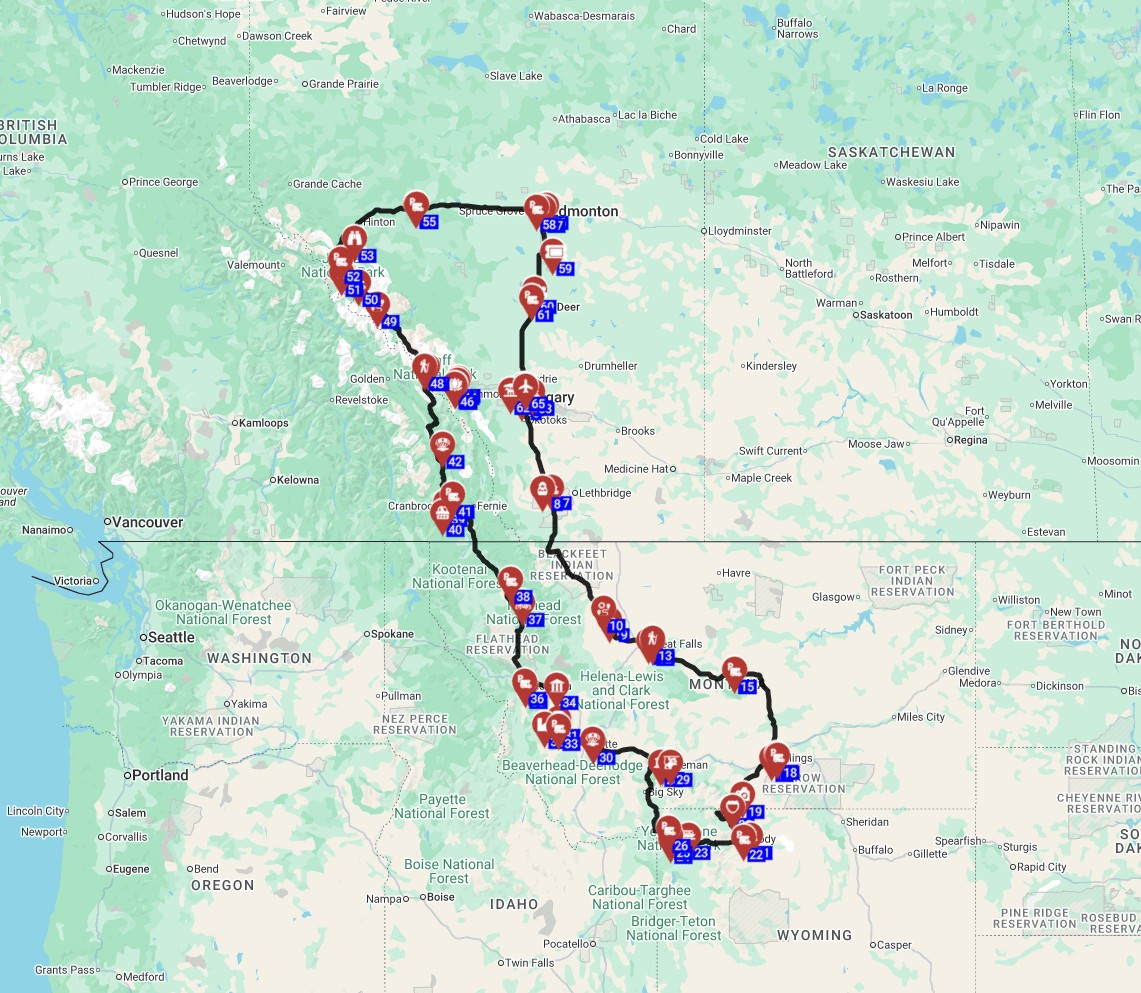
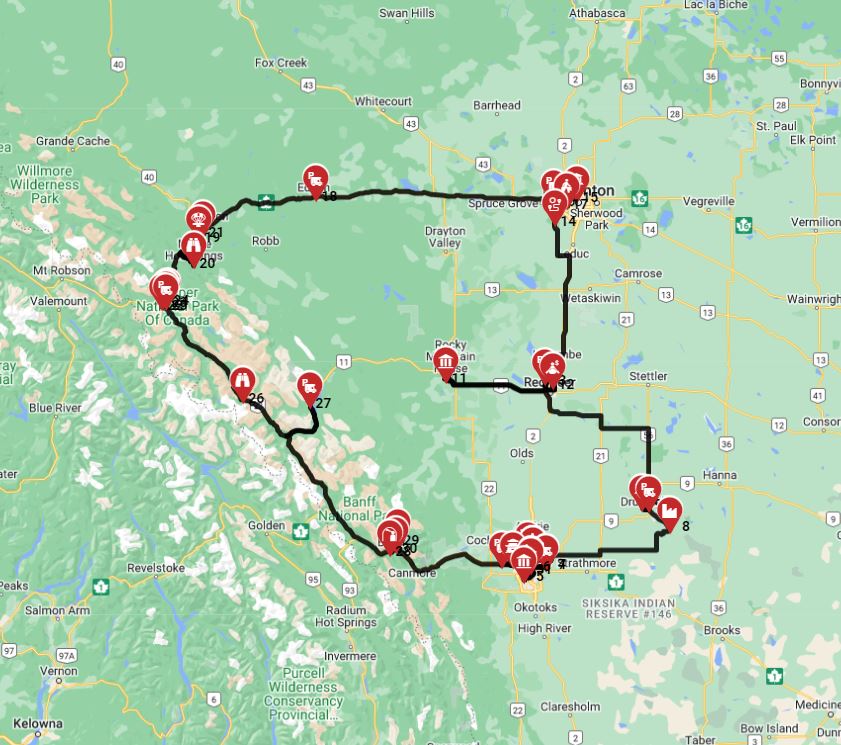
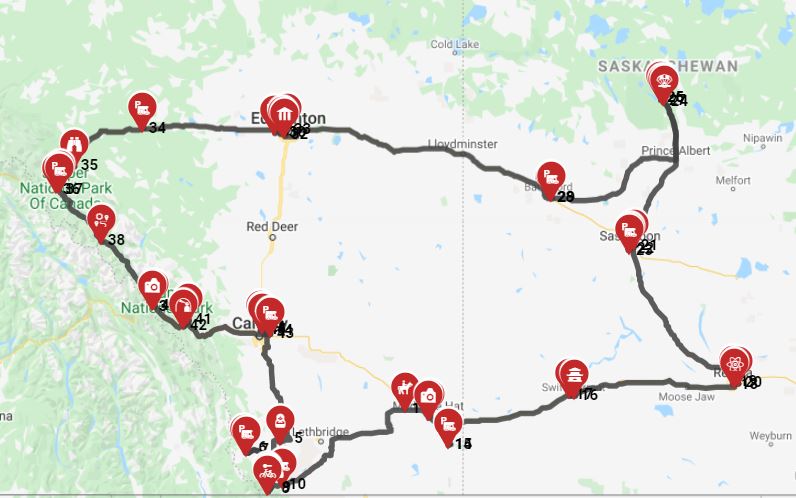
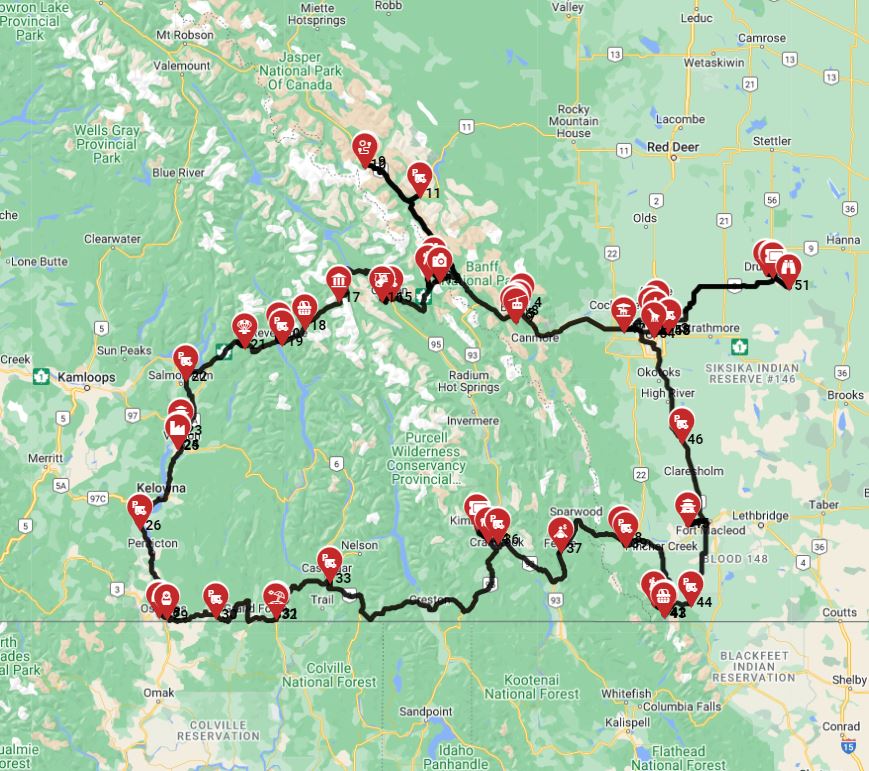
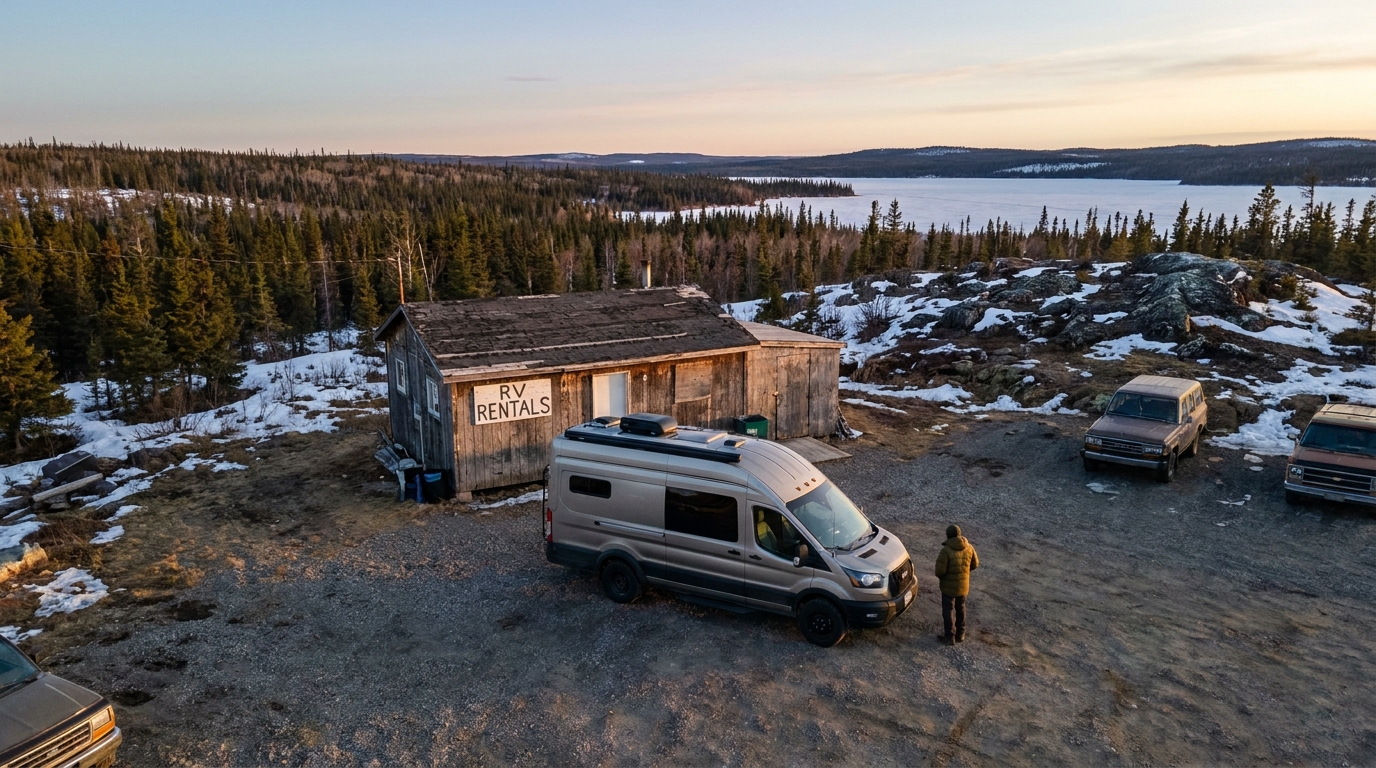
Embarking on an RV adventure in North Canada is an experience like no other, offering unparalleled access to pristine wilderness and breathtaking landscapes. Whether you're planning a week-long journey or an extended exploration, renting a motorhome or campervan provides the ultimate freedom and flexibility to discover Canada's majestic northern territories at your own pace. For live availability and current prices, start with our RV Rental North Canada - Complete Guide 2026 guide.
Top 5 Tips for RV Rental in North Canada
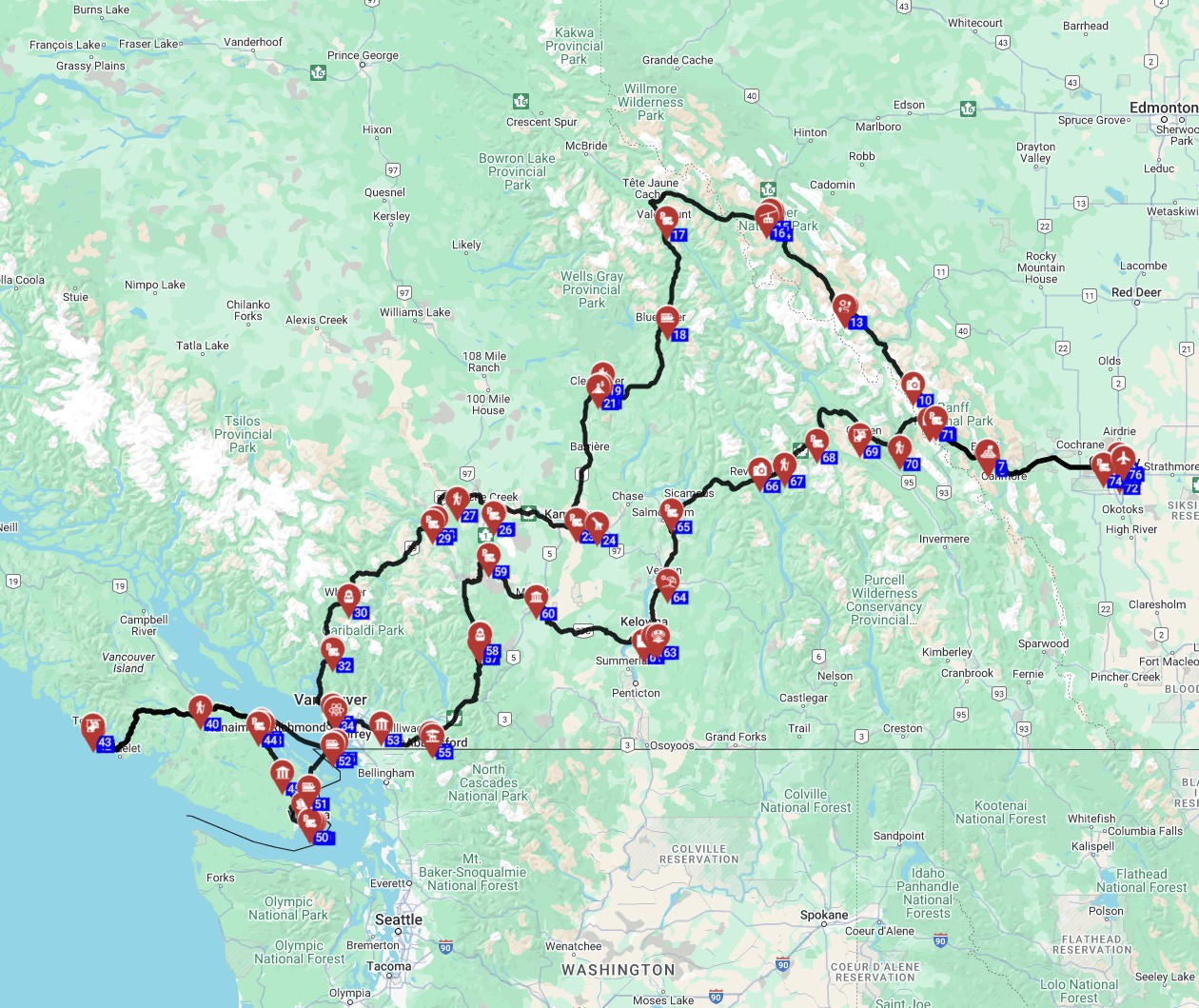
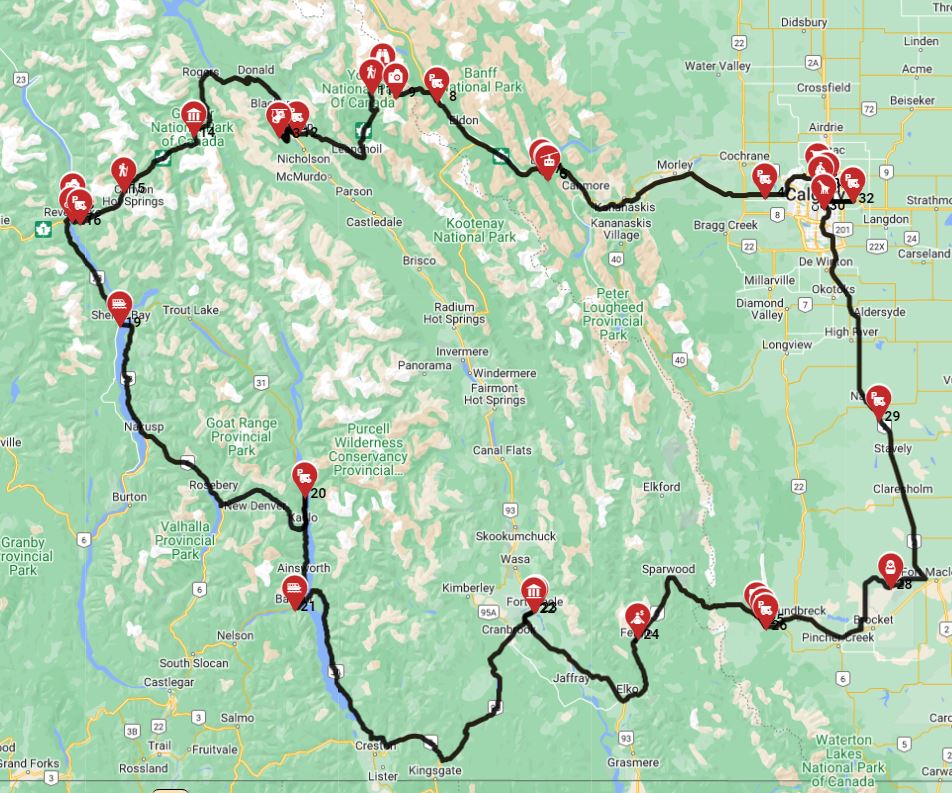
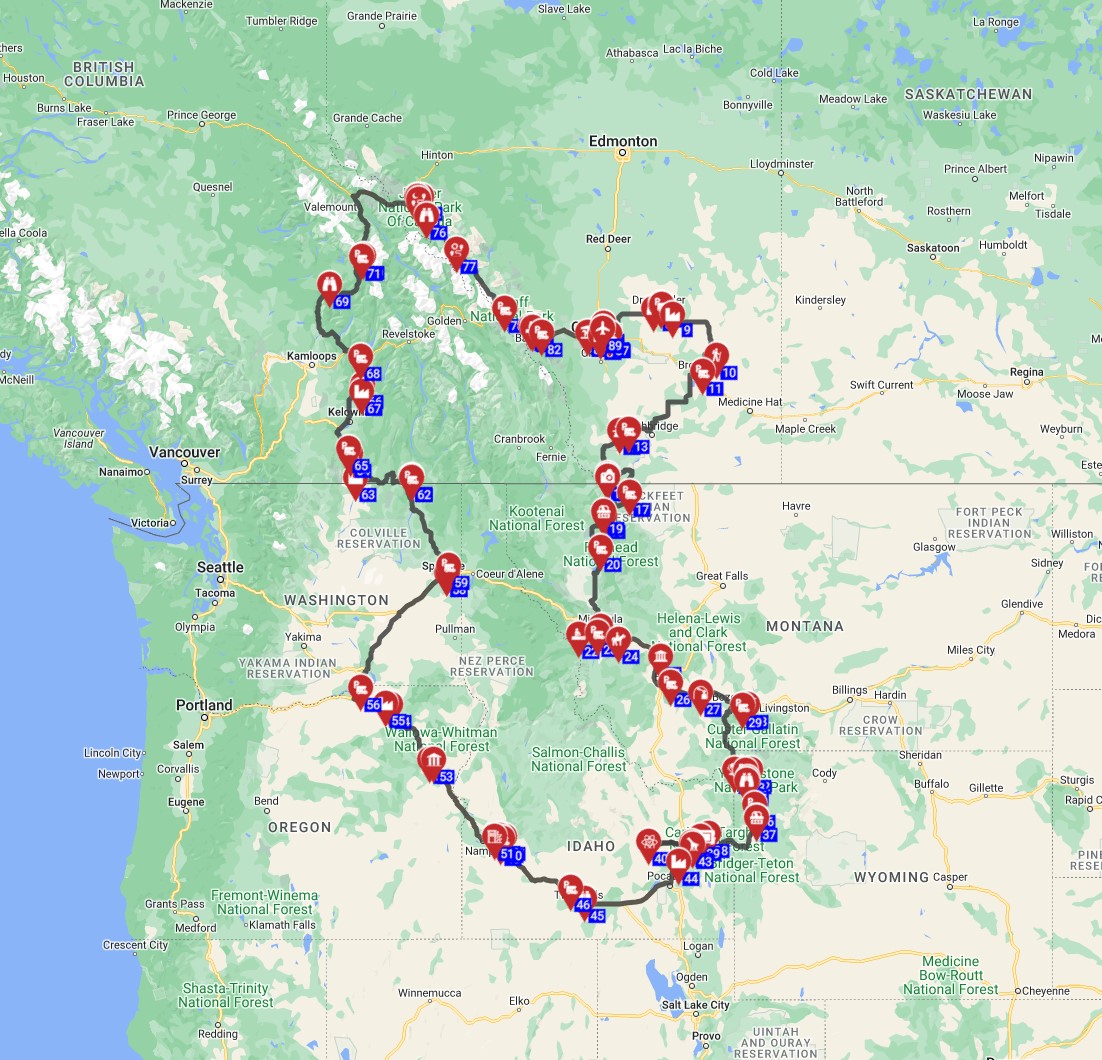
Successful RV travel in North Canada requires careful planning and a dash of flexibility. First, always plan your route and stops in advance, especially when venturing into remote northern regions where services, including fuel and campgrounds, are often sparse. This foresight ensures a smoother journey and prevents unexpected delays.
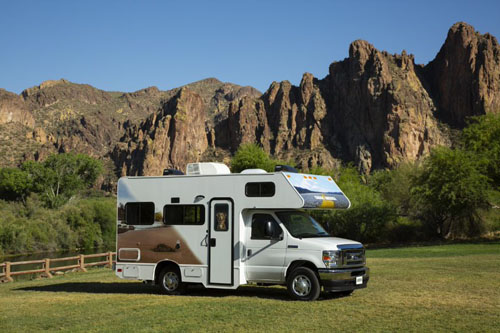
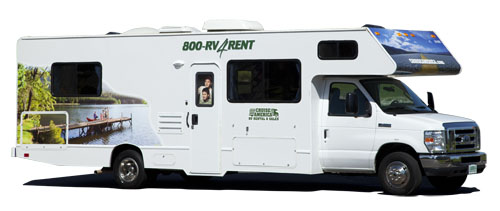
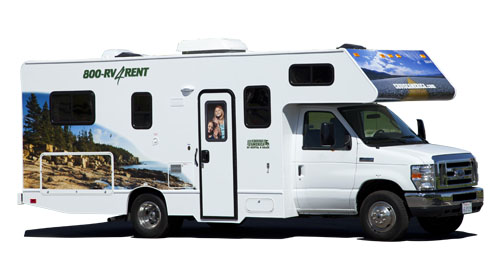
Second, selecting an RV size appropriate for your group and driving comfort is key; smaller units like a Class B campervan (such as the Van - Economy) are often easier to maneuver on varied terrain, while a Class C motorhome (like the MHC24, a vehicle with 6 seat belts) offers more space for families. Third, meticulously budget for all additional costs beyond the base rental fee, which typically include fuel, national park passes, and potential border crossing fees if you're traveling from the USA. On RV PLANET routes, you can easily itemize and track every expense for better budgeting. Fourth, pack versatile layers of clothing suitable for fluctuating northern temperatures, even in the summer months, as conditions can change rapidly from warm sun to chilly rain. Finally, familiarize yourself with Canadian driving laws and local regulations, particularly concerning wildlife encounters and proper waste disposal, to ensure a safe and respectful trip. As true RV specialists, we offer full transparency with no hidden fees or surprises, making your planning straightforward. On the routes offered through RV PLANET routes, you can itemize and track every expense along the way for easy budgeting.
Before You Book - Class, Dates, Insurance
Choosing the right motorhome for your North Canada adventure, along with understanding booking logistics and insurance, sets the foundation for a stress-free trip. For a trip to North Canada, consider Class B campervans or Class C motorhomes for easier driving and parking in smaller towns or campgrounds while still providing essential amenities.
A Class B campervan, for instance, might be a compact option like the rent rv example A1, ideal for a couple, featuring a shower and toilet. If more space is a priority, a Class C motorhome such as the "24 Class C Motorhome", with its 166-liter fresh water tank and ability to sleep 5, is an excellent choice for families. Booking your RV rental well in advance is highly recommended, especially for peak summer dates (July-August) and shoulder seasons (June, September) when demand is highest; early booking typically secures better rates and a wider selection of vehicles. Remember, prices are dynamic and change daily based on availability, seasonality, and supplier decisions, so securing your rental earlier is advantageous. When it comes to campgrounds, many national and state parks only reserve 25-30% of their spots, leaving the rest for first-come-first-serve visitors, so you'll find a spot- if not at the first campground, then the next one, just call ahead before driving.
Understanding insurance options is crucial for peace of mind; basic insurance is always included, but you can upgrade to a top-level deductible for extra protection. Our platform ensures full transparency, showing you all prices and options upfront with no hidden fees or surprises.
Pre-Trip Prep - Packing Checklist for North Canada
A well-prepared packing list ensures comfort and safety during your RV adventure in North Canada. Layered clothing is essential due to highly variable northern weather, so include waterproof and windproof jackets and pants, warm hats, gloves, scarves, sturdy hiking boots, and extra socks. Don't forget comfortable sleepwear for cozy nights in your campervan.
For your RV kitchen, stock up on non-perishable food items, reusable water bottles or jugs, coffee or tea supplies, and basic cooking spices. Many RVs come with a stove and refrigerator, allowing you to prepare RV-friendly recipes playlist onboard, saving on dining costs. Consider bringing a cooler for extra food storage, and always pack biodegradable dish soap.
Safety and emergency items are paramount in remote regions of North Canada. A comprehensive first-aid kit, bear spray (and knowing how to use it safely), strong insect repellent (DEET is highly recommended for mosquitoes and black flies), and an emergency roadside kit with jumper cables and basic tools are critical. A satellite communication device, such as a Garmin InReach, is highly recommended for emergency communication in areas without cell service. Headlamps or flashlights with extra batteries, sunscreen, and sunglasses are also must-haves.
Regarding documents and navigation, carry your valid driver's license and RV rental agreement, your passport (if crossing from the USA), and travel insurance details. Cellular service is often unreliable in many parts of North Canada, so download offline maps to your smartphone or tablet before your trip, and always have a dedicated GPS device or physical maps as a reliable backup. Research and secure any required National Park passes or permits in advance, and keep an emergency contact list readily accessible.
On the Road - Driving, Fueling, Navigation
Navigating North Canada in a rented motorhome or campervan requires an understanding of local road conditions and smart planning. Be prepared for varying road conditions, which can range from well-maintained paved highways to gravel roads in more remote areas. Drive slowly and carefully, and you can drive almost anywhere without issues. No need to stress - just use common sense and pay attention. Always keep your headlights on for better visibility, especially in regions with unpredictable weather. Vigilance for wildlife is crucial, particularly at dawn and dusk, so be aware of designated wildlife crossing zones.
Fueling strategies are vital in the vast northern regions, where gas stations can be significantly scarcer than in more populated areas. Plan your fuel stops carefully, and a good rule of thumb is to refuel when your tank reaches half-full rather than waiting until it is nearly empty. Carrying extra fuel in approved containers is a wise precaution if your route takes you far off main arteries. When exploring how much to rent a rv example TC-A, you'll note that fuel efficiency varies by vehicle.
Reliable navigation in remote areas is challenging due to unreliable or non-existent cell service. Before you set out, download offline maps to your smartphone or tablet, and always have a dedicated GPS device or physical maps as a backup. A satellite communication device is highly recommended for emergency communication when you are outside of cellular coverage. Our dedicated team is here to support you with pre-booking comparisons, booking assistance, and post-booking coordination before your trip. For broader advice, consider our RV Rental USA - Complete Guide 2026 for similar challenges across the border.
Wildlife safety is paramount; always maintain a safe distance from all animals, and never feed them. Proper food storage inside your RV or in bear-proof containers is essential to avoid attracting bears and other animals to your campsite.
🎬 Video coming soon
At the Campground - Setup, Hookups & Etiquette
Setting up your rented RV at a campsite in North Canada is a straightforward process, but following proper procedures and etiquette ensures a smooth experience for everyone. Upon arriving at your chosen campsite, the first step is to level your RV using blocks or an automatic leveling system, then extend your slide-outs if applicable, making sure there's clearance from trees or other obstacles. The typical hookup order is to connect your electrical shore power first, then your freshwater hose, and finally, your sewer hose (black tank first, then grey tank for rinsing); reverse this order when preparing to break camp.
Campground etiquette plays a significant role in fostering a pleasant atmosphere. Respect quiet hours, which typically run from 10 PM to 7 AM, by keeping noise to a minimum. Keep your campsite clean and tidy, disposing of all waste properly in designated bins. Never leave food unattended outside your RV, as it can attract wildlife, especially bears in northern regions. Be mindful of your neighbors' privacy and space, and always follow 'Leave No Trace' principles rigorously, packing out everything you pack in and utilizing designated dump stations for black and grey water. For finding campsites and campgrounds during your trip, we recommend using RV PLANET (rvplan.net) - a great resource for locating available spots along your route. Remember to travel slowly, averaging a maximum of 100-150 km per day, allowing yourself ample time to truly feel the place, connect to the local culture, savor the food, and immerse yourself in the scenery.
RV-Specific Tips for North Canada
Tailoring your rented RV experience to your group's needs ensures a more enjoyable adventure in North Canada. For families, choose a motorhome with separate sleeping areas or a dinette conversion for children, such as a "Category Family 5 AT" Class C motorhome. Pack portable games, books, and tablets with downloaded content for downtime, especially during longer drives. Planning shorter driving days will accommodate nap times and allow for more frequent stops for stretching and play. You might find our Family RV Rental in North Canada - Pricing Guide 2026 helpful.
For seniors, consider smaller Class B or Class C RVs for easier driving and less physical effort during setup. Look for models with comfortable beds and easy-to-access bathrooms. Research campgrounds with paved, level sites for easier maneuvering and comfort. Our RV Rental in North Canada for Couples - Pricing 2026 might offer relevant options.
Budget travelers can maximize savings by exploring options for free overnight parking, such as at rest stops, certain Walmart locations, or public lands where permitted, but always verify local regulations first. Cooking most of your meals in the RV helps significantly reduce dining costs. Look for RVs with good fuel efficiency, like a compact campervan. Remember, prices are dynamic and change daily based on availability, seasonality, and supplier marketing decisions, so keep an eye out for potential RV Rental Deals in North Canada - Latest Offers 2026.
Luxury seekers can opt for larger Class A motorhomes or premium Class C RVs with enhanced amenities like multiple TVs, full-sized kitchens, and comfortable seating. Consider renting an RV with a generator for extended boondocking off-grid, and inquire about concierge services or premium add-ons like high-end outdoor gear to elevate your experience. Our Luxury RV Rental in North Canada - Premium Prices 2026 details these options.
Common Mistakes to Avoid in North Canada
Avoiding common pitfalls can significantly enhance your RV rental experience in North Canada. A frequent mistake is underestimating distances and travel times; instead, thoroughly research your route, factor in potential wildlife viewing stops, and always allocate extra time for unexpected delays, especially on northern roads which can be less predictable.
Another common error is ignoring rapidly changing weather conditions. Instead, pack for all four seasons regardless of the time of year, and regularly check localized weather forecasts as conditions can shift dramatically, even within a single day. Our Winter RV Driving in North Canada - Safety Guide 2026 offers essential advice for colder conditions.
Failing to carry sufficient supplies is another pitfall. Always ensure you have extra water, non-perishable food, and enough fuel for unexpected detours or service gaps, especially when heading into remote areas. An emergency roadside kit, first-aid supplies, and proper bear safety gear are also critical provisions.
Many travelers fail to plan for connectivity. Instead, download offline maps, consider renting or purchasing a satellite communication device, and always inform someone of your detailed itinerary, as cellular service is often unavailable in vast stretches of the North.
Improper wildlife preparedness can lead to dangerous situations. Instead, understand and practice bear safety protocols, carry bear spray (and know how to use it), store food properly to prevent animal attraction, and always maintain a respectful distance from all wildlife. Finally, overlooking necessary permits and regulations is a mistake. Research specific permits required for national parks, Indigenous lands, or certain wilderness areas well in advance of your trip.
What is the 3-3-3 rule for RV travel?
The '3-3-3 rule' for RV travel suggests limiting your daily drive to no more than 300 miles (approximately 480 km), stopping by 3 PM to set up camp, and staying at your chosen campground or stop for at least 3 days to avoid travel fatigue and allow for thorough exploration. This guideline promotes a more relaxed pace, significantly reducing driver fatigue and providing more time to immerse yourself in destinations rather than constantly being on the move. For North Canada, adapting this rule is particularly beneficial due to potentially challenging road conditions, limited services, and the immense beauty that deserves slow, appreciative exploration. Adhering to the '3-3-3 rule' also helps RVers conserve fuel, manage time effectively, and maintain vehicle health by preventing excessive daily wear and tear on their rental motorhome.
What is the 4-4-4 rule for RV travel?
The '4-4-4 rule' for RV travel, a popular variation of similar guidelines, advises limiting driving to a maximum of 4 hours per day, traveling no more than 400 kilometers, and stopping by 4 PM to establish your camp before dark. This rule is particularly relevant for individuals new to RVing or those managing larger Class A motorhomes, offering a more conservative approach to travel than the '3-3-3 rule' by further reducing daily driving stress. In the remote northern Canadian landscapes, ensuring you stop earlier (by 4 PM) is especially beneficial for finding and properly setting up your rented campervan, as daylight hours can vary significantly with the seasons. Adhering to the '4-4-4 rule' can enhance overall safety and enjoyment, providing ample time for roadside breaks, unexpected discoveries, and effectively managing any unforeseen delays without feeling rushed.
What is the 2 2 2 rule for RV travel?
The '2-2-2 rule' for RV travel recommends limiting your daily drive to no more than 200 miles (approximately 320 km), stopping by 2 PM, and staying at each chosen location for at least 2 nights. This rule is often suggested for travelers seeking maximum relaxation, particularly beneficial for longer trips or those journeying with young children, as it allows extensive time for exploration and significantly minimizes the stress of frequent setup and teardown. While strictly following a '2-2-2' approach might be challenging for a shorter RV rental in North Canada if you have a distant specific destination, the underlying principle of slowing down and genuinely enjoying each stop remains incredibly valuable. Implementing this guideline helps RVers prevent burnout, thoroughly experience their chosen destinations, and ensures a more leisurely and ultimately more enjoyable adventure in their rented caravan.
Which RV rental company in Canada is the best?
The "best" RV rental company in Canada ultimately depends on your individual needs, including your budget, preferred RV class, desired pick-up location, and the specific amenities you seek. Reputable national suppliers like El Monte, Cruise America, Apollo, and Britz offer extensive fleets, numerous pick-up and drop-off locations across Canada (including hubs providing access to North Canada), and comprehensive insurance options. For a comprehensive overview, our RV Travel Guide to North Canada - Tips and Top Spots 2026 offers valuable insights. When making your choice, carefully compare customer reviews, included mileage packages, generator fees, roadside assistance programs, and specific cold-weather features if your travel plans extend into shoulder seasons. Bandana Caravan, founded in 2001, has over two decades of experience helping tens of thousands of travelers explore the world by RV, directly partnering with these leading suppliers to offer full price transparency and no hidden fees.
How much is it to rent an RV for a week in Canada?
Renting a motorhome for a week in Canada typically ranges from $1,000 to $3,000 CAD or more, depending heavily on the RV class, rental season, specific pick-up location, and included amenities. Smaller Class B campervans or compact Class C motorhomes generally fall on the lower end of this spectrum, while larger Class A motorhomes or luxury models command higher weekly rates. During peak season (July-August), expect the highest prices, potentially $1,800 - $3,500+ CAD per week, with limited availability. Shoulder seasons (May-June, September-October) usually see more moderate prices, often in the $1,200 - $2,500 CAD range per week. For the lowest rates, consider off-season travel (November-April), where prices might be $800 - $2,000 CAD per week, though availability may be limited and colder weather considerations apply for North Canada. Beyond the base rental, remember to budget for ancillary costs such as mileage fees (often 100-200 km/day included, then a per-km charge), preparation fees, insurance upgrades like a top-level deductible, propane, dumping fees, campground fees (typically $30-$70 CAD/night), national park passes ($70-140 CAD for an annual family pass), border crossing fees (if applicable for US travelers), and fuel. A maintenance fund of 5-10% of your rental cost is also a wise inclusion for any unexpected minor repairs or issues during your trip.
Can Americans RV in Canada?
Yes, Americans can absolutely RV in Canada, provided they possess a valid passport, a standard car driver's license (which is sufficient for all motorhome classes), and meet all Canadian customs and border regulations. It's crucial to confirm with your RV rental company that cross-border travel into Canada is permitted under your rental agreement. Americans must accurately declare all goods upon entry, including food items, alcohol, and tobacco, and adhere to specific restrictions on items like firearms and certain types of produce. Proof of valid RV insurance is required; ensure your rental company's coverage extends to Canada, or arrange for a non-resident insurance policy if necessary. Always check official Canadian government websites for the latest entry requirements regarding health protocols or any other necessary documentation before your travel.
What should Americans know before visiting Canada?
Americans planning an RV adventure in North Canada should be aware of several key differences and regulations to ensure a smooth trip. At customs and the border, always present a valid passport and be completely honest about all declarations, especially for food items, alcohol, and tobacco; note that some fruits, vegetables, and meats are restricted. Any cash exceeding $10,000 CAD must also be declared. Canada uses the Canadian Dollar (CAD), and it's advisable to exchange currency before arriving or use credit cards that do not charge foreign transaction fees. While some places accept US dollars, the exchange rate offered may be unfavorable. Driving laws in Canada use the metric system, so speed limits are in kilometers per hour (km/h), and fuel is sold in liters. Seatbelt use is mandatory for all occupants, and while right turns on red are generally permitted after a full stop (unless posted otherwise), provincial variations exist, for instance, in Montreal. Cell service can be unreliable or non-existent in many parts of North Canada, so consider a Canadian SIM card, an international roaming plan, and robust satellite communication options for remote areas. Tipping is customary in Canada for service industries, typically 15-20% of the bill. While Canada has universal healthcare, it does not cover visitors, so ensure you have comprehensive travel insurance that includes medical emergencies and potential medical evacuation, particularly for remote northern travel. Finally, be prepared for wildlife encounters by practicing 'Leave No Trace' principles and understanding provincial park regulations regarding campfires and waste disposal; some parks may also have a '10-year rule' restricting older RVs.
What You Shouldn't Miss
- Drive the Dempster Highway: Experience the only all-weather road in Canada that crosses the Arctic Circle, leading to the remote community of Tuktoyaktuk on the Arctic Ocean.
- Explore Yukon's Wilderness: Discover the vast landscapes around Whitehorse and Dawson City, offering gold rush history, stunning lakes, and abundant wildlife viewing opportunities.
- Visit the Signpost Forest in Watson Lake: Add your own sign to this quirky and iconic roadside attraction that features over 100,000 signs from around the world.
- Experience the Midnight Sun: During summer, enjoy nearly 24 hours of daylight in northern towns, perfect for extended outdoor activities like fishing, hiking, or simply marveling at the unique phenomenon.
- Spot Wildlife in National Parks: Journey through parks like Wood Buffalo National Park (largest in Canada) to see bison, bears, and diverse birdlife in their natural habitats.
Looking for expert insights from Avi Bandana? Top 5 Adventures - recommendations from Avi Bandana.
Final Thoughts
A motorhome adventure in North Canada is truly an unforgettable journey, offering the chance to explore some of the planet's most magnificent and untamed landscapes. With careful planning, the right vehicle, and an adventurous spirit, you'll create memories that last a lifetime. Remember, traveling slowly and immersing yourself in each place-its culture, its food, and its unparalleled scenery-is the Bandana way to truly experience the North.
We're here to handle all the rental details, ensuring you can focus entirely on living the journey. Our personal service, from your initial inquiry until your booking is confirmed, means that God is in the small details, and we take care of them, making all the difference for your big adventure. Get inspired for your next trip! Discover top destinations, planning tips, all in one place!
So, why wait? Start comparing motorhome and campervan rental prices for North Canada today and prepare to embark on the adventure of a lifetime. Check North Canada RV Rental Prices Now.