In This Guide
- Top 5 Tips for weekend rv rental RV Rental in Japan
- Before You Book - Class, Dates, Insurance
- Pre-Trip Prep - Packing Checklist for Japan
- On the Road - Driving, Fueling, Navigation
- At the Campground - Setup, Hookups & Etiquette
- weekend rv rental-Specific Tips for Japan
- Common Mistakes to Avoid in Japan
- Can you park an RV overnight in Japan?
- What are the etiquette rules for RV camping in Japan?
- What amenities do RV rentals in Japan typically have?
- How much does it cost to rent an RV in Japan for a weekend?
- When is the best time to rent an RV in Japan?
- How do I navigate and get internet access in an RV in Japan?
- Can you cook in an RV rental in Japan, and where do you buy groceries?
- Top Cities for RV Rental in Japan
- Japanese Road Rules and Essential Travel Info for RVers
Embarking on a rented motorhome adventure in Japan is an incredible way to discover this country's stunning landscapes, rich culture, and delicious cuisine at your own pace. While Bandana RV generally recommends longer trips of a week or more to truly embrace slow travel and connect with local experiences, we understand that sometimes a quick getaway or a shorter exploration is exactly what you need. Even for shorter durations, planning is key, and with the right tips, your RV journey can be smooth and deeply rewarding. For live availability and current prices, start with our RV Rental Japan - Complete Guide 2026 guide.
🎬 Video coming soon
Top 5 Tips for weekend rv rental RV Rental in Japan
Navigating Japan by a rented motorhome offers unparalleled freedom, and these five tips will help ensure your trip runs smoothly. First, choose a compact RV or campervan for easier navigation on Japan's often narrower roads and in tighter parking areas, especially if you plan to visit smaller towns or cities. Second, utilize Michi-no-Eki (roadside stations) for convenient and often free overnight parking, adhering strictly to local etiquette.
Third, factor in potentially high expressway toll fees and urban parking costs when creating your trip budget, as these can significantly add to your overall expenses. Fourth, book your RV rental well in advance, particularly if traveling during peak seasons like cherry blossom (March-April) or autumn foliage (October-November) to secure your preferred vehicle and dates. Finally, ensure you have reliable navigation tools, such as a portable Wi-Fi device and a good GPS app in English, to confidently navigate Japanese addresses and sometimes limited English signage. On the routes offered through RV PLANET routes, you can itemize and track every expense along the way for easy budgeting.
Before You Book - Class, Dates, Insurance
When preparing for your rented motorhome adventure in Japan, considering your vehicle class, travel dates, and insurance options is paramount. Compact campers, such as van conversions or small cab-overs, are generally highly recommended for RV rentals in Japan due to narrower roads and smaller parking spaces, offering easier maneuverability.
Securing your rental dates well in advance is especially important, particularly for short trips during popular seasons like spring for cherry blossoms, autumn for fall foliage, and national holidays, when demand for vehicles surges. Basic insurance is always included with RV rentals in Japan; for comprehensive coverage options and top-level deductible reimbursement for extra peace of mind, select these during your search to view all relevant insurance details and compare prices across suppliers. You can also explore our "RV Rental in Japan - Prices and Best Deals 2026" guide for more on budgeting and insurance.
Bandana RV works with direct partnerships with 50+ leading RV suppliers worldwide, including trusted names like Apollo and Britz, to provide you with a wide range of options and competitive pricing. We ensure full transparency: what you see is what you pay, with no surprise fees at pickup, so you can plan your trip with confidence.
Pre-Trip Prep - Packing Checklist for Japan
A smart packing strategy will make your RV trip in Japan more comfortable and stress-free. Pack versatile layers for clothing, along with essential rain gear and comfortable walking shoes, as Japan's climate can vary, and you'll likely do a lot of exploring on foot.
Bring compact kitchen essentials, including reusable bags for groceries, as some rental RVs may have limited cooking supplies, and it's always good to be prepared for simple meals. Carry a basic first-aid kit, emergency contact information written in both English and Japanese, and a portable power bank for your electronic devices for safety and convenience. Crucially, ensure you have your International Driving Permit (IDP), your valid passport, your rental confirmation, and sufficient Japanese Yen for any tolls or cash-only vendors. For those considering a longer journey, our "Weekly RV Rental in Japan - Pricing 2026" offers more detailed financial planning advice.
On the Road - Driving, Fueling, Navigation
Driving a rented RV in Japan requires careful attention to local rules and infrastructure, which differ from many Western countries. Remember that Japan drives on the left side of the road, and speed limits are generally lower than in many Western countries: typically 80-100 km/h on expressways and 40-60 km/h in urban areas. Drive slowly and carefully, and you can drive almost anywhere without issues. No need to stress - just use common sense and pay attention, even with a larger motorhome like an "rv rentals example Comfort Class" which typically measures around 7-8 meters in length.
Fueling is straightforward with both self-service (セルフ - *serufu*) and full-service (フルサービス - *furu sābisu*) stations widely available; look for 'レギュラー' (regular gasoline) or '軽油' (*keiyu* - diesel). Expressway tolls are a significant cost; consider purchasing a Japan Expressway Pass or ensuring your rental comes with an Electronic Toll Collection (ETC) card to streamline payments and potentially receive discounts. Utilize reliable navigation apps like Google Maps with a portable Wi-Fi device or local SIM card, as built-in RV GPS systems may be primarily in Japanese or less intuitive for foreign visitors. For more detailed insights into managing travel costs, explore RV PLANET routes, where you can itemize and track every expense along your journey.
At the Campground - Setup, Hookups & Etiquette
Camping in a rented RV in Japan is a unique experience that combines convenience with traditional Japanese hospitality and strict etiquette. When arriving at an official campground, always follow staff instructions meticulously for parking and setup, which may involve connecting to limited power or water hookups. These official sites offer dedicated amenities, though full hookups (water, sewer, electric) are not as universally common as in some other countries.
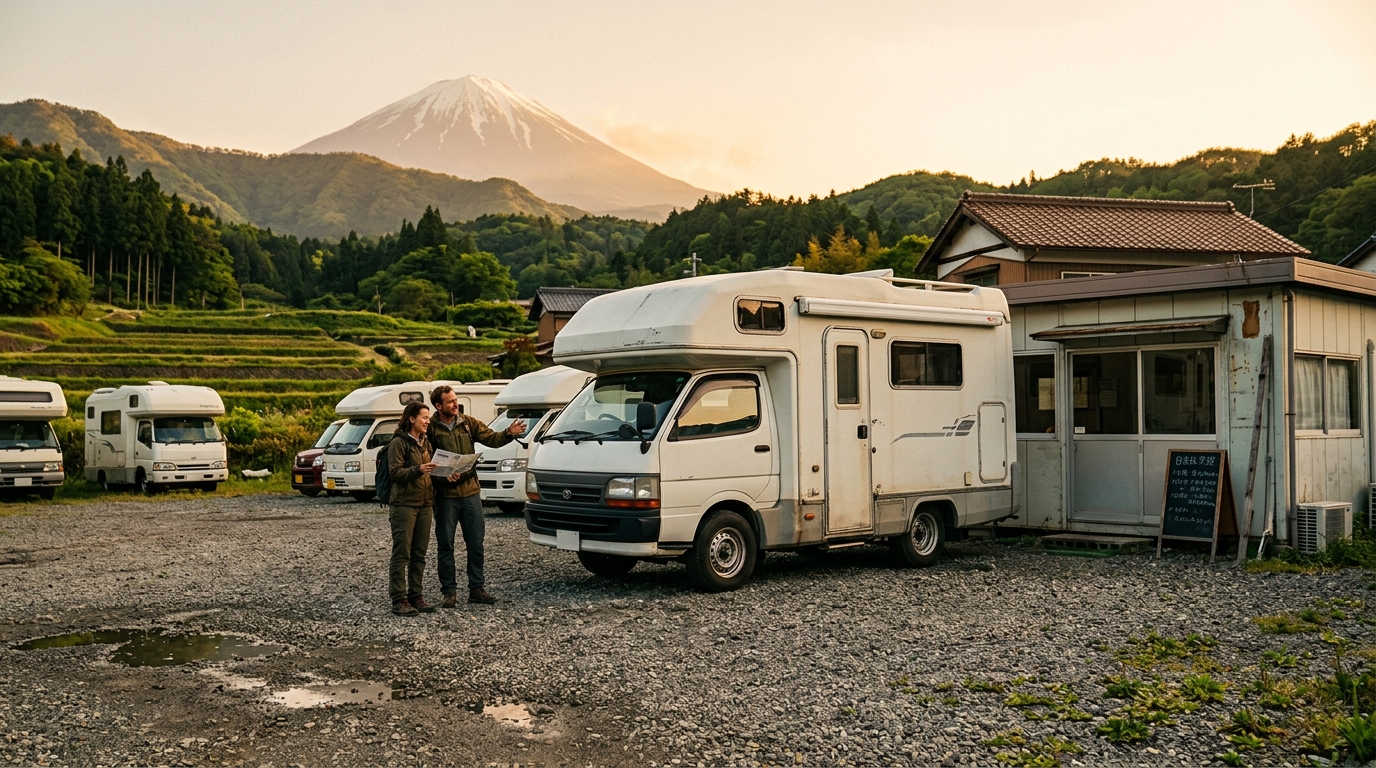
For overnight parking at Michi-no-Eki (roadside stations), remember these are primarily rest stops, not full-service campsites; therefore, refrain from setting up awnings, chairs, or excessive cooking outdoors. The emphasis is on quiet, respectful overnight stays. Adhere strictly to quiet hours, typically from late evening until early morning, to show respect for fellow travelers and local residents. Proper waste disposal is paramount: utilize designated bins or, if none are available, pack out all your trash, as cleanliness is highly valued in Japan. Understanding these practices will ensure a harmonious experience for everyone.
weekend rv rental-Specific Tips for Japan
Making the most of a shorter RV trip in Japan means maximizing your time and embracing local nuances. For a quick getaway, prioritize rental locations close to your intended travel region to minimize driving and maximize exploration time. Consider cities like Tokyo for eastern Japan adventures or Osaka for western exploration.
Opt for the smallest motorhome class that meets your needs, such as a compact campervan like the "Combi Van" or a "rental denver example Category Van" to significantly ease driving and parking challenges for short trips on Japan's often narrow roads. Leverage Michi-no-Eki for convenient and often free overnight stops, allowing you to allocate more of your budget to experiences and cultural immersion. Plan to visit local supermarkets or the markets found at Michi-no-Eki to source fresh ingredients for simple RV meals, enhancing your cultural experience through local flavors. If you plan to cook, check out our RV-friendly recipes playlist for inspiration. Finally, consider aligning your short RV trip with specific seasonal events, such as a drive to see cherry blossoms or autumn leaves, for a uniquely Japanese experience. Even for a short trip, travel slowly, max 100-150 km per day on average. Take time to feel the place, connect to the culture, the food, and the scenery.
Common Mistakes to Avoid in Japan
Avoiding common pitfalls can make your RV rental journey in Japan much more enjoyable. Instead of underestimating toll costs, budget significantly for Japan's expressways, which can be expensive. Consider purchasing a Japan Expressway Pass if your route includes extensive highway travel to manage these expenses more effectively. Our "Cheap RV Rental in Japan - Budget Guide 2026" can help with detailed cost planning.
Instead of ignoring cultural etiquette, research and practice local customs, particularly concerning noise levels at overnight stops like Michi-no-Eki, proper waste disposal, and behavior at public baths or onsen. Respectful conduct goes a long way. Instead of relying solely on an unfamiliar built-in GPS, ensure you have a reliable mobile data connection or a portable Wi-Fi device for English-friendly navigation apps. This redundancy is crucial for accurate directions. Instead of expecting extensive onboard facilities, be prepared for compact RVs with limited or no integrated showers and toilets, planning to use public baths (onsen/sento) or campground facilities for hygiene. Lastly, instead of overplanning distances for a short trip, allow ample travel time due to lower speed limits, narrower roads, and the likelihood of wanting to stop at many scenic or cultural points. Trying to rush through Japan in a short time frame can lead to stress and missed opportunities.
Can you park an RV overnight in Japan?
Yes, you can park a rented RV overnight in Japan primarily at designated facilities such as Michi-no-Eki (roadside stations) or official campgrounds. Michi-no-Eki offer free overnight parking, restrooms, and often local produce or food, serving as convenient rest areas where passive overnight stays are permitted. Official campgrounds, like those near Kyoto or Nagano, provide dedicated RV sites with varying amenities like power hookups, water, and dump stations, requiring advance booking and adherence to specific rules. Wild camping or boondocking outside of designated areas is generally discouraged and often illegal in Japan, with strong cultural expectations for respecting private property and public spaces.
What are the etiquette rules for RV camping in Japan?
RV camping in Japan requires adherence to specific cultural etiquette, emphasizing quietness, cleanliness, and respect for local customs to ensure a pleasant experience for everyone. Maintain low noise levels, especially during quiet hours (typically 9 PM to 7 AM), out of respect for neighboring campers and local residents at Michi-no-Eki or campgrounds. Dispose of all waste properly by utilizing designated trash bins or, if none are available, packing out all your trash, as littering is highly frowned upon.
Refrain from extended outdoor setups like awnings, tables, and chairs when staying at Michi-no-Eki, as these are primarily rest stops, not full camping grounds. Observe proper bathing etiquette when using public baths (onsen/sento), which typically involves showering thoroughly before entering the communal bath and not wearing swimwear in the bathing area. Following these guidelines helps maintain harmonious relations with locals and fellow travelers.
What amenities do RV rentals in Japan typically have?
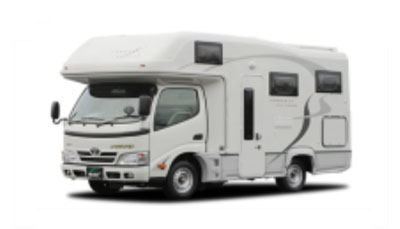
RV rentals in Japan typically feature compact designs, often including basic kitchenettes, comfortable sleeping areas, and sometimes a small dining space, though onboard showers and toilets are less common, especially in smaller models like a "Category Van." The standard rental fleet often comprises compact cab-over campers (Class C, like the "Glamys 40") or versatile van conversions (Class B, such as the "Active Pop Top"), designed to navigate Japan's narrower roads and fit into smaller parking spaces.
Kitchenettes usually come equipped with a small sink, a mini-fridge (around 40-80 liters), and frequently a portable gas stove, suitable for preparing simple meals. Full onboard showers and toilets are rare in smaller RVs; travelers commonly rely on public baths (onsen/sento) or shared facilities at official campgrounds for hygiene. Most RVs do come equipped with air conditioning for comfort during warmer months, and heating systems are standard for cooler seasons, especially if traveling in winter, ensuring a comfortable interior climate.
How much does it cost to rent an RV in Japan for a weekend?
The cost to rent an RV in Japan for a shorter trip typically ranges from ¥20,000 to ¥50,000 per night for a compact model or campervan, but this figure excludes significant additional expenses like tolls, fuel, and parking. Base rental rates fluctuate dynamically based on the RV's size, age (newer models like "Active Bunk Select" may be more expensive), the rental season (peak vs. off-peak), and the duration of your trip, with shorter rental periods sometimes incurring a higher daily rate.
Considerable 'hidden' costs include Japan's notoriously high expressway tolls, which can accumulate rapidly, as well as parking fees, particularly in urban areas or popular tourist spots. Fuel expenses can be substantial, as gasoline prices in Japan are comparable to or higher than in many Western countries, and RVs generally consume more fuel than standard cars. Additional expenses may include enhanced insurance coverage (like our optional top-level deductible reimbursement), rental add-ons like bedding or kitchenware, and fees for official campgrounds if you choose not to exclusively use Michi-no-Eki. For tips on finding the best value, refer to "Cheap RV Rental in Japan - Budget Guide 2026" or "RV Rental Deals in Japan - Latest Offers 2026".
When is the best time to rent an RV in Japan?
The best time to rent an RV in Japan for a rewarding trip typically falls during the spring (March-May) for cherry blossoms or autumn (October-November) for vibrant foliage, offering pleasant weather for scenic travel. Spring provides mild temperatures and iconic cherry blossom viewing opportunities, making it a highly popular but crowded season that requires early booking for RVs. Autumn offers comfortable weather and spectacular autumn leaves (*koyo*), which is another peak period for RV travel, particularly in mountainous regions like those around Kai Yamanashi or Nagano.
Summer (June-August) can be hot and humid, with potential for typhoons, but it's ideal for exploring cooler regions like Hokkaido or coastal areas. Winter (December-February) is suitable for those interested in snow sports in destinations like Nagano, though it requires an RV equipped with proper heating and experience driving in snowy or icy conditions. Remember, prices for RV rental in Japan are dynamic and change daily based on availability, seasonality, and supplier marketing decisions.
How do I navigate and get internet access in an RV in Japan?
Navigating a rented RV in Japan is best achieved using a combination of reliable mobile data or a portable Wi-Fi device for GPS apps like Google Maps, and understanding basic Japanese road signs. Portable Wi-Fi (Pocket WiFi) rentals or purchasing a local data-only SIM card are highly recommended for consistent internet access, which is crucial for real-time navigation and accessing information about Michi-no-Eki or campgrounds. While many RVs come with built-in GPS, these systems are often in Japanese, making English-friendly smartphone apps like Google Maps or Apple Maps more practical for foreign visitors.
Learning to recognize basic Kanji for key road signs, such as 'exit' (出口), 'highway' (高速道路), and 'rest stop' (休憩所), can greatly assist with navigation. Japanese addresses follow a unique system (district, block, building number rather than sequential street numbers), so inputting phone numbers of destinations or using map coordinates can sometimes be more effective for GPS. Always ensure your devices are fully charged or you have a portable power bank, especially when venturing into more rural areas where charging points might be scarce.
Can you cook in an RV rental in Japan, and where do you buy groceries?
Yes, many RV rentals in Japan include a basic kitchenette suitable for light cooking, and groceries are readily available at supermarkets, convenience stores, and local markets across the country. RV kitchenettes typically feature a small sink, a mini-refrigerator (often 40-80 liters), and frequently a portable gas stove or induction cooker, sufficient for preparing simple meals and hot drinks.
Major supermarket chains like Aeon, Seiyu, and Ito-Yokado are widespread, offering a comprehensive range of fresh produce, meats, packaged goods, and prepared meals. Convenience stores (*konbini*) such as 7-Eleven, FamilyMart, and Lawson are ubiquitous and excellent for quick snacks, beverages, and basic meal components, often open 24/7. Local markets and the shops at Michi-no-Eki are fantastic places to discover fresh, regional produce, specialty foods, and unique souvenirs, providing a great opportunity to sample local flavors. For more ideas on what to cook, explore our RV-friendly recipes playlist.
Top Cities for RV Rental in Japan
Japan offers numerous excellent starting points for your RV adventure, each providing unique access to different regions and experiences. These cities serve as key hubs for picking up your rented motorhome and launching your exploration:
- Tokyo: As the bustling capital, Tokyo provides convenient access to central Japan, including iconic Mount Fuji, the Izu Peninsula, and historical sites in nearby regions. It's a fantastic starting point for city explorers and nature lovers alike.
- Osaka: Located in the Kansai region, Osaka is perfect for discovering western Japan, with easy routes to Kyoto's ancient temples, Nara's deer parks, and the beautiful coasts of Wakayama and Shikoku.
- Nagoya: Positioned between Tokyo and Osaka, Nagoya is an ideal hub for exploring the central Chubu region, known for its majestic Japanese Alps, the scenic Kiso Valley, and traditional villages like Shirakawa-go. Our guide on Nagoya offers comprehensive details for your trip.
- Kyoto: While known for its traditional charm, Kyoto also offers RV rental options, allowing you to quickly escape into the surrounding natural beauty or cultural sites without the hassle of city driving.
- Hiratsuka Kanagawa: This location offers a great gateway to the Shonan coast and Hakone region, providing a balance of seaside relaxation and mountain excursions.
- Izumisano: Near Osaka, Izumisano is a practical choice for those flying into Kansai International Airport, offering a convenient starting point for trips through the Kansai region.
- Nagano: For winter sports enthusiasts and those seeking alpine scenery, Nagano, a host city of the Winter Olympics, is an excellent base for exploring the Japanese Alps year-round.
These cities, among others like Takamatsu-Kagawa and Kai Yamanashi, offer diverse opportunities to pick up your rented campervan and embark on a memorable journey, whether it's a longer exploration or a concise getaway.
Japanese Road Rules and Essential Travel Info for RVers
Understanding Japan's specific road rules and general travel information is essential for a safe and enjoyable RV rental experience. As previously mentioned, driving is on the left side of the road, and speed limits are typically 80-100 km/h on expressways and 40-60 km/h in urban areas. Japanese roads are well-maintained, but many rural routes can be narrow. Drive slowly and carefully, and you can drive almost anywhere without issues. No need to stress - just use common sense and pay attention.
For emergencies, dial 110 for police and 119 for fire or ambulance. It's wise to program these into your phone before you start your trip. Obtaining a local data-only SIM card or renting a portable Wi-Fi device upon arrival is highly recommended for constant connectivity, aiding navigation and communication. Most rental RVs will use either regular gasoline (レギュラー) or diesel (軽油). Check your vehicle's fuel type at pickup and ensure you always refuel with the correct type. An International Driving Permit (IDP) is recommended for visitors from non-English-speaking countries but is not mandatory for all nationalities, so check specific requirements for your country of origin. The minimum rental age for all motorhome classes in Japan is 21, and no young driver surcharges apply. For broader travel insights across the continent, consult our "RV Rental Asia - Complete Guide 2026".
What You Shouldn't Miss
- Explore Scenic Michi-no-Eki: Plan your route to stop at unique roadside stations like Michi-no-Eki Fuji Yoshida for stunning Mount Fuji views or Michi-no-Eki Dendo for local crafts.
- Immerse in Onsen Culture: Dedicate an evening to a traditional Japanese hot spring experience, a perfect way to relax and refresh after a day of driving.
- Drive the Hakone Loop: For breathtaking views of Mount Fuji and Lake Ashi, take your rented RV on the scenic Hakone Loop, incorporating cable cars and boat rides.
- Visit Historical Villages: Drive to UNESCO World Heritage sites like Shirakawa-go in the Japanese Alps, renowned for its unique gassho-zukuri (praying hands) farmhouses.
- Experience Seasonal Beauty: Time your trip to witness the ephemeral beauty of cherry blossoms in spring or the vibrant 'koyo' (autumn leaves) in the fall in regions like Kyoto or Tohoku.
- Savor Local Cuisine: Stop at local markets and restaurants, especially in coastal towns, to indulge in fresh seafood and regional delicacies that showcase Japan's culinary diversity.
Looking for expert insights from Avi Bandana? Top 5 Adventures - recommendations from Avi Bandana
Final Thoughts
A rented motorhome trip in Japan, whether a quick getaway or an extended exploration, promises an unforgettable adventure filled with discovery and cultural immersion. While planning is crucial, especially for destinations with unique customs and infrastructure, the rewards of navigating Japan's stunning landscapes and vibrant cities at your own pace are immense. From serene Michi-no-Eki to bustling urban centers, your RV provides a comfortable base to experience it all.
Remember that Bandana RV is here to support you every step of the way, from comparing prices across 50+ suppliers to coordinating your booking. We're true RV specialists, dedicated to making your journey as seamless and enjoyable as possible. So, get inspired for your next trip, discover top destinations, and plan your itinerary with minimal effort and maximum enjoyment.
Don't wait to start planning your dream trip. Check Japan RV Rental Prices Now and prepare for an incredible adventure!