In This Guide
- What Weekend RV Rental Costs in Switzerland (2026)
- Seasonal Pricing - Peak vs. Shoulder vs. Off-Season in Switzerland
- What's Included vs. What's an Add-On
- Hidden Costs to Budget For in Switzerland
- How to Save on Weekend RV Rental in Switzerland
- Are there specific RV size restrictions or recommendations for Swiss roads and Alpine passes?
- What are the rules for camping and overnight parking with an RV in Switzerland?
- What do I need to know about emergency preparedness and roadside assistance for RVs in Switzerland?
Imagine waking up to the crisp Alpine air, stepping out of your private motorhome, and being greeted by snow-capped peaks, serene lakes, or lush green valleys right outside your door. An RV adventure through Switzerland offers unparalleled freedom and flexibility, allowing you to craft your own journey through one of Europe's most breathtaking countries. For live availability and current prices, start with our RV Rental Switzerland - Complete Guide 2026 guide, where you'll find everything you need to begin your Swiss adventure.
At Bandana RV, we've spent over two decades, since our founding in 2001, helping tens of thousands of travelers discover the joy of the open road, and we're here to help you navigate the ins and outs of a memorable RV rental in Switzerland. We believe in full transparency, which means no hidden fees and no surprises, so you can focus on the journey ahead.
What Weekend RV Rental Costs in Switzerland (2026)
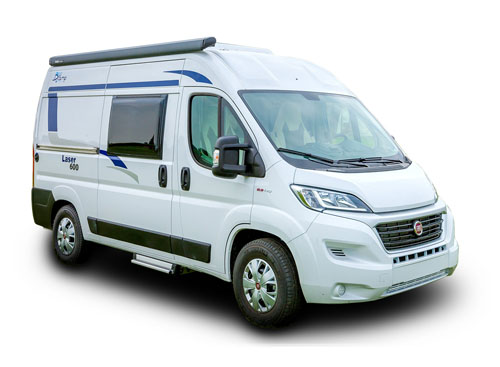
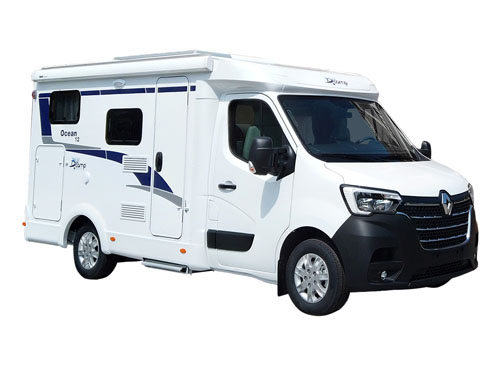
The cost of a weekend RV rental in Switzerland, though typically referring to a longer rental period of one week or more with Bandana RV, varies significantly based on factors such as vehicle class, rental duration, and the time of year. Prices are dynamic, similar to flight tickets, and can change daily due to availability, seasonality, and supplier marketing decisions. For a week-long trip, you might expect a compact campervan like the "Camper Van" (Ideal for a couple, RV size - Small) to range from €90-€150 per day during shoulder season, while a larger, more family-friendly Class C motorhome such as the "Euro Deluxe" (Ideal for a big family / group of friends, RV size - Large) could cost between €150-€250 per day.
For those planning a two-week adventure, the daily rate may slightly decrease compared to shorter rentals, with a comfortable Class B or C option averaging around €130-€220 per day. An extended road trip lasting a month could see daily rates drop further, potentially offering the best value, ranging from €100-€180 per day, especially when booking during the off-peak season. These figures are illustrative; the final price is always set at the actual booking time. We encourage travelers to compare final prices across our network of 50+ leading RV suppliers worldwide, including trusted partners like El Monte, Cruise America, Apollo, and Britz, to ensure what you see is what you pay, with no surprise fees at pickup.
Cost by Group Type: RV Rental for Couples vs. Families with Kids in Switzerland
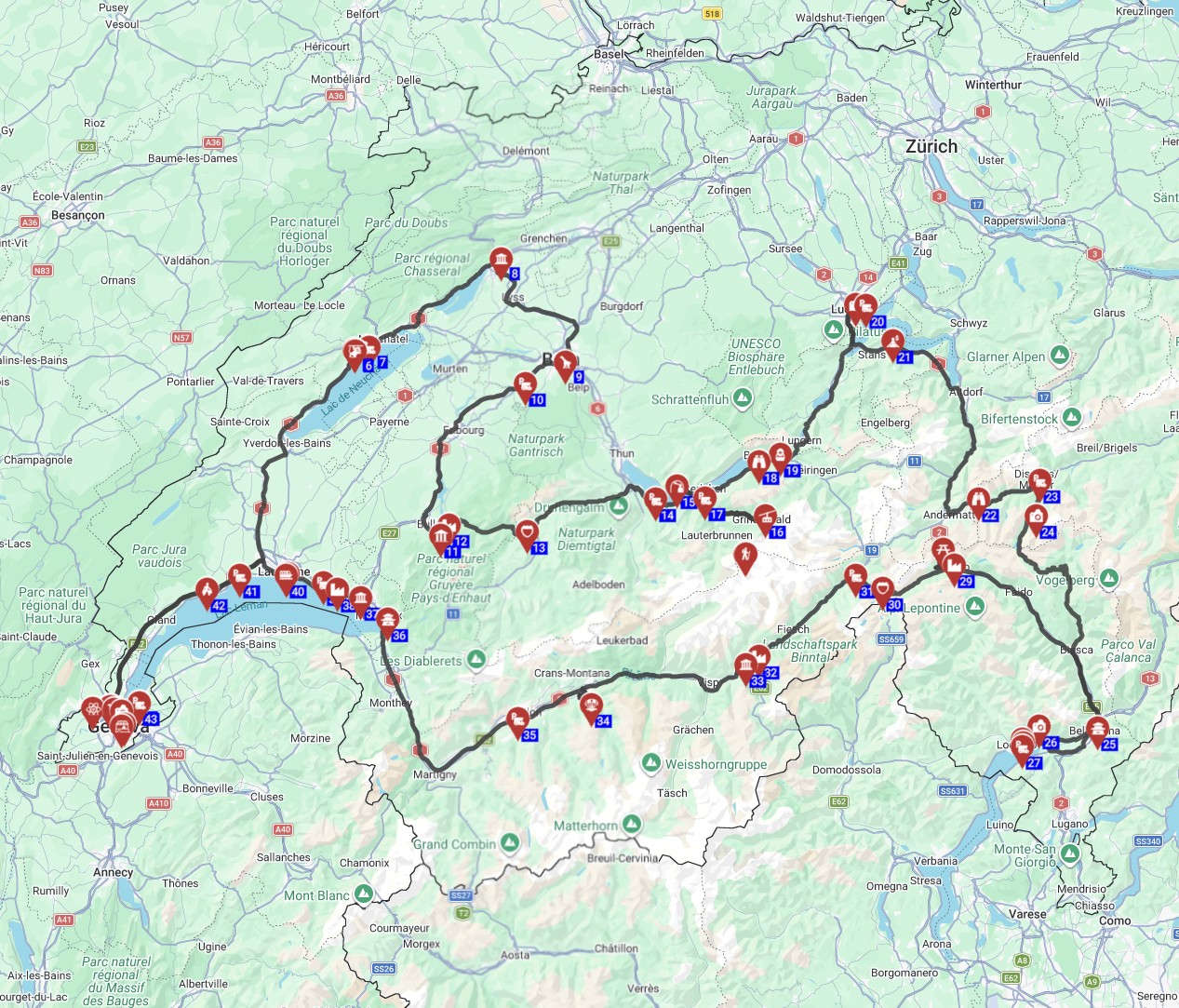
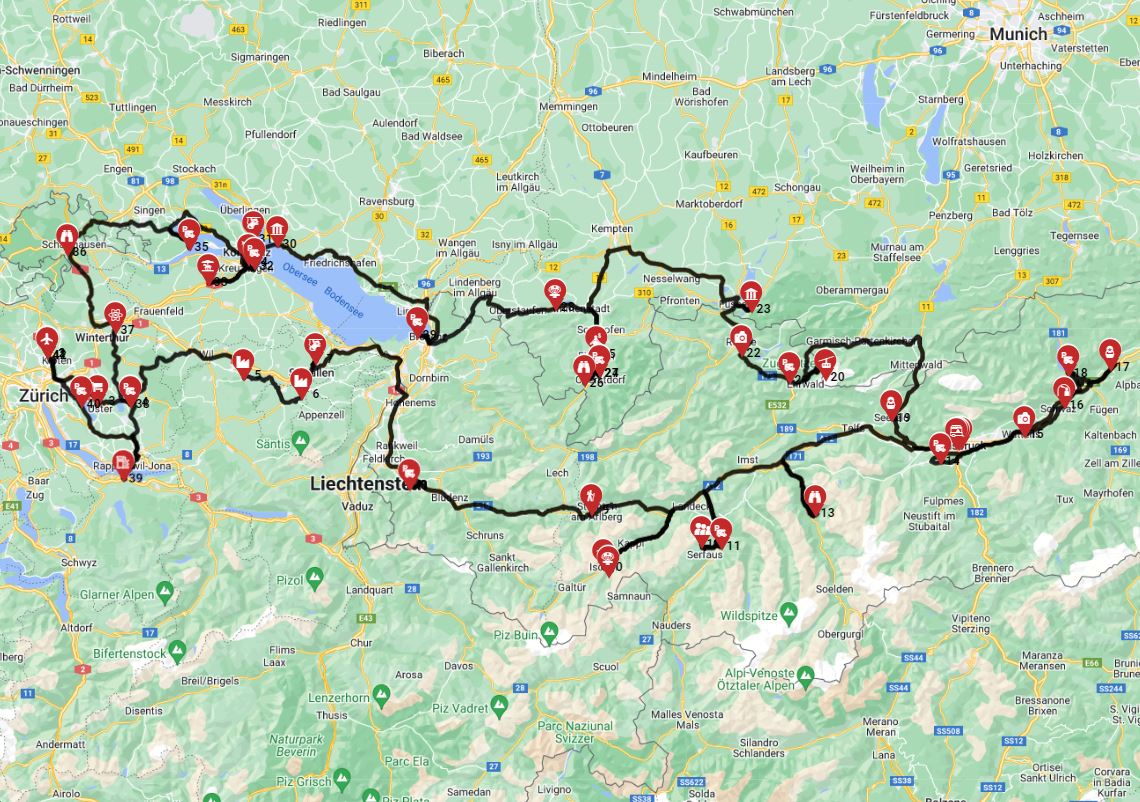
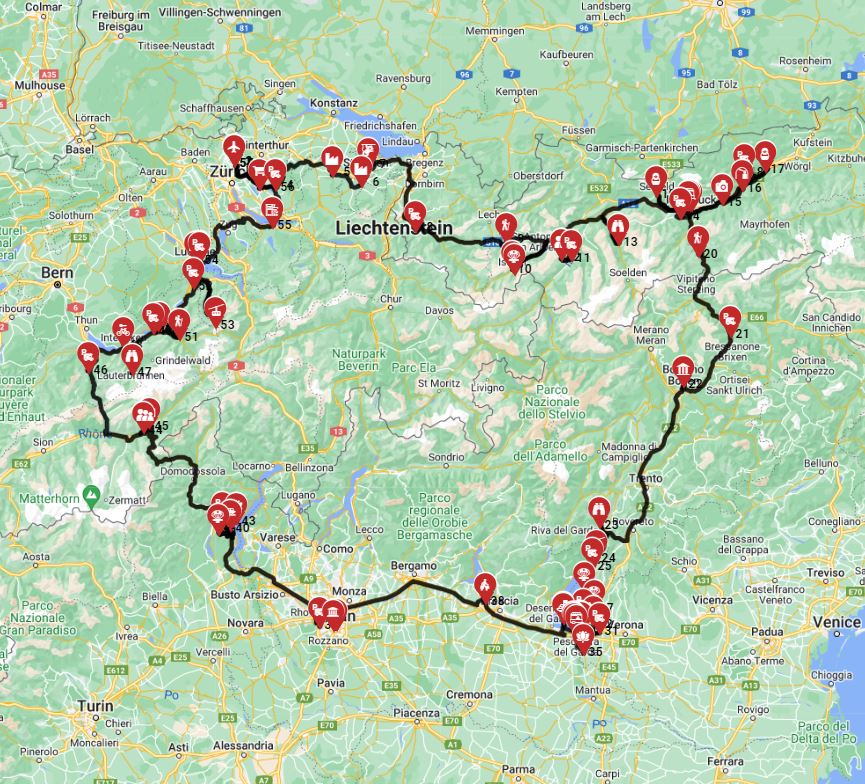
RV rental costs in Switzerland are influenced by the size of the vehicle required, which directly correlates with the number of travelers. For couples, a smaller campervan or a compact Class C motorhome is usually the most economical choice, offering cozy comfort and better fuel efficiency for roughly €90-€180 per day in shoulder season. These agile vehicles are perfect for two people and easier to navigate on Switzerland's scenic roads, even when tackling challenging routes like our "Nice Roundtrip - French Riviera toward North Italy, Switzerland, and the French Alps" itinerary, which covers over 1,740 km and features 17 unique points of interest.
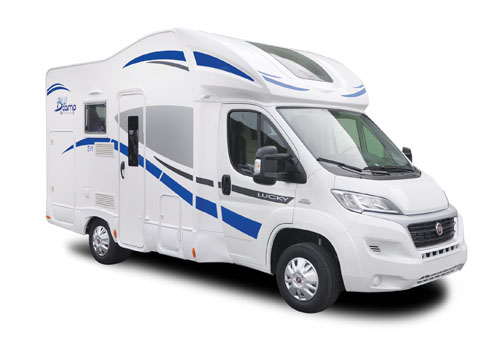
Families with kids or larger groups (4-7 people) will typically opt for a spacious Class C or Class A motorhome, which offers more sleeping berths, larger living areas, and enhanced amenities. A family-sized motorhome, like an "Eclipse Camper" (sleeping up to 6 with a 140/240cm bed over the cab and a 150/200cm rear double bed), might cost €180-€300 per day. While these larger vehicles incur higher rental and fuel costs, they provide the space and convenience essential for a comfortable group trip, allowing everyone to relax after exploring attractions, ensuring ample room for meals prepared in the onboard kitchen. For more meal ideas, check out our RV-friendly recipes playlist. On the routes offered through RV PLANET routes, you can itemize and track every expense along the way for easy budgeting.
Last-Minute Booking: Can I Find Last-Minute RV Rental Deals in Switzerland?
Yes, finding last-minute RV rental deals in Switzerland is possible, but it's important to understand that prices are dynamic and availability can be limited, especially for popular vehicle types or during peak travel seasons. While pre-planners secure their preferred motorhome up to a year in advance, spontaneous travelers can often find options available day-to-day. Prices tend to increase as the rental date approaches and availability shrinks. However, if you have flexible dates and are open to different vehicle models or pickup locations, you might discover last-minute offers as suppliers adjust their inventory.
Many national and state parks in Switzerland reserve only 25-30% of their spots for advance booking, leaving the majority available on a first-come, first-served basis. This means even if you book your RV rental spontaneously, you’ll find a spot; if not at the first campground, then the next one. Always call ahead before driving to confirm availability, especially during busy periods. Being a true RV specialist, Bandana Caravan, founded in 2001, provides a transparent platform to compare real-time prices across various suppliers, helping you secure the best available deal, even on shorter notice.
Flexibility Tips: How Do I Find the Cheapest RV Rental in Switzerland?
To find the cheapest RV rental in Switzerland, flexibility is your greatest asset. Traveling during the shoulder season (May-June or September-October) or the off-season (November-April) can yield significant savings, with April often being the cheapest month for RV rental in Switzerland. Consider adjusting your travel dates by a few days, as even shifting your pickup or drop-off to a weekday can impact the daily rate. Opting for a longer rental duration, such as a two-week or one-month trip, often results in a lower average daily cost compared to a shorter week-long rental.
Utilize comparison tools on platforms like Bandana RV to easily view different suppliers and vehicle types side-by-side. Our platform allows you to compare prices in 30+ currencies with full price transparency, ensuring no hidden conversion commissions. Sometimes, choosing a slightly older model year or a compact Class B campervan, like a "Category Van" (Ideal for a couple, RV size - Small), can also reduce costs while still providing all the essential amenities for a comfortable journey. Embrace slow travel; aim for a maximum of 100-150 km per day on average. This allows you to truly feel the place, connect to the culture, the food, and the scenery, and save on fuel.
Seasonal Pricing - Peak vs. Shoulder vs. Off-Season in Switzerland
RV rental prices in Switzerland fluctuate significantly by season, with peak rates occurring during July and August and the most affordable options found in the off-season, particularly April. Understanding these seasonal variations is key to budgeting and planning your Swiss RV adventure.
Peak Season (July-August)
During July and August, Switzerland experiences its warmest weather and highest tourist demand, leading to premium prices for RV rentals. You can expect daily rates to be 30-50% higher than in the shoulder seasons. For example, a "24' Class C Motorhome" (Ideal for 2 couples, RV size - Medium) that might cost €170/day in spring could jump to €250+/day in August. Availability is also at its lowest, making early booking, ideally 6-12 months in advance, essential to secure your preferred motorhome and potentially save up to 25%.
Shoulder Season (May-June, September-October)
Shoulder season offers a fantastic balance of pleasant weather, moderate prices, and better availability. In May and June, the mountains shed their winter coats, and wildflowers bloom, while September and October bring stunning autumn foliage. Daily rental rates for a motorhome like the "Explorer" (Ideal for 2 couples, RV size - Medium) typically sit in the €120-€200 range. This is an ideal time for a "
Off-Season (November-April)
The off-season presents the lowest rates for RV rental in Switzerland, often 40-60% less than peak season. April, as mentioned, is often the most affordable month. However, this period requires specific winter RVing strategies due to potential road closures and colder temperatures, especially in mountainous regions. Many Alpine passes are closed from October/November until late May or early June. If you're equipped for winter travel, a fully insulated and heated motorhome can make for a unique experience, with plenty of opportunities for winter sports enthusiasts. Always check road conditions and campground availability, as some may operate on reduced schedules. An example vehicle suited for varied conditions could be a "2 Berth Hi Top" with a "Winter Ready" feature, ideal for a couple.
What's Included vs. What's an Add-On
Basic insurance and essential vehicle equipment are typically included with Swiss RV rentals, while amenities like kitchen kits, bedding, and comprehensive insurance tiers are often available as add-ons. Understanding these distinctions is crucial for managing your overall trip budget. Every rental motorhome from our direct partnerships with 50+ leading RV suppliers worldwide will come with the fundamentals you need to hit the road.
Standard Inclusions
Most motorhome rentals in Switzerland will include essential vehicle equipment, such as a basic level of insurance (often with a high deductible), standard safety gear like reflective vests and a warning triangle, and a fully functional kitchen area featuring a stove and refrigerator. For instance, a "Duo" campervan typically includes a functional kitchen with a 65-liter fridge and shower facilities. These core features ensure you have a mobile base for your travels. Fuel and propane tanks are usually provided full at pickup and are expected to be returned full, though some suppliers offer prepaid options for convenience. Mileage packages vary by supplier; some include a set number of kilometers, while others offer unlimited mileage as a standard feature or an upgrade.
Common Add-Ons
Many extras can enhance your RV experience but come at an additional cost. These often include kitchen utensils, tableware, bedding, towels, and outdoor furniture. Comprehensive insurance options, such as collision damage waiver (CDW) with a reduced deductible, are also popular upgrades. At Bandana RV, you can upgrade to a top-level deductible for extra peace of mind, ensuring you travel with confidence. Other popular add-ons include GPS navigation systems, bicycle racks, and child seats. Inclusions can vary by RV model and rental station, so always verify the specific details for your booking. Our platform clearly displays these options, allowing you to customize your rental without any hidden fees or surprises.
How to Save on Weekend RV Rental in Switzerland
To save on an RV rental in Switzerland, consider booking during the shoulder season, utilizing discount cards for fuel and campsites, and opting for longer rental durations to benefit from better daily rates. Flexible planning is your secret weapon for an affordable adventure in the Swiss Alps.
Optimal Timing and Duration
Booking in the shoulder or off-season, particularly April, capitalizes on lower demand and more favorable pricing. You can often secure a modern campervan, such as the "V3" (ideal for a couple, up to 1 year on the road), for significantly less than during the peak summer months. Opt for longer rental periods; a two-week or even one-month rental generally offers a lower per-day rate than a shorter week-long trip. Planning a "Week-Long RV Driving Tour in Switzerland 2026" during these times can lead to substantial savings.
Smart Choices for Your Rental
Choosing a smaller RV class, such as a compact campervan or a Class B motorhome (like the "Active Classic"), can lead to savings on both rental costs and fuel efficiency, while also making navigation easier on Switzerland's narrow roads and city streets. Drive slowly and carefully, and you can drive almost anywhere without issues. No need to stress - just use common sense and pay attention. Many suppliers offer a basic insurance package; while upgrading to a top-level deductible for peace of mind is recommended, assess your comfort level with risk to see if a slightly higher deductible suits your budget.
Minimizing Ancillary Costs
Pre-purchasing the CHF 40 motorway vignette or using campground and fuel discount cards, which some rental companies or local tourism offices offer, can reduce unexpected expenses. Plan your meals and cook in your RV's kitchen to save on costly restaurant meals. Consider visiting our "Budget RV Driving in Switzerland - Save on Fuel 2026" guide for more specific tips on economizing your journey. Moreover, many national and state parks offer a portion of their campsites on a first-come, first-served basis, providing spontaneous travelers with opportunities to find affordable spots even without advance reservations. Remember to call ahead before driving to ensure availability.
Are there specific RV size restrictions or recommendations for Swiss roads and Alpine passes?
While most standard RVs can navigate major Swiss roads, specific size restrictions, especially regarding length, width, and height, apply to certain tunnels, historic village centers, and high Alpine passes, necessitating careful route planning. Switzerland’s infrastructure is incredibly well-maintained, but its mountainous terrain means some routes are simply not designed for very large motorhomes.
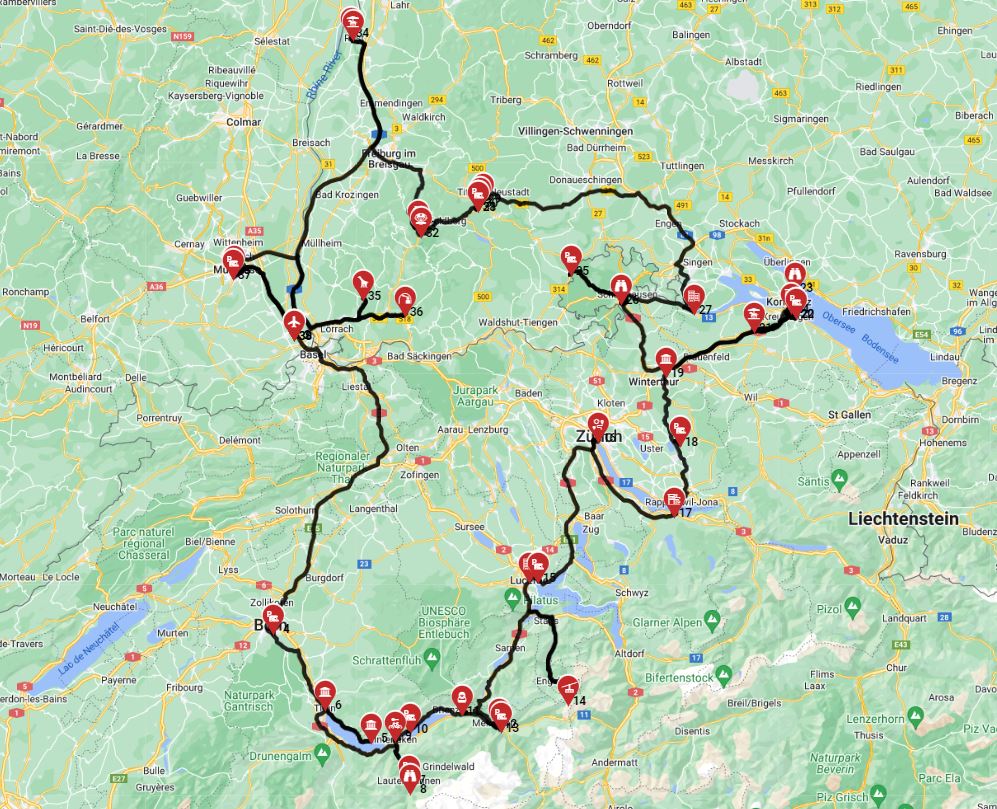
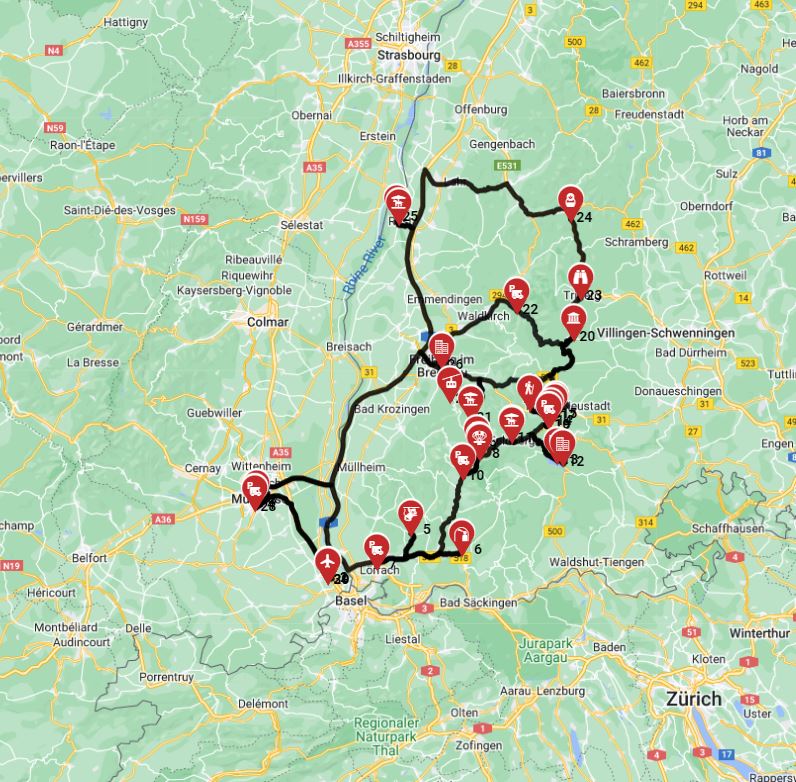
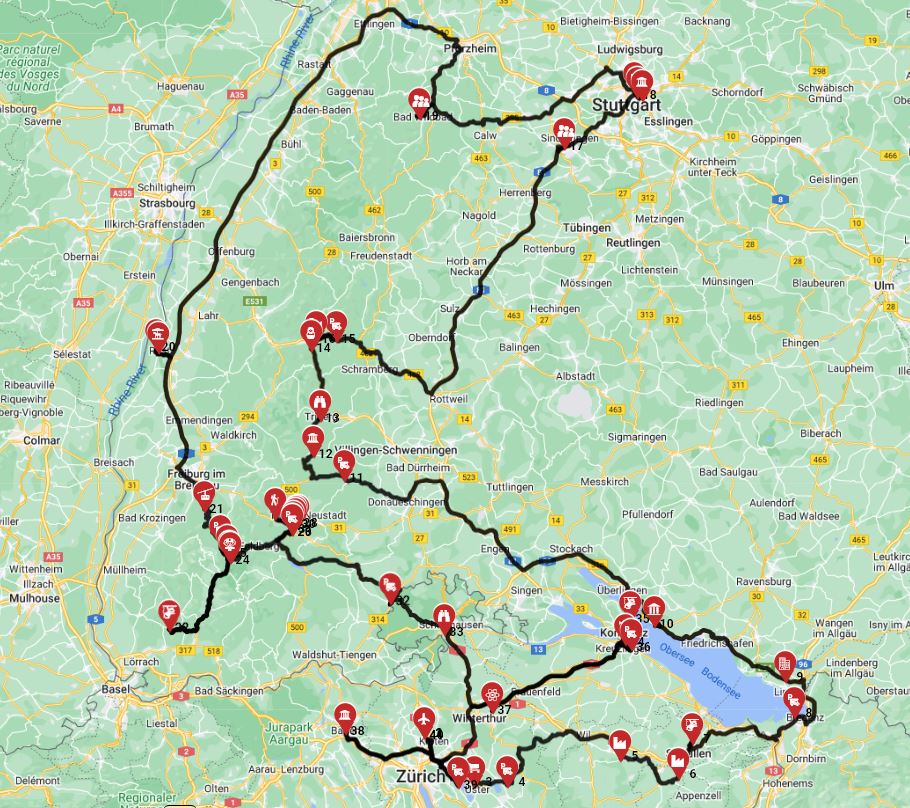
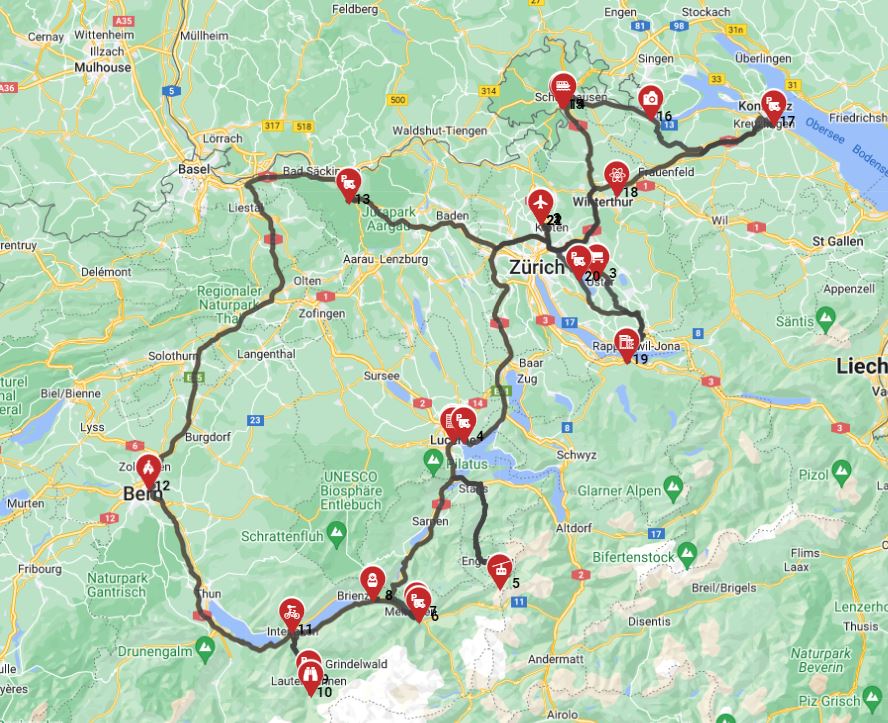
Smaller campervans (Class B) and compact Class C motorhomes are generally recommended for their maneuverability on Switzerland's narrow, winding roads and steep gradients, particularly on iconic Alpine passes like Furka, Grimsel, and Susten. For example, a nimble "RV size - Small" campervan with "Automatic transmission" would be ideal for navigating the 1,233 km of the "Basel Roundtrip - Switzerland & Black Forest" itinerary, which includes 14 natural features and ensures a smooth journey through diverse landscapes.
Drivers of larger RVs, including many Class A models, should consult detailed maps and road information for vehicle-specific restrictions on passes and tunnels, especially regarding height and weight limits, and plan routes to avoid unsuitable roads. Major routes and most urban areas are accessible, but driving slowly and carefully, and using common sense and paying attention, will ensure you can navigate almost anywhere without issues. For a deeper dive, consult our "Driving an RV in Switzerland - Complete Guide 2026" to help you master Alpine navigation. For electric RVs, planning routes with available charging infrastructure is crucial, as public charging networks are still developing, particularly in mountainous regions, so always check ahead.
What are the rules for camping and overnight parking with an RV in Switzerland?
Wild camping and informal overnight parking in an RV are generally prohibited in Switzerland, with strict regulations varying by canton and municipality, making official campsites or designated Stellplätze the most reliable and legal options. Switzerland is renowned for its pristine environment, and these regulations are in place to preserve its natural beauty and local tranquility.
Adhering to local regulations regarding waste disposal, noise levels, and respecting private property is crucial for sustainable RVing and preserving Switzerland's pristine environment. Official campsites across the country offer various amenities and services, from electrical hookups and fresh water to waste disposal facilities and showers. 'Stellplätze' (motorhome parking areas) often provide basic facilities and are a legal alternative for overnight stays, typically at a lower cost than full-service campgrounds.
For unique local immersion beyond major tourist routes, platforms like Nomady connect travelers with private landowners offering legal overnight stays, including farm stays. These often provide a blend of comfort, authentic Swiss experiences, and stunning, secluded locations, making for truly unforgettable memories. Always call ahead to confirm availability and specific rules for any chosen location. Remember, our "RV Rental Europe - Complete Guide 2026" also offers general advice applicable across the continent, but local Swiss laws are paramount.
What do I need to know about emergency preparedness and roadside assistance for RVs in Switzerland?
For RV travel in Switzerland, essential emergency preparedness includes carrying mandated safety equipment, knowing local emergency numbers (112), and understanding that comprehensive roadside assistance is crucial, especially when traversing remote Alpine regions. Switzerland's challenging terrain, though beautiful, demands a proactive approach to safety.
Mandatory safety equipment in Switzerland includes reflective vests for all occupants (to be worn if you exit the vehicle on a roadside or highway) and a warning triangle, which must be placed at a distance if your motorhome breaks down. A first-aid kit and fire extinguisher are also highly recommended for any RV rental journey. Always ensure your rental motorhome is equipped with these items, or acquire them before embarking on your trip.
In case of a breakdown, especially in remote areas or on challenging Alpine passes, contacting your rental provider's roadside assistance or the general European emergency number 112 is paramount. Many of our partner suppliers, including El Monte and Britz, offer 24/7 roadside assistance specific to their vehicles. For winter RVing, ensure your vehicle is equipped with appropriate winter tires and, if necessary, snow chains, which are legally required on some mountain roads during specific periods. Stay updated on route closures, as many Alpine passes are impassable due to heavy snow from October/November until late May or early June. Checking resources like "One-Way RV Driving in Switzerland - Route Planner 2026" can also help you anticipate road conditions.
🎬 Video coming soon
What You Shouldn't Miss
- Explore the Jungfrau Region: Drive your RV to Lauterbrunnen Valley, often called the "Valley of 72 Waterfalls," and take a cable car up to Murren or Wengen for breathtaking views of the Eiger, Mönch, and Jungfrau peaks.
- Cruise Lake Geneva: Park your campervan near Montreux and enjoy a scenic boat cruise on Lake Geneva, passing charming lakeside towns and the iconic Chillon Castle. Consider exploring nearby cities like Geneva - Airport.
- Tackle an Alpine Pass (Seasonally): If traveling between June and October, drive over the Susten Pass or Grimsel Pass (check specific vehicle restrictions for "Luxury RV Driving in Switzerland - Scenic Routes 2026") for an exhilarating experience with panoramic mountain vistas.
- Discover the Swiss National Park: Hike through the only national park in Switzerland, located in the Eastern Alps, known for its untouched nature and diverse wildlife. Remember to book a spot at nearby campsites.
- Wander through Bern's Old Town: Park your motorhome outside the city center and take public transport into Bern's UNESCO-listed Old Town, featuring medieval arcades and the Zytglogge clock tower. You can also explore starting from Bern - Airport.
- Experience Basel's Culture: Visit the city of Basel, known for its vibrant arts scene and numerous museums. Our "Basel Roundtrip - Switzerland & Black Forest" itinerary highlights some of the best cultural experiences here.
Looking for expert insights from Avi Bandana? Top 5 Adventures - recommendations from Avi Bandana
As a seasoned RV traveler, I've seen countless incredible places, but Switzerland holds a special charm. For a truly authentic experience, I always recommend seeking out local markets for fresh produce and artisan cheeses – it’s a fantastic way to immerse yourself in the culture and enjoy delicious meals right in your motorhome. And when it comes to scenic drives, don't just stick to the main highways. Venture onto some of the smaller, well-maintained roads in the valleys; they often lead to the most picturesque villages and unexpected natural wonders. Remember, the true magic of RV travel is in the journey itself, so take your time, savor every moment, and let Switzerland surprise you!
Final Thoughts
A weekend RV rental in Switzerland, often evolving into a delightful week-long or extended road trip, is truly an experience of a lifetime. The freedom to wake up amidst the stunning Alpine landscape, enjoy breakfast with a view, and then set off for your next adventure at your own pace is unmatched. We are here to support you before, during, and after your booking, handling the details so you can simply live the journey.
Whether you're a pre-planner who loves every detail organized, or a spontaneous traveler ready to book day-to-day, Switzerland welcomes you with open roads and incredible sights. Remember to travel slowly, averaging max 100-150 km per day, to truly connect with the local culture, exquisite food, and magnificent scenery that this beautiful country has to offer.
Discover top destinations and planning tips, all in one place, and prepare for an unforgettable RV adventure. Compare Motorhome Prices for Switzerland now and let us help you plan a trip itinerary in advance with minimal effort and maximum enjoyment!