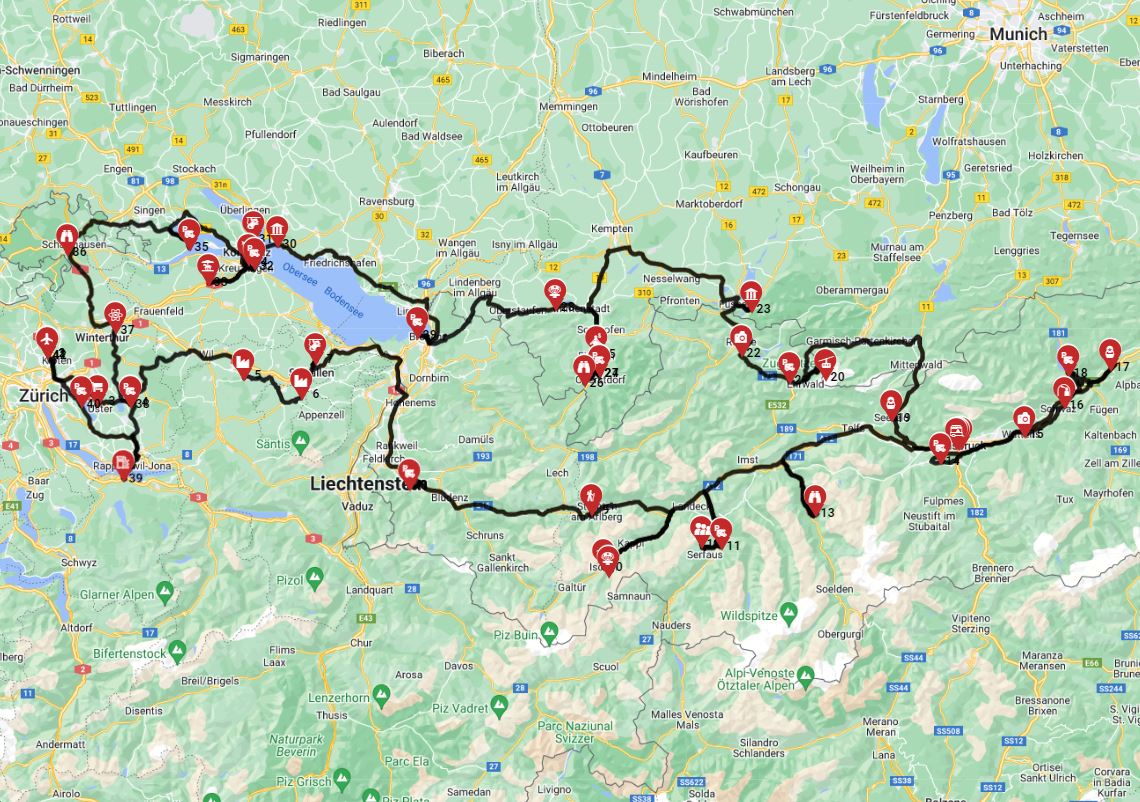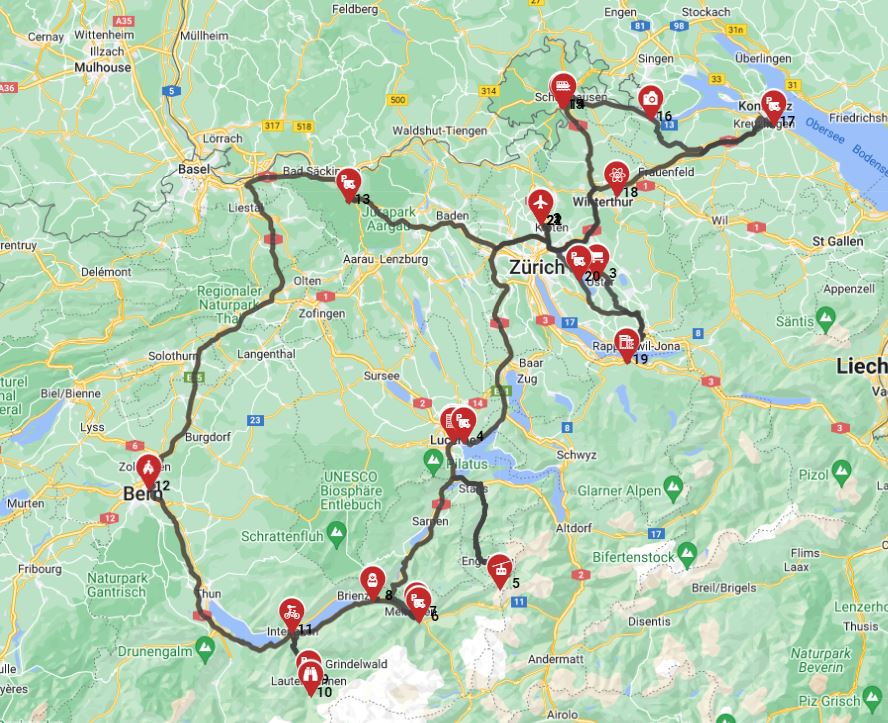
In This Guide
- How much does it cost to rent an RV in Switzerland?
- How much does a 2-week campervan trip in Switzerland cost?
- Is Switzerland RV friendly?
- Can You Drive an RV in Switzerland? License & Age Rules
- Road Conditions & Terrain in Switzerland
- RV Size Limits, Bridges & Restricted Zones
- Fuel: Diesel vs. Petrol & Cost per 100 km
- Tolls, Vignettes & Border Rules
- Driving Tips for cheap rv rental Travelers
- Recommended RV Class for Switzerland Roads
- Should I Choose a Compact Van Instead of a Large RV in Switzerland?
- Can I Park Anywhere? Free & Wild Camping Rules in Switzerland
- Can I Drive an RV Into the City Center? Heights, Tunnels & Local Signage
- Is it worth it to RV in Switzerland?
- What is the best month to RV in Switzerland?
- What is the best way to travel Switzerland by RV?
- What is the difference between a campervan and a motorhome in Switzerland?
- Can you take a campervan on the Glacier Express?
- What You Shouldn't Miss
- Why Book with Bandana Caravan
- Final Thoughts
- Frequently Asked Questions
Imagine yourself waking up to breathtaking Alpine vistas, a fresh pot of coffee brewing in your mobile home, ready to hit the road and discover charming Swiss villages at your own pace. A cheap RV rental in Switzerland makes this dream a vibrant reality, offering unparalleled freedom and flexibility to explore one of Europe's most stunning countries without breaking the bank. At Bandana Caravan, we've spent over 23 years helping tens of thousands of travelers like you embark on unforgettable motorhome adventures across 5 continents, including the majestic landscapes of Switzerland. Our goal is to empower you with comprehensive, transparent information so you can plan the perfect journey. For live availability and current prices, start with our RV Rental Switzerland - Complete Guide 2026 guide.
How much does it cost to rent an RV in Switzerland?
Renting a motorhome in Switzerland typically costs between CHF 100 and CHF 300 per night, with prices fluctuating based on the season, the chosen RV class, and the duration of your trip. Peak season, usually July and August, sees the highest rental rates due to popular demand and ideal weather conditions. Travelers can often find more affordable rates during the shoulder seasons (May-June and September-October), when the weather is still pleasant but crowds are thinner. Smaller campervans, such as Bandana's Class B models like the "Active Original" or "Juliette 2-3," offer excellent value for couples, while larger alcove Class C motorhomes, perfect for families, come with a higher price tag. Remember, final prices are dynamic and set at the actual booking time, much like flight tickets, so comparing options early is key for finding cheap RV rental in Switzerland. We believe in full transparency, so you'll always see the complete cost upfront, with no hidden fees or surprises.
🎬 Video coming soon
How much does a 2-week campervan trip in Switzerland cost?
A 2-week campervan trip in Switzerland can range from CHF 3,000 to CHF 6,000+ for a budget-conscious to mid-range experience, excluding international flights. This estimate broadly covers the campervan rental fee, which might be approximately CHF 1,400 - CHF 3,500 depending on the model and season. Fuel costs, a significant component due to Swiss prices, could total CHF 400 - CHF 700 for an average 1,500-2,000 km journey, assuming an efficiency of 8-12 Liters/100 km for most diesel rental motorhomes. Campground fees, ranging from CHF 25-50 per night, would add another CHF 400 - CHF 800 for 16 nights. Finally, a budget of CHF 800 - CHF 1,200 for groceries and basic activities allows for cooking many meals in your rented campervan, a great way to save money on food. For finding campsites and campgrounds during your trip, we recommend using RV PLANET (rvplan.net) - a great resource for locating available spots along your route. Additionally, on RV PLANET routes, travelers can itemize and track every expense along the way for easy budgeting. Always factor in extra funds for attractions, unique experiences like cable car rides, and any unexpected expenses. On the routes offered through RV PLANET routes, you can itemize and track every expense along the way for easy budgeting.
Is Switzerland RV friendly?
Switzerland is exceptionally RV friendly, offering world-class infrastructure, breathtakingly scenic routes, and a well-developed network of over 400 campsites. The country's meticulously maintained roads and stunning natural beauty make it an ideal destination for exploring by a rented RV, providing travelers with unparalleled flexibility to discover its majestic mountains, pristine lakes, and charming villages. While highly accommodating, RV travelers should be aware of certain considerations, such as the relatively higher costs for fuel and campsites compared to some neighboring countries, and strict regulations regarding overnight parking outside designated areas. Despite these nuances, the freedom to travel at your own pace and wake up to diverse Alpine vistas makes RVing in Switzerland a highly rewarding and manageable experience.
Can You Drive an RV in Switzerland? License & Age Rules
Yes, you can absolutely drive a rented RV in Switzerland, and a standard Class B driving license is sufficient for driving most rental motorhomes if their maximum permissible weight (MPW) does not exceed 3,500 kg. For larger RVs with an MPW between 3,500 kg and 7,500 kg, a Category C1 license is required, while vehicles over 7,500 kg demand a Category C license. At Bandana Caravan, we specialize in making RV travel accessible, and the majority of our rental fleet for Switzerland falls under the standard Class B license category. The minimum driver age for RV rental typically is 21 years old, and usually requires at least 1-3 years of driving experience. Foreign drivers must carry their valid national driver's license, and an International Driving Permit (IDP) is highly recommended for non-EU/EFTA citizens to avoid potential language barriers with local authorities during checks.
Road Conditions & Terrain in Switzerland
Swiss roads are renowned for their excellent quality and meticulous maintenance, consistently offering a smooth and safe driving experience, even within the country's extensive mountainous regions. The terrain is predominantly mountainous, especially in the Alps, featuring numerous winding roads, steep ascents and descents, and an impressive network of tunnels. You should expect scenic, slow-paced driving on iconic mountain passes, which often include narrow sections and challenging hairpins that require careful maneuvering, particularly for larger rental RVs like a Class C motorhome. When planning your trip, consider that winter conditions, from October to April, can bring snow and ice, necessitating the use of winter tires and sometimes snow chains, particularly in higher elevations, to ensure your safety and adherence to local regulations. Our team of true RV specialists can provide advice on route suitability for various rented motorhome sizes.
RV Size Limits, Bridges & Restricted Zones
While Switzerland is generally very welcoming to RV travelers, drivers must pay close attention to local signage indicating height, width, and weight restrictions, particularly when navigating older bridges, historic town centers, and specific mountain passes. Tunnels, including the vital Gotthard Tunnel (16.9 km long), comfortably accommodate most RVs, but it's always wise to check for any specific vehicle class restrictions, especially for very large or heavy motorhomes. Environmental zones are not as widespread for RVs in Switzerland as they are in some other European countries, but certain cities or areas might have local restrictions, so always confirm municipal regulations. Awareness of your rented vehicle's length is also crucial for lake ferry crossings and when searching for parking spaces, as longer vehicles may have limited options. Drive slowly and carefully, and you can drive almost anywhere without issues. No need to stress - just use common sense and pay attention.
Fuel: Diesel vs. Petrol & Cost per 100 km
Most rental RVs in Switzerland, including the extensive selection available through Bandana's partners, operate on diesel fuel, which is readily available at service stations across the country. For example, Bandana's Class SI (Semi-integrated) RVs typically consume 10-11 Liters/100 km, Class C (Alcove) RVs average 10-12 Liters/100 km, while compact Class B (Camper Van) RVs consume 8-10 Liters/100 km, and Class A (Integrated) RVs average 8-12 Liters/100 km. Considering an average diesel price of approximately CHF 2.00 per liter, the estimated fuel cost for an RV trip in Switzerland can range from CHF 16 to CHF 24 per 100 km, depending on the RV class and driving conditions. It’s important to note that fuel in Switzerland is generally more expensive than in neighboring countries, making efficient driving and route planning essential for a budget RV driving in Switzerland. Some RV rental companies may offer fuel discount cards, which can help mitigate these costs.
Tolls, Vignettes & Border Rules
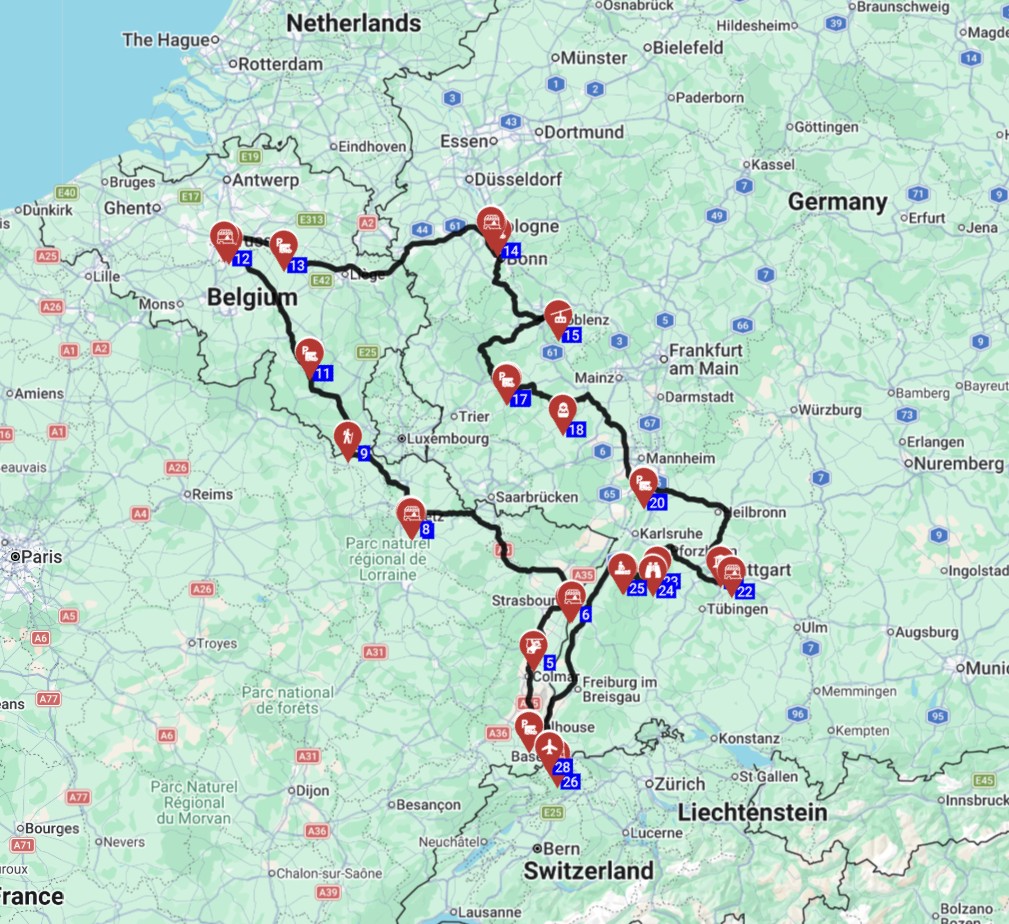
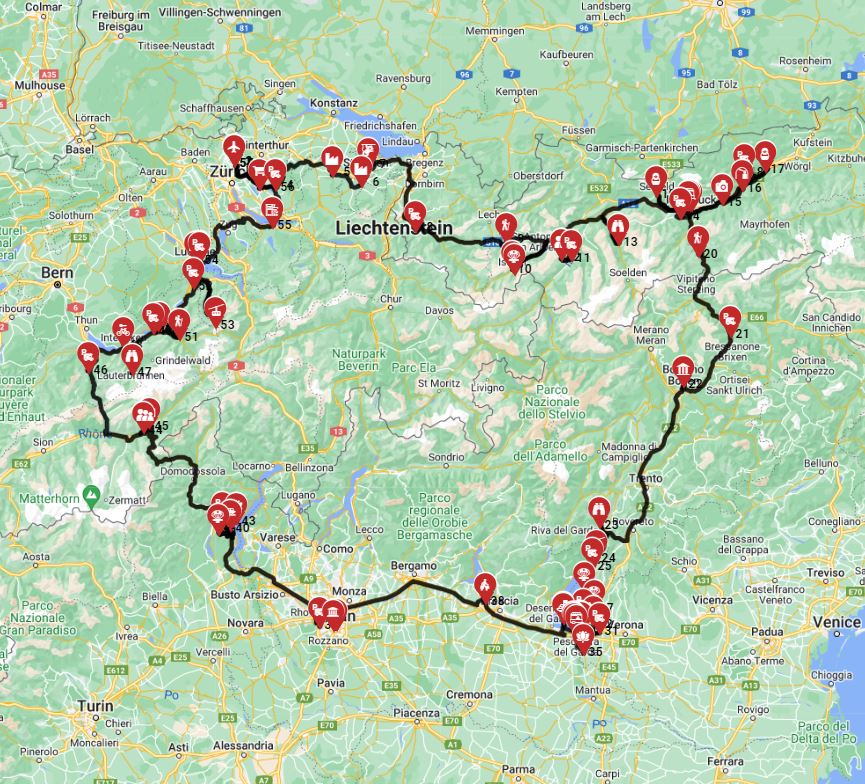
To use Swiss motorways (Autobahn), all vehicles up to 3,500 kg, including rented RVs and campervans, must purchase an annual motorway vignette, which costs CHF 40 for 2026. This vignette is a one-time purchase valid for the calendar year. Vehicles over 3,500 kg, however, are subject to a Heavy Vehicle Charge (LSVA), which is calculated based on weight, distance traveled, and emission category. This charge is often managed via an onboard device provided by the rental supplier, ensuring full transparency in costs. While the vignette covers most tunnels and mountain passes, some specific routes, such as the Grand St Bernard Tunnel, may have separate tolls. When traveling from Switzerland to neighboring countries like France, Germany, Italy, or Austria, be aware that each has its distinct toll systems (e.g., péage in France, Autobahn vignette in Austria, or environmental badges in German cities), which are not covered by the Swiss vignette. Our direct partnerships with 50+ leading RV suppliers worldwide, including El Monte and Apollo, mean we can provide detailed guidance on these cross-border considerations, simplifying your multi-country itinerary, such as the "Nice Roundtrip - French Riviera toward North Italy, Switzerland, and the French Alps" route.
Driving Tips for cheap rv rental Travelers
To fully enjoy your cheap RV rental in Switzerland, practice mountain driving techniques by using engine braking (selecting a lower gear) on descents to prevent brake overheating and driving cautiously on winding roads. Observe speed limits strictly, as Switzerland has stringent traffic laws and frequent speed cameras; typical limits are 120 km/h on motorways, 80 km/h outside towns, and 50 km/h in urban areas. Plan your route with an RV-specific navigation system that can account for your vehicle's dimensions to avoid unsuitable narrow roads or low bridges, ensuring a smooth journey. Embrace sustainable practices by responsibly disposing of waste at designated stations, conserving water in your rented motorhome's tanks, and adhering to 'Leave No Trace' principles to protect Switzerland's pristine environment. Finally, prepare for emergencies by carrying a first-aid kit, reflective vest, and warning triangle, and familiarize yourself with local emergency numbers (112 for general emergencies, 140 for breakdown service, 144 for ambulance), especially understanding mountain rescue procedures for remote areas. Remember to travel slowly, a maximum of 100-150 km per day on average, to truly connect with the culture, food, and scenery.
Recommended RV Class for Switzerland Roads
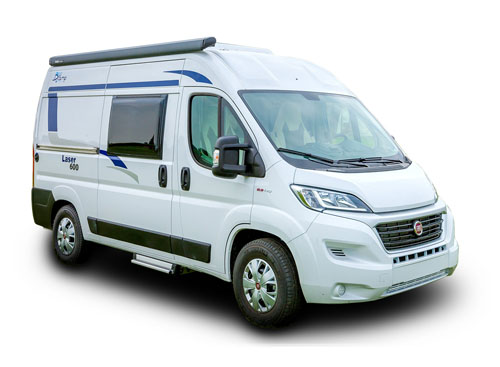
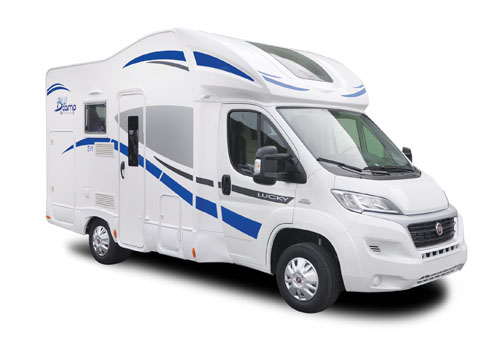
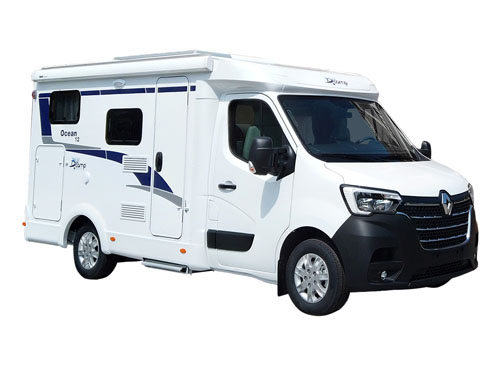
For optimal navigation of Switzerland's varied terrain and access to charming villages, Class B (Camper Van) and Class SI (Semi-integrated) RVs are generally the most recommended options for rental. Bandana's Class B Camper Vans, averaging 5.8 meters in length with sleeping for 3-4 people, offer excellent maneuverability for narrow mountain roads and easier parking in towns, balancing agility with essential amenities. For instance, a "Category Van" or "Combi Van" offers features like a 95L fresh water tank, 80-liter fridge, and automatic transmission, ideal for couples. Class SI Semi-integrated RVs, with an average length of 6.9 meters and sleeping for 3-5 people, provide a good compromise between comfortable living space and manageable driving dimensions, ideal for families or couples seeking more amenities without excessive size. While larger Class C (Alcove) and Class A (Integrated) RVs offer more space, often averaging 7.5m in length, their size can be more challenging on very tight mountain passes and in some historic village centers, though they are perfectly suitable for motorways and larger campsites. Ultimately, your choice depends on your group size, comfort preferences, and the specific routes you plan to explore.
Should I Choose a Compact Van Instead of a Large RV in Switzerland?
Choosing a compact campervan (Class B) often offers significant advantages for accessing tighter locations and enhancing maneuverability when traveling through Switzerland, particularly if you're seeking a cheap RV rental in Switzerland. These smaller vehicles excel when exploring historic city centers with narrow streets, navigating challenging, winding mountain passes, or seeking smaller, more secluded campsites where larger RVs might feel cumbersome. Take the "Active Original" campervan, ideal for a couple, offering a convenient way to immerse in local life. However, the trade-off is reduced indoor space, fewer amenities (like a dedicated separate shower/toilet), and less storage, which might impact comfort for longer trips or larger groups. For travelers prioritizing comfort, dedicated living areas, and self-sufficiency, a larger semi-integrated (Class SI) or alcove (Class C) RV remains a better choice, as Switzerland's main road infrastructure and larger campsites are generally well-equipped to accommodate them. It’s all about balancing your desired level of comfort with ease of driving and access to unique spots.
Can I Park Anywhere? Free & Wild Camping Rules in Switzerland
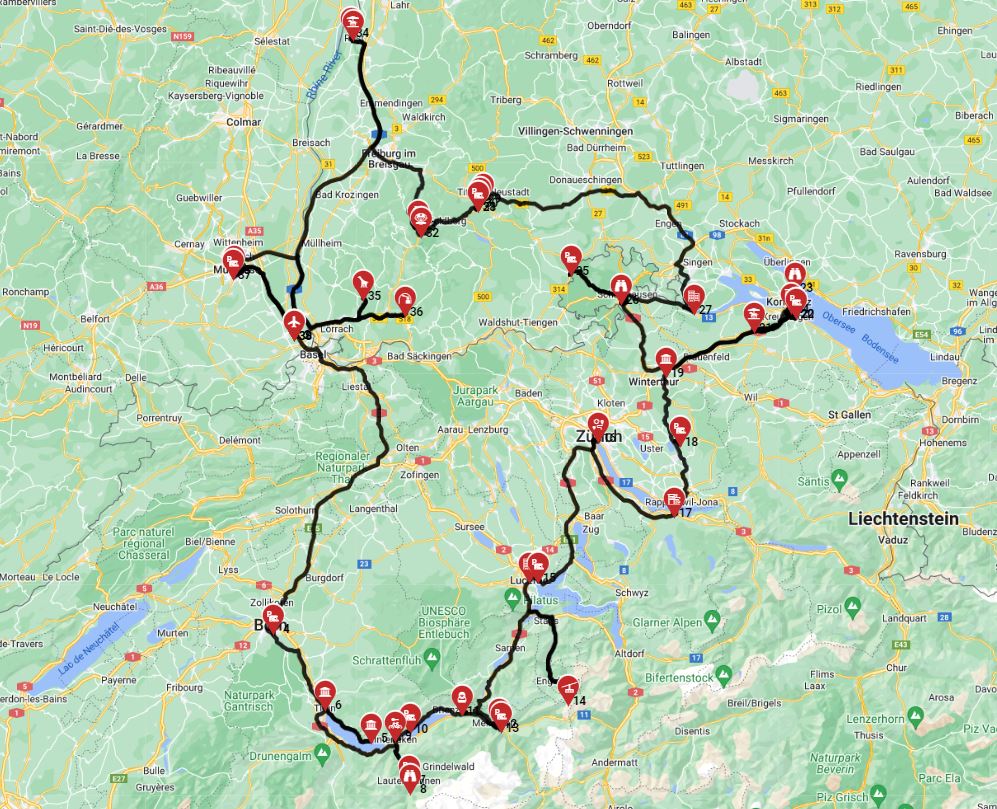
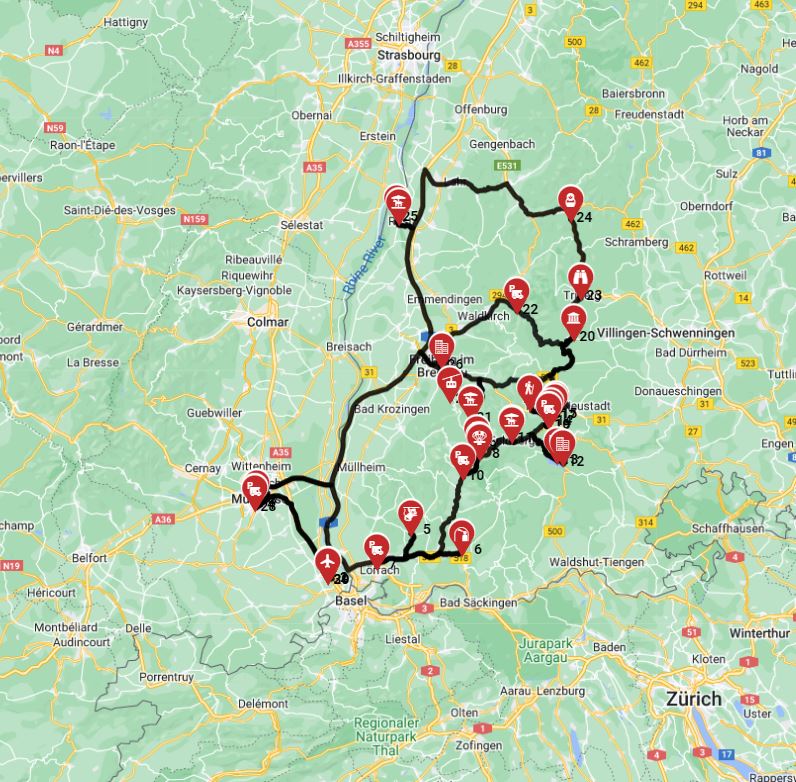
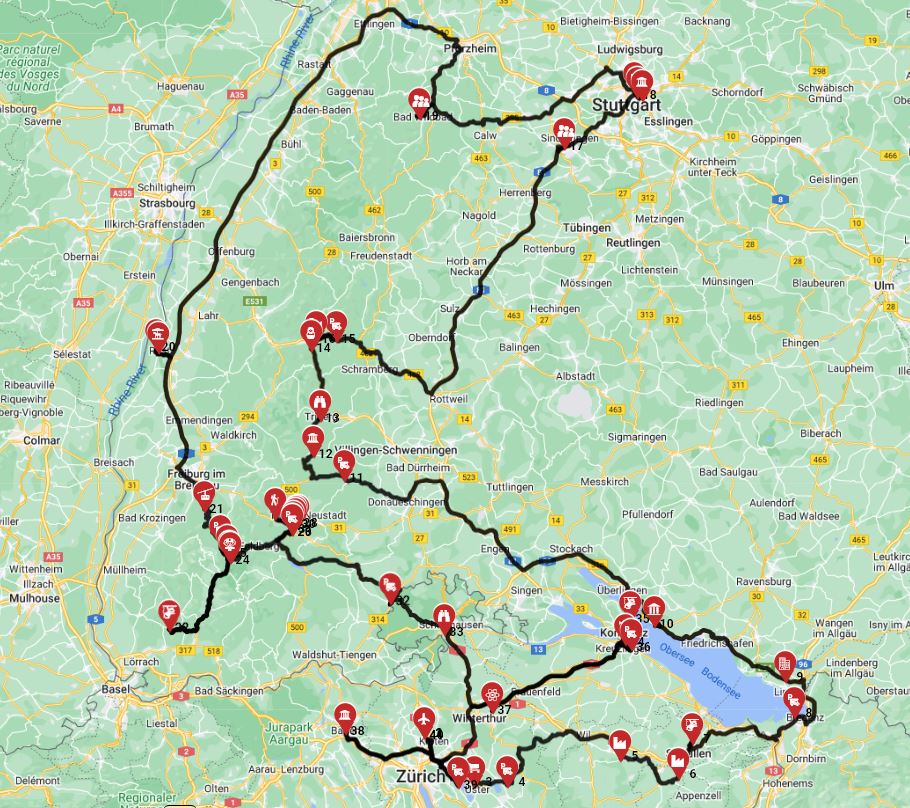
Wild camping, or free overnight parking outside of designated campsites, is generally prohibited in Switzerland, especially within national parks, nature reserves, and the majority of cantons. This strict regulation is in place to preserve the country's pristine environment and ensure public safety. Rules regarding overnight parking vary significantly by canton and municipality, making it essential to check specific local regulations before attempting to park. Legally tolerated alternatives to wild camping include designated RV parking areas (Stellplätze), which often provide basic services like water and waste disposal, and seeking explicit permission from private landowners for overnight stays, such as at some Alpine farms. Always respect local communities and the environment by strictly adhering to 'Leave No Trace' principles, ensuring no waste is left behind, and avoiding disturbing wildlife or residents. Utilize resources like RV PLANET (rvplan.net) to find official campsites and approved overnight parking spots along your chosen route plan, such as the "Basel Roundtrip - Switzerland & Black Forest" which includes 2 amusement parks and 5 natural features.
Can I Drive an RV Into the City Center? Heights, Tunnels & Local Signage
Yes, you can generally drive a rented RV into most Swiss city centers, but doing so requires careful attention to local signage, as restrictions on vehicle size and access are common. Always watch out for height and weight restrictions, particularly in historic old towns where narrow streets, low archways, and older bridges are prevalent. Many city centers have limited parking options for larger vehicles, and some areas may enforce residents-only parking or restricted access during peak hours. A practical strategy is often to park your RV at designated outer-city parking lots or well-connected campsites and utilize Switzerland's excellent public transportation network (trains, trams, buses) to explore the city center seamlessly. This approach minimizes stress and parking difficulties, allowing you to enjoy urban attractions without the hassle of maneuvering a larger vehicle. Drive slowly and carefully, and you can drive almost anywhere without issues. No need to stress - just use common sense and pay attention.
Is it worth it to RV in Switzerland?
Renting an RV in Switzerland is highly worth it for travelers seeking unparalleled flexibility, direct access to nature, and the freedom to create a personalized itinerary amidst some of the world's most spectacular landscapes. The primary advantages include the ability to stay in incredibly scenic locations, often right at the foot of mountains or by serene lakes, and the convenience of having your accommodation, kitchen, and bathroom with you. This allows you to cook your own meals, an excellent way to manage costs, as Switzerland can be an expensive country for dining out. While the country's higher fuel and campsite costs mean it might be pricier than RVing in some other European destinations, the unique experience of waking up to a different mountain panorama each day and the independence it offers often outweigh the expenses. It's particularly rewarding for those who value outdoor adventure, independence, and the opportunity to immerse themselves in Switzerland's diverse regions at their own pace.
What is the best month to RV in Switzerland?
The best months to enjoy a rented RV trip in Switzerland are typically from late May to early October, as this period offers the most favorable weather conditions and full accessibility to iconic mountain passes and numerous campsites. July and August mark the peak season, characterized by warm weather, fully open mountain roads, and abundant outdoor activities, though this also means larger crowds and higher prices for RV rentals and campsites. The shoulder months of May-June and September-October provide a fantastic balance of pleasant weather, fewer tourists, and potentially lower rental costs, with vibrant spring blooms or stunning autumn foliage providing spectacular backdrops. Winter RVing, from November to April, is possible but presents specific challenges, including colder temperatures, limited campsite availability, and the necessity for winter tires and chains. However, it offers unique opportunities for skiing and enjoying festive Christmas markets for the prepared traveler.
What is the best way to travel Switzerland by RV?
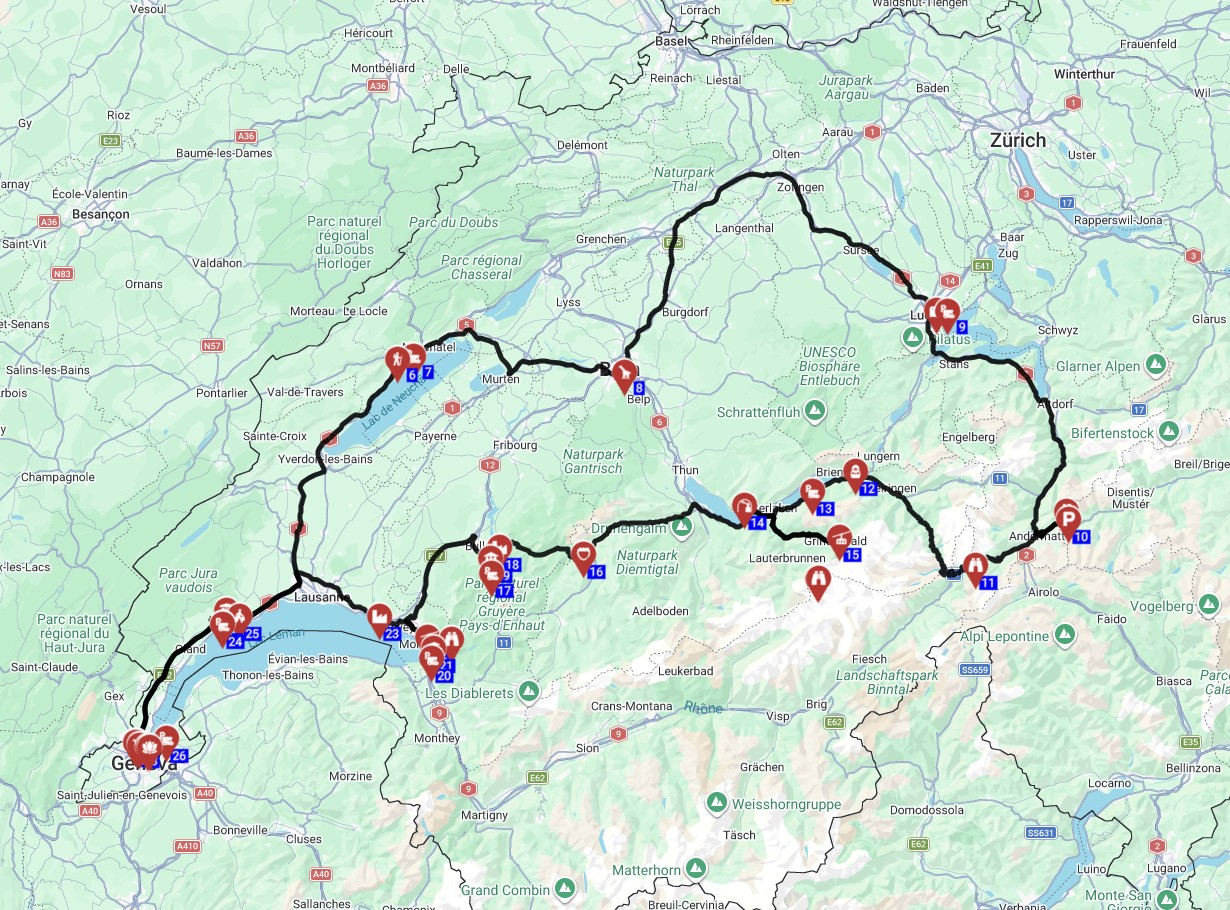
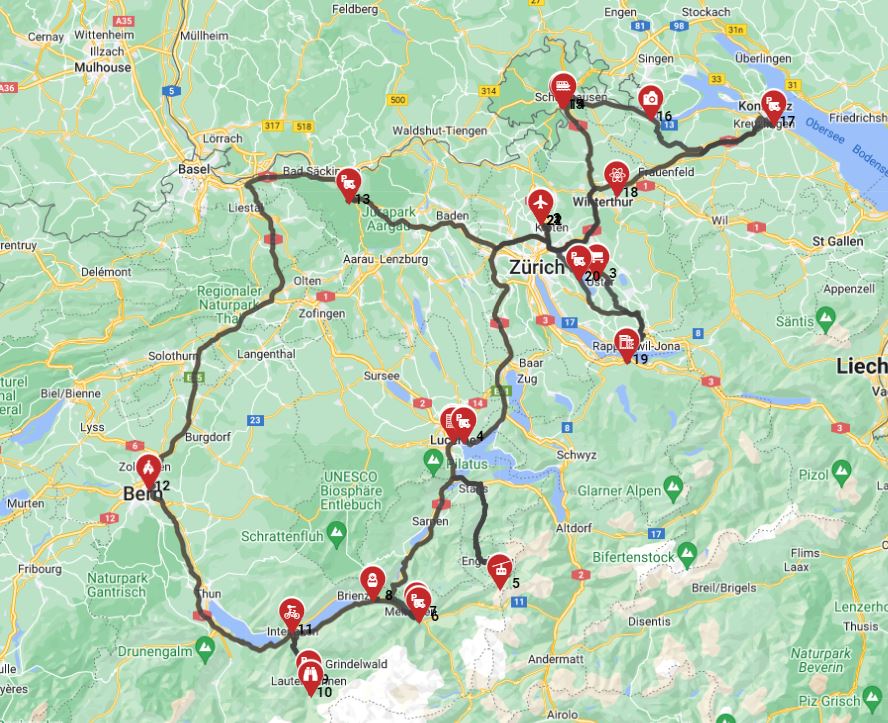
The best way to travel Switzerland by RV involves a strategic combination of careful route planning across its distinct linguistic regions, effective integration with public transport, and a deep dive into local cultural experiences beyond the usual tourist traps. Begin by mapping out an itinerary that allows you to explore the German-speaking (e.g., Lucerne, Interlaken), French-speaking (e.g., Geneva, Lausanne), and Italian-speaking (e.g., Ticino) areas, each offering unique customs, cuisine, and landscapes. Maximize your experience by strategically combining your RV travel with Switzerland's world-class public transport network; park your motorhome at a regional campsite and use trains, boats, and postbuses to explore car-free villages, cities, or high-alpine areas like Zermatt. Seek out authentic local food experiences by visiting farmer's markets for fresh produce and trying regional specialties in village restaurants, a great way to experience local flavors. You can find many ideas for RV-friendly meals and recipes in our RV-friendly recipes playlist. Consider a pre-planned route like the "
What is the difference between a campervan and a motorhome in Switzerland?
In Switzerland, the term 'campervan' (often referring to a Class B RV) designates a compact recreational vehicle built on a standard van chassis, emphasizing ease of driving and maneuverability. These models, like Bandana's "Active Original" at an average length of 5.8 meters, typically offer sleeping arrangements for 2-3 people, a basic kitchen, and sometimes a small toilet/shower combination, ideal for agile travel. In contrast, a 'motorhome' encompasses larger RV classes, including semi-integrated (Class SI), alcove (Class C), and integrated (Class A) models, which are built on a specialized chassis and offer significantly more living space, enhanced amenities, and often separate sleeping and dining areas. For example, a Bandana Class SI "Explorer" might be 6.9 meters long and sleep up to 5 people, while a Class C "Comfort Family" could be 7.5 meters and accommodate 6-7 people, providing greater comfort and storage. Campervans are perfect for couples or solo travelers prioritizing agility and easy parking, often feeling more like driving a large car, whereas motorhomes are better suited for families or longer trips, providing more extensive facilities and comfort, though requiring more careful handling on tight Swiss roads.
Can you take a campervan on the Glacier Express?
No, you cannot take a campervan on the Glacier Express, as it is a scenic railway journey designed exclusively for passengers, not vehicles. To experience the iconic Glacier Express while enjoying your RV trip in Switzerland, the best approach is to park your rented campervan or motorhome at a nearby campsite or designated parking area at one of the train's starting or ending points, such as Zermatt, St. Moritz, or Chur. From there, you can board the Glacier Express as a passenger, enjoying the 'Slowest Express Train in the World' through breathtaking Alpine landscapes without the concerns of driving and parking. This integrated travel strategy allows you to combine the flexibility and convenience of your RV with Switzerland's world-renowned public transport system, offering a unique way to explore car-free destinations and epic train routes, and creating a truly memorable adventure.
What You Shouldn't Miss
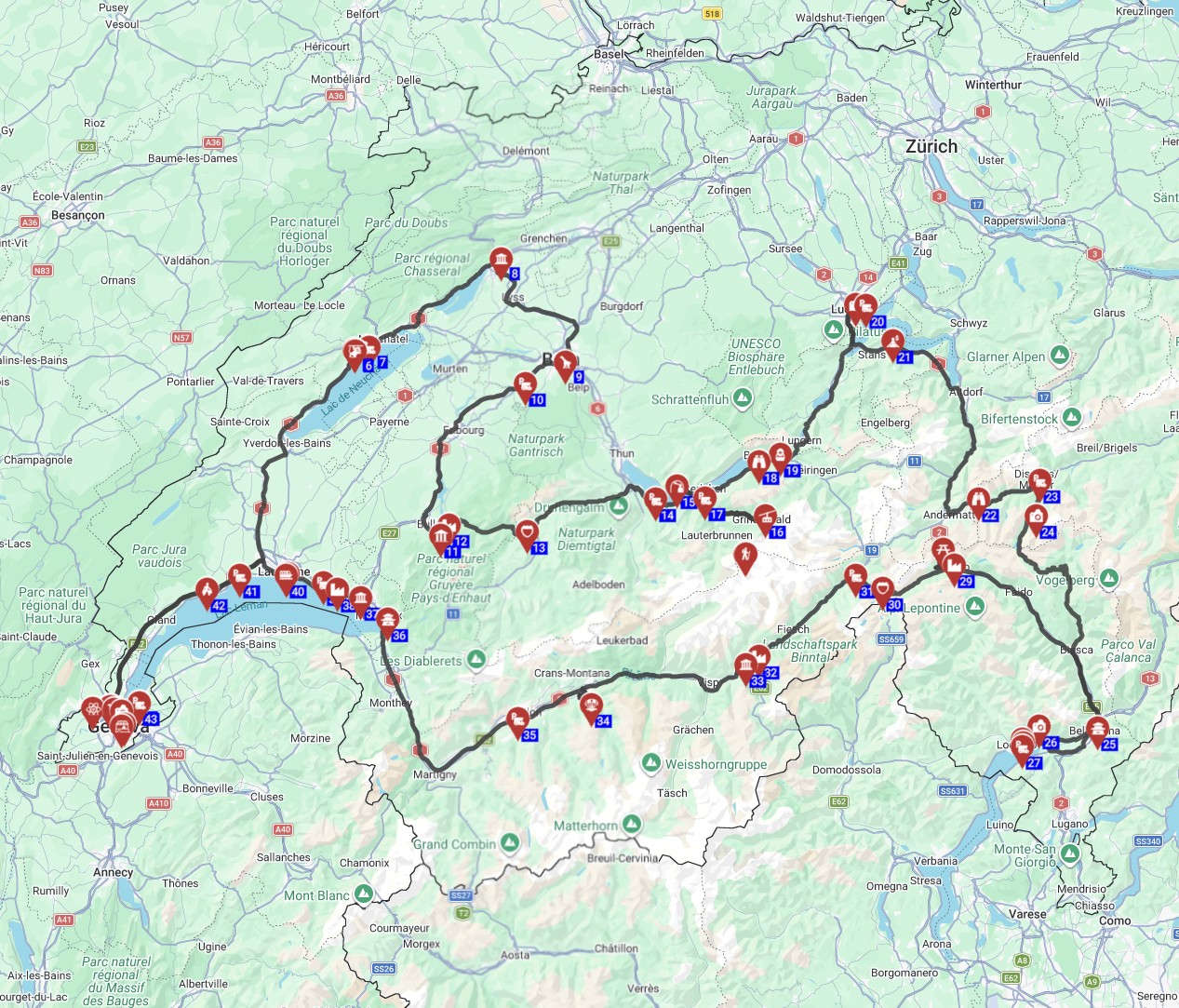
- **The Grand Tour of Switzerland Route:** Embark on parts of this official 1,600 km route, designed to highlight the best of Switzerland's landscapes, including 22 lakes, 5 Alpine passes, and 12 UNESCO World Heritage Sites.
- **Interlaken and the Jungfrau Region:** Park your RV in a nearby campsite and take a cogwheel train or cable car up to the Jungfraujoch, the 'Top of Europe', for unparalleled glacier views. The region also offers abundant hiking, paragliding, and rafting.
- **Lucerne and Lake Lucerne:** Explore the picturesque Chapel Bridge, wander through the charming old town, and take a scenic boat trip on Lake Lucerne, accessible from numerous lakeside RV campgrounds.
- **Ticino's Mediterranean Charm:** Drive south to the Italian-speaking canton of Ticino, where palm trees, warm weather, and delicious risotto await. Explore towns like Lugano and Locarno, and hike in the Vallemaggia.
- **Rhine Falls near Schaffhausen:** Witness Europe's largest waterfall, a thundering spectacle that can be viewed from multiple platforms, easily accessible with your rented motorhome.
- Looking for expert insights from Avi Bandana? Top 5 Adventures - recommendations from Avi Bandana.
Final Thoughts
A cheap RV rental in Switzerland is more than just a vacation; it's an invitation to experience freedom on your terms, surrounded by some of the most spectacular natural beauty on Earth. From navigating scenic Alpine passes to enjoying quiet evenings by a lakeside campground, a rented motorhome offers a unique blend of adventure and comfort that traditional travel simply can't match. We encourage you to embrace slow travel, allowing yourself the time to truly savor each moment, connect with the local culture, and let the breathtaking landscapes unfold around you.
At Bandana Caravan, we are dedicated to making your dream RV adventure a reality. With our commitment to full transparency, expert support, and a vast selection of quality motorhome rentals, you can book with confidence, knowing you have a team of true RV specialists guiding you. Get inspired for your next trip! Discover top destinations, planning tips, all in one place!
So, are you ready to hit the road and discover the magic of Switzerland by RV? Compare Motorhome Prices for Switzerland today and start planning an adventure you'll cherish forever. The mountains are calling!